Tarantino’s first film takes the robbery out of the heist film and leaves the men in a warehouse arguing about it. The talk is the action, the structure is the achievement, and the 18 certificate is earned in one scene we have never recovered from.
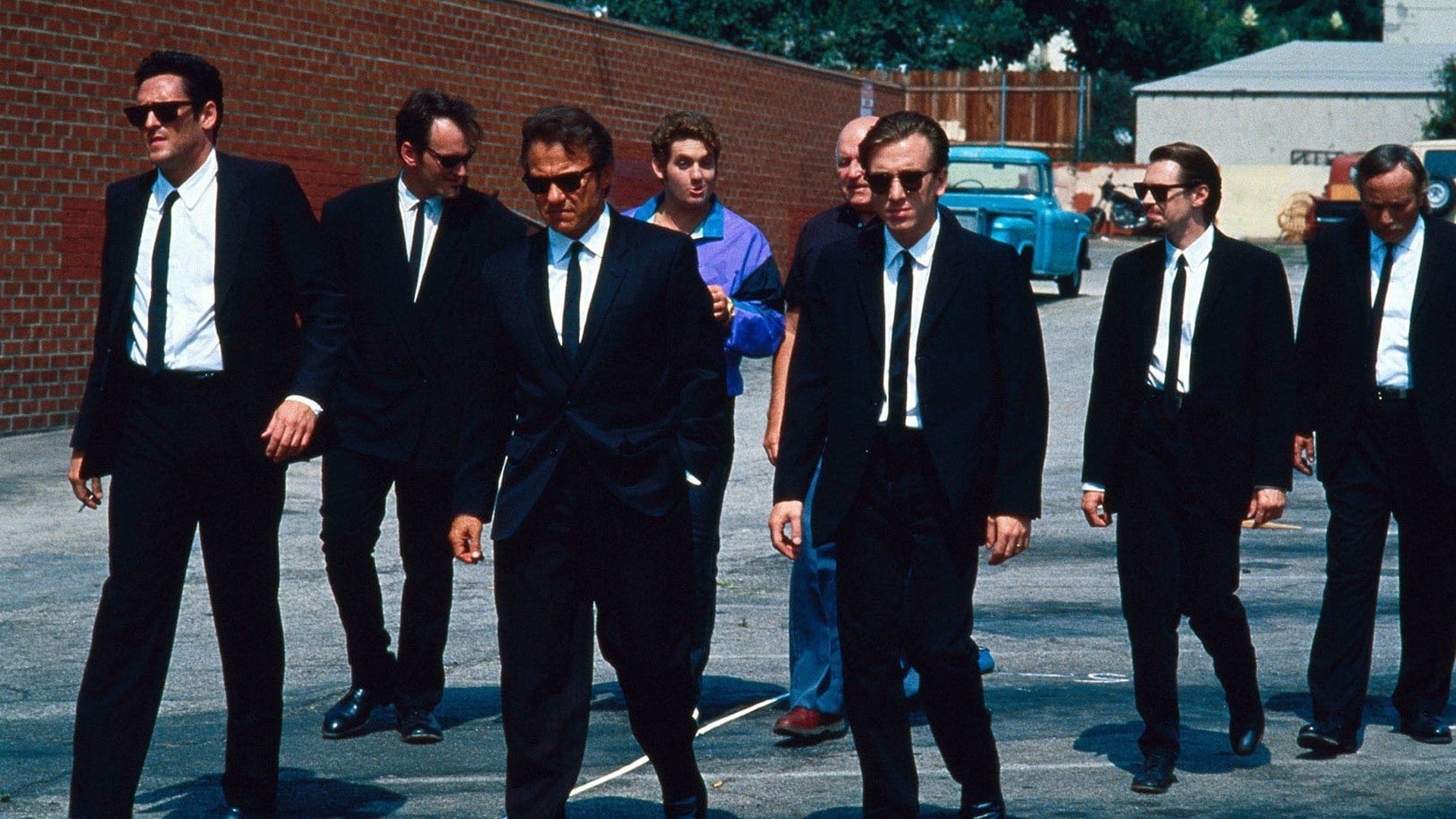
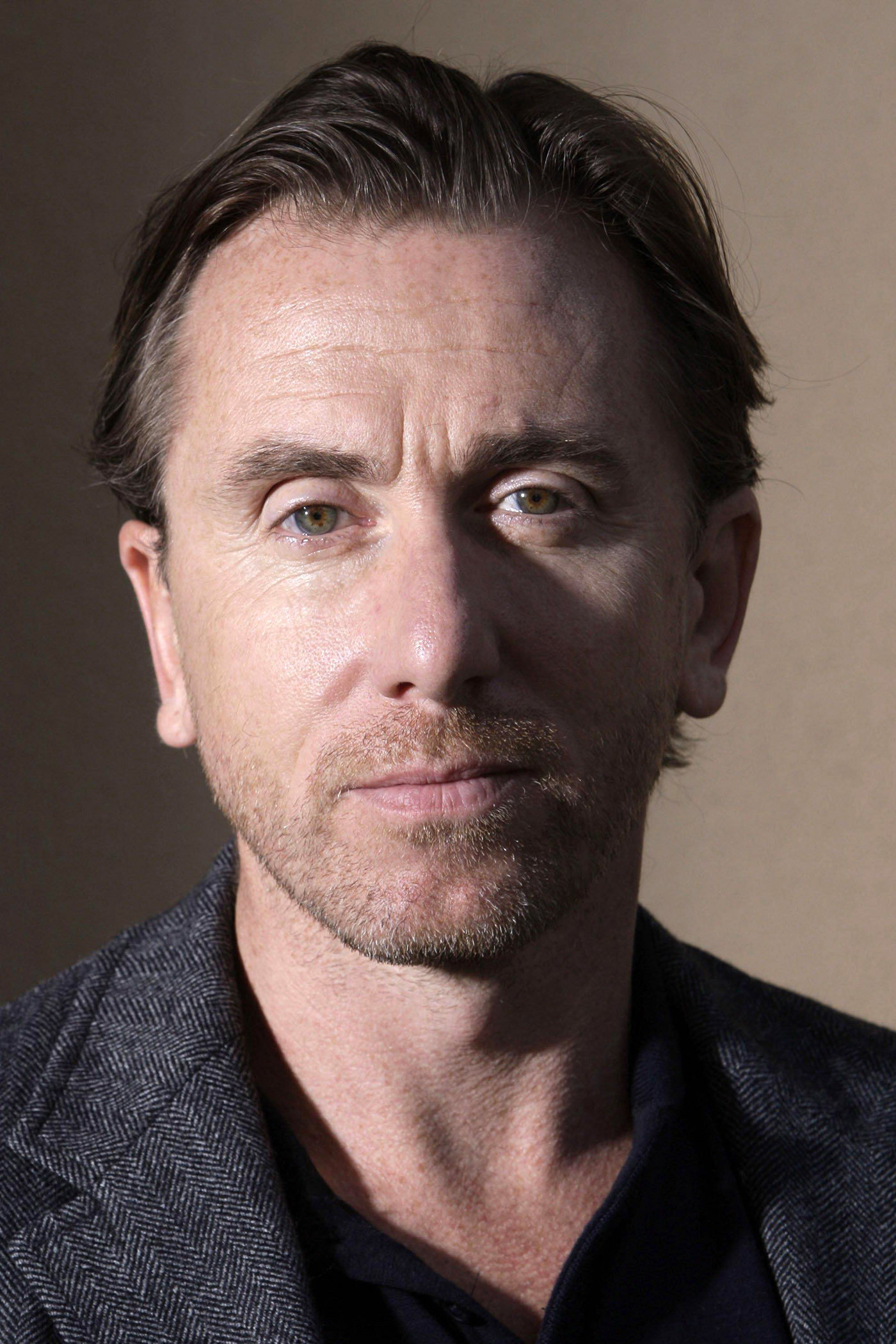
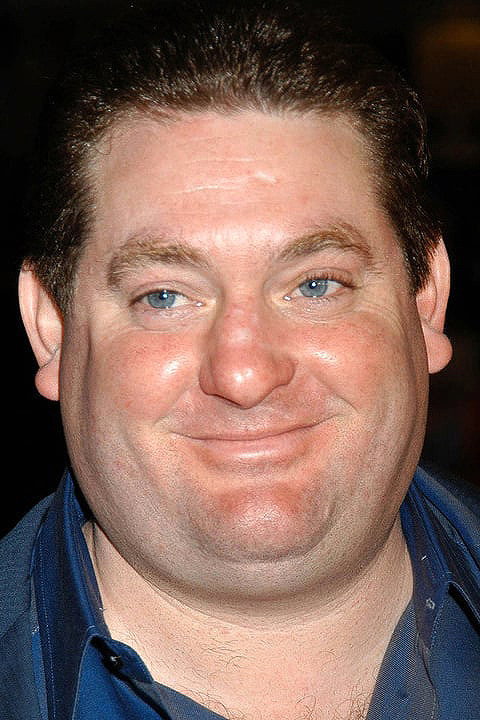
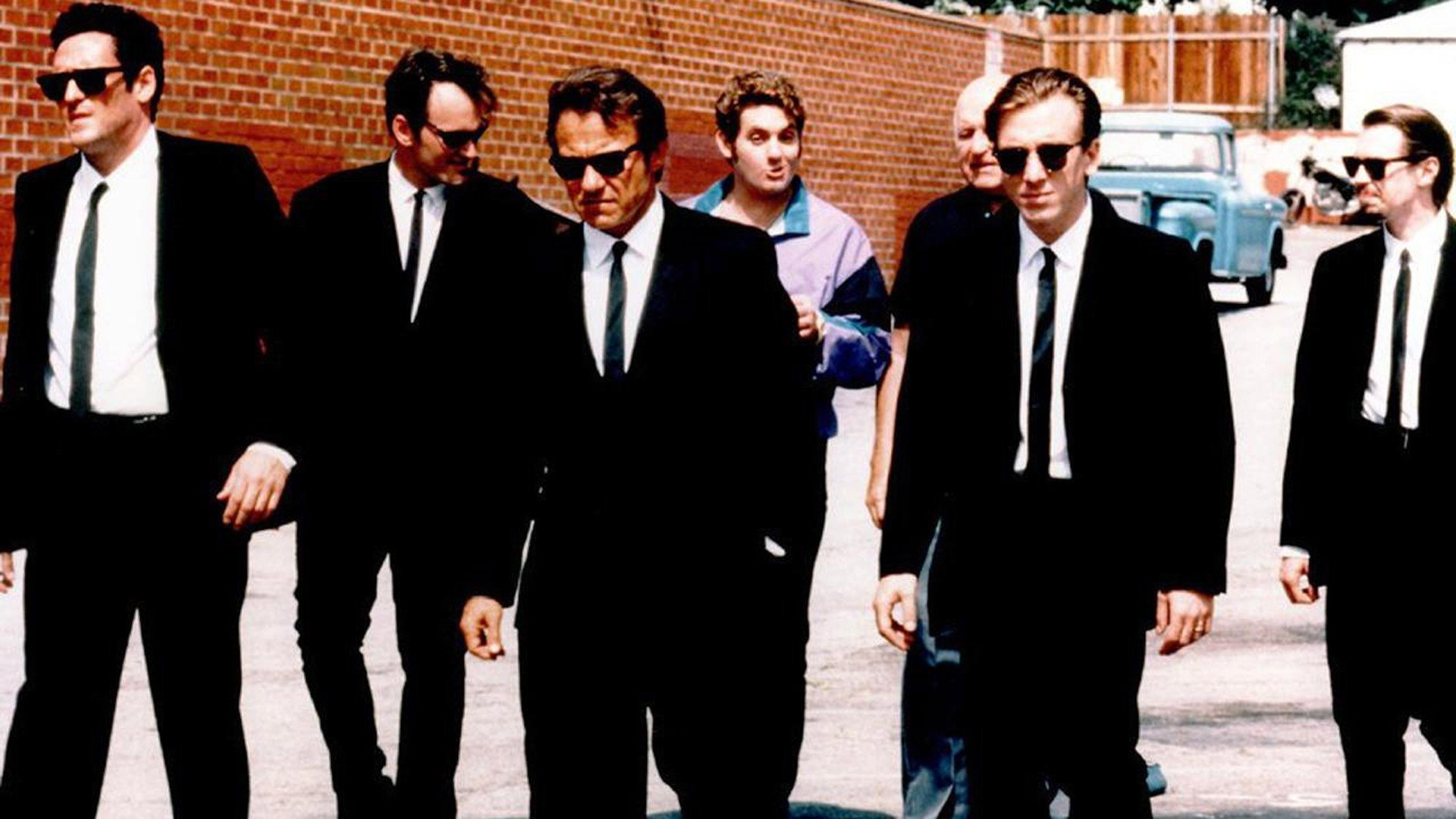
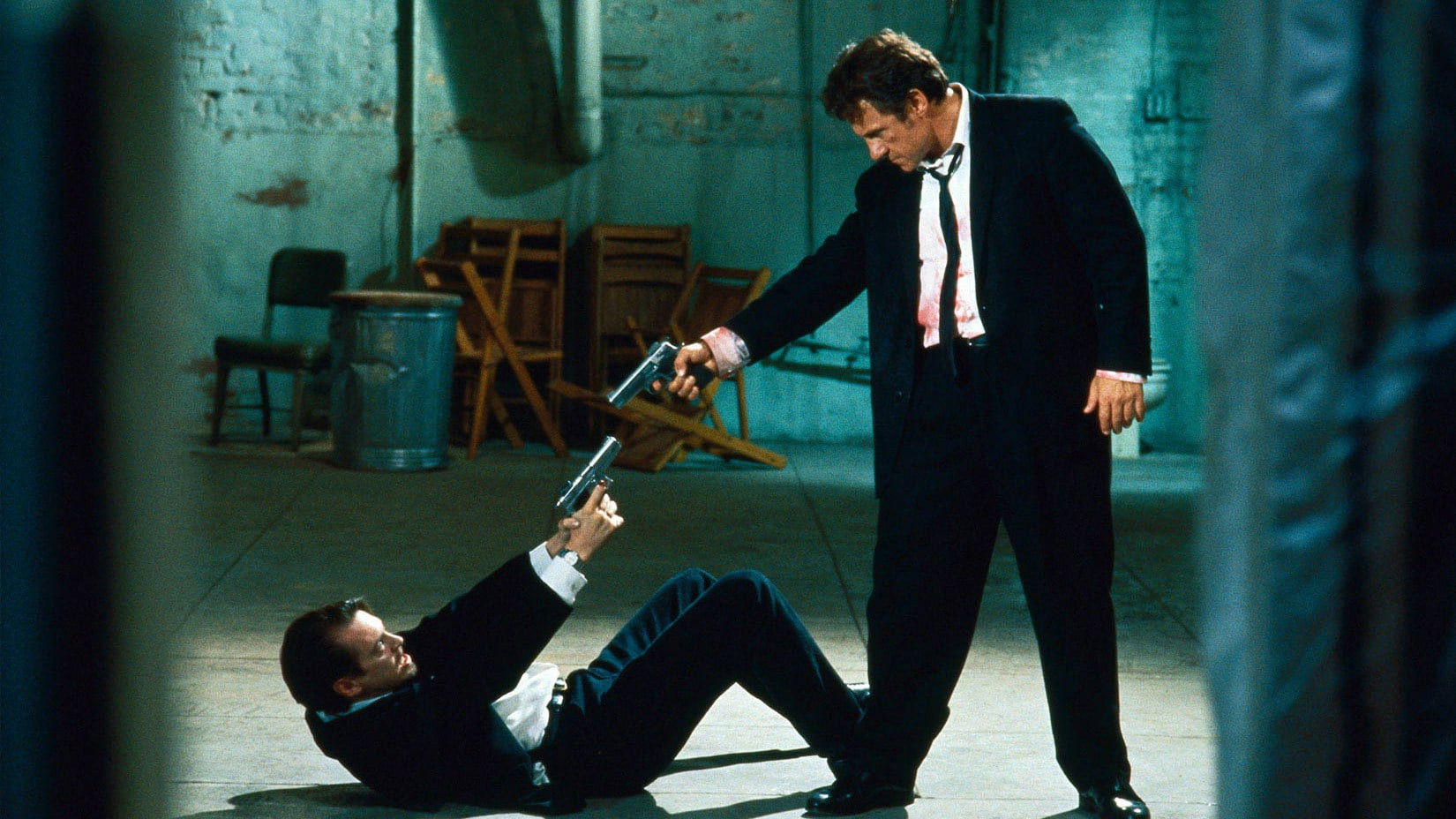
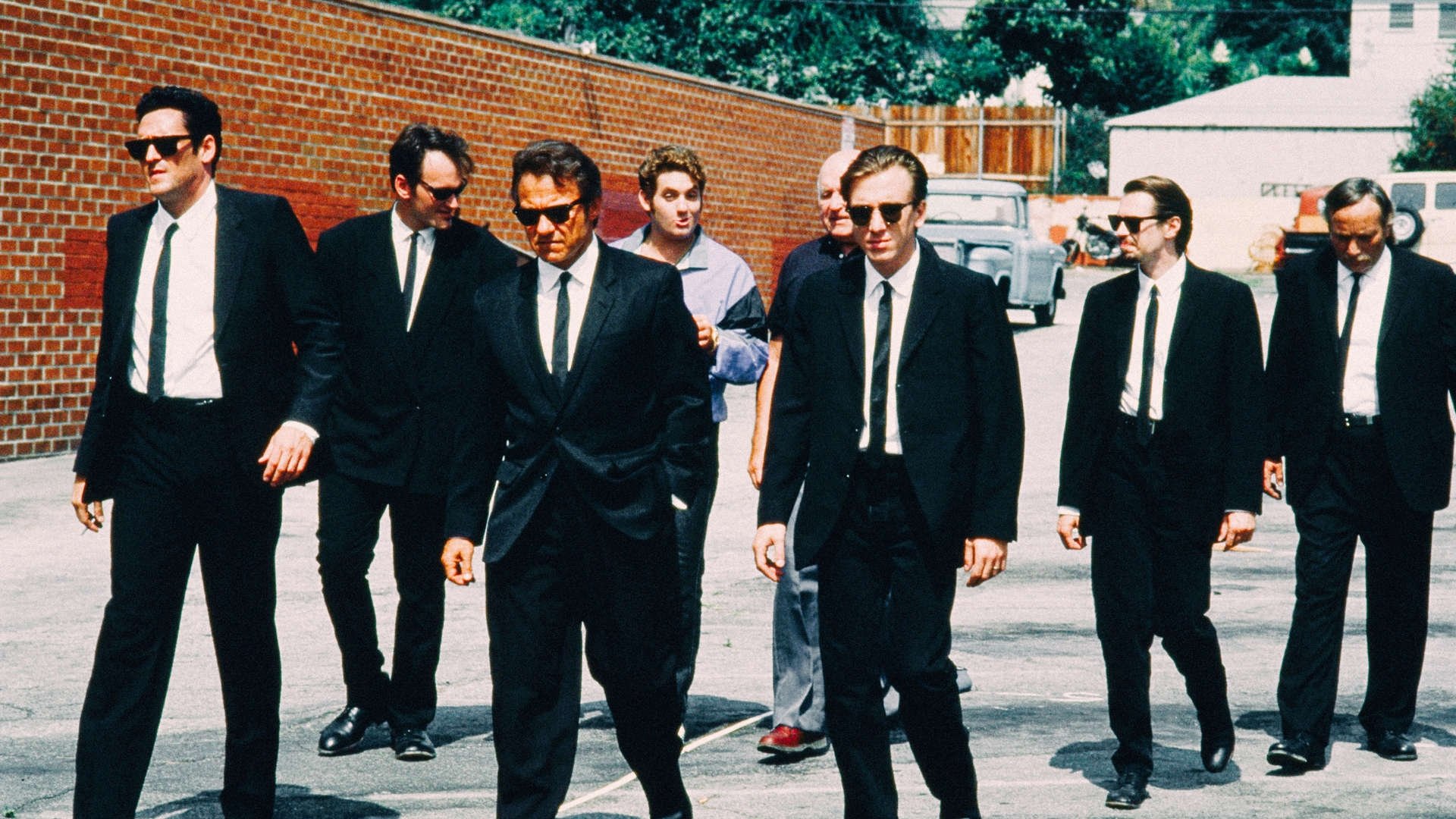
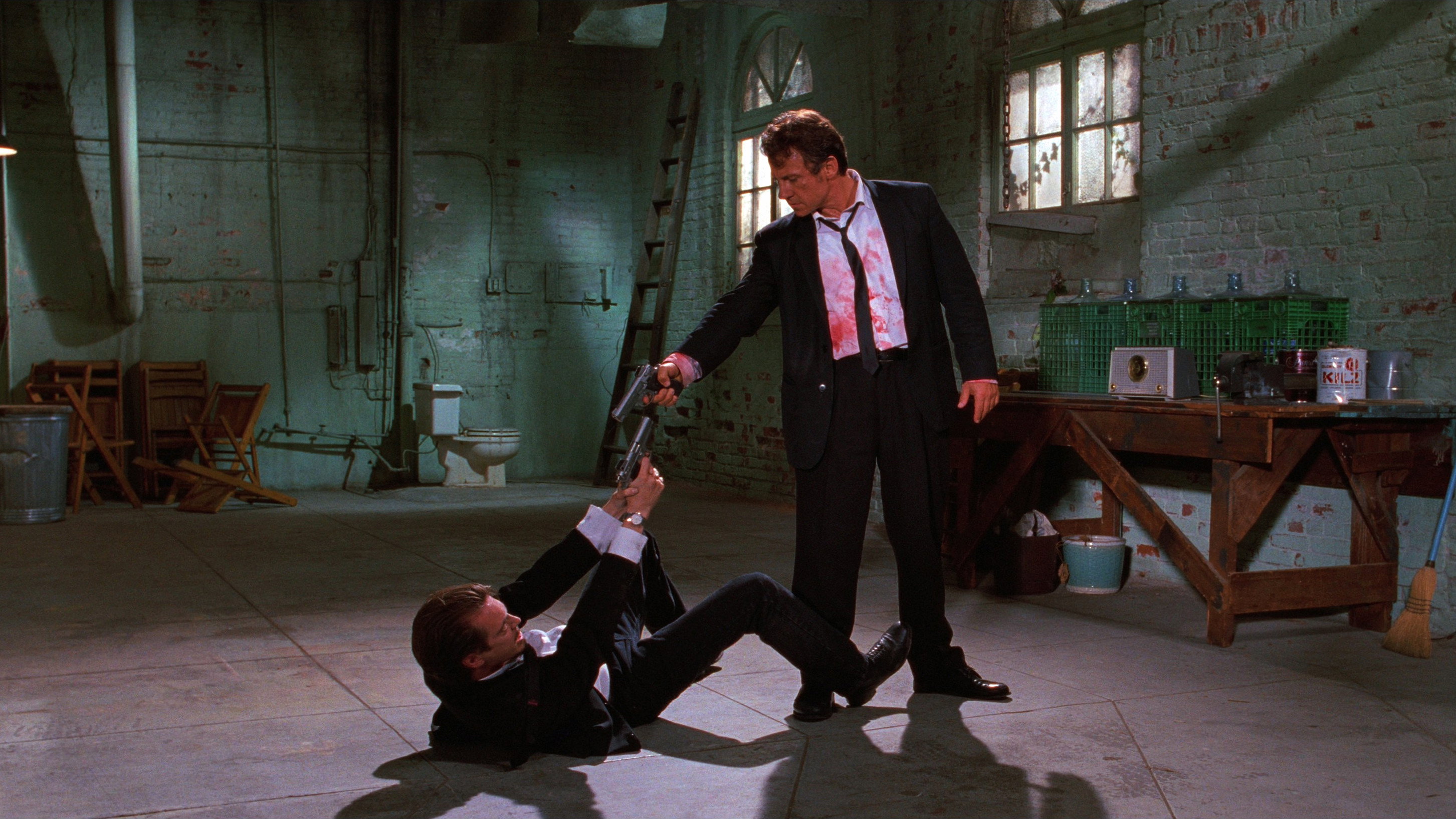
Quentin Tarantino’s first feature is a heist film with the heist removed. Eight men in black suits eat breakfast in a diner, argue about tipping and about what a Madonna song means, and walk to their cars. The next time we see them the diamond robbery has gone wrong. Mr Orange (Tim Roth) is in the back seat of a car with a bullet in his stomach, screaming, and Mr White (Harvey Keitel) is driving and telling him he will be fine. They reach a warehouse. Mr Pink (Steve Buscemi) arrives on foot, sure that somebody in the crew talked to the police, and the rest of the film is the wait for the boss, Joe Cabot (Lawrence Tierney), and his son Eddie (Chris Penn).
It is as good as its reputation, and it is plainly a first film, and the two facts are related. Tarantino had one big room and not much else, so he wrote a picture in which men talk and the talk is the action. We recommend it with two caveats. The 18 certificate is earned, and there is a stretch in the second half where the film enjoys its own cruelty a beat or two longer than it needs to.
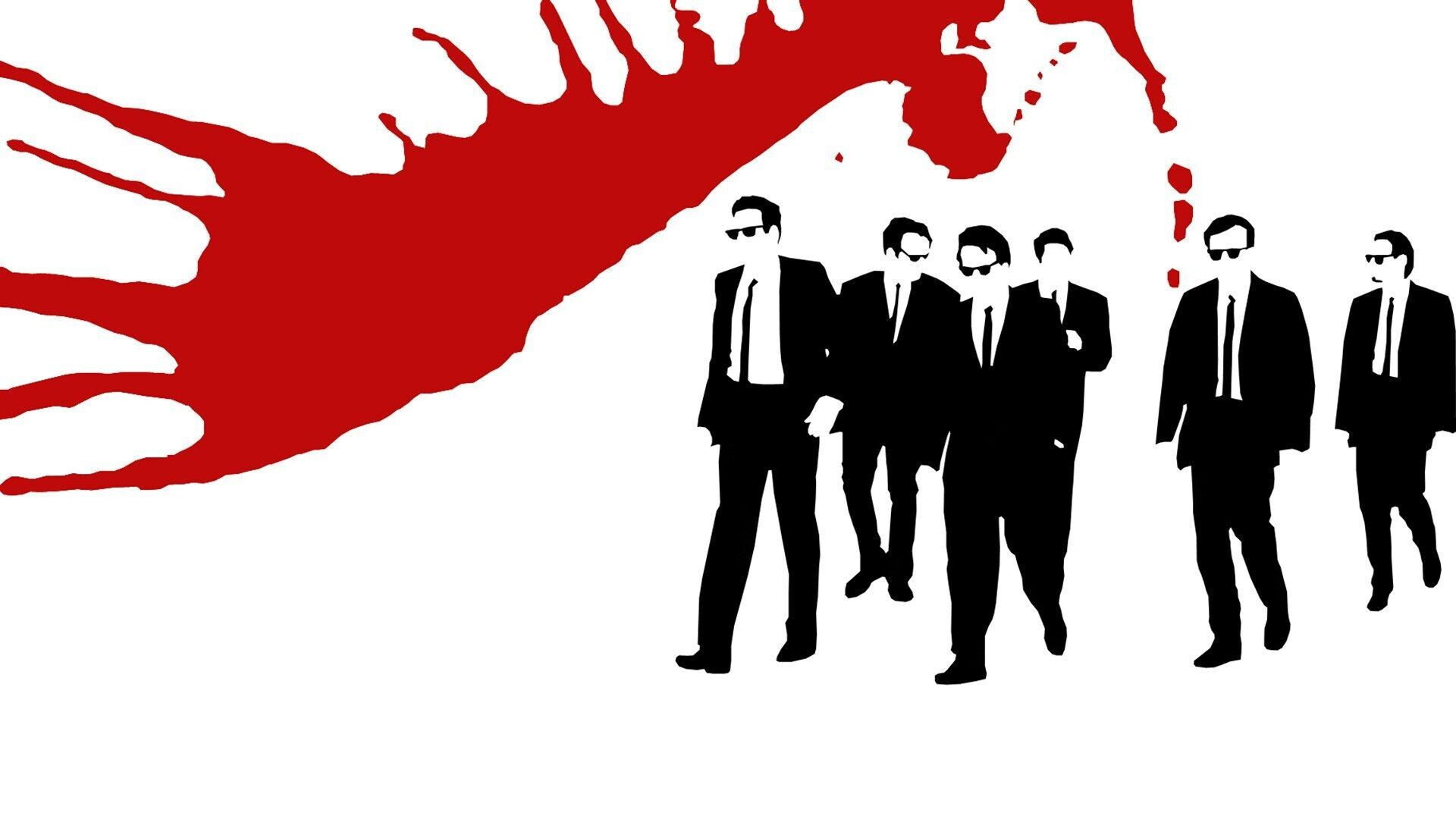
The warehouse is dressed by David Wasco and Ken Kaufman, who fill it with a hearse and a stack of coffins, so it looks like a place bodies are meant to end up. Andrzej Sekula keeps the camera low and slow, circling the diner table in one long take at the start and later settling on the concrete where Roth lies in a widening pool. Betsy Heimann’s suits are cheap and identical, white shirts and thin black ties, and the men wear them the way waiters do. There is no composer. The music is a radio station playing seventies pop, and Sally Menke cuts against it rather than with it, so a cheerful song is nearly always sitting on top of something awful.
Menke’s other job is the structure, and it is the achievement here. The film goes back in time to introduce the men one at a time, with a title card for each, and returns to the warehouse each time knowing a little more. Ninety-nine minutes in one room could have played like a filmed stage piece. It does not, because every jump backwards changes how the warehouse looks when we get back to it.
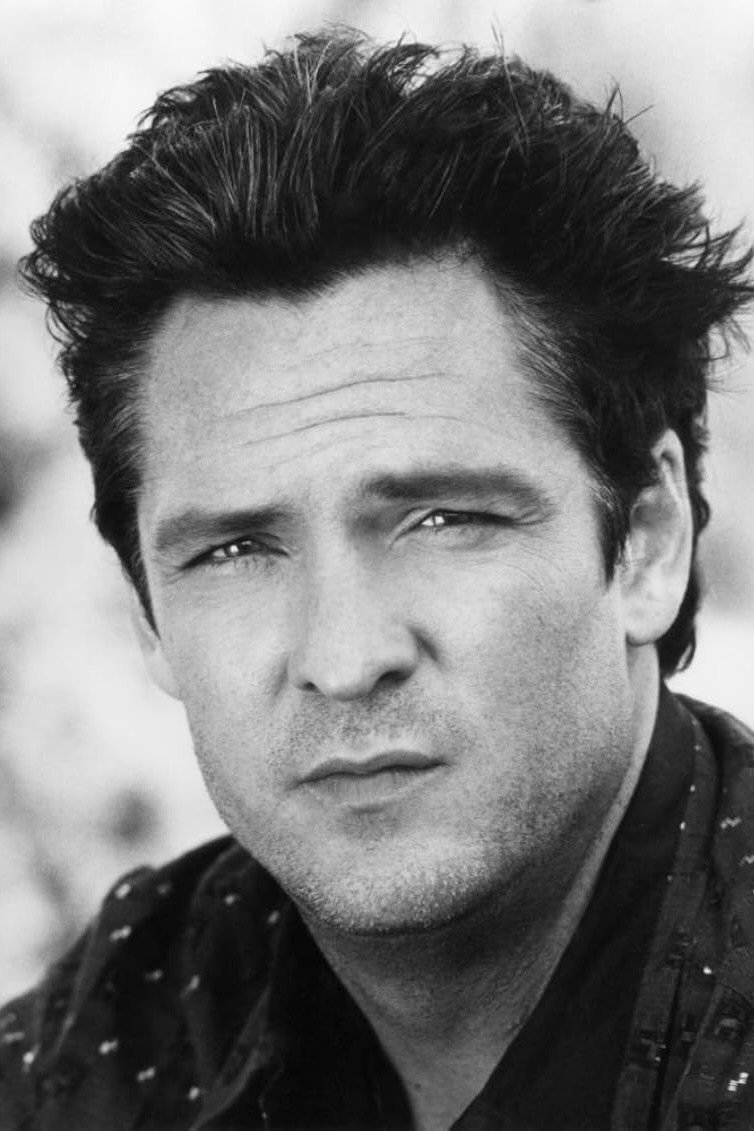
Keitel is the adult in the building. He plays Mr White as a man who has decided to be decent about one thing and is prepared to be terrible about everything else. Buscemi’s Mr Pink talks too fast, keeps his back to the wall and is the only one thinking clearly, and the film knows it. Roth spends most of his screen time on his back, wet with blood, and does more with his voice than most actors manage standing up. Michael Madsen’s Mr Blonde arrives late, sipping a drink, and the temperature in the warehouse drops. Tierney barks, Penn bounces about in a tracksuit top, and Tarantino gives himself the opening speech and a small part as Mr Brown.
The scene everyone remembers is Madsen alone with a captive policeman (Kirk Baltz) and a razor. We watched it through our fingers the first time, and what has stayed with us is not the blade but the dance: Madsen shuffling to the radio, unhurried, having a nice time. The camera drifts away to a doorway at the worst moment. We were grateful for that, and then a little unsettled that a film had managed to make us grateful to it for anything.
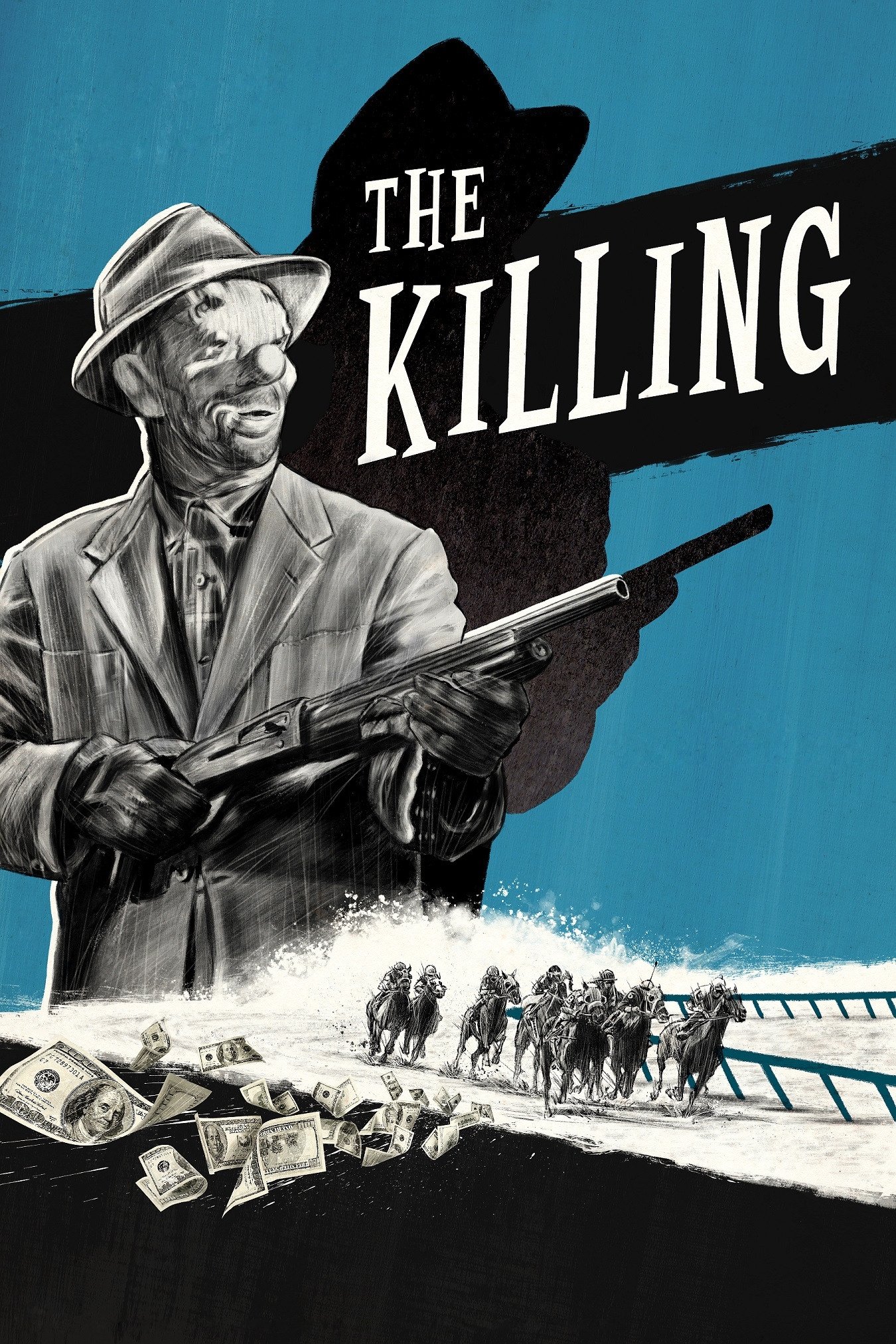
The flaws are the ones you would expect from a writer who has just found out he can write. Speeches run on because Tarantino liked them. Two or three lines are pitched at the poster rather than at the person listening. There are no women in it at all, and it does not notice. Set against Kubrick’s The Killing, which also told a heist out of order, this is louder and less controlled, and it is more alive. Set against the films Tarantino made afterwards, starting with Pulp Fiction in 1994, it is the one where he had no room to indulge himself, and it is better for it.
Watch it late, with the volume up, and not while eating. The 18 certificate is honest and so is the tagline: every dog has his day, and this is a bad one.