Film review

Roma

2018 · Directed by Alfonso Cuarón · 2h 15m · MPA R

In a sentenceA household has time for a family drama because somebody else is doing the housework

Drama

In 1970s Mexico City, housekeeper Cleo Gutiérrez (Yalitza Aparicio) spends her days looking after a family whose familiar routines are beginning to break down. Around her are Sofía (Marina de Tavira) and Adela (Nancy García García), as troubles among the adults spread through the household. Cleo tries to keep daily life running while making space for needs of her own. The children still need care and the house still needs work, but affection between the family and its domestic workers does not remove the differences of class, or spare Cleo from the upheaval taking shape around her.

Plays from YouTube when you press play; nothing loads from them until then.

Fi1m review

Alfonso Cuarón’s patient domestic drama is worth the time it asks for, chiefly for Yalitza Aparicio. Its careful compositions sometimes keep us at a distance, but the housekeeper at its centre never disappears into the scenery.

Roma is a moving drama about domestic work and the people who can take it for granted, though its careful pace asks for patience. Alfonso Cuarón writes and directs a story drawn from childhood memory, set in 1970s Mexico City and centred on the housekeeper Cleo Gutiérrez. That choice gives the familiar family drama someone different to follow: the woman employed to keep daily life running when the family is struggling. The film spends enough time on her routines to make their demands felt.

Yalitza Aparicio makes Cleo’s quietness absorbing without turning every look into a request for sympathy. We were moved by the long takes of Cleo’s household work, because they made us sit with time that other people in the house take for granted. The performance gives those stretches enough feeling to hold our attention without a confrontation or a speech. We remain aware that Cleo is at work while other people are at home, even when the affection between them is plain.

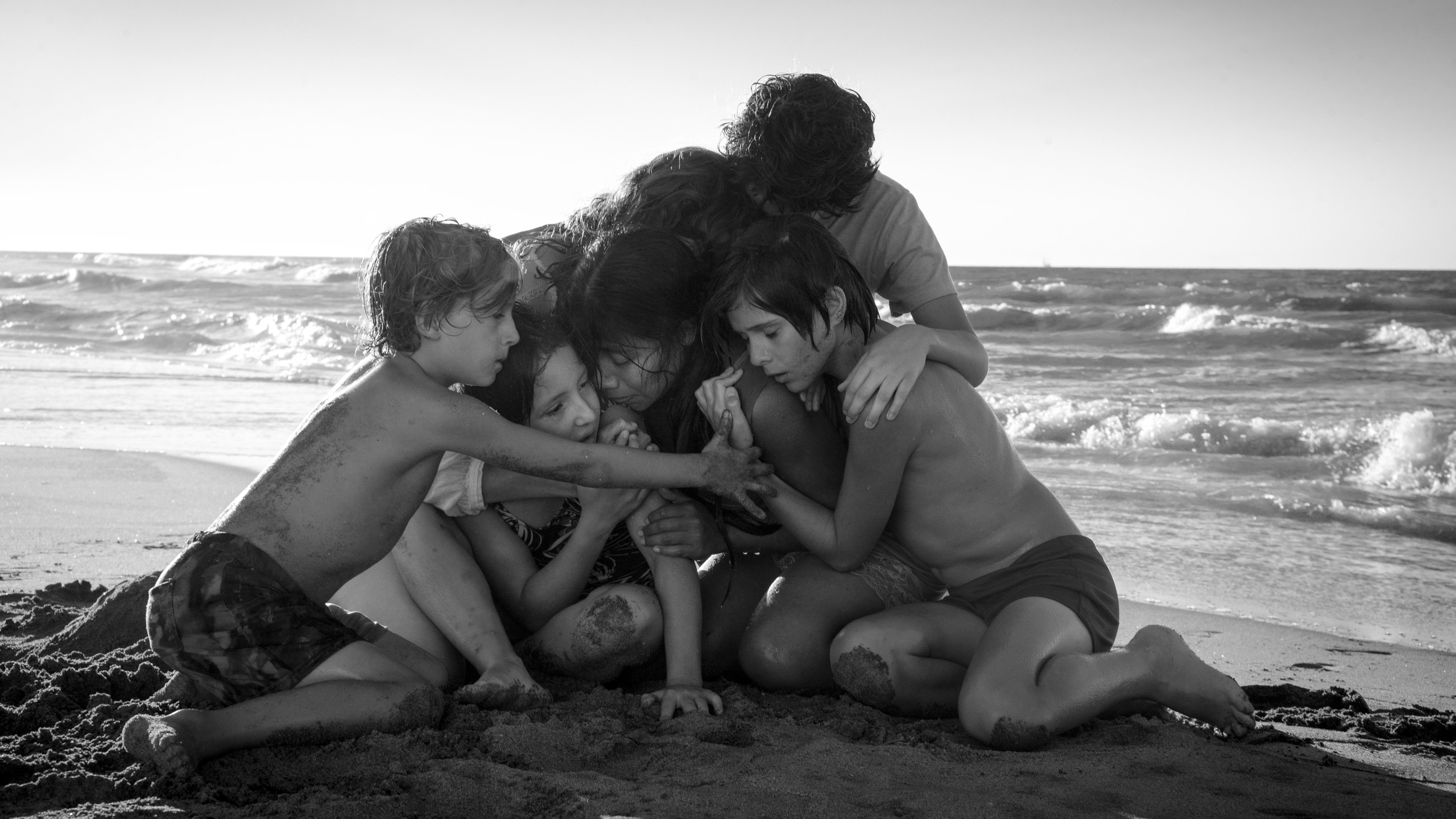
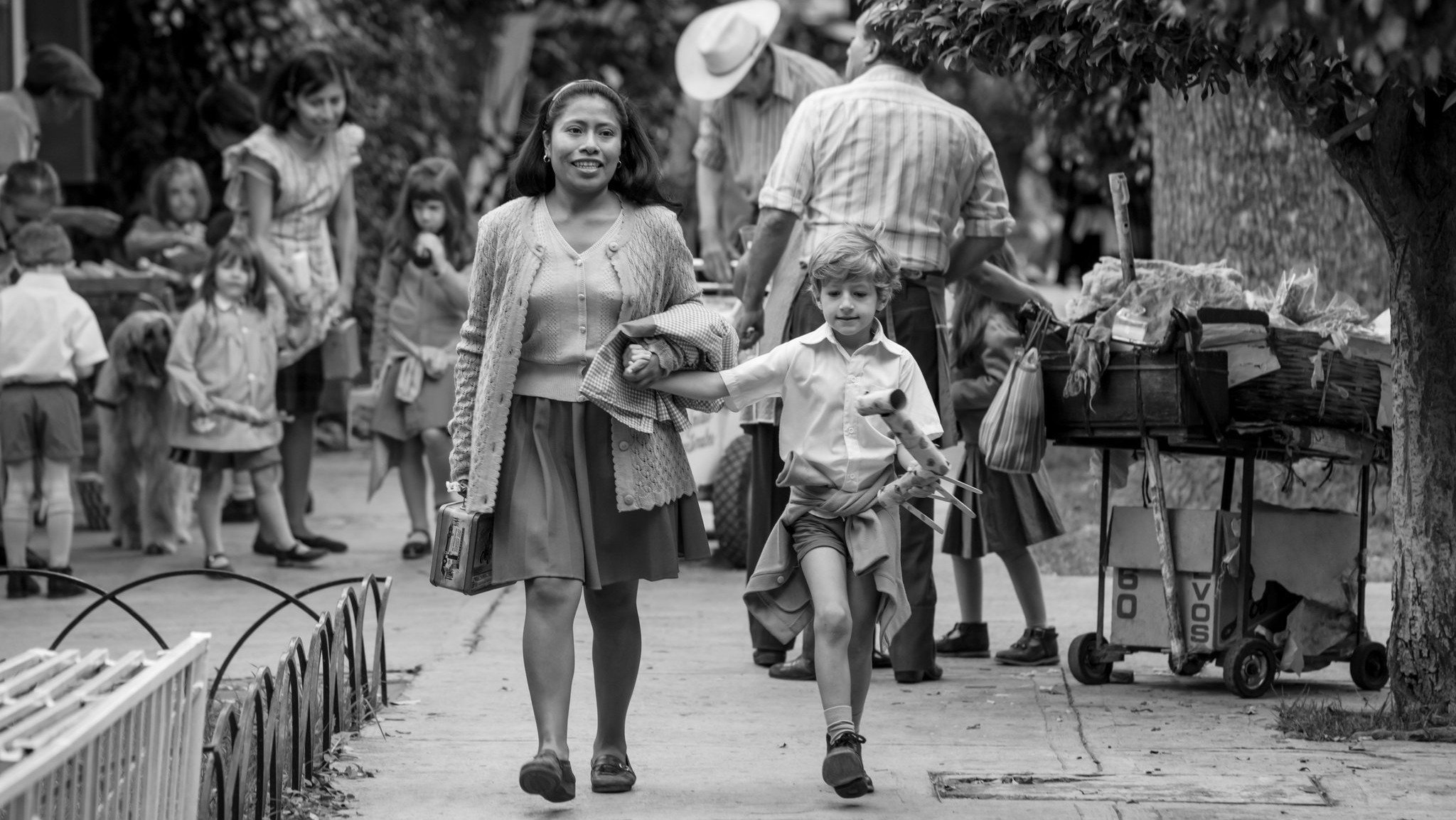
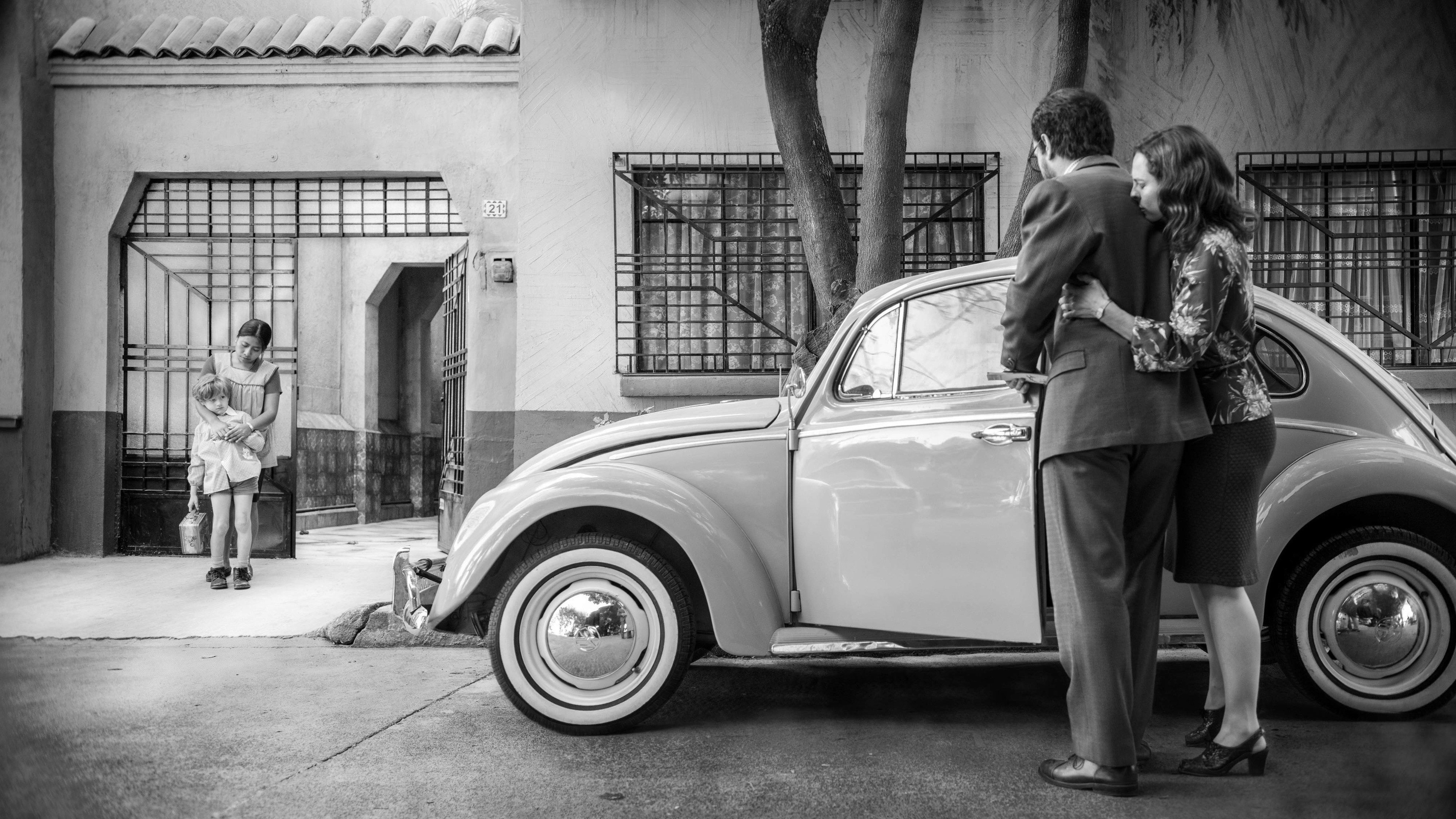
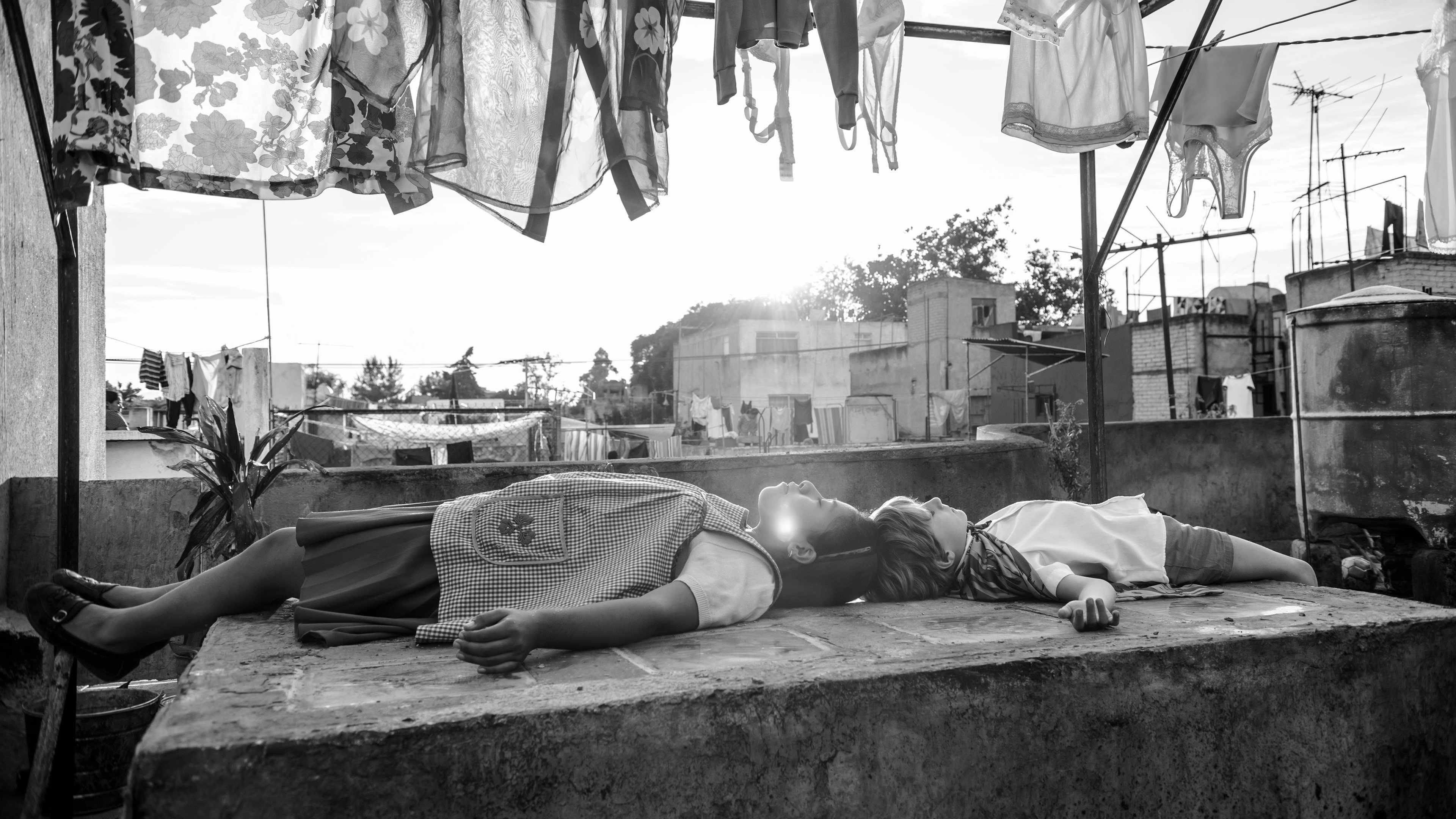
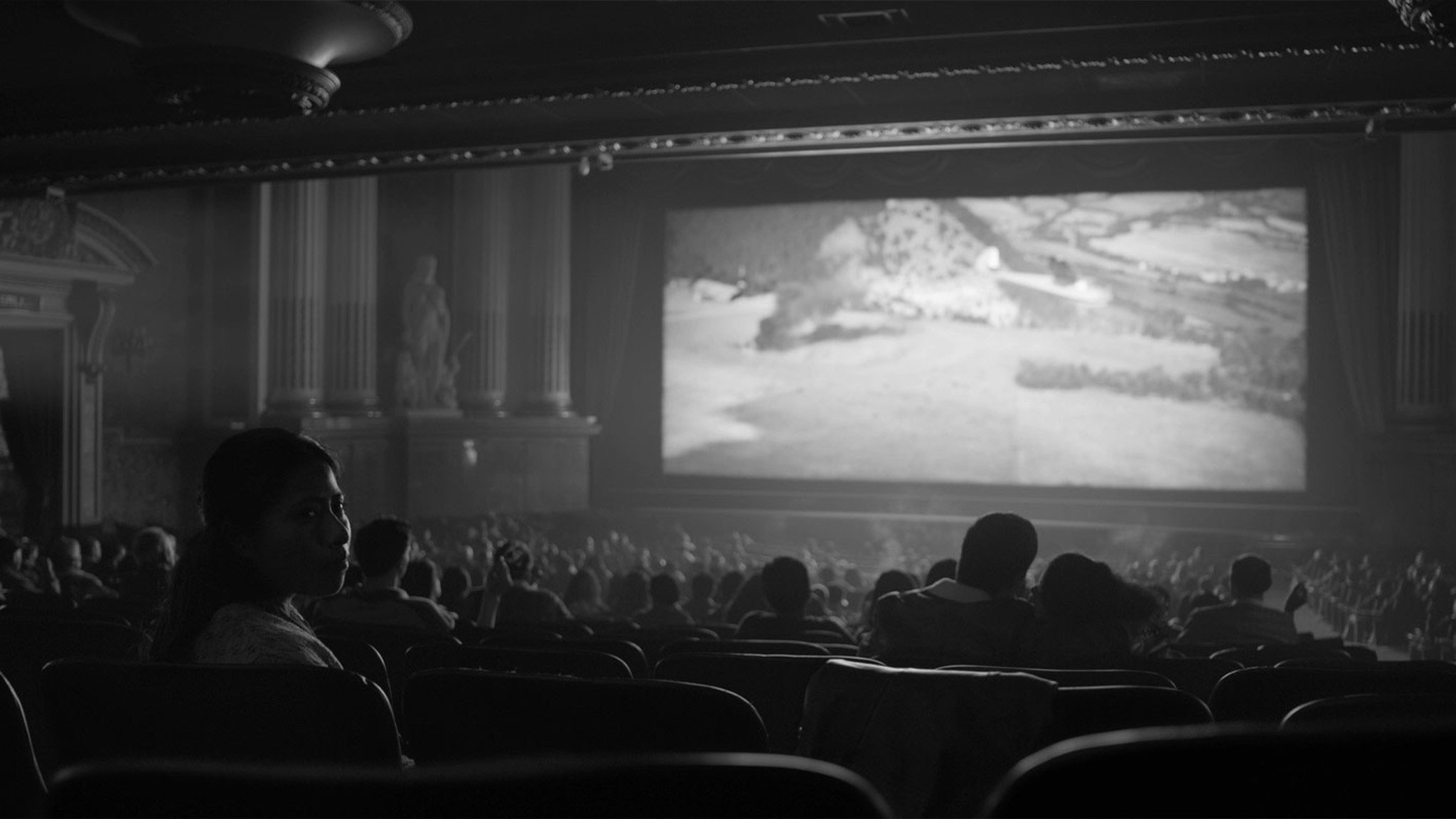
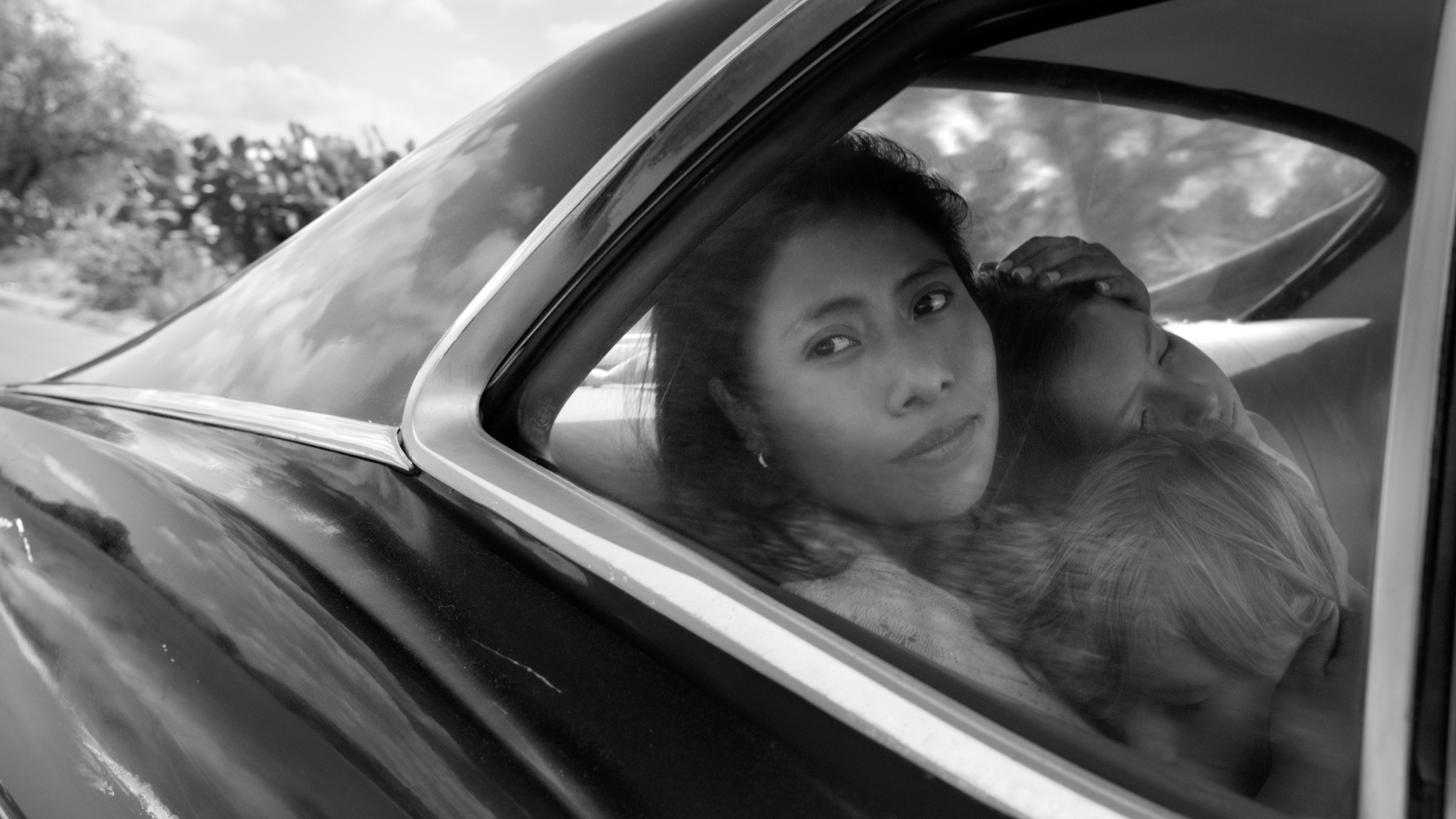
As cinematographer, Alfonso Cuarón uses wide black-and-white frames and long takes to keep the housekeeper and the space around her in view. Foreground and background remain legible, so we can look beyond the central figure without losing her. It is an effective way of showing how little privacy there can be in a life spent attending to other people. Occasionally the compositions are so carefully arranged that we start inspecting the picture instead of following Cleo, and the stillness becomes a little forbidding.

Eugenio Caballero’s production design makes the household feel inhabited, even under the scrutiny of those wide shots. The period detail remains available for inspection throughout the long takes, but it rarely seems to be competing with the people. The intricate sound design helps keep that carefully reconstructed setting from feeling inert. We can admire the depth of the image without forgetting that this is a place where people have to live and work.

Editors Alfonso Cuarón and Adam Gough leave the domestic routines room to unfold, making their duration part of our understanding of Cleo’s job. Cutting away sooner would make the work easier to overlook. The episodic construction is less consistently effective: some stretches feel as though they are waiting for us to finish admiring them. At 135 minutes, the film occasionally presses too hard on our willingness to watch and wait, particularly when the composition has already told us what we need to know.

The harder question is how much of Cleo we are allowed to know beyond her usefulness to this family. Alfonso Cuarón recognises the class difference, and the camera gives her working life an unusual amount of space, but the film’s gratitude sometimes makes us wish it would allow her to be more difficult. Yalitza Aparicio keeps that concern from taking over: her restraint suggests feelings that the household cannot simply claim to understand. We do not need a speech explaining her, though there are moments when we want the reverence to relax.

Do not come to Roma expecting the family’s troubles to arrive as a tidy sequence of confrontations and explanations. The film asks us to spend time with a woman whose work would usually be hurried past, and trusts that she can hold our interest. For us, she does, even when the elaborate framing briefly gets in her way. Give it an uninterrupted evening; the quiet scenes need more attention than a distracted viewing can spare.

Critical consensus AI synthesised

85
Positive
18
Mixed
2
Negative
2

Most critics warmly praise Roma, with admiration clustering around Alfonso Cuarón’s black-and-white photography, the detailed recreation of 1970s Mexico City and Yalitza Aparicio’s performance as the housekeeper Cleo. The long takes and wide compositions draw particular attention for placing domestic routines alongside the city’s wider social upheaval. Many reviews find the film deeply moving, crediting Aparicio’s quiet expressiveness and Cuarón’s attention to the women whose work sustains the household.

The disagreement concerns how close this carefully controlled filmmaking brings us to Cleo. Variety admires the images but finds the perspective detached, while The Times argues that the formal devices privilege Cuarón’s memories over a searching account of domestic servitude. Reservations elsewhere concern the slow pace and limited character connection. The spread is wide despite the strongly positive consensus: the same watchful distance strikes admirers as compassionate and dissenters as a barrier to feeling.

Financial Times
28 November 2018 · ★★★★★ · Nigel Andrews
100

Cuarón's wonderful Roma is a modern-day neorealist classic in Spanish, a compassionately caustic tale of a rich family's maid knocked up and knocked about amid social injustice. Aparicio's performance gives simple-hearted goodness and defiance a transcendent emotional conviction.

Read the full review →
Little White Lies
30 November 2018 · 3/5/5 · David Jenkins
100

Cuarón’s masterpiece, an artwork that towers above the pretenders; a monumental love poem to Mexico and the woman who made him a man. The film eliminates narcissism to achieve pristine purity in its voyage of personal memory and self-expression.

Read the full review →
The Guardian
2 December 2018 · ★★★★★ · Peter Bradshaw
100

Cuarón's most personal film yet is a bravura, richly detailed evocation of 1970s Mexico City childhood, centered on two resilient women from different classes abandoned by the men in their lives. The widescreen monochrome images and intricate sound design stand out for their eerie beauty and authenticity.

Read the full review →
The Telegraph
22 January 2019 · ★★★★★
100

Cuarón's sweeping, heart-quickening period piece is the film of the year, a personal story told on a blockbuster canvas with levels of beauty and daring that are continually amazing. Its crisp monochrome images and grand-scale sequences reaffirm him as the master of the teeming set-piece.

Read the full review →
Time Out
2 September 2018 · ★★★★★ · Tomris Laffly
100

A richly textured masterpiece and cinema at its purest and most human; an absorbingly rich tribute to the resilient women who raised him. The film features astounding interplay of foreground and background in long takes that honour unsung domestic rituals.

Read the full review →
Empire
21 November 2018 · John Nugent
95*

The critic calls Roma a masterpiece, praising its grounded yet ambitious domestic drama and profound humanism. It singles out the stunning technical prowess and authentic emotional portrait of its characters.

Read the full review →

Cast

Stills

Awards

Academy Awards, 2019

Nominated
Best Cinematography
Nominated
Best Picture
Won
Best Director
Won
Best International Feature Film

BAFTA Film Awards, 2019

Won
Best Film

International Submission to the Academy Awards, 2019

Nominated
International Submission to the Academy Awards

APRECI Award for Best International Premiere, 2018

Won
APRECI Award for Best International Premiere

BIFA for Best Foreign Independent Film, 2018

Won
BIFA for Best Foreign Independent Film

Boston Society of Film Critics Award for Best Cinematography, 2018

Won
Boston Society of Film Critics Award for Best Cinematography

Chicago Film Critics Association Award for Best Director, 2018

Won
Chicago Film Critics Association Award for Best Director

Los Angeles Film Critics Association Award for Best Film, 2018

Won
Los Angeles Film Critics Association Award for Best Film

National Board of Review: Top Ten Films, 2018

Won
National Board of Review: Top Ten Films

New York Film Critics Circle Award for Best Film, 2018

Won
New York Film Critics Circle Award for Best Film

San Francisco Film Critics Circle Award for Best Film, 2018

Won
San Francisco Film Critics Circle Award for Best Film

Venice Film Festival, 2018

Won
Golden Lion

If you liked this, try…

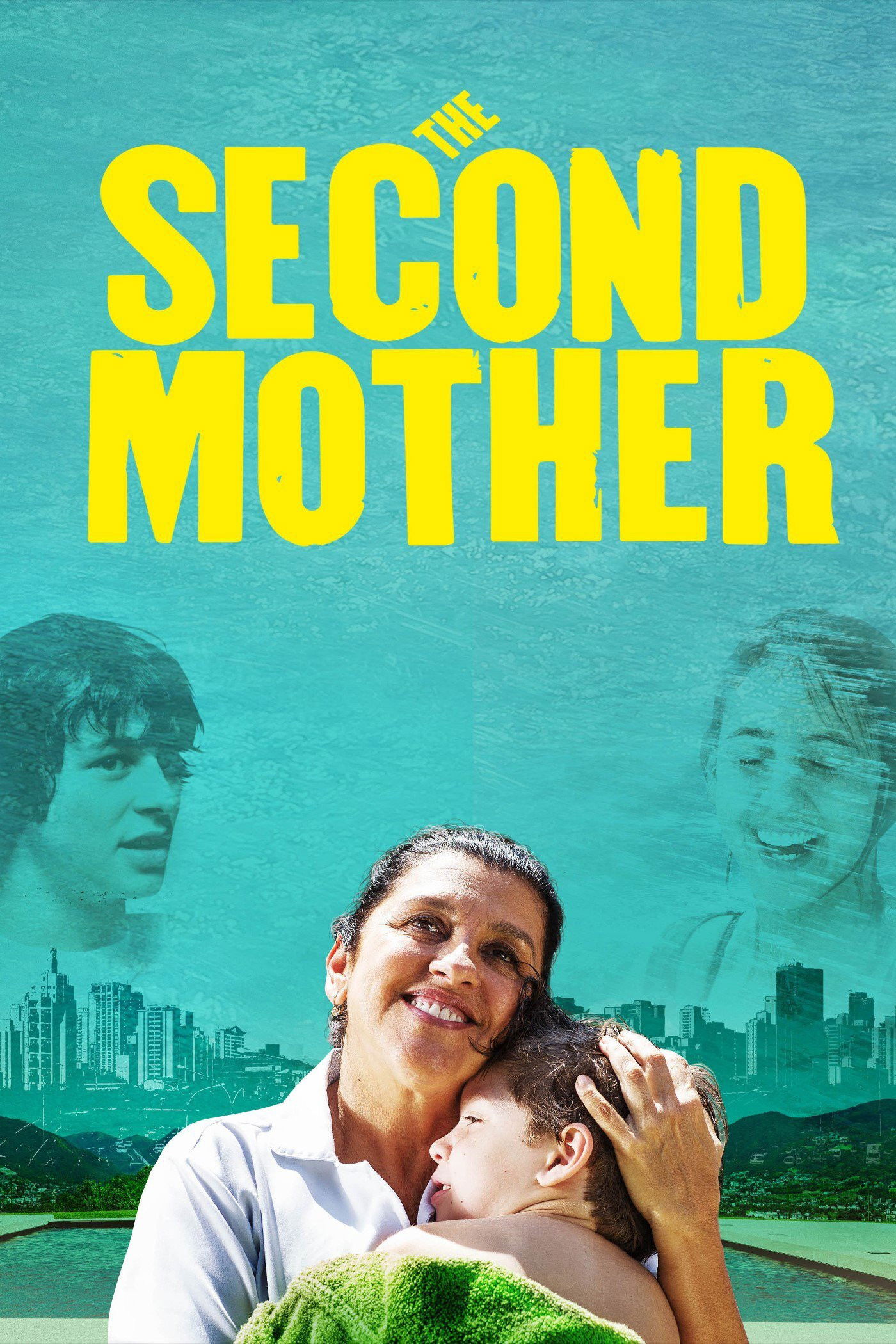
The Second Mother poster

The Second Mother

2015 · Another household where affection for the housekeeper leaves the terms of employment untouched.

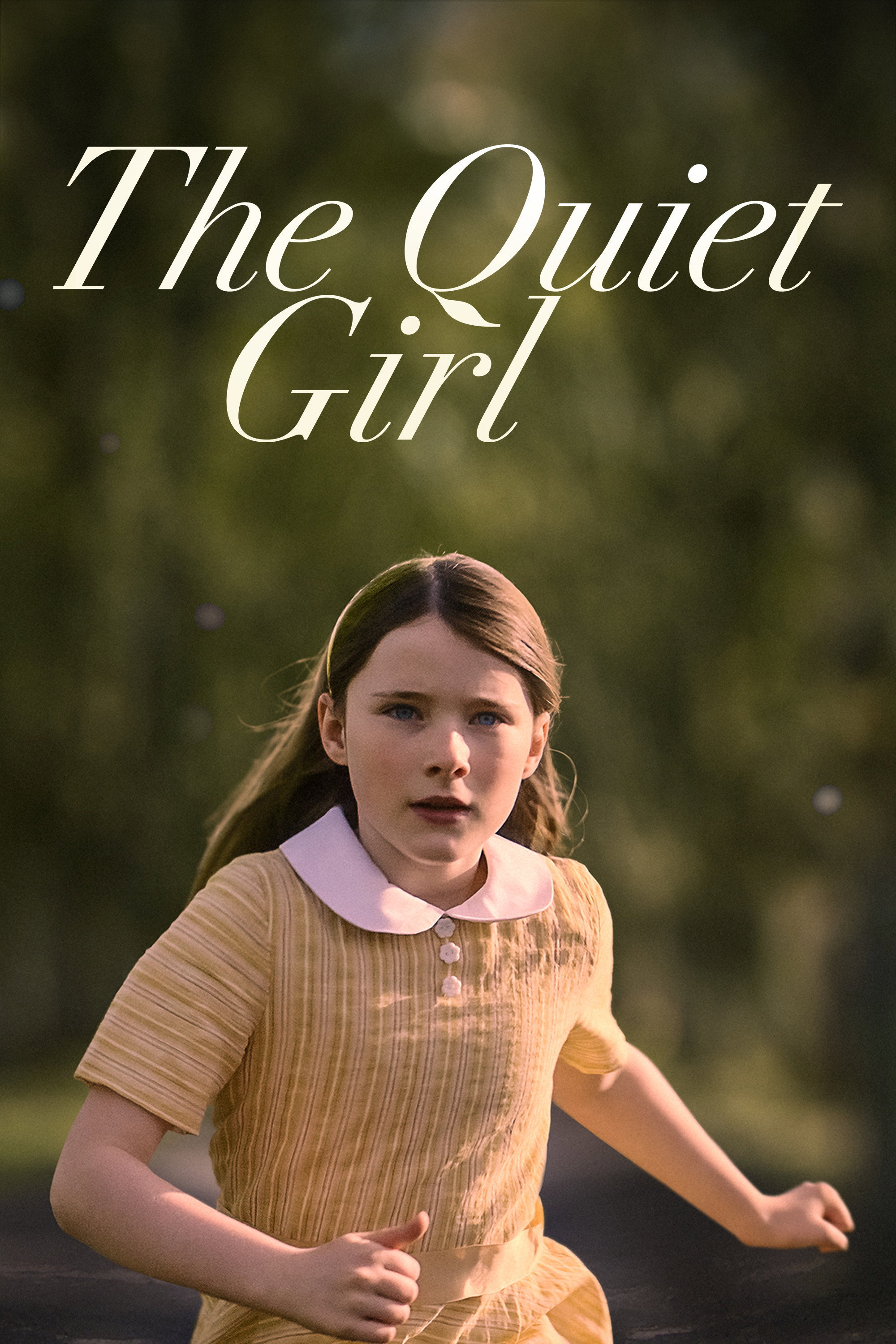
The Quiet Girl poster

The Quiet Girl

2022 · Patient attention to a child makes small domestic kindnesses matter.

Late Spring poster

Late Spring

1949 · Family duty and private wishes emerge through carefully observed daily routines.

The Spirit of the Beehive poster

The Spirit of the Beehive

1973 · A child’s watchfulness makes a troubled adult world feel strange and threatening.

A Separation poster93

A Separation

2011 · Domestic employment exposes class divisions, with less stillness and considerably more argument.