Russell Crowe is frightening as a neo-Nazi gang leader, but Geoffrey Wright lets the violence overwhelm the people and politics. The performances deserve attention; the film’s appetite for fighting soon becomes exhausting.
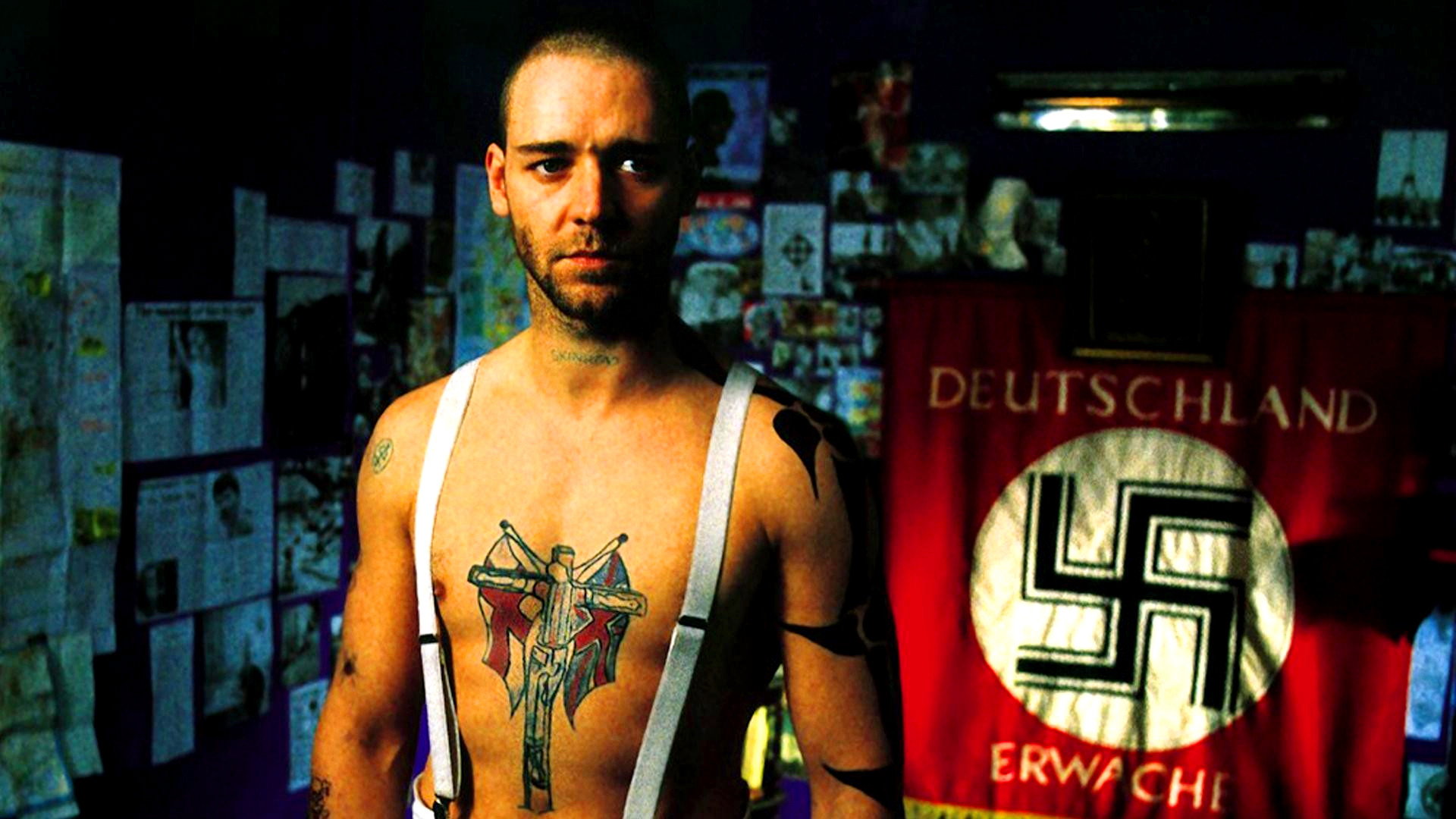
Romper Stomper is forcefully acted and often hard to watch, but Geoffrey Wright gives the fighting more attention than the racism behind it. His screenplay puts a neo-Nazi skinhead gang at the centre of a drama about hatred among young white people in Melbourne. That closeness could help explain how such a group works, without asking us to excuse anyone. Too often, though, Wright seems satisfied once he has made their violence exciting.
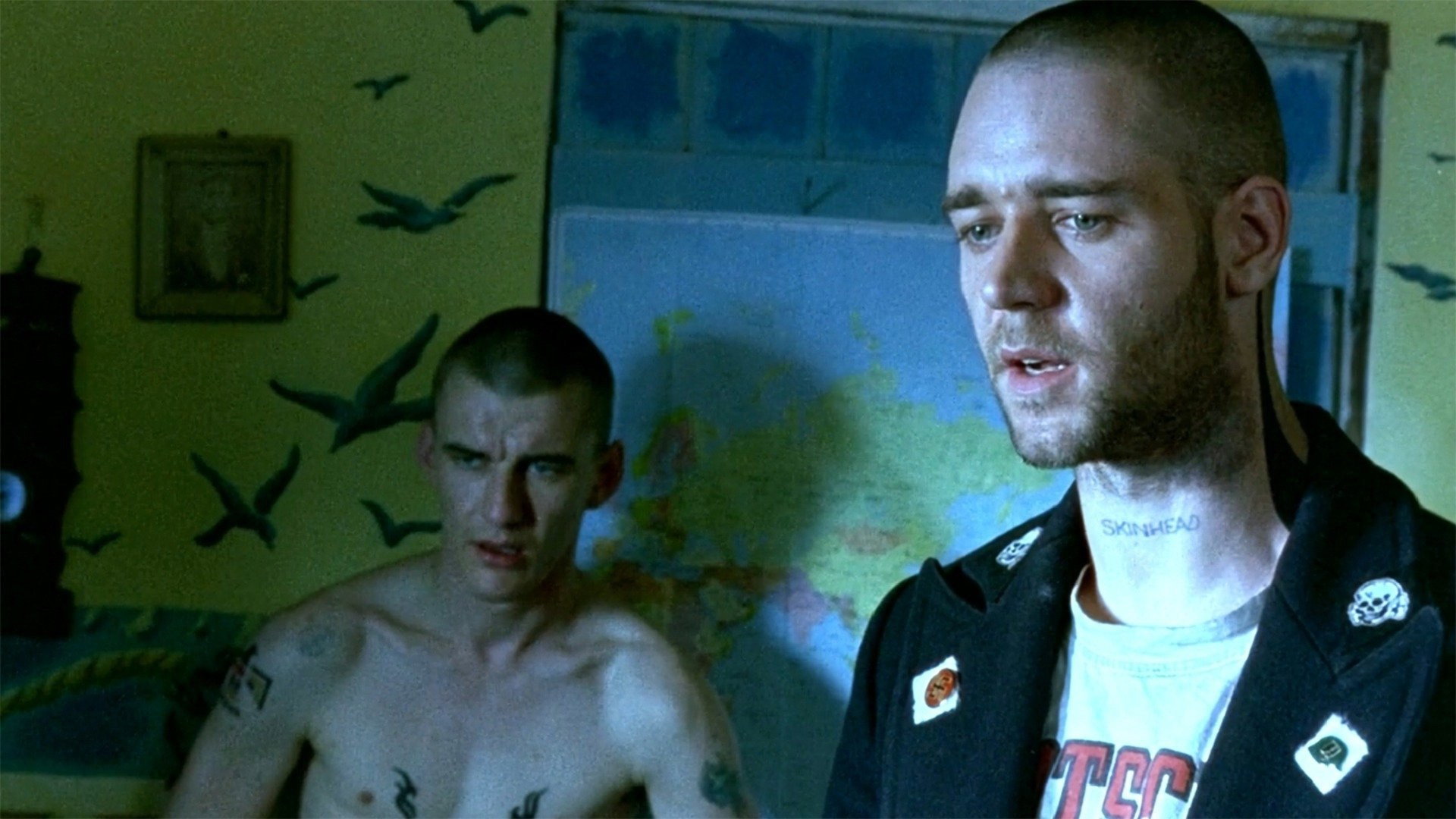
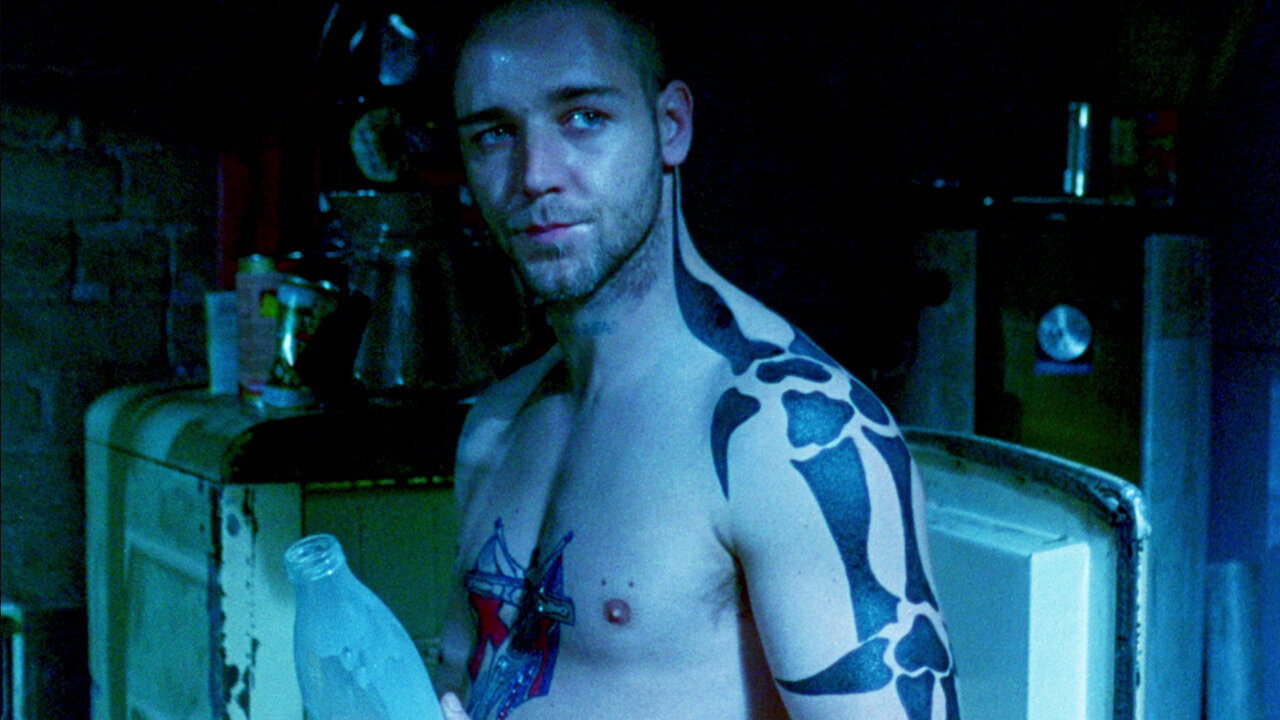
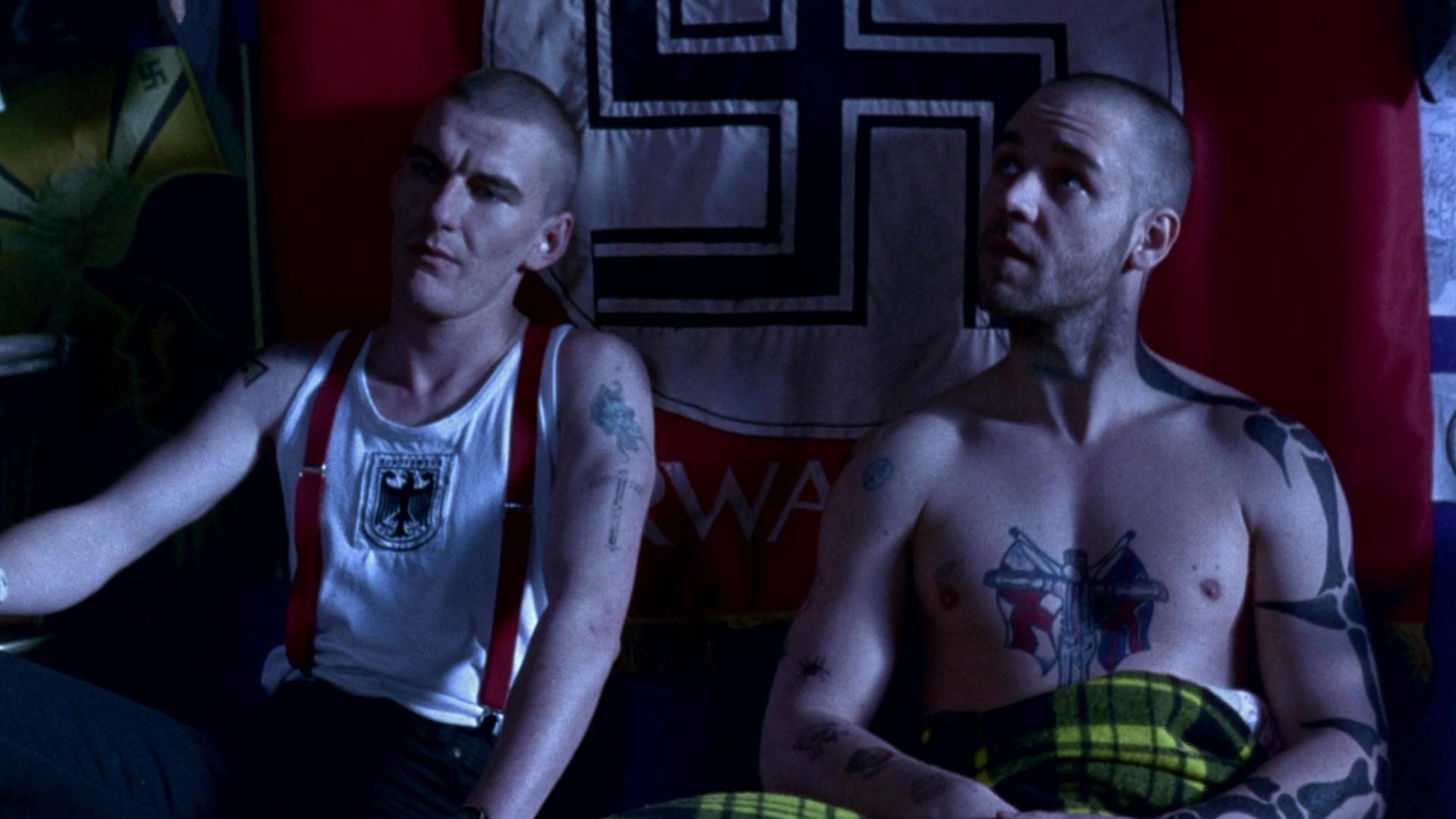
Russell Crowe is the strongest reason to stay with it. As Hando, the gang’s leader, he gives the hatred an unnerving human presence, his stare threatening enough before the action takes over. There is conviction here, and an actor willing to make his character deeply unpleasant without visibly seeking our approval. The difficulty is that Crowe makes Hando compelling even when Wright has little more to offer about him, leaving the performance to sustain our interest through the fighting.
We were horrified by the opening fighting between skinheads and Vietnamese immigrants. We were also disturbed by how quickly the staging made us attend to the excitement of the fight. Ron Hagen’s cinematography and Bill Murphy’s editing make the violence insistently immediate, but the force of those images does not help us understand the people committing it. The speed and aggression hold our attention so effectively that there is little opportunity to think about anything beyond the confrontation itself.
John Clifford White’s music adds to the pressure rather than providing much relief from it. Steven Jones-Evans’s production design and Anna Borghesi’s costumes help make the skinheads’ surroundings and appearance credible. These contributions matter because the gang needs to feel sufficiently real for its behaviour to frighten us, and the physical credibility supports the performances. Yet after all that work, the aggression is still what we remember most clearly, and Wright has done little to explain it.
The writing is weaker when it asks us to consider the skinheads as lonely, dispossessed young people. That is a legitimate part of the subject, but Wright uses familiar appeals to sympathy where a closer account of their choices is needed. We need more about their decision to embrace racist cruelty, and the screenplay too often settles for giving us reasons to pity them. The acting is convincing enough that this simplification feels especially wasteful, reducing people who might have been examined more closely to familiar troubled youths.
Violent gang dramas do not need speeches announcing that brutality is wrong, and we would not ask this one for a reassuring outsider to explain that. They do need to offer something beyond repeated demonstrations of how alarming their central characters can be. The critical objections to this film’s excitement and sympathy for its perpetrators are persuasive: the trouble is how little further Wright gets. At 94 minutes, it still becomes wearying, because another burst of violence brings so little new understanding.
There is enough skill here to make the disappointment frustrating, particularly in Crowe’s performance and the force of the action. An interest in his work is a reasonable reason to persevere through the repetition. We would be cautious about choosing it for what it might tell us about racism.