Al Pacino’s abrasive Frank Slade and Chris O’Donnell’s patient Charlie make this a rewarding drama about difficult company. Martin Brest lets it run too long, but the relationship remains worth the time.
Martin Brest’s Scent of a Woman is a good drama that could lose a substantial stretch without losing what matters. Its appeal lies in watching Al Pacino and Chris O’Donnell negotiate a relationship in which one man expects to do all the talking. The weekend promises pleasure, but Slade makes companionship hard work. Brest gives that difficulty time to become interesting, then rather more time than it needs.
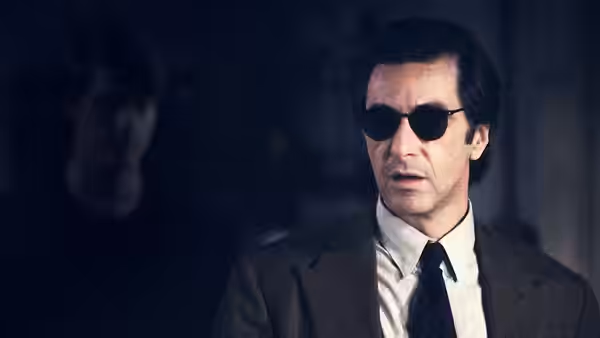
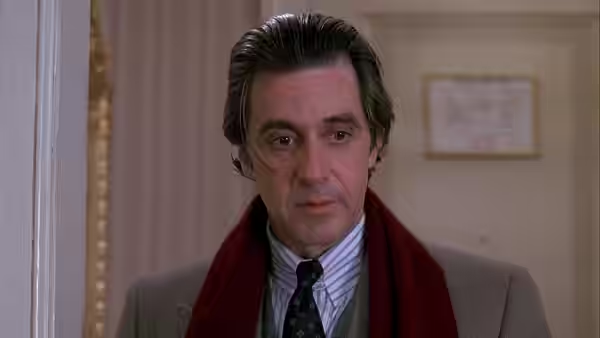
Pacino plays Frank Slade with an aggression that can be funny until it becomes unpleasant. His relish for language makes the bullying seductive, and the performance is honest enough to let us hear the self-disgust beneath it. There are moments when the force feels excessive, as though another increase in volume might reveal something new. It rarely does. What keeps the character compelling is the sense that his appetite for pleasure has survived a profound dislike of himself.
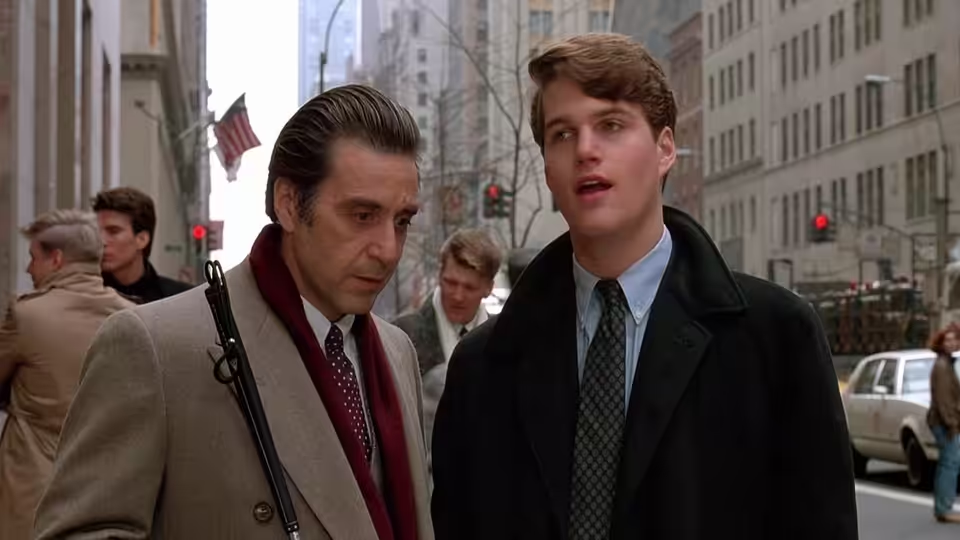
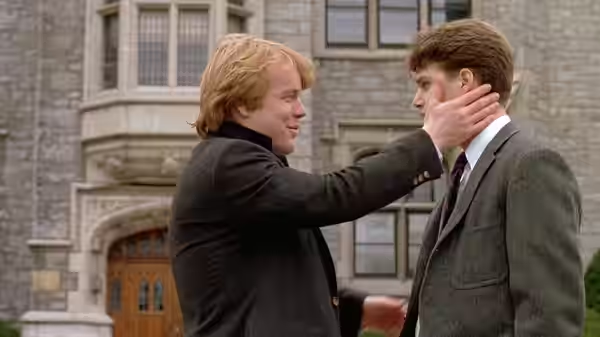
O’Donnell’s Charlie is essential to making this bearable. His quietness gives Pacino someone to address rather than simply an audience to overpower, and his attention has the weight of a performance even when he is saying little. His restraint makes the effort of staying with Slade painfully clear. That matters to a story about an older man and a teenager obliged to spend time together. Charlie cannot just be a convenient listener.
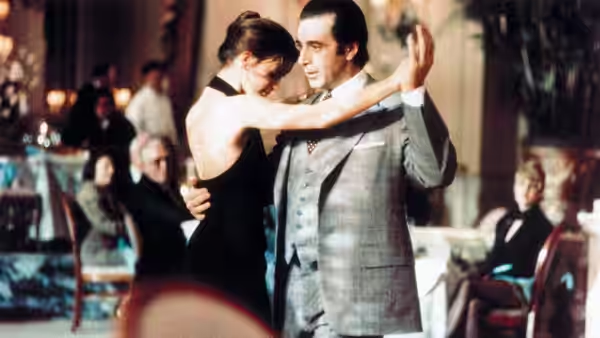
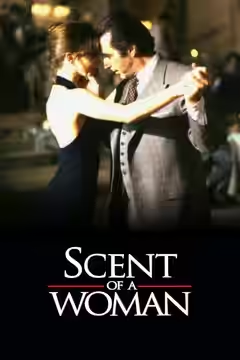
The tango gives Pacino a welcome chance to stop pressing so hard. We were moved by Slade’s pleasure in the dance, because Pacino lets him enjoy himself without demanding that we approve of him. Donald E. Thorin’s treatment of the tango gives physical ease a welcome place in a film dominated by talk. Angelo P. Graham’s production design makes the high living inviting, so that Slade’s appetite for it feels understandable. For a while, the film lets us share that pleasure without labouring to explain him.
The trouble is how much explanation Bo Goldman’s screenplay thinks this relationship requires. The exchanges between the leads already make Slade’s mixture of charm and cruelty clear, yet the writing keeps underlining the need to look past his aggression. Thomas Newman’s score adds warmth, sometimes helpfully and sometimes with more insistence than the acting needs. As a coming-of-age drama, it also depends on our accepting that such an abrasive older man has something worth teaching, and the film occasionally assumes that a forceful speech has settled the question.
At 156 minutes, the repetition becomes a practical problem. Editors Harvey Rosenstock, Michael Tronick and William Steinkamp allow the actors space to establish a rhythm, but too many exchanges continue after the balance between them is clear. Brest’s patience is useful when Charlie is working out how to answer Slade; it is less useful when we are waiting for Slade to finish. The film remains watchable, but its narrow focus cannot quite support that length.
This is familiar territory for a drama about mismatched companions: the difficult older man, the younger listener, the hope that each might give the other something useful. Brest places enough trust in the actors to make the familiarity tolerable. There is no need for the relationship to be surprising when its smaller shifts are worth following. Give it an evening for the performances, provided you do not need everyone to get to the point quickly.