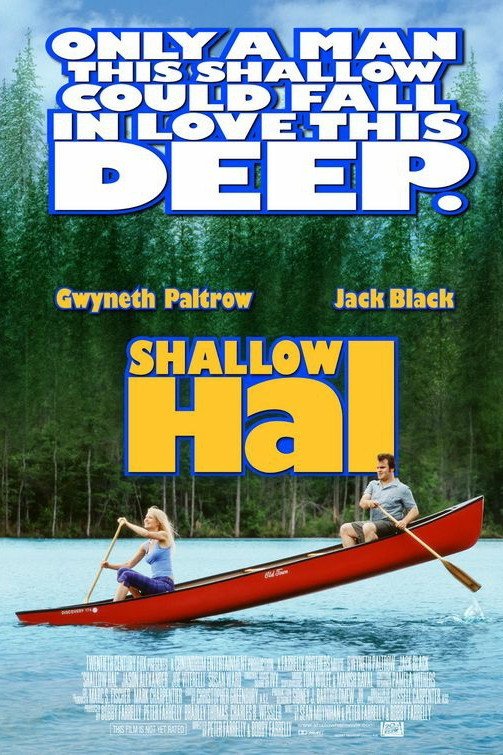
The Farrellys mean every word of their sermon about inner beauty, and Jack Black and Gwyneth Paltrow nearly make you believe it. But the film cannot stop making the jokes it claims to be above, and one idea does not stretch to 114 minutes.
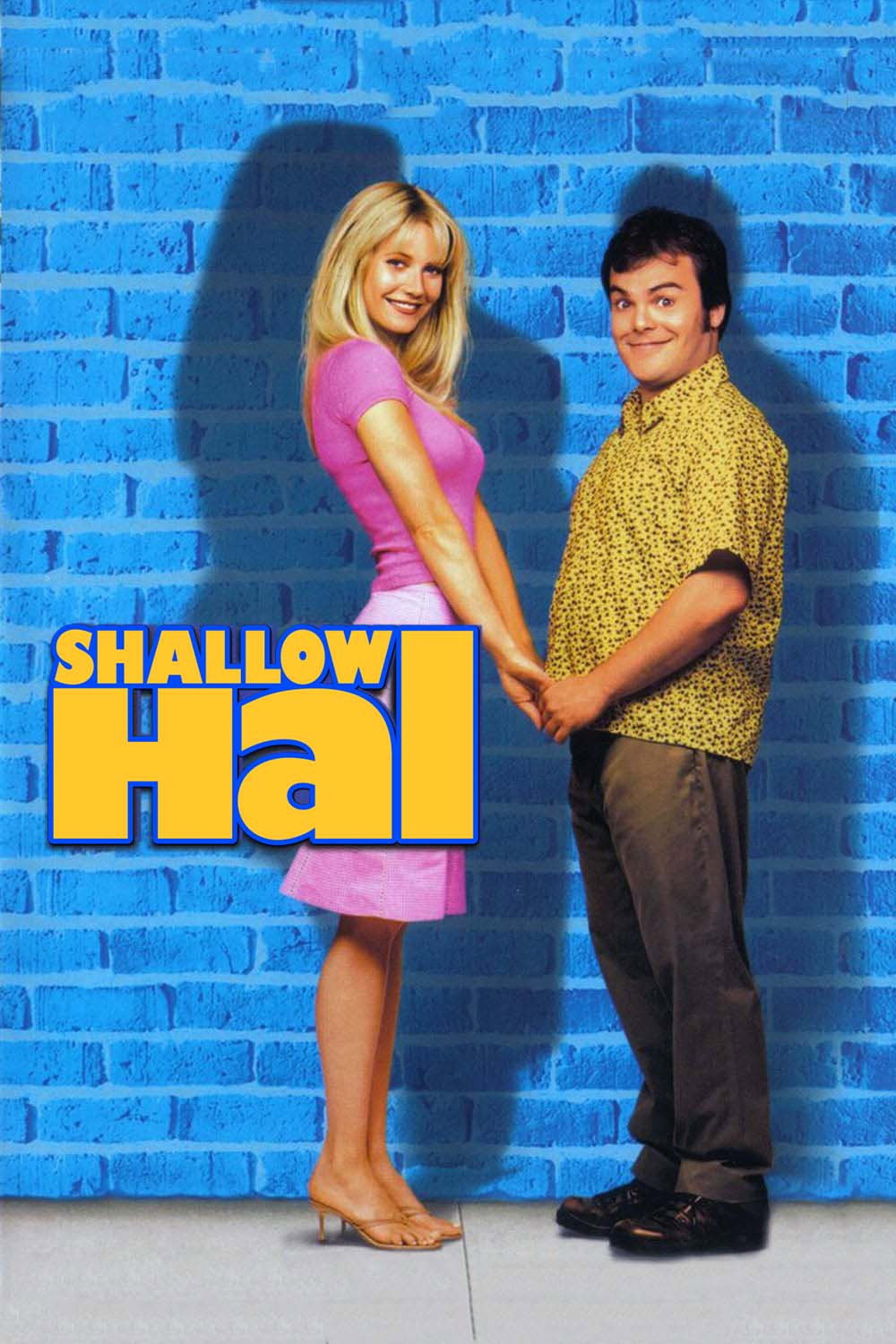
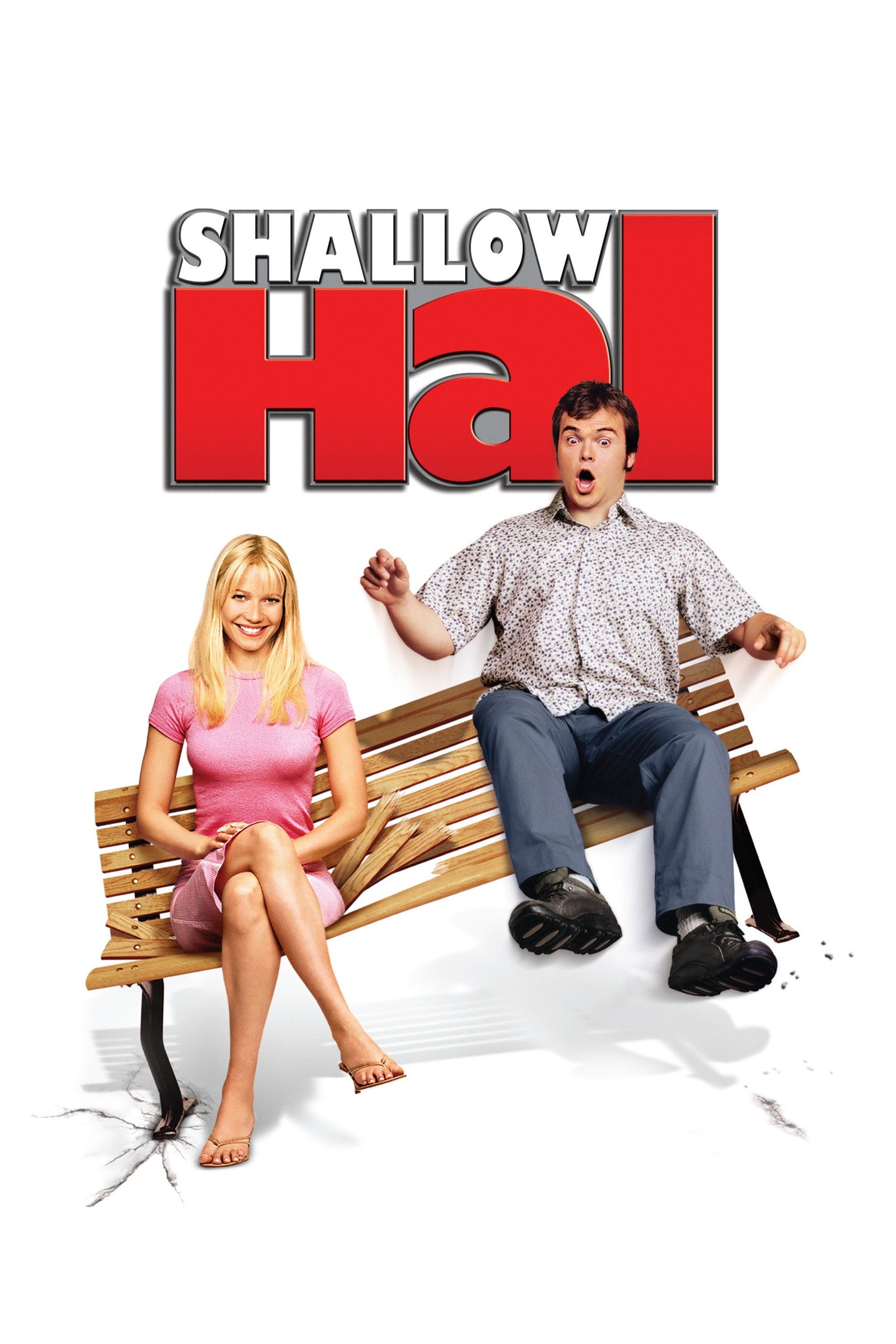
Peter and Bobby Farrelly made their name with a hair-gel joke, and Shallow Hal is their attempt to be kind. The script, written with Sean Moynihan, has one idea. A man who rates women by the inch is hypnotised into seeing only what people are like inside, and falls for a woman everyone else sees as enormous. It is a fable with a moral, and the brothers plainly mean it. They also still want the laughs the moral tells us are cheap, and in 114 minutes they never settle which of the two comes first.
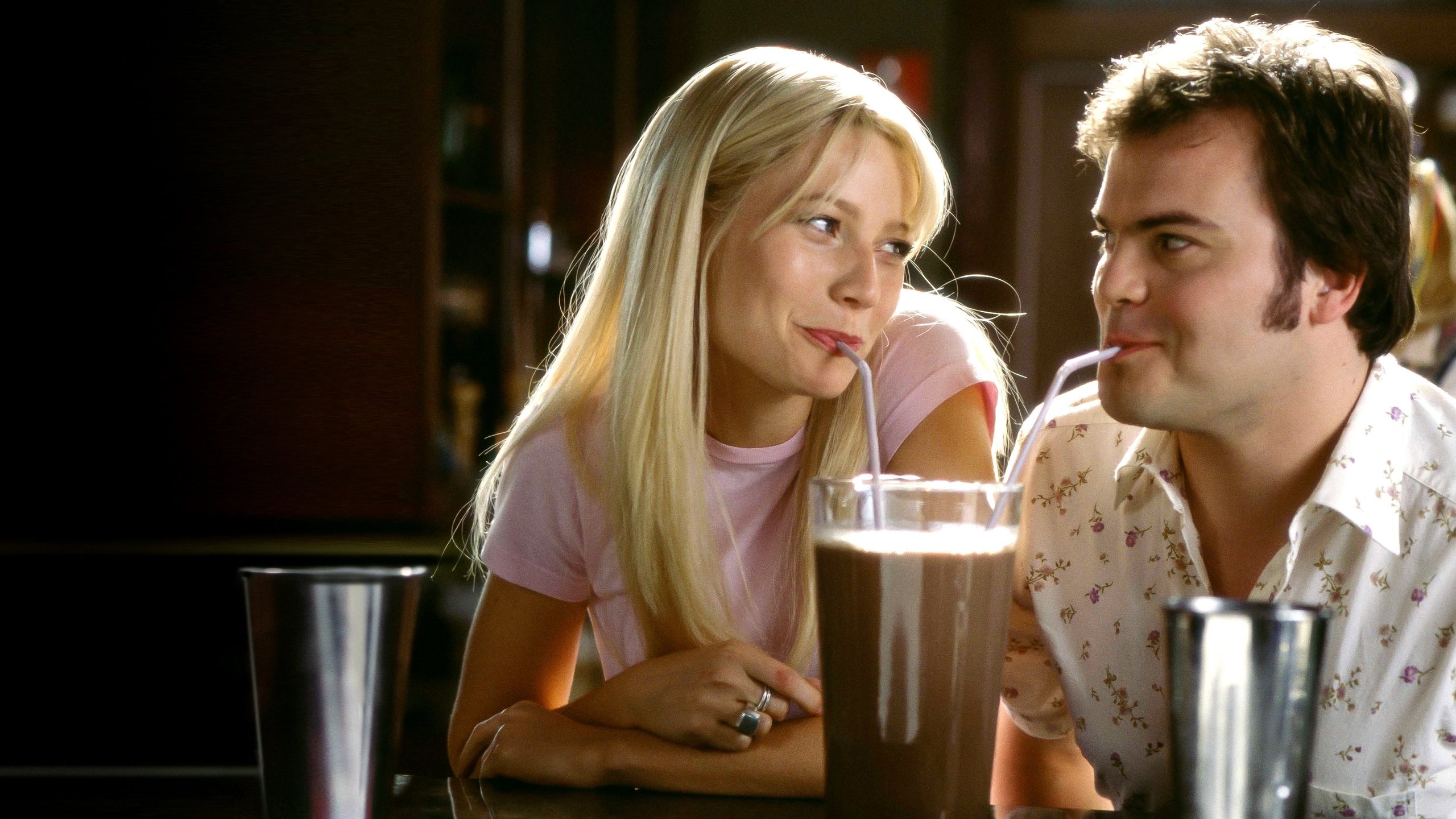
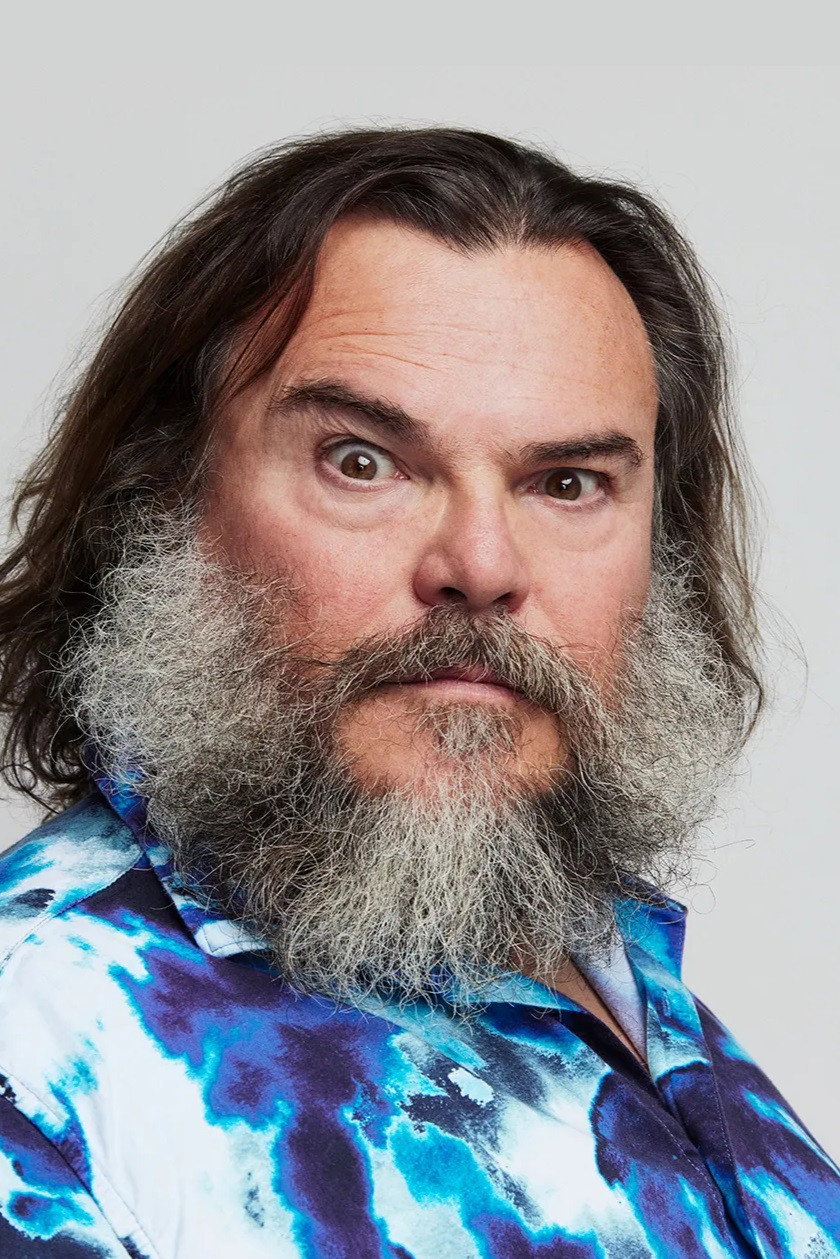
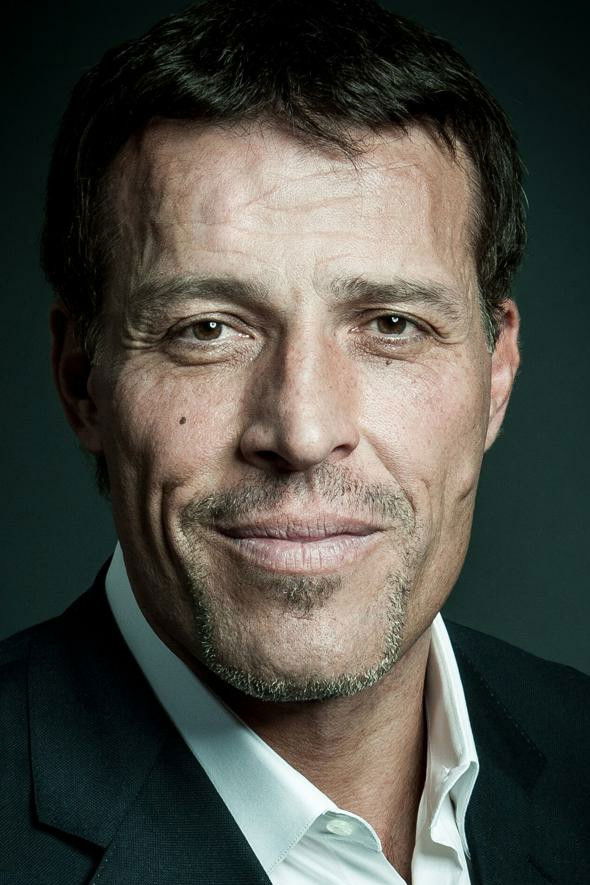
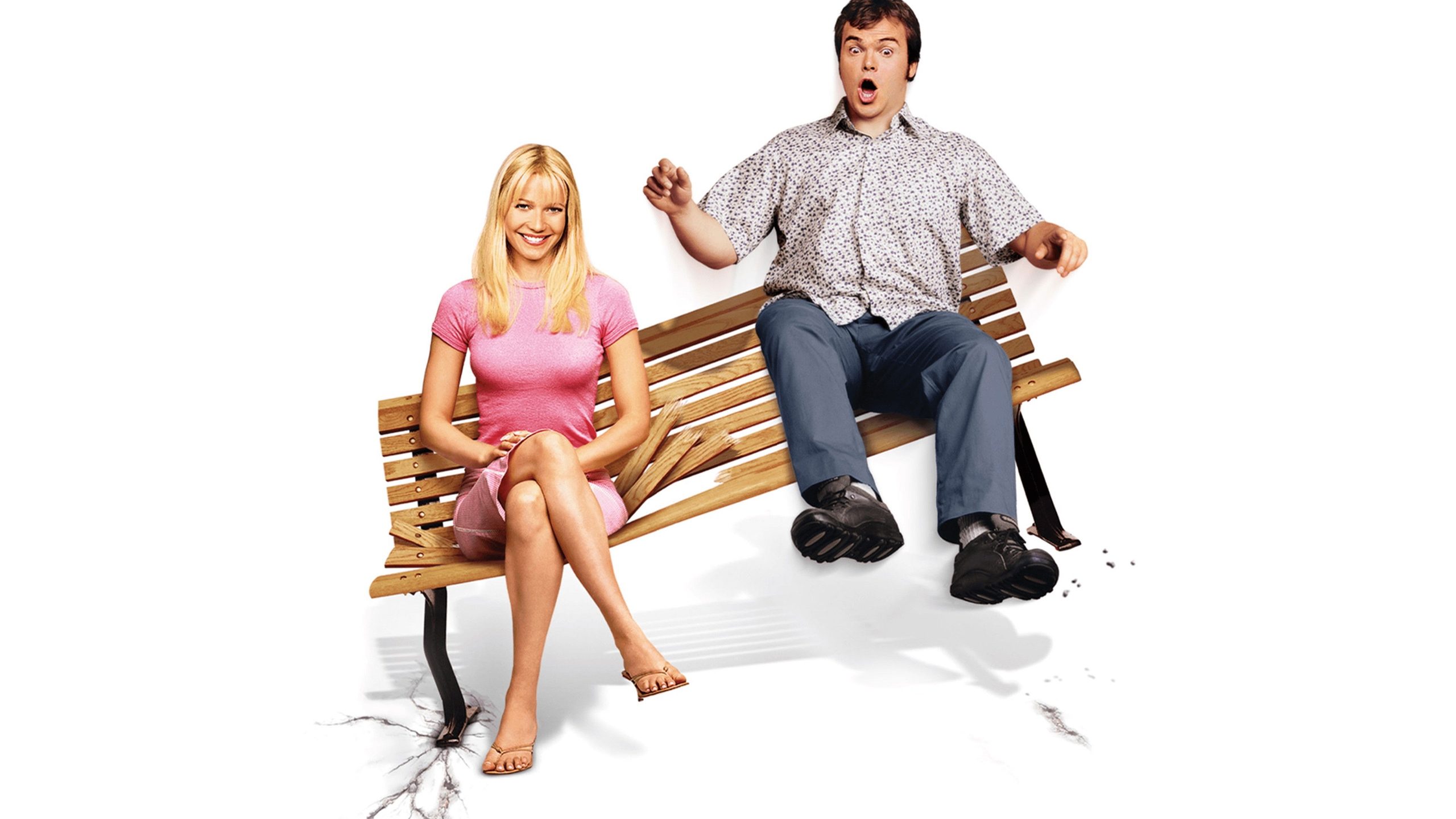
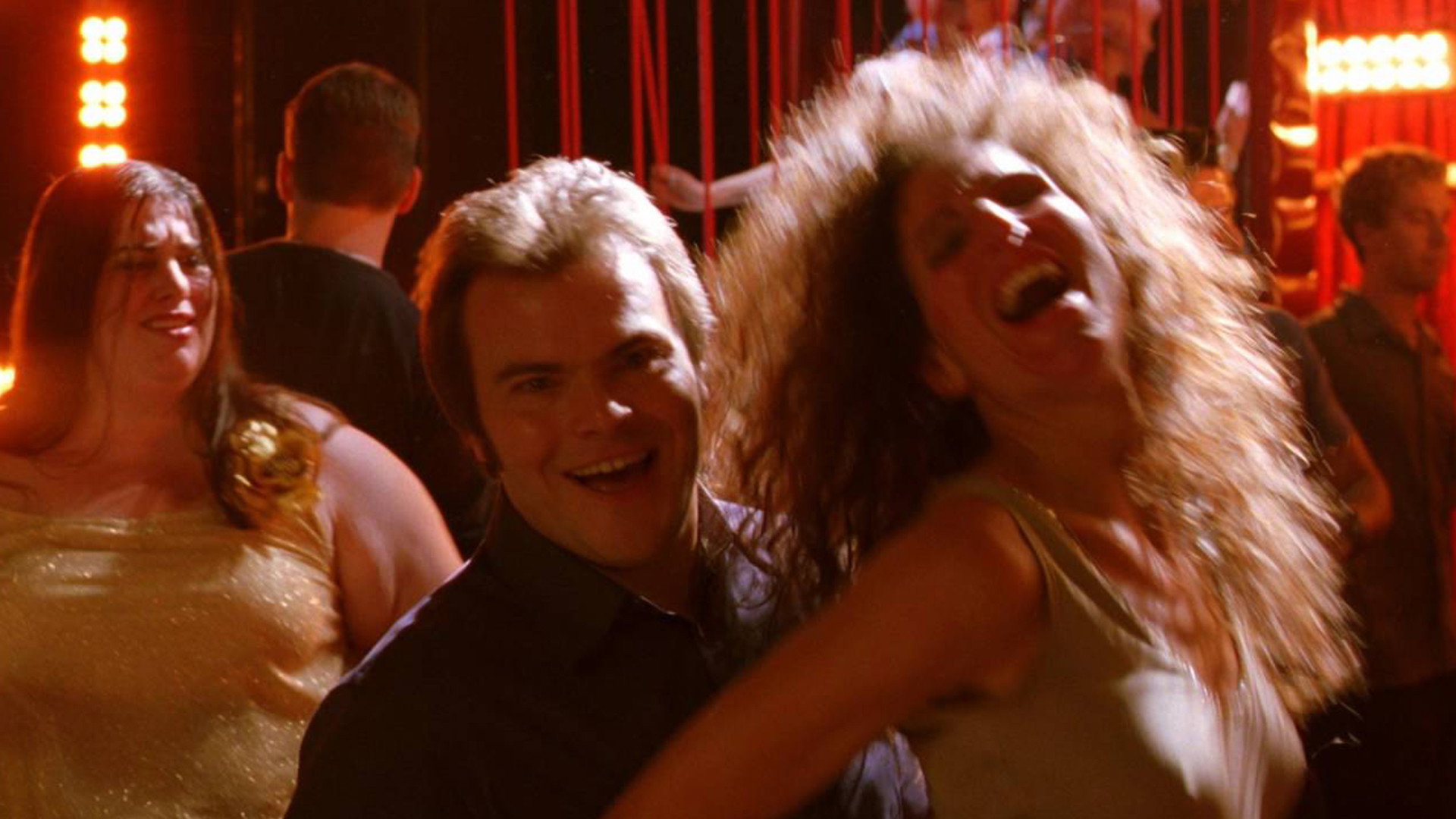
Jack Black plays Hal as a small, cheerful man who has no idea he is not a catch himself. The early nightclub scenes, with Jason Alexander’s Mauricio Wilson beside him, are the film at its most Farrelly: two men well out of their depth, sure they are being let down by the crowd. Then Tony Robbins, playing himself in a stuck lift, puts a hand on Hal’s head, and Black changes. When Hal first sees Rosemary Shanahan (Gwyneth Paltrow) he simply lights up, and Black never once plays it for a laugh. That delight is the engine of the film, and it runs a long way on his face alone.
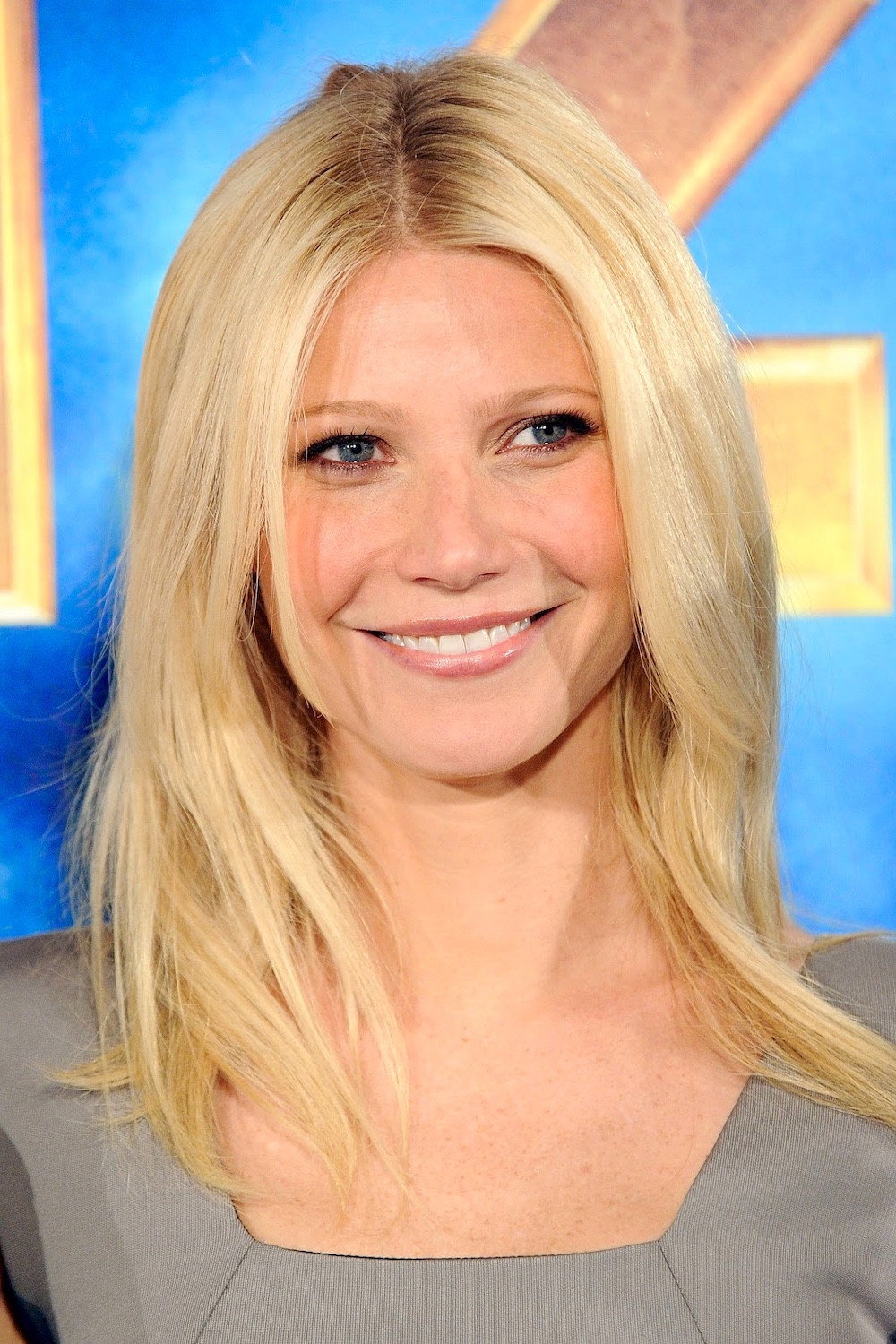
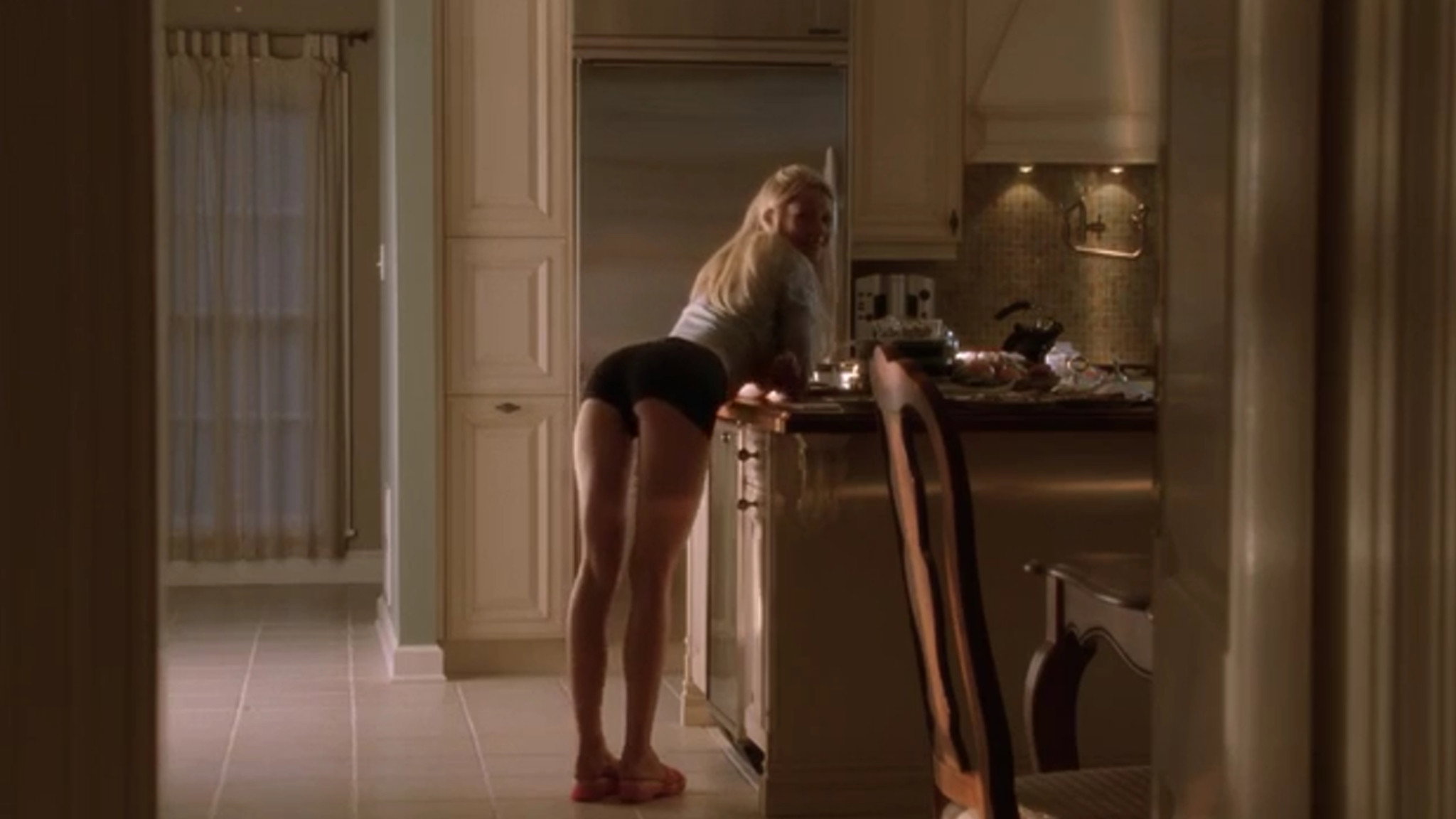
Paltrow has the harder job. She plays Rosemary as herself, which is how Hal sees her, and in a prosthetic suit for everyone else, and the Farrellys cut to the suit briefly and often, so that we are never allowed to forget the joke. What she does with the part is wait. Every compliment Hal pays her, she braces for the punchline, and the film’s best scenes are the ones where it fails to arrive. We laughed when Rosemary’s dive empties a swimming pool and puts a child in a tree, and we were not proud of it. A few minutes later she asks Hal, quietly, whether he is making fun of her, and the laugh went sour in our mouths. The film knows how to do that. It does it perhaps twice, and then goes back to the pool.
The problem is Mauricio. Alexander is handed nearly every fat joke in the picture and does the sneering so that Hal does not have to, which lets the film make the jokes and disown them in the same breath. The camera holds on a restaurant chair giving way under Rosemary; then the script tells us off for looking. Watched with any attention, the moral does not survive that. Rene Kirby’s Walt, who gets about on his hands and is the one person here treated entirely without pity, shows what the film might have been had it trusted itself.
It is plain to look at. Russell Carpenter lights the offices and flats of Sydney J. Bartholomew Jr.’s designs flat and bright, like a sitcom taped in the afternoon, and Christopher Greenbury and Steve R. Moore cut every gag to the same rhythm: set-up, reaction shot, wide. The one thoughtful piece of design is Pamela Withers’s costumes, which put both Rosemarys in the same clothes so that a single cut carries the whole idea. Adam Schlesinger and William Goodrum’s music is soft guitar pop that smooths over scenes a few of which wanted sharpening.
Against There’s Something About Mary the laughs are perhaps a third as many; against the run of romantic comedies of its time it has more heart and much less nerve. The second half turns on the hypnosis and what becomes of it, which we will not describe, and it is the stretch where the film finds its feeling and loses its jokes almost entirely. By then we knew the one thing the film had to tell us and were waiting for it to finish.
The reviews so far split almost exactly down the middle, and we understand both halves. If you like the Farrellys and want to see them try to be good, there is a decent hour in it, and Black and Paltrow are worth that hour. If you want them to be funny, the trailer has most of it. Watch it at home, where the 12 certificate and the soft edges make more sense, and where nobody sees you laugh at the pool.