Jean-Paul Rappeneau’s verse romance is funny, stirring and carried by Gérard Depardieu’s wounded swordsman. The other lovers struggle to hold our attention beside him, but the film earns its large emotions.
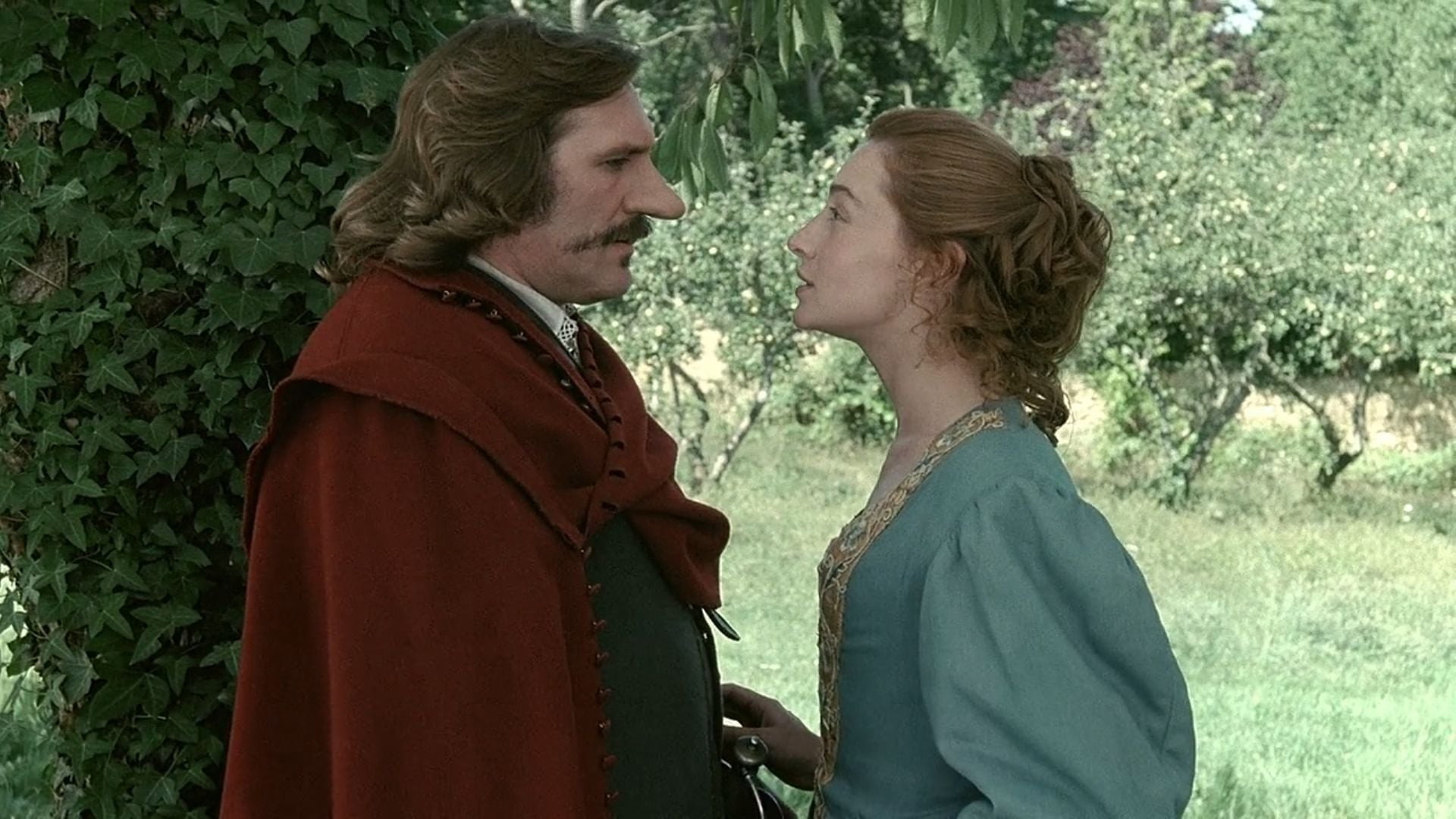
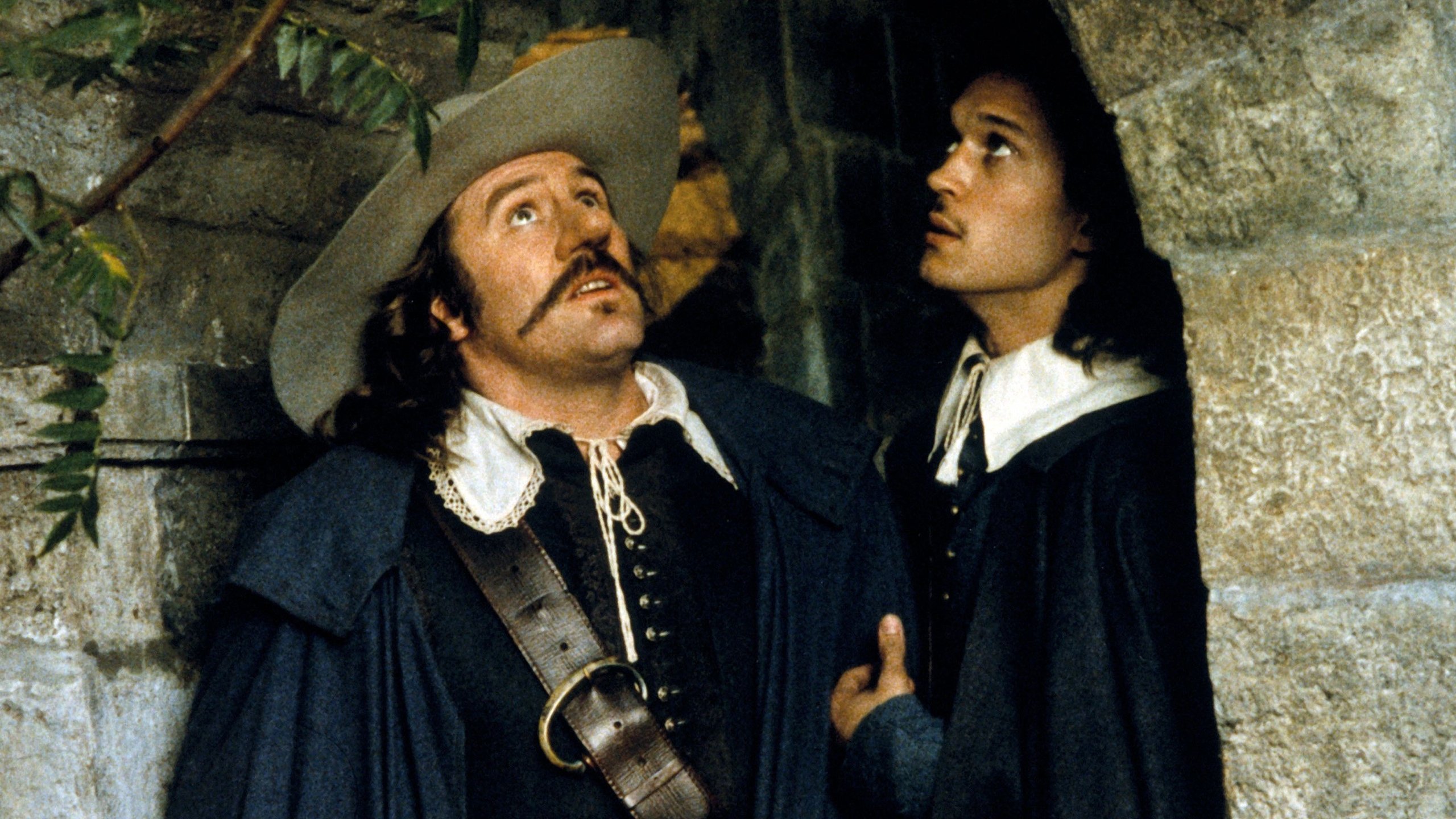
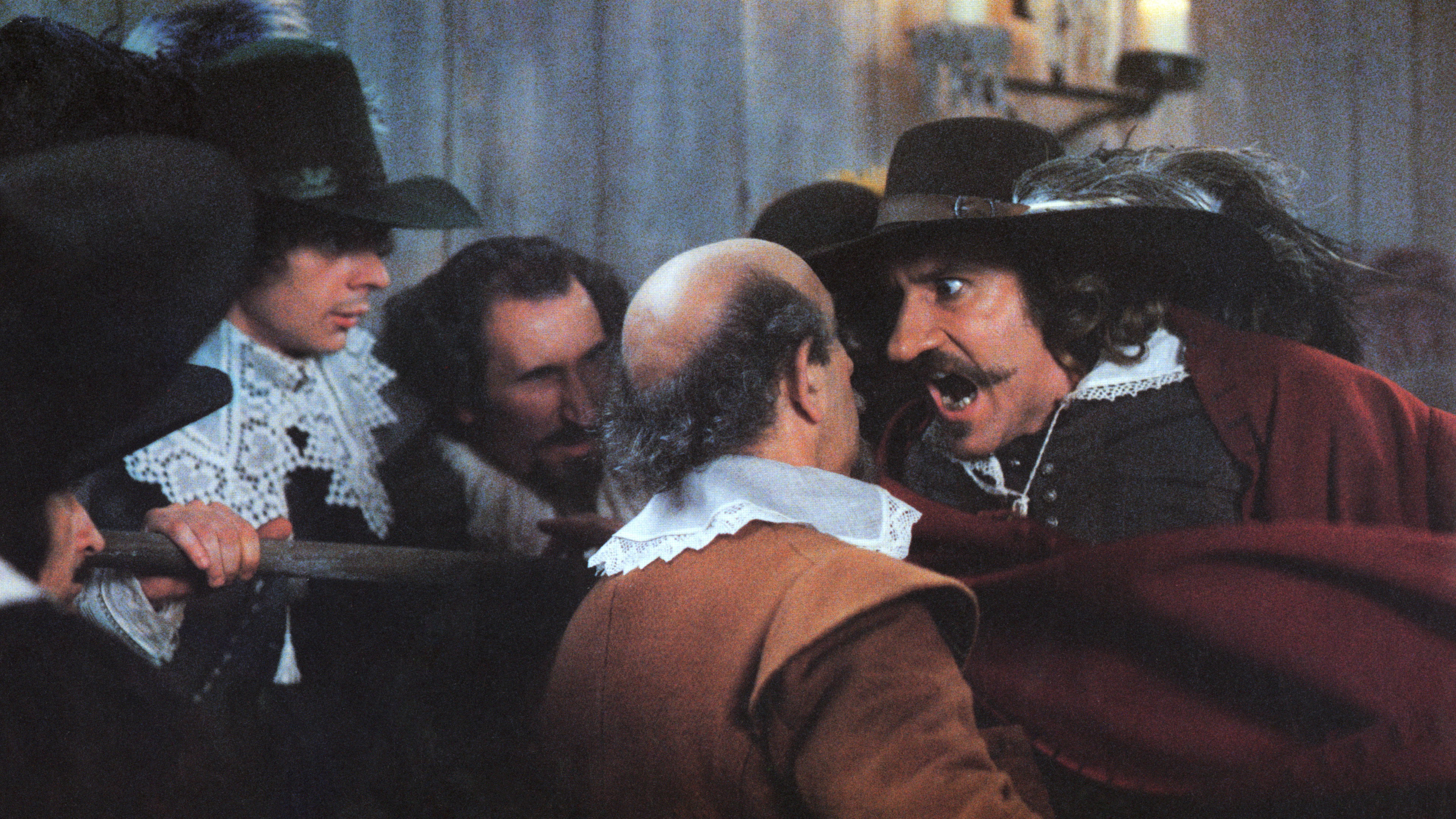
Cyrano de Bergerac is a funny, moving costume romance, carried by a performance that sometimes makes the other lovers seem incidental. Jean-Paul Rappeneau takes his hero’s unhappiness seriously and still allows him to be ridiculous. A swordsman who can defend himself against ridicule cannot imagine anyone overlooking his nose, however much he has to offer. Gérard Depardieu makes that man convincing, and Rappeneau gives him enough room to be boastful, wounded and difficult.
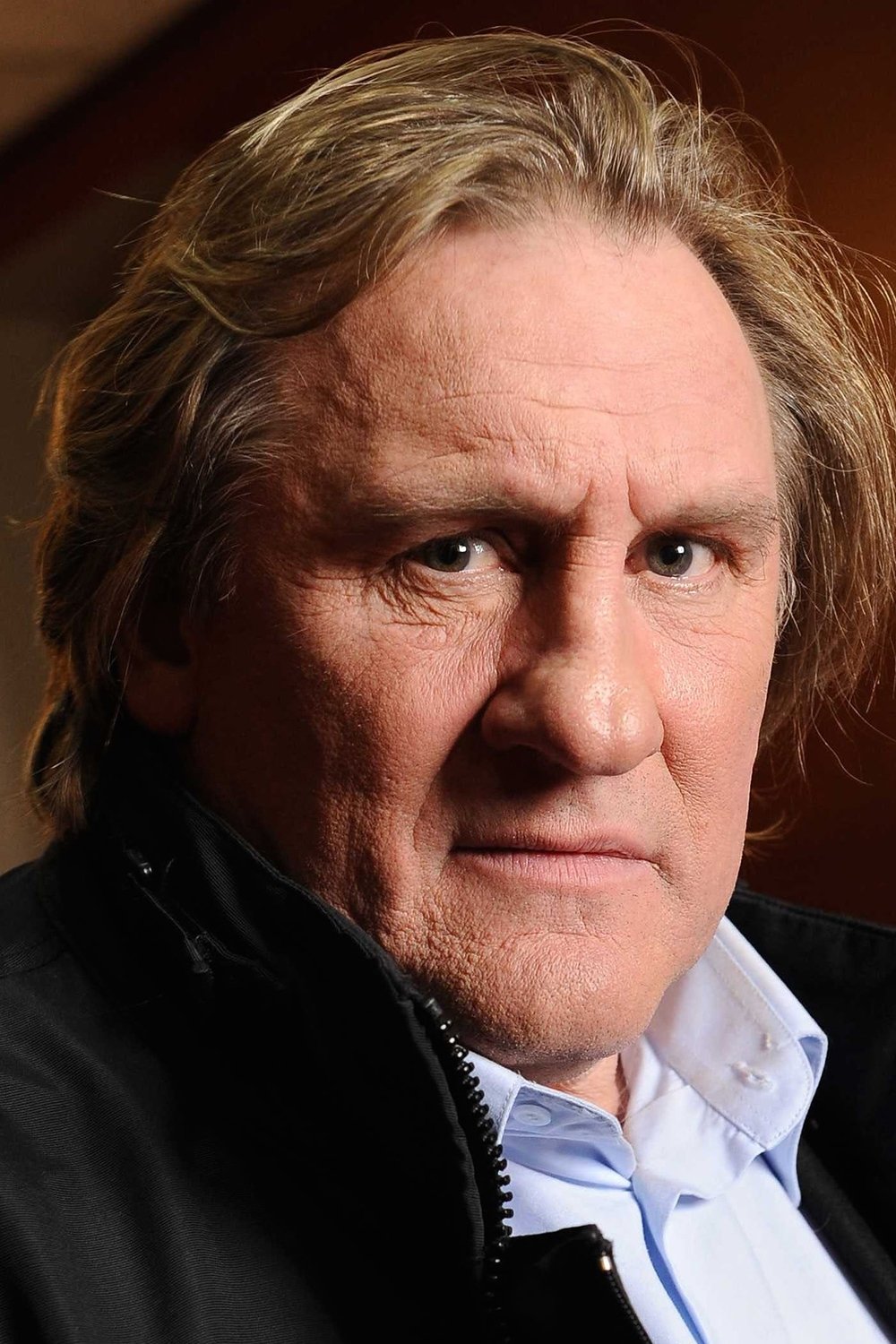
Depardieu makes Cyrano’s self-regard entertaining before asking us to care about his unhappiness. His confidence with language has a physical force: the swagger and the poetry seem to come from the same appetite for holding everyone’s attention. We were moved more than we expected when Depardieu let that swagger falter and Cyrano’s shame about his nose became plain. He does not ask us to forget the vanity, which matters; Cyrano can be exhausting company even while we want him to be loved.
Rappeneau’s screenplay, co-written with Jean-Claude Carrière, retains the verse of Rostand’s play and trusts it to carry comedy as well as longing. The delivery has speed and changing emphasis, so we hear someone trying to win an exchange instead of an actor carefully presenting a poem. That is particularly valuable in a story about a poet lending his words to another man’s courtship. The pleasure lies in hearing how readily Cyrano can express feelings he cannot comfortably claim for himself.
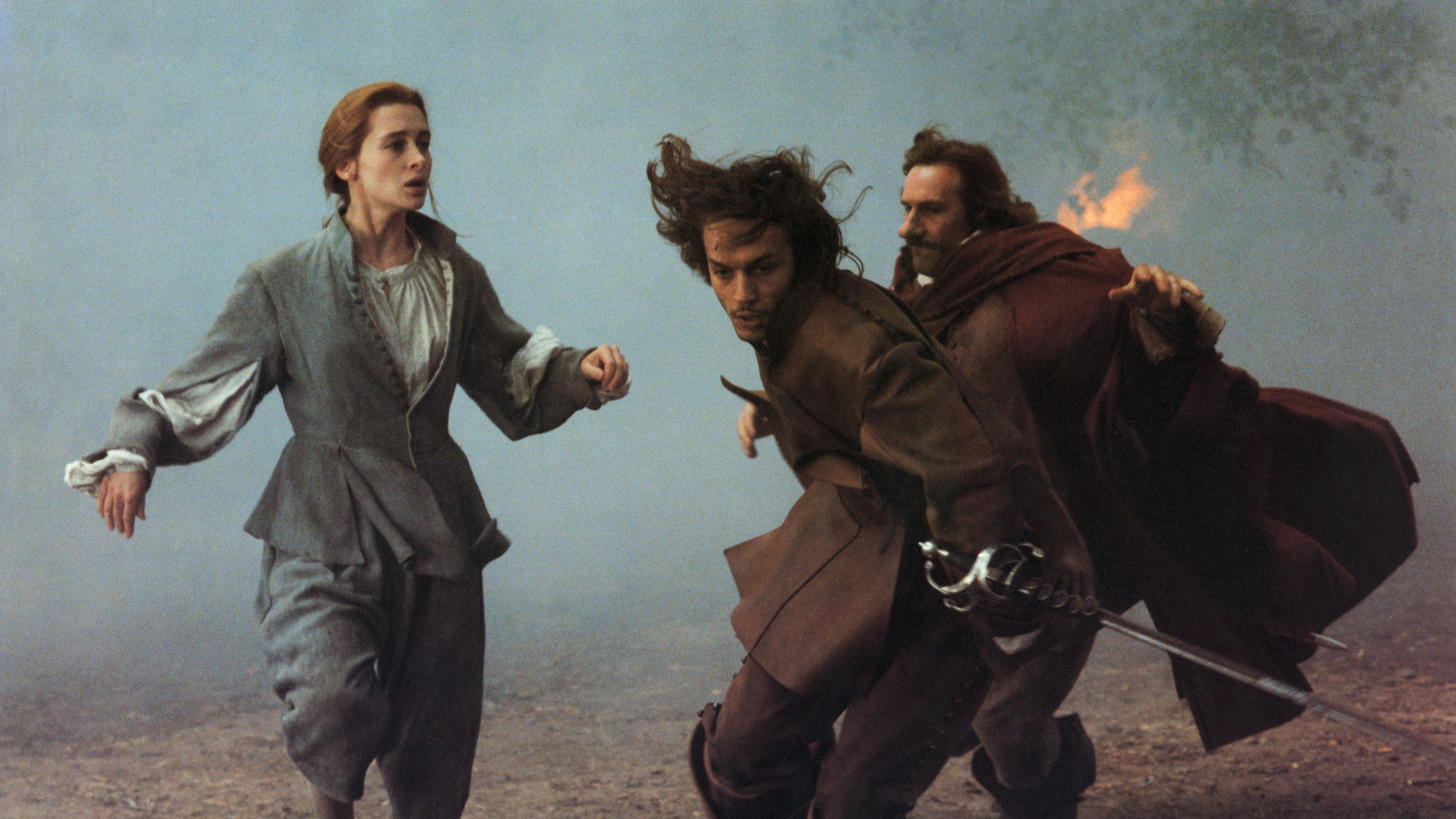
Pierre Lhomme keeps the camera moving with the same eagerness as the actors; the verse never seems to put the rest of the film on hold. Production designers Ezio Frigerio and Jacques Rouxel give the seventeenth-century setting the space and detail this bustle needs. A flamboyant swordsman looks at home here, which helps us accept the scale of his behaviour. Noëlle Boisson’s editing allows the speeches their rhythm without letting the surrounding action go slack. At 137 minutes, the film has time to be lavish without becoming inert.
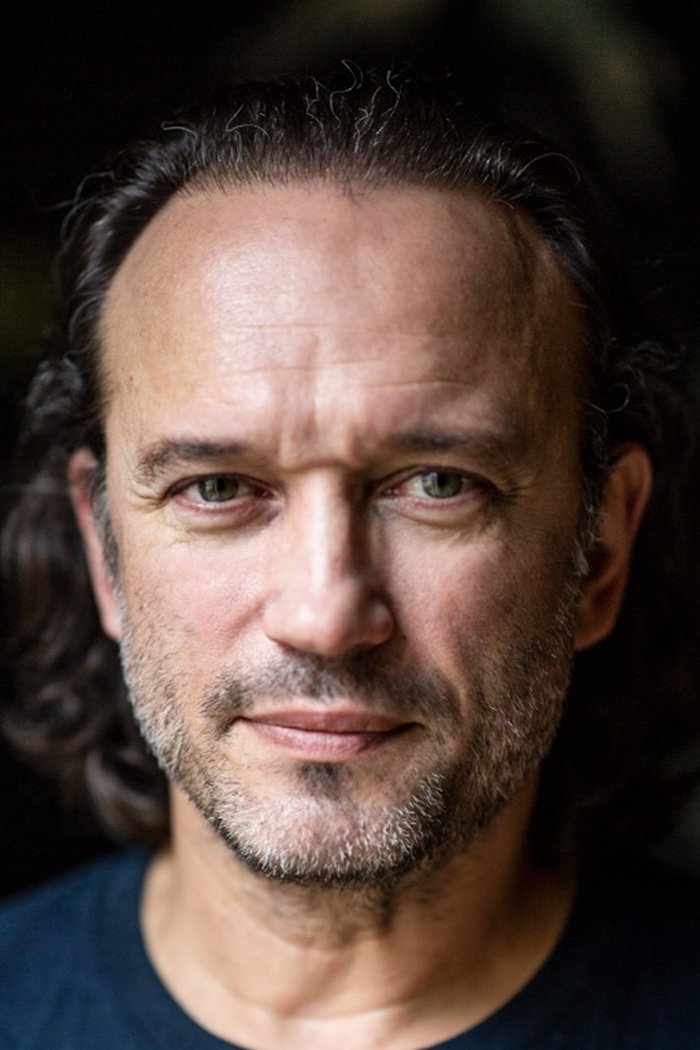
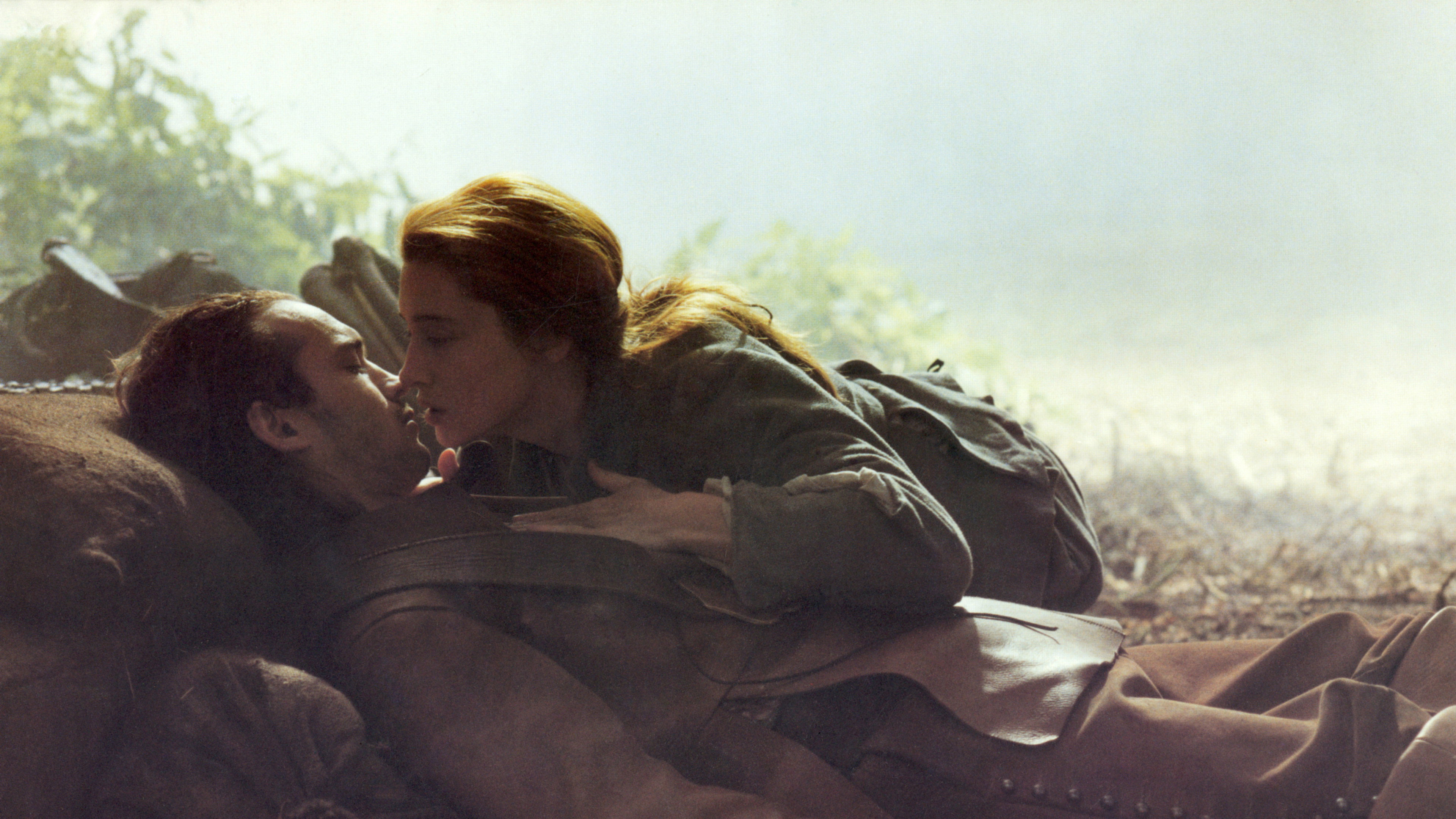
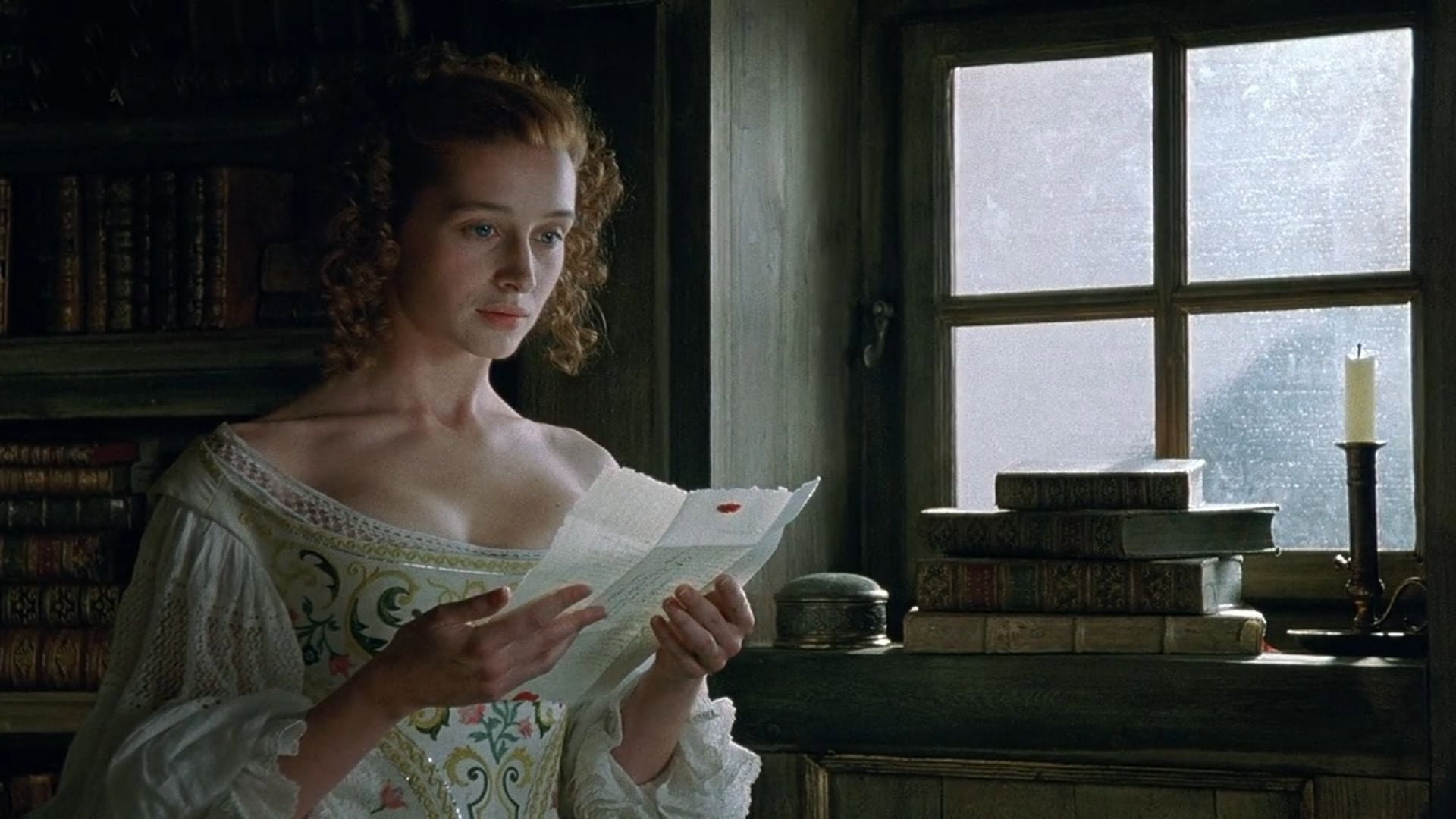
The limitation is that Cyrano becomes so much more interesting than the people around him. Anne Brochet gives Roxane enough firmness to keep her from becoming merely someone to be adored, but we seldom feel as curious about her as we do about Cyrano. Vincent Perez has less to work with as Christian de Neuvillette, and the character’s relative simplicity becomes a drawback. Parts of the courtship left us waiting to return to Cyrano, which is a problem in a romance involving other people.
Jean-Claude Petit’s music gives the romance further encouragement, sometimes more than it needs. The verse and Depardieu’s delivery already make the longing clear, and the musical emphasis occasionally pushes for a response that needs no assistance. This is a modest reservation about a film whose willingness to be emotional is central to its appeal. Rappeneau risks excess, but the acting usually gives him good reason to do so.
As a swashbuckling romance, it understands that clever talk is part of the action. It gives its boastful hero enough awkwardness to make the love story hurt, without requiring us to admire every aspect of him. Choose it for an evening when extravagant declarations of love sound welcome, and give the verse your attention.