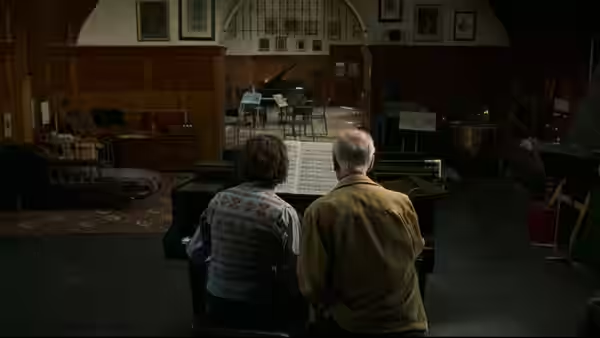
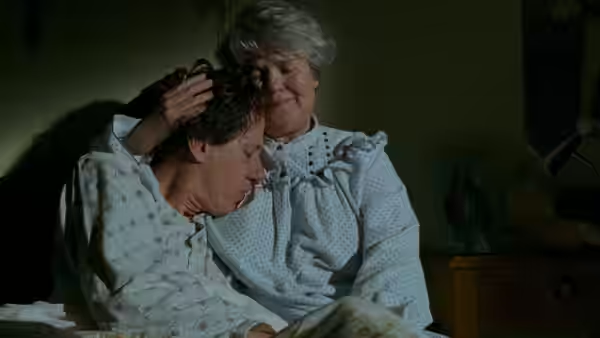
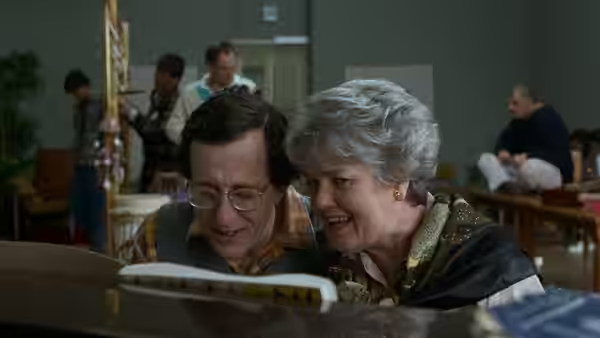
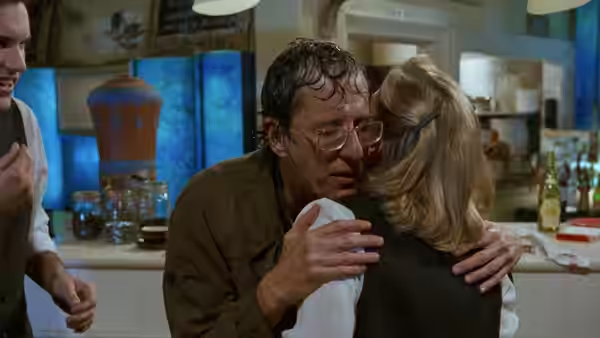
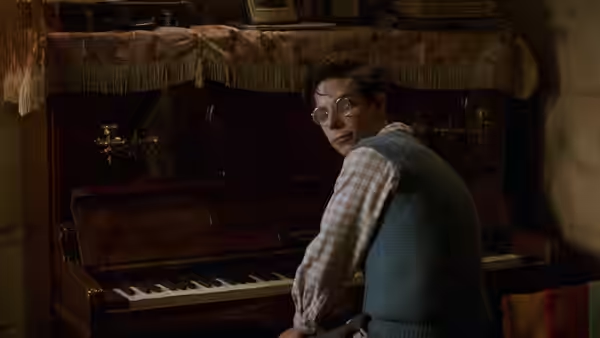
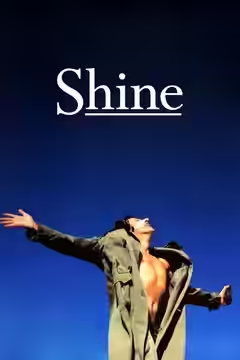
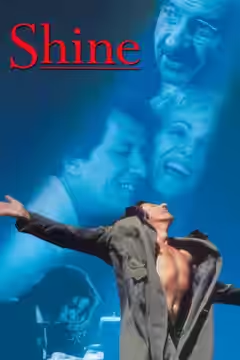
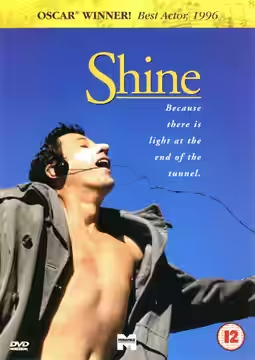
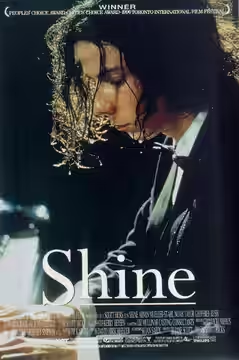
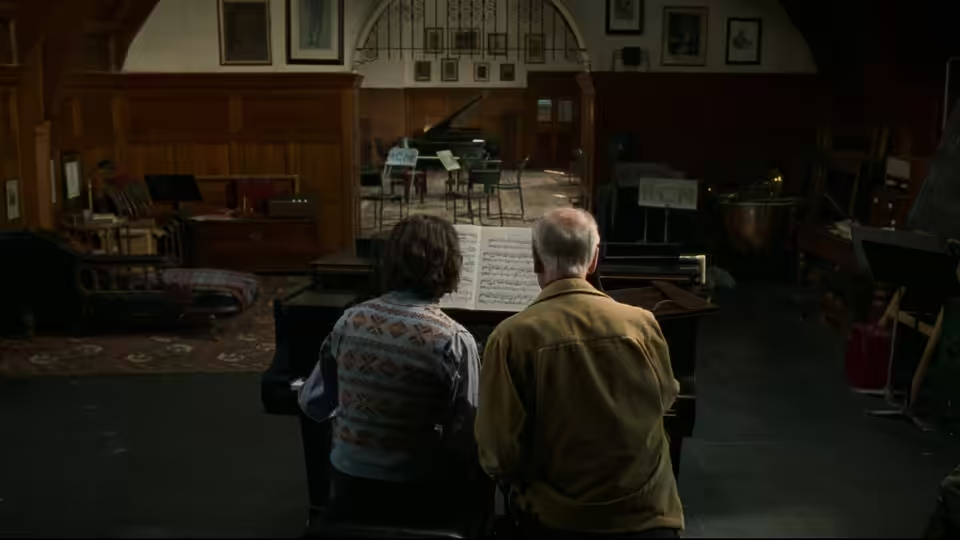
two men seated at a grand piano studying sheet music in a rehearsal room
Film review

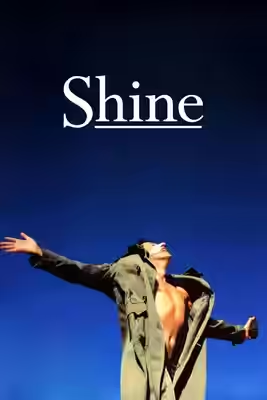
Shine

1996 · Directed by Scott Hicks · 1h 45m

In a sentenceA piano prodigy could do with fewer instructions and someone making him a cup of tea

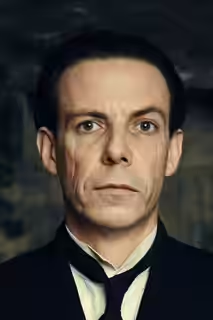
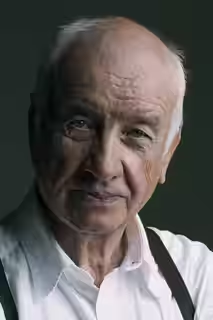
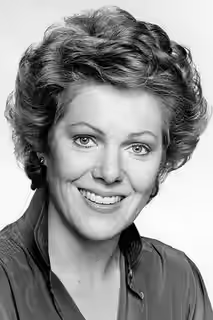
David Helfgott grows up with a gift for the piano and a father who places his own demands on it. Peter’s expectations shape David’s ambitions, making his musical development difficult to separate from their relationship. Scott Hicks’s biographical drama follows Helfgott at different ages, with Alex Rafalowicz playing him as a child, Noah Taylor as an adolescent and Geoffrey Rush as an adult. Armin Mueller-Stahl plays Peter, with Lynn Redgrave as Gillian, Googie Withers as Katharine Susannah Prichard and John Gielgud as Cecil Parkes.

Plays from YouTube when you press play; nothing loads from them until then.

Fi1m review

Scott Hicks’s Shine is a moving drama about musical talent and parental pressure, with Geoffrey Rush and Noah Taylor making David Helfgott worth caring about. The storytelling takes shortcuts, but the performances earn its warmth.

Shine is a moving biographical drama whose performances make familiar material worth another evening. Director Scott Hicks and screenwriter Jan Sardi take on the gifted musician, the demanding father and the difficult business of growing up under someone else’s expectations. There is plenty here that could have been made solemn and exhausting, but the humour allows David Helfgott to be enjoyable company. Hicks keeps the film to 105 minutes, with three actors sharing the central role.

Armin Mueller-Stahl’s Peter is the reason the family drama has weight. The performance gives the father’s demands a troubling sincerity: he can believe he is acting out of care without allowing David much say in the matter. We found him frightening, because his concern keeps becoming a reason his son should obey him. His unhappiness remains visible, making it harder to dismiss him as the villain required by the story. Sardi’s writing is strongest when it allows those conflicting feelings to remain.

The casting across David’s ages helps considerably. Alex Rafalowicz plays the child, Noah Taylor the adolescent and Geoffrey Rush the adult, and the changes of actor do not make the character feel repeatedly restarted. Taylor gives David a vulnerability that keeps the pressure on him credible, while Rush makes room for humour without treating him as a collection of eccentricities. It is easy to underestimate Taylor’s contribution simply because Rush gives us more to notice.

Geoffrey Simpson’s cinematography supports Hicks’s impressionistic approach, keeping the performances intimate rather than turning the musician into a distant figure to admire. Vicki Niehus’s production design is restrained enough to let the actors dominate their surroundings; we seldom find ourselves looking past them for period detail. That matters in a story which could easily become an excuse for handsome concert imagery. Hicks is most persuasive when the attention stays on a difficult relationship.

Pip Karmel’s editing gives the biography an elliptical rhythm, leaving the actors to carry connections that have not been explained at length. It is an effective way of avoiding the dutiful procession of milestones that can make a life story feel like homework. David Hirschfelder’s score supports the warmth, although its emotional prompting can become too insistent. The film allows David pleasure in playing, as well as the strain of meeting other people’s expectations.

The reservation concerns the tidiness of the telling. Sardi sometimes arranges complicated feelings so that we know too readily where sympathy should go, and Hicks is inclined to accept warmth as sufficient explanation. That can make a difficult life seem more easily understood than it is, even when the people remain convincing. Lynn Redgrave’s Gillian and John Gielgud’s Cecil Parkes help by suggesting lives beyond their immediate usefulness to David’s story. Redgrave’s firmness is especially welcome when the film is asking us to feel reassured.

Films about gifted people can become tiresome when every unhappy experience is treated as preparation for the next performance. Shine has enough interest in David himself to escape much of that, and its humour is essential. There is pleasure in spending time with him, quite apart from listening to him play. See it for Taylor and Rush, but leave some attention for Mueller-Stahl’s father, who makes the family scenes so uncomfortable.
Critical consensus AI synthesised

81
Positive
9
Mixed
0
Negative
0

Every review of Scott Hicks’s biopic is positive, and the praise clusters around the acting. Geoffrey Rush’s adult David Helfgott is the performance most critics return to, admired for how closely observed it is and for holding the man’s warmth and his oddness together. Armin Mueller-Stahl’s father draws nearly as much attention, with several reviews noting that the film treats him with respect rather than making him a monster. The music is credited with carrying much of the feeling, and the tone is repeatedly called unsentimental despite the material.

The reservations are mild and mostly about familiarity. The Independent sees a film built on well-worn genius-is-agony conventions that adds just enough of its own to get away with it, and the Los Angeles Times calls it an old-fashioned Hollywood picture, a compliment with a small caveat attached. The spread is narrow: nobody is cool on it, and the gap is between critics who find it moving and those who find it a good deal more than that.

Empire
1 January 2000 · Caroline Westbrook
90*

Hicks' biopic is a startlingly well-made tale of triumph over adversity that makes for compelling, powerful viewing. The acting is faultless and the story is told with warmth and humour that saves it from self-pity.

Read the full review →
RogerEbert.com
29 November 1996 · Roger Ebert
90*

Ebert praises the film as a moving true story of pianist David Helfgott's rise, breakdown, and recovery, highlighting the complex father-son dynamic and the healing power of music and love. He notes the strong performances, especially by Geoffrey Rush, Armin Mueller-Stahl, and Lynn Redgrave, and the emotional depth beneath the biopic.

Read the full review →
The New York Times
22 November 1996 · Janet Maslin
90*

Maslin calls the film a powerful, enveloping portrait of a prodigy destroyed by his domineering father yet ultimately redeemed. She singles out Armin Mueller-Stahl's nuanced performance as the anguished father and the graceful direction that gives the story sensitivity and dignity.

Read the full review →
Time Out
16 February 2016 · TJ
90*

The critic finds the film compassionate, deft, unsentimental and inspirational. They single out Geoffrey Rush's minutely observed performance as the adult David Helfgott, along with the powerful use of music.

Read the full review →
The Guardian
27 December 2013
85*

The 1996 biopic leaves a lasting impression as a film about troubled genius, the cost of success, and family tensions. It is especially affecting on rewatch, thanks in large part to Geoffrey Rush's total immersion in the lead role as adult David Helfgott.

Read the full review →
Los Angeles Times
22 November 1996 · Kenneth Turan
70*

Turan describes it as an old-fashioned Hollywood movie that moves audiences without insulting them, thanks to intuitive restraint and strong ensemble acting. He highlights Geoffrey Rush's superb balancing of humanity and eccentricity in the lead role.

Read the full review →

Straight answers AI written, from our review

Is Shine worth watching?
Shine is worth watching for anyone who enjoys a biographical drama carried by its actors, and we scored it 82. Geoffrey Rush and Noah Taylor make David Helfgott good company, and Armin Mueller-Stahl gives the father an unsettling sincerity. The storytelling tidies complicated feelings a little too readily, so those wanting a rigorous account of the life should adjust expectations.
How long is Shine, and what is it rated?
Shine runs 1h 45m. It is a drama film.
Where can I watch Shine in Ecuador?
Shine is not on any streaming or rental service in Ecuador at the moment. It is available in 11 other countries; change your country at the top of the page to see where. Availability is checked daily.
How violent or frightening is Shine, and is it suitable for children?
Shine is a UK 12 drama with little violence and nothing likely to frighten most teenagers. Its discomfort comes from Armin Mueller-Stahl's father, whose concern for his son keeps turning into a demand for obedience, which we found frightening in a quiet, domestic way. It is suitable for older children who can sit through 105 minutes of family drama; young children will find little in it.
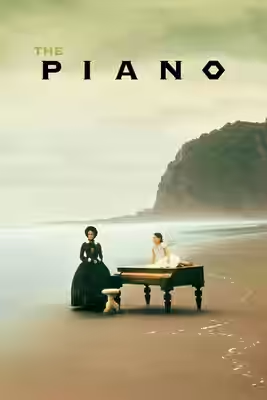
How does Shine compare to The Piano?
Shine is the warmer and more approachable of the two, while The Piano is the more unsettling and, we think, the stronger film. Both are dramas about music and the struggle to be heard, but Jane Campion's romance holds its intensity where Scott Hicks is inclined to reassure. Choose Shine for the performances and its humour, The Piano for something that lingers uncomfortably.
What should I watch after Shine?
After Shine, try The Music Room (1958, Fi1m 88): A patron’s attachment to music becomes an unsparing study of pride and decline. Then The Piano (1993, Fi1m 88): A more unsettling drama about music, intimacy and the struggle to be heard.

Cast

Awards

Academy Awards, 1997

Nominated
Best Director
Nominated
Best Film Editing
Nominated
Best Original Dramatic Score
Nominated
Best Picture
Nominated
Best Supporting Actor
Nominated
Best Writing, Original Screenplay
Won
Best Actor

AACTA Award for Best Actor in a Leading Role, 1996

Won
AACTA Award for Best Actor in a Leading Role

AACTA Award for Best Actor in a Supporting Role, 1996

Won
AACTA Award for Best Actor in a Supporting Role

AACTA Award for Best Cinematography, 1996

Won
AACTA Award for Best Cinematography

AACTA Award for Best Costume Design, 1996

Nominated
AACTA Award for Best Costume Design

AACTA Award for Best Editing, 1996

Won
AACTA Award for Best Editing

AACTA Award for Best Film, 1996

Won
AACTA Award for Best Film

AACTA Award for Best Original Music Score, 1996

Won
AACTA Award for Best Original Music Score

AACTA Award for Best Original Screenplay, 1996

Won
AACTA Award for Best Original Screenplay

AACTA Award for Best Production Design, 1996

Nominated
AACTA Award for Best Production Design

AACTA Award for Best Sound, 1996

Won
AACTA Award for Best Sound

If you liked this, try…

  1. Little Man Tate (1991) · not reviewed yetAnother gifted child faces adults who cannot agree on what he needs.

  2. The Music Room (1958, Fi1m 88)A patron’s attachment to music becomes an unsparing study of pride and decline.

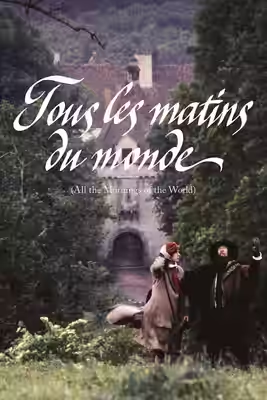
  3. Tous les matins du monde (1991) · not reviewed yetMusic, grief and difficult teaching, with less reassurance and room for silence.

  4. The Piano (1993, Fi1m 88)A more unsettling drama about music, intimacy and the struggle to be heard.

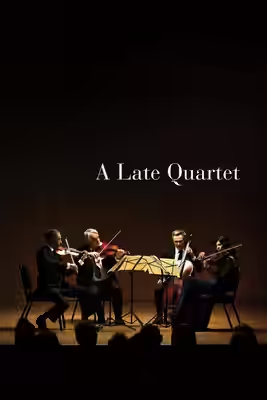
  5. A Late Quartet (2012) · not reviewed yetThe playing is inseparable from the musicians’ imperfect dealings with one another.

Free account

Know what to watch tonight

Two lists that know where things are streaming, collections you can share, your own score beside ours, and Discover that remembers what you have seen.

  • Want to see, sorted by what is streaming now
  • Seen, with your score out of ten
  • No adverts, ever