The redesigned hedgehog is fine, the road trip is borrowed and Jeff Fowler’s film is forgotten within the hour. Jim Carrey, moustached and manic, is the one reason to sit through it, and he is a good reason.
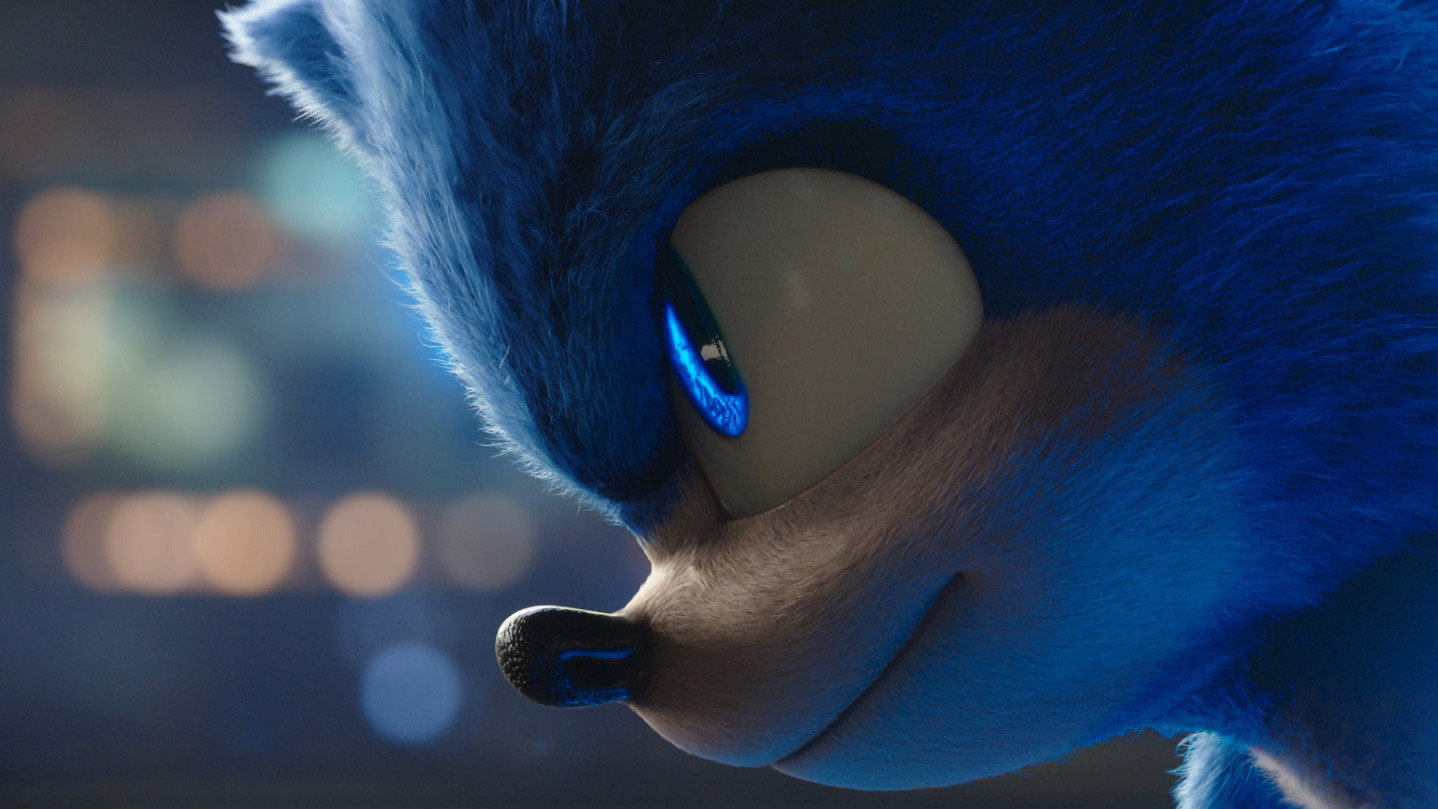
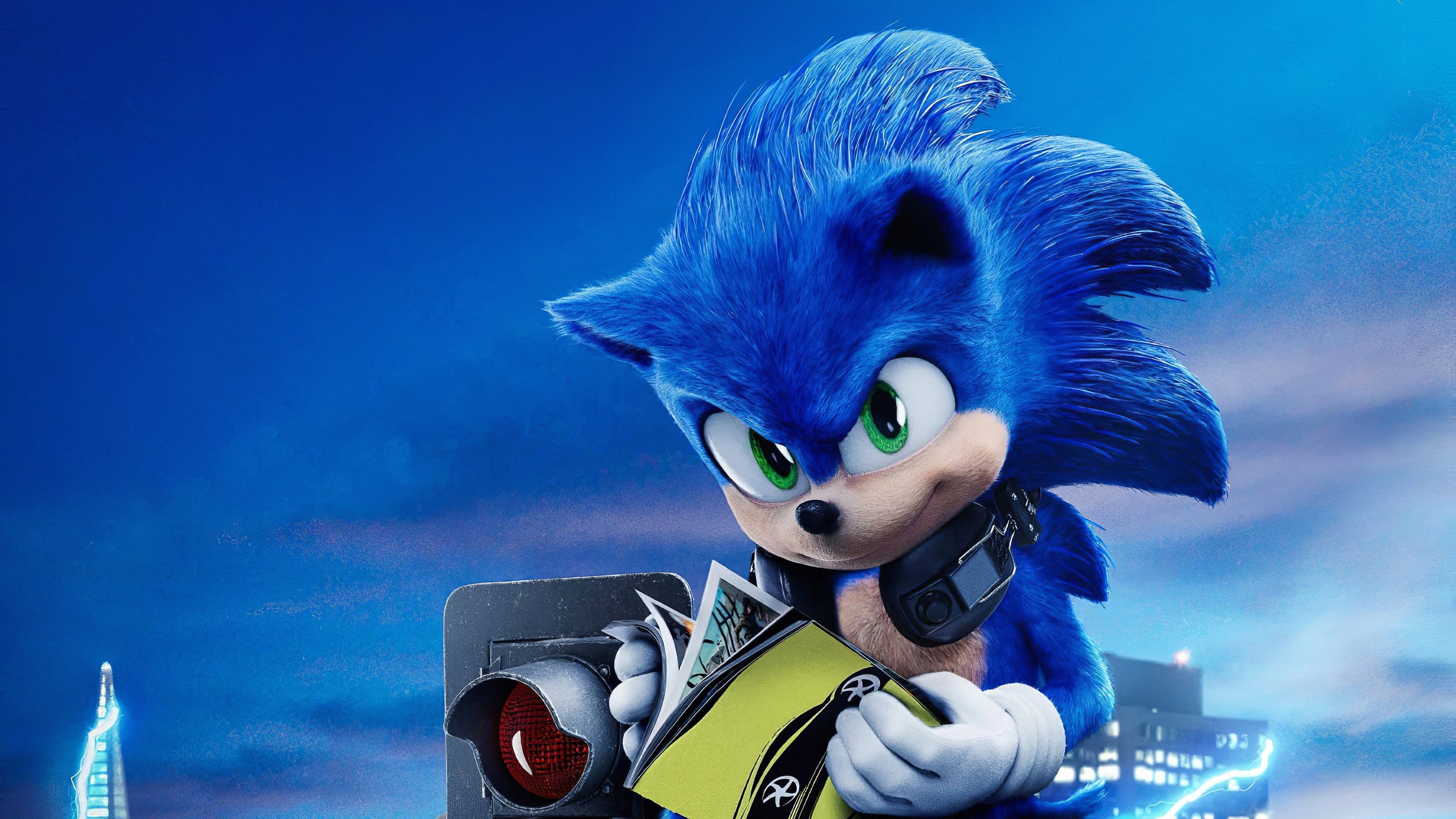
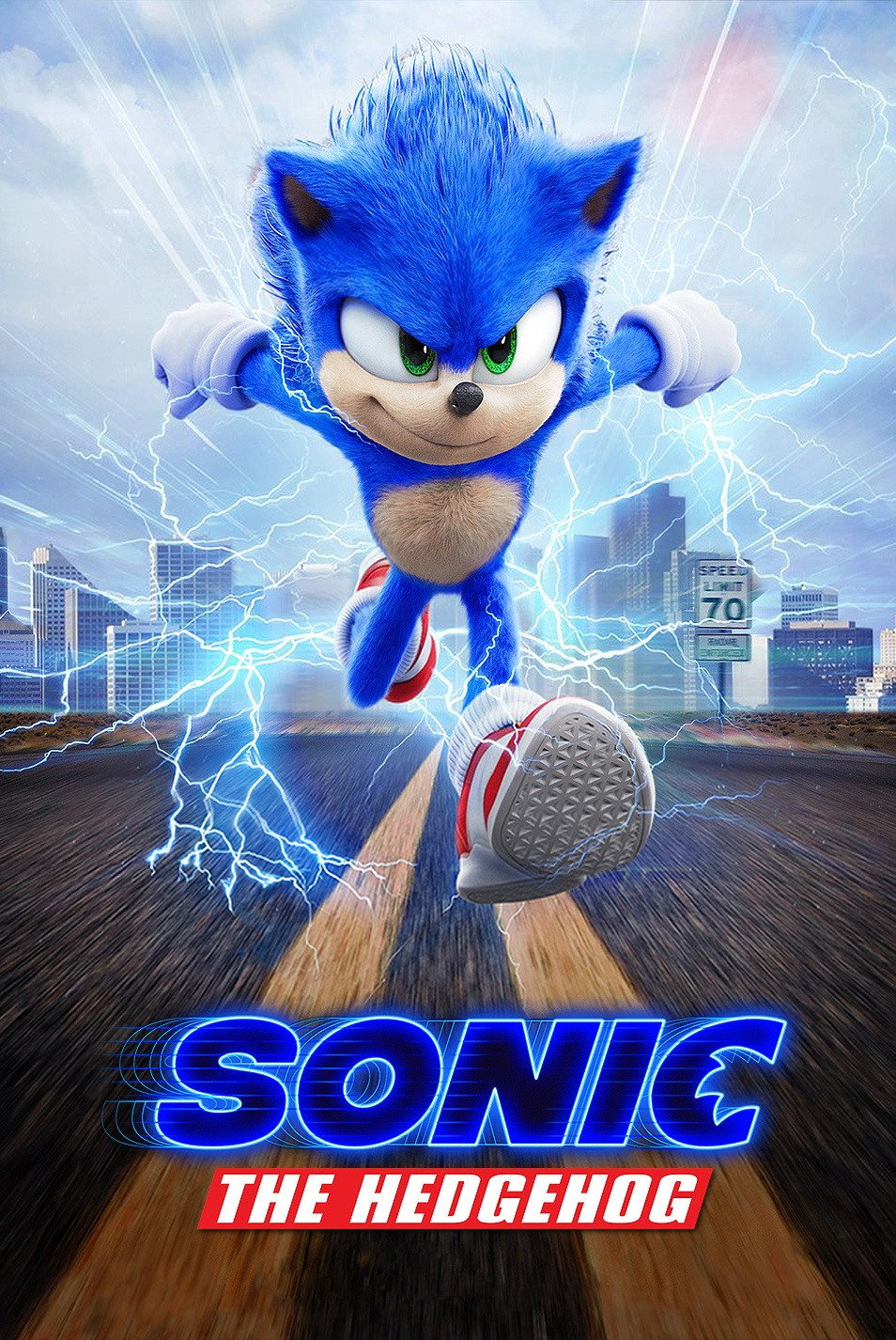
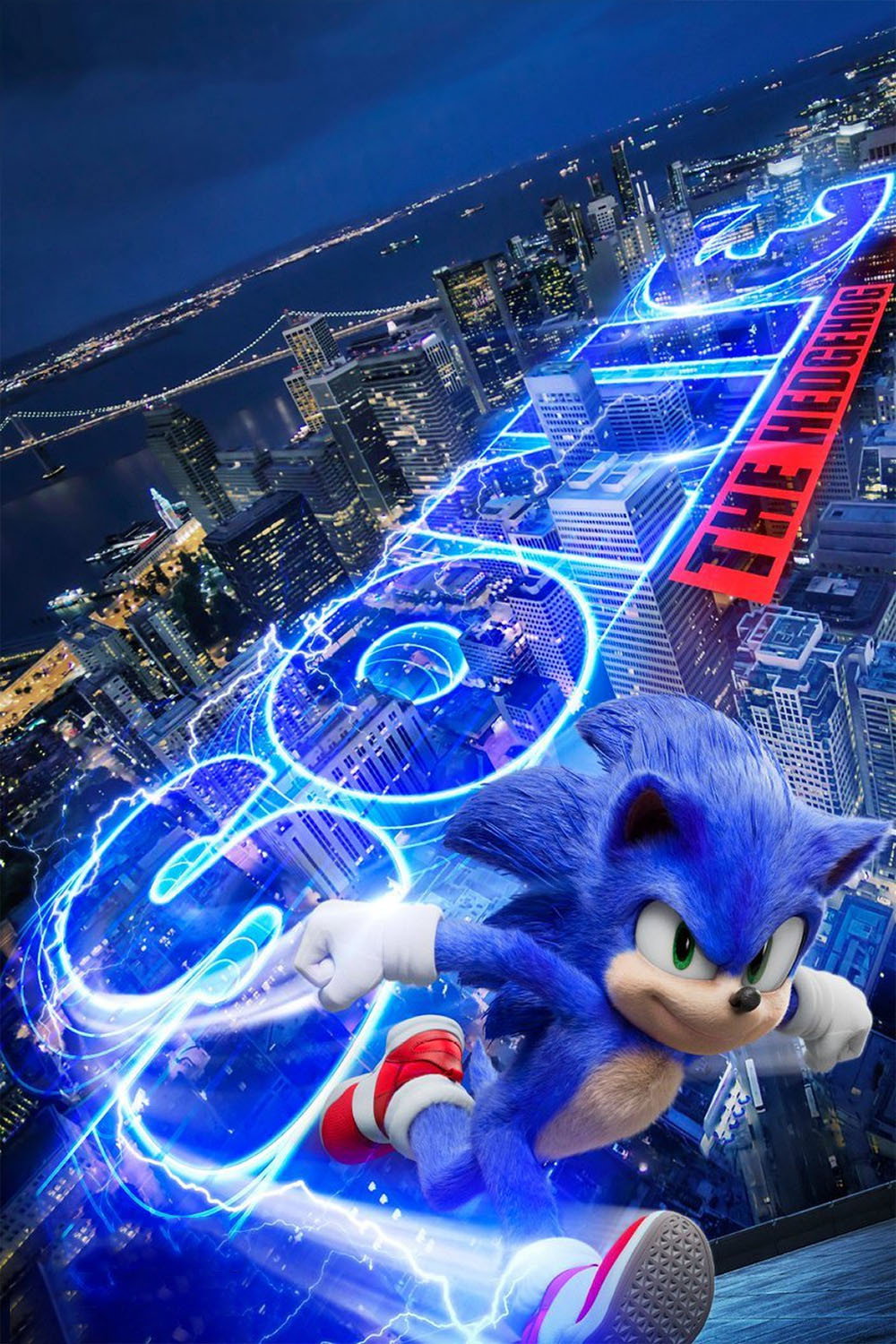
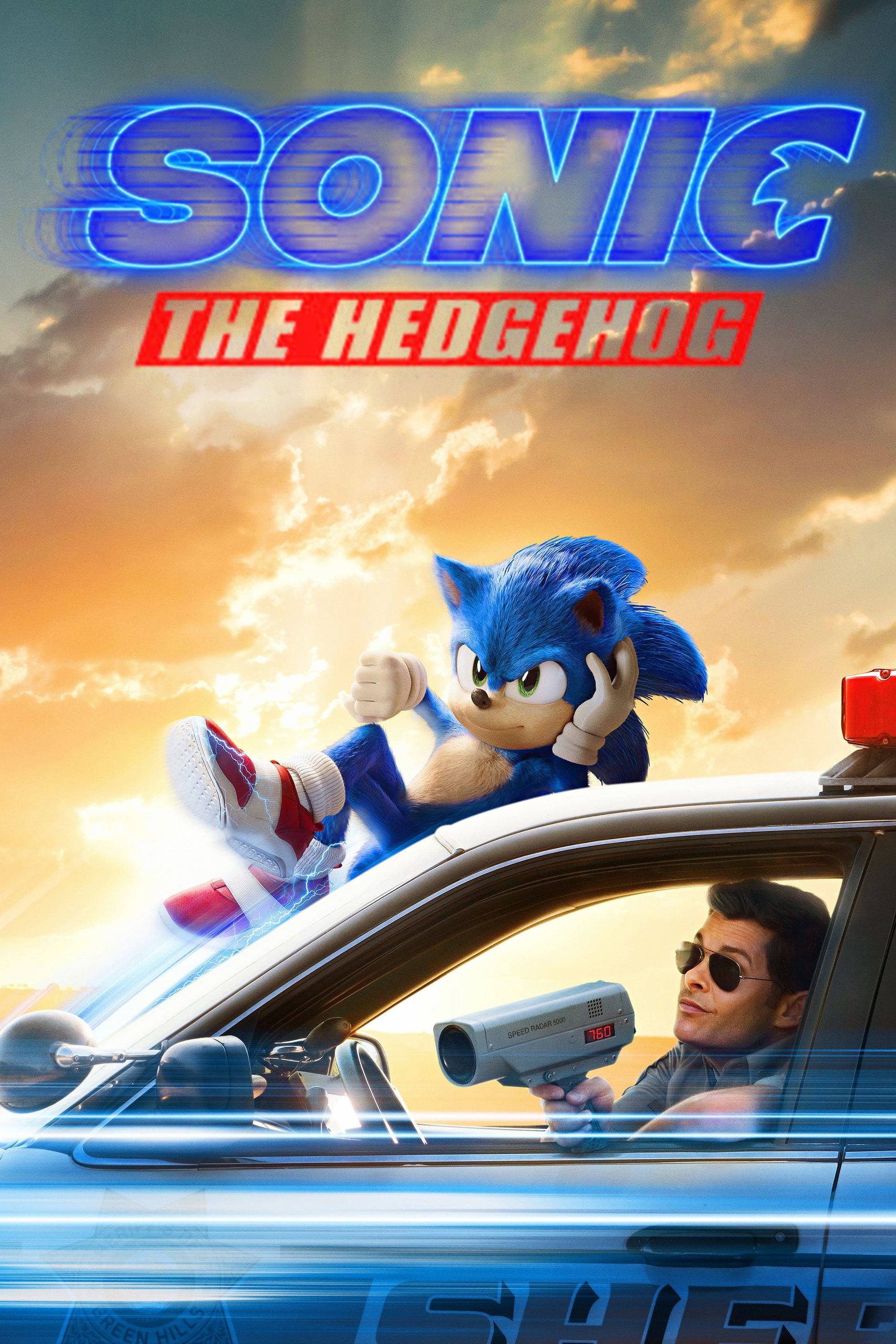
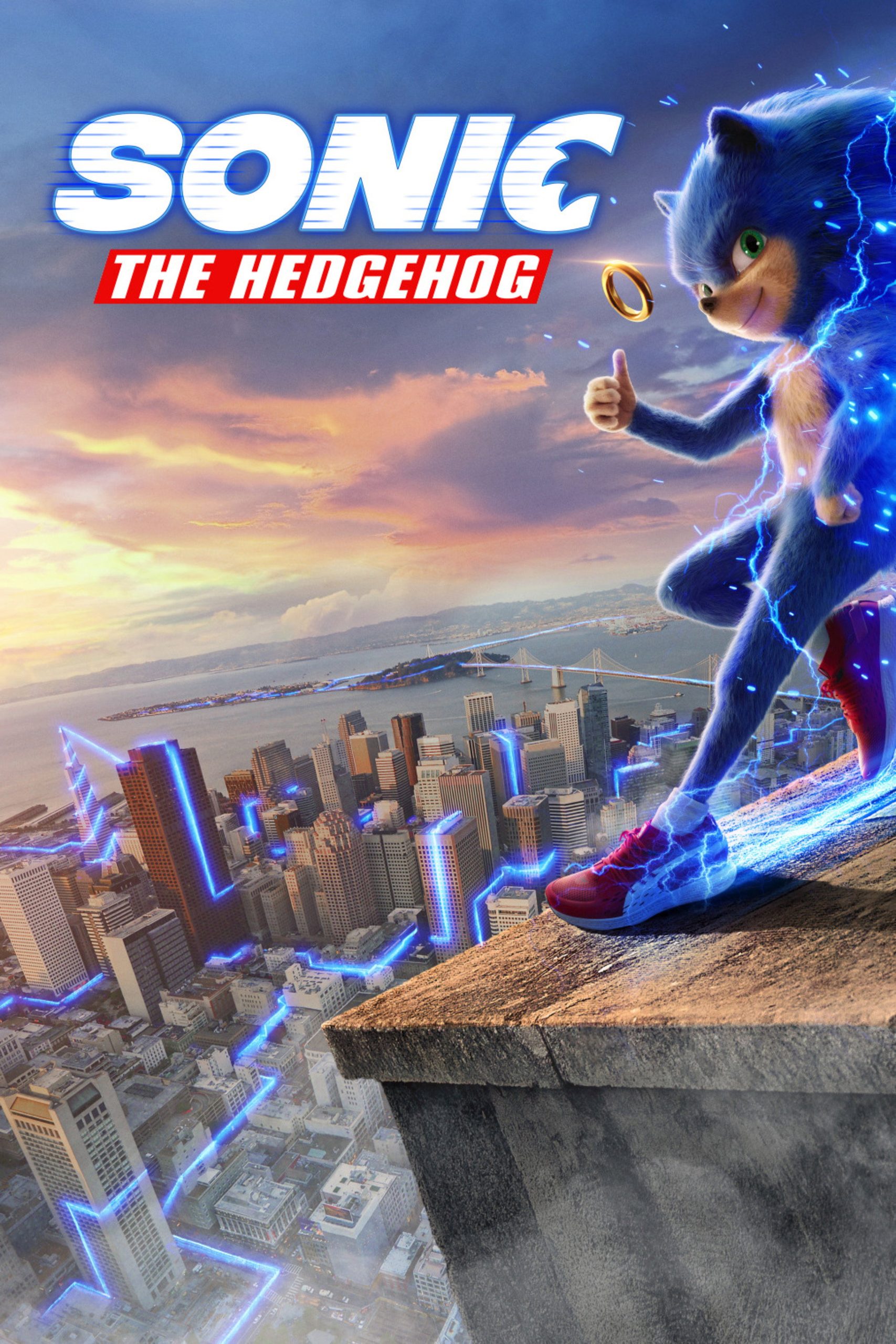
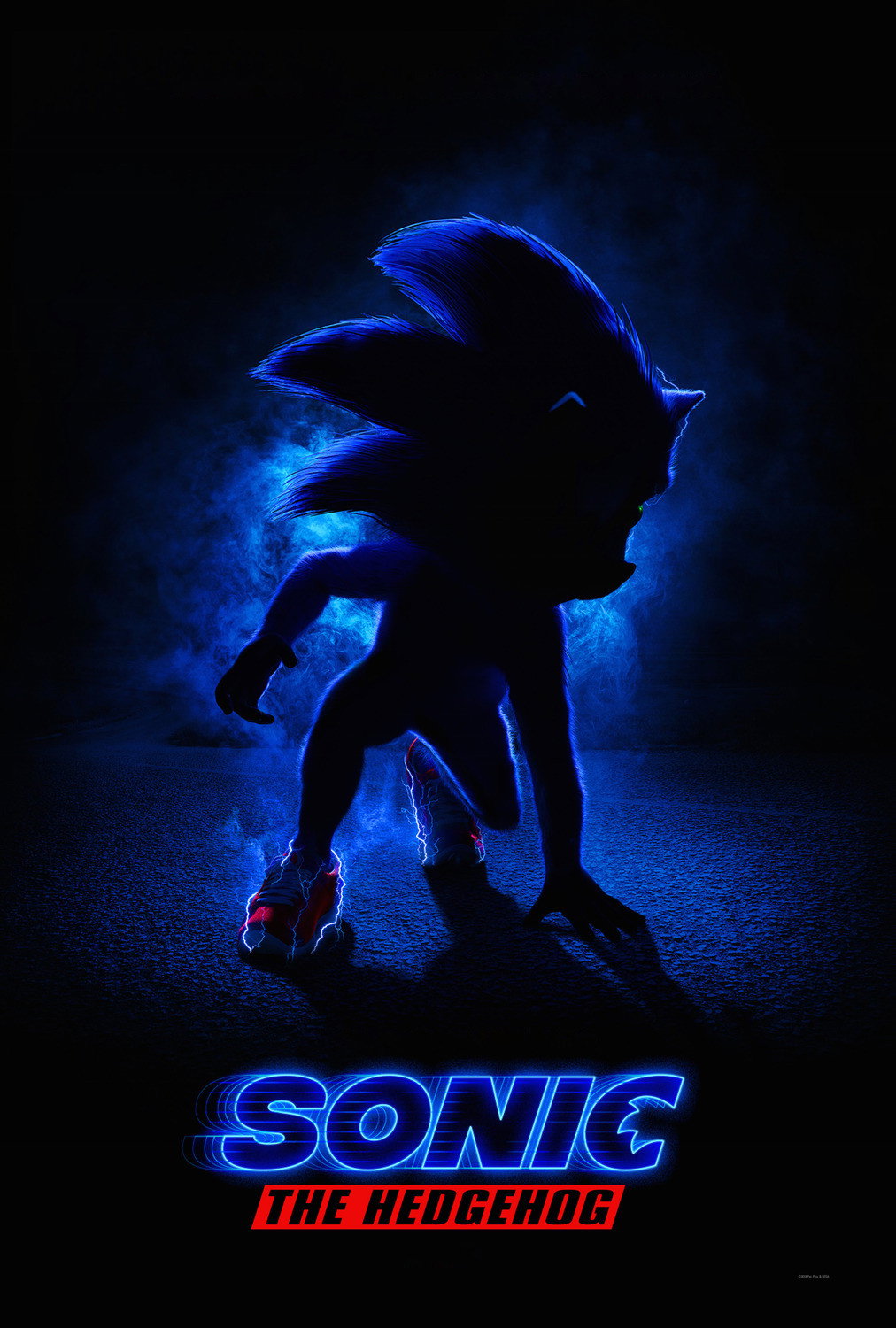
Jeff Fowler’s Sonic the Hedgehog arrives with a story attached that is better known than anything in it: a first trailer with a hedgehog nobody could look at, an outcry, and a redesign that put him back the way the games drew him. The second attempt works. The hedgehog on screen is round-eyed, big-gloved and pleasant company. Having got him right, Fowler and his writers, Josh Miller and Patrick Casey, put him in a film any live-action cartoon of the last twenty years could have lent them.
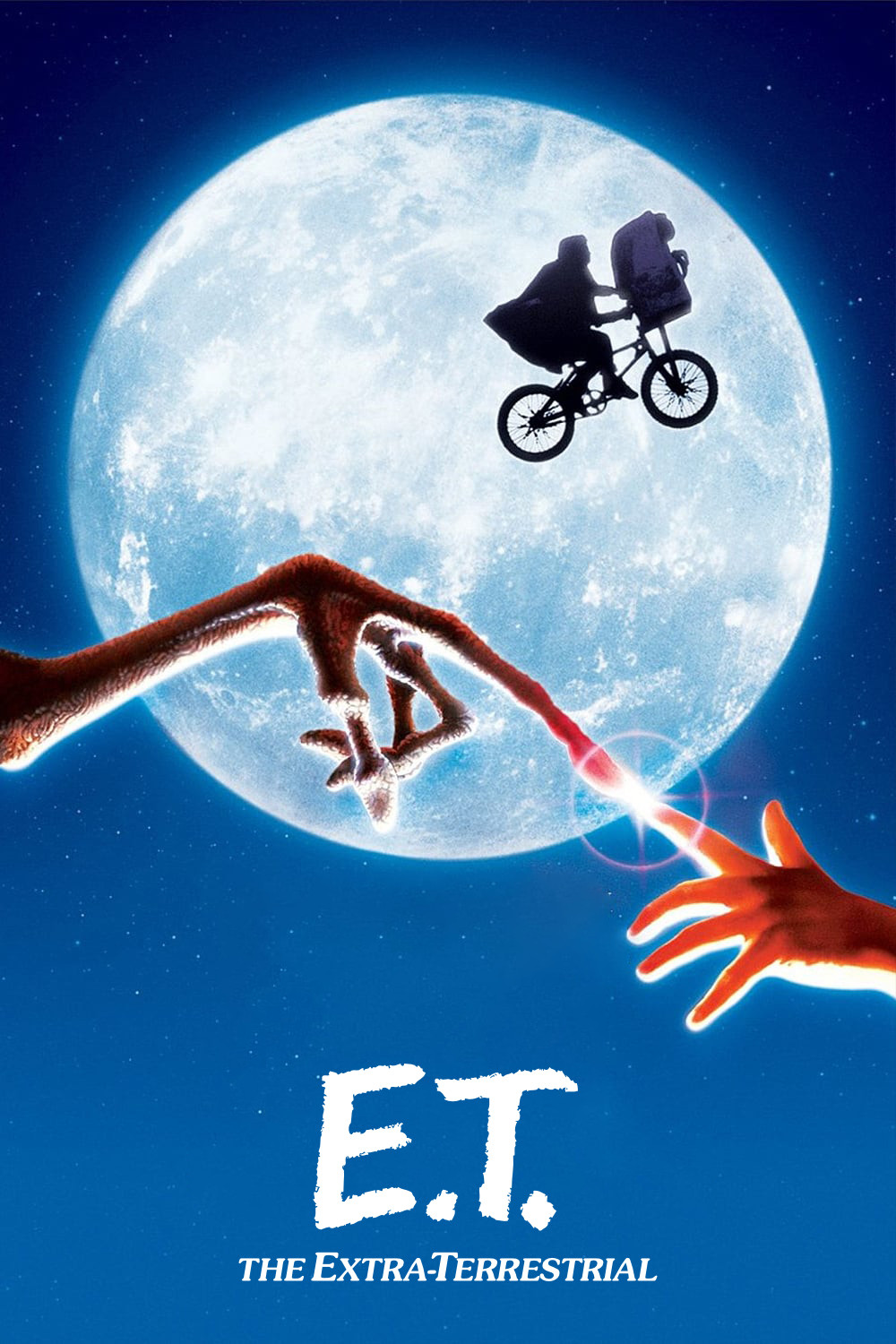
It is a fish-out-of-water road trip: an alien creature hides in a small town, is found by a decent man, and the two drive across America pursued by the government while learning to like each other. E.T. did the hiding and Midnight Run did the driving, and Sonic adds nothing either would want back. The plot runs from Montana to San Francisco with a roadhouse fight, a motorway chase and a lesson about friendship, said aloud more than once.
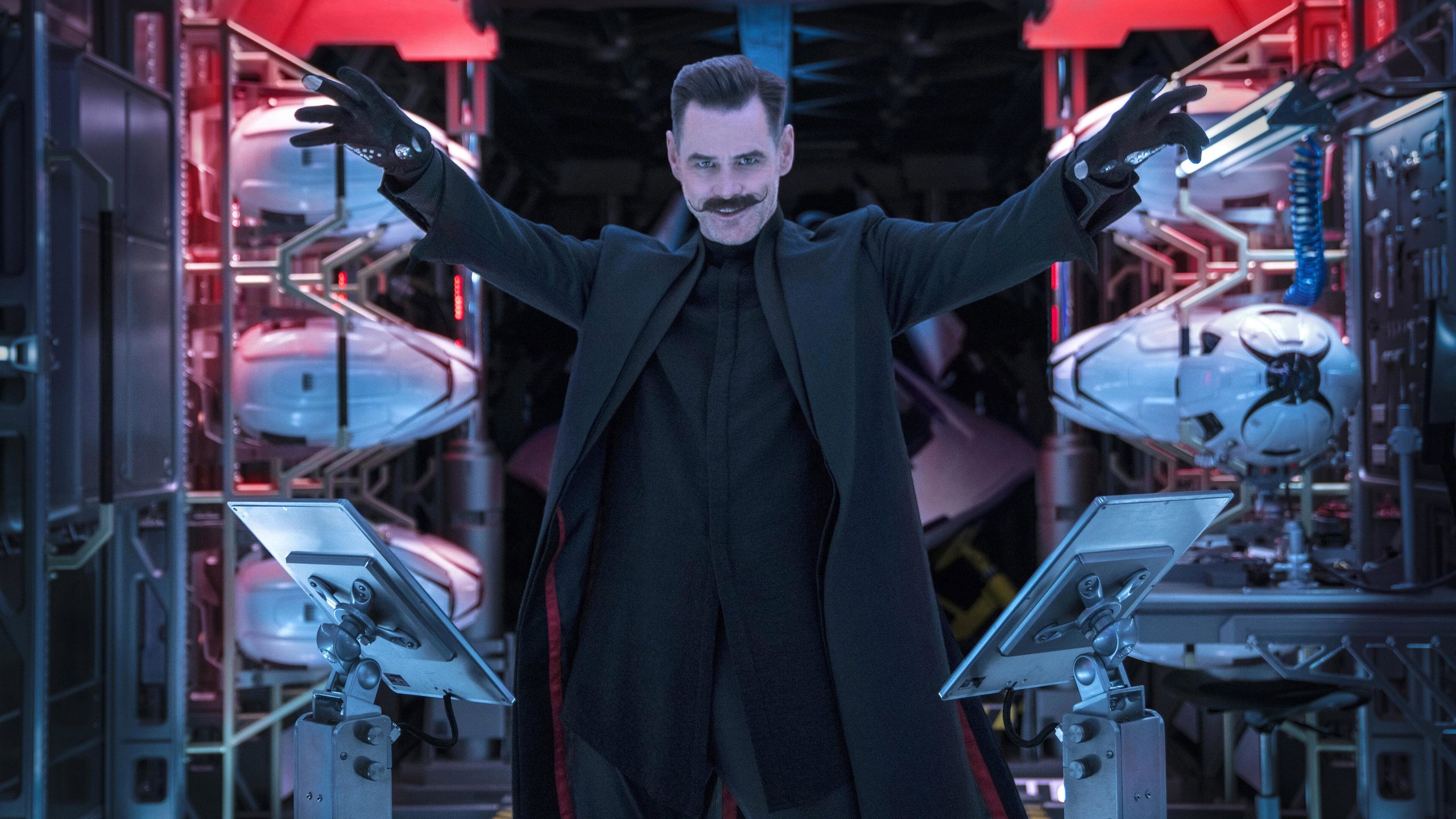
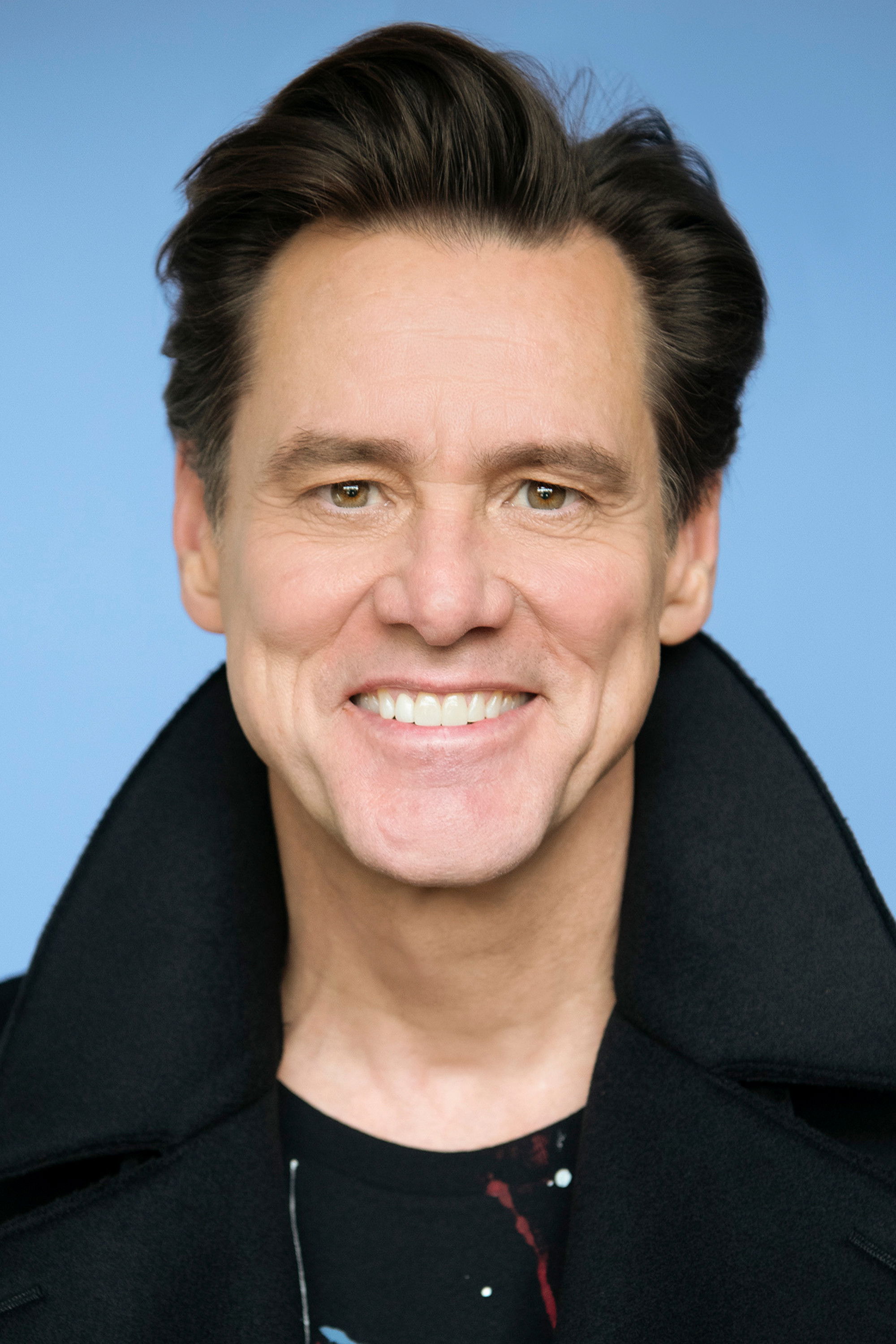
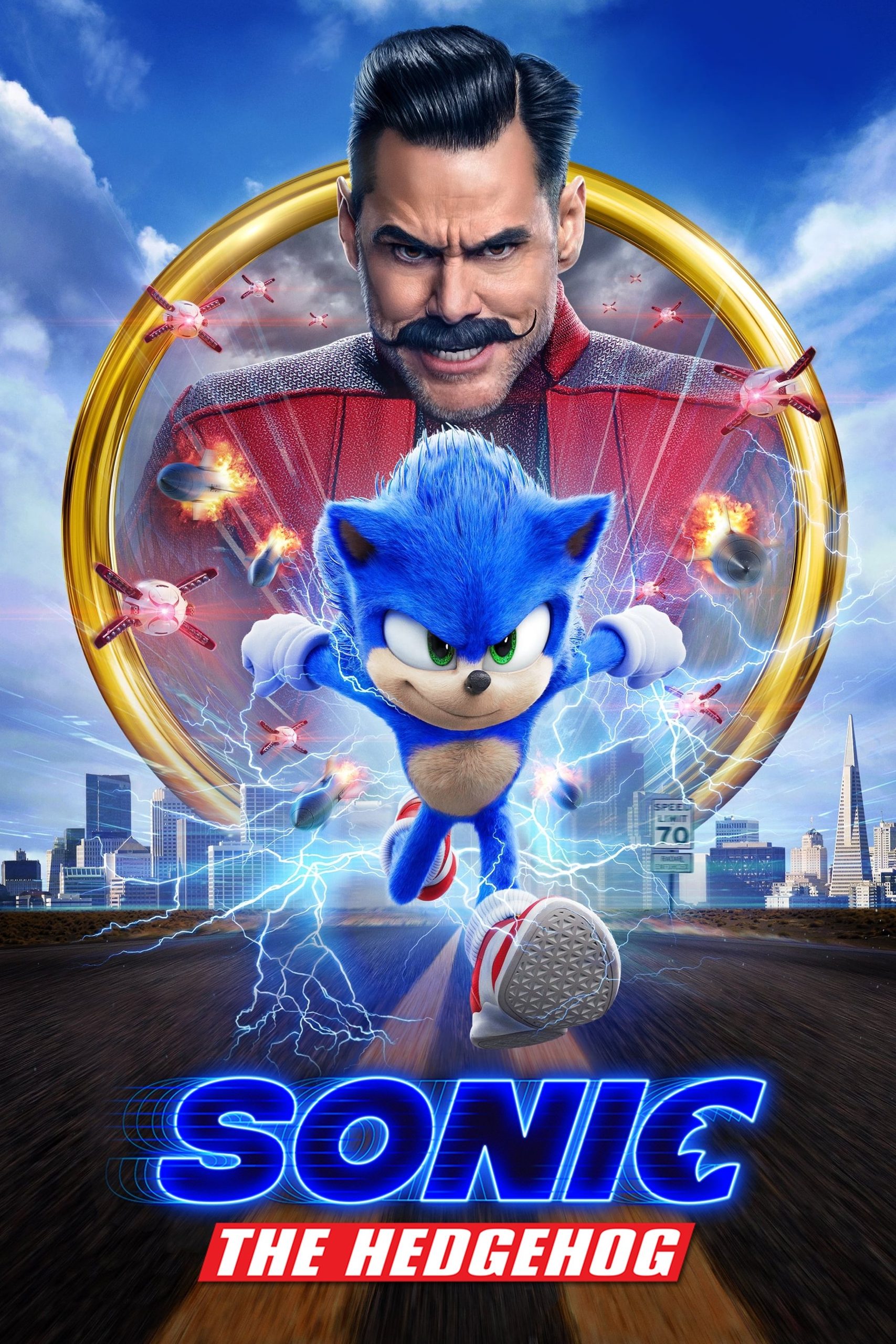
Jim Carrey is why we would sit through it. His Dr. Robotnik is a government contractor who despises the soldiers he works with, the town he is sent to and anything that might be cleverer than he is. Carrey plays him at the pitch he last used in the mid-1990s: arms going, eyebrows going, every line a small aria. He has a dance alone in the back of his lorry that Fowler wisely lets run. We laughed out loud at Carrey four or five times, more than we expected, and each time we knew the line was not funny; the man saying it was.
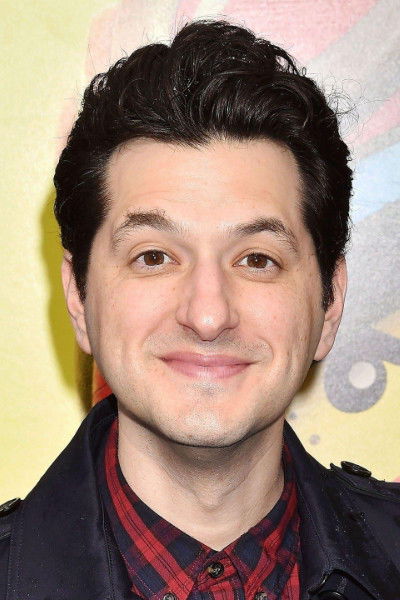
Sonic is a harder sell. Ben Schwartz voices him as a chatterbox who has spent a decade alone and means to make up for it, and the script hands him a quip for every second on screen. Small children, who are the audience, laughed at a fair amount of it, and we do not begrudge them. For anyone over twelve he is a fast thing that will not stop talking, and Fowler never finds the still moment that would turn the loneliness the film keeps mentioning into something we could feel.
James Marsden is the other asset. His Tom Wachowski is a sheriff in a town where the worst crime is a raccoon, restless for a real job in a real city, and Marsden plays him as an ordinary man faintly embarrassed to be in a chase scene. Tika Sumpter, as his wife Maddie, a vet, is sensible and supportive and little else. Natasha Rothwell has two scenes as her sister Rachel and takes both.
Stephen F. Windon shoots Green Hills in warm, even daylight, pine and clapboard, and the road in the flat sunshine of a car advert, which suits the film without giving it a look of its own. Sean Haworth’s best work is Robotnik’s mobile laboratory, a white gloss interior of screens and drones that unfolds from a lorry, the one place that looks designed rather than found. Debra McGuire’s costume tells Robotnik’s story, a black coat that turns redder and more military as his manners get worse. Tom Holkenborg’s score thumps under the chases and does its job. Debra Neil-Fisher and Stacey Schroeder cut the roadhouse brawl, in which Sonic rearranges a fight while everyone else hangs in the air, so we can always tell who is where.
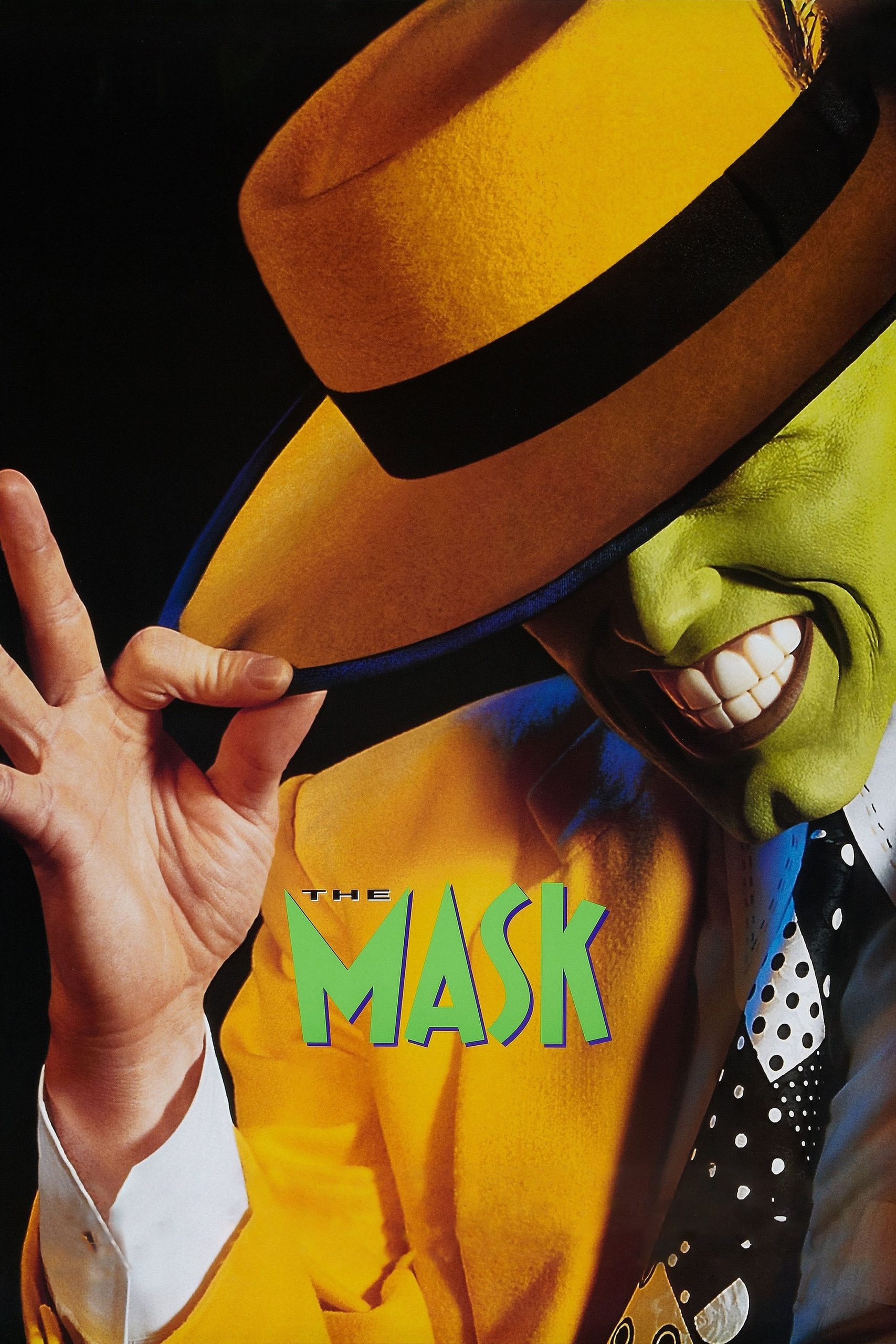
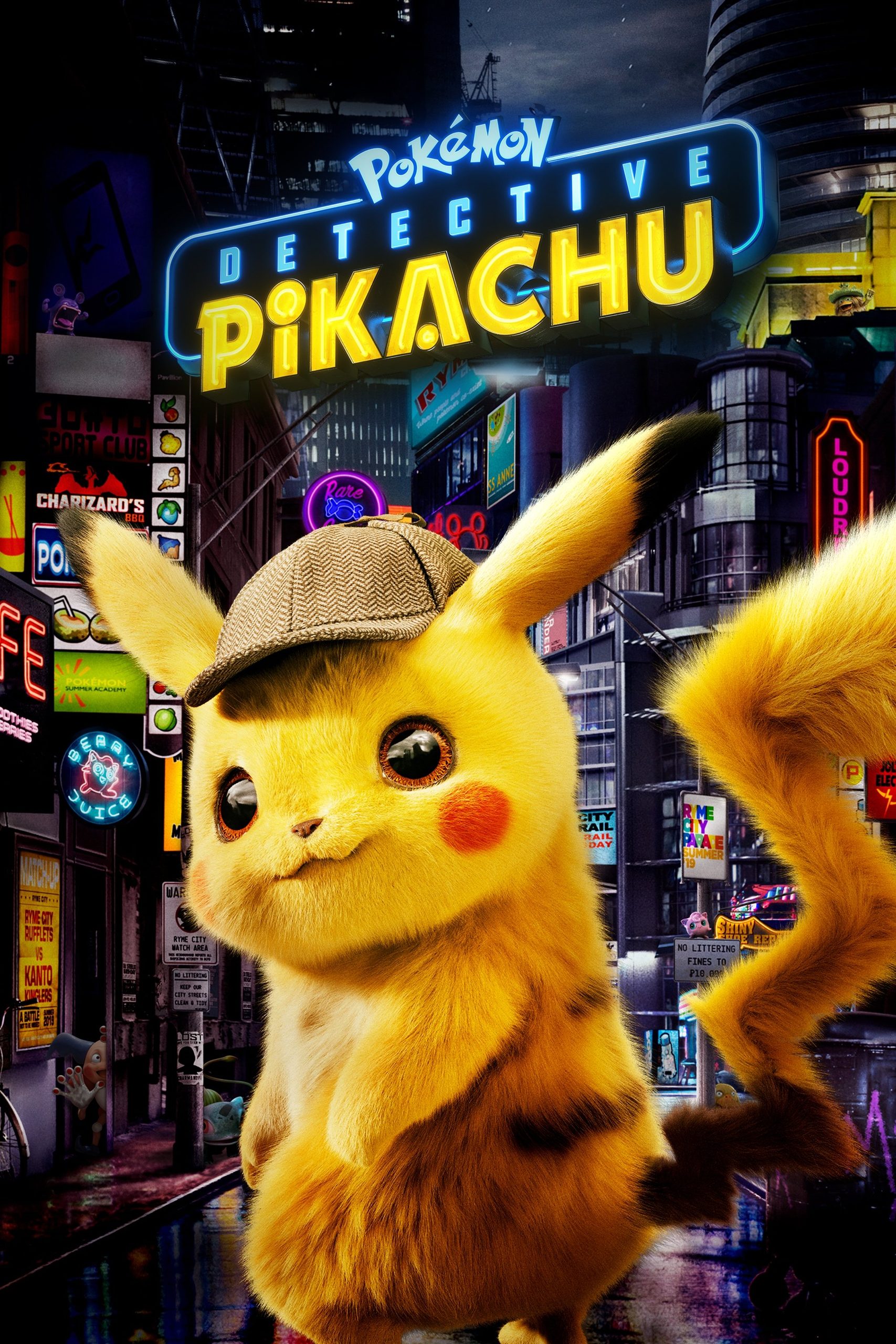
Against other films from video games this is respectable. Detective Pikachu (2019) had a stranger world and a better idea; Sonic has a better villain and less of everything else. Against Carrey’s own past it is a reminder rather than a return: The Mask (1994) built a whole film around this energy; here it is a guest turn in someone else’s road trip. Around the hour mark we noticed we were checking the time and the children in front of us were not. That is the right way round for a PG.
Take a child, or be prepared to be one for 99 minutes. Failing that, watch it at home and be honest about skipping to Carrey, who is not on screen nearly enough and carries the whole thing when he is.