Guy Ritchie’s romantic comedy has some visual polish, but Madonna and Adriano Giannini cannot make its antagonists interesting together. The humour is thin, the cruelty tiresome, and 89 minutes feels longer than it should.
Swept Away is a poor romantic comedy, made with enough surface polish to make its failure more frustrating. Guy Ritchie writes and directs a quarrel between people divided by money, then asks us to believe that their hostility could become sexual attraction. The characters keep demonstrating their unpleasantness long after we have understood it. At 89 minutes, the film still feels protracted because so little changes in how we understand the people arguing.
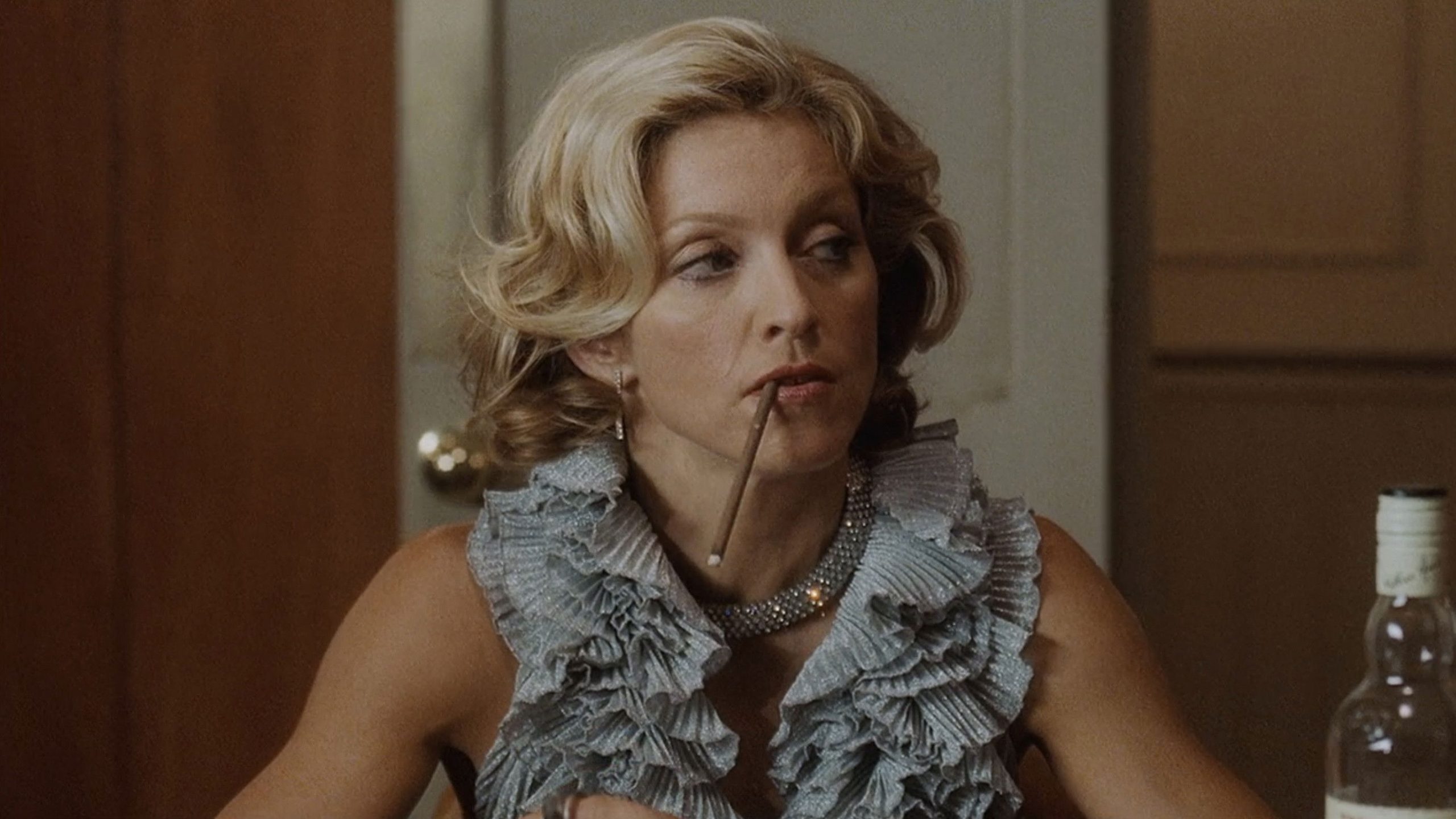
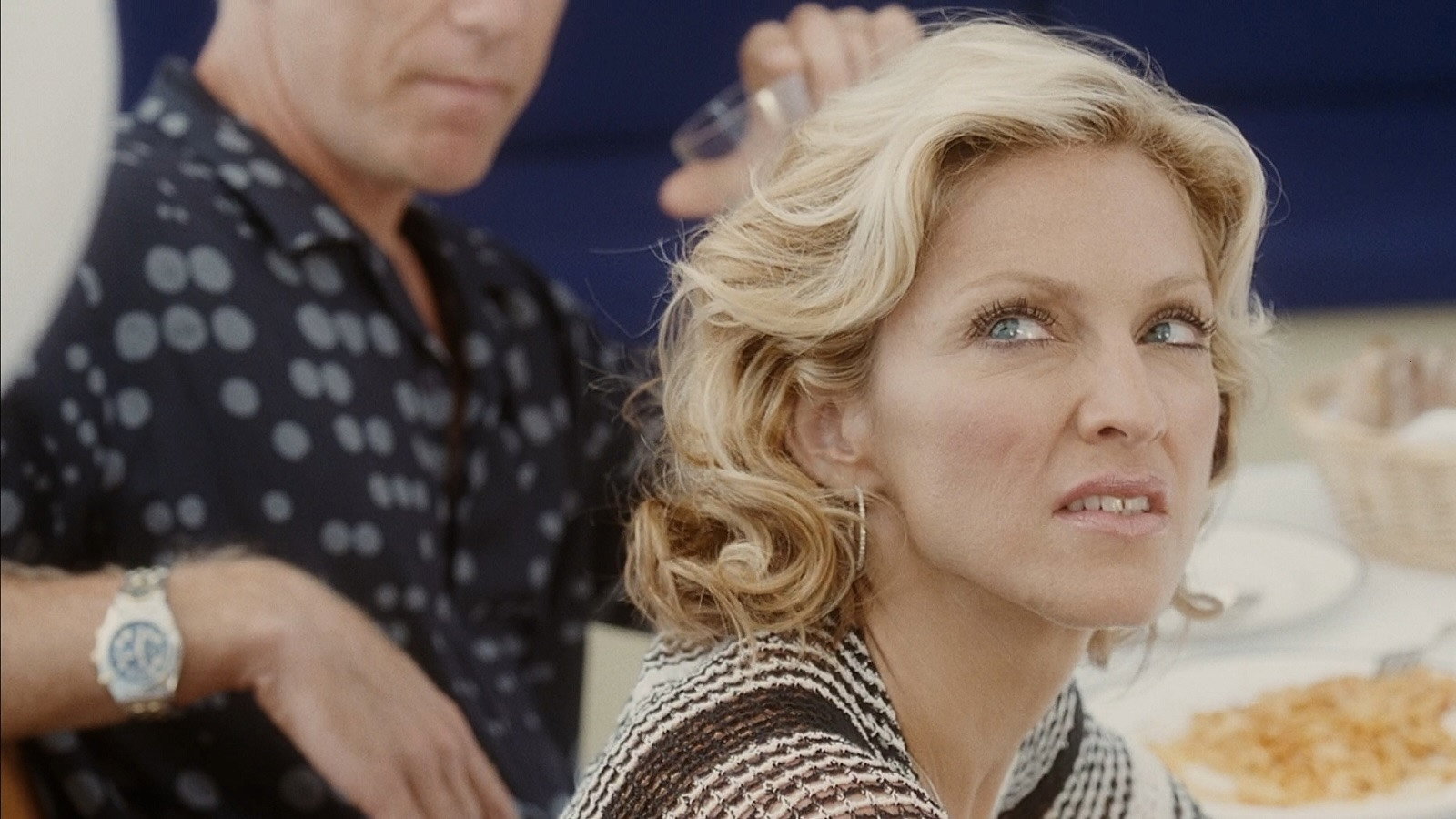
Madonna is not the sole problem, though the part of Amber Leighton leaves her exposed. The socialite’s imperiousness is established so firmly that there is little space for an unexpected reaction, a private embarrassment or even a funny hesitation. Her abrasive delivery keeps telling us what we have already understood about the character. She becomes more convincing when she is allowed to quieten down, suggesting a vulnerability that the insistent bickering has largely kept out.
Adriano Giannini, as Giuseppe ‘Guido’ Esposito, has no more success in making the friction feel intimate. The performances seem to take their turns rather than respond to one another, and the dialogue does little to suggest curiosity beneath the resentment. A combative romance needs some sense that these people enjoy discovering what will annoy the other one. Here, even their arguments feel dutiful, with too little humour to make the exchanges enjoyable.
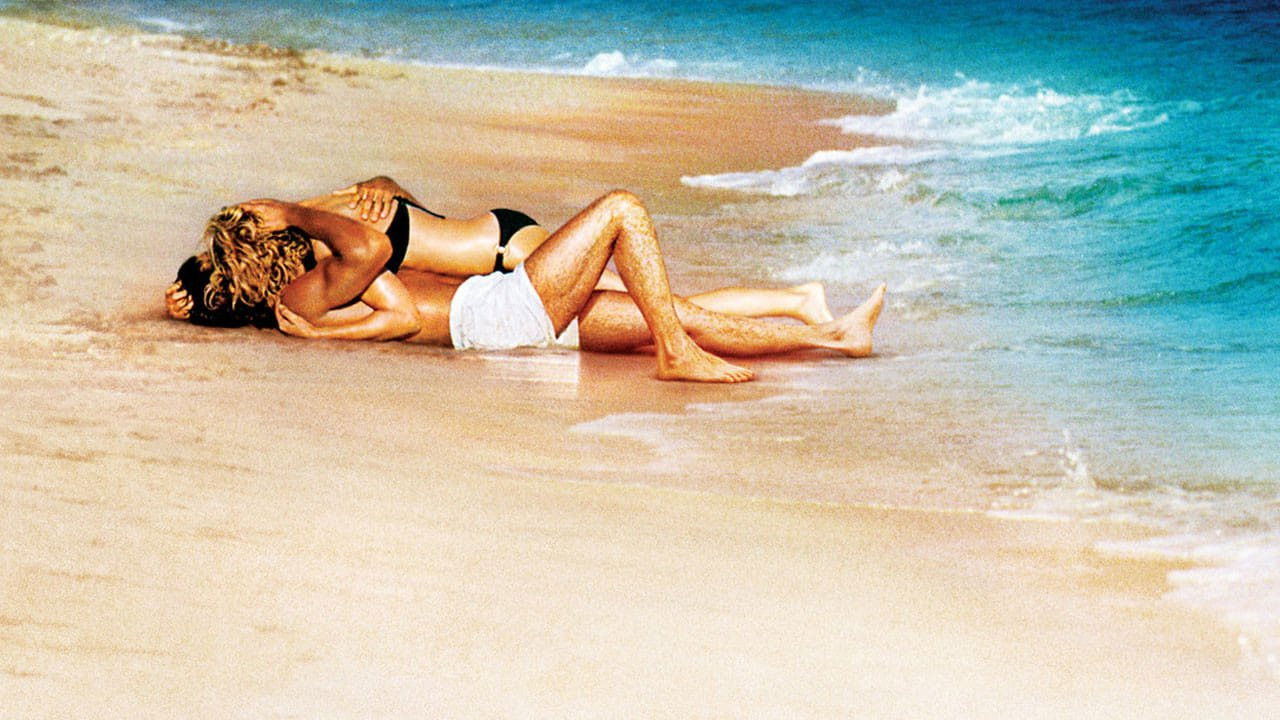
Alex Barber’s cinematography supplies the smooth finish, and there is competence in the way the film presents its island setting. Eddie Hamilton’s editing also keeps individual passages moving more readily than the relationship itself. Those are modest virtues, but they count: the film is not an unbroken technical calamity. The trouble is that a cleanly assembled exchange remains lifeless when the actors have nothing interesting to discover in it.
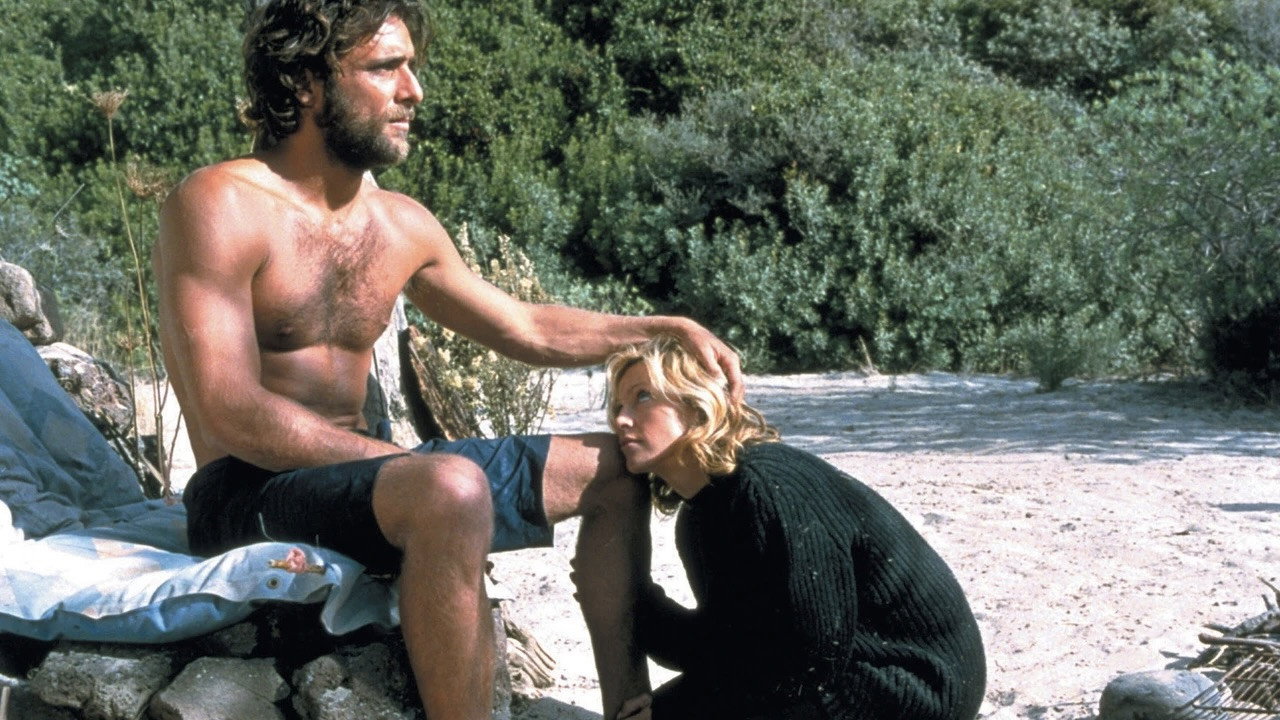
Russell De Rozario’s production design helps distinguish the life Amber expects from the conditions she finds on the island. The contrast is clear enough, but Guy Ritchie’s screenplay leaves the setting to explain too much about the characters. Michel Colombier’s music urges us towards tenderness before their exchanges have given us much reason to feel it. The film needs a believable moment of interest between them, and keeps offering encouragement from elsewhere instead.
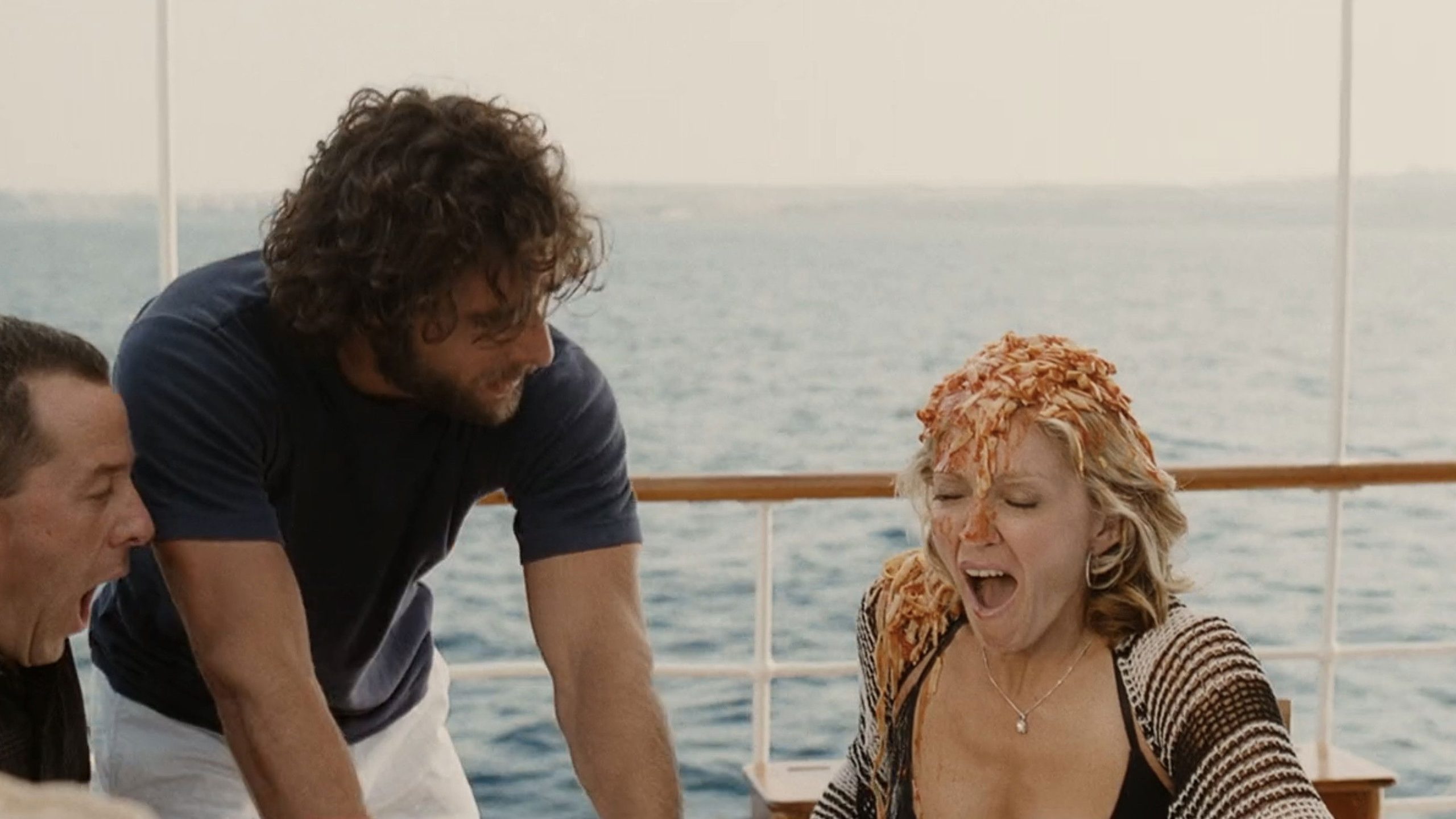
The treatment of humiliation is more damaging than the flat dialogue. We felt uncomfortable with the invitation to enjoy Amber’s degradation, because the film treats cruelty as part of romantic persuasion without making that persuasion believable. There is room for troubling desire in a comedy, provided the characters have enough life to complicate it. These characters scarcely develop beyond their initial antagonism, so the unpleasantness becomes repetitive.
A romance built around hostility does not need agreeable people, but it does need wit, surprise or an attraction we can recognise. Swept Away offers too little of any of them, and its occasional slickness only makes the thin writing more conspicuous. Most critics disliked it, and the objections to its thin characters are hard to dispute. Anyone hoping for an entertaining argument between impossible people should choose something else.