Doug Liman’s Swingers is a funny, affectionate comedy about men who make socialising unnecessarily difficult. Jon Favreau and Vince Vaughn make the friendship convincing, even when the collective effort to look cool becomes wearing.
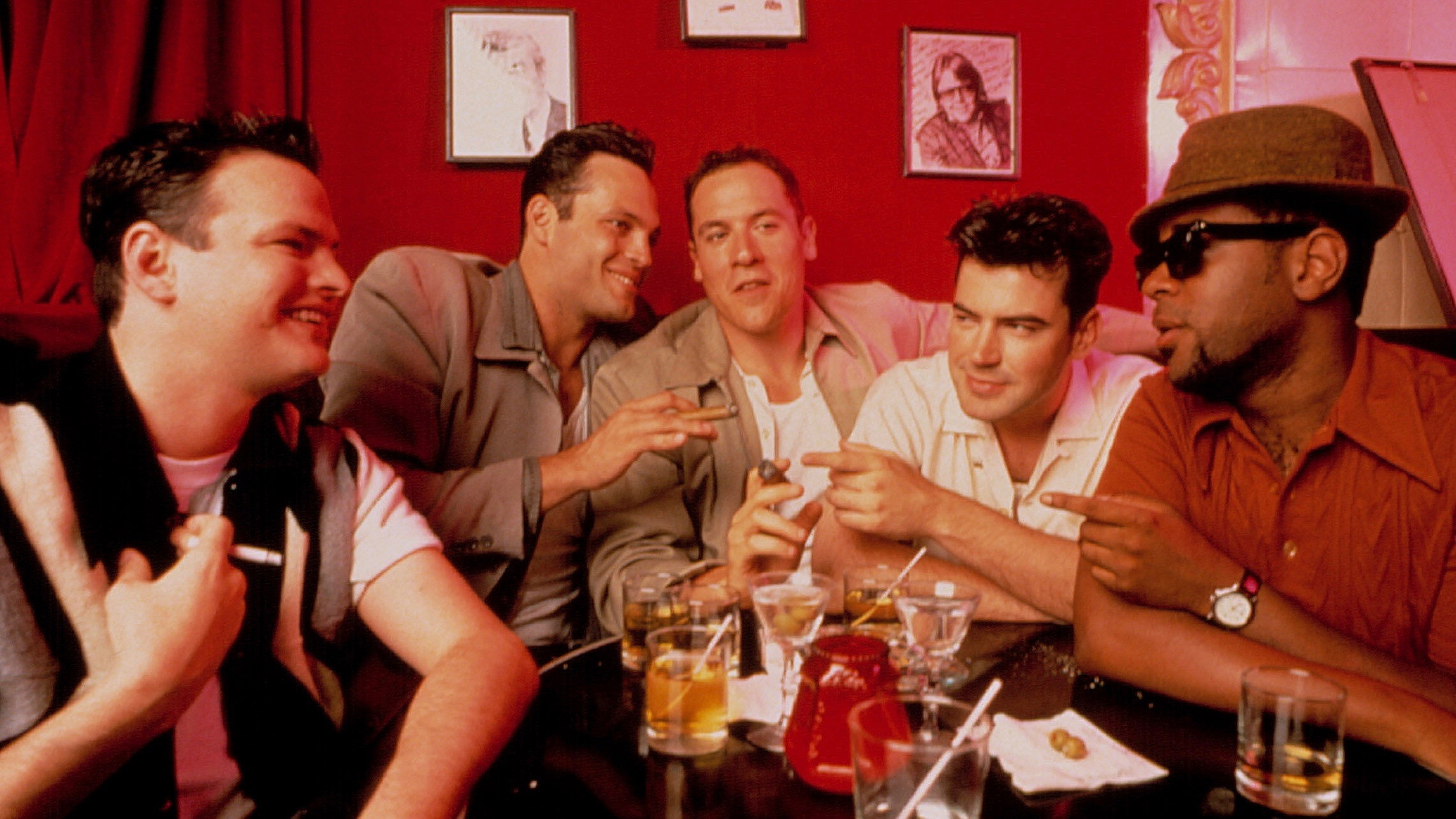
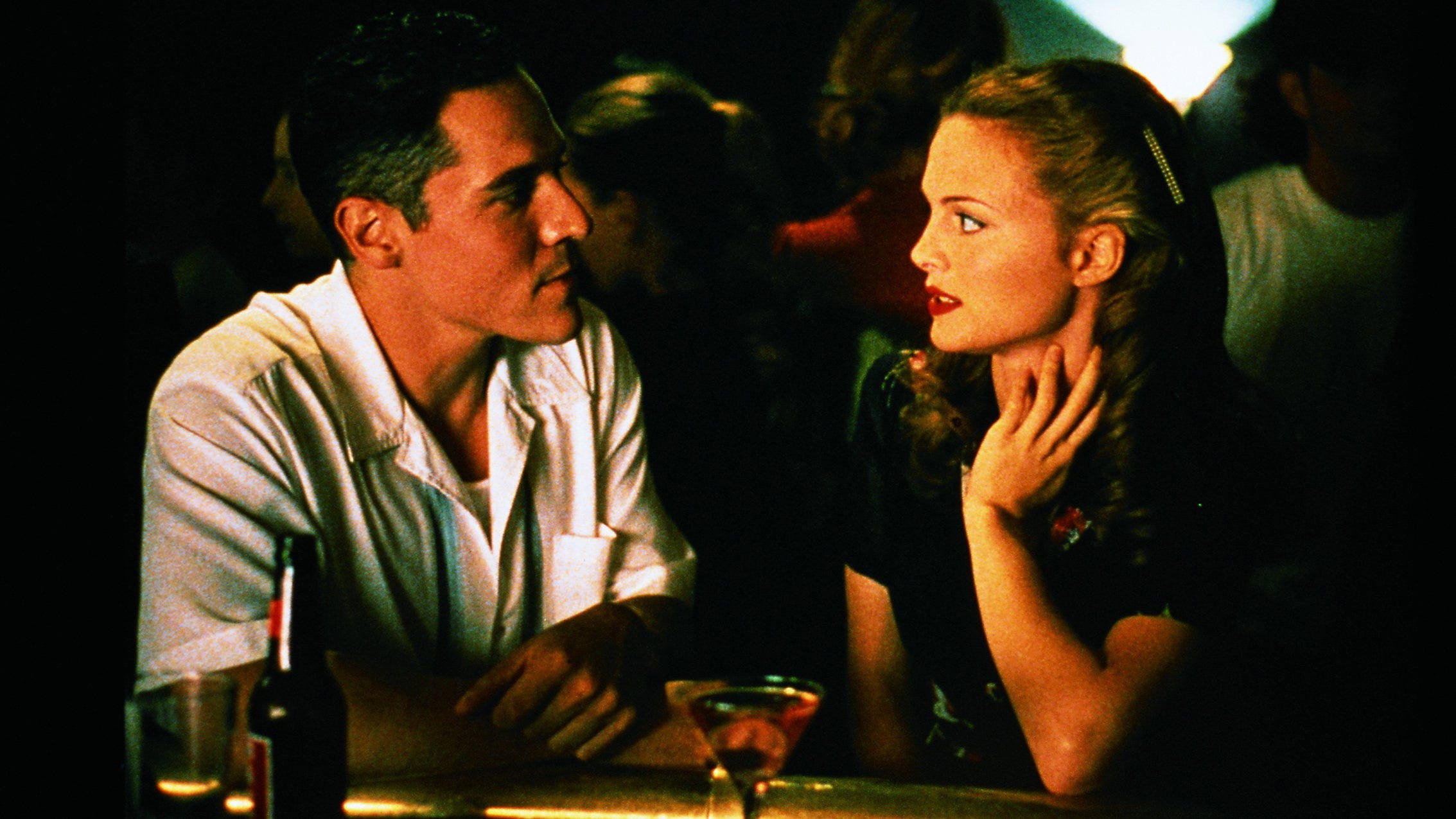
Doug Liman’s Swingers is a warmly funny comedy about male friendship, and its chief achievement is making these men worth spending time with. They are struggling actors in Los Angeles, practising the confidence they need for a night out with much the same diligence they might give a role. Jon Favreau’s screenplay understands how easily encouragement becomes another kind of pressure. Liman keeps the affection visible even when their conversation starts to grate.
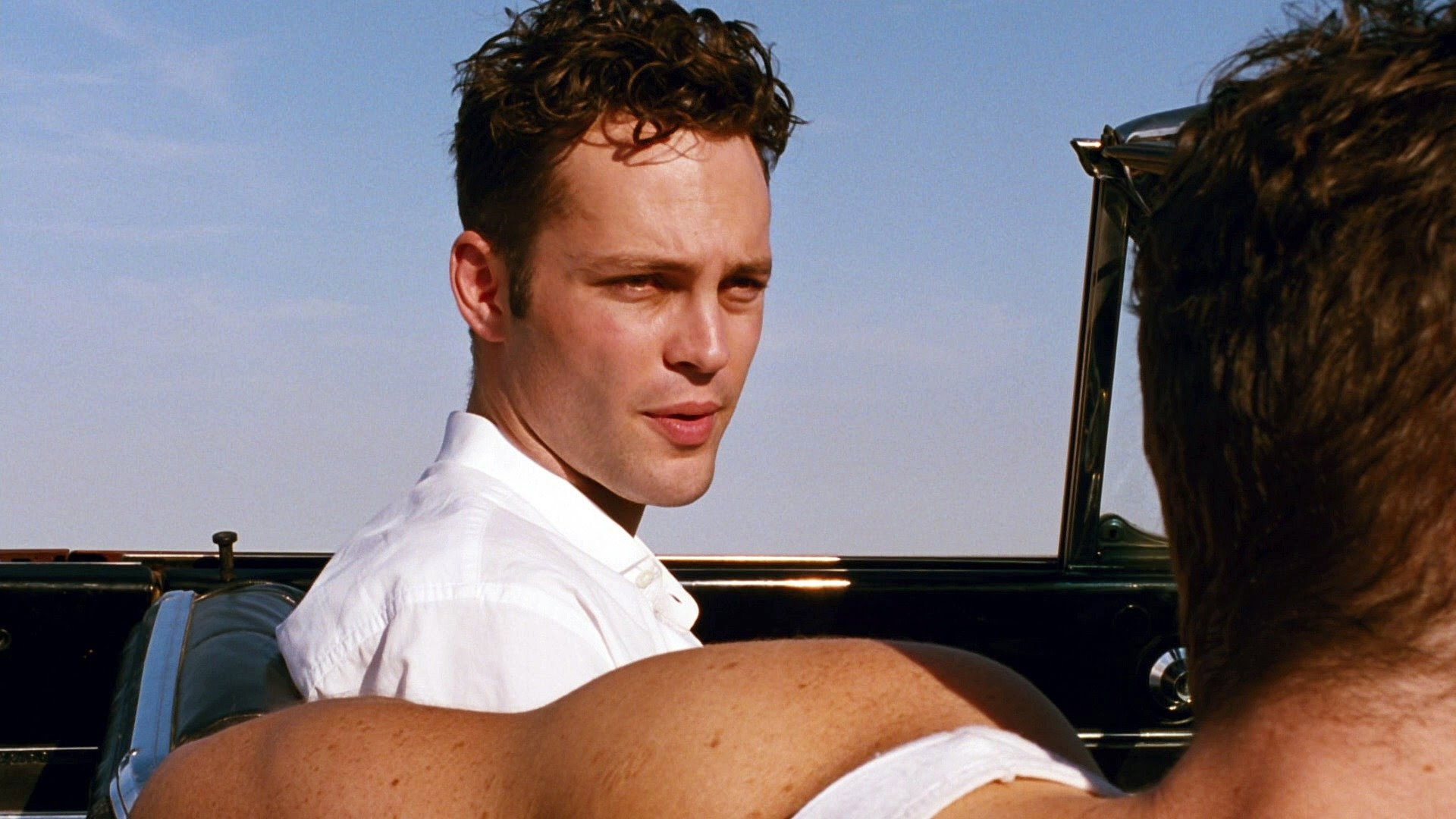
Favreau plays Mike Peters, the newcomer trying to find his footing, with an awkwardness that can be funny and difficult to sit through in the same exchange. Vince Vaughn’s Trent Walker has no such trouble presenting himself; he speaks with a certainty that makes disagreement seem impolite. We laughed at their mismatched confidence, then felt rather protective of Mike. Favreau makes the effort of keeping up visible, and Vaughn keeps talking as though the next burst of enthusiasm ought to settle everything.
Favreau lets the men use slang as a way of proving they belong to one another’s company. The phrases can sound rehearsed, which is part of the joke; an apparently casual evening requires a surprising amount of performance. Yet the exchanges are loose enough to suggest friends who know how to keep talking when they have nothing useful to add. The affection comes through in the attention they pay one another, however clumsily they express it.
Liman also handles the cinematography, and the Los Angeles locations give the film a useful sense of life continuing beyond this group. The nightlife looks appealing enough to explain the effort everyone makes, without making their company seem impossibly glamorous. Brad Halvorson’s production design supports that slightly awkward relationship with style: the surroundings suggest more sophistication than the conversation consistently delivers. There is pleasure in looking at this world, but Liman leaves enough ordinary social unease in view to stop it becoming an advertisement.
Stephen Mirrione’s editing serves the verbal comedy well, giving the exchanges pace while preserving the awkwardness that makes them funny. At 96 minutes, the film has the good sense not to turn every friendly conversation into a major statement about friendship. Justin Reinhardt’s music helps make the evenings sound like occasions worth dressing for. The soundtrack’s assurance is useful beside all that anxious talk, and it provides some of the pleasure that the characters seem to be working too hard to have.
The weakness is the group’s self-regard, which Favreau and Liman do not always keep at a sufficient distance. Trent’s confidence can become wearing, and Mike’s unease sometimes asks for more patience than the writing has earned. The film is aware that these men can be tiresome, but awareness does not make every stretch in their company entertaining. A little less admiration for their verbal dexterity would have helped; occasionally a joke feels included because someone was pleased to have thought of it.
Even so, this is an unusually affectionate example of a comedy that gets much of its humour from men’s inadequacies. Favreau and Vaughn make it possible to recognise the nuisance of these friendships and still understand why anyone would keep them. Allow a little patience for the showing off, and perhaps avoid it immediately after an evening spent reassuring a friend.