Disney’s Rapunzel is bright, quick and better-hearted than its smart-alec trailer suggests, with a properly frightening mother in Donna Murphy’s Gothel and one sequence, the lanterns, that earns the whole evening. The songs around it are thinner than the studio’s best.
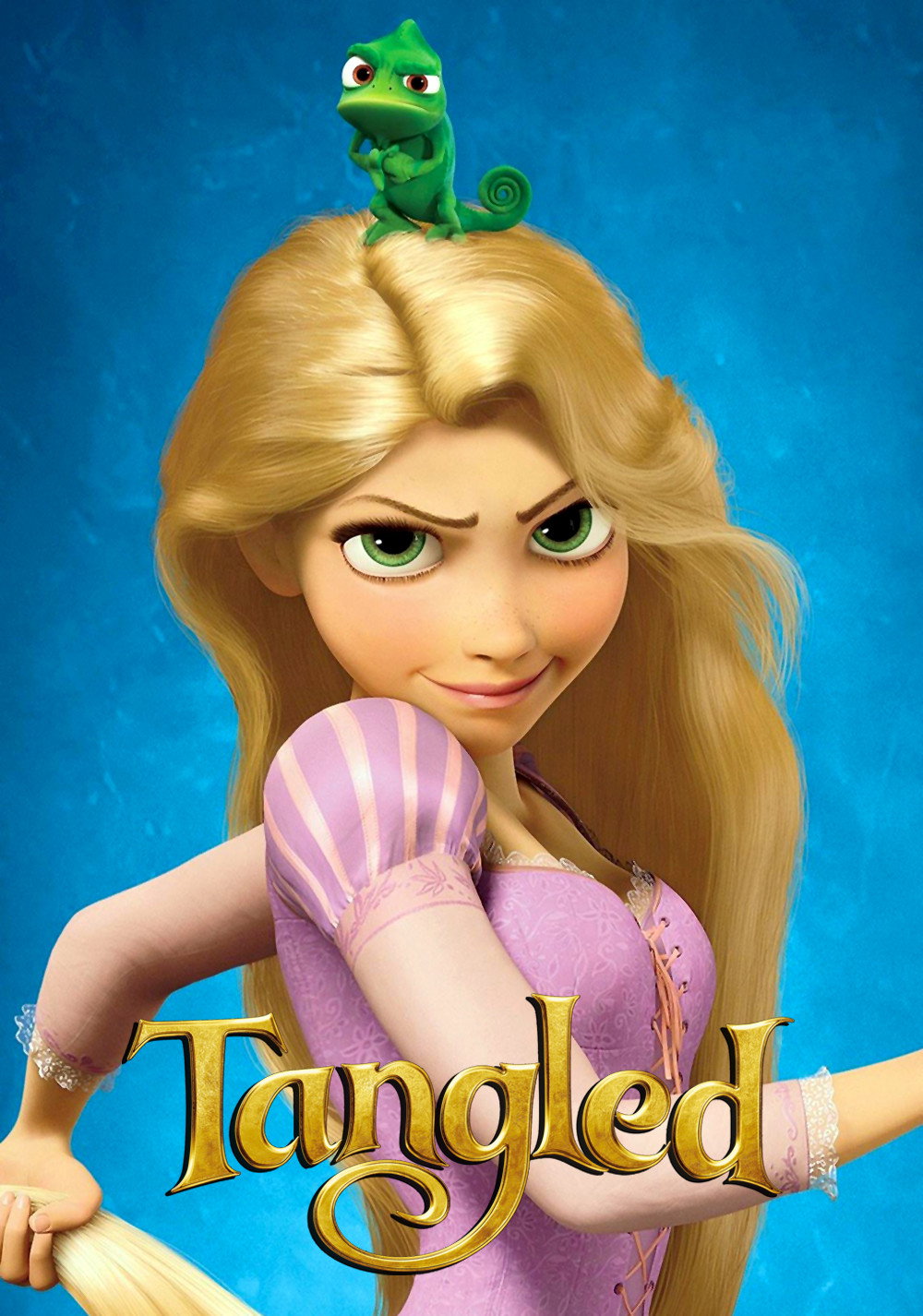
Byron Howard and Nathan Greno’s Tangled takes the Grimm tale of the girl in the tower and gives it a thief, a horse and a frying pan. Dan Fogelman’s screenplay is out to prove that a Disney princess can be made in computers without losing the singing, and mostly it proves it. This is a quick, bright, good-hearted 100 minutes with one sequence near its middle that we would put beside anything the studio made in the 1990s. Around that sequence the film is good rather than special, and we are content with good.
The first ten minutes are told as a bedtime story, in narration, and they set up a villain the film then honours. Mother Gothel has found a flower that keeps her young, lost it to a sick queen, and stolen the baby who inherited its power. Donna Murphy plays her as a stage mother who has learned that a kiss on the forehead and a joke about your weight can be delivered in the same breath. Her song, “Mother Knows Best”, is the best written thing in the film: a lullaby that is also a list of everything wrong with you. We found her unsettling in a way Disney villains rarely manage, because there is no spell involved; she is simply a parent who will not let go.
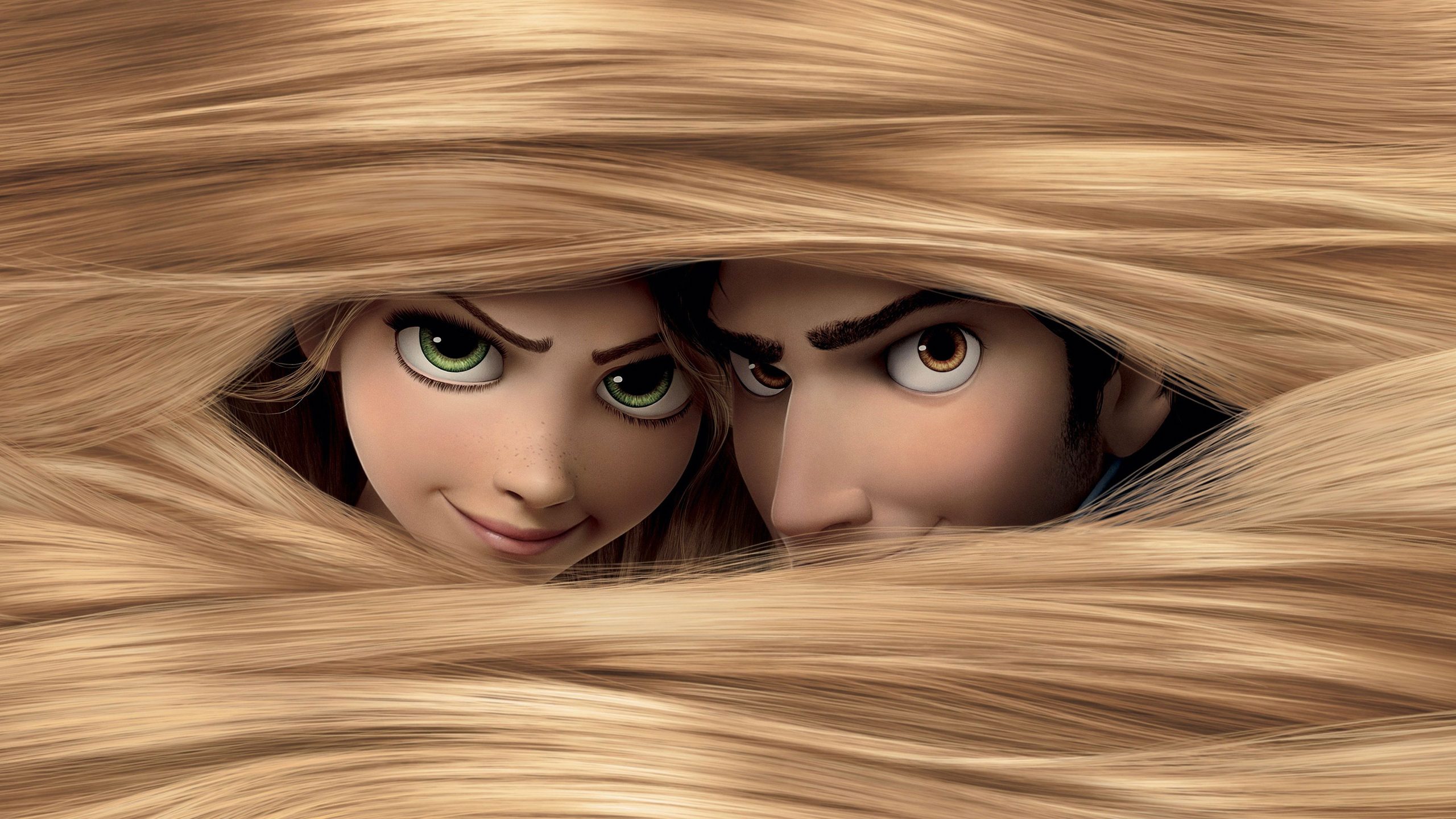
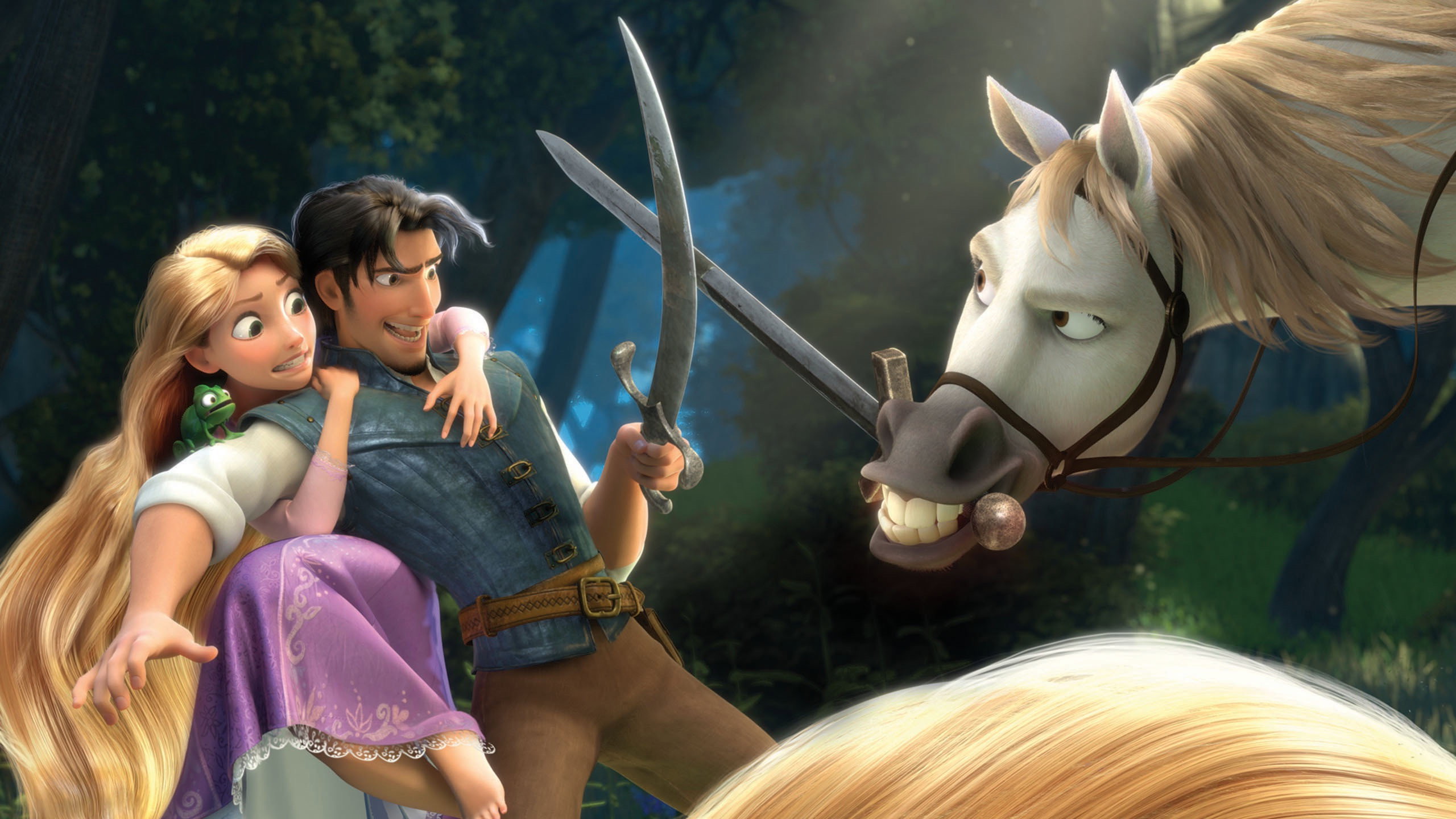
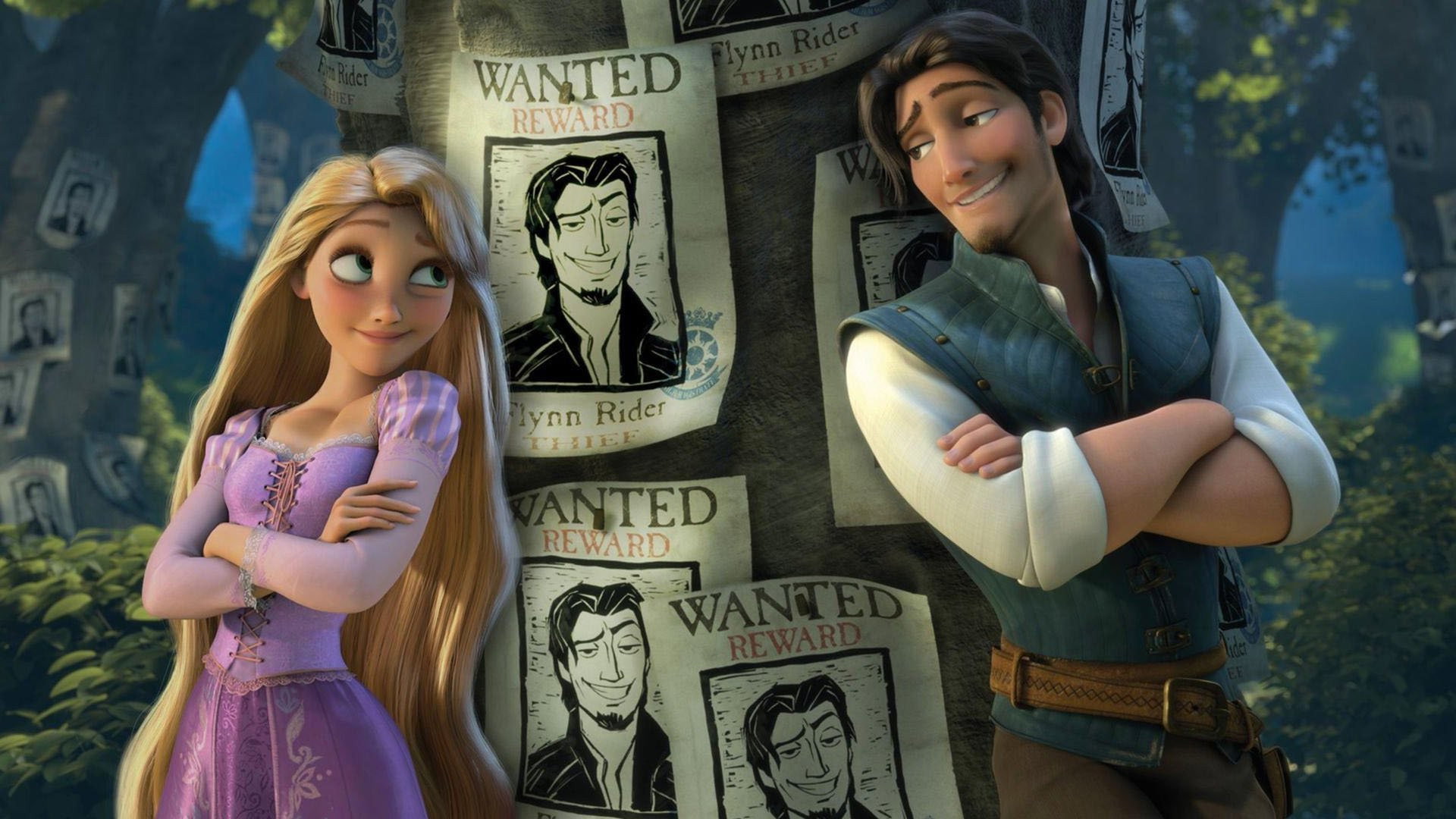
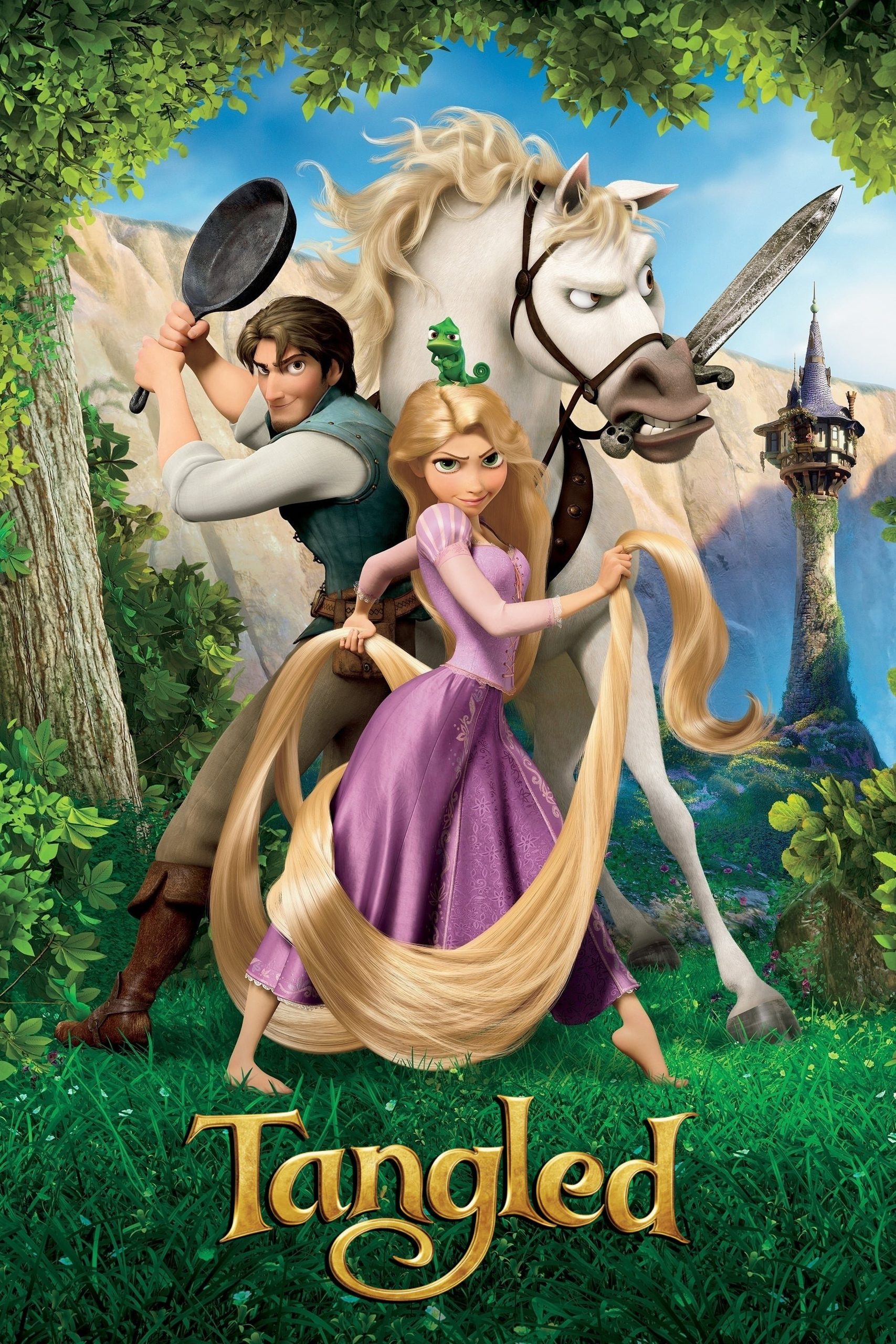
Flynn Rider is the film’s hedge. Zachary Levi voices him as a man who has read his own wanted poster and enjoyed it, and the early scenes lean on his smirk and his narration as if somebody upstairs was nervous about selling a princess to boys. The banter is the film at its thinnest. It improves once Rapunzel has hit him with the frying pan, tied him to a chair with her own hair and struck a deal, because from then on he has something to lose and Levi can stop performing. Mandy Moore gives Rapunzel a bounce with a bruised streak underneath it, and the scene in which she leaves the tower and swings between elation and guilt every fifteen seconds is funny and true.
The animals do a great deal of the work. Pascal the chameleon and Maximus the palace horse never say a word and get most of the biggest laughs; Maximus, a horse who behaves like a police sergeant, is worth the ticket on his own. Douglas Rogers’s production design covers every wall of Rapunzel’s tower with her paintings, so the paintings tell us she has been climbing the walls for eighteen years before anyone says so. The kingdom is a walled island city reached by a stone bridge, and the hair, all seventy feet of it, is animated as rope, lasso, bandage and curtain. Tim Mertens cuts the chase through a collapsing dam so that we always knew where the water was.
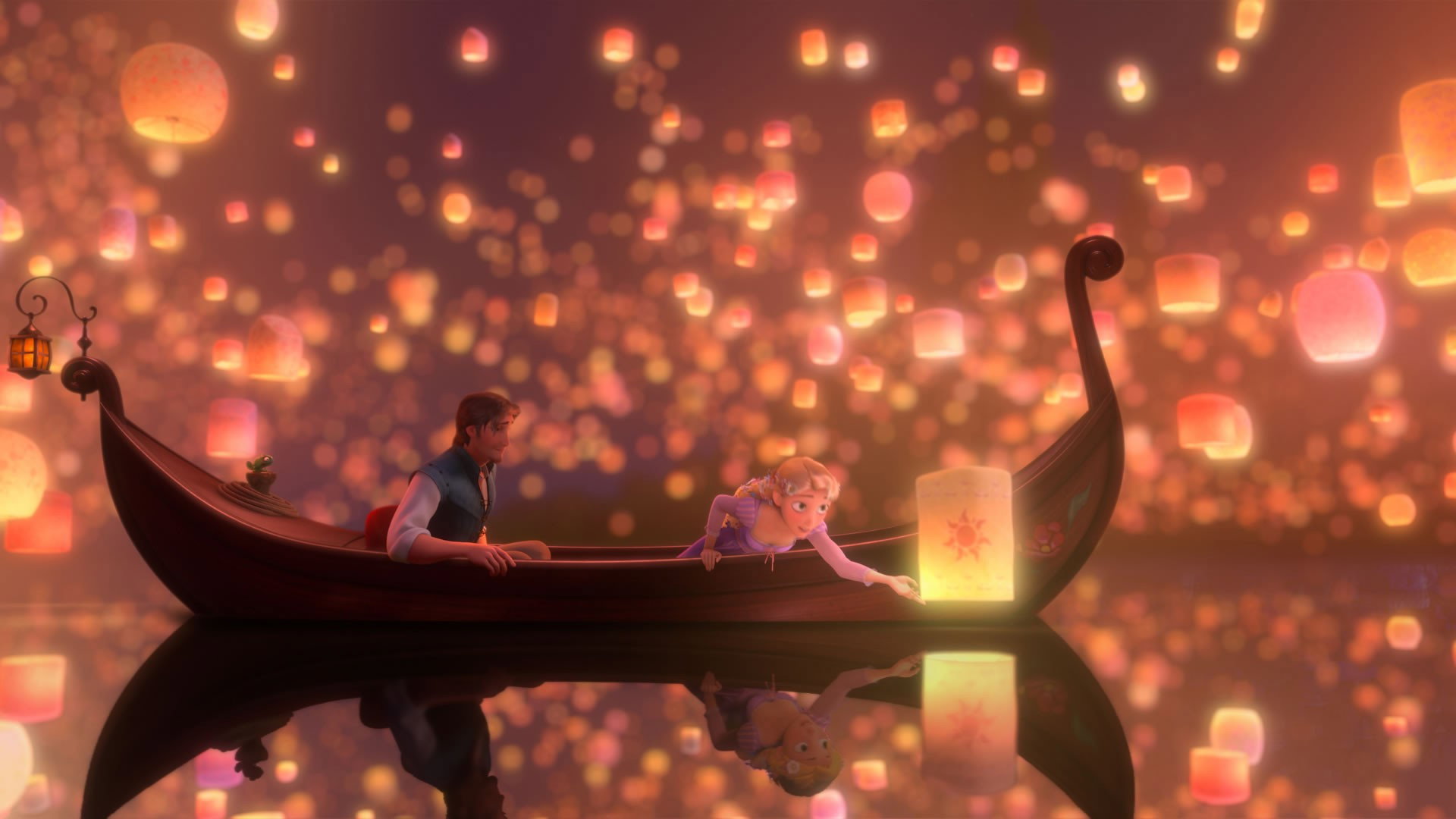
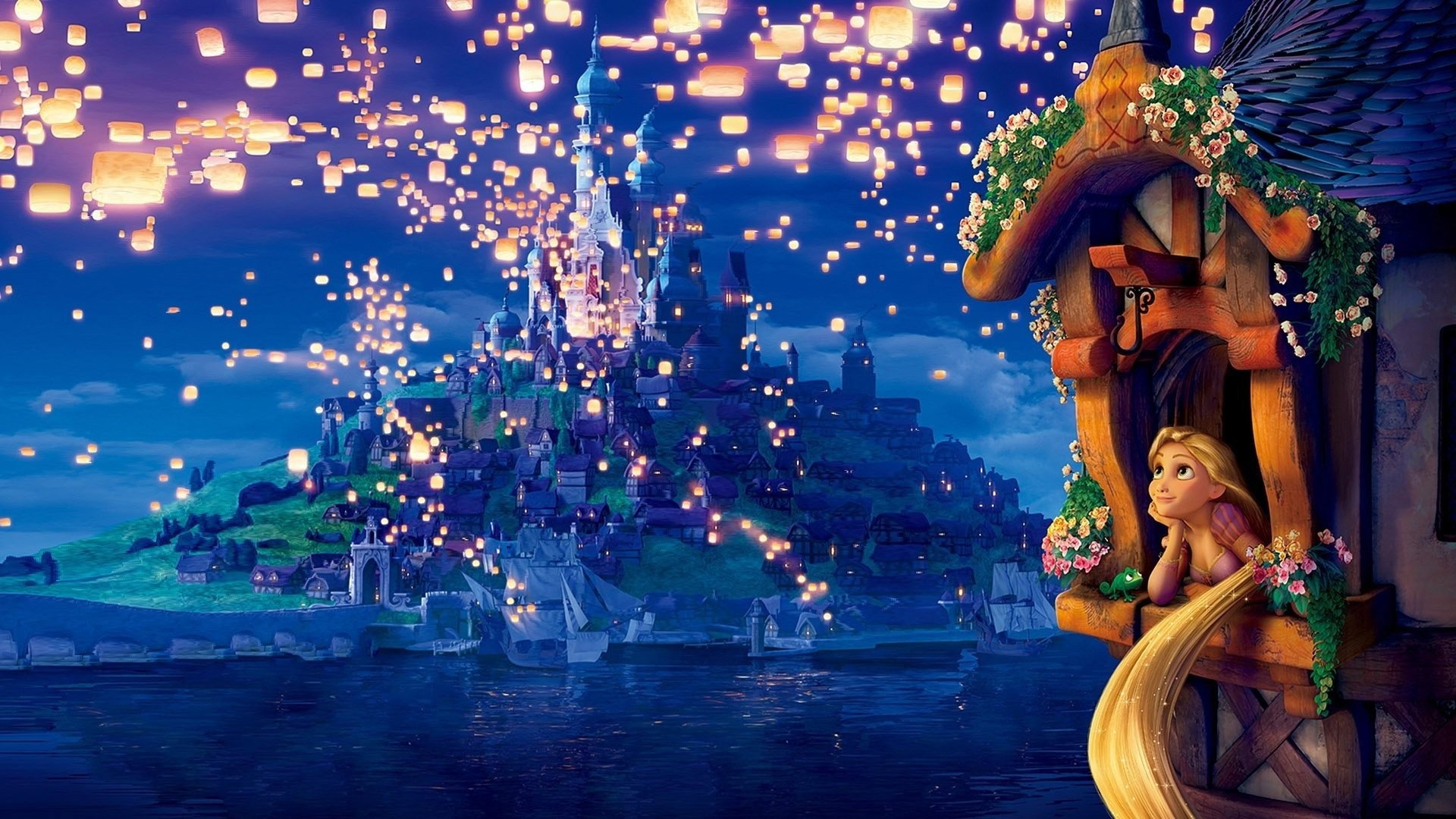
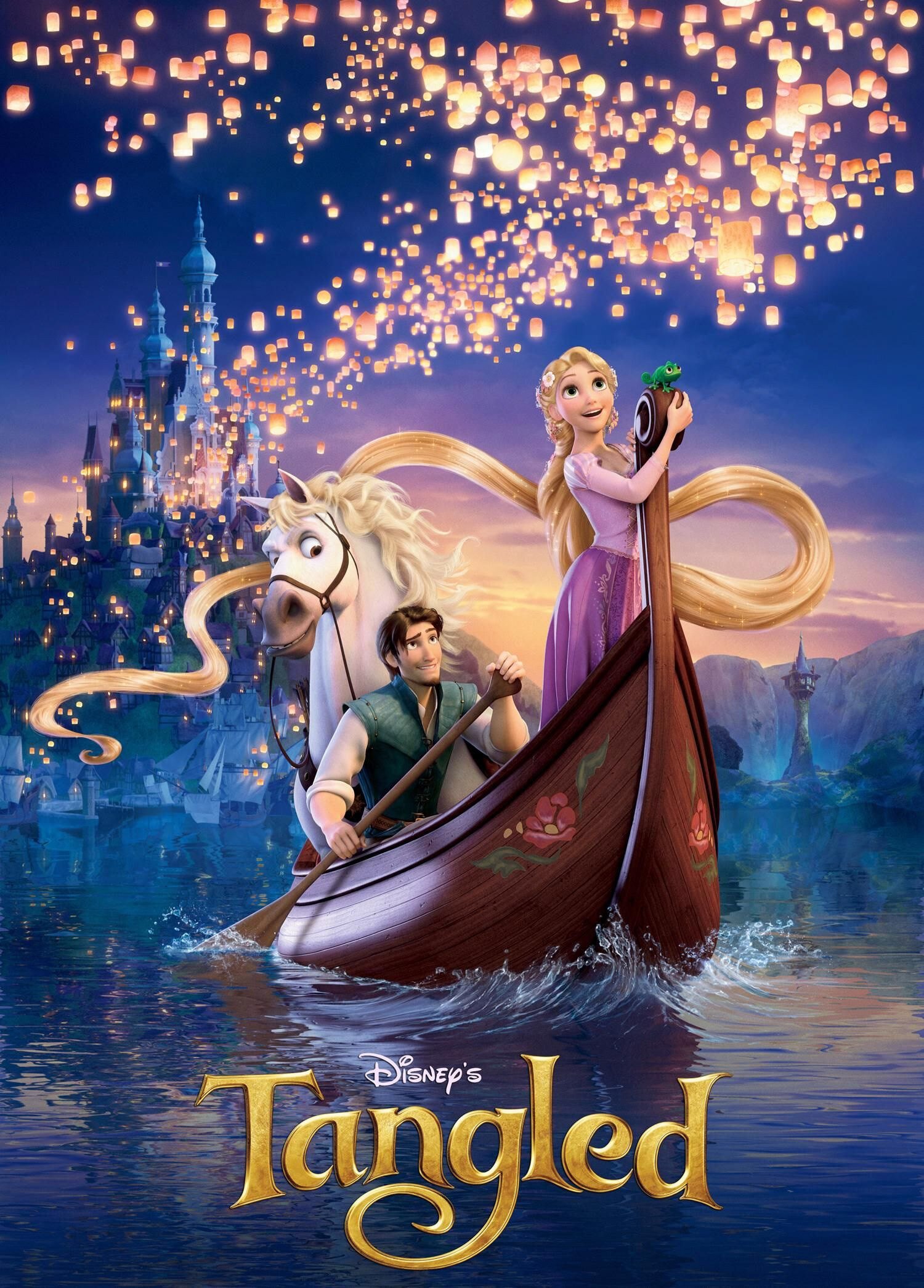
Then the lanterns. On Rapunzel’s birthday the kingdom releases thousands of lights into the night sky, and the film puts her in a rowing boat under them. It moved us more than we thought possible from a scene we had already seen in the trailer. It is the way the first lantern rises in the distance and she turns, the way the water fills with reflections until the frame is more light than dark, and the way Alan Menken’s “I See the Light” is allowed to sit quietly instead of building to a Broadway finish. For four minutes the film stops being clever and is simply lovely.
Menken and Kevin Kliesch share the music credit, and the rest of the songs are the film’s soft spot. Rapunzel’s opening number lists her chores with charm and is forgotten before it ends. The thugs in the pub, voiced by Brad Garrett, Jeffrey Tambor and others, get a number about their secret dreams that is an old joke told at length. Ron Perlman’s Stabbington Brothers are a threat the plot needs and never bothers to write, and M.C. Gainey’s Captain of the Guard is a moustache. The second half takes turns we will not describe, and one of them is rushed.
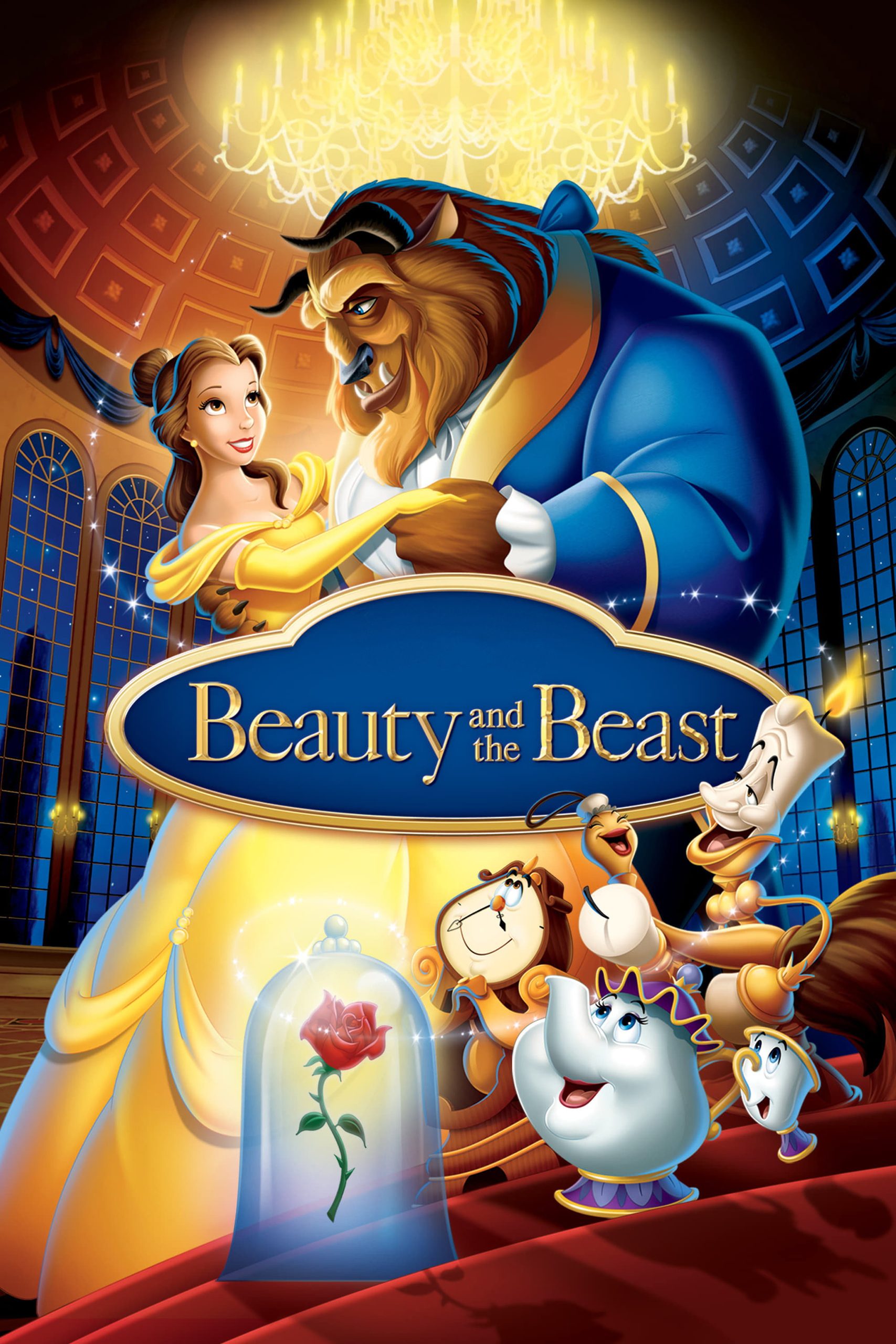
Against Beauty and the Beast, which Menken also scored, this is smaller, and it knows it. Against the wisecracking cartoons of the decade before it, it is warmer and better made, and it never once winks at the parents over the children’s heads. Take the children and stay for the lanterns; you may find you were not doing it only for them.