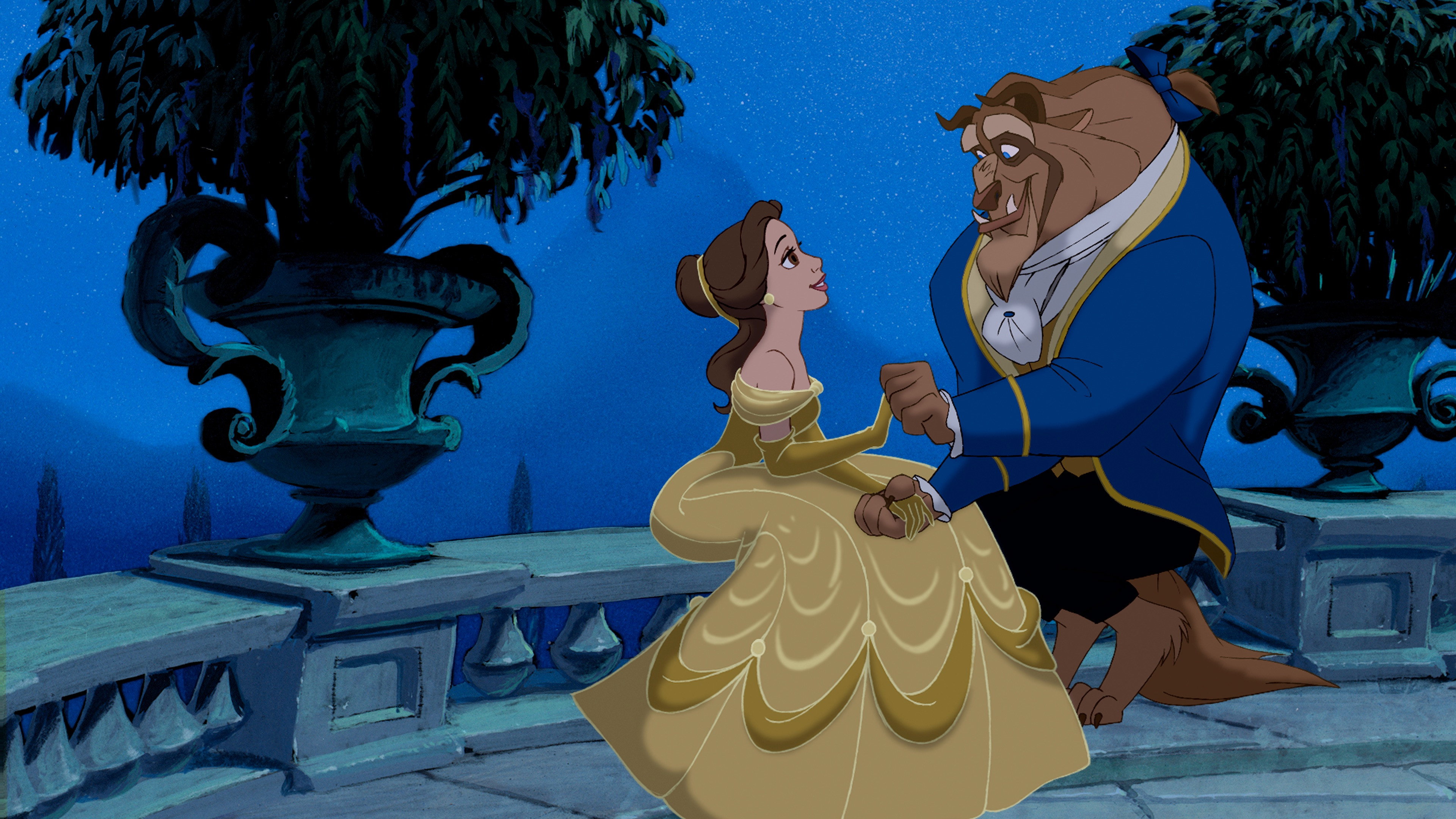
Gary Trousdale and Kirk Wise’s animated musical earns its sentiment through sharply drawn characters and songs that keep the story moving. Its romantic assumptions deserve questioning, but the pleasure is considerable and we recommend it readily.
Beauty and the Beast is a musical romance that earns its sentiment by giving us characters worth spending time with. Directors Gary Trousdale and Kirk Wise keep the fairy tale brisk without rushing its emotional exchanges. The pleasure is in how much personality fits into 84 minutes: Belle’s impatience, the Beast’s uncertainty and the household objects’ eagerness to contribute. Even the supporting cast seems to have arrived with something to do.
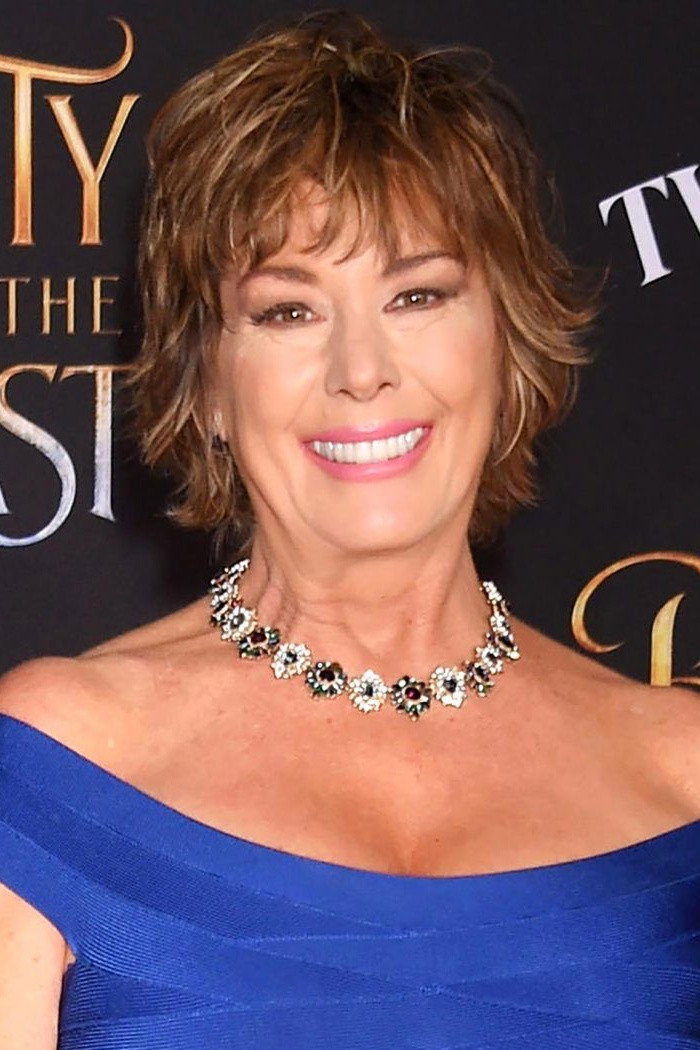
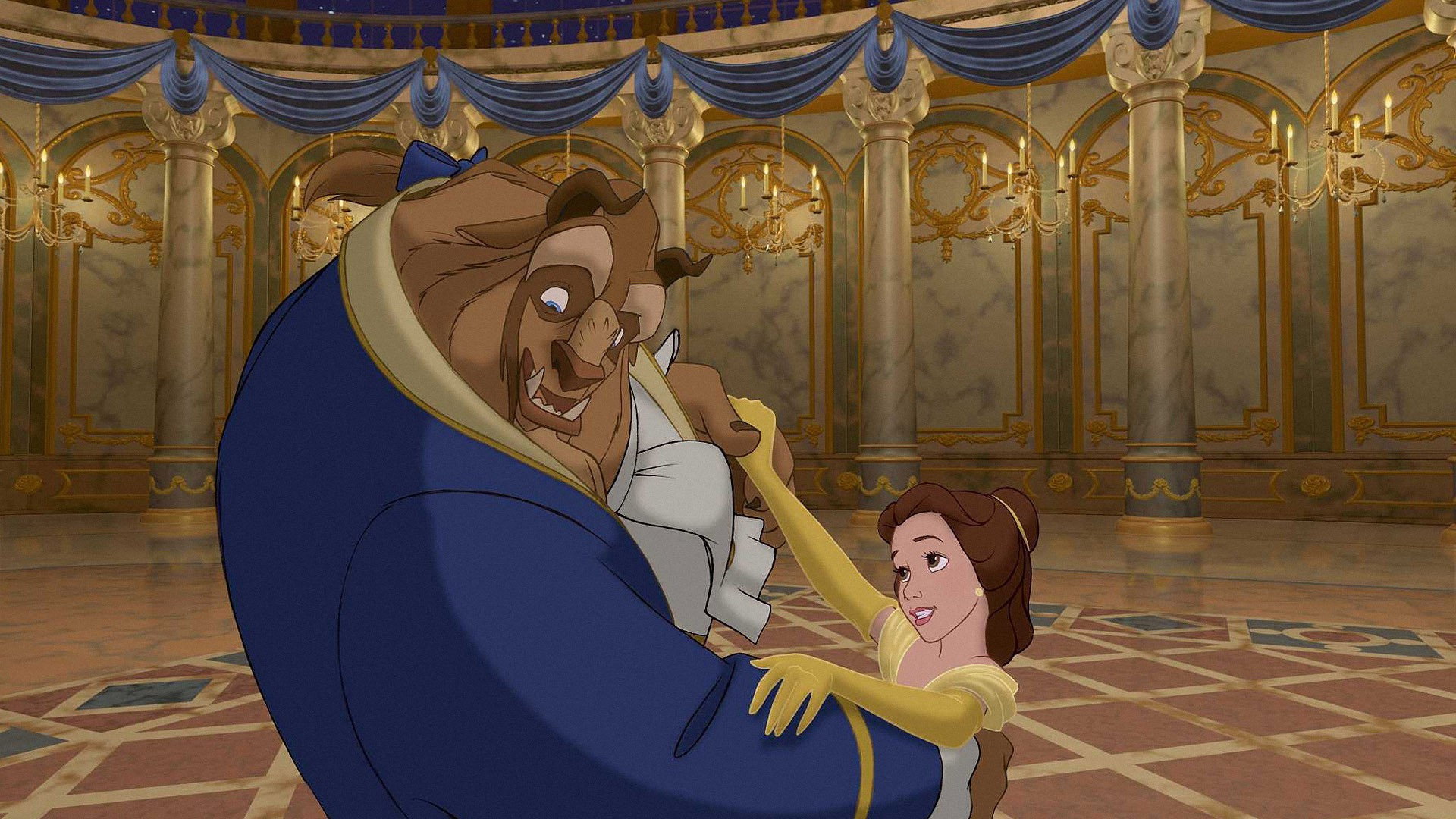
Paige O’Hara’s Belle gives the film its steadiness. Her bookishness and resistance to chauvinism could have been a list of approved qualities; O’Hara makes them sound like the habits of someone who has already had enough of being patronised. Richard White’s Gaston is a useful contrast, with a voice that suggests he expects admiration before he has finished speaking. His broadness works because Belle does not have to match it. Their vocal performances establish the differences between them without requiring much explanation.
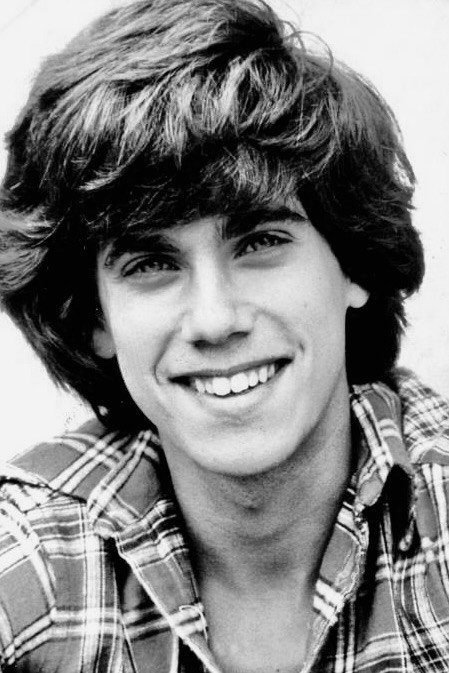
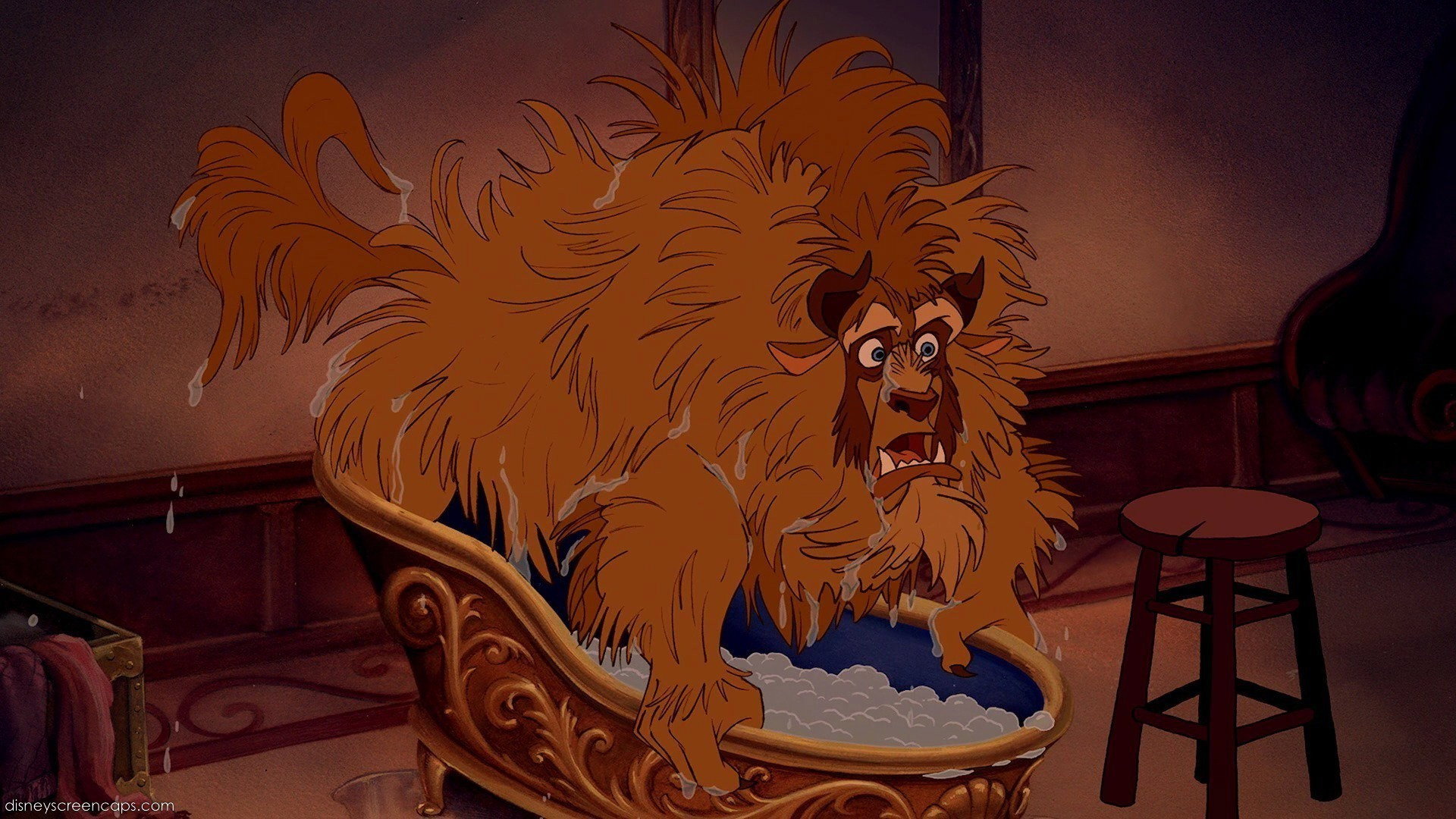
Robby Benson has the more delicate assignment as the Beast, whose character design accommodates menace and vulnerability. He allows uncertainty into the voice without making the character sound harmless. We were surprised by how concerned we became for the Beast, because Benson’s awkwardness gives us something recognisable beneath that intimidating appearance. The animation supports him: the creature remains physically imposing even when his feelings become easier to read.
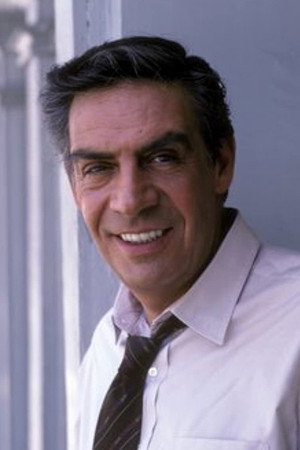
Alan Menken’s music is crucial to the film’s confidence. The musical numbers have wit and momentum, and they leave the characters more distinct rather than merely giving them a break from the story. Jerry Orbach’s Lumiere, David Ogden Stiers’s Cogsworth and Angela Lansbury’s Mrs. Potts make an unusually well-balanced supporting ensemble. There is enough difference in the voices for the living household objects to register as individuals. The pleasure lasts beyond the novelty of watching them behave like people.
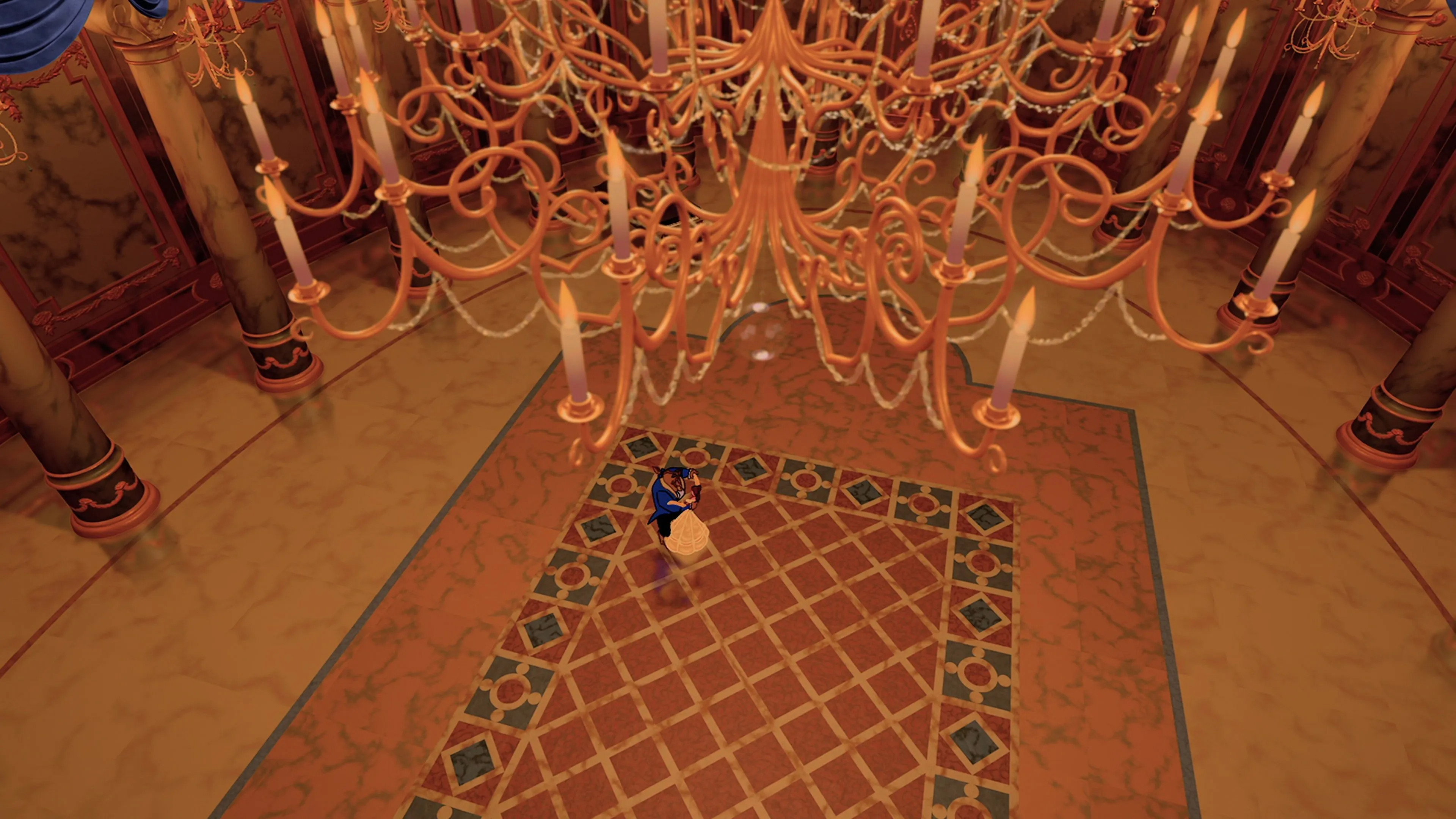
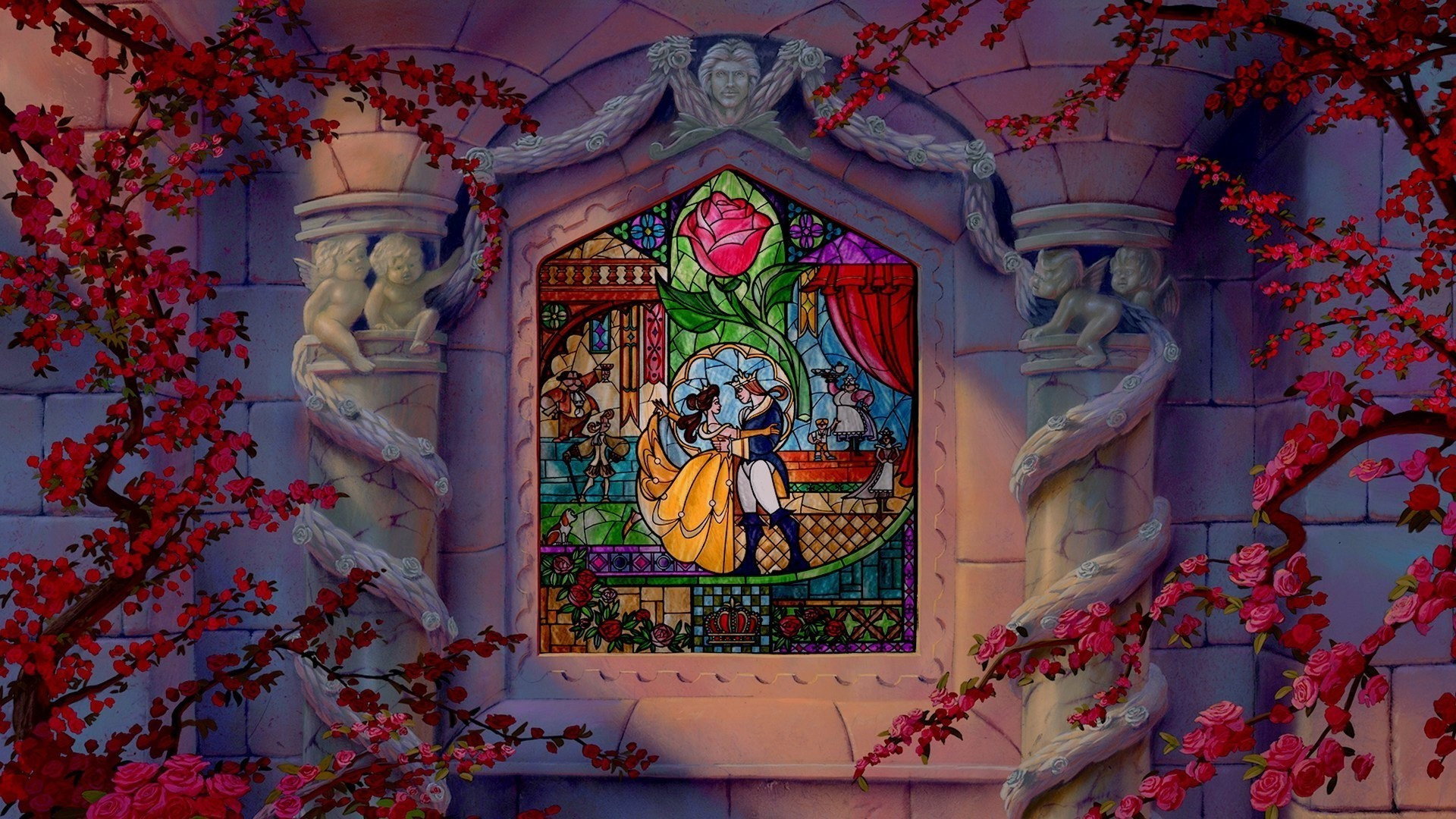
The detailed backgrounds give the characters a substantial place to inhabit, while their stylised outlines remain easy to read. Elaborate scenery can leave an animated character looking pasted onto an illustration, but here the figures belong to their surroundings. Their movement keeps our attention where it needs to be, even when there is plenty elsewhere to inspect. Editors Bill Wilner and John Carnochan maintain a pace that feels lively without hurrying us past a change of feeling. At 84 minutes, the film has little time to waste and seldom does.
The reservation lies in Linda Woolverton’s screenplay. Belle’s resourcefulness is welcome, but the film’s faith in romantic love can narrow the possibilities for a heroine presented as capable of wanting more. We wanted a little more curiosity about what her reading might lead her towards beyond romance. That is a limit worth noticing in a family fairy tale, even when the central relationship is as touching as this one.
There are family musicals in which the songs feel like compulsory interruptions, however agreeably performed. Here they are central to how we come to know the characters, and the spoken scenes retain enough energy to justify the wait between them. The comedy gives adults something to enjoy without seeming embarrassed by the fairy tale. Choose it for an evening when everyone wants a proper musical, and nobody should have to apologise for being moved.