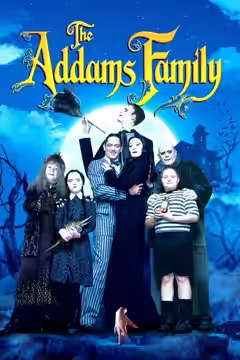
Barry Sonnenfeld’s macabre comedy is worth an evening for its cast, especially Anjelica Huston and Raúl Juliá. The story barely holds the jokes together, but the family’s warmth makes the thin plotting easier to forgive.
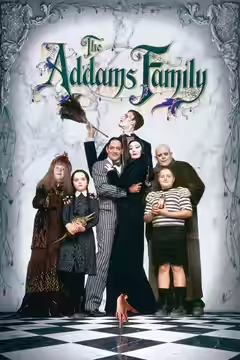
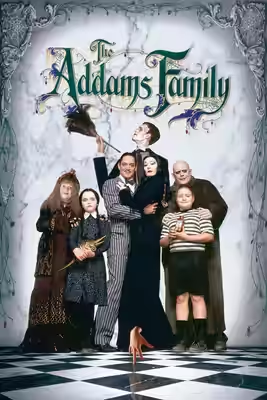
Barry Sonnenfeld’s The Addams Family works best when it lets its household get on with being peculiar, without making a great event of it. The black humour is delivered with an assurance that the story seldom matches, and the cast makes a fairly slight comedy worth the evening. We are invited to enjoy these people, and the film has little interest in making them more like everyone else. That is a sound basis for a family comedy, even when there is not much happening between the jokes.
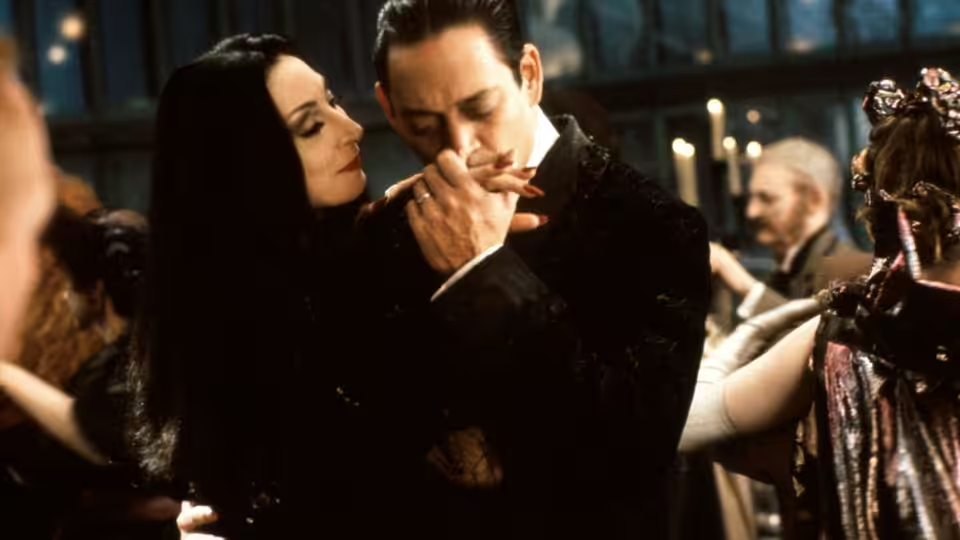
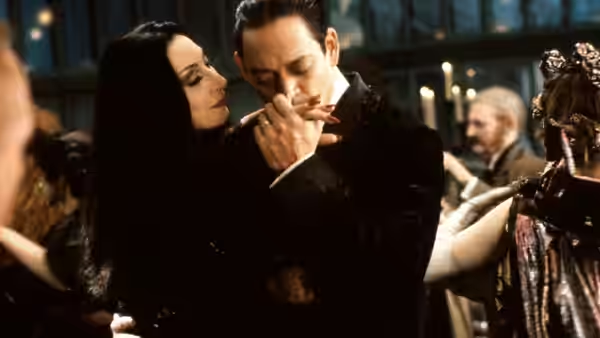
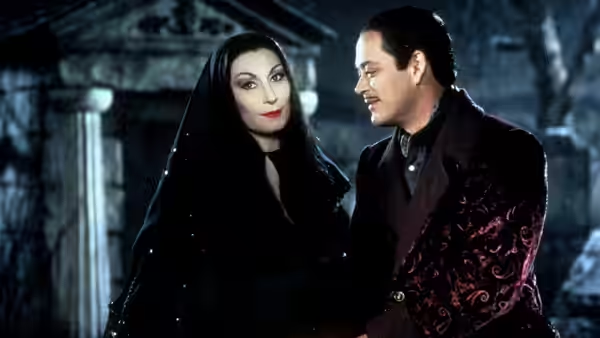
Raúl Juliá’s Gomez and Anjelica Huston’s Morticia are the chief reason to stay. His devotion gives her composure something to respond to, and their pleasure in each other’s company prevents the ghoulishness from turning sour. We were unexpectedly touched by Gomez’s adoration of Morticia; Juliá makes it feel wholehearted, and Huston never treats him as a fool for it. The humour works because the actors take the marriage seriously, even when almost everything surrounding it is ridiculous.
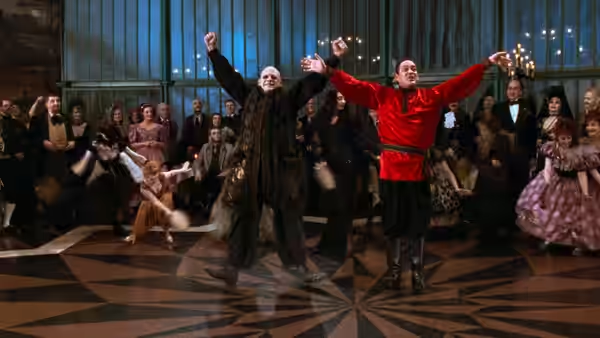
Christina Ricci’s Wednesday is useful precisely because she does not compete with the adults for attention. Her restraint makes the one-liners feel like expressions of character, which is more than the writing always manages elsewhere. Christopher Lloyd gives Uncle Fester enough presence to hold his place alongside the central couple without making every moment a demand for applause. The performances vary in size, but they belong in the same household.
Richard Macdonald’s production design makes the spooky home seem comfortable for its inhabitants, whatever we might make of it. The decoration is funny in its own right, and Owen Roizman’s cinematography allows us to enjoy it without losing the actors among the scenery. Ruth Myers’s costumes do similar work for Huston: Morticia looks entirely at ease in what she wears, and that helps the jokes. These are useful choices in a comedy that needs us to accept its characters before it can get much further.
Larry Wilson and Caroline Thompson’s screenplay is less dependable once it needs to connect those people and jokes into a story. Individual moments are often funny, but too many could be moved around without changing much, and interest drops whenever the film asks us to care about what happens next. Editors Dede Allen and Jim Miller give the one-liners room to land, but the gaps between comic highlights remain conspicuous. At 100 minutes, it has stretches that feel longer than the material warrants.
Marc Shaiman’s music helps keep the macabre material playful, although it cannot supply momentum when the script runs short. Sonnenfeld has a firm grasp of the tone, which matters in a comedy built around such a narrow premise. There is only so much surprise in discovering that this family enjoys what others recoil from. The film gets further by letting us enjoy the company, particularly whenever Huston and Juliá are together.
Those coming chiefly for a tightly worked fantasy plot will find plenty to distract them and little to satisfy that particular appetite. For a comedy, though, a cast this comfortable with one another counts for a good deal, and the affection stops the dry humour from becoming merely arch. Choose it for an evening of morbid jokes and unusually devoted spouses; accept that the story sometimes needs carrying.