An uneven family adventure, worth considering for Harrison Ford’s restrained warmth and the lively sled sequences. Buck’s conspicuous animation remains a distraction, while the softened wilderness leaves too little sense of danger.
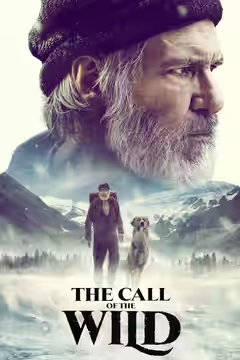
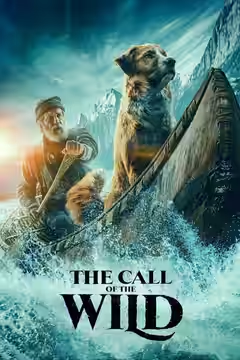
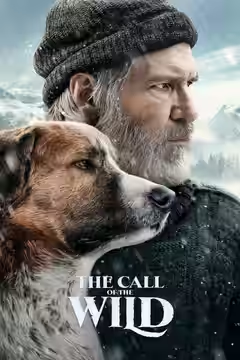
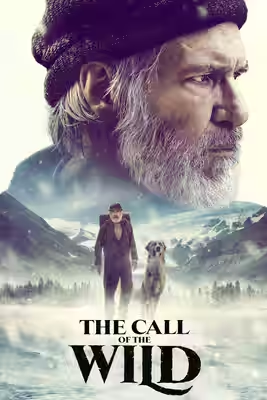
Chris Sanders makes a decent family adventure from Jack London’s novel, though anyone drawn by the promise of wildness should lower their expectations. The Call of the Wild is interested in Buck’s feelings and his attachment to people, and it makes those feelings easy to read. Michael Green’s screenplay favours reassurance over the harsher possibilities of the material. That is a defensible choice for a PG film, but the snow and fast sleds seldom bring much lasting unease.
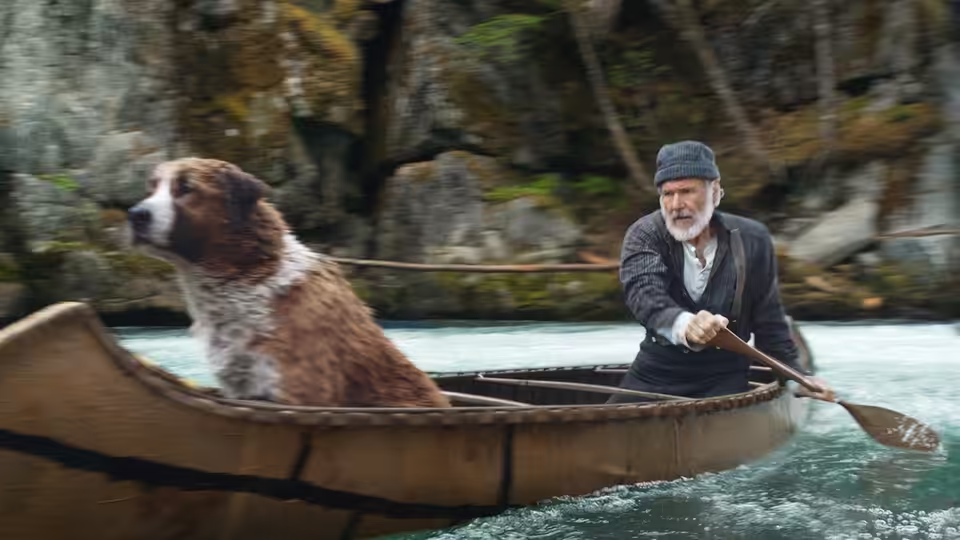
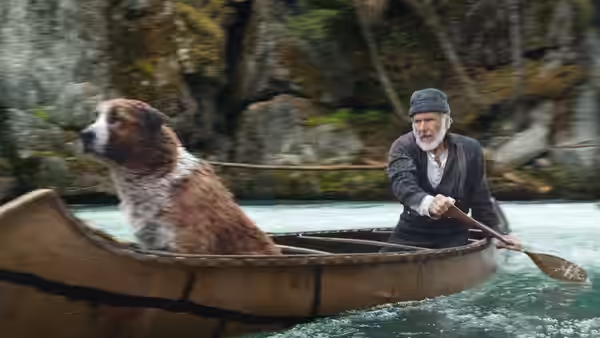
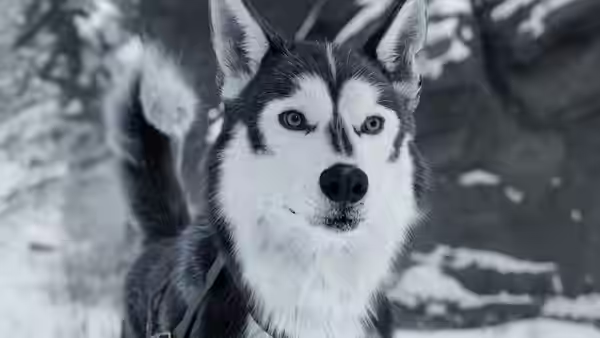
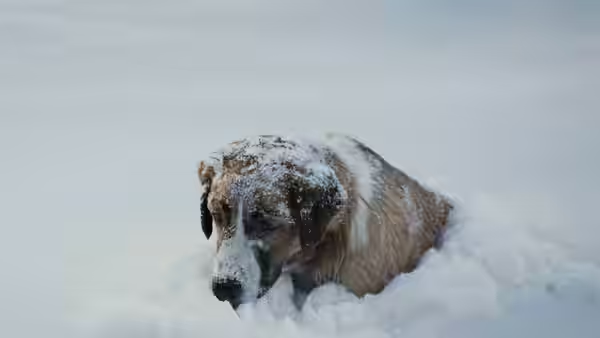
Buck is the difficulty, and he is also where the film occasionally becomes interesting. Terry Notary provides the live-action reference performance, giving the animators a physical basis for a dog whose movements carry whole stretches of the story. In the sled sequences, the speed and freedom of the animation are absorbing enough to make realism seem a fussy demand. Once Buck shares the image with a human being, though, the discrepancy becomes distracting again. His expressions explain so much that there is little pleasure left in watching an animal and wondering what it understands.
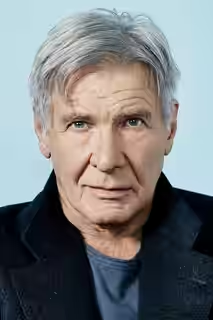
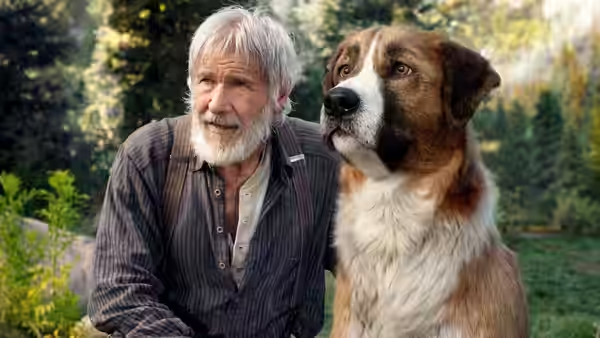
Harrison Ford does a good deal to make that problem matter less. His John Thornton has a worn, unforced warmth, and the performance stays restrained even when the film is plainly asking for tenderness. We were moved by the companionship between Thornton and Buck, because Ford gives it his full attention without making a display of his own sensitivity. The quieter wilderness passages benefit from that patience, even when Buck’s expressions keep drawing attention to the effects.
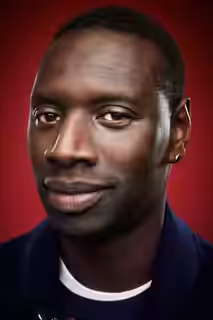
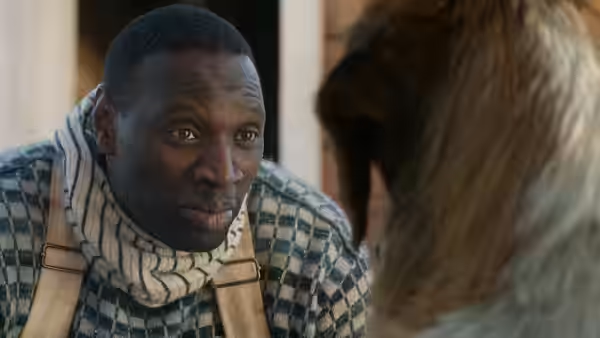
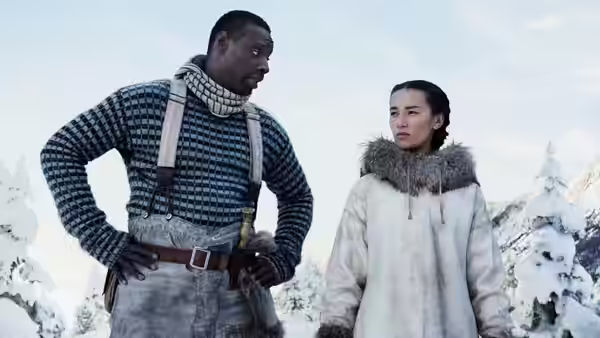
Omar Sy brings an equally useful warmth to Perreault, particularly in a film where the human presence can so easily become secondary to the digital activity. Sanders is right to keep Buck at the centre, but that decision leaves some of the people around him looking thinly drawn. Dan Stevens’s Hal belongs to the broader, more caricatured side of the film. Green’s writing is least persuasive when it simplifies people so that Buck’s response to them needs no thought.
Janusz Kamiński’s cinematography gives the snow and ice a welcome clarity, particularly during the dog-centred action. Stefan Dechant’s production design contributes to a wilderness that feels carefully arranged, even when it is meant to look untamed. The polished surroundings make the animated animal seem less unusual, but they also weaken our sense of physical risk. That matters in an adventure that keeps asking us to care about a dog’s safety.
Editors William Hoy and David Heinz get useful momentum into the sled passages, then have less success sustaining it through the slower second half. At 100 minutes, the film is not long, yet its insistence on being touching begins to feel repetitive. John Powell’s score leans into the film’s sweetness, adding encouragement when the performances have already made the feeling clear. A little less of that encouragement would have helped Ford’s quieter work.
The family animal adventure has room for gentleness, and Sanders is not wrong to make companionship the attraction. What disappoints us is how seldom the wilderness challenges that comfort; we get little sense of its harshness. Anyone who finds Buck immediately endearing will have an easier time with the quieter stretches. Consider it for Ford’s company, if a dog with conspicuous acting habits is not likely to keep catching your eye.