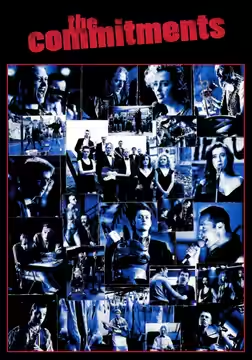
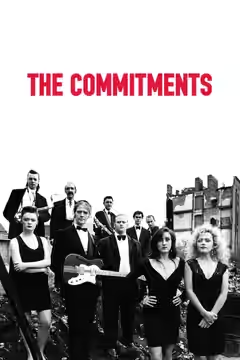
Alan Parker’s Dublin soul-band comedy is funny, warm and carried by performances that make the music matter. A little too much polish creeps in, but we recommend it for the songs and the unruly company.
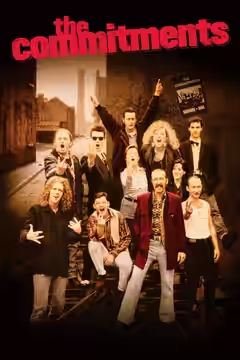
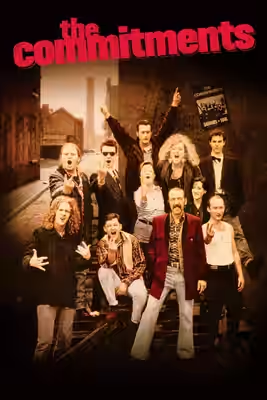
The Commitments is a funny, affectionate band film that earns its musical pleasures. Alan Parker follows working-class Dublin youngsters trying to put a soul group together, and takes their ambitions seriously without pretending that they are easy company. The songs are the attraction, but the talk earns its place alongside them. We recommend it warmly, with a reservation about the polish that occasionally makes the performers look a little too carefully presented.
Adapted from Roddy Doyle’s novel, the screenplay by Doyle, Dick Clement and Ian La Frenais understands how much character can emerge from people trying to get something organised. The auditions are particularly funny because the practical task of finding musicians allows the comedy to keep changing shape. We laughed more than we expected at this business of putting a group together. The writing gives the performers quick exchanges without making every line sound as though it has been saved for an audience.
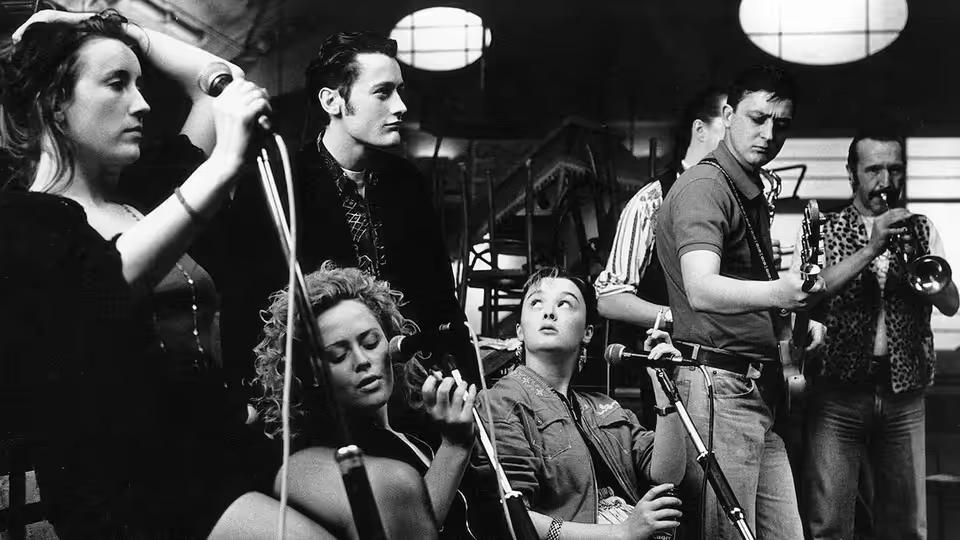
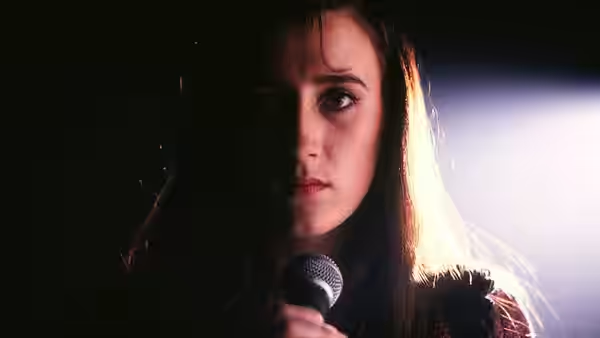
Robert Arkins’s Jimmy Rabbitte, Andrew Strong’s Deco Cuffe and Natalie Murphy’s Joey ‘The Lips’ Fagan belong to an ensemble whose conversational timing is a large part of the pleasure. Angeline Ball, Maria Doyle Kennedy and Bronagh Gallagher contribute to the sense that nobody is simply waiting for permission to speak. Parker allows exchanges to feel untidy, which makes the jokes more convincing. The occasional rough edge in the acting is welcome when the alternative would be everyone signalling how amusing they are.
Gale Tattersall’s cinematography gives the music the same unglamorous setting as the comedy. Brian Morris’s production design helps keep the band’s surroundings ordinary, so that singing never seems to transport them somewhere richer. Parker is affectionate towards the place without continually pointing at hardship. Occasionally, that affection becomes an urge to make every performer look appealing, and the pictures seem too carefully polished. It is a small but noticeable limit on the film’s looseness.
Gerry Hambling’s editing handles the quick exchanges and the musical energy without making them feel like separate attractions. The pace is brisk, and the performers’ timing survives it. The songs, with Wilson Pickett among the music credits, are performed with enough conviction to justify the trouble of getting everyone together. We were caught up in the playing because the cast’s enthusiasm makes the modest ambition of performing together feel sufficient. The music is allowed to be worth hearing for its own sake.
The same eagerness can affect the comedy. A few of the fast exchanges hurry past before the characters have much chance to develop, and the script is less satisfying when it seems to be collecting funny encounters. At 118 minutes, there is room for a little more patience. Doyle, Clement and La Frenais are so good at giving people something sharp to say that we occasionally wish they would let them run out of words.
The pleasure here is not dependent on knowing the songs in advance. A fondness for band films helps, though anyone expecting a detailed account of the music business should adjust their expectations: Parker is interested in the people getting together. Watch it with company willing to let the songs play without talking over them.