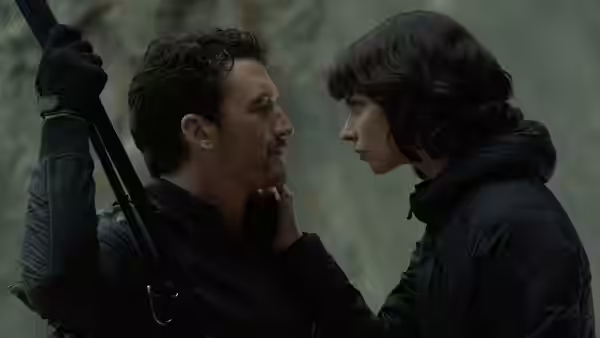
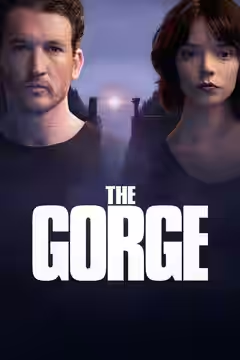
The Gorge works best when Miles Teller and Anya Taylor-Joy are trying to get each other’s attention. The romance makes this odd thriller worth an evening, despite clumsy dialogue and an overexplained mystery.
Scott Derrickson’s The Gorge is an enjoyable romantic thriller that becomes less interesting when it starts explaining itself. Its best idea is simple: put two lonely snipers on opposite sides of a dangerous gap, then let them become curious about one another. Zach Dean’s screenplay takes that attraction seriously enough for the unlikely arrangement to work. The trouble comes when the science fiction needs explaining, and the film begins supplying answers to questions that were more enjoyable left open.
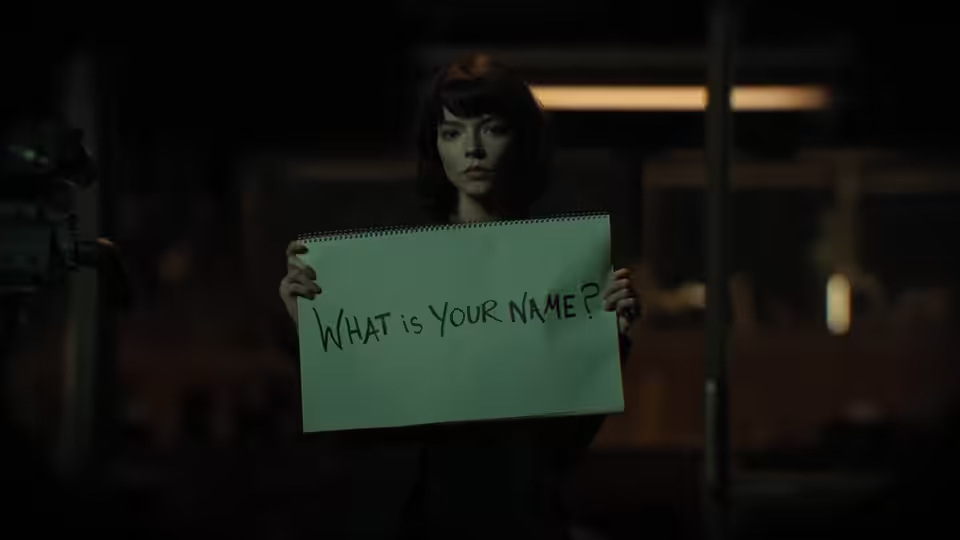
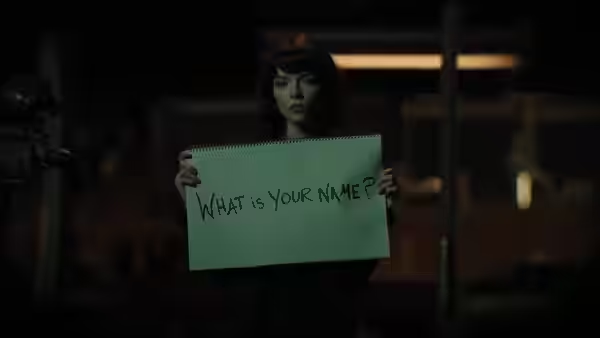
Miles Teller’s Levi and Anya Taylor-Joy’s Drasa have to make an impression across a considerable distance, with notes and binoculars doing much of the work. That restriction gives the romance something useful to do before anyone has to declare a feeling. We were touched by their exchanges of notes: making contact requires effort, and the effort makes their loneliness believable. The actors make these overtures feel playful without treating the need for company as a joke.
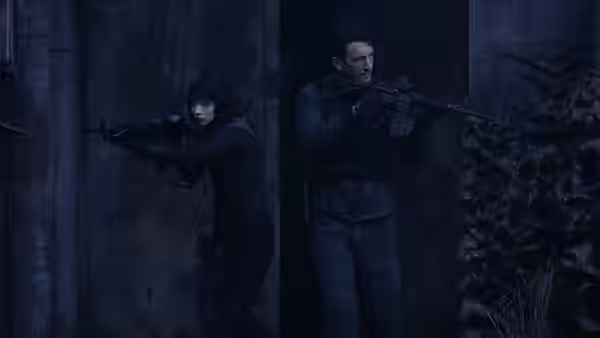
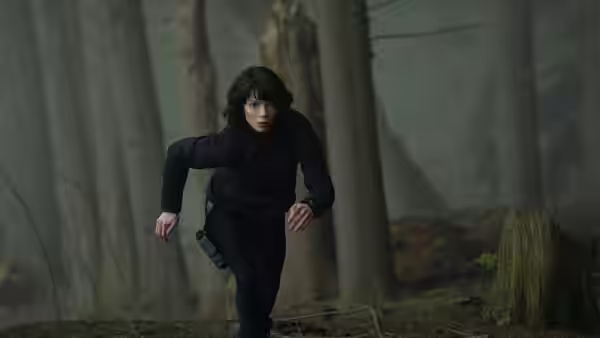
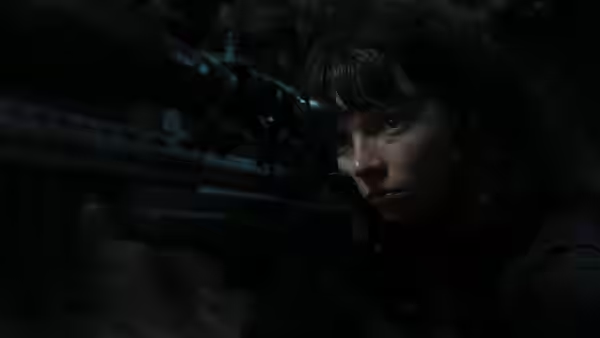
Dan Laustsen’s cinematography gives the gorge the scale this romance needs: getting a good look at someone is a task in itself. The separation makes the binoculars useful as something besides a sniper’s equipment, and gives an ordinary exchange of attention some suspense. Rick Heinrichs’s production design helps sell the isolation of the two posts, so the yearning across the gap has a setting we can believe in. The space between the guards keeps the courtship from feeling too easy.
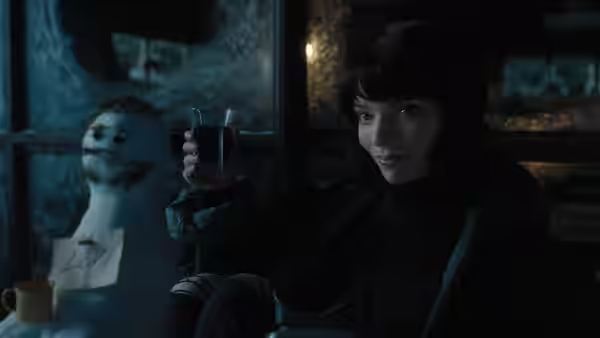
The shift towards creature action is not a complete disappointment. Scott Derrickson can make the combination of romance and threat feel like a good reason to put these genres together, and the creatures have enough strangeness to deserve a look. Trent Reznor and Atticus Ross provide music that gives the action a welcome urgency. Their score helps sustain excitement when the effects become less persuasive, although it cannot make the monsters as involving as the people watching for them.
The dialogue is a more persistent problem, especially once Zach Dean has explanations to deliver. The early exchanges leave room for the performers to suggest an interest in each other; the exposition gives them information to pass on instead. A mysterious posting invites questions, certainly, but the answers are delivered with a solemnity that this story cannot support. The film is asking us to accept a fairly silly situation, and it does better when it allows some pleasure in the silliness.
Frédéric Thoraval’s editing is uneven in negotiating those changes of pace, and some of the movement between tenderness and danger feels abrupt. At 128 minutes, there is more explanation than this slender setup needs. The film nevertheless understands something useful about romantic thrillers: we need time to enjoy the couple’s company before their predicament can matter. Its patient early courtship earns enough affection to survive the less satisfying passages. Give it an evening if two lonely snipers exchanging notes sounds appealing, and do not expect the science fiction to bear much scrutiny.