Film review

The Hunchback of Notre Dame

1996 · Directed by Gary Trousdale, Kirk Wise · 1h 31m · MPA G

In a sentenceDisney adapts Hugo, keeps the lust and the fire, and adds three stone comedians nobody asked for

DramaAnimationFamily

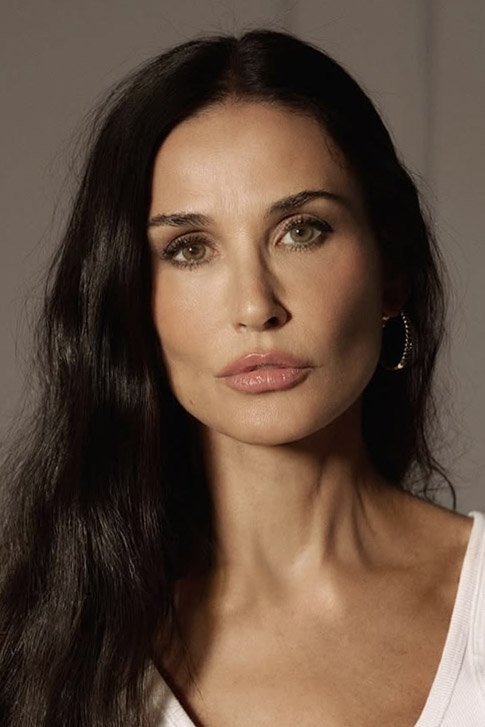
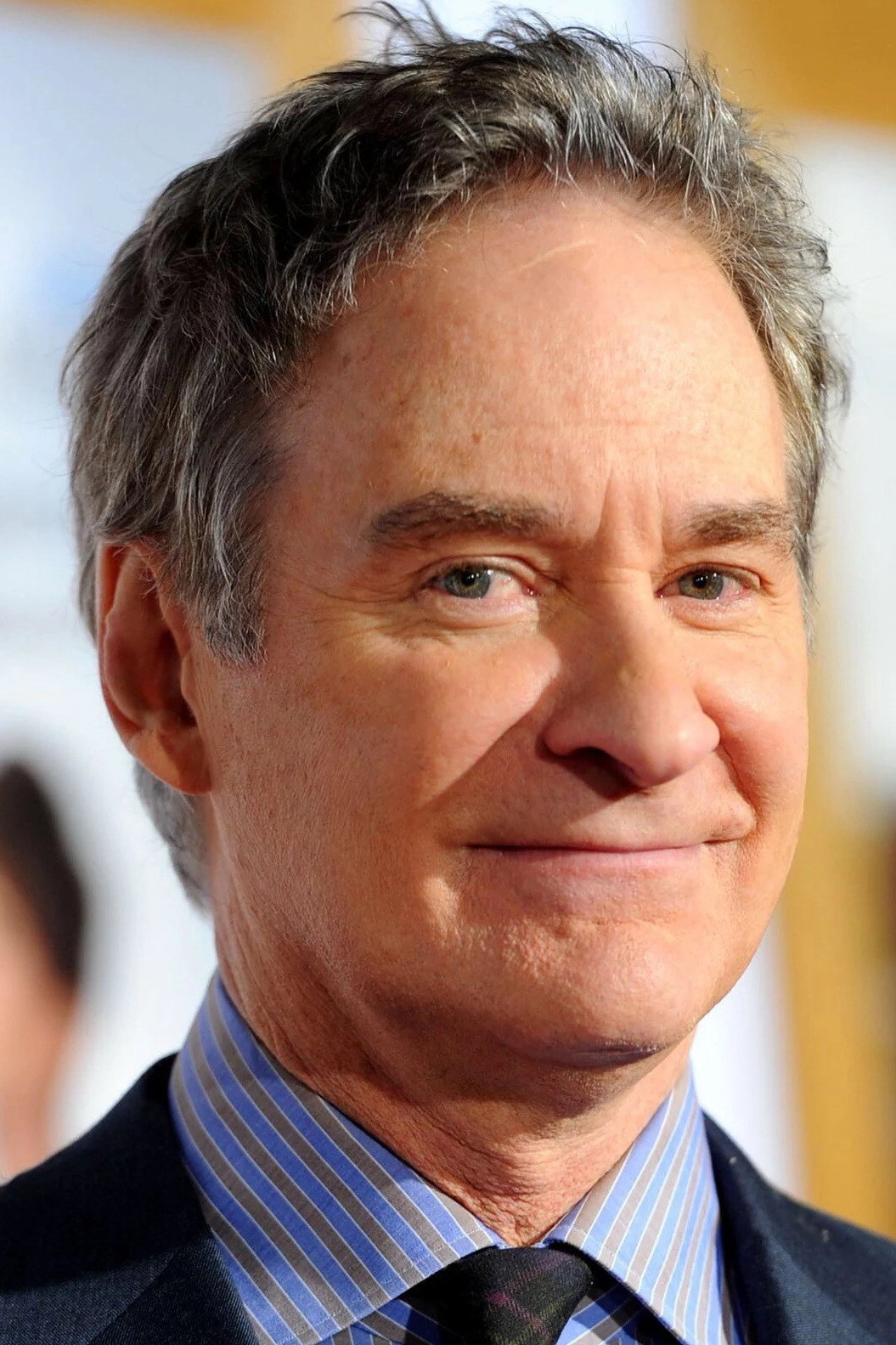
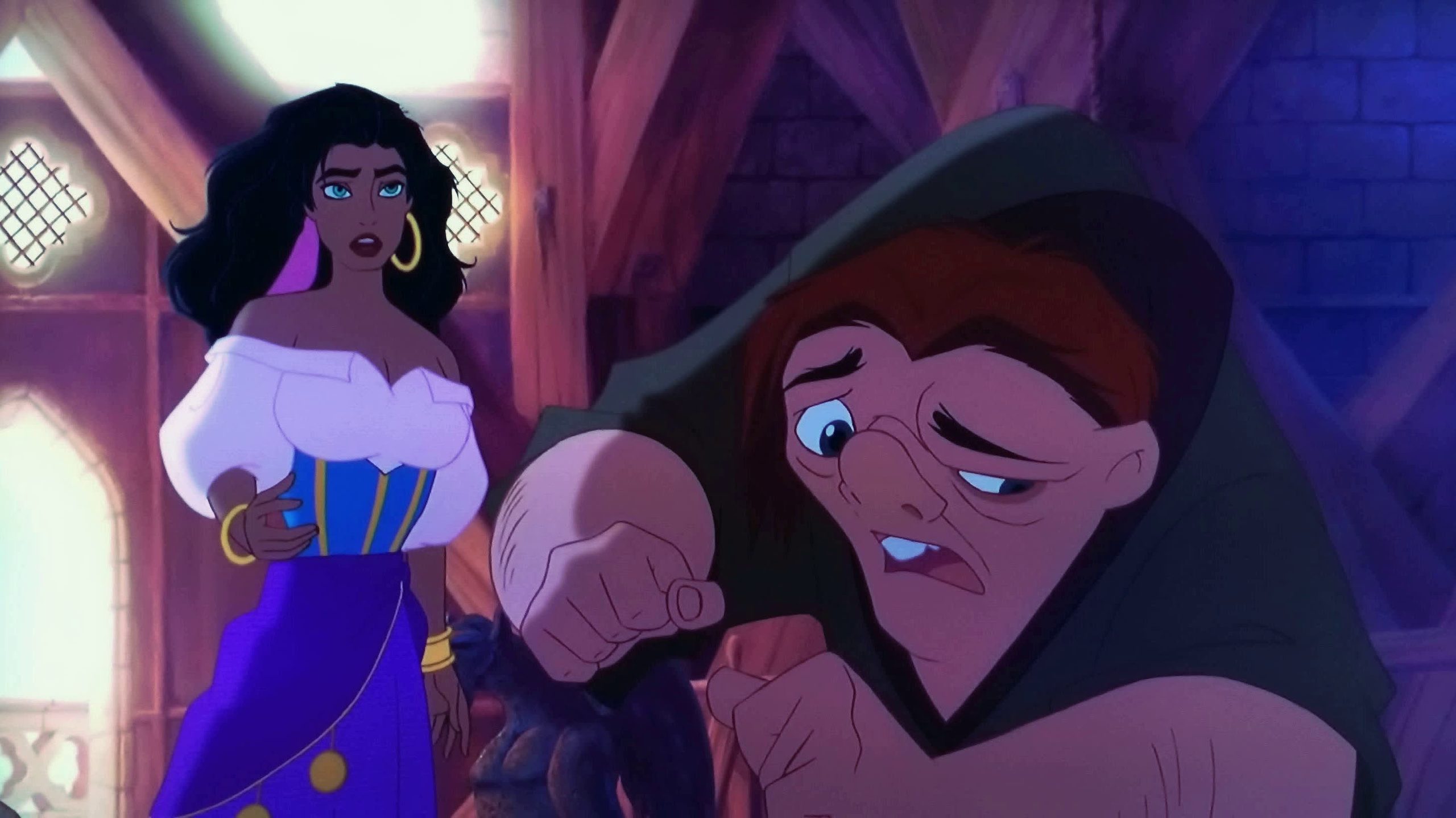
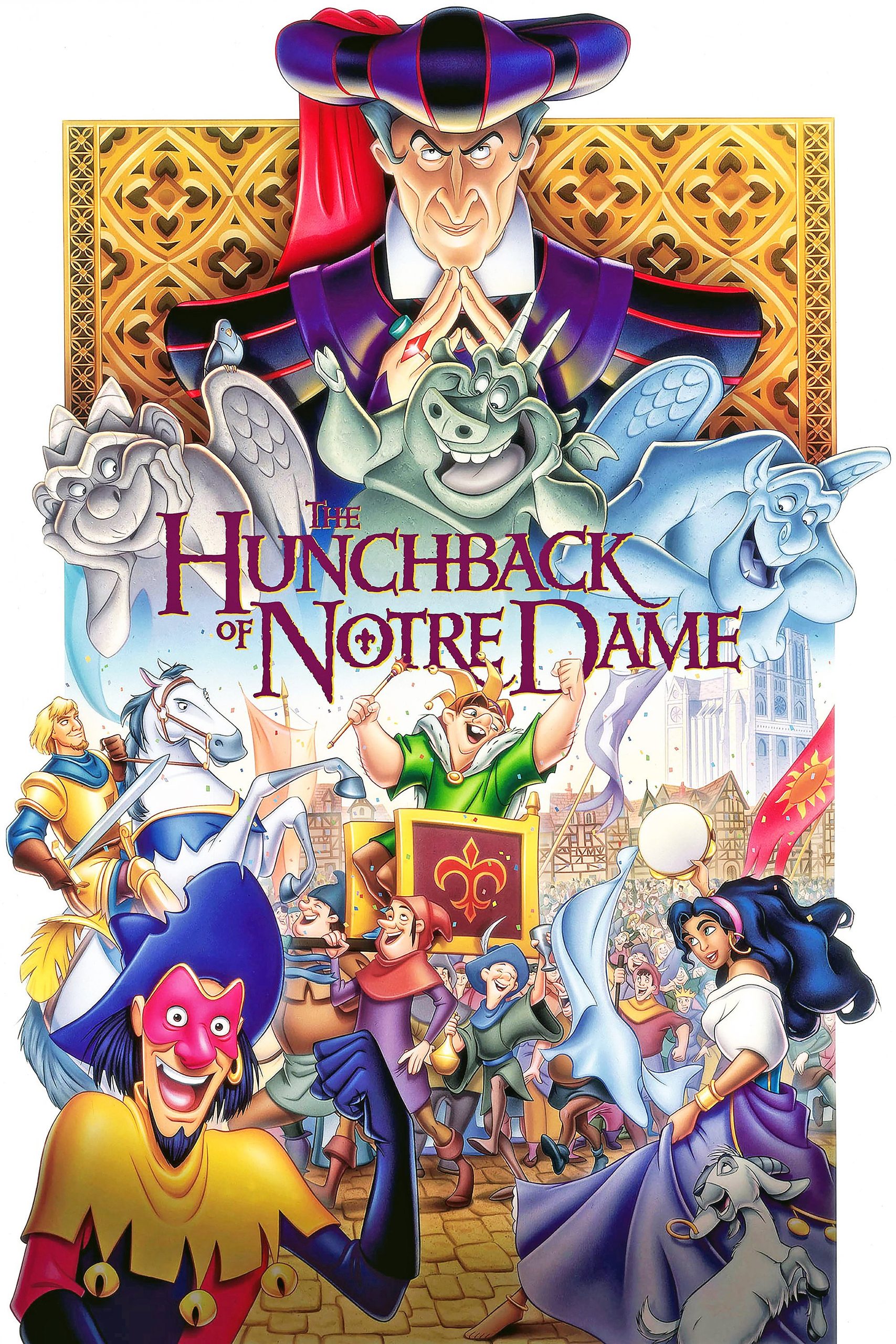
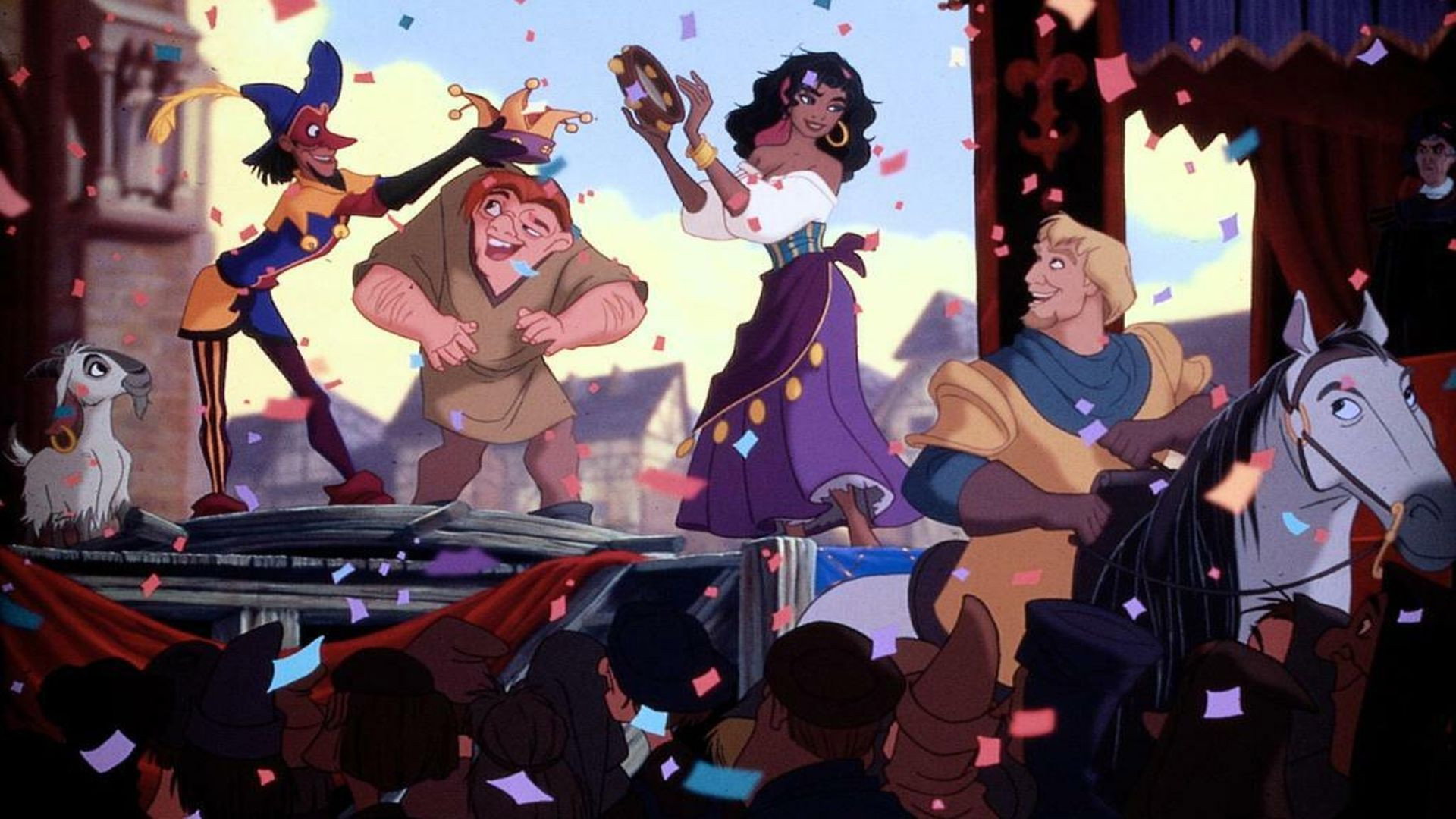
Paris, 1482. Judge Frollo (Tony Jay) runs a Romani woman to her death on the steps of Notre Dame and, shamed by the Archdeacon (David Ogden Stiers), agrees to raise her deformed infant in the bell tower. Years on, Quasimodo (Tom Hulce) rings the bells, carves wooden figures of the city below and talks to three stone gargoyles, forbidden ever to go down. On the day of the Festival of Fools he slips out, is crowned King of Fools, and is turned on by the crowd while Frollo looks on. Only the dancer Esmeralda (Demi Moore) steps in, defying the judge in public and claiming sanctuary in the cathedral, where Phoebus (Kevin Kline), Frollo’s new captain of the guard, declines to arrest her.

Fi1m review

Trousdale and Wise take Hugo’s novel further into the dark than any Disney cartoon before it, and Tony Jay’s Frollo is a proper villain. Then three wisecracking gargoyles turn up to remind us it is a children’s film, and the join shows.

Gary Trousdale and Kirk Wise, who made Beauty and the Beast five years earlier, take on Victor Hugo’s novel about a deformed bell-ringer, the judge who raised him and the woman both of them want. The Hunchback of Notre Dame carries a U certificate and, inside its first three minutes, shows a woman killed on the steps of a cathedral. For two-thirds of its 91 minutes it is the darkest and among the best-made things Disney’s animators have put on a screen. The other third is three talking gargoyles, and they nearly sink it.

The prologue is told as a puppet show by Clopin (Paul Kandel), and it is sung rather than spoken. A woman runs across the snow with a bundle, horsemen behind her, and reaches the doors of Notre Dame a moment too late. Frollo, about to drop what he thinks is stolen goods down a well, is stopped by the Archdeacon (David Ogden Stiers), who tells him the eyes of the cathedral are on him. Alan Menken scores it with bells and a Latin choir, and the animators draw Notre Dame from below, so the building seems to be watching too. We were startled, not by the death, which happens on a cut, but by how fast a film for children gets to it and how little it apologises.

Tony Jay voices Frollo in a low, dry, unhurried bass that never rises above conversation, and it is the film’s best decision. He is not a sorcerer but a magistrate who believes he is doing good, and the film lets him believe it. Halfway through he stands before a fireplace and sings ‘Hellfire’, admitting that he wants Esmeralda and blaming her for it, while hooded figures chant around him and her face forms in the flames. We sat forward and did not move until it ended. That a U-certificate cartoon contains it at all is remarkable. That nothing after it comes close is the film’s problem.

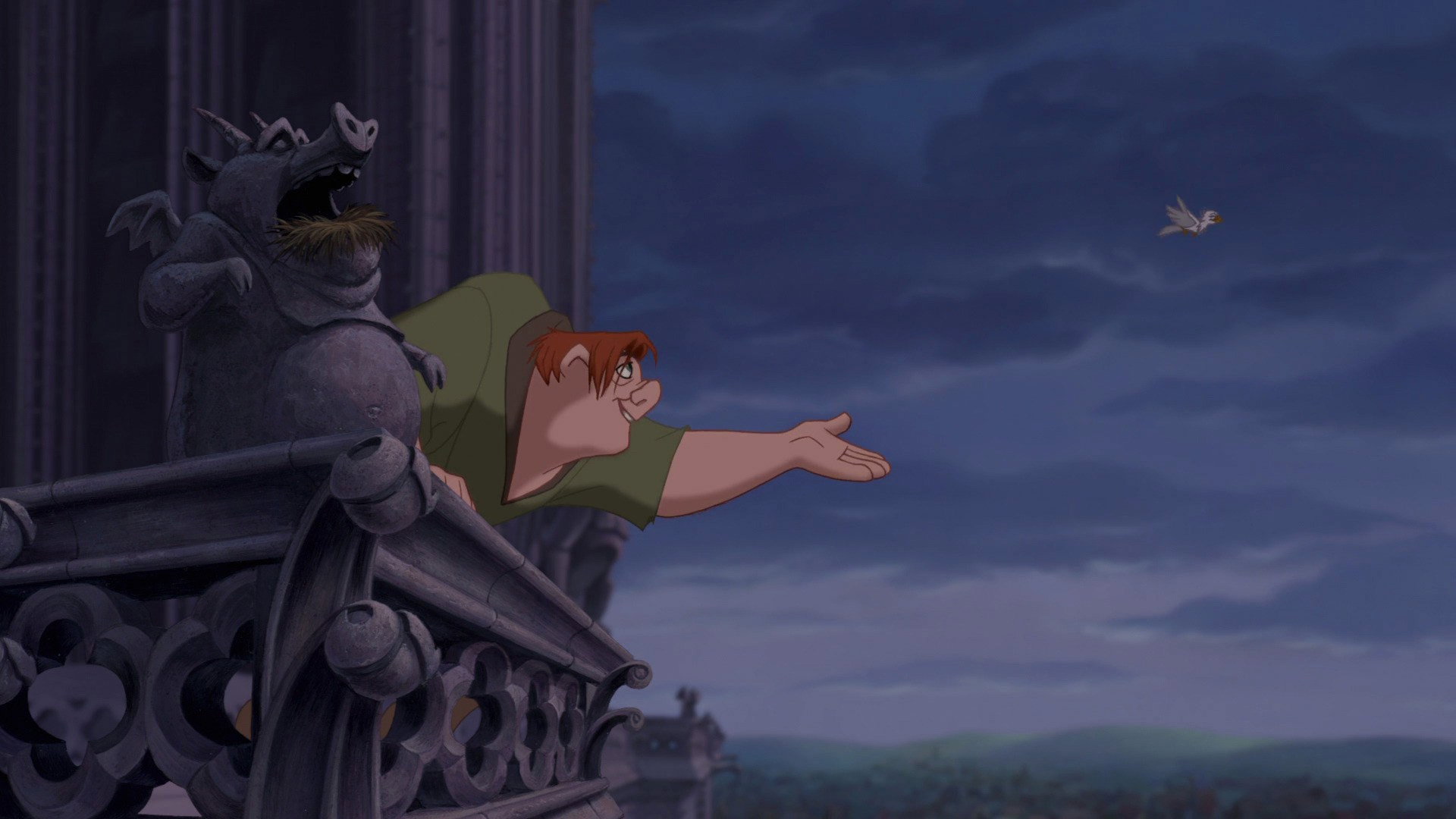
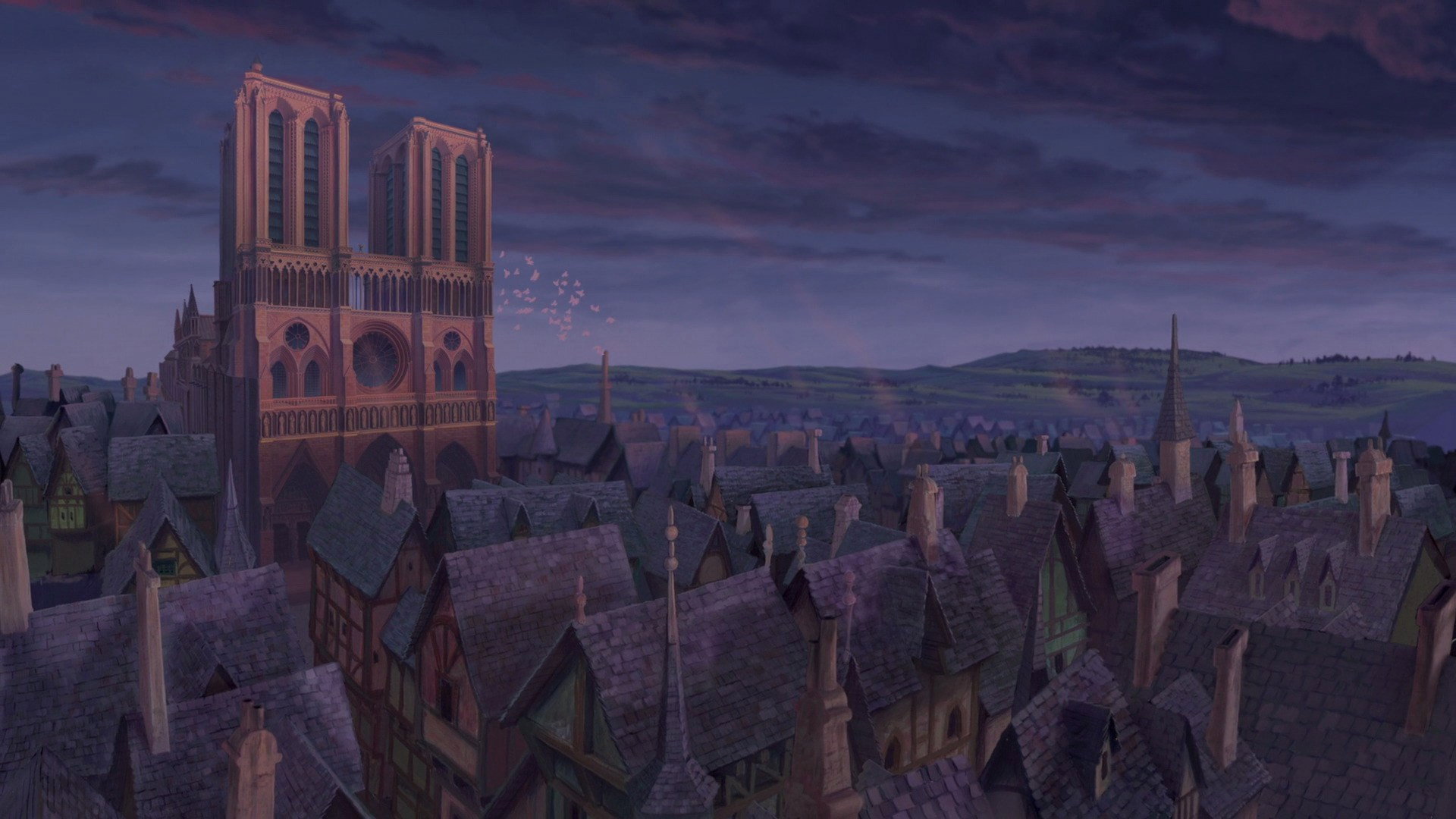
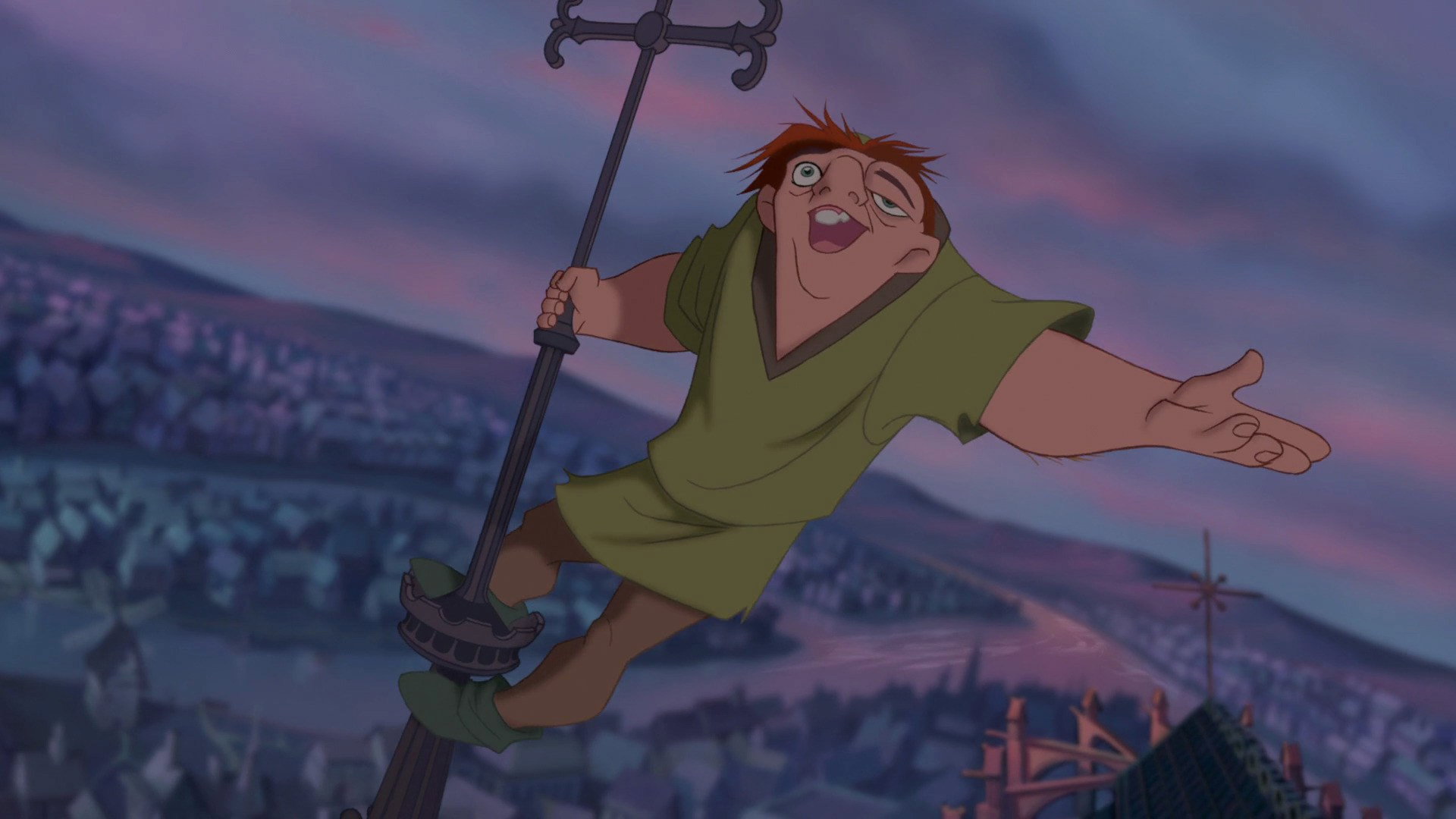
Around him the film looks as good as anything the studio has done. Paris is drawn in stone greys and torchlit browns, the Festival of Fools in confetti colours, and the inside of the cathedral in the blues and reds of its glass. Quasimodo’s tower holds a carved wooden model of the city below and bells he has given names. Tom Hulce gives him a boy’s voice, eager, a little too articulate for a man raised alone in a belfry, and ‘Out There’, sung from the roof, is the film’s most hopeful stretch. Demi Moore plays Esmeralda with a low, tired defiance, and her candlelit ‘God Help the Outcasts’, sung while the wealthy pray for wealth in the pews beside her, is its most honest. Kevin Kline’s Phoebus is dry and decent. Ellen Keneshea cuts the festival and the street chase fast enough that we lost our bearings and did not mind.

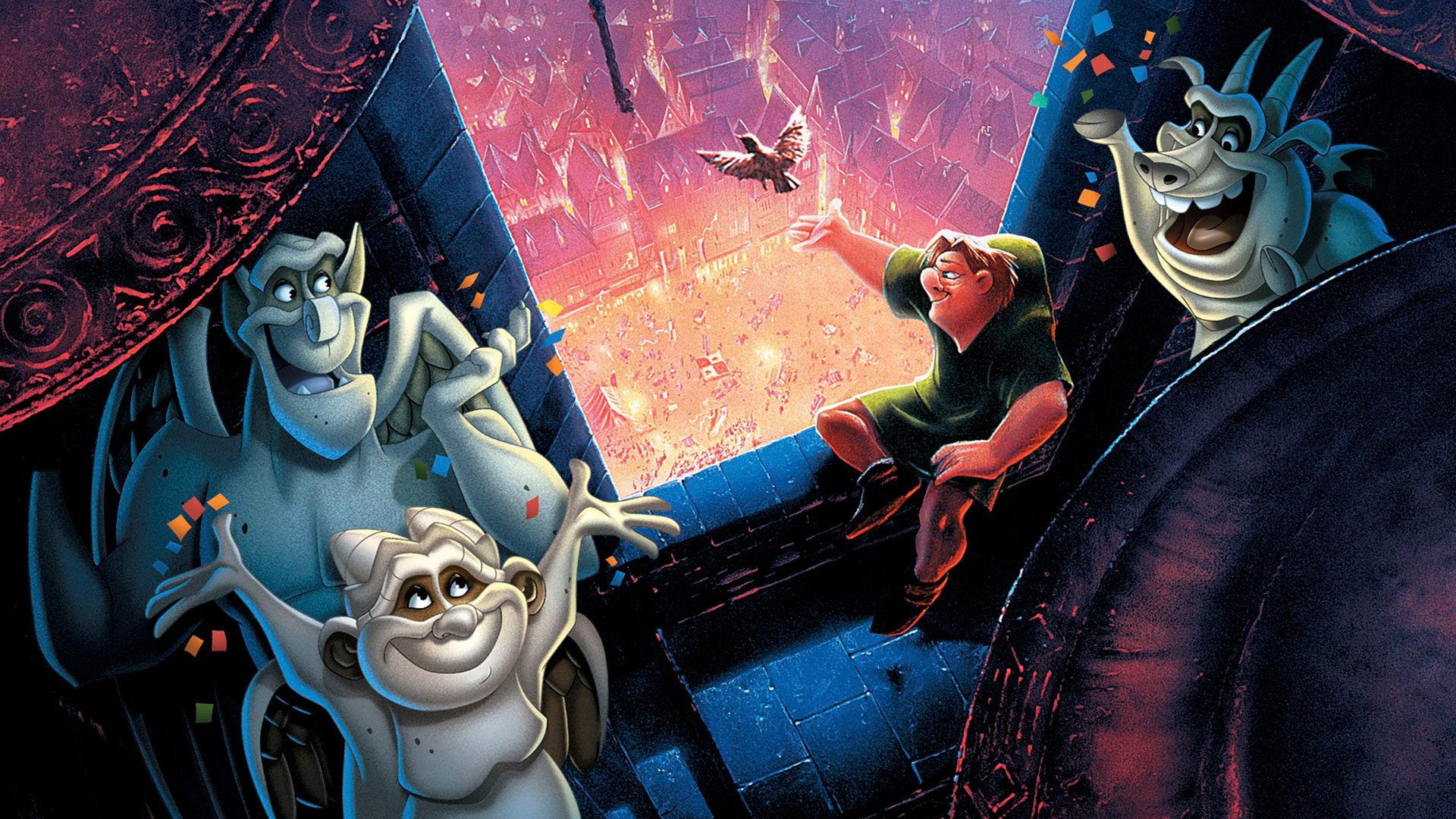
Then the gargoyles. Charles Kimbrough, Mary Wickes and Jason Alexander voice Victor, Laverne and Hugo, stone companions who come alive when Quasimodo is alone and, in ‘A Guy Like You’, perform a music-hall number while Paris burns outside the window. We sighed. Every time the film has gathered itself into something serious, they arrive to check whether we are still having fun. The screenplay is credited to five writers, and plays as if the film Trousdale and Wise wanted to make and the one the formula required were written on alternate days. Their songs are Menken’s weakest here; Frollo’s and Quasimodo’s are among his strongest.

The second half takes a turn we will not describe, except to say that Hugo’s ending has not survived the journey. The last ten minutes hurry to be kind to everyone, and after the fire and the sermonising, the kindness feels rushed.

Beauty and the Beast had one tone and kept it. This has two, and they take turns. It attempts more than the earlier film and finishes less, and we would still rather watch a studio try this than not. The certificate says U; we would say older children, with an adult nearby for Frollo. He will stay with them longer than the gargoyles, which is as it should be.
Critical consensus AI synthesised

63
Positive
5
Mixed
2
Negative
2

Most critics lean warm, and the praise gathers in two places: the animation, which nearly every review singles out for its cathedral set-pieces and the climactic assault on Notre Dame, and the film’s willingness to go darker than Disney usually dares. Frollo is the most consistently admired element, a villain several reviews find properly frightening, and the themes of lust, prejudice and acceptance are credited as unusually adult for the studio. Roger Ebert calls it the best Disney animated feature since Beauty and the Beast.

The reservations centre on what has been done to Hugo. Most reviews note that Quasimodo has been softened into a gentle everyman, and the joking gargoyles and cute sidekicks draw complaints for undercutting the tragedy. The New York Times and The New Yorker are the sharpest dissenters, finding the tone manic and the happy ending forced. The songs divide critics outright: Empire dismisses them, Radio Times finds them solid. The spread is wide, from raves to flat rejection.

RogerEbert.com
21 June 1996 · Roger Ebert
90*

The critic calls it the best Disney animated feature since Beauty and the Beast, praising its uplifting story, heart-touching message about acceptance, glorious animation, and energetic songs that blend substance with spectacle.

Read the full review →
Time Out
23 April 2014 · TJ
90*

The critic praises the film's dazzling technique, mature content and thematic sophistication as a Disney milestone that remakes the 1939 version while appealing especially to older children and adults. They highlight the strong visual set-pieces, chases and climactic assault on Notre Dame.

Read the full review →
Radio Times
★★★★ · Tom Hutchinson
80

This animated version is called one of the best 1990s Disney movies, darker and more adult than prior animations while still featuring mischievous gargoyles. Strong voice work from Tom Hulce, Demi Moore and Kevin Kline, plus solid songs and an Oscar-nominated score, are singled out.

Read the full review →
Empire
1 January 2000 · William Thomas
70*

The review finds the film a solid, enjoyable and beautifully animated Disney movie, though not quite in the top drawer, with a heart in the right place on themes of tolerance. It singles out the villain Frollo for strong praise as a complete bastard while criticising the songs as rubbish.

Read the full review →
Variety
17 June 1996 · Jeremy Gerard
70*

The review highlights the surprising darkness and visual achievements of the film despite its cuddly Disney makeover of the source material, commending the technical animation and risk-taking while noting simplifications to the story and a ludicrous ending.

Read the full review →
Los Angeles Times
21 June 1996 · Kenneth Turan
50*

The review praises the film's dark and adult elements, including a convincingly evil villain and themes of lust and prejudice, but criticizes the uneven mix with formulaic cute sidekicks and songs, noting Quasimodo has been softened into a sensitive everyman.

Read the full review →

Cast

Awards

Academy Awards, 1997

Nominated
Best Original Musical or Comedy Score

Satellite Award for Best Animated or Mixed Media Feature, 1997

Won
Satellite Award for Best Animated or Mixed Media Feature

Annie Award for Best Animated Feature, 1996

Nominated
Annie Award for Best Animated Feature

If you liked this, try…

The Hunchback of Notre Dame poster

The Hunchback of Notre Dame

1939 · Charles Laughton’s Quasimodo, and an ending Hollywood was still allowed to keep.

Beauty and the Beast poster91

Beauty and the Beast

1991 · The same directors, one tone kept from start to finish, and better-behaved sidekicks.

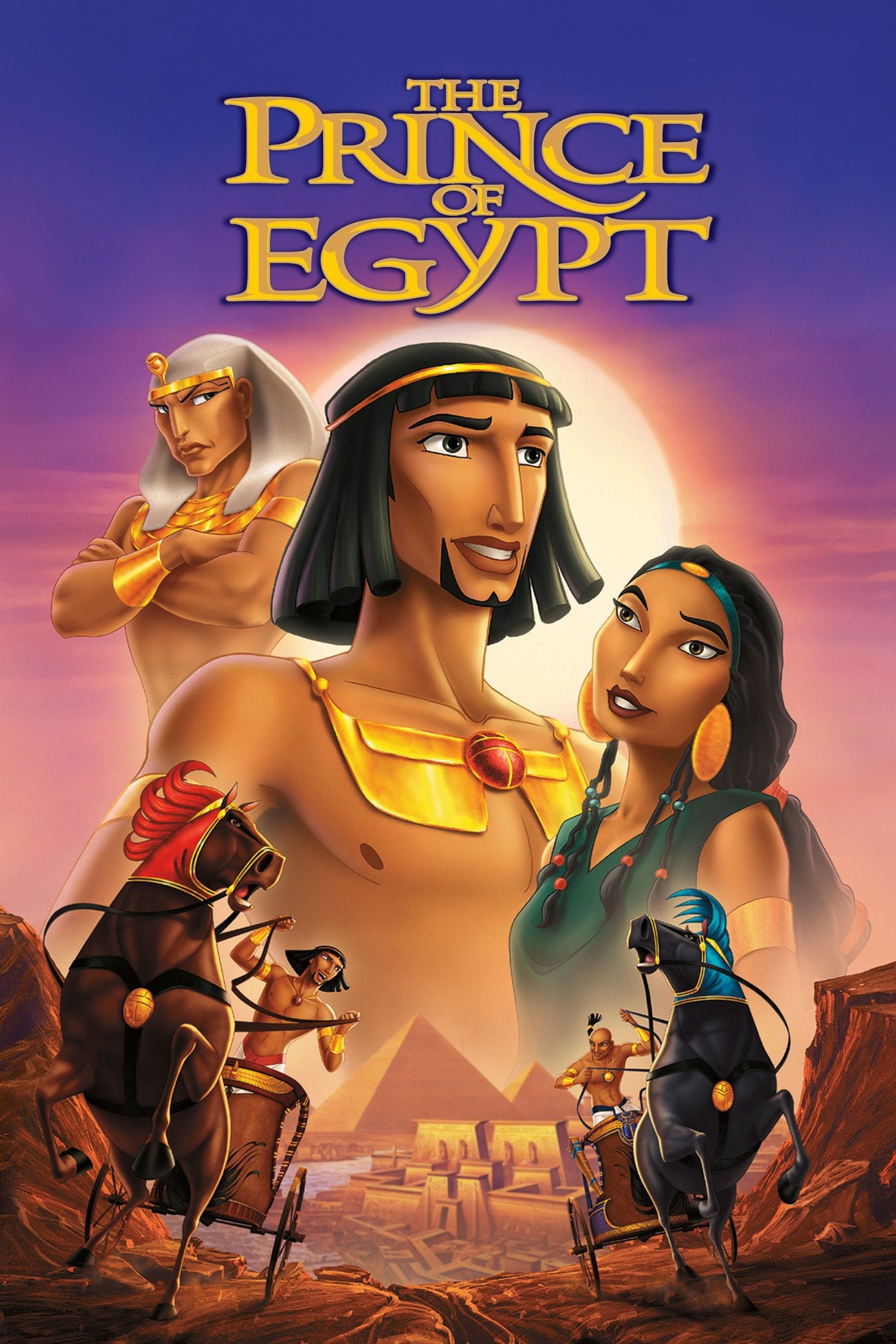
The Prince of Egypt poster74

The Prince of Egypt

1998 · Another cartoon that trusts children with a serious story and a serious choir.

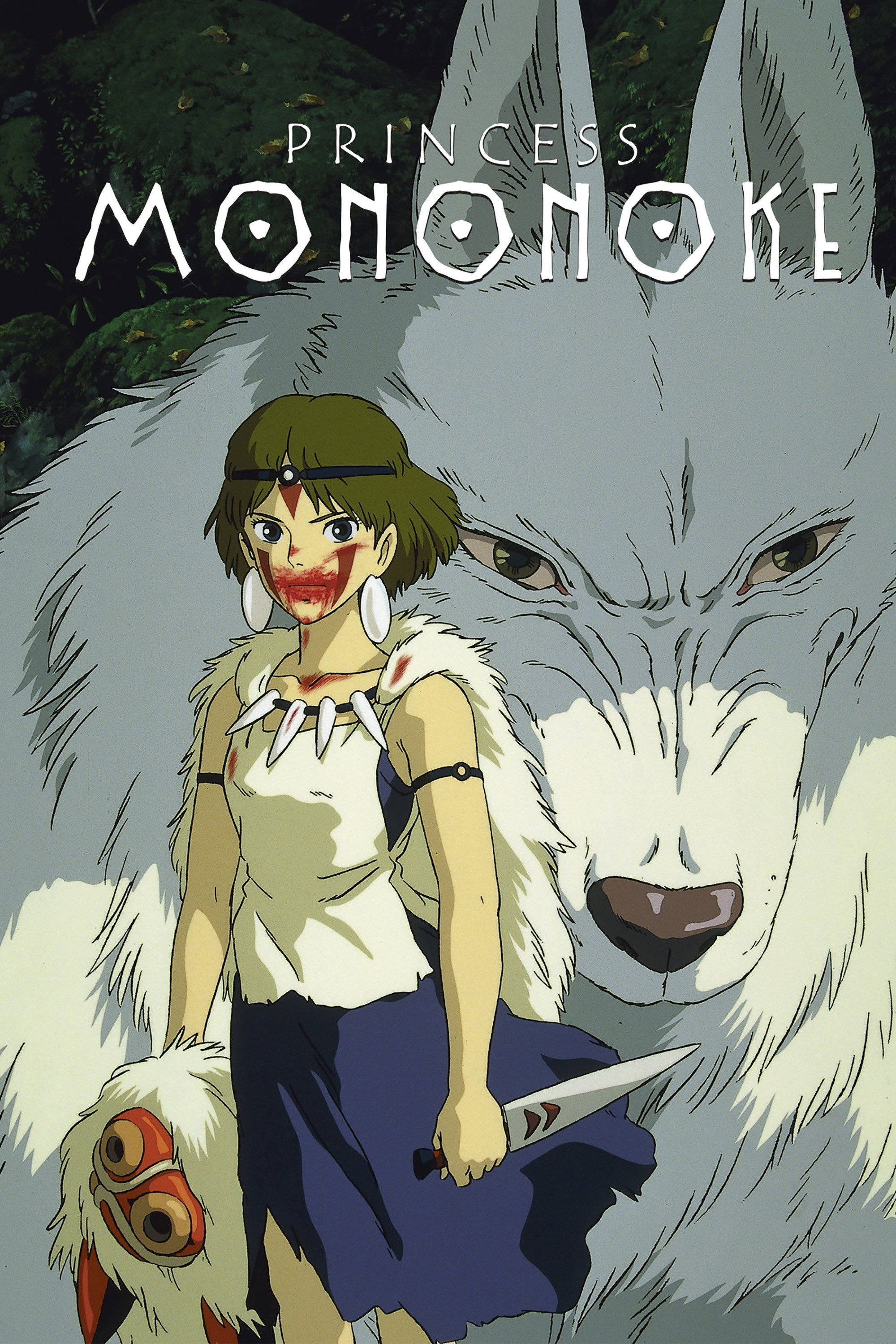
Princess Mononoke poster88

Princess Mononoke

1997 · Miyazaki’s outcasts and zealots, drawn with no gargoyles to soften anything.

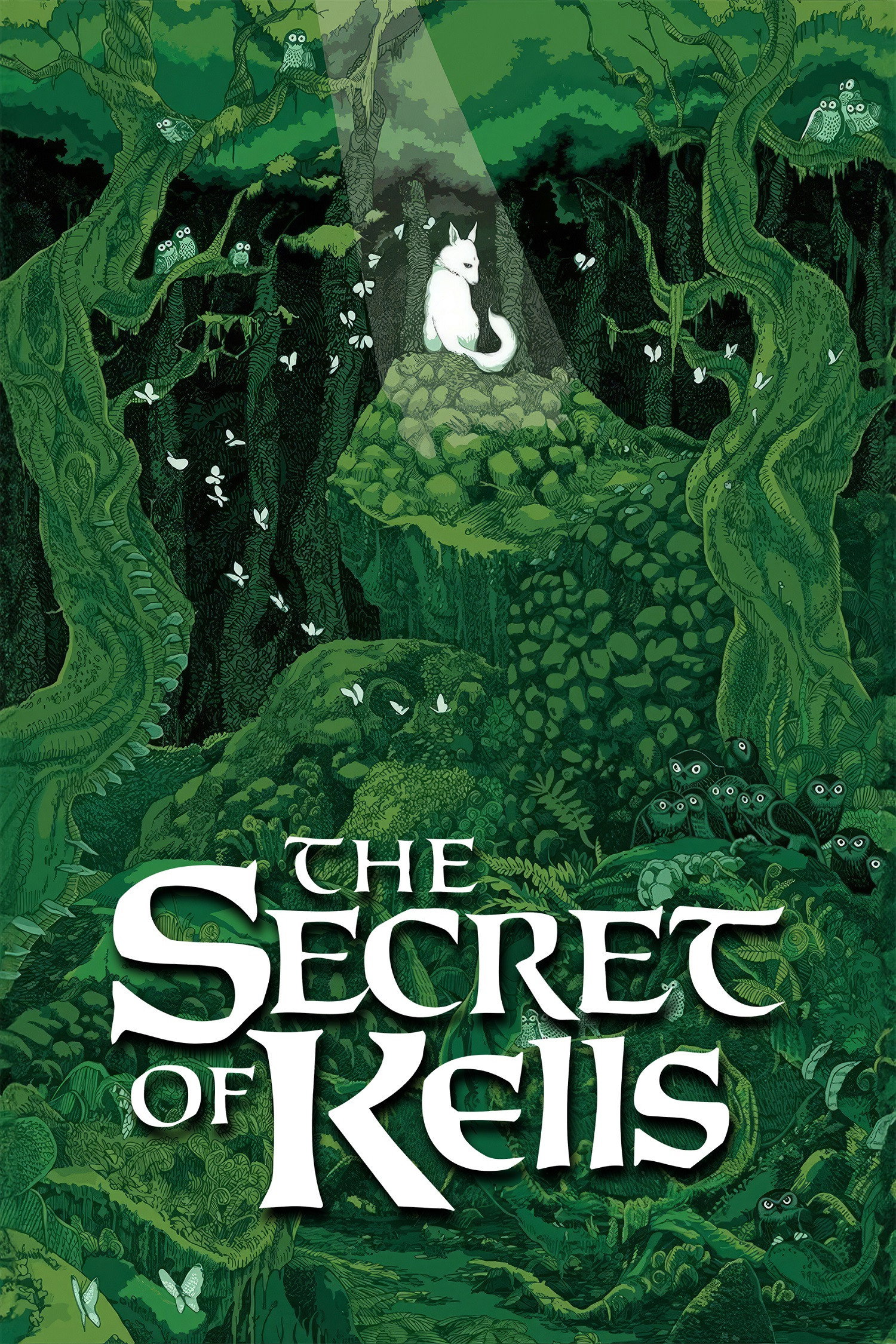
The Secret of Kells poster

The Secret of Kells

2009 · An Irish animation in which a building, and a book, matter as much as people.