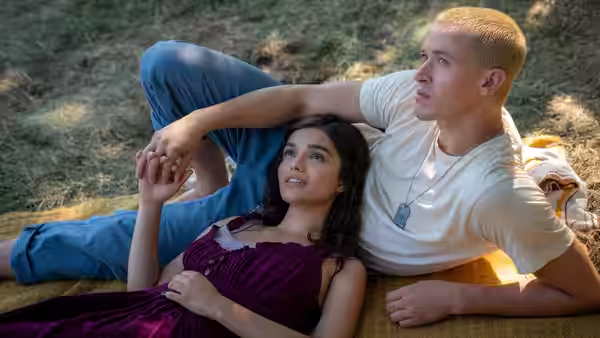
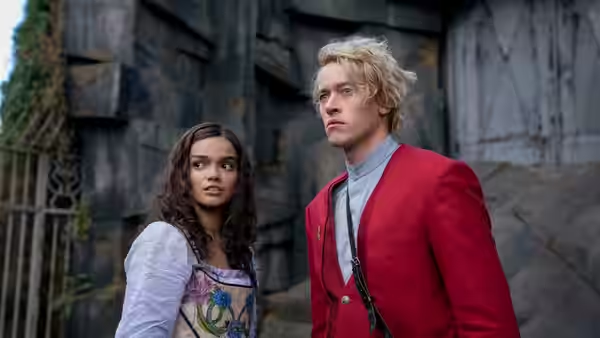
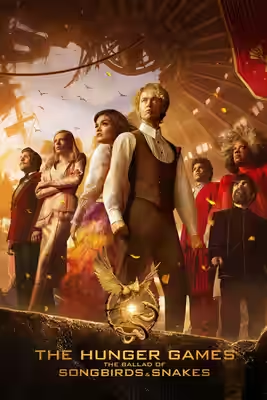
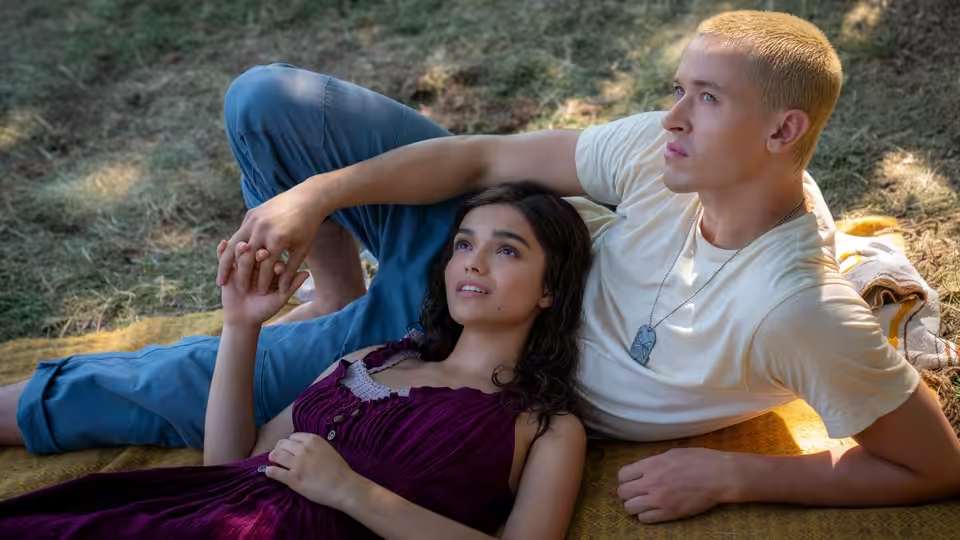
Coriolanus Snow (Tom Blyth) and Lucy Gray Baird (Rachel Zegler) lying together on a blanket outdoors
Film review

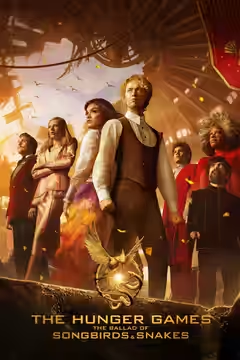
The Hunger Games: The Ballad of Songbirds & Snakes

2023 · Directed by Francis Lawrence · 2h 37m · RO 15

In a sentenceRachel Zegler sings, Viola Davis strokes a snake, and the last hour wanders out of the Capitol looking for an ending

Decades before Katniss Everdeen, the Capitol is preparing its tenth Hunger Games, a punishment so drab that few in Panem bother to watch. Coriolanus Snow (Tom Blyth), eighteen and the last of a once-powerful family, is broke and hiding it, and the Academy has just changed the rules: its students will mentor the tributes and be judged on how many people tune in. Snow is given the girl from District 12, Lucy Gray Baird (Rachel Zegler), a travelling singer who turns her reaping into a performance. Around them, Dean Highbottom (Peter Dinklage) waits for Snow to fail, Dr Volumnia Gaul (Viola Davis) runs the Games as an experiment, and Lucky Flickerman (Jason Schwartzman) hosts them for a nation that has stopped caring. Directed by Francis Lawrence from Suzanne Collins’s novel.

Plays from YouTube when you press play; nothing loads from them until then.

Fi1m review

Francis Lawrence’s prequel gives the young Snow a face, a cracked concrete arena and a singer to fall for, and for two acts it holds. Then it leaves the Capitol, and the last forty minutes cost it much of what it earned.

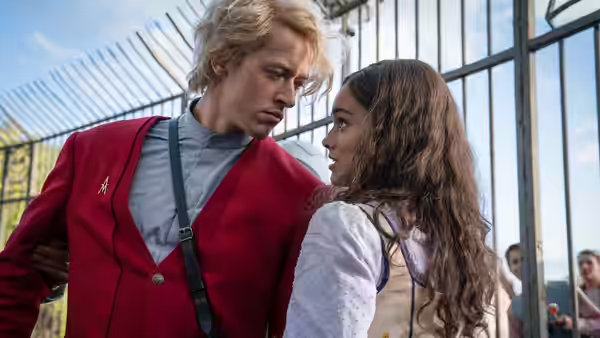
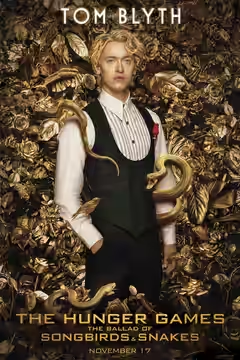
Francis Lawrence, who directed the last three Katniss films, goes back to the tenth Hunger Games and to a Coriolanus Snow who is eighteen, poor and hiding it. Tom Blyth plays him as a Capitol boy with a good coat and nothing under it: the family money is gone, the flat is cold, and his grandmother (Fionnula Flanagan) carries on as if none of that were true. The Games are a shabby, poorly watched affair, and the Academy assigns its brightest students to mentor the tributes and make them worth watching. Snow draws the girl from District 12, Lucy Gray Baird (Rachel Zegler), who answers her reaping by dropping a snake down a rival’s dress and singing to the cameras. He is told she is his way back to money, and the film watches him work out what else she might be.

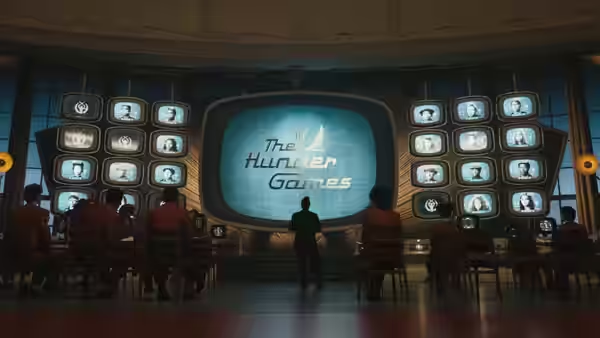
That is a good setup, and for two acts the film honours it. Michael Lesslie and Michael Arndt, adapting Suzanne Collins’s novel, keep the Capitol scenes short and unkind, and the unkindness is domestic: a dean who despises his pupils, a head gamemaker who feeds them to her ideas, a best friend (Josh Rivera’s Sejanus Plinth) whose conscience is a danger to everyone standing near him. Uli Hanisch builds a Capitol that has not yet learned to enjoy itself, grey stone and long tables and one gilded hall, and Trish Summerville dresses it in reds and blacks cut like uniforms. The arena is the film’s best idea: a bombed sports ground with the concrete still cracked, rubble in the stands and no camera clever enough to follow the killing. Jo Willems shoots it in flat daylight, so we see everything and none of it looks arranged.

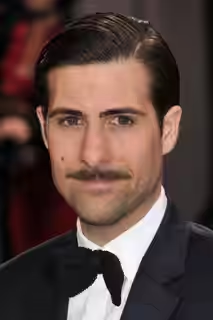
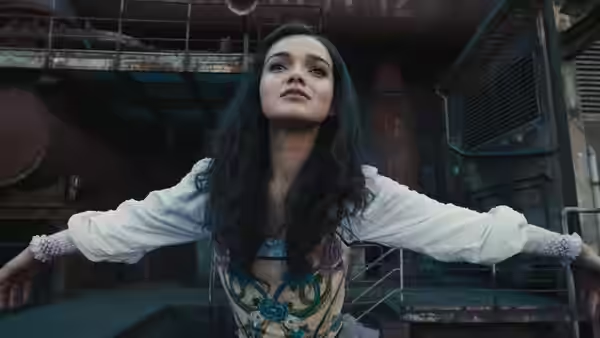
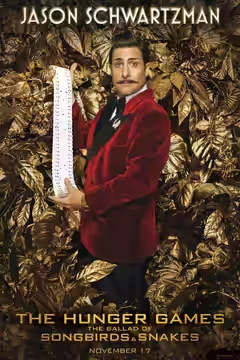
Blyth is good at the hard part, which is being likeable and untrustworthy in the same shot. He listens with his whole face and you can watch him file what he hears for later. Zegler sings several times, in a clear country voice with nothing behind it, and the first time she did it we noticed we had stopped taking notes. It is a plain, unguarded thing in a film where everyone else is guarding something, and it is the reason the romance works for as long as it does. Viola Davis plays Dr Gaul as a scientist who gave up on other people some years ago and is cheerful about it, and Jason Schwartzman’s Lucky Flickerman hosts the Games like a weatherman filling airtime, checking his notes to see how many children are left. He made us laugh, and then we heard ourselves laughing and stopped. Peter Dinklage’s Dean Highbottom drinks and glowers and has one scene of real bitterness that the film does too little with.

James Newton Howard’s score is quieter than the series has trained us to expect, brass held back for the arena and strings for Zegler, and it leaves room for the songs, which is the right call. Mark Yoshikawa cuts the fighting clean and fast; you always know where the tributes are and which of them are hurt.

Then the film leaves the Capitol. Collins wrote the novel in three parts and the film keeps that shape, so the third act takes Snow out to District 12 and slows to a walk. What had been a study of a boy choosing what he is becomes a run of conversations in which people tell him what he is. The romance, built on a handful of sharp scenes and a song, is asked to carry an hour it was never written for. We looked at our watch, and then felt bad about it, because the actors were still working. Snow arrives where the older films tell us he must, but the road is so heavily signposted that arriving is a formality.

At 157 minutes it is half an hour longer than it needs to be, and the spare half-hour is all in one place. Against the series’ own record it sits below the 2012 original, which trusted its arena more and its speeches less, and above the two-part Mockingjay, which had a worse case of padding and nobody to sing through it.

We would send anyone who liked the books, and anyone who enjoys watching a good actor be quietly awful. Watch it at home, with the kettle on around the two-hour mark; a cup of tea will not hurt the third act and may help your patience. It carries a 12A, which given what happens in that arena is about right.
Critical consensus AI synthesised

63
Positive
7
Mixed
8
Negative
3

Most critics find this prequel a respectable return rather than a triumphant one, and the reviews lean mixed rather than warm. Where they agree is on the cast. Tom Blyth and Rachel Zegler’s chemistry is praised almost everywhere, and Viola Davis and Jason Schwartzman are singled out so often for their supporting turns that they come close to being the consensus highlight. The costumes and architecture earn approval too, and several reviews credit the film with taking the villain’s origin seriously rather than treating it as franchise filler.

The reservations cluster on length and pacing. Many find the first half sturdy and the final third overstuffed or rushed, and doubt that Snow’s slide into darkness is made to track on screen. Some miss Jennifer Lawrence. The spread is wide: IndieWire calls it the best film in the series, while The Hollywood Reporter finds it dour and lumbering, with Empire and the Evening Standard closer to the latter.

IndieWire
9 November 2023 · A · David Ehrlich
95

The critic calls it the rare Hollywood prequel that towers over the rest of its franchise and the best dystopian YA movie, praising its attempt to trace President Snow’s sociopathy back to its roots as making this intimate epic stand out.

Read the full review →
Radio Times
14 November 2023 · ★★★★ · Dave Golder
80

This bleak prequel impresses as a committed character study of young Snow's rise rather than a standard YA blockbuster, with a strong cast and emotional core. Pacing and tone issues, plus an uneven final third, prevent it from being fully satisfying.

Read the full review →
Variety
9 November 2023 · Peter Debruge
80*

The critic finds it a compelling backstory that expands the canon, balancing blood sport, young love, and political commentary, with strong chemistry between leads, though the film is half an hour too long.

Read the full review →
Screen Daily
9 November 2023
65*

The prequel offers a muddled but grimly compelling portrait of young Snow's turn to darkness, with fetching leads and thoughtful execution of its villain origin story. It lacks the magnetic presence of prior entries but enlivens the universe with new narrative turns.

Read the full review →
The AV Club
10 November 2023 · C+ · Eric Francisco
63

The critic describes it as a sappy Romeo and Juliet riff that squanders a potentially rich premise on a stock-issue tragic romance, though it remains semi-competent as fluff with believable chemistry between leads and deft direction in places.

Read the full review →
The Guardian
19 November 2023
60*

The critic finds the prequel visually striking with impressive costumes and architecture, but considers the story undercooked and the central characters underdeveloped. Supporting turns by Viola Davis and Jason Schwartzman are highlighted as highlights.

Read the full review →

Straight answers AI written, from our review

Is The Hunger Games: The Ballad of Songbirds & Snakes worth watching?
The Hunger Games: The Ballad of Songbirds & Snakes is worth watching for anyone who liked the books or enjoys watching a good actor be quietly awful, and we scored it 61. Tom Blyth's young Snow, Rachel Zegler's songs and the cracked concrete arena carry two strong acts. The last hour leaves the Capitol and slows to a walk, and it costs the film much of what it earned.
How long is The Hunger Games: The Ballad of Songbirds & Snakes, and what is it rated?
The Hunger Games: The Ballad of Songbirds & Snakes runs 2h 37m and is rated 15 by the RO in Romania. It is a science fiction and action film.
Where can I watch The Hunger Games: The Ballad of Songbirds & Snakes in Romania?
The Hunger Games: The Ballad of Songbirds & Snakes is not on any streaming or rental service in Romania at the moment. It is available in 1 other country; change your country at the top of the page to see where. Availability is checked daily.
How violent or frightening is The Hunger Games: The Ballad of Songbirds & Snakes, and is it suitable for children?
The Hunger Games: The Ballad of Songbirds & Snakes carries a UK 12A, which given what happens in its arena is about right: children kill each other in a bombed sports ground, shot in flat daylight so you see everything. There is no gore the certificate would not allow, but the tone is unkind and the deaths are treated seriously. Fine for teenagers; younger children may find the arena scenes distressing.
How does The Hunger Games: The Ballad of Songbirds & Snakes compare to Battle Royale?
The Hunger Games: The Ballad of Songbirds & Snakes is the glossier, longer and gentler film; Battle Royale is the blunt ancestor, with schoolchildren on an island, no mentors and far more frightening cruelty. Fukasaku's film is the better of the two, though its flashbacks labour the point. Choose the prequel for a Capitol villain's origin and a romance with songs; choose Battle Royale if you can take the genre without cushioning.
Is The Hunger Games: The Ballad of Songbirds & Snakes based on a true story or a book?
The Hunger Games: The Ballad of Songbirds & Snakes is not a true story; it is adapted from Suzanne Collins's novel of the same name, a prequel to her Hunger Games trilogy. The film keeps the book's three-part shape, which is why the third act moves out to District 12 and slows. You do not need to have read it, but readers of the books will get the most from it.
What should I watch after The Hunger Games: The Ballad of Songbirds & Snakes?
After The Hunger Games: The Ballad of Songbirds & Snakes, try The Hunger Games (2012, Fi1m 70): The original arena, handheld and frightened, before the series learned to spend money. Then Battle Royale (2000, Fi1m 83): Japanese schoolchildren, one island, no mentors; the blunt ancestor of the whole genre; and Cabaret (1972, Fi1m 88): A singer performs while a state hardens around her, and nobody gets out clean.

Cast

If you liked this, try…

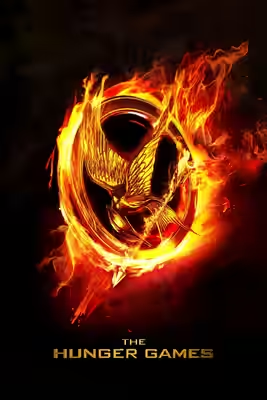
  1. The Hunger Games (2012, Fi1m 70)The original arena, handheld and frightened, before the series learned to spend money.

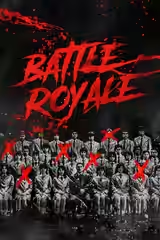
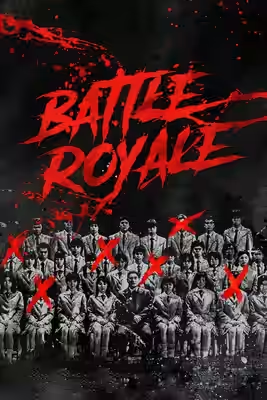
  2. Battle Royale (2000, Fi1m 83)Japanese schoolchildren, one island, no mentors; the blunt ancestor of the whole genre.

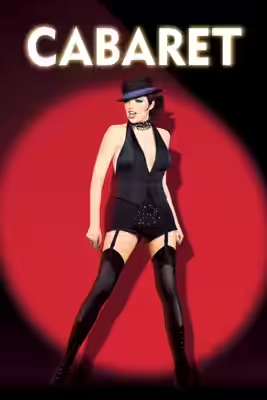
  3. Cabaret (1972, Fi1m 88)A singer performs while a state hardens around her, and nobody gets out clean.

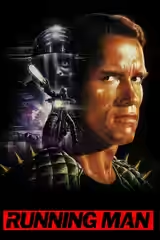
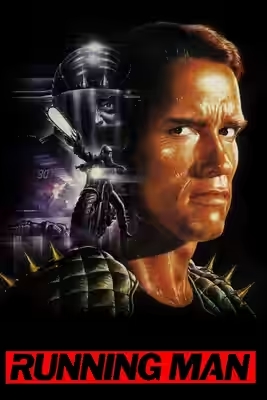
  4. The Running Man (1987) · not reviewed yetRichard Dawson hosts death as light entertainment; Flickerman’s grandfather, in effect.

  5. Series 7: The Contenders (2001) · not on Fi1m yetKilling as reality television, shot to look exactly like it, on almost nothing.

Free account

Know what to watch tonight

Two lists that know where things are streaming, collections you can share, your own score beside ours, and Discover that remembers what you have seen.

  • Want to see, sorted by what is streaming now
  • Seen, with your score out of ten
  • No adverts, ever