Film review

The Krays

1990 · Directed by Peter Medak · 1h 59m · MPA R

In a sentenceThe Kray twins are frightening, but we would be more careful around their mother

DramaCrimeHistory

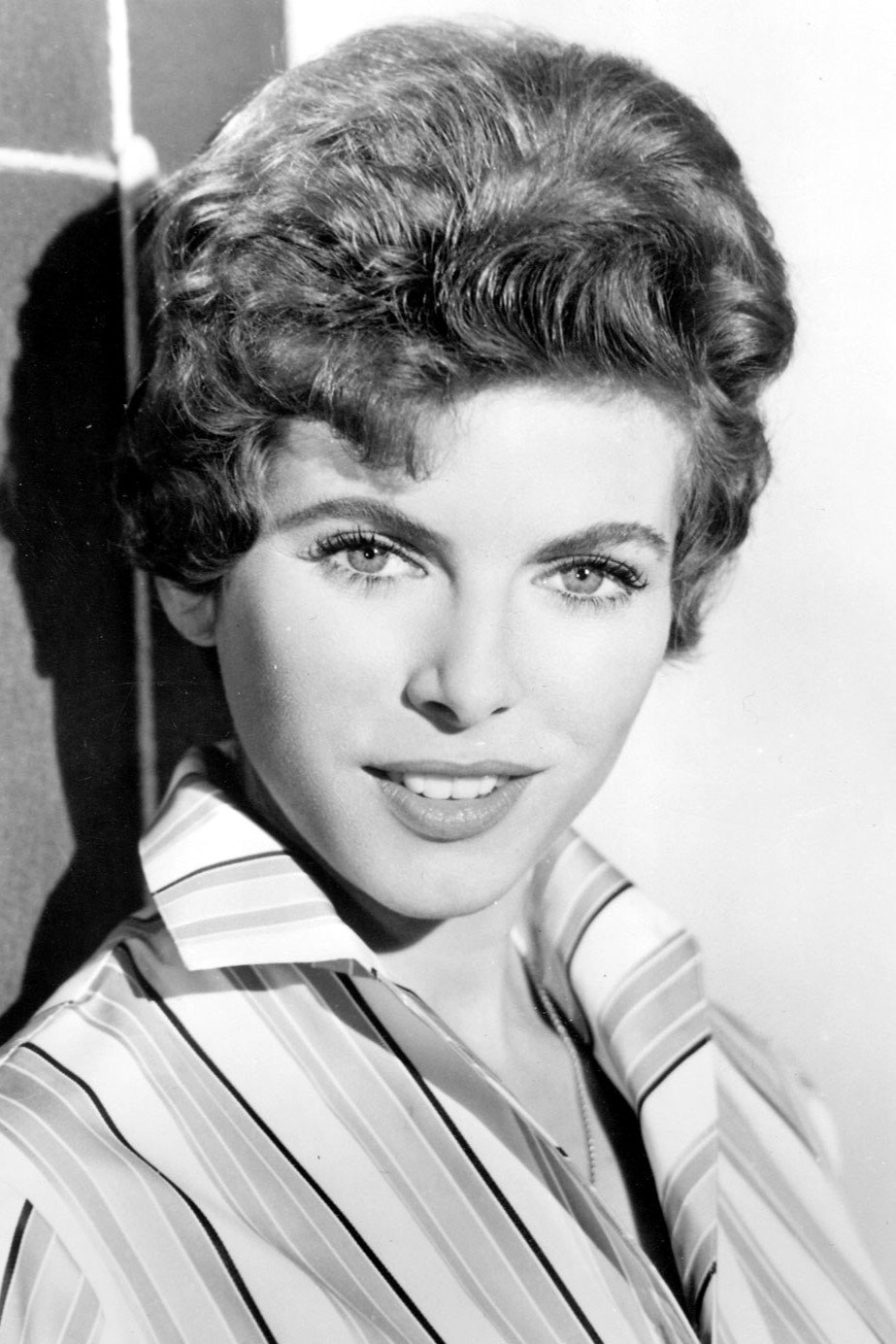
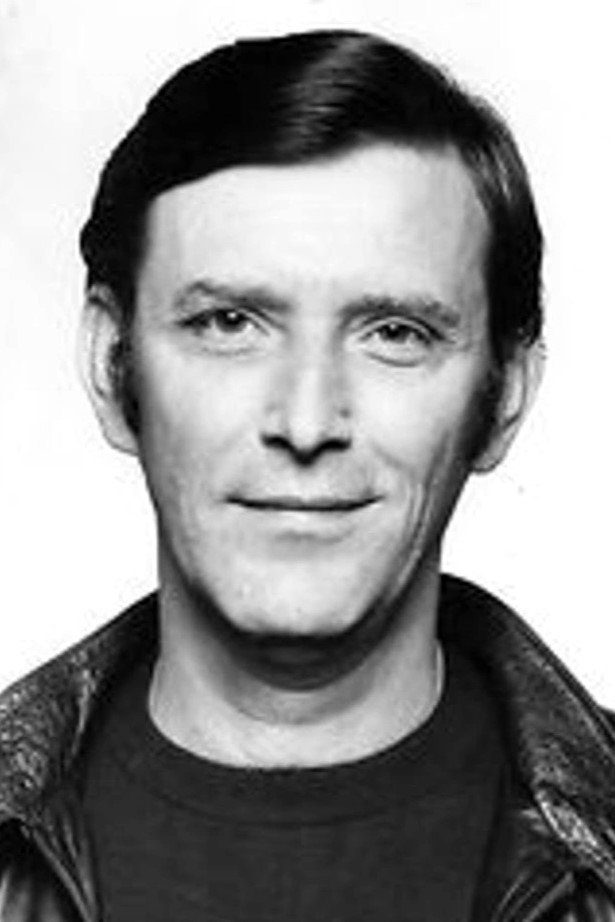
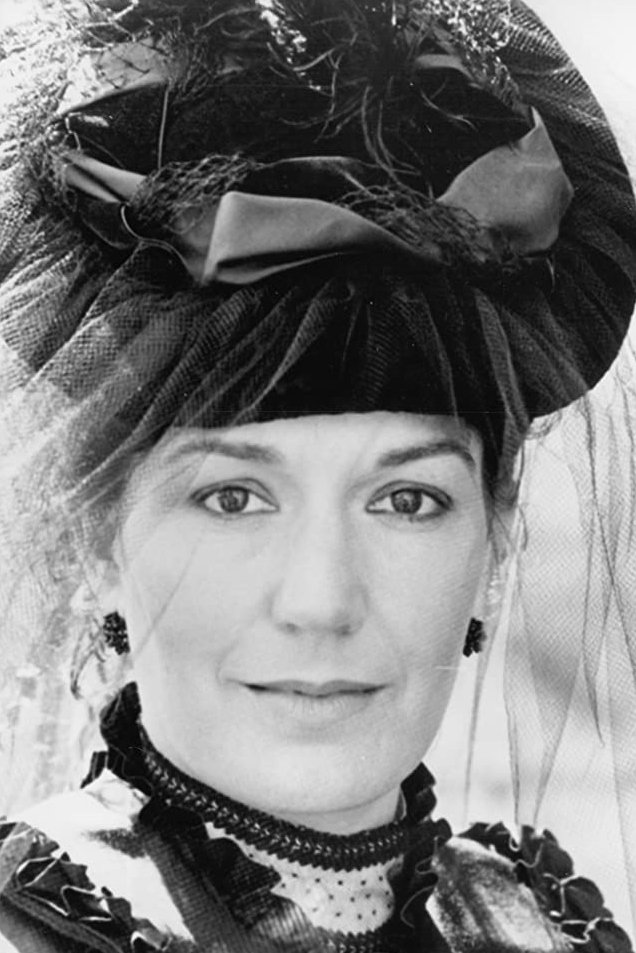
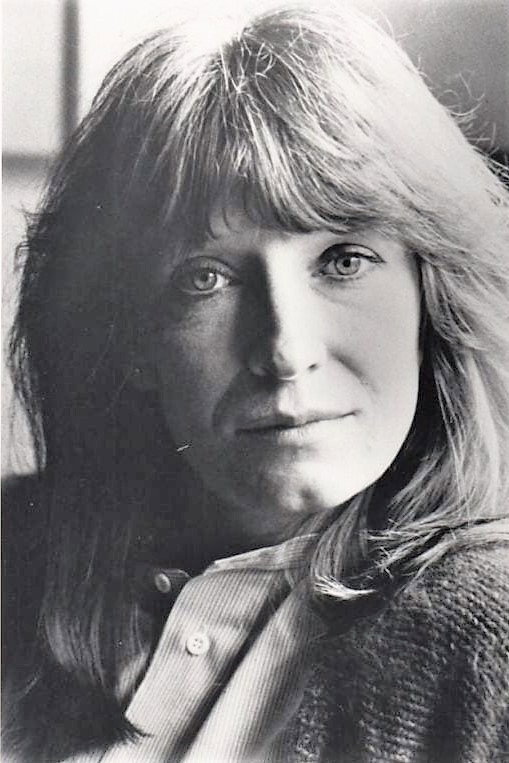
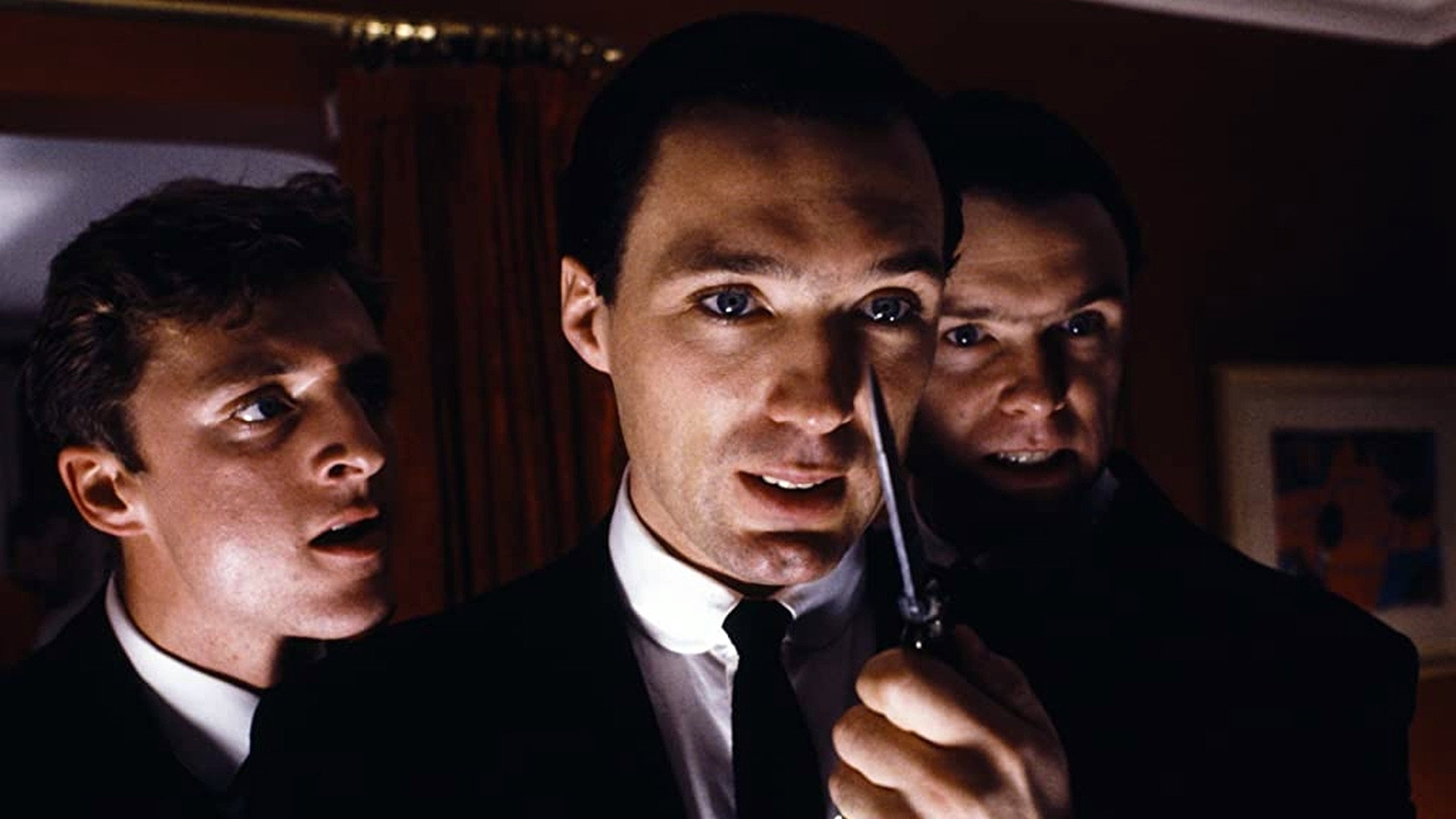
Gary Kemp and Martin Kemp play Ronald and Reggie Kray, twin gangsters whose devotion to their mother, Violet (Billie Whitelaw), shapes their lives. Peter Medak’s film follows the brothers through a story of violence and family loyalty, giving their home life as much attention as their criminal activities. Their relationship with Violet places her at the centre of an account concerned with the family surrounding the men as well as the men themselves. Tom Bell plays Jack ‘The Hat’ McVitie, with Kate Hardie as Frances and Steven Berkoff as George Cornell.

Fi1m review

Peter Medak’s The Krays is worth seeing for the Kemp brothers and Billie Whitelaw, who make its family scenes unsettling. The performances hold our attention when the psychology grows repetitive and the criminal threat feels remote.

Peter Medak’s The Krays is worth seeing for its uncomfortable attention to family life and the performances that make it credible. Philip Ridley’s screenplay treats the brothers’ devotion to their mother as central to understanding them, rather than an incidental detail in a criminal biography. That gives Medak something more interesting to explore than the usual gangster self-importance. It also creates the film’s chief limitation: the same explanation keeps returning when we need to learn something else about these men.

Gary Kemp plays Ronald and Martin Kemp plays Reggie, and both understand the value of not doing too much. Their stillness discourages the easy enjoyment that a swaggering gangster performance can offer, without making either man consistently frightening. Gary is particularly effective at making a blank expression seem deliberate, as though Ronald has no reason to explain himself to anyone else. There are stretches when that restraint becomes merely flat, but both actors hold our attention without needing to advertise how dangerous their characters are.

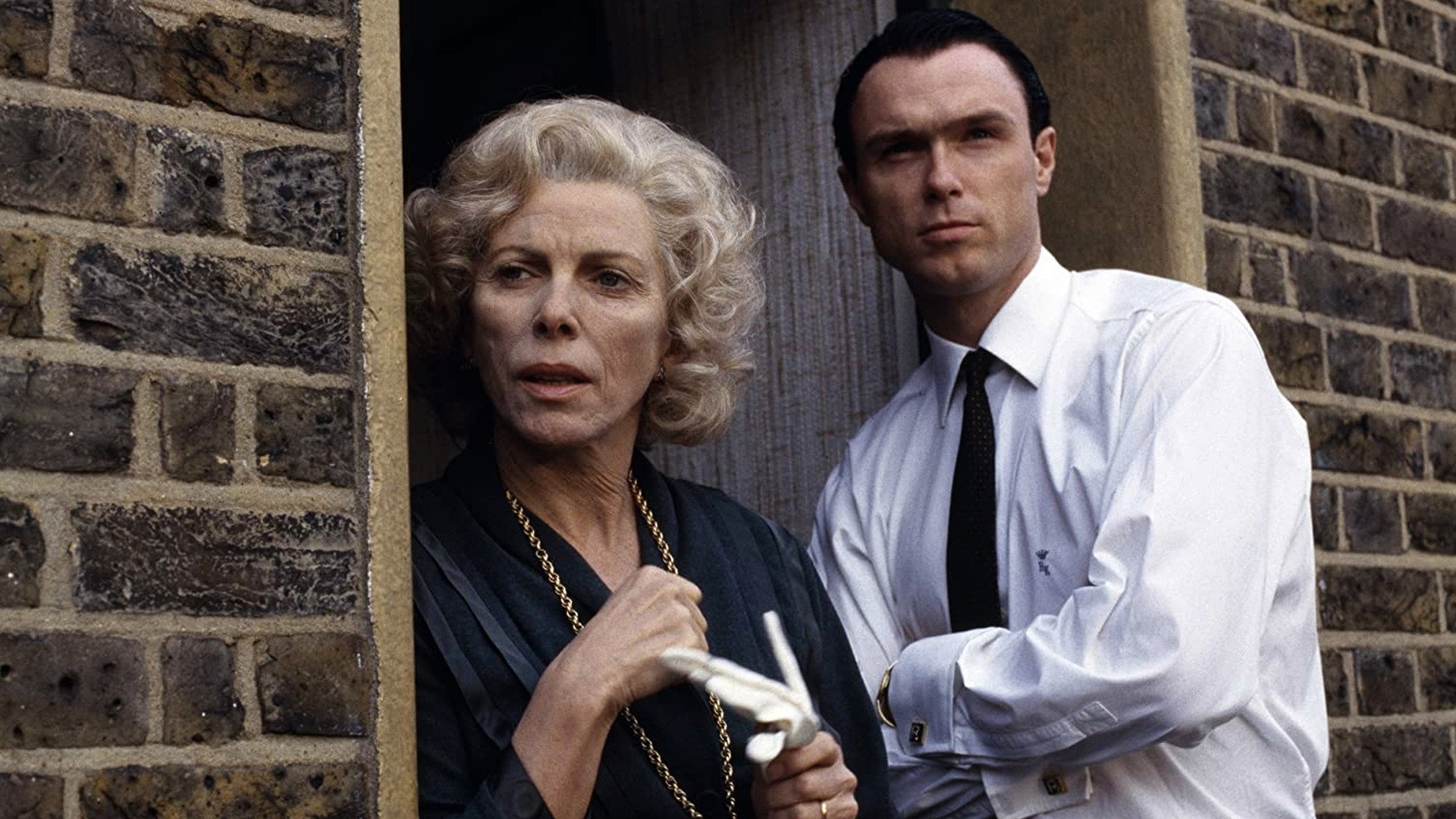
Billie Whitelaw’s Violet gives those performances someone to respond to, and the film becomes sharper around her. We were unsettled by the twins’ devotion to their mother. Whitelaw makes Violet’s authority so credible that the brothers’ attachment feels ordinary within the family, even as it makes their behaviour outside it harder to take. She does not need to compete with the men’s violence to command our attention. The domestic scenes provide the strongest reason to keep watching.

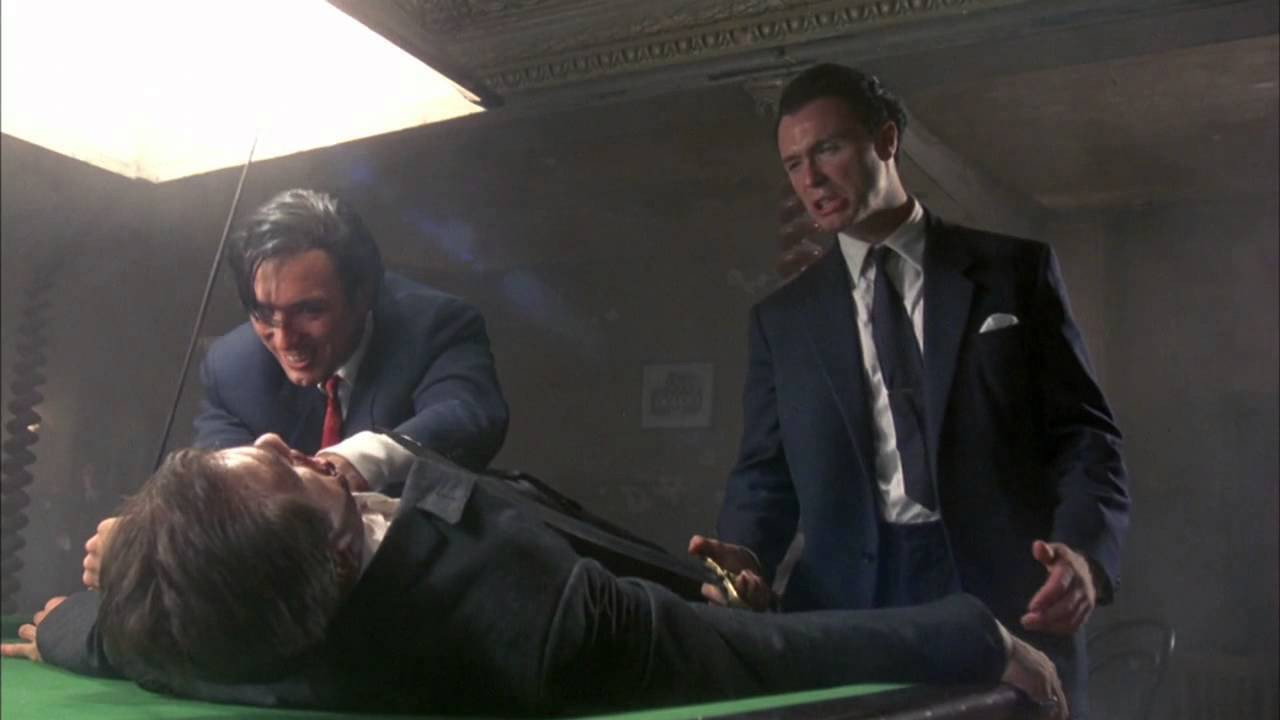
Alex Thomson’s cinematography helps sustain Medak’s eerie mood, though the polished presentation of violence sometimes draws attention away from its ugliness. The images are so carefully considered that the brutality can seem safely contained within them. Michael Kamen’s music suits this sombre approach without doing enough to sharpen the threat. Taken together, the photography and music make the film persistently uneasy, but that consistency becomes tiring when so little changes in the way a scene affects us.

Martin Walsh’s editing does too little to vary the film’s increasingly repetitive rhythm. Once the family relationships are established, too many passages seem to confirm what we already understand about them. At 119 minutes, that becomes a substantial weakness, particularly when Ridley’s psychological explanations start making the brothers seem simpler rather than more comprehensible. Devotion to a mother can tell us something about a violent man without accounting for everything he does. The script puts too much responsibility on Violet, and even Whitelaw cannot make every implication convincing.

Against the gangster film’s familiar pleasures, Medak’s reluctance to make the brothers enjoyable company is welcome. There is no need for a crime film to send us away quoting its criminals, and the Kemps’ guarded performances resist that temptation. But fear ought to replace the missing charm, and here it arrives unevenly; the family scenes can disturb more than the violence. For those interested in crime drama, there is enough here to justify the evening. Go for Whitelaw, and allow for a film that takes longer than it should to make its point.

Critical consensus AI synthesised

68
Positive
3
Mixed
3
Negative
0

The reviews lean towards approval, with praise centred on the performances and the decision to approach the Kray twins through family life rather than familiar gangster conventions. Most critics find Martin and Gary Kemp convincing, while Billie Whitelaw’s portrayal of their mother receives particular praise. The twins’ attachment to her gives the film a focus that several reviewers find unsettling, and Medak’s handling of eccentric behaviour and domestic tensions earns more approval than the depiction of criminal life.

The reservations concern pace, psychological depth and menace, with opinion ranging from enthusiastic to mixed rather than outright hostile. Variety finds the atmosphere chilling but the film monotonous; Empire praises the screenplay yet finds little darkness beneath the violence. The Los Angeles Times offers the sharpest dissent, arguing that the Freudian explanations are superficial and the violence too artfully presented. The main divide is over how disturbing the film manages to be.

Radio Times
★★★★ · John Ferguson
80

An intelligent biopic of the Kray twins that avoids glamorising their violence in favour of exploring their complex personalities. It benefits from surprisingly convincing lead turns by Martin and Gary Kemp and a standout performance from Billie Whitelaw as their mother.

Read the full review →
The New York Times
9 November 1990 · Janet Maslin
80*

The critic finds the film spooky and transfixing, highlighting its focus on the twins' intense devotion to their mother as a key element shaping their story. She praises Medak's effective use of eccentric and chilling elements in portraying the gangsters.

Read the full review →
Time Out
10 September 2012 · SGr
70*

Medak's biopic avoids standard cop-gangster clichés by rooting the twins' story in family dynamics and home life as much as the streets. It delivers strong performances from the Kemp brothers and vivid cameos, proving better than anticipated though not in the league of top gangster films.

Read the full review →
Empire
1 January 2000 · Owain Yolland
65*

The critic finds the performances solid, particularly Gary Kemp as Ronnie Kray and the strong supporting cast including Billie Whitelaw, and praises the intelligent, well-researched screenplay. However, the film is faulted for lacking any real sense of darkness or menace despite its violent subject matter.

Read the full review →
Variety
31 December 1989 · Variety Staff
60*

It describes the biopic as chilling but somewhat monotonous, praising the exploration of the twins' psychosexual warping, the mother's role, and the Kemps' deadeyed performances, while noting the director's skill in creating an eerie atmosphere.

Read the full review →
Los Angeles Times
9 November 1990 · Peter Rainer
50*

The review notes that despite being draggy and monotonous, the film draws strength from real-life origins but criticizes its superficial Freudian explanations and aestheticization of violence, ultimately calling it a classy freak show.

Read the full review →

Cast

Stills

If you liked this, try…

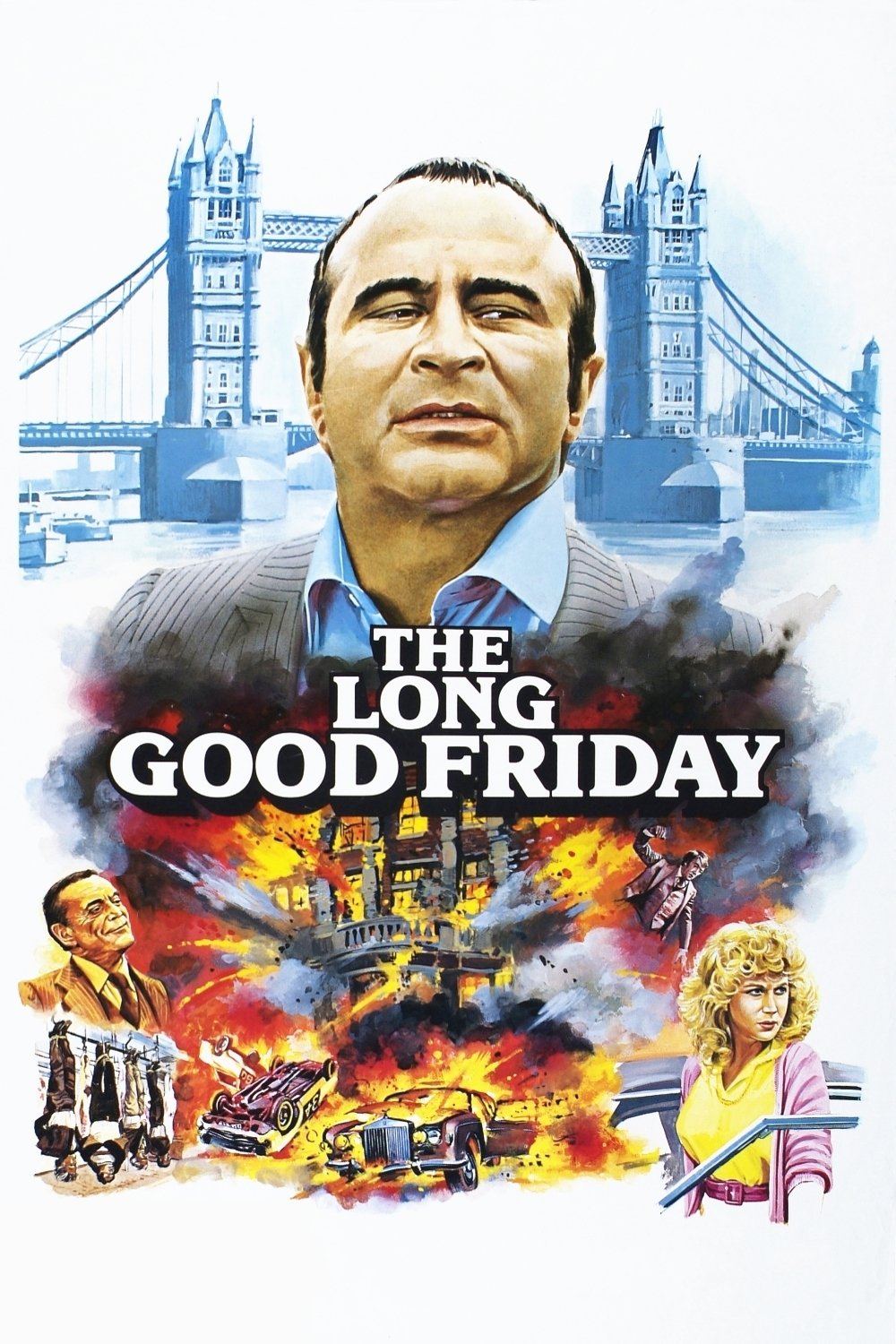
The Long Good Friday poster88

The Long Good Friday

1980 · For a British crime story with a stronger sense of mounting danger.

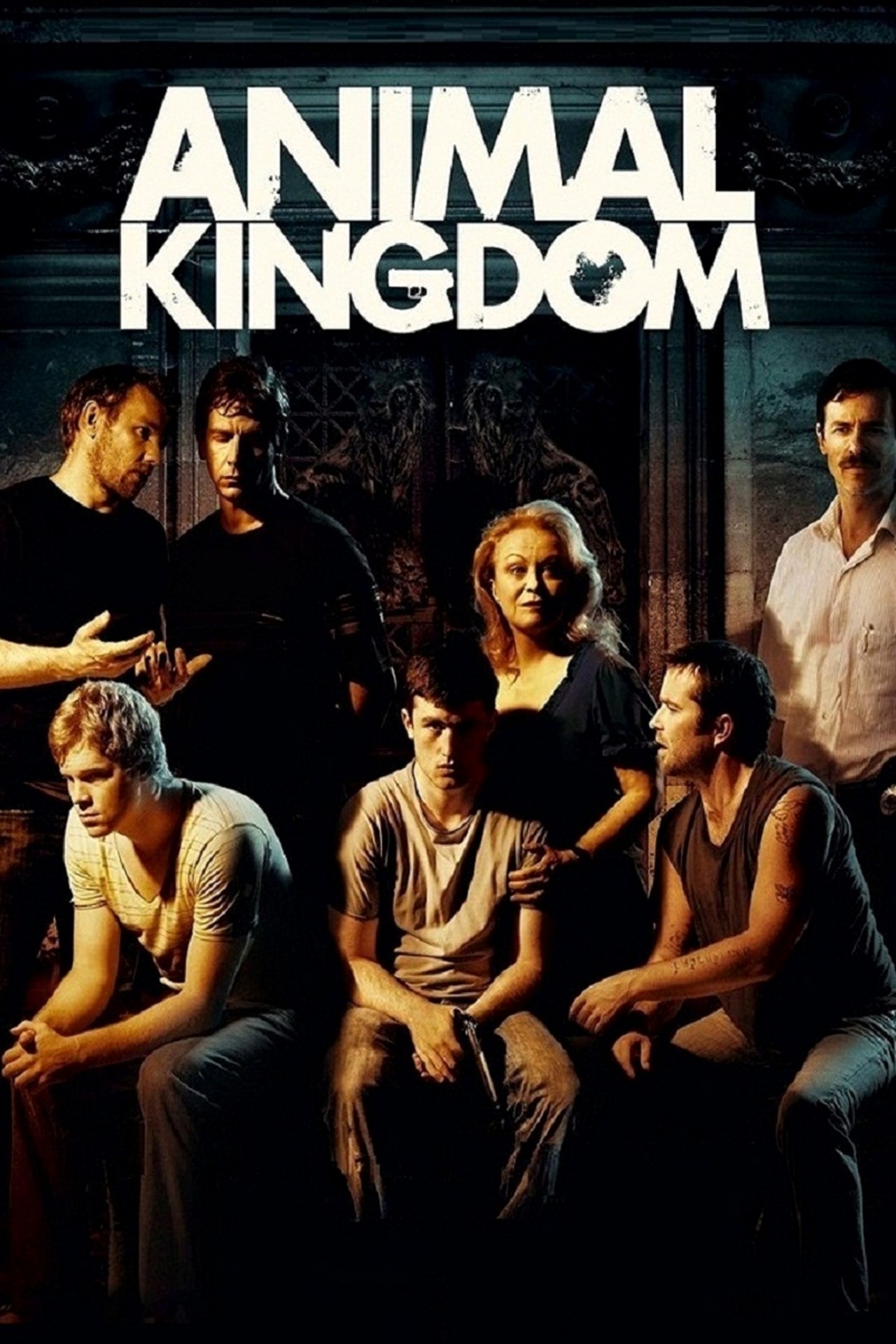
Animal Kingdom poster

Animal Kingdom

2010 · Another criminal family whose maternal authority makes the home a frightening place.

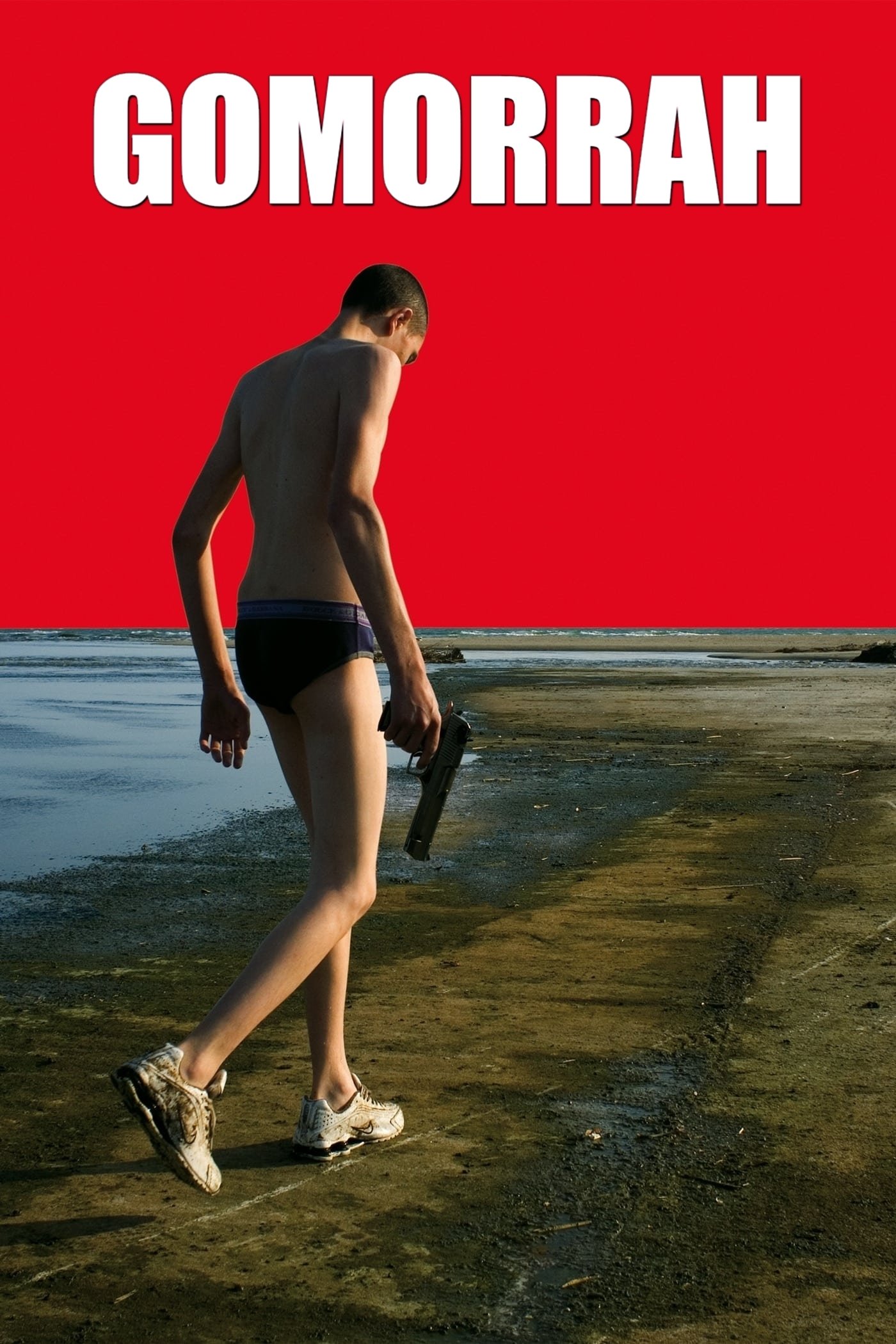
Gomorrah poster

Gomorrah

2008 · A colder account of organised crime, with little patience for gangster grandeur.

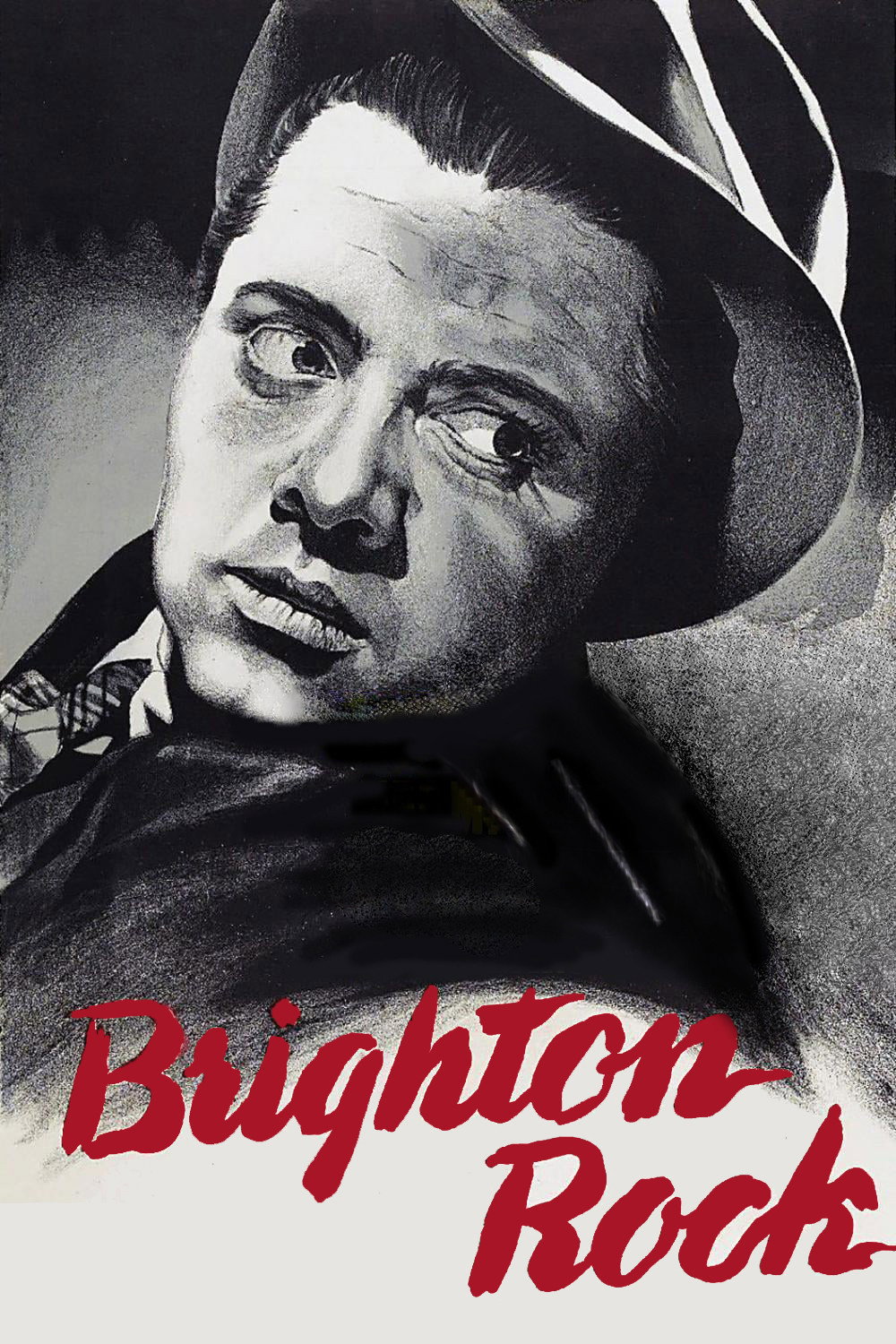
Brighton Rock poster

Brighton Rock

1948 · For young criminal cruelty and a more concentrated, persistent sense of dread.

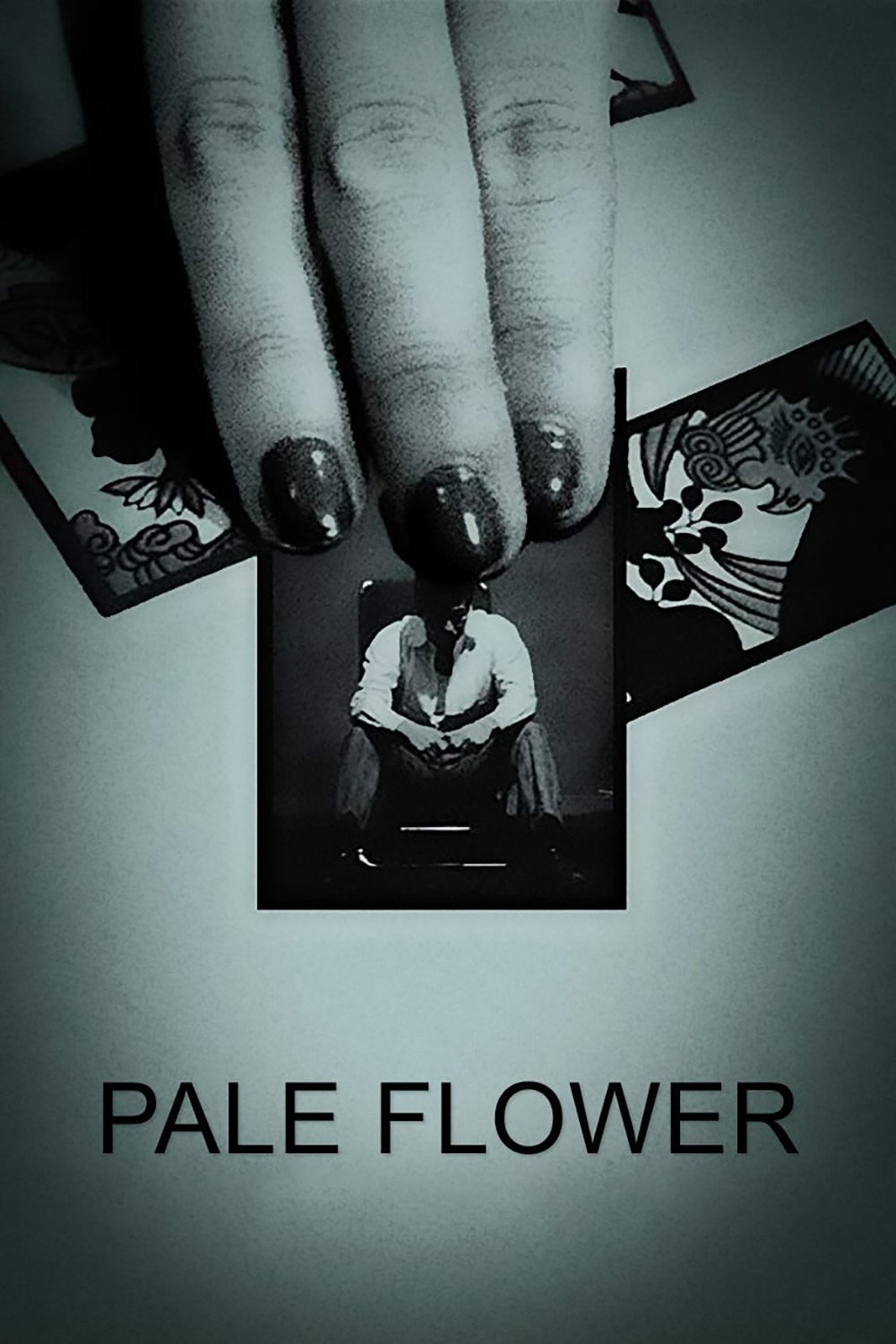
Pale Flower poster

Pale Flower

1964 · A more austere study of criminal detachment, with danger beneath the composure.