The Lion King earns its grandeur through expressive animation and a voice cast that gives the family drama weight. Its lessons can be overbearing, but the wit and feeling make this an easy recommendation.
Roger Allers and Rob Minkoff ask a fair amount of a family audience in The Lion King: attention to loss, a willingness to think about responsibility, and some patience with being told what matters. It is a fine animated drama, funny enough to survive its habit of explaining the lesson. The seriousness gives the story weight, even when the film grows pleased with its own wisdom. There is enough warmth in the performances to make the family relationships matter.
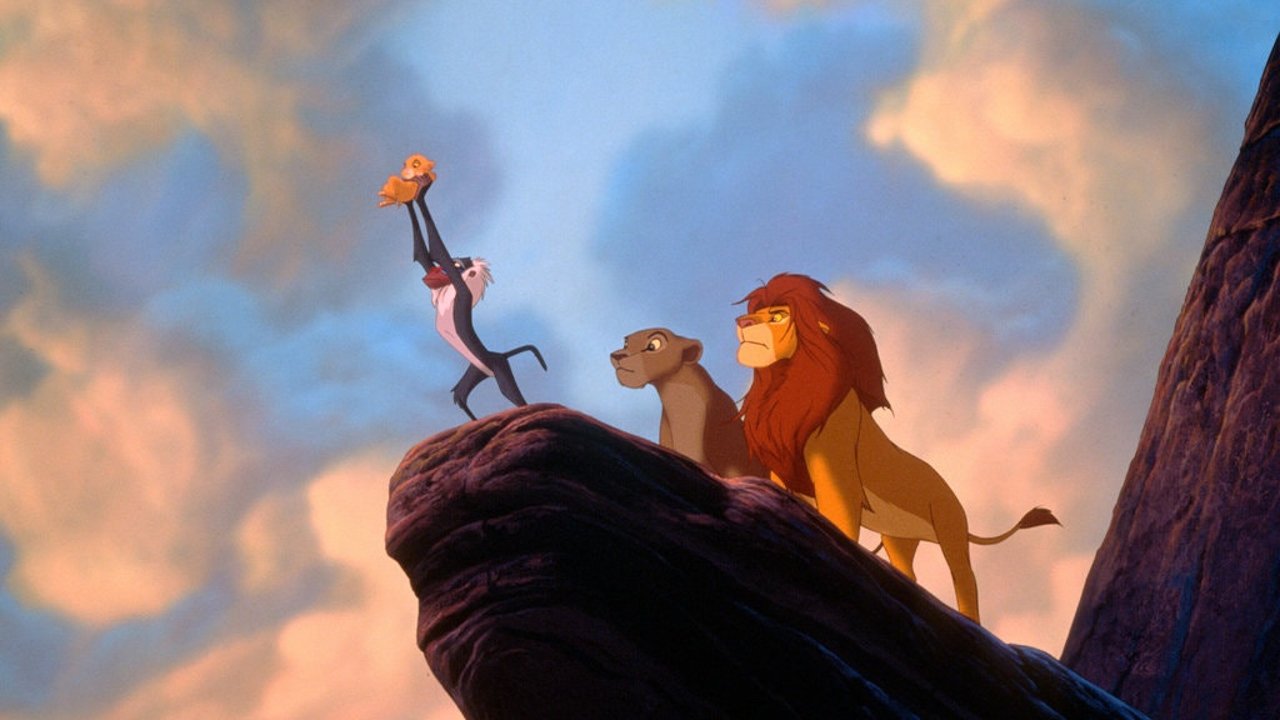
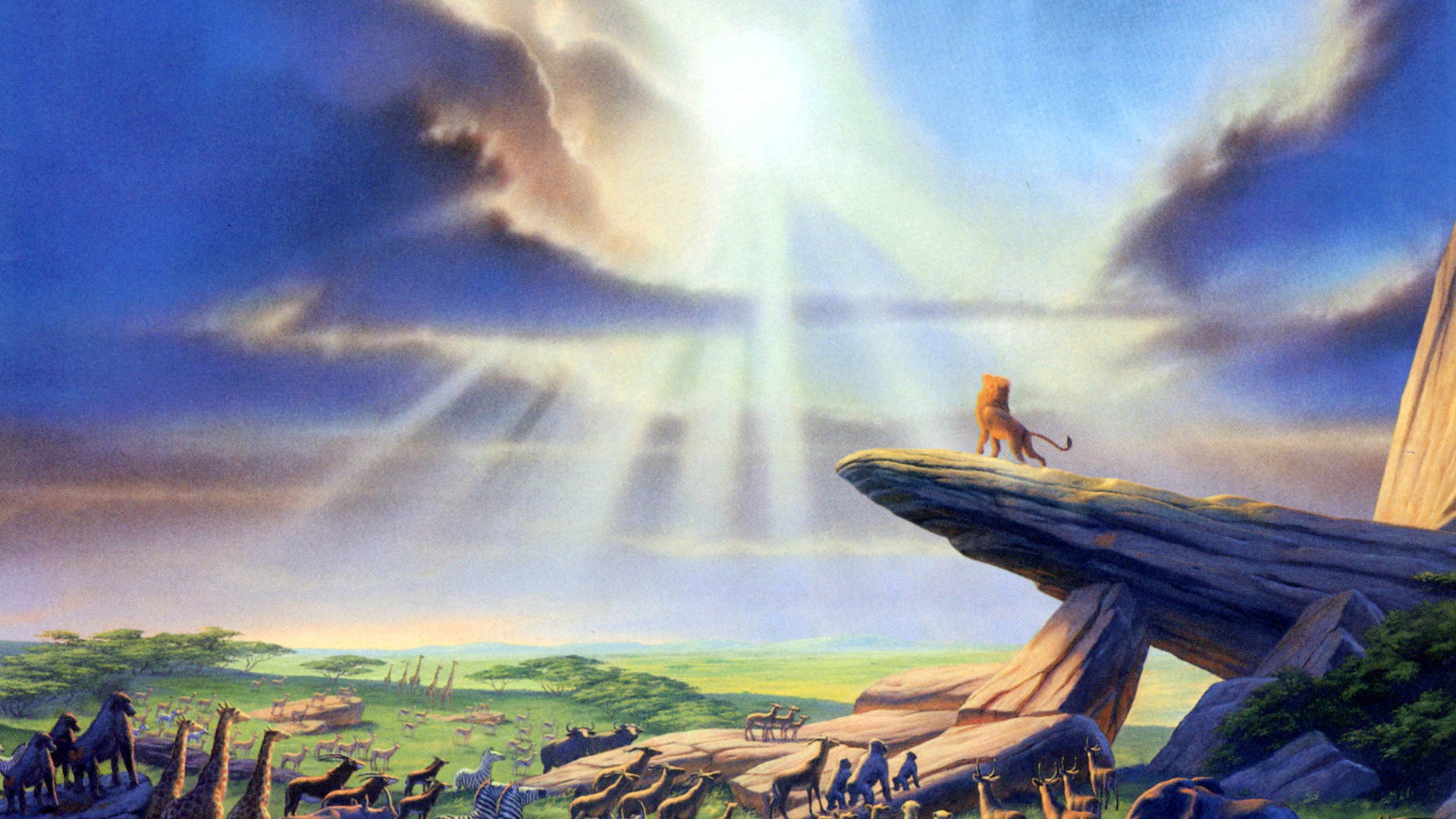
The hand-drawn animation does much of the persuading. Chris Sanders’s production design gives the scenery depth and scale, so the animals belong to places that seem to extend beyond the immediate needs of a scene. That helps the film’s grand manner feel appropriate, and there is pleasure in looking even when the storytelling becomes predictable. Allers and Minkoff allow the scenery to hold our attention without needing a joke to justify every pause.
Jeremy Irons supplies a useful corrective to the solemnity as Scar. His clipped, disdainful delivery makes the character funny without making him harmless, and gives us someone worth listening to when the film is spelling out its moral distinctions. We laughed at his impatience with everybody else; the amusement comes from how little effort Irons appears willing to expend on them. James Earl Jones’s Mufasa has the warmth and authority the drama needs, without sounding as though every line has been prepared for a public address.
The screenplay, credited to Jonathan Roberts, Irene Mecchi and Linda Woolverton, is less relaxed about telling us what to think. Its insistence on duty sometimes makes the existing order sound beyond question, and the film could afford more curiosity about who benefits from it. That matters in a story asking children to think seriously about responsibility. Yet the writing remains clear enough for the family drama to hold our attention, and the jokes usually interrupt the instruction before it becomes oppressive.
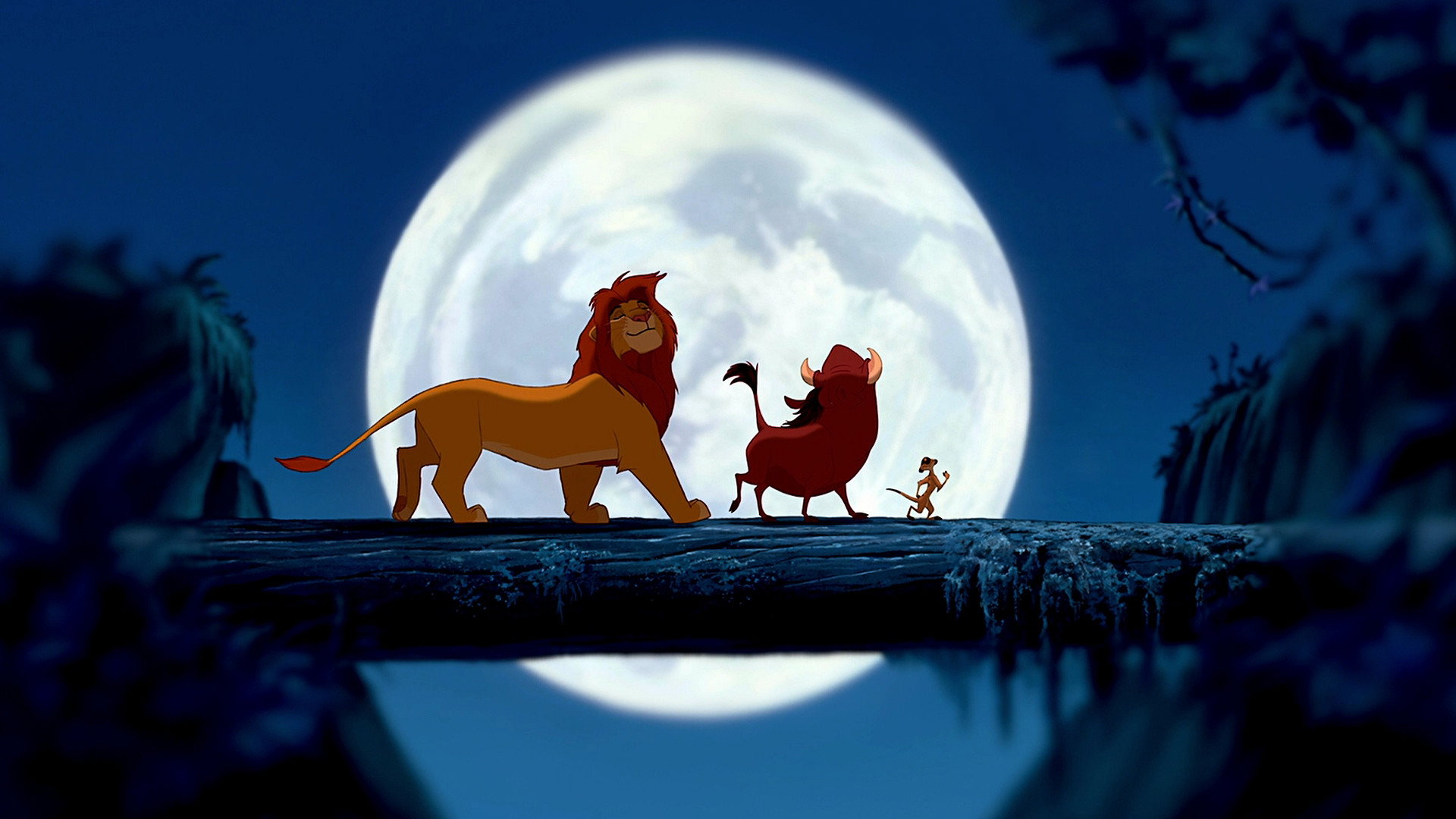
Nathan Lane’s Timon and Ernie Sabella’s Pumbaa help considerably. Their comic performances give the film some welcome untidiness, while Jonathan Taylor Thomas and Matthew Broderick make Simba an accessible centre despite having less entertaining material than Irons. Editor Ivan Bilancio keeps the changes between comedy and solemn drama brisk, with little sense of the story waiting for its next attraction. The pace is a virtue at 89 minutes, although some of the quieter feeling could use more time.
Hans Zimmer’s score is the craft contribution we find hardest to accept without reservation. It presses the film’s seriousness when the animation and voices have already made the point, and can make a simple feeling seem unnecessarily ceremonial. The grandeur is part of what Allers and Minkoff are attempting, so a modest accompaniment would hardly suit it. Even so, the performers could be trusted to carry more of those moments without such emphatic musical assistance.
Family animation need not avoid difficult feelings, and The Lion King gives children something substantial to consider alongside the comedy. Its certainty about correct behaviour limits it, but the care in the animation and the humour in the performances keep it from becoming a sermon. Be prepared for questions afterwards, including a few the film thinks it has already settled.