Anthony Mann’s Western is tense, handsomely photographed and carried by a troubling James Stewart. Its psychological complications occasionally feel forced, but the harshness of the violence and the expressive landscape make it worth the discomfort.
The Man from Laramie is a forceful Western, worth seeing for James Stewart’s disquieting performance and Anthony Mann’s use of open country. It wants to make violence feel ugly, and to give the people responsible more than a convenient appetite for trouble. That makes it more demanding than a simple account of a dangerous man in a dangerous place, though it also leaves the writing with rather a lot to explain. We recommend it, with a reservation about the strain of its psychological ambitions.
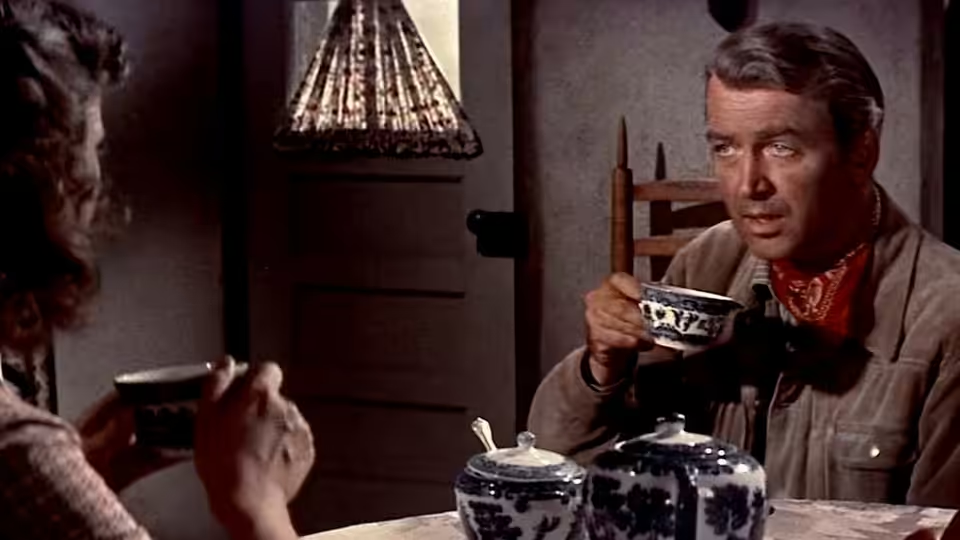
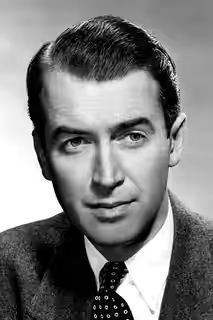
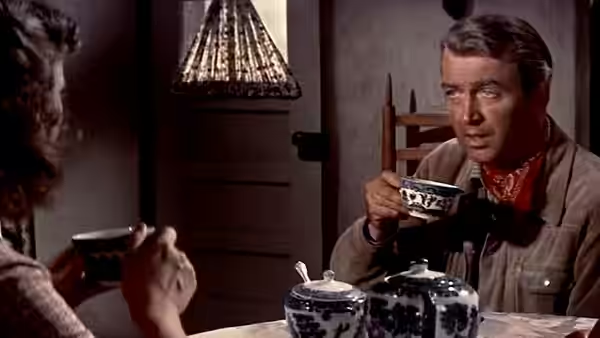
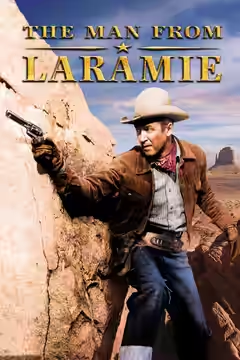
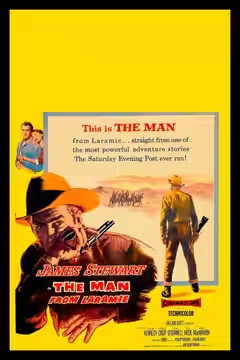
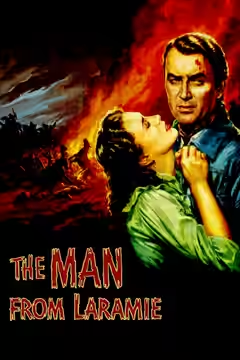
James Stewart plays Will Lockhart with a darkness that makes the prospect of a reassuring leading man seem remote. We were unsettled by him: the anger on his face leaves so little room for ease, even when we want to find some. Anthony Mann gives that discomfort enough space to become the main attraction. The performance does not need our sympathy at every moment, and the film is stronger for allowing that.
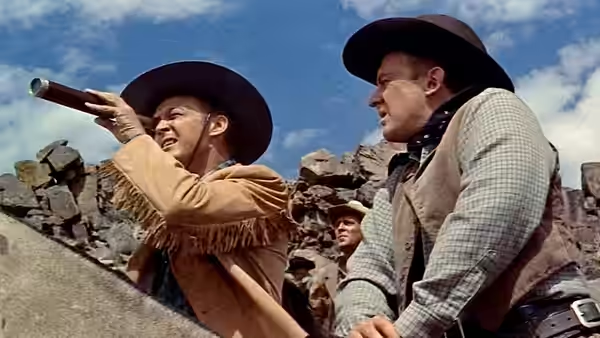
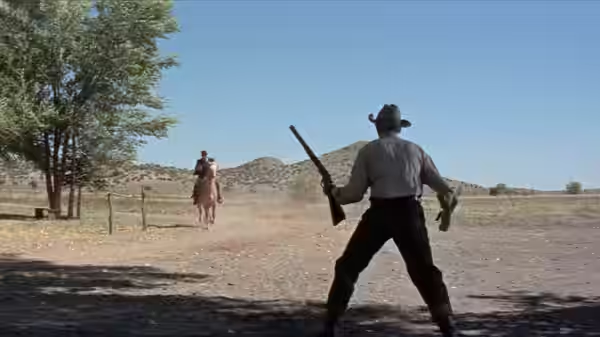
Charles Lang’s photography is a substantial part of why this works. The open country gives the eye room to travel, but the shadows and the weight of the landscape keep the people from looking comfortably in charge of it. The views are pleasurable to look at without making the violence within them look inviting. Anthony Mann uses the landscape to make human aggression seem more exposed, and Charles Lang’s images sustain that unease even across the wide expanses.
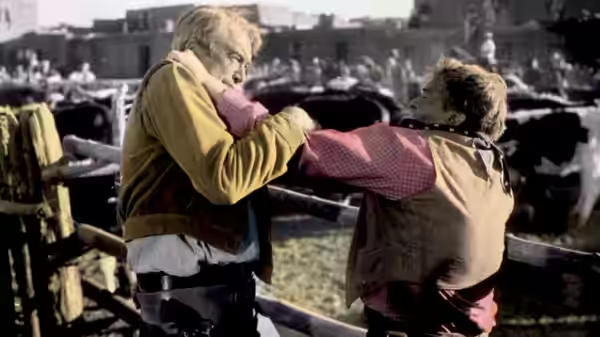
William Lyon’s editing is strongest in its handling of violence, which feels unpleasantly clear rather than merely busy. We can register the damage without having our attention drawn to the cutting that delivers it. That clarity is less consistent in the psychological drama, where the accumulation of troubled personalities begins to make the film feel crowded. The individual scenes can be forceful while the connections between them demand more patience.
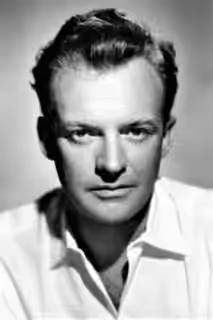
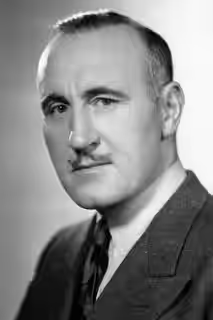
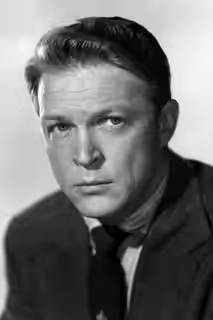
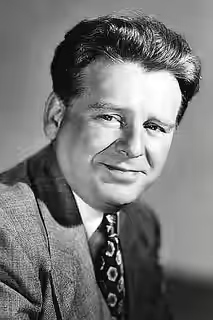
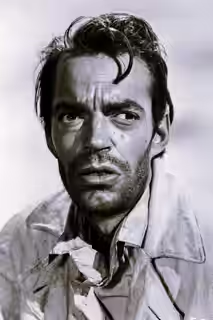
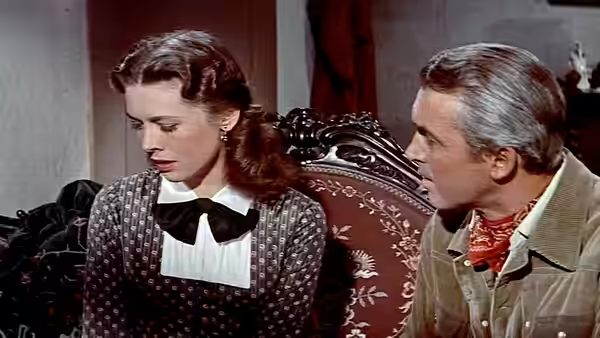
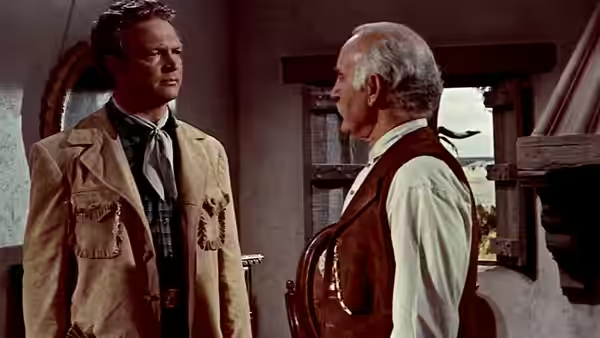
The screenplay by Frank Burt and Philip Yordan gives the supporting cast substantial temperaments to contend with. Arthur Kennedy as Vic Hansbro and Donald Crisp as Alec Waggoman help prevent James Stewart from being the only person worth watching. Still, the script sometimes presses so hard for psychological significance that the characters seem to have been given too much to demonstrate. A plainer passage or two would have made their troubles more convincing.
George Duning’s music brings energy, although its emphasis can feel unnecessary beside such a tense central performance. The film is already good at making us uneasy through a face, a stretch of country or the threat of violence. When the score urges the same response, it can make a firm point feel laboured. This is a small reservation, but it belongs with the writing’s tendency to insist on what the acting has already made clear.
Within the Western, Anthony Mann’s achievement here is to make toughness feel troubling without draining the genre of its physical pleasures. The country remains worth looking at, and the confrontations have force, even when the explanations grow cumbersome. At 103 minutes, the film has room for its difficult people, though we would have welcomed a little less insistence on their difficulties. Choose it for James Stewart in an uncomforting mood, and expect the scenery to provide only temporary relief.