Film review

The Revenant

2015 · Directed by Alejandro G. Iñárritu · 2h 37m · MPA R

In a sentenceLeonardo DiCaprio endures the wilderness while we quietly reconsider the appeal of a walking holiday

WesternDramaAdventure

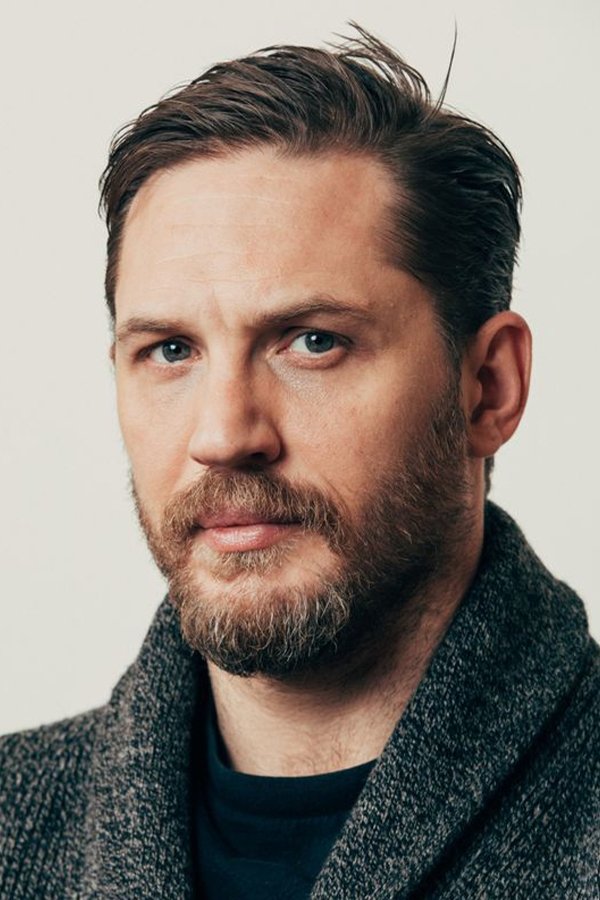
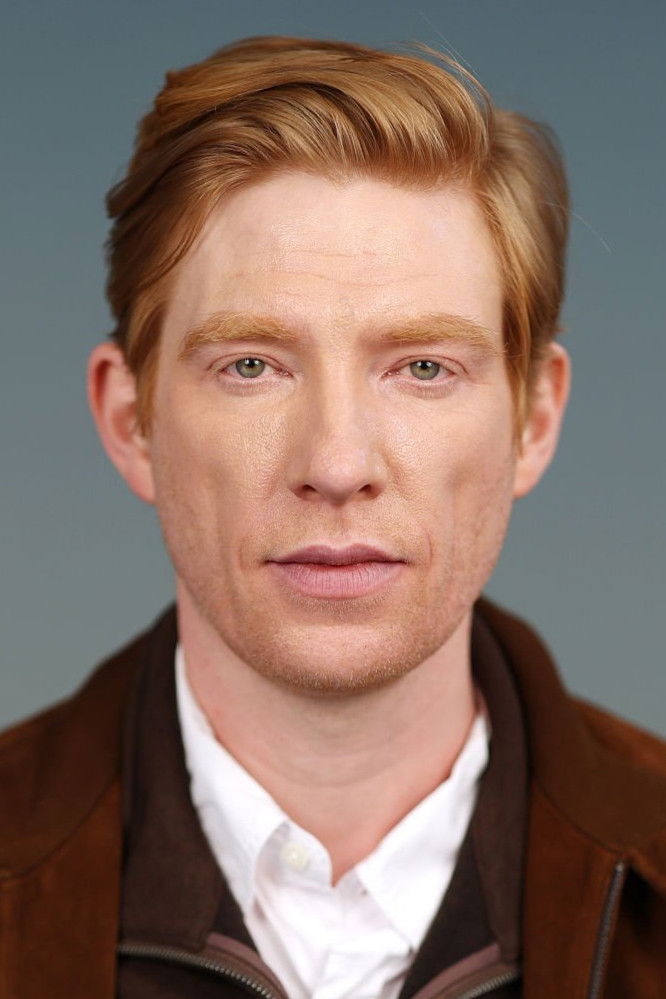
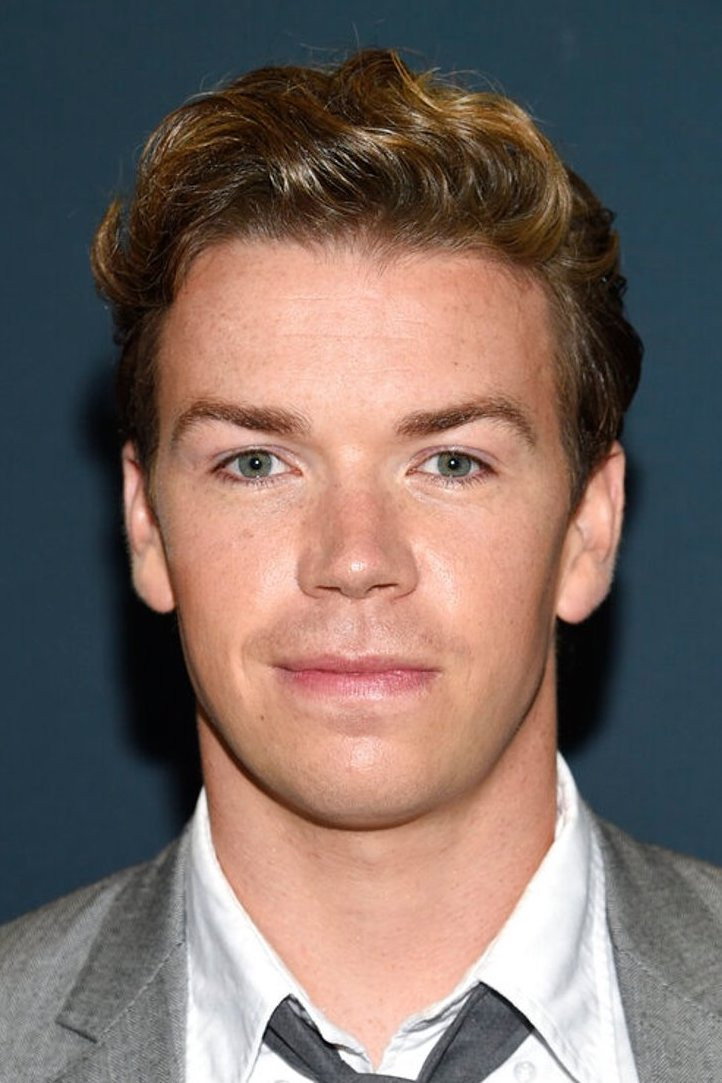
Hugh Glass (Leonardo DiCaprio) struggles to survive in the frontier wilderness, where a bear attack turns an already dangerous existence into an ordeal of physical endurance. His story brings together survival and revenge in a landscape where cold and violence leave little room for safety. Tom Hardy plays John Fitzgerald, with Domhnall Gleeson as Captain Andrew Henry and Will Poulter as Jim Bridger. Alejandro G. Iñárritu directs this Western, adapted from Michael Punke’s novel, with a screenplay co-written by Mark L. Smith.

Plays from YouTube when you press play; nothing loads from them until then.

Fi1m review

Alejandro G. Iñárritu makes a gripping survival Western, with Leonardo DiCaprio carrying its physical weight. Its 157 minutes include too much solemn reflection, but the bear attack earns every flinch.

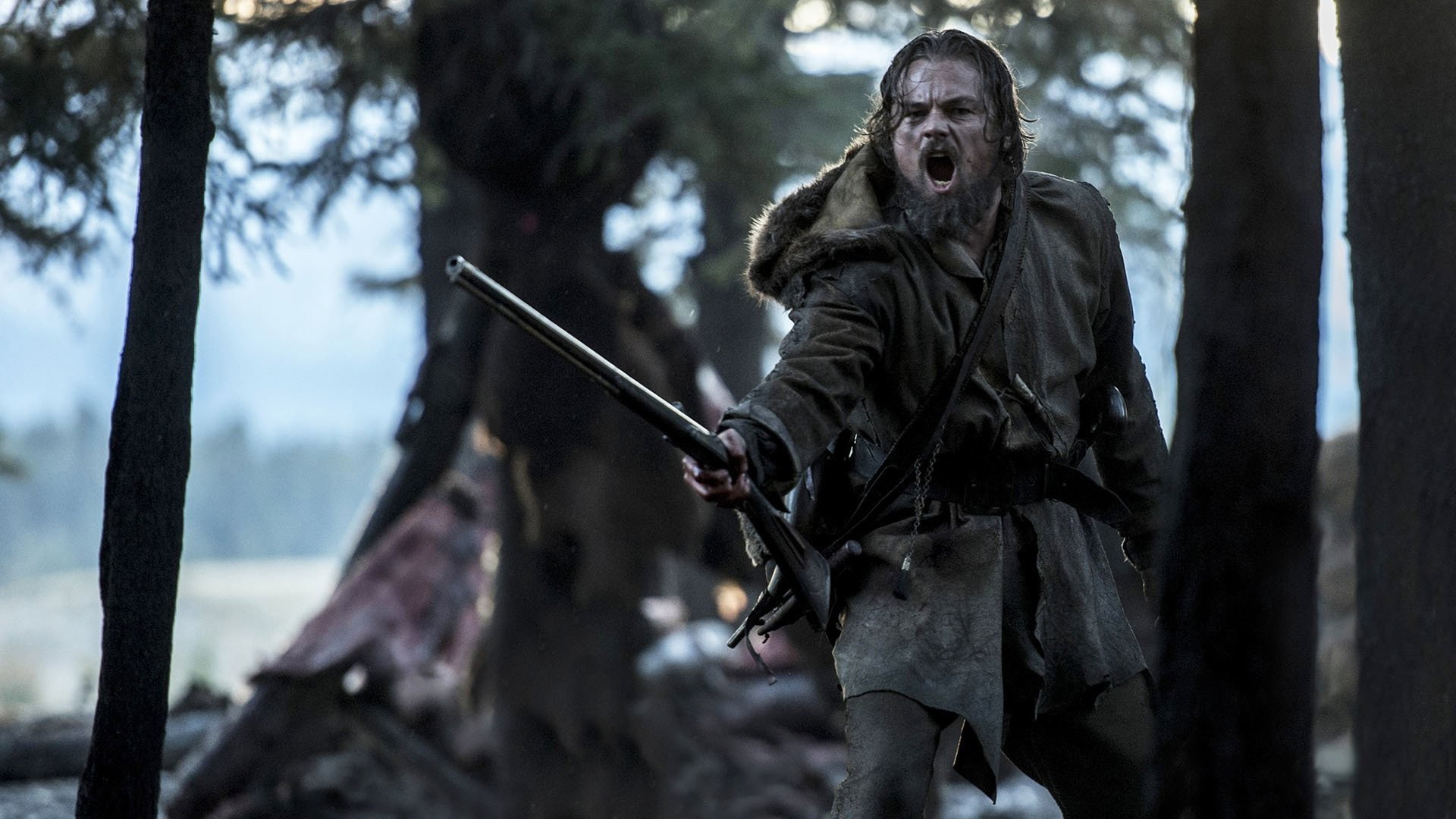
The Revenant is a good survival Western with a habit of making hardship last longer than it needs to. Alejandro G. Iñárritu wants us to feel the effort of staying alive in the wilderness, and Leonardo DiCaprio’s Hugh Glass rarely allows us to forget how much it hurts. The revenge story is simple enough to leave plenty of attention for cold, injury and fear. Across 157 minutes, the physical struggle grips more reliably than the invitations to contemplate it.

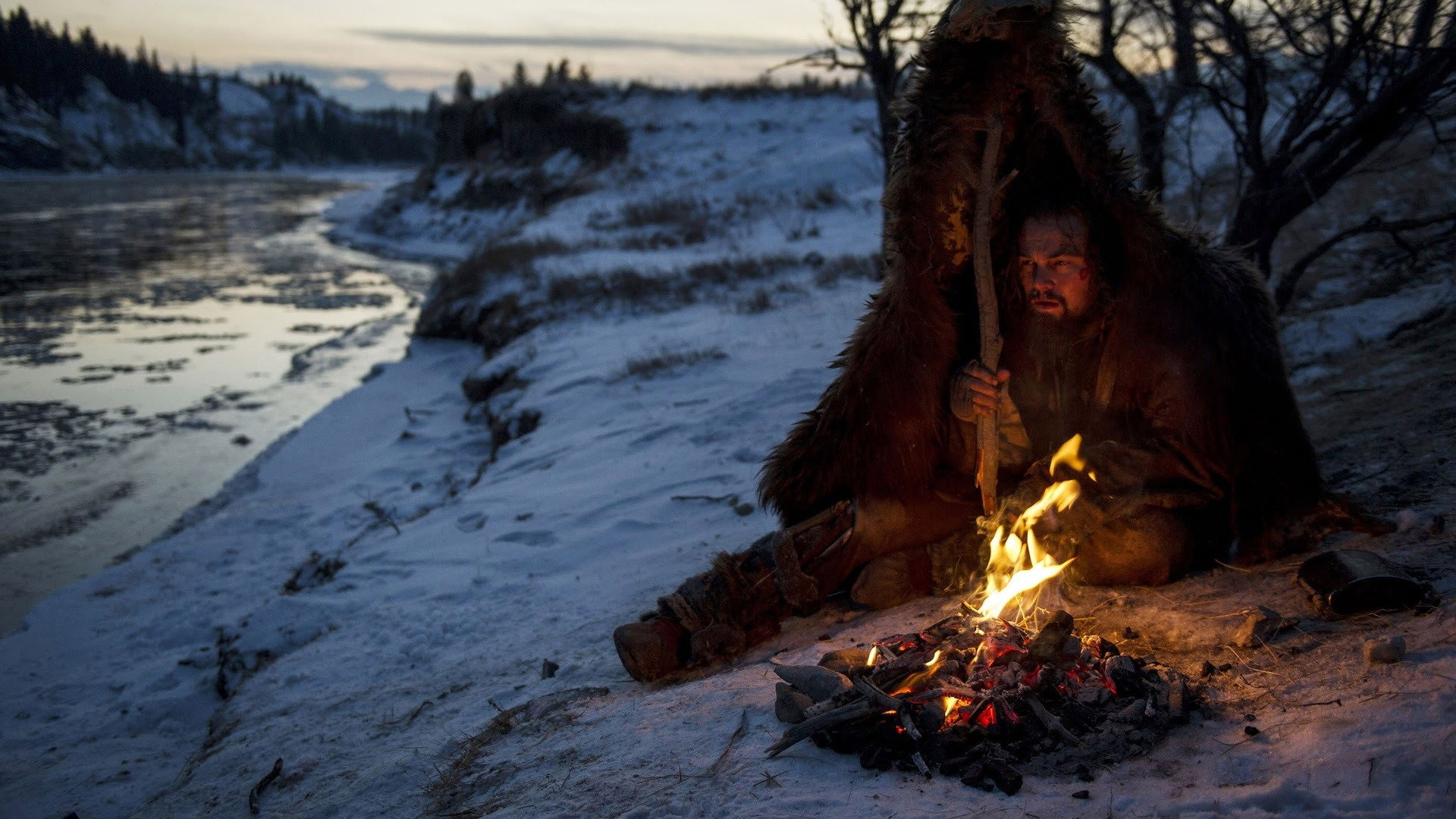
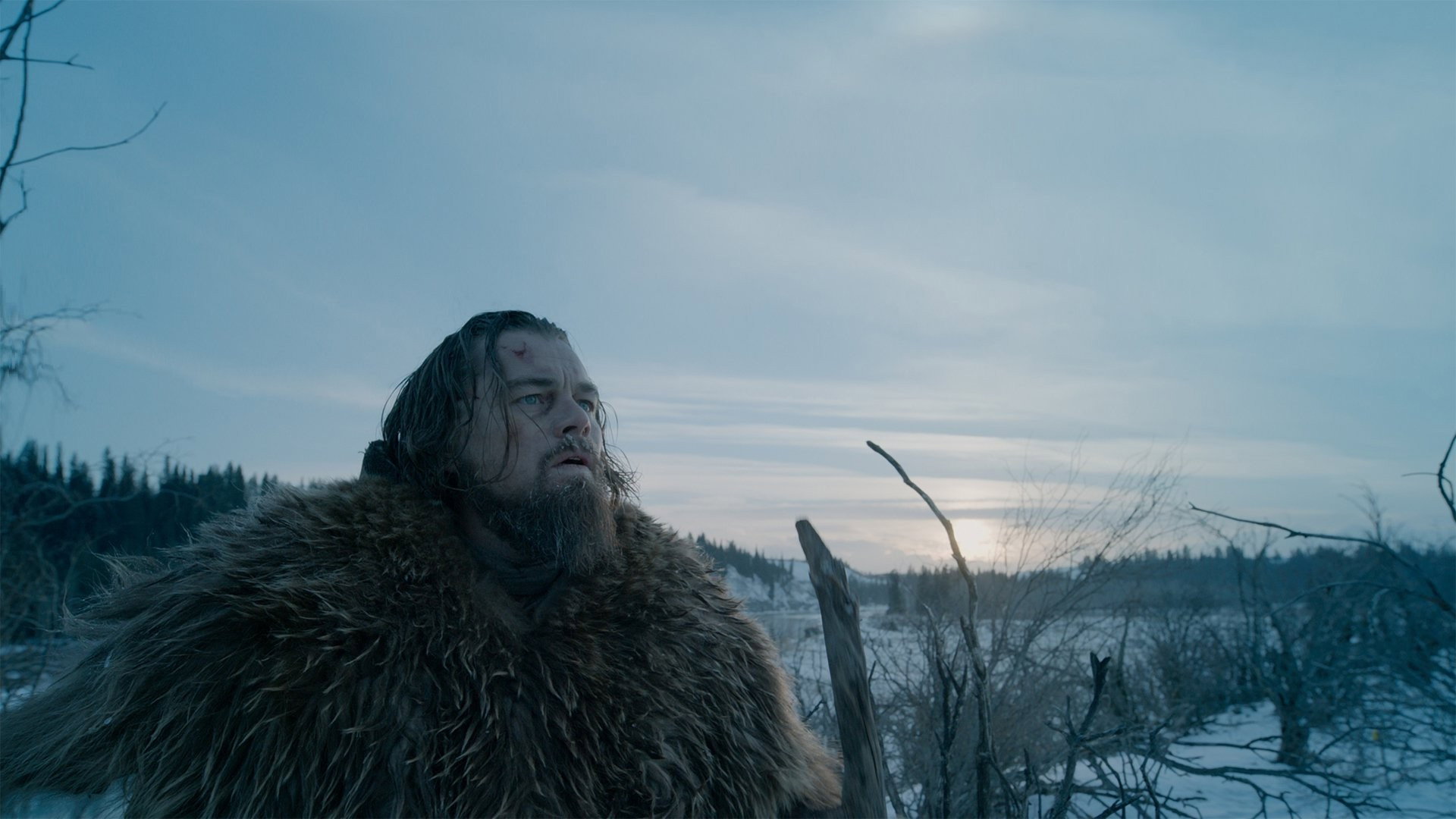
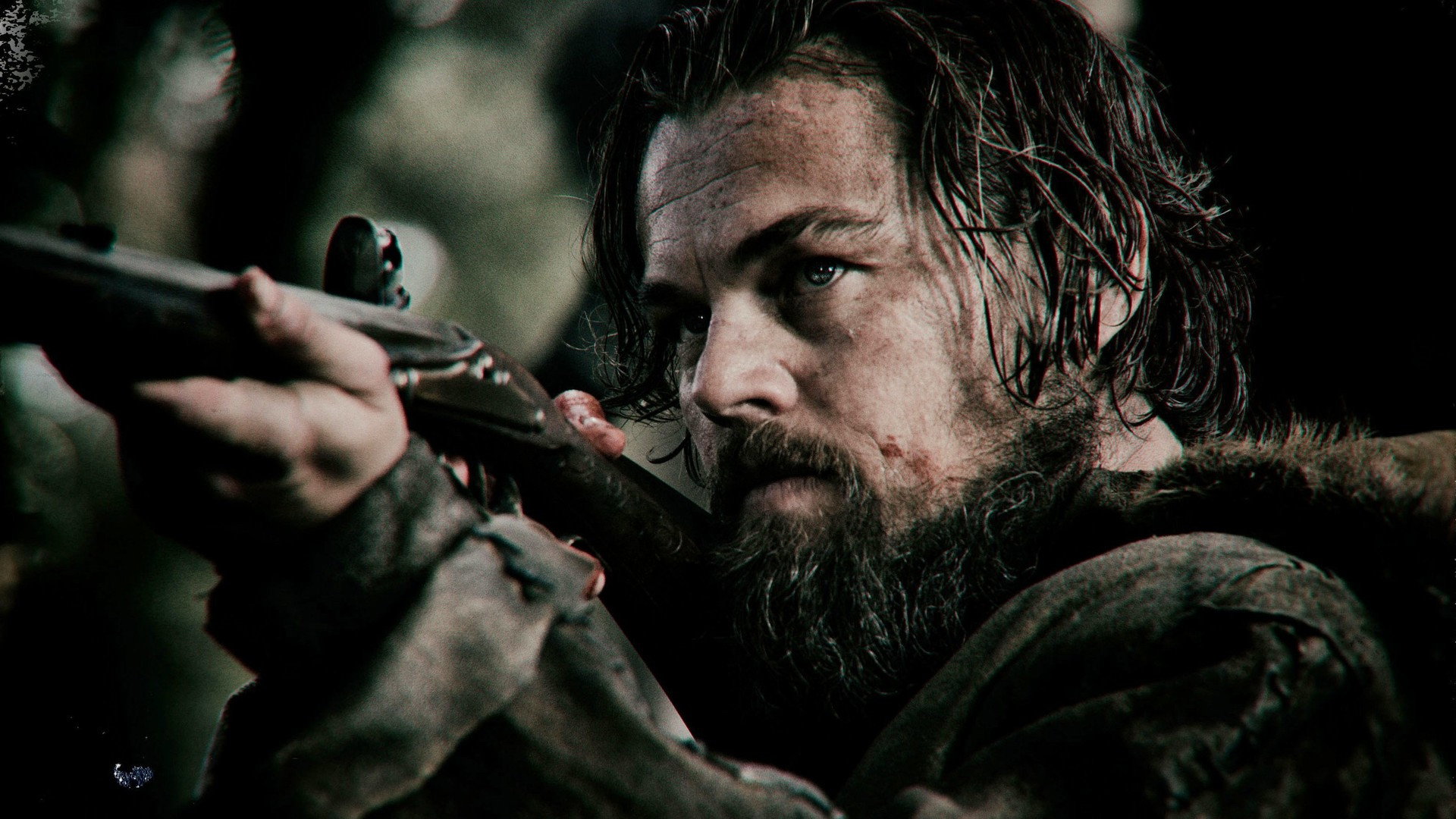
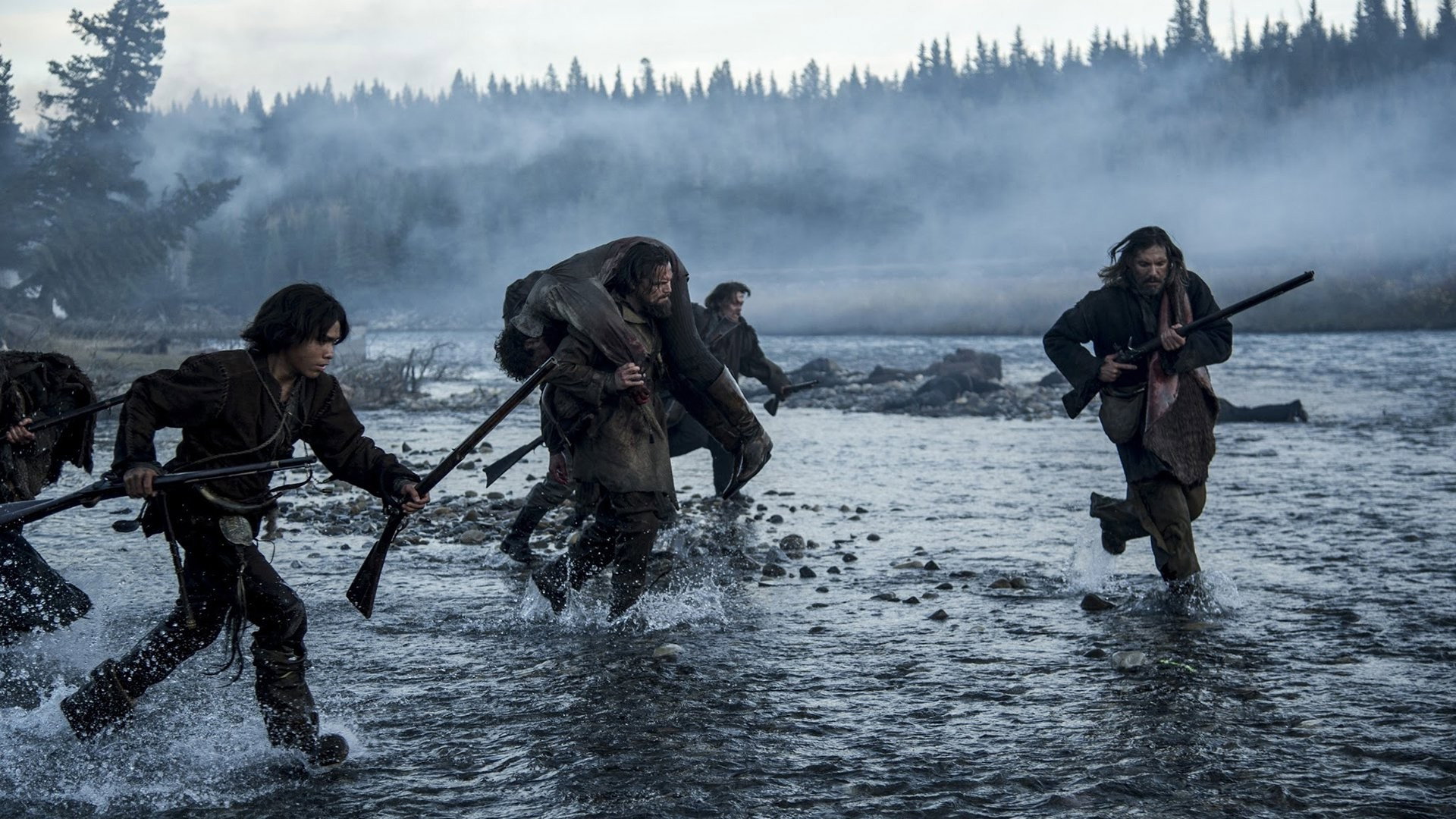
Emmanuel Lubezki’s natural-light photography gives the wilderness a coldness that survives even its most beautiful views. His roving camera makes the action feel dangerously close, while the long takes deny us the small relief of a cut. We were horrified by the bear attack. The sustained attention to Glass’s helplessness makes the violence feel horribly prolonged, and the illusion holds well enough that looking for the trick offers little comfort.

DiCaprio’s performance is strongest when simply enduring the next physical demand seems to require everything he has. His near-wordless acting keeps our attention on the immediate problem of survival, and we believe the effort even when the ordeal begins to strain belief. Tom Hardy, as John Fitzgerald, is the more characterful presence, giving us someone to consider during a film otherwise liable to keep asking how much more a man can take. His scenes are a welcome change of emphasis.

Jack Fisk’s production design helps make the human surroundings feel scarcely more comfortable than the wilderness. Nothing in that work encourages us to settle back and enjoy a picturesque frontier, which is useful when the photography is so seductive. Ryuichi Sakamoto and Alva Noto’s score sustains the unease without needing to compete with the violence. It is less persuasive when the film asks us to take suffering as a reason for spiritual awe.

The trouble comes when Iñárritu slows down to insist that this ordeal means something beyond the immediate business of surviving it. The religious imagery can feel ponderous, and the screenplay by Iñárritu and Mark L. Smith gives us too little of Glass’s inner life to make those passages revealing. Stephen Mirrione’s editing is patient enough to let the survival sequences become uncomfortable. That patience serves the action well, but in the reflective stretches we begin to notice how little has been added since the previous bout of suffering.

As a Western, the film is convincing about how small human plans become when set against the weather and the terrain. Revenge is a familiar reason to send a man into danger, but here the danger repeatedly becomes more interesting than his purpose. We would not ask Iñárritu to soften the violence or make the wilderness friendlier. We would ask him to trust those things to hold our attention without so much solemn encouragement. Choose it for a hard, absorbing evening, provided relaxation was never the plan.
Critical consensus AI synthesised

76
Positive
12
Mixed
4
Negative
2

Most critics respond warmly to The Revenant’s punishing survival story, with praise concentrated on Emmanuel Lubezki’s immersive cinematography and Leonardo DiCaprio’s physically committed performance. The natural-light photography and brutal action sequences make the wilderness feel immediate and threatening, while the spare storytelling gives the ordeal a force many find engrossing. Even several less persuaded reviews admire the technical control, particularly in the bear attack sequence.

The disagreement is over how much feeling and insight accompany the suffering, and the verdicts range widely. Supporters find emotional weight in the struggle for survival; detractors describe a prolonged endurance test with thin characterisation and heavy-handed symbolism. Sight and Sound finds the filmmaking immersive but unmoving, while Slant Magazine objects to the weak script and length despite admiring the cinematography. Collider offers a pointed counterview, finding a stripped-down survival tale attentive to the emotional and mental costs of revenge.

Empire
6 January 2016 · ★★★★★ · Nick de Semlyen
100

The critic calls it an astonishing sensory experience and a gruelling, exquisite, mystical odyssey of survival that plunges the viewer into a sub-zero hell that often looks like heaven. They single out the sublime imagery, DiCaprio’s raw and hypnotically good performance, and Iñárritu’s driven vision and technical choices for praise.

Read the full review →
Radio Times
11 January 2016 · ★★★★★ · Jeremy Aspinall
100

The critic hails it as majestic cinema and a technical tour-de-force, praising DiCaprio's agonisingly honest performance and Lubezki's immersive natural-light cinematography.

Read the full review →
The Independent
4 December 2015 · ★★★★★
100

The critic calls it a mad, visionary and often preposterous survival tale that is very bloody and full of murky religious symbolism, but also astounding in its flights of macabre lyricism. They single out the visual daring and sheer demented scope of its ambition for praise while noting some overly contemplative moments.

Read the full review →
The Times
17 January 2016 · ★★★★★
100

DiCaprio delivers a standout performance in a brutal, immersive survival tale that the critic calls a big, brutal, shining meteorite of a film and unmissable.

Read the full review →
Evening Standard
15 January 2016 · David Sexton
90*

The critic describes it as an unmissable masterpiece and a frontier story made as no other has been before, praising Leonardo DiCaprio’s brutally powerful and magnificent performance as well as the immersive camerawork and commitment to natural light. They single out the gruelling yet grounded depiction of the wilderness and Native American history.

Read the full review →
Little White Lies
4 December 2015 · 5/4/5 · Adam Woodward
80

The critic praises the visceral simplicity of the storytelling and technical artistry, especially the cinematography, while noting the gruelling spectacle and how it reveals truths about anguish and healing.

Read the full review →

Cast

Stills

Awards

Academy Awards, 2016

Nominated
Best Costume Design
Nominated
Best Film Editing
Nominated
Best Makeup and Hairstyling
Nominated
Best Picture
Nominated
Best Production Design
Nominated
Best Sound
Nominated
Best Sound Editing
Nominated
Best Supporting Actor
Nominated
Best Visual Effects
Won
Best Actor
Won
Best Cinematography
Won
Best Director

BAFTA Film Awards, 2015

Won
Best Film

If you liked this, try…

Dersu Uzala poster

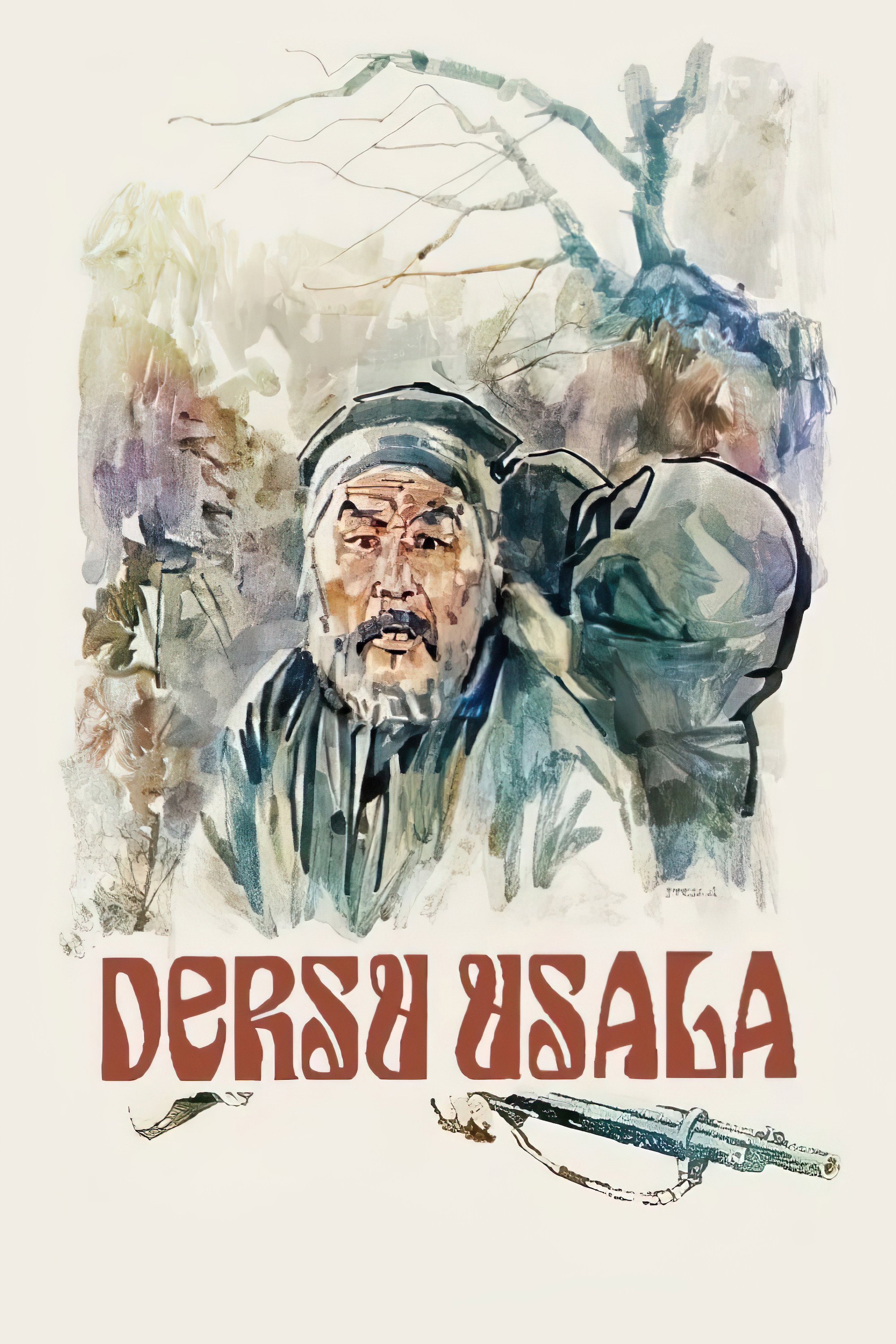
Dersu Uzala

1975 · A slower wilderness journey, with more patience for the people surviving it.

The Naked Prey poster

The Naked Prey

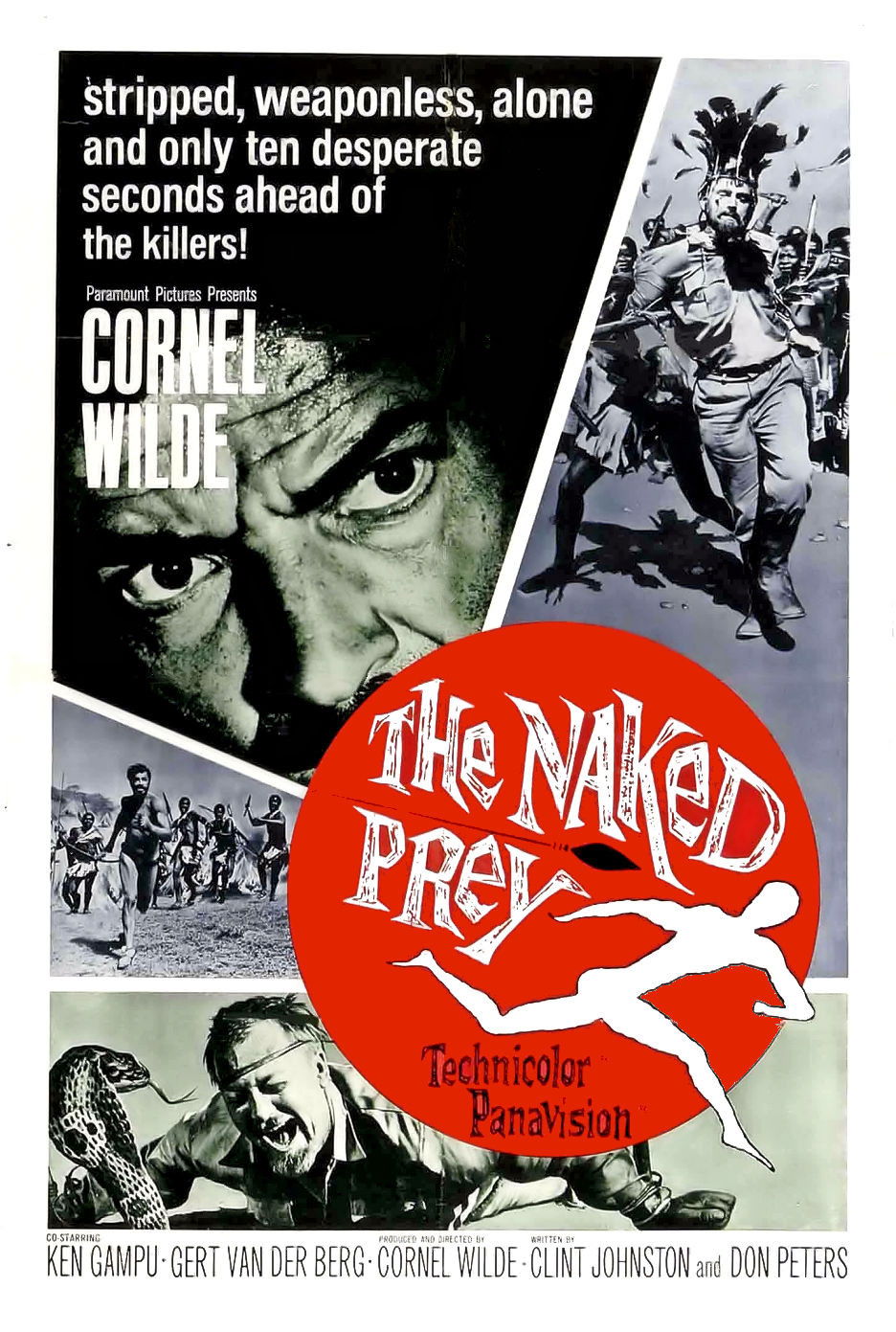
1965 · Pursuit and exhaustion stripped down to bodies moving through hostile terrain.

Meek's Cutoff poster

Meek's Cutoff

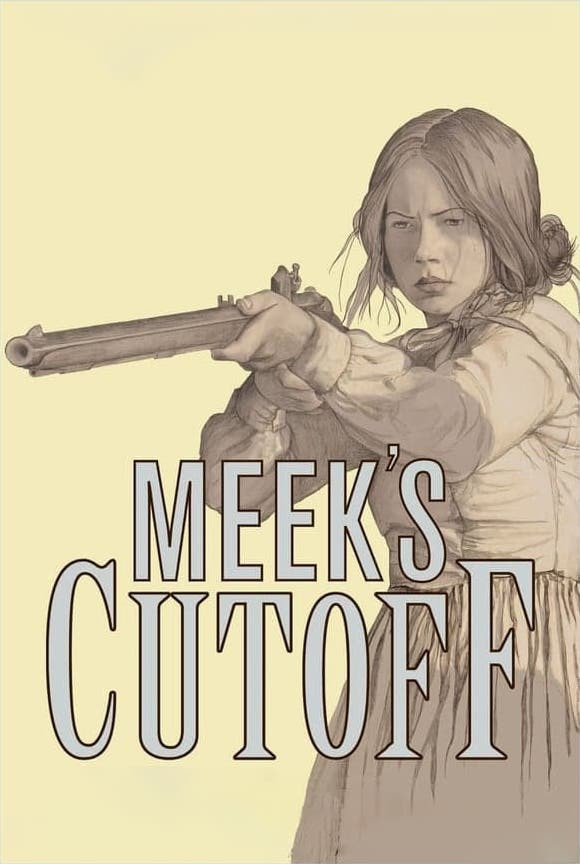
2010 · Another punishing frontier journey, with uncertainty replacing the certainty of revenge.

Arctic poster

Arctic

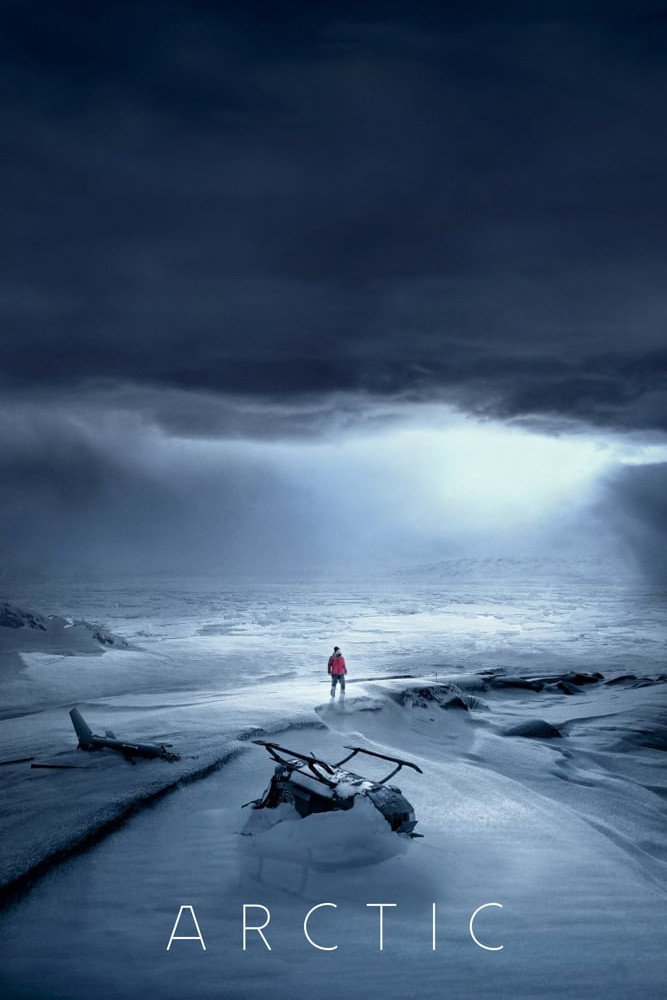
2018 · A spare survival film that makes practical decisions carry the drama.

The Proposition poster

The Proposition

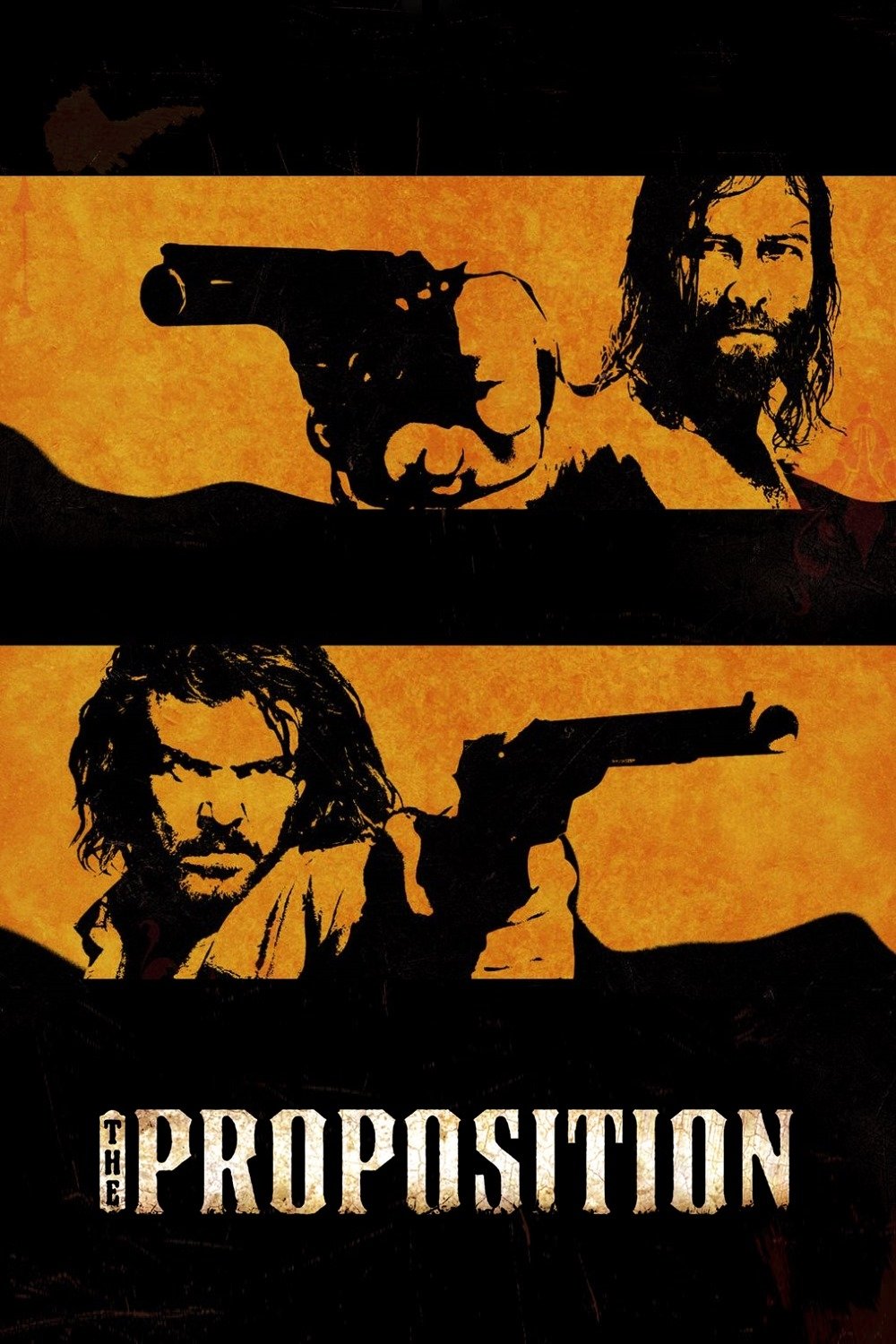
2005 · Frontier violence and family loyalties, under heat as punishing as this cold.