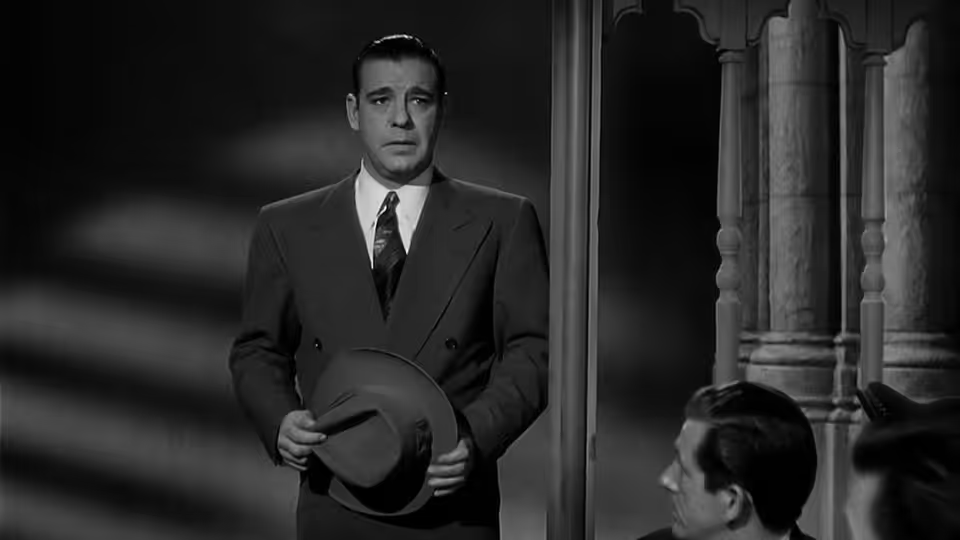
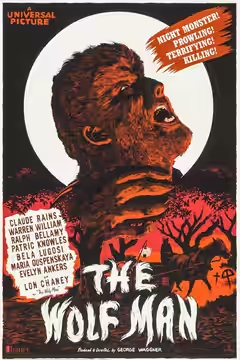
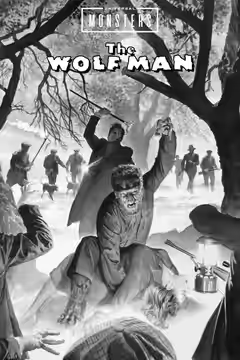
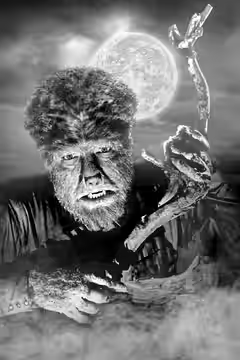
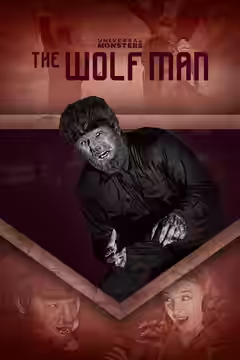
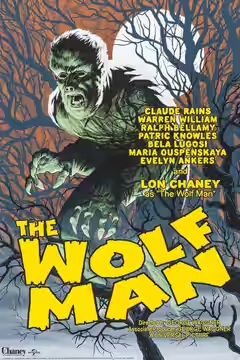
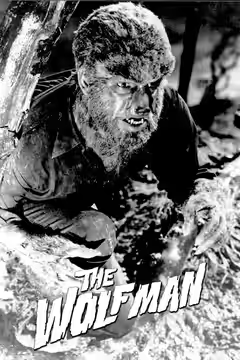
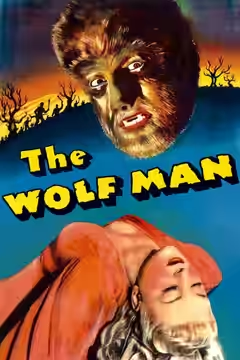
George Waggner makes a compact, sympathetic horror film, with Lon Chaney Jr. giving its monster a recognisably human unhappiness. The fog still works; the hurried storytelling and occasionally heavy acting need more indulgence.
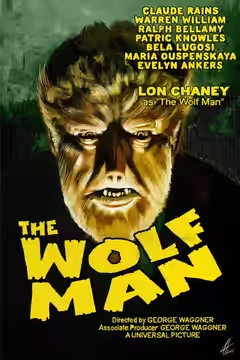
The Wolf Man is a good, sympathetic horror film, though its frightened man is more affecting than its monster is frightening. George Waggner keeps the story compact and takes Larry Talbot’s unhappiness seriously, without quite giving it enough time to develop. The attraction is easy to understand: we are asked to care about someone who fears what he may become. Its 70 minutes go quickly, sometimes too quickly.
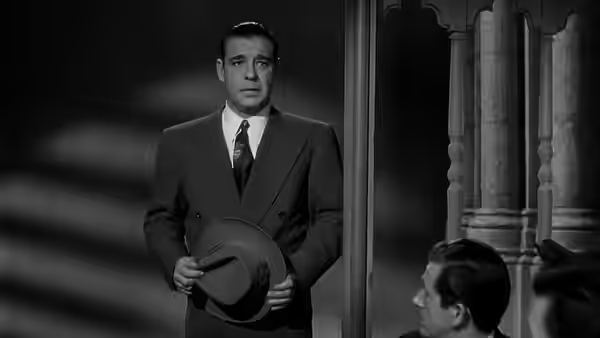
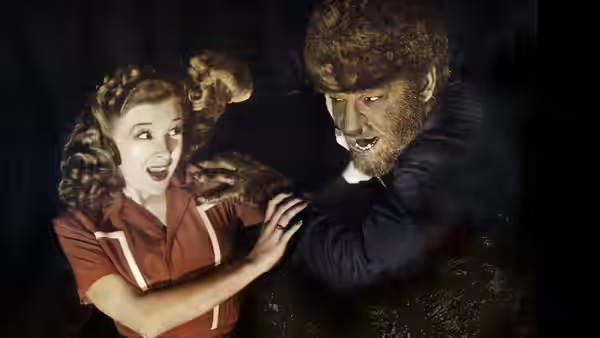
Lon Chaney Jr. is persuasive when simple bewilderment is enough. His performance can become heavy when the anguish has to carry a whole scene, and the film does not always give him much else to play. Yet there is something touching about his lack of composure; Larry cannot make his distress look dignified or manageable. Evelyn Ankers, as Gwen Conliffe, gives the romance enough warmth to make his ordinary life worth caring about, although their attachment could use more room.
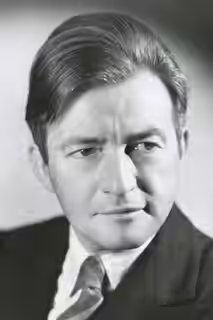
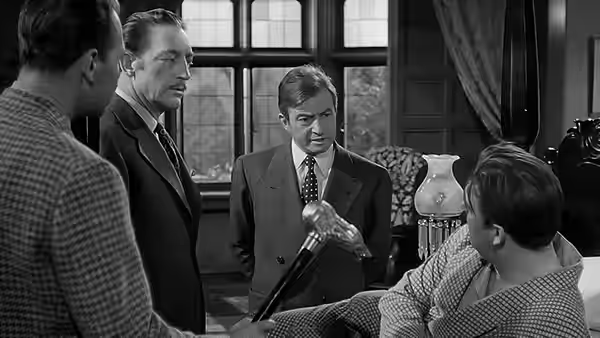
We felt sorry for Larry when Sir John Talbot tries to persuade him that the werewolf is imaginary. Claude Rains makes that reassurance troubling: a reasonable explanation can still leave the person receiving it frightened. The scene allows us to understand the father’s position without expecting his son to find it sufficient. The screenplay by Curt Siodmak finds a recognisable family difficulty in the father’s attempt to explain away his son’s fear.
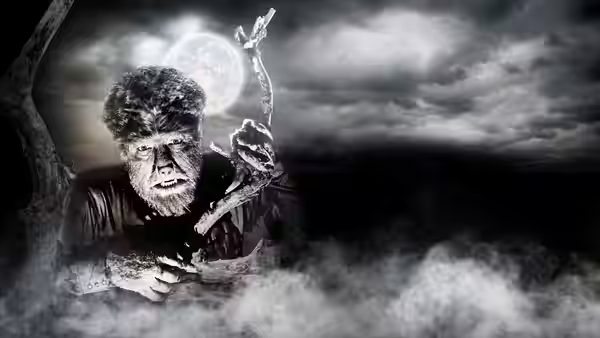
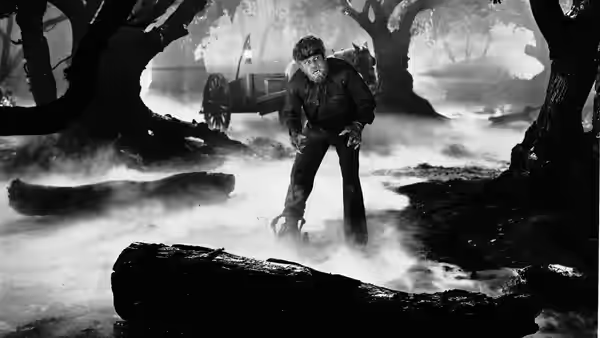
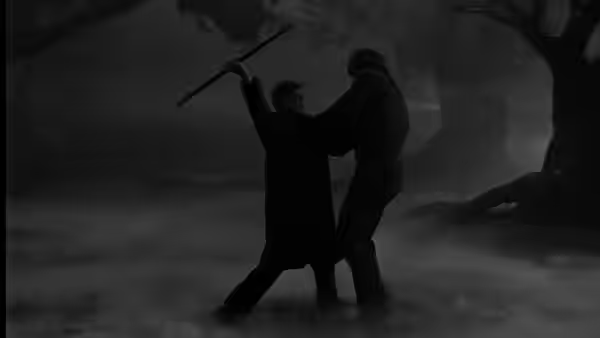
Joseph A. Valentine’s cinematography gets considerable help from those fog-filled artificial forests. Their obvious construction does not spoil them; it makes the space feel enclosed, with none of the freedom or fresh air we might associate with woodland. We never need to mistake the setting for a real place to find it oppressive. The make-up also retains its force, although viewers expecting elaborate physical horror should adjust their expectations.
Ted J. Kent’s editing keeps the film moving, but the short running time is not an unqualified virtue. The drama occasionally needs a pause that the film seems unwilling to allow, particularly when fear and affection must become convincing together. The music credited to Charles Previn, Hans J. Salter and Frank Skinner supplies an appropriate gravity. It can feel more emphatic than necessary, reinforcing an unhappiness the actors have already made clear.
The emphasis on Larry’s unhappiness suits a werewolf story. The creature shares a body with someone who still needs affection and reassurance, so treating Larry simply as a menace would leave out much of what is disturbing about him. The film understands this, even when it states his suffering too insistently. Its interest in the person under the make-up survives the occasional stiffness of the performances.
Come to it for uneasy company rather than a test of nerve. Those who require frequent shocks may find its concern for Larry frustrating, especially in a film this short. We would choose it for a quiet evening when a little sorrow is welcome alongside the fog.