Film review

Training Day

2001 · Directed by Antoine Fuqua · 2h 02m · MPA R

In a sentenceDenzel Washington is so persuasive that being bullied by him briefly looks like a career opportunity

ActionCrimeDrama

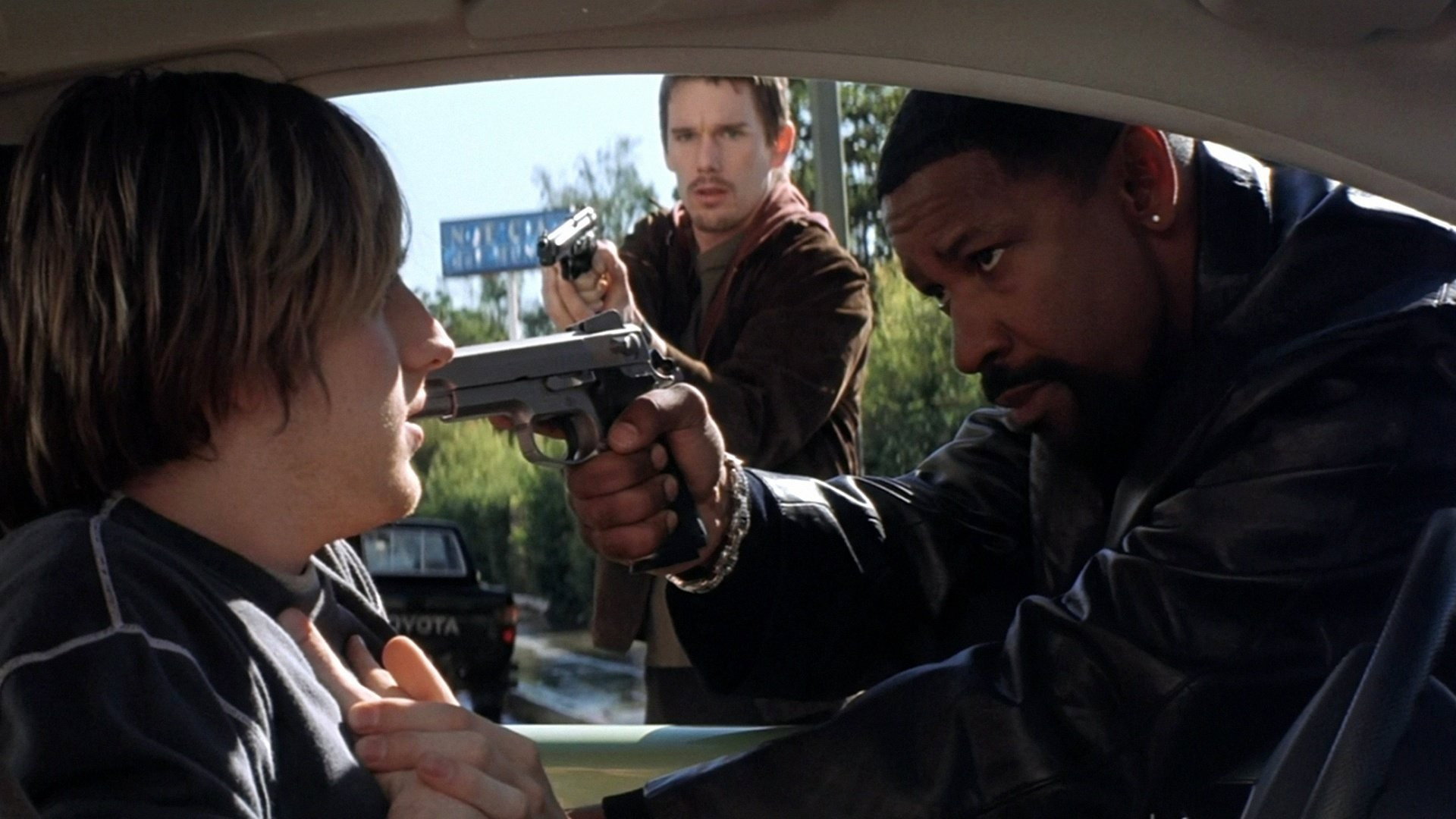
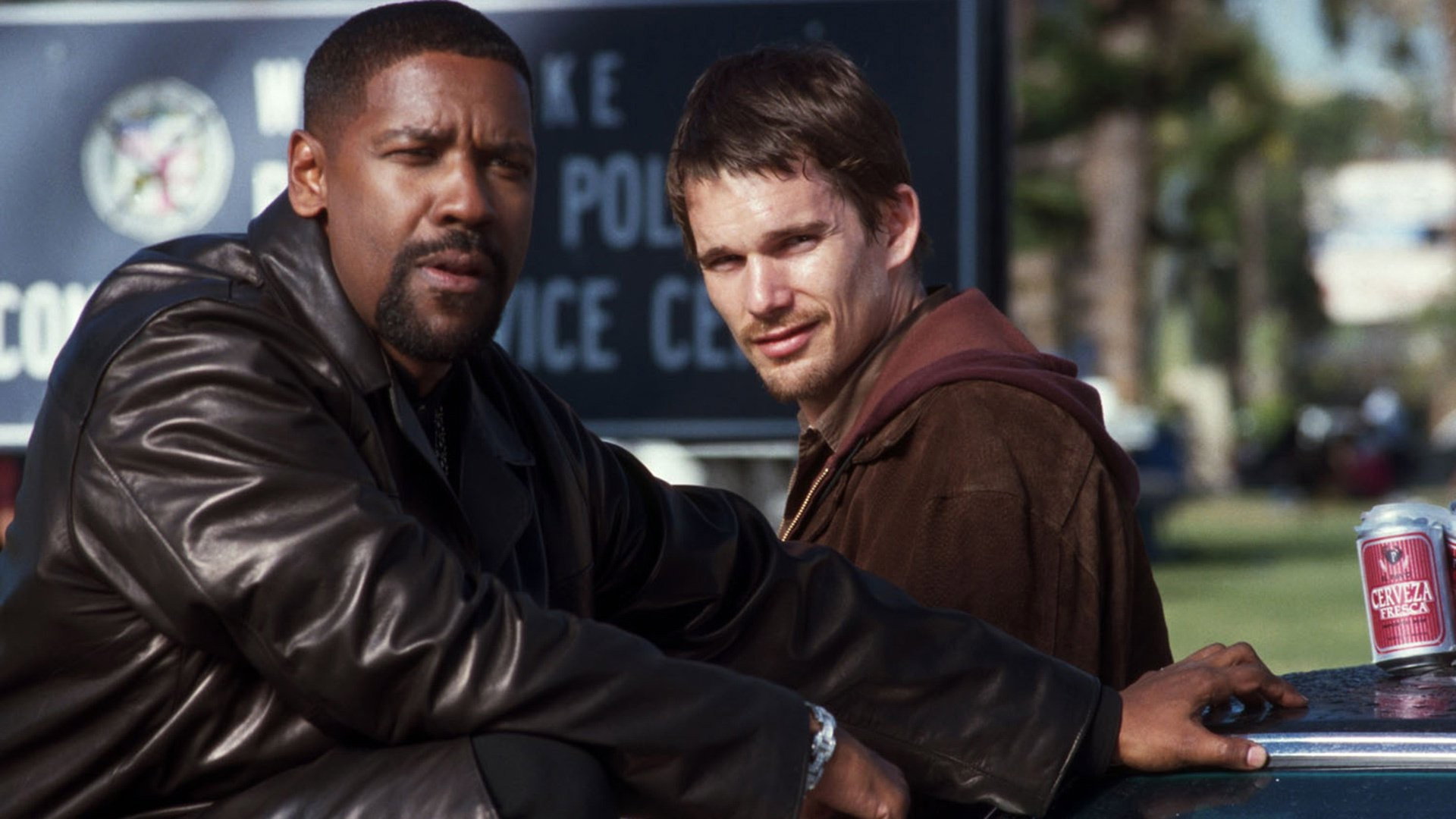
Rookie police officer Jake (Ethan Hawke) is paired with Alonzo (Denzel Washington), a veteran narcotics officer whose methods take him well beyond the rules. On the streets of Los Angeles, Alonzo subjects his new partner to dangerous and humiliating tests, presenting each as part of learning the job. Jake wants to prove himself, but his superior’s conduct makes obedience increasingly difficult. As Alonzo draws him further into his working methods, the distinction between enforcing the law and breaking it becomes harder to maintain. Antoine Fuqua directs this crime drama from a screenplay by David Ayer.

Plays from YouTube when you press play; nothing loads from them until then.

Fi1m review

Denzel Washington makes corruption frighteningly persuasive in Antoine Fuqua’s gripping police thriller. Ethan Hawke gives him someone worth watching opposite, though David Ayer’s script becomes disappointingly ordinary when it ought to be tightening its grip.

Training Day takes a familiar police-thriller arrangement and makes the apprenticeship itself frightening. The experienced officer has all the confidence; the newcomer must decide how much of his judgement to surrender in order to learn. Antoine Fuqua makes a gripping film from that unequal relationship, with Denzel Washington doing much of the persuading. Our reservation is substantial but simple: David Ayer’s screenplay eventually settles for much more ordinary thrills than these two men can provide.

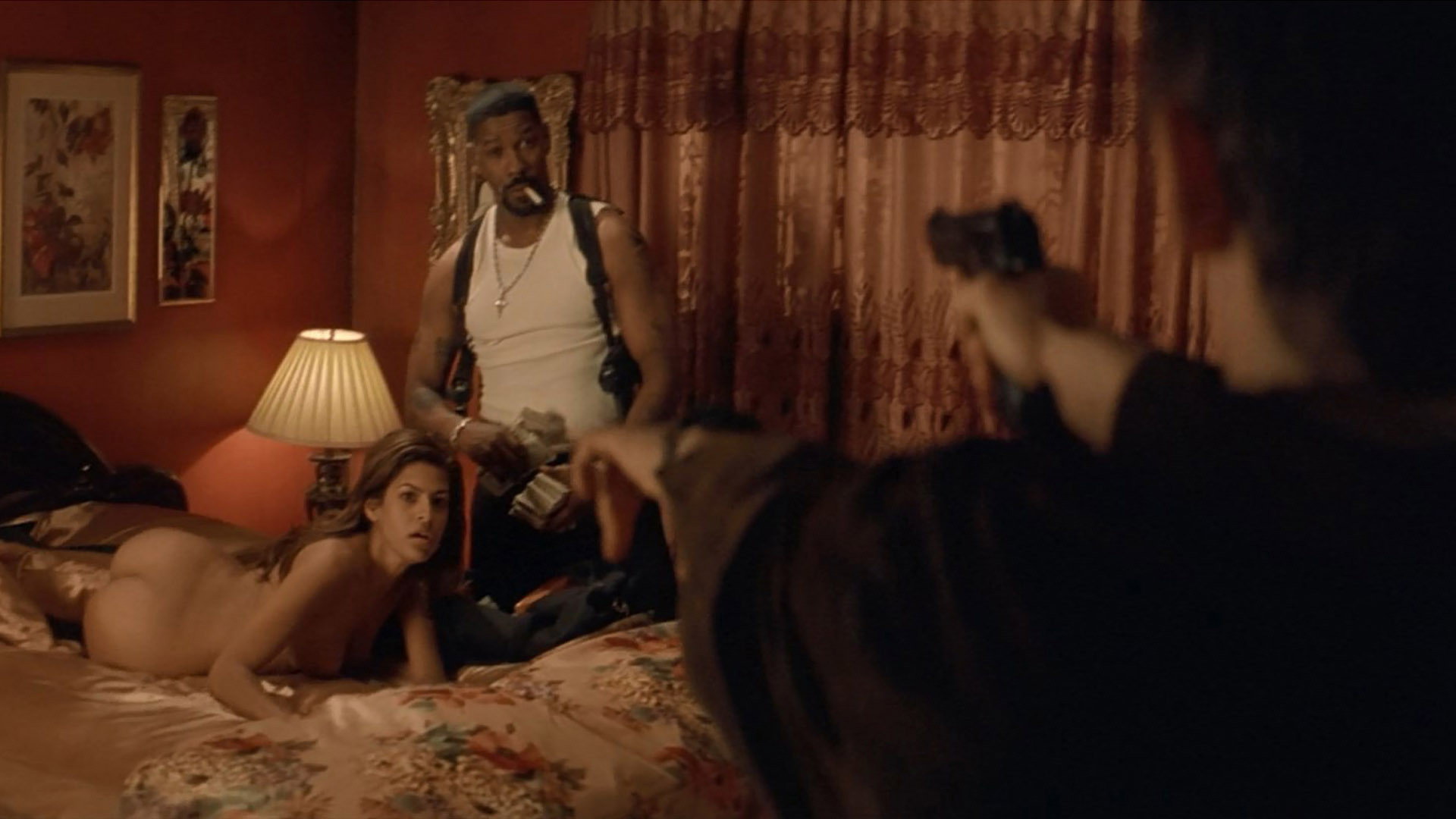
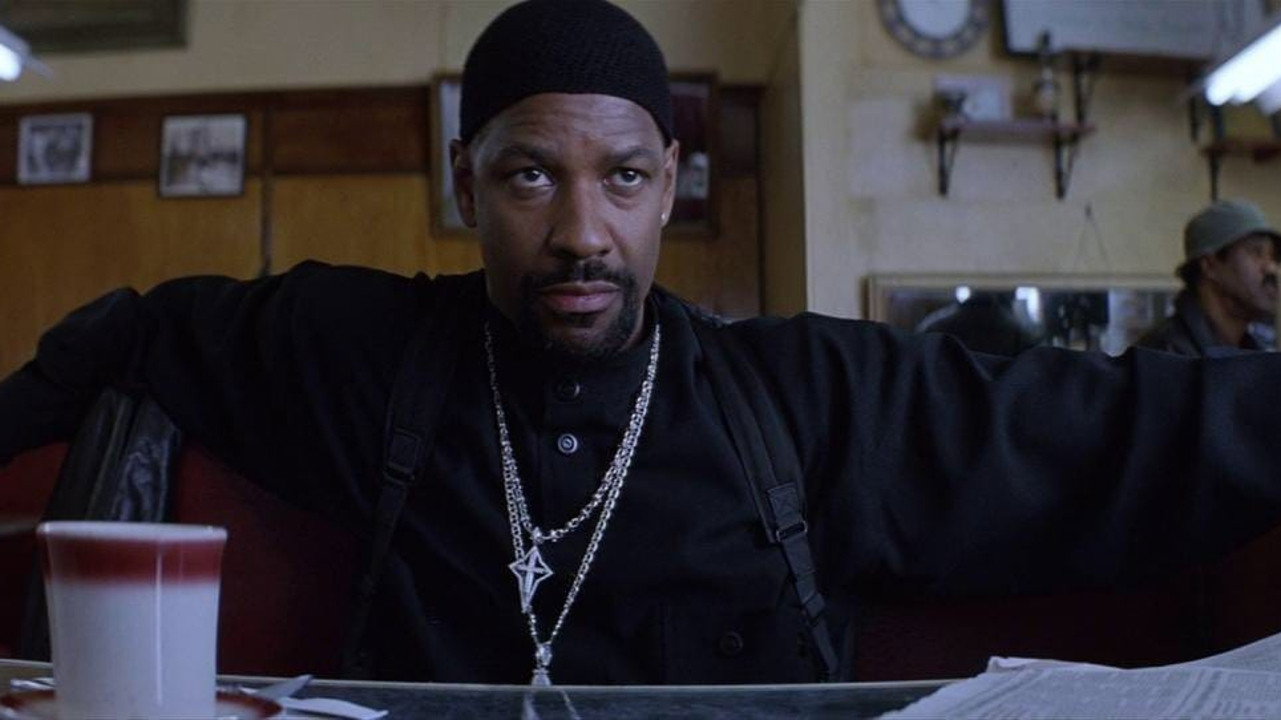
Washington’s Alonzo is a corrupt narcotics officer who makes knowing better sound like a personal failing in anyone else. His humour matters as much as his aggression, because it gives Jake a reason to remain interested even when he should be alarmed. Washington enjoys Alonzo’s ability to command attention, and Fuqua is right to let that enjoyment become uncomfortable. We felt uneasy watching Jake endure the humiliations presented as instruction. The bullying works because Alonzo makes acceptance by him seem worth the cost.

Ethan Hawke has the harder, less conspicuous task: Jake must be susceptible without seeming incapable of recognising what is in front of him. Hawke makes the desire to impress credible, which keeps the character from becoming merely a decent man available for punishment. We can see why he might hesitate before challenging someone who appears so certain of himself. The performance gives Washington something to push against, and their exchanges remain tense even when Alonzo is being amusing. Neither actor needs the screenplay to announce the difference in their authority.

Mauro Fiore’s cinematography gives the Los Angeles street scenes a glossy finish that suits Alonzo’s appetite for attention. We occasionally wanted less polish, particularly when the setting ought to make his behaviour feel grubby. Naomi Shohan’s production design keeps the surroundings credible, helping the intimidation feel rooted in places where people actually live. Fuqua handles these spaces with assurance, making the encounters feel dangerous without losing track of the people involved. The style sometimes overstates the threat, but it seldom gets in the actors’ way.

Conrad Buff IV’s editing gives the successive encounters enough momentum to stop the film feeling like a collection of tests for Jake. At 122 minutes, it has room for the actors to complicate what might otherwise be a blunt exercise in intimidation. Mark Mancina’s score adds pressure, though the tension between Washington and Hawke is already doing the necessary work. The most persuasive danger comes from wondering what Alonzo will require Jake to accept next.

The difficulty comes when Ayer asks the plot to take over from that relationship. Its later contrivances require a degree of indulgence that the performances have not needed, and the action grows more conventional. We will leave the details alone, but the change costs the film some of its earlier unease. Fuqua stages it confidently, with a clear sense of pace, but the strain in the plotting remains. Too much of the closing stretch depends on accepting what the screenplay needs to happen.

The police thriller often treats professional competence as a reason to forgive almost anything, and Fuqua makes that habit worth questioning. Alonzo is compelling enough for the temptation to register, even when his conduct should settle the matter. That gives Training Day something nastier and more interesting than the routine clash of a seasoned officer and a beginner. Go for Washington and Hawke; be prepared for the plot to become less interesting than either of them.
Critical consensus AI synthesised

78
Positive
7
Mixed
0
Negative
0

Most critics respond warmly to Training Day, with praise clustering around Denzel Washington’s charismatic, threatening performance as a corrupt narcotics officer. The reviews repeatedly credit him with making familiar police-thriller material tense and unsettling, while Ethan Hawke earns approval for his convincing, understated rookie. Antoine Fuqua’s direction also draws praise for its pace, style and handling of tense encounters. Several critics value the screenplay’s uneasy overlap between police work and criminal behaviour.

The main reservation is the final act, where several reviews find that moral complexity gives way to routine plotting, contrivance and cop-film clichés. The spread is largely one of enthusiasm rather than outright disagreement, though The New York Times is more sceptical, finding the drama intermittently effective but too dependent on action-film retribution. Total Film likewise draws a sharp distinction between the gripping early stretch and a routine climax, while still admiring both leads.

Empire
1 February 2002 · Chris Hewitt
85*

A cracking cop drama anchored by Washington's fantastic against-type performance and Fuqua's thoughtful, stylish direction, evoking an urban LA Confidential with tense set-pieces and moral complexity. It is slightly marred by an unsatisfactory climax.

Read the full review →
Radio Times
★★★★ · Jason Caro
80

This is a powerful anti-buddy movie set on the mean streets of LA, directed with style and snap by Antoine Fuqua and anchored by highly credible characterisations from its two stars. Though the script succumbs to some cop clichés, this does not blunt the persuasive effect of the work from all concerned.

Read the full review →
Slant Magazine
5 October 2001
80*

The critic calls the film a rock-solid thriller that traces a corrupt cop's abuse of power and notes how it blurs the lines between police and criminals in a gritty, ironic narrative.

Read the full review →
The Independent
3 February 2002 · Nick Barber
80*

The critic praises how the film sharpens the edges of the veteran-rookie buddy-cop formula into something riveting, with Denzel Washington's charismatic, rule-breaking narcotics officer driving the action. Hawke's rookie is drawn in despite the escalating danger.

Read the full review →
The AV Club
5 October 2001 · Keith Phipps
75*

The review highlights Denzel Washington's striking performance as a morally ambiguous narcotics officer and commends the screenplay's exploration of the line between cops and criminals, though it finds the final act a letdown.

Read the full review →
Total Film
1 February 2002
70*

A gripping but retrograde dirty-cop thriller that delivers a simple, brutal pleasure in its first act before descending into genre bilge with a routine climax. Terrific acting, especially from Washington and an understated Hawke, stands out.

Read the full review →

Cast

Stills

Awards

Academy Awards, 2002

Nominated
Best Supporting Actor
Won
Best Actor

MTV Movie Award for Best Villain, 2002

Won
MTV Movie Award for Best Villain

If you liked this, try…

The Big Heat poster

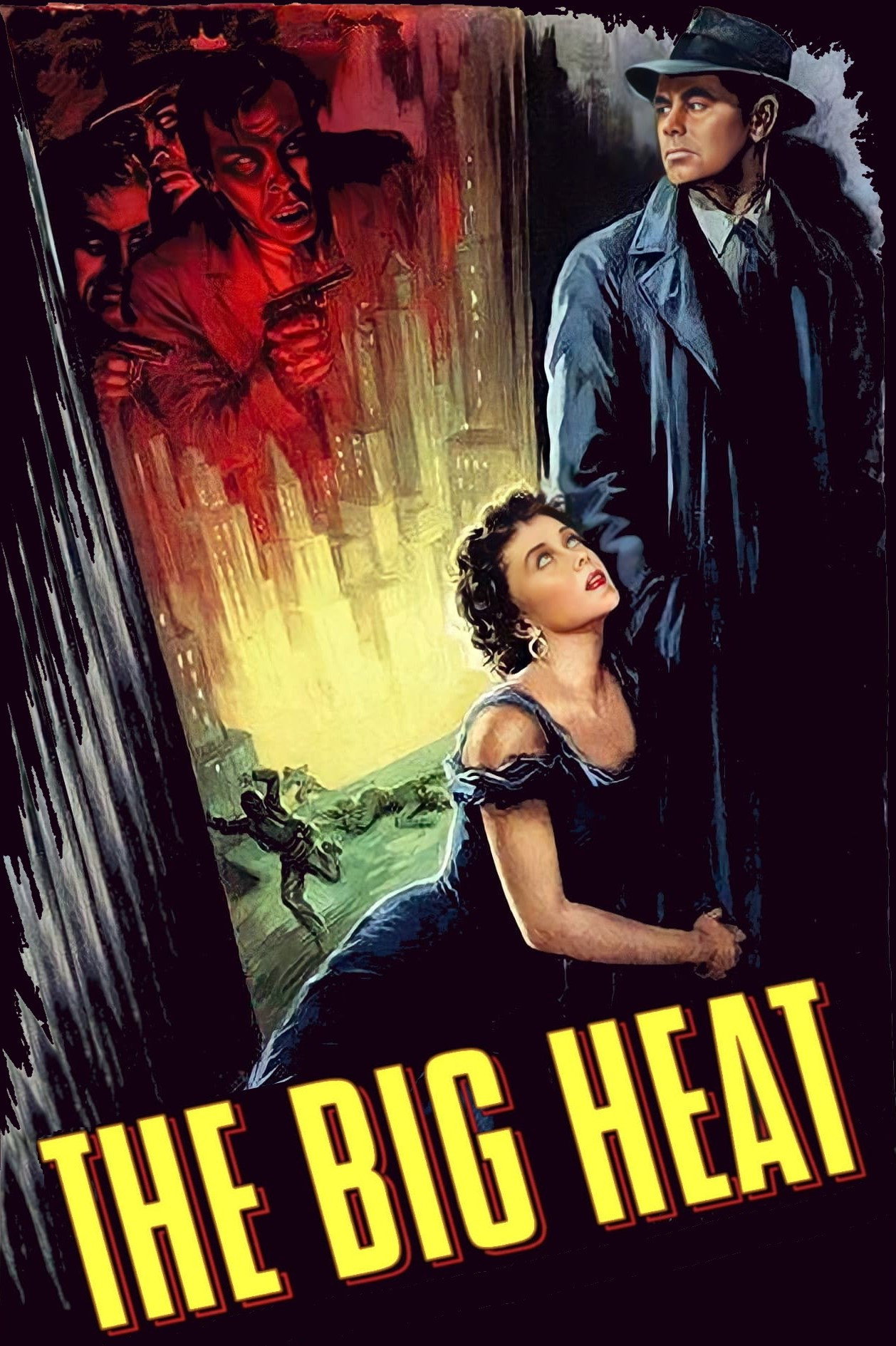
The Big Heat

1953 · Fritz Lang makes a policeman’s righteous anger increasingly difficult to endorse.

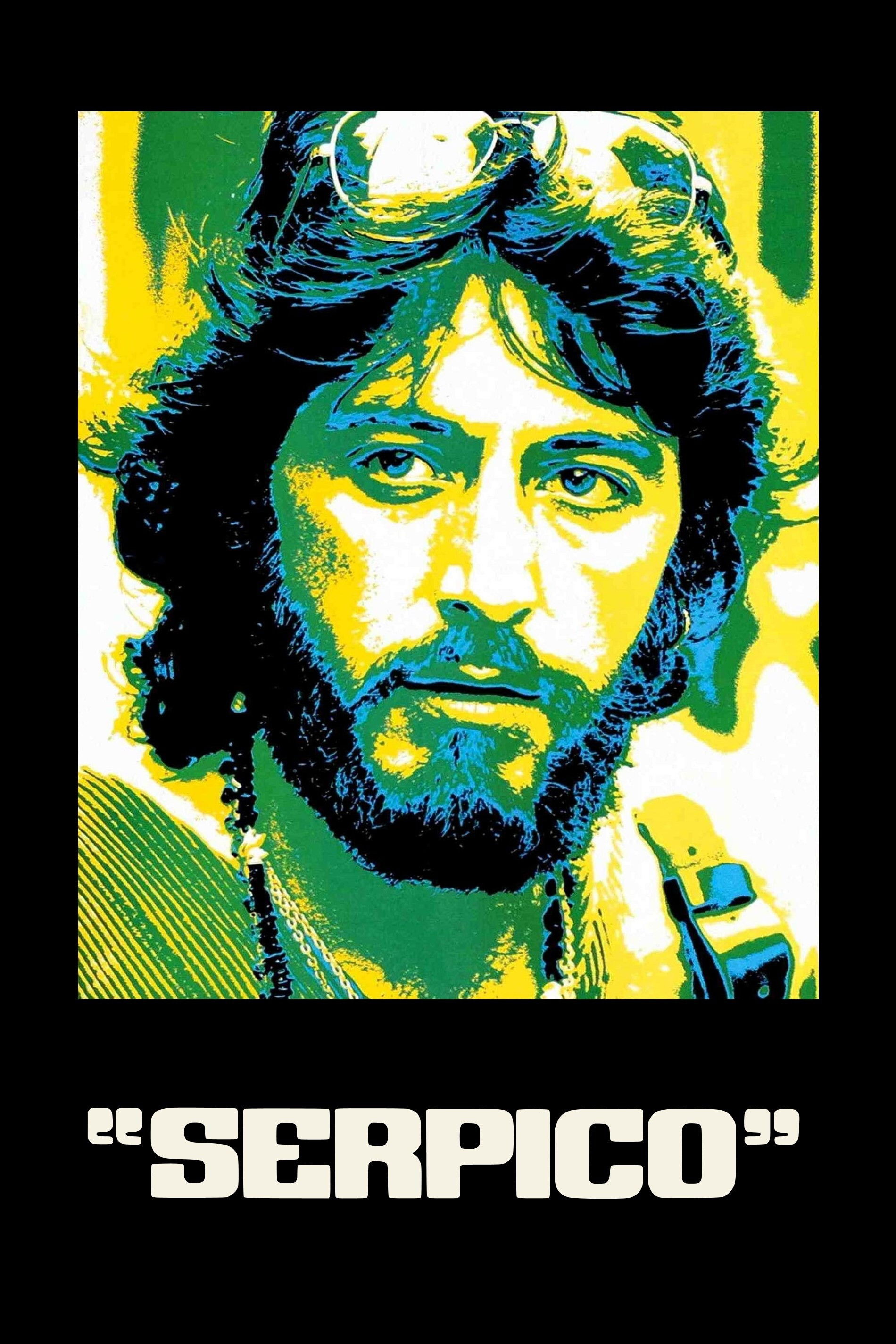
Serpico poster

Serpico

1973 · Al Pacino faces police corruption without the protection of belonging.

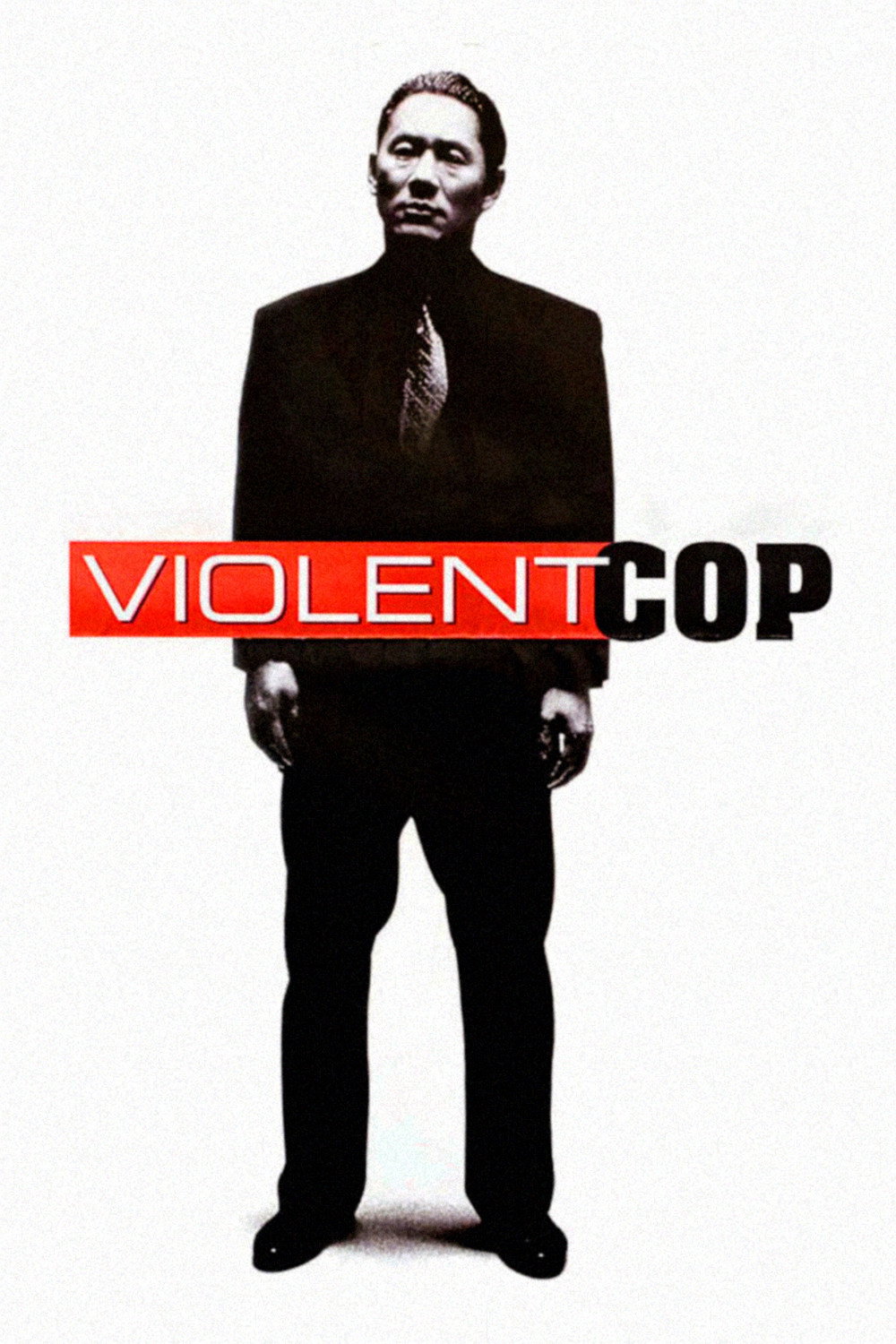
Violent Cop poster

Violent Cop

1989 · Takeshi Kitano strips the reassuring professionalism from another dangerously forceful policeman.

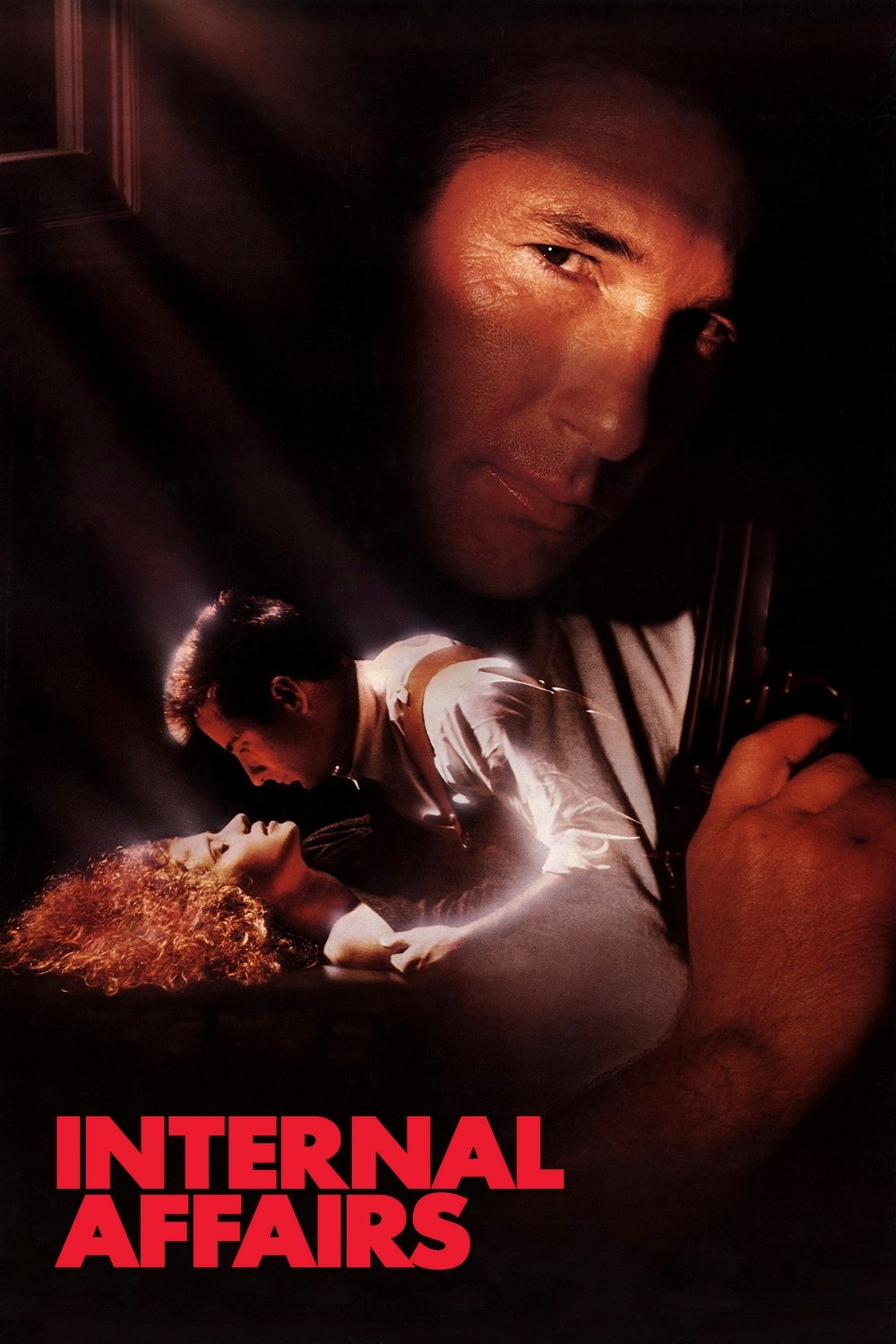
Internal Affairs poster

Internal Affairs

1990 · Richard Gere makes police corruption seductive, personal and difficult to challenge.

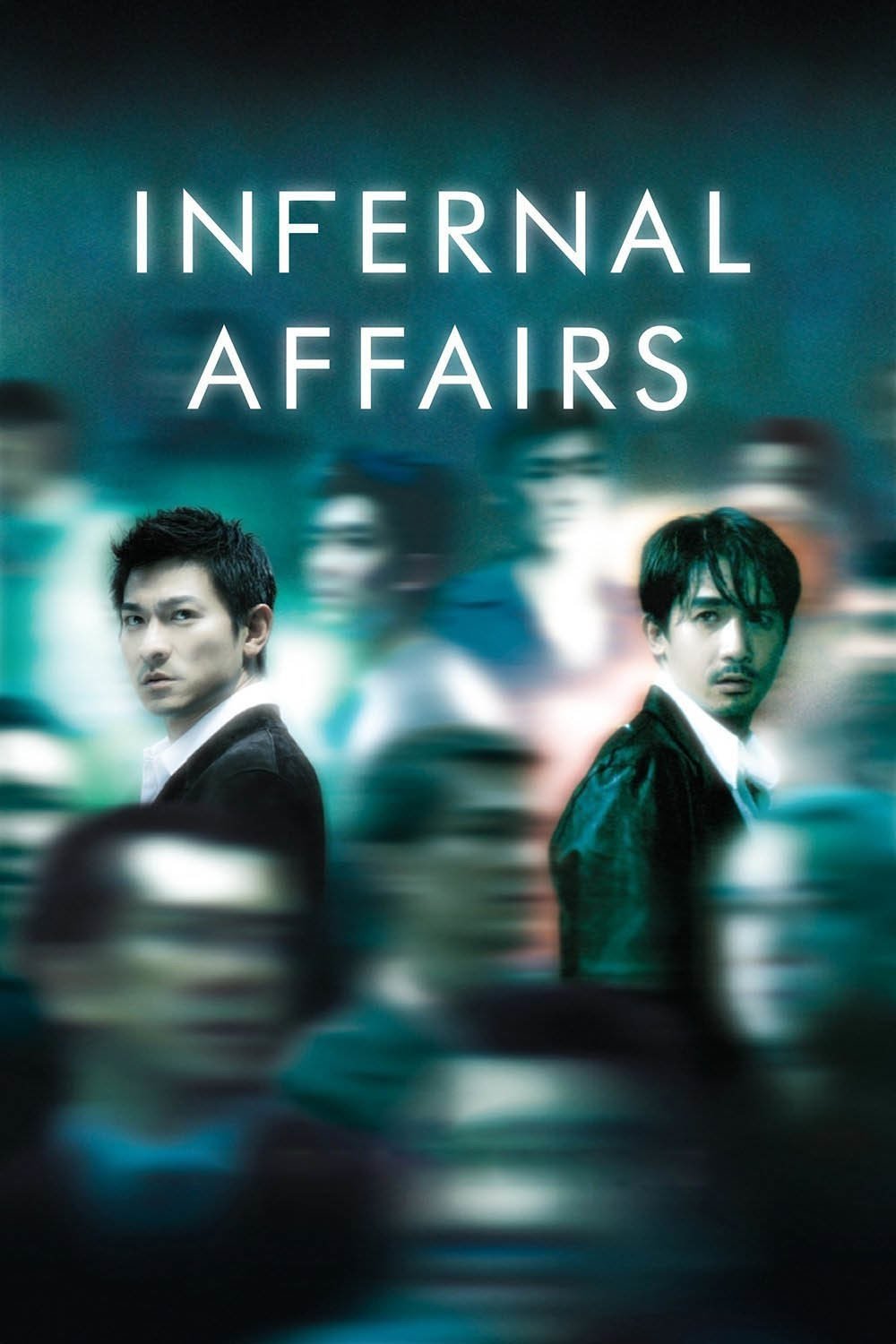
Infernal Affairs poster87

Infernal Affairs

2002 · A Hong Kong thriller where divided loyalties make every conversation dangerous.