Film review

Trainspotting

1996 · Directed by Danny Boyle · 1h 34m · 18

In a sentenceNinety-four minutes with men we would watch again and never give a spare key

DramaCrime

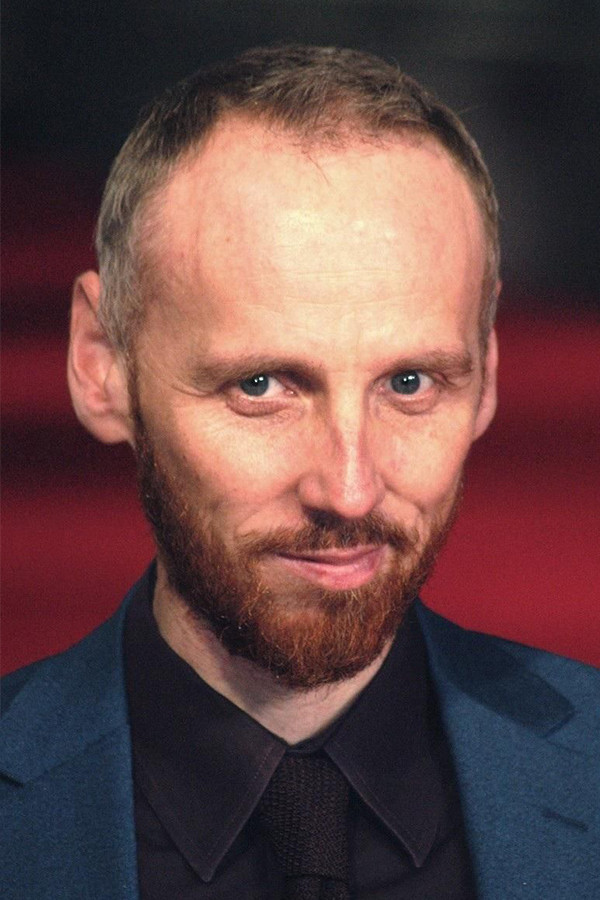
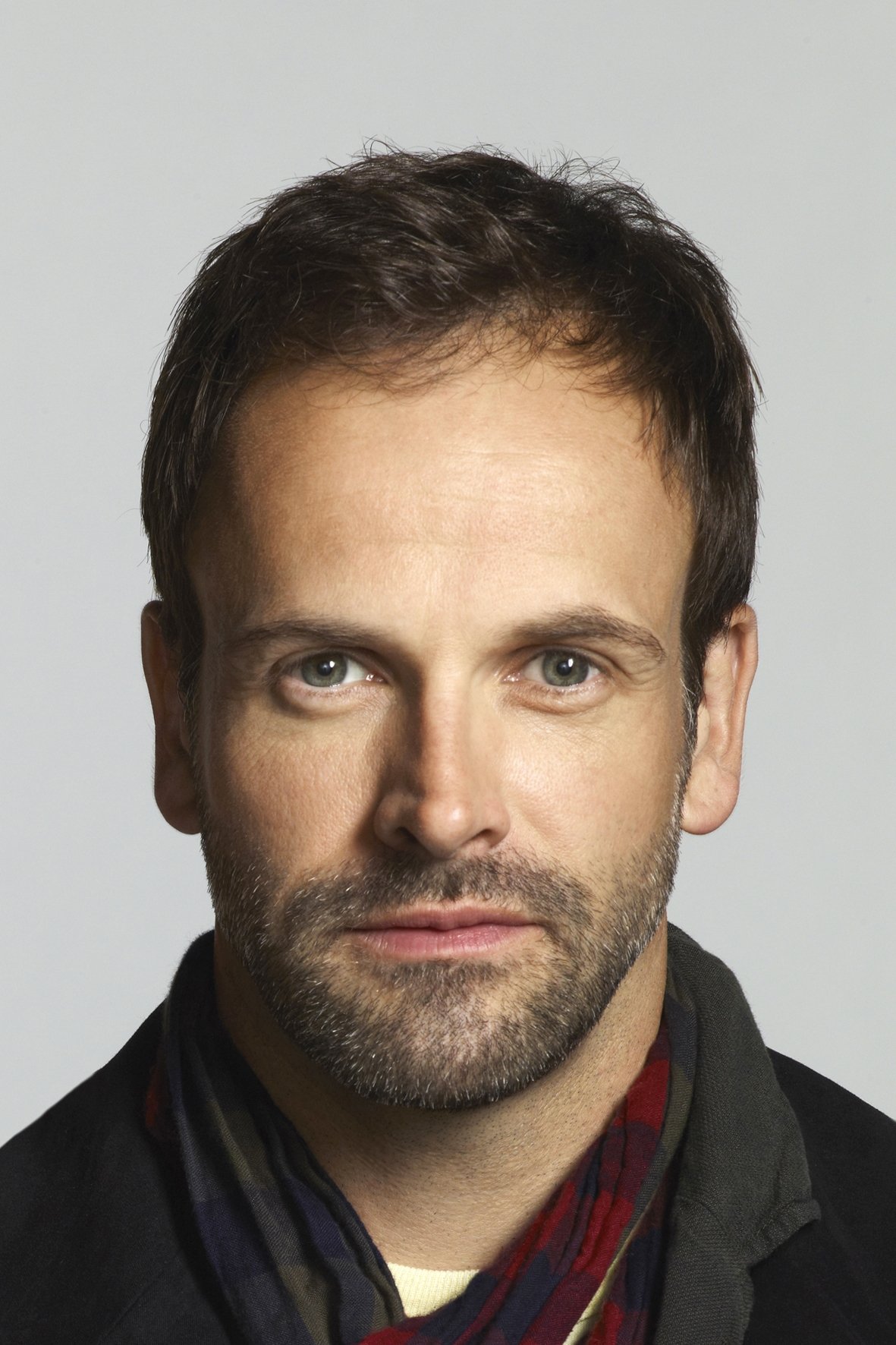
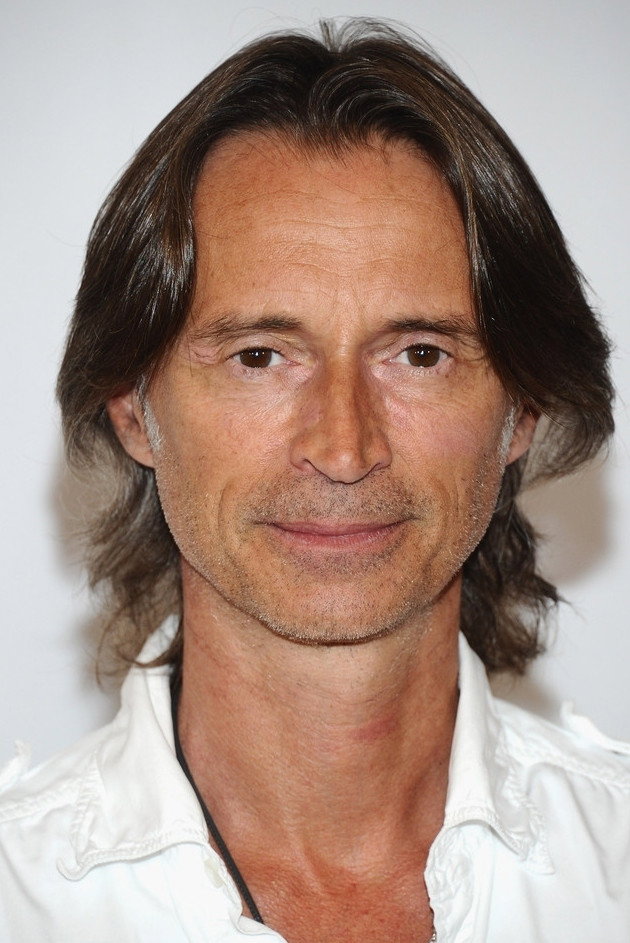
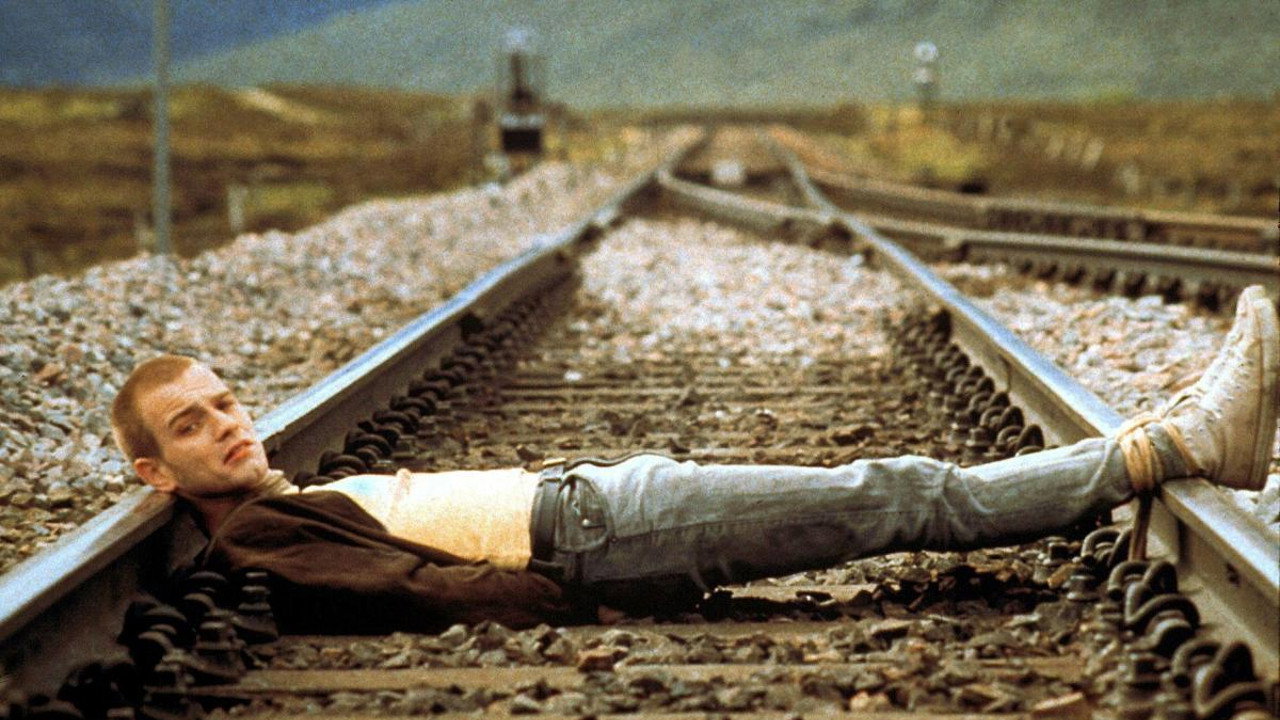
Renton (Ewan McGregor) belongs to a circle of Edinburgh friends whose lives are caught up in heroin addiction. Their shared jokes and reliance on familiar company make an exhausting routine easier to bear, while binding them to the same habits and the same people. The story follows the repeated demands of addiction and the friendships that persist around it. Ewen Bremner plays Spud, Jonny Lee Miller plays Sick Boy and Robert Carlyle plays Begbie, with Kelly Macdonald as Diane. Danny Boyle directs John Hodge’s adaptation of Irvine Welsh’s novel.

Plays from YouTube when you press play; nothing loads from them until then.

Fi1m review

Danny Boyle’s Trainspotting is fast, funny and frightening, and we recommend it warmly. The actors keep its Edinburgh addicts human, though the editing sometimes rushes past suffering that needs more time.

Danny Boyle’s Trainspotting is a funny, punishing film about heroin addiction, and we recommend it warmly. It understands why anyone might keep returning to bad company: these Edinburgh men enjoy being together, even when their lives are exhausting. Boyle gives the humour room to work, trusting us to notice what the routine costs them. Much of the film’s force comes from the repeated business of getting through another day.

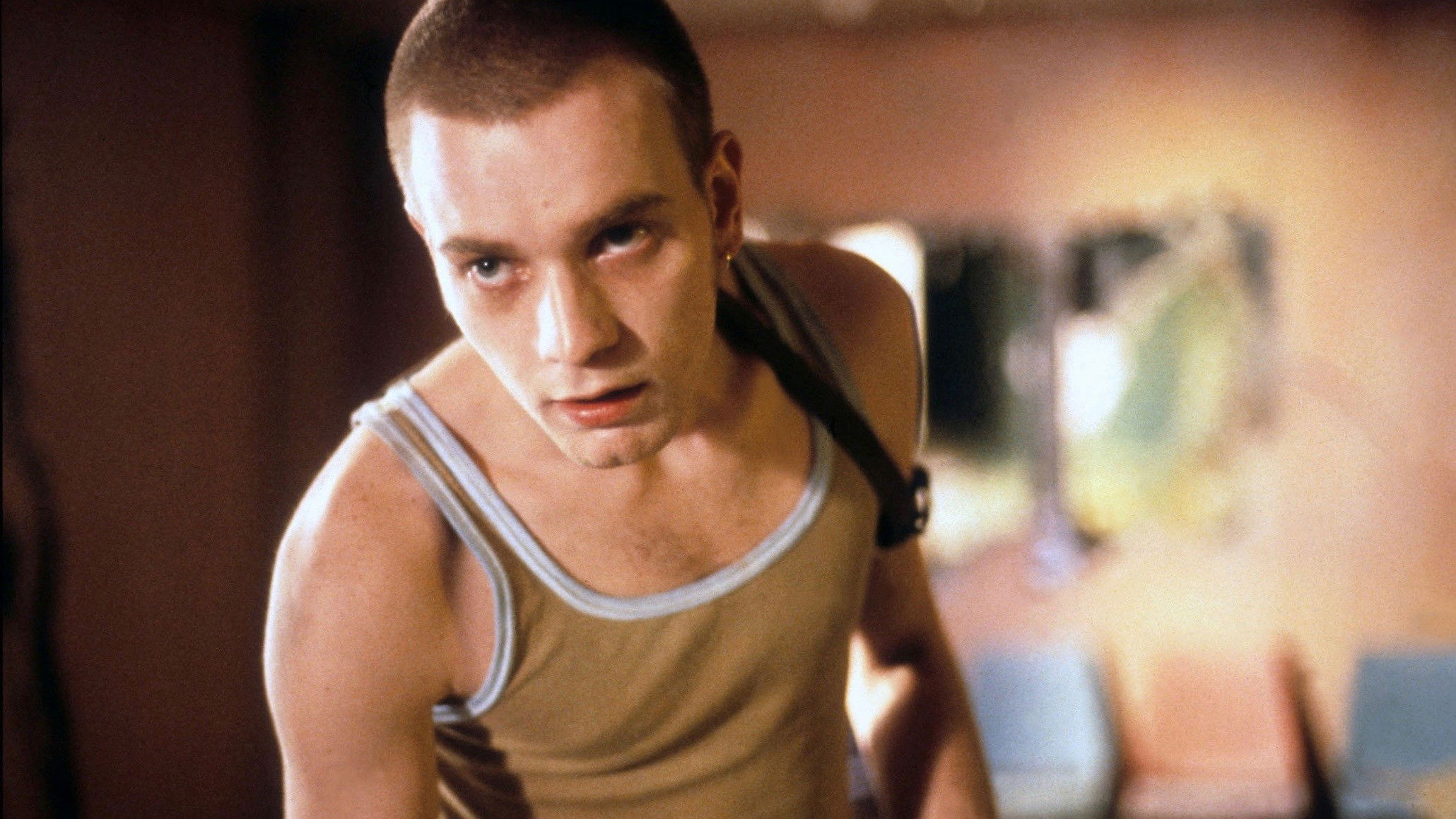
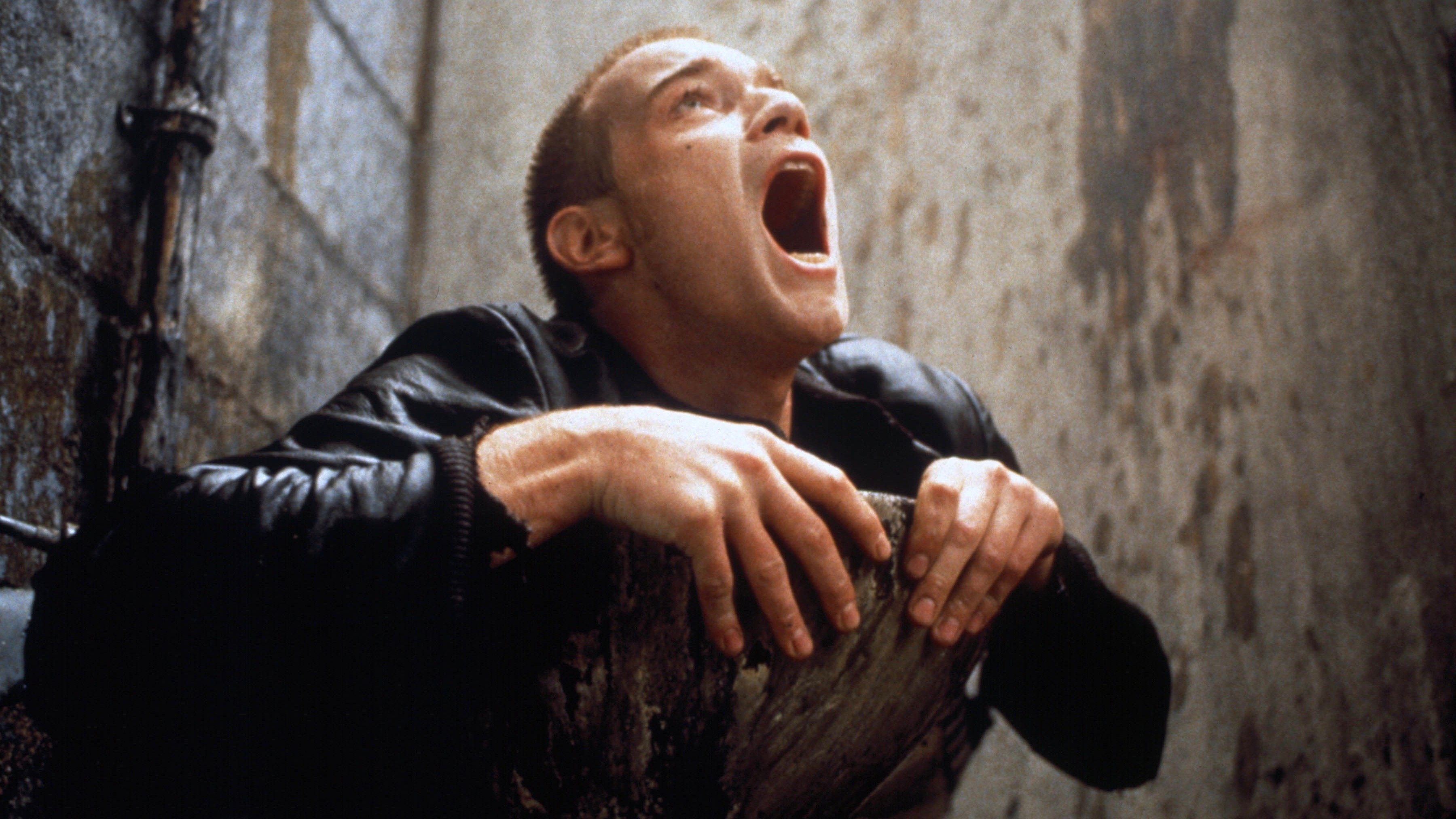
Ewan McGregor makes Renton engaging enough that we do not spend the film congratulating ourselves on being more sensible than he is. His ease with the humour makes the group’s repetitive life briefly seem bearable. Ewen Bremner’s Spud and Robert Carlyle’s Begbie have sharply different comic presences, and Boyle lets those differences unsettle the tone. We laughed at the men’s jokes, then felt uncomfortable about how quickly we had accepted their daily routine. The camaraderie is appealing enough to make the prospect of leaving this group seem difficult.

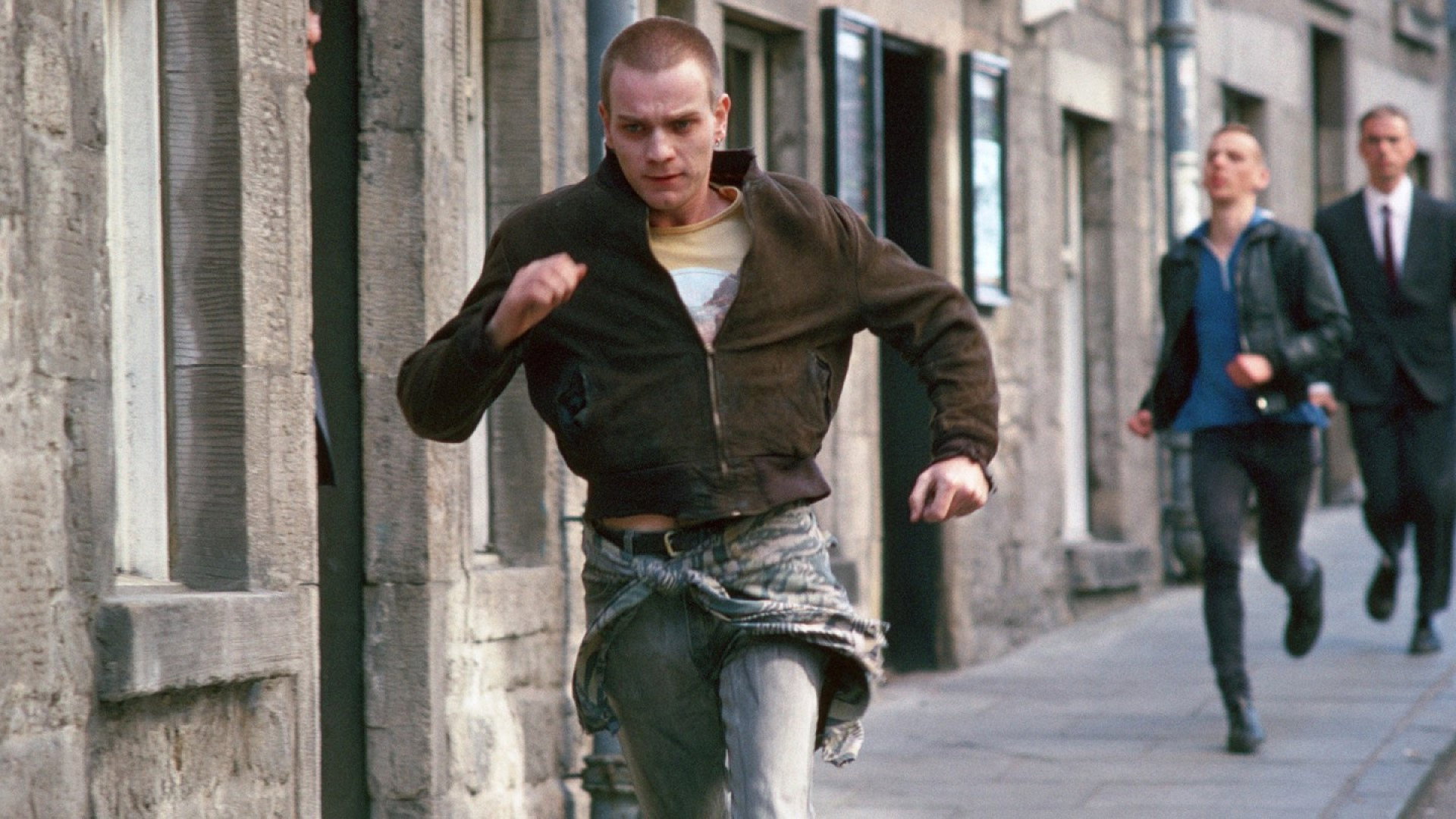
Brian Tufano’s cinematography gives the men a visual polish which their behaviour hardly deserves. It is an effective choice: we look at them with an attention they might not get in a more dutiful social drama. Kave Quinn’s production design gives them surroundings that make the polished photography feel faintly indecent. The places they occupy are uncomfortable to contemplate, however well they photograph. Boyle occasionally seems too pleased with a visual flourish, especially when the actors could have held our attention without it.

Masahiro Hirakubo’s editing does more than keep things brisk. The movement between shared jokes and graphic unpleasantness keeps changing how much we want to be in this company, while the repeated routines show how little is changing for the men themselves. The soundtrack is an important part of that speed; the music helps make the abrupt changes in tone feel deliberate. We sometimes wished Hirakubo would wait longer after a shock. A quick return to speed can leave too little time to think about what has just happened.

John Hodge’s screenplay, adapted from Irvine Welsh’s novel, gives the humour a useful bluntness. These men do not seem to be explaining themselves for the benefit of an outsider, and their familiarity with one another saves the film a lot of exposition. The weakness is that the quick characterisation sometimes leaves the supporting men with little space beyond their contribution to the group. The performances make us want more of them. Hodge and Boyle could have afforded them a few quieter stretches, away from the pressure to produce another laugh or another jolt.

Drug dramas can become tedious when every scene seems to have been written to discourage imitation. Boyle allows the men to be funny and objectionable without demanding that we decide immediately how much sympathy each deserves. At 94 minutes, the film leaves little room for our attention to wander, though its graphic shocks deserve to be taken seriously. The humour helps keep the unpleasantness from becoming numbing. Watch it in one sitting, with someone who does not need the characters to be well behaved.

Critical consensus AI synthesised

4 of 6
Positive
4
Mixed
0
Negative
0
RogerEbert.com
26 July 1996 · ★★★★/4 · Roger Ebert
100

The film captures the fierce camaraderie among heroin addicts in Edinburgh with pragmatic insight into their exhausting routines and shared humor. It singles out the intense, circular nature of addiction and the bonds formed among the misfits as its core strength.

Read the full review →
Empire
1 January 2000 · Neil Jeffries
90*

The critic praises the film for glorifying youth and its raw energy rather than heroin, highlighting the strong performances, Boyle's direction, and the soundtrack as creating an unmatched piece of entertainment.

Read the full review →
The New York Times
19 July 1996 · Janet Maslin
80*

The stylish irreverence and gleeful directorial approach turn the vile subject matter into jubilant, fresh entertainment despite graphic shocks. It singles out the clever dissonance between outlaw characters and slick cinematic style for praise.

Read the full review →
Variety
11 February 1996 · Derek Elley
75*

Scabrous, brutal and hip, the inventive film delivers a Clockwork Orange for the 1990s with visual flair and nonjudgmental tone that delights niche audiences. It singles out the sustained humor, character involvement, and matching visual style for its wild swings in tone.

Read the full review →

Cast

Stills

Awards

Academy Awards, 1997

Nominated
Best Writing, Adapted Screenplay

Bodil Award for Best Non-American Film, 1997

Won
Bodil Award for Best Non-American Film

Chlotrudis Award for Best Director, 1997

Nominated
Chlotrudis Award for Best Director

Independent Spirit Awards, 1997

Nominated
Best Foreign Film

London Film Critics Circle Award for British Actor of the Year, 1997

Won
London Film Critics Circle Award for British Actor of the Year

MTV Movie Award for Best Breakthrough Performance, 1997

Nominated
MTV Movie Award for Best Breakthrough Performance

Satellite Award for Best Adapted Screenplay, 1997

Nominated
Satellite Award for Best Adapted Screenplay

Satellite Award for Best Film, 1997

Nominated
Satellite Award for Best Film

Writers Guild of America Award for Best Adapted Screenplay, 1997

Nominated
Writers Guild of America Award for Best Adapted Screenplay

BAFTA Film Awards, 1996

Nominated
Best British Film
Won
Best Adapted Screenplay

Boston Society of Film Critics Award for Best Foreign Language Film, 1996

Won
Boston Society of Film Critics Award for Best Foreign Language Film

Golden Space Needle, 1996

Won
Golden Space Needle

If you liked this, try…

Drugstore Cowboy poster

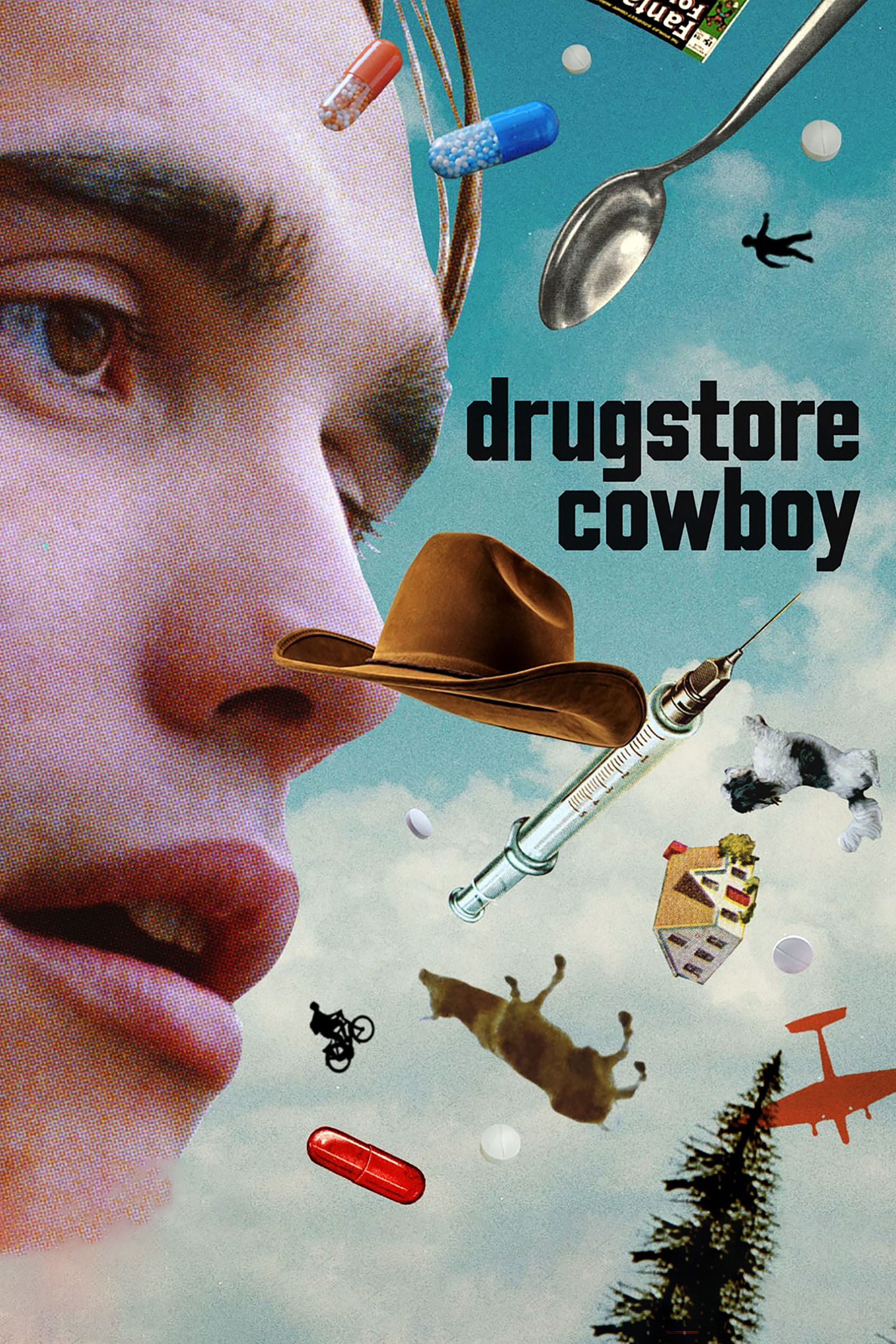
Drugstore Cowboy

1989 · Another drug-taking circle whose everyday practicalities matter as much as the damage.

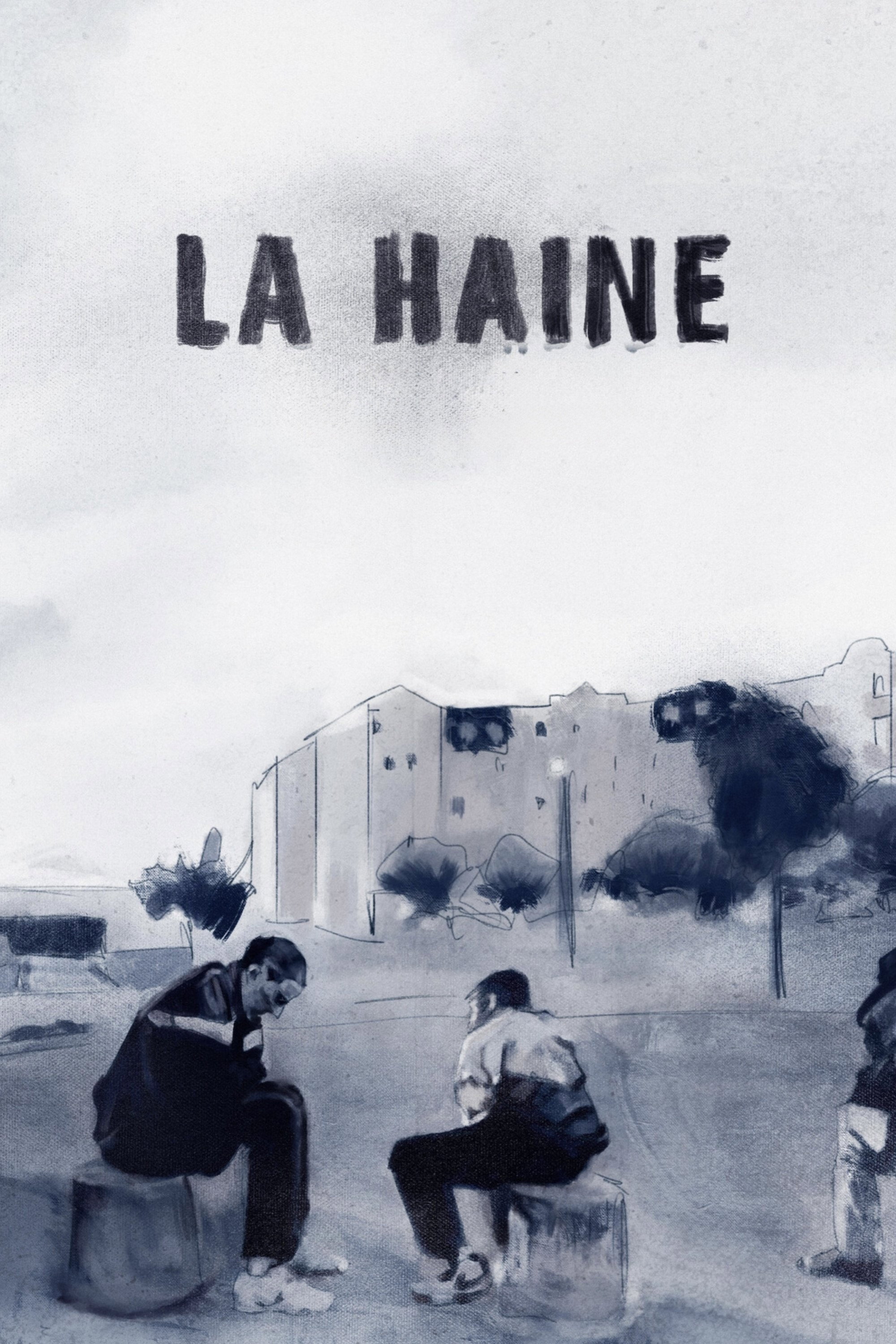
La Haine poster

La Haine

1995 · Restless young men, volatile friendships and a city that offers little patience.

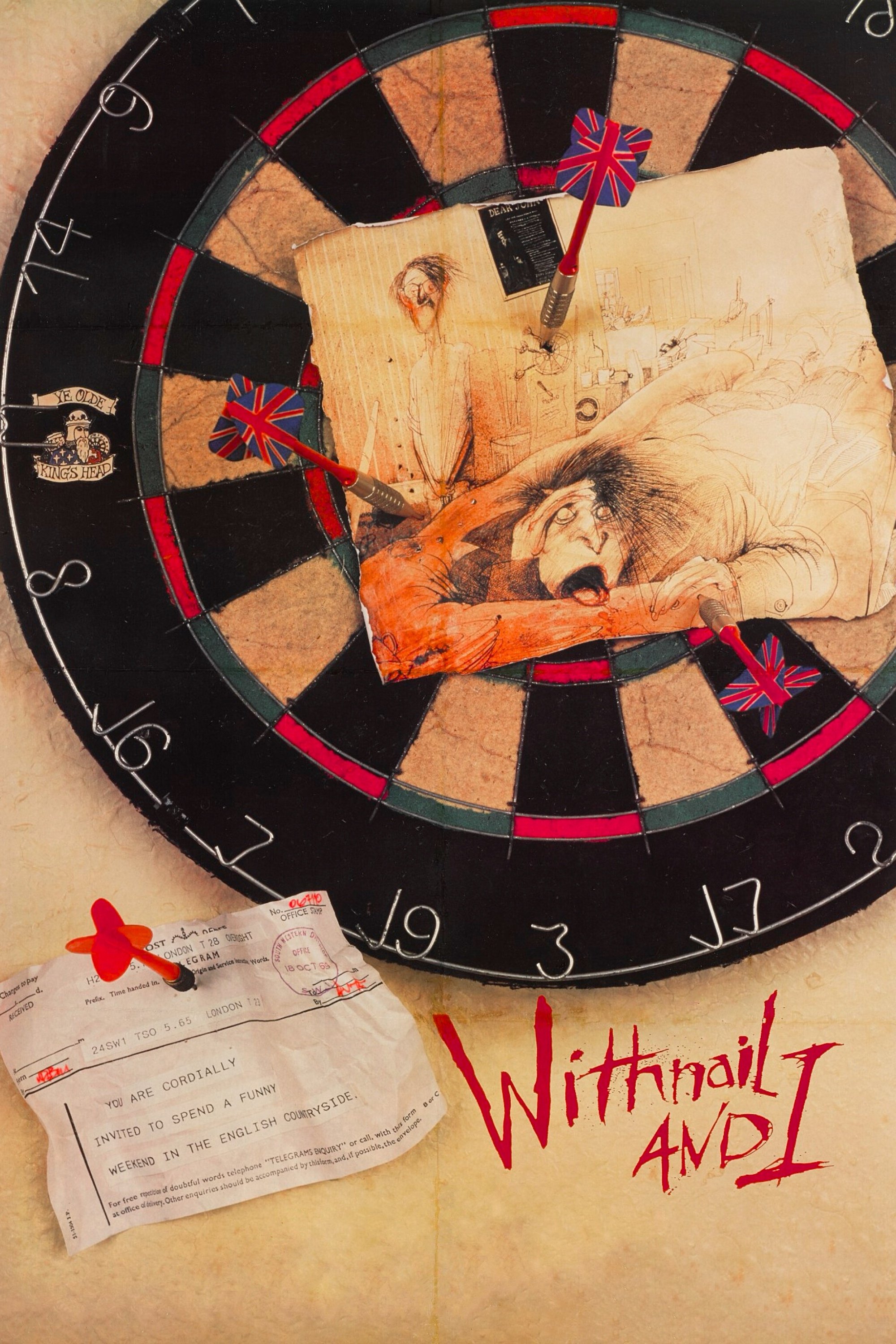
Withnail and I poster88

Withnail and I

1987 · For the jokes that make appalling company surprisingly difficult to leave.

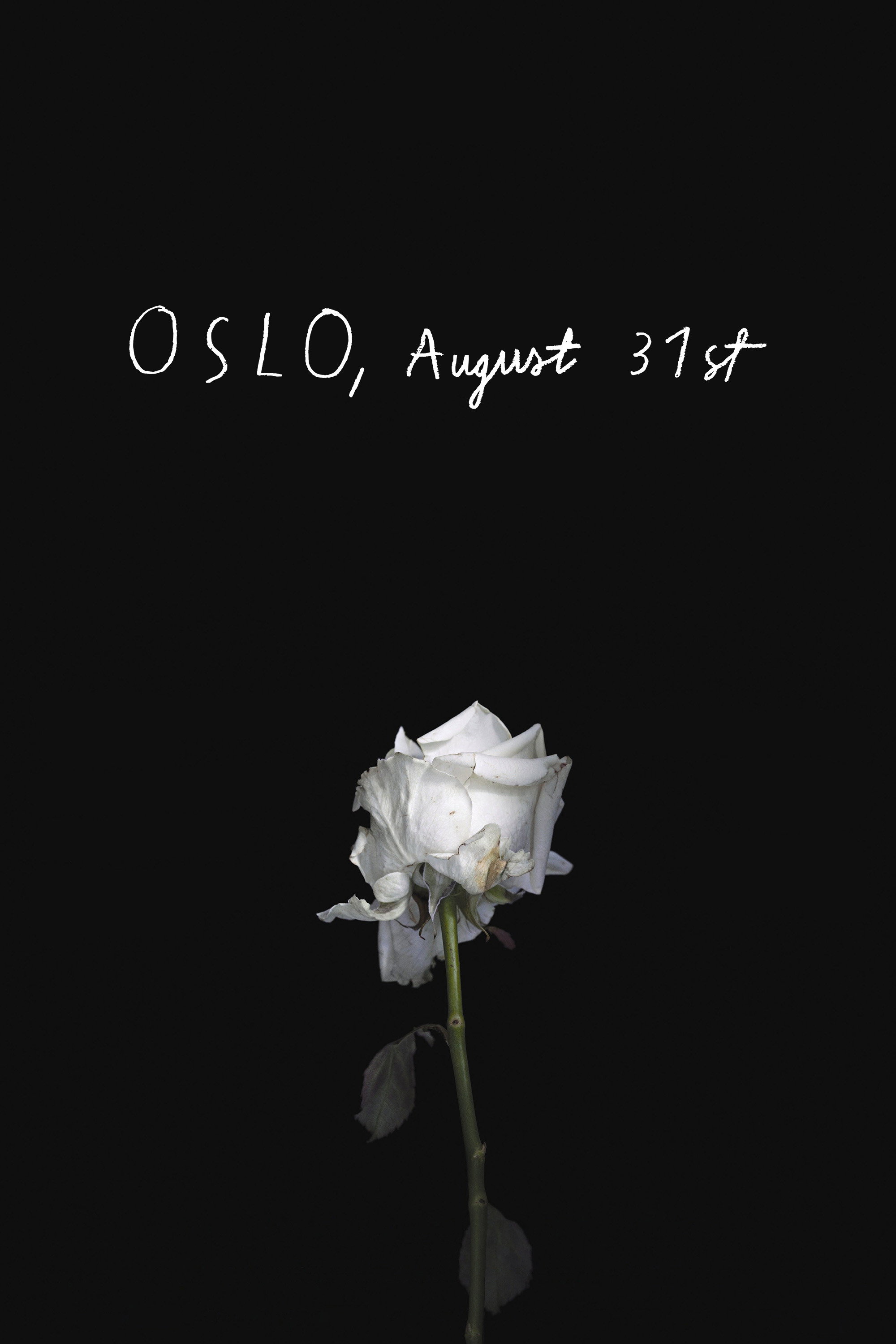
Oslo, August 31st poster

Oslo, August 31st

2011 · A quieter account of addiction, attentive to the difficulty of ordinary conversation.

Daisies poster

Daisies

1966 · For anarchic humour and young people who make terrible behaviour look enticing.