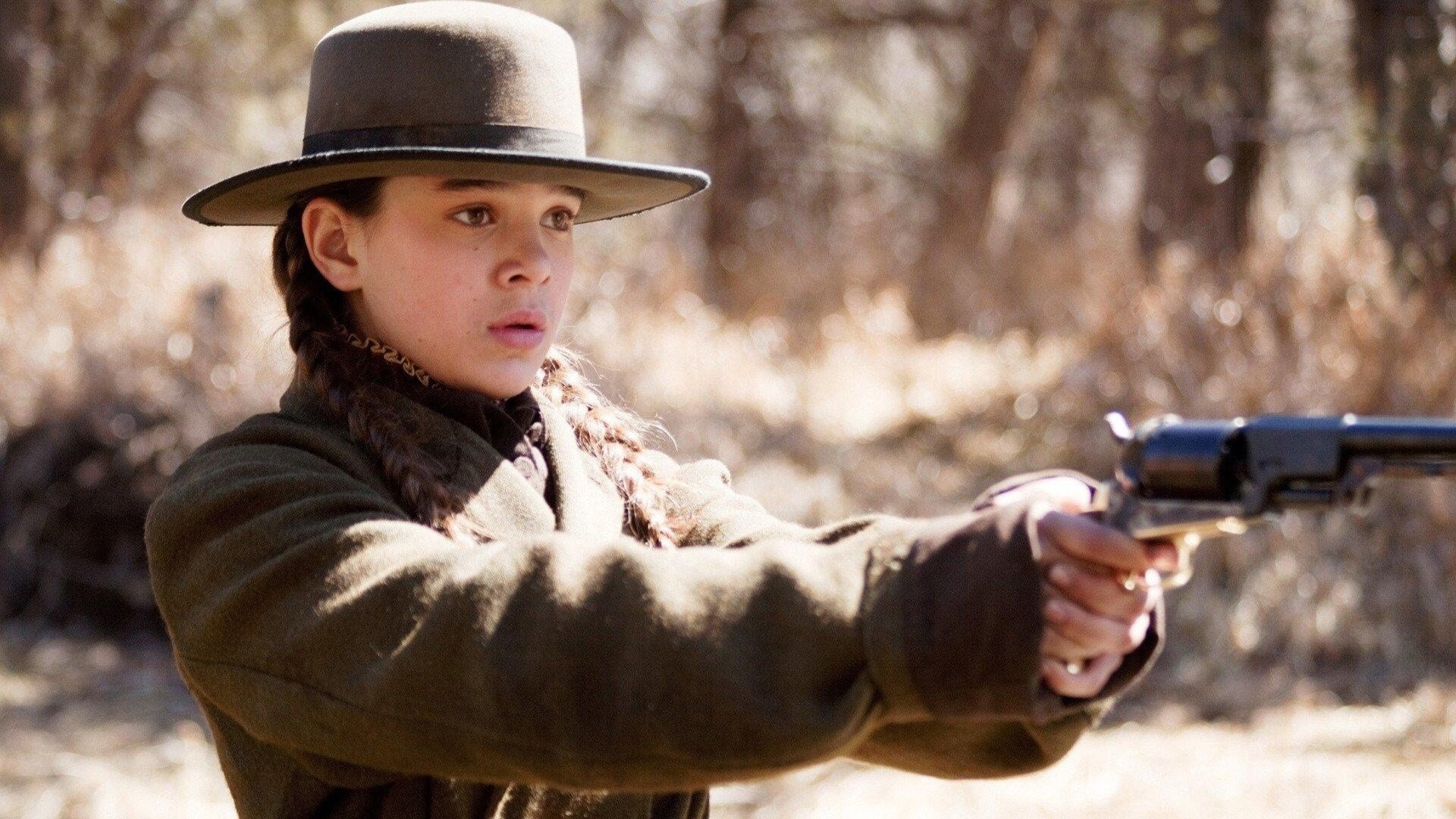
The Coens make a funny, stern western in which Hailee Steinfeld holds her ground against Jeff Bridges and Matt Damon. We recommend it warmly, though the men’s squabbling sometimes makes vengeance feel too comfortable.
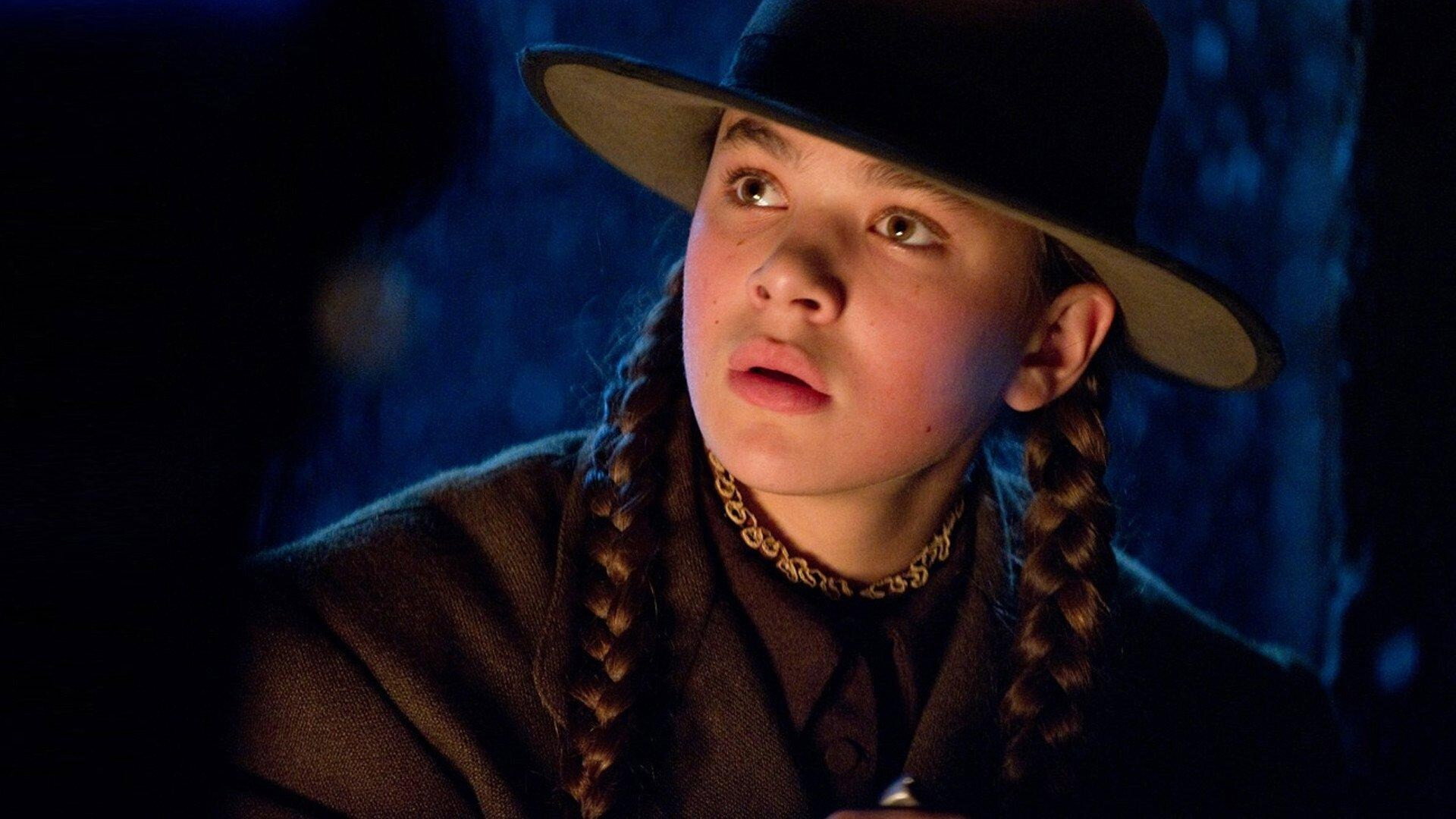
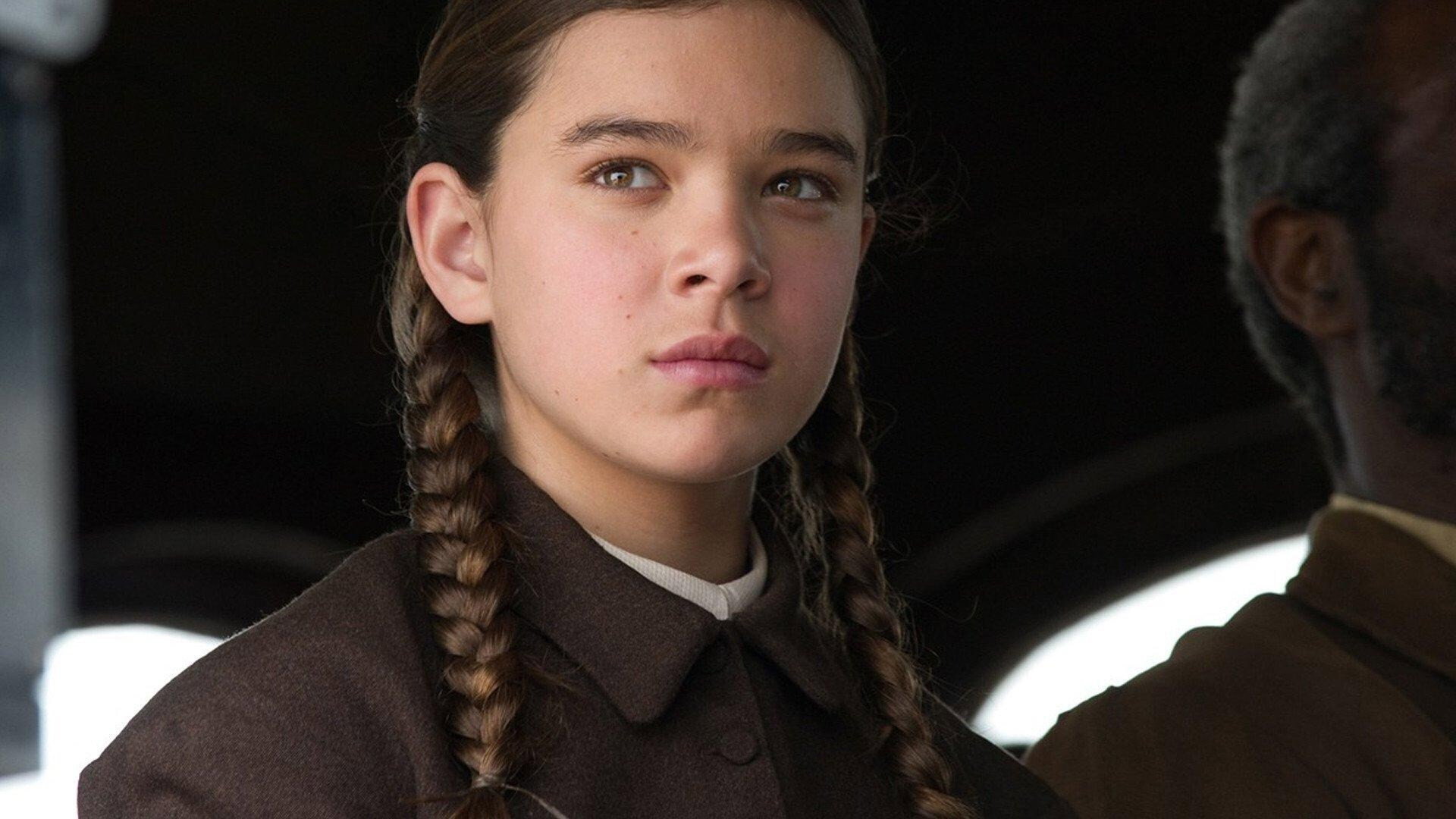
True Grit is a western worth making time for, especially for the pleasure of hearing people choose their insults carefully. Joel and Ethan Coen adapt Charles Portis’s novel with affection for its formal language and a properly unsettled interest in Mattie Ross’s hunger for revenge. The girl has no intention of waiting for the adults to decide what justice requires. We are encouraged to enjoy her certainty, then to notice how little room it leaves for mercy. Hailee Steinfeld makes both responses possible.
Steinfeld understands that Mattie’s formal way of speaking is also a way of refusing to be dismissed. She gives the elaborate sentences a practical purpose, as if getting the words exactly right might force everyone else to behave properly. We laughed at her severity, because she can make the grown men sound unprepared simply by answering them. There is no plea for affection in the performance. Her determination can be troubling, and Steinfeld lets it remain so even when the exchange is funny.
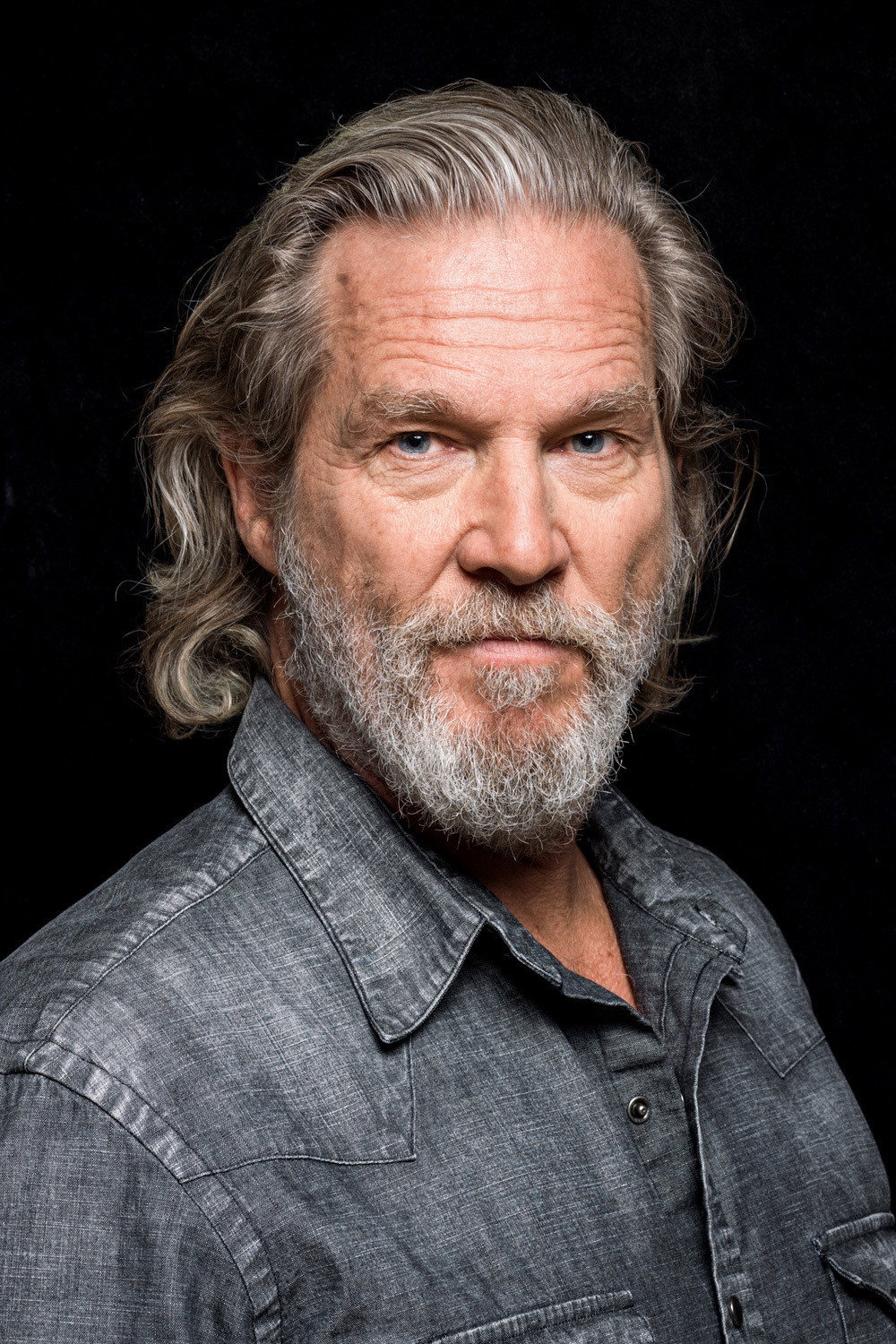
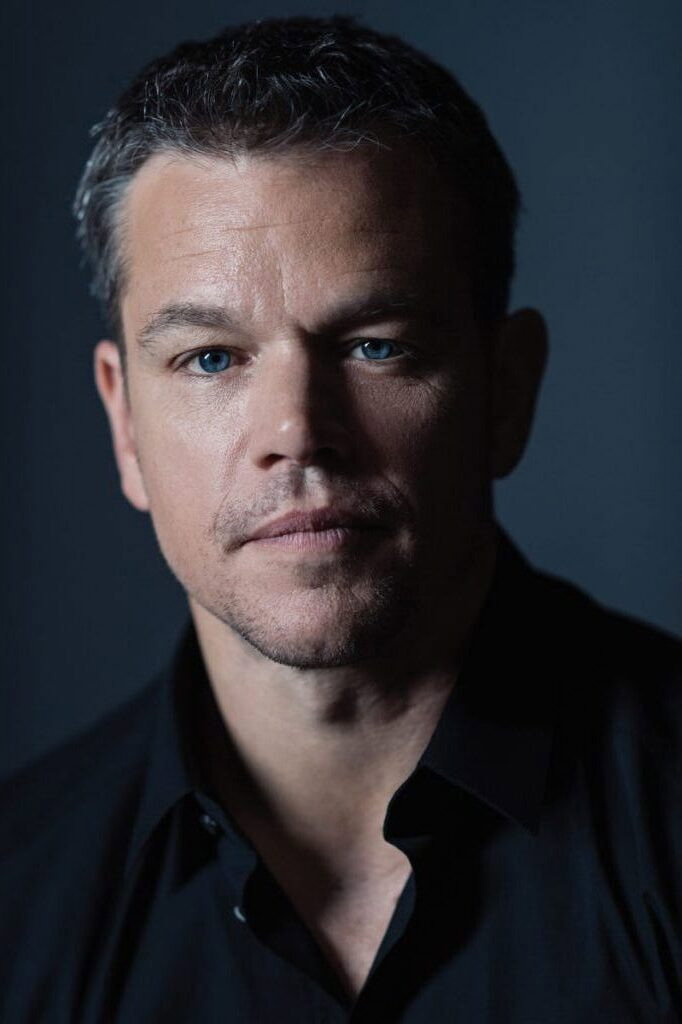
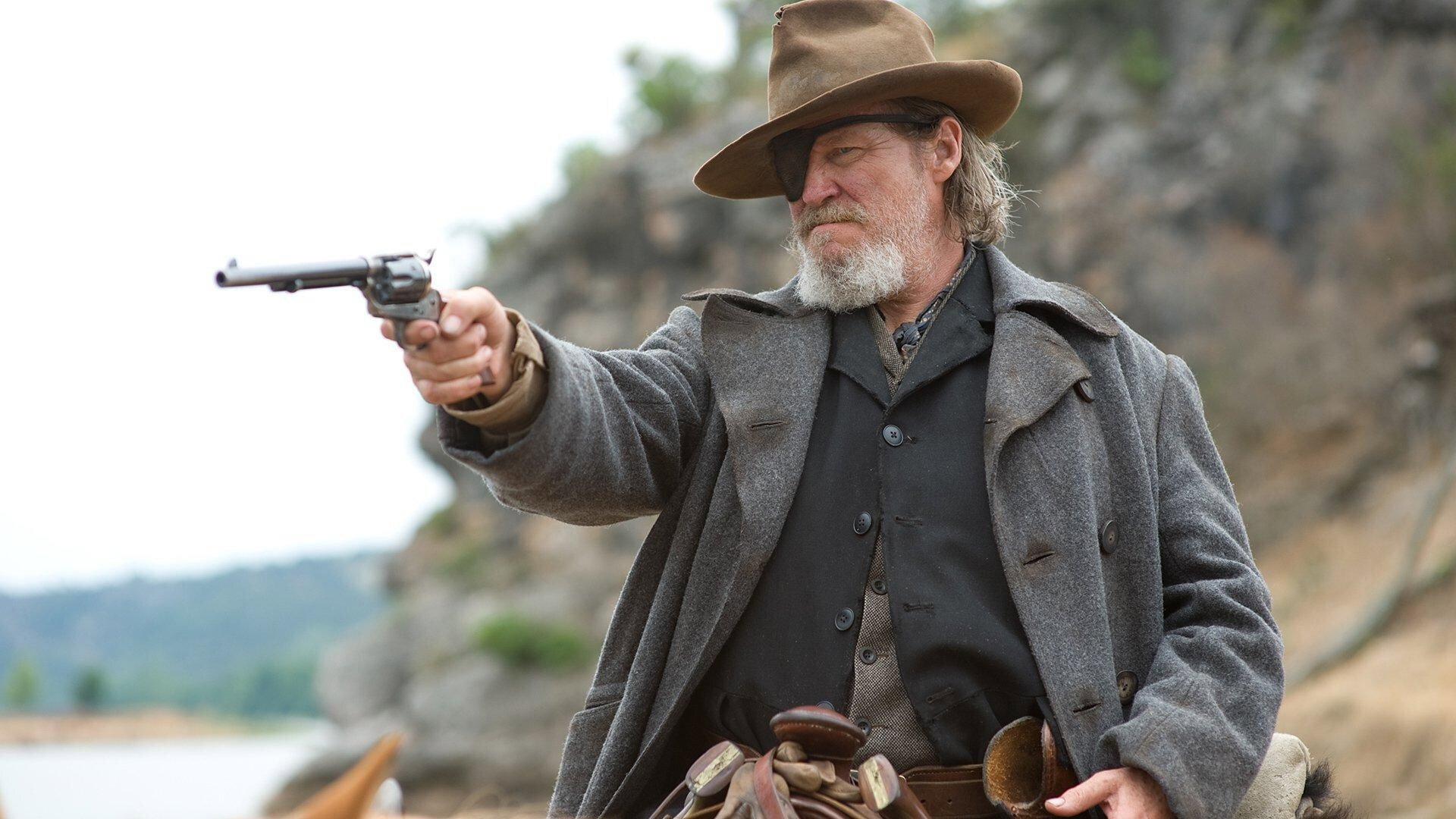
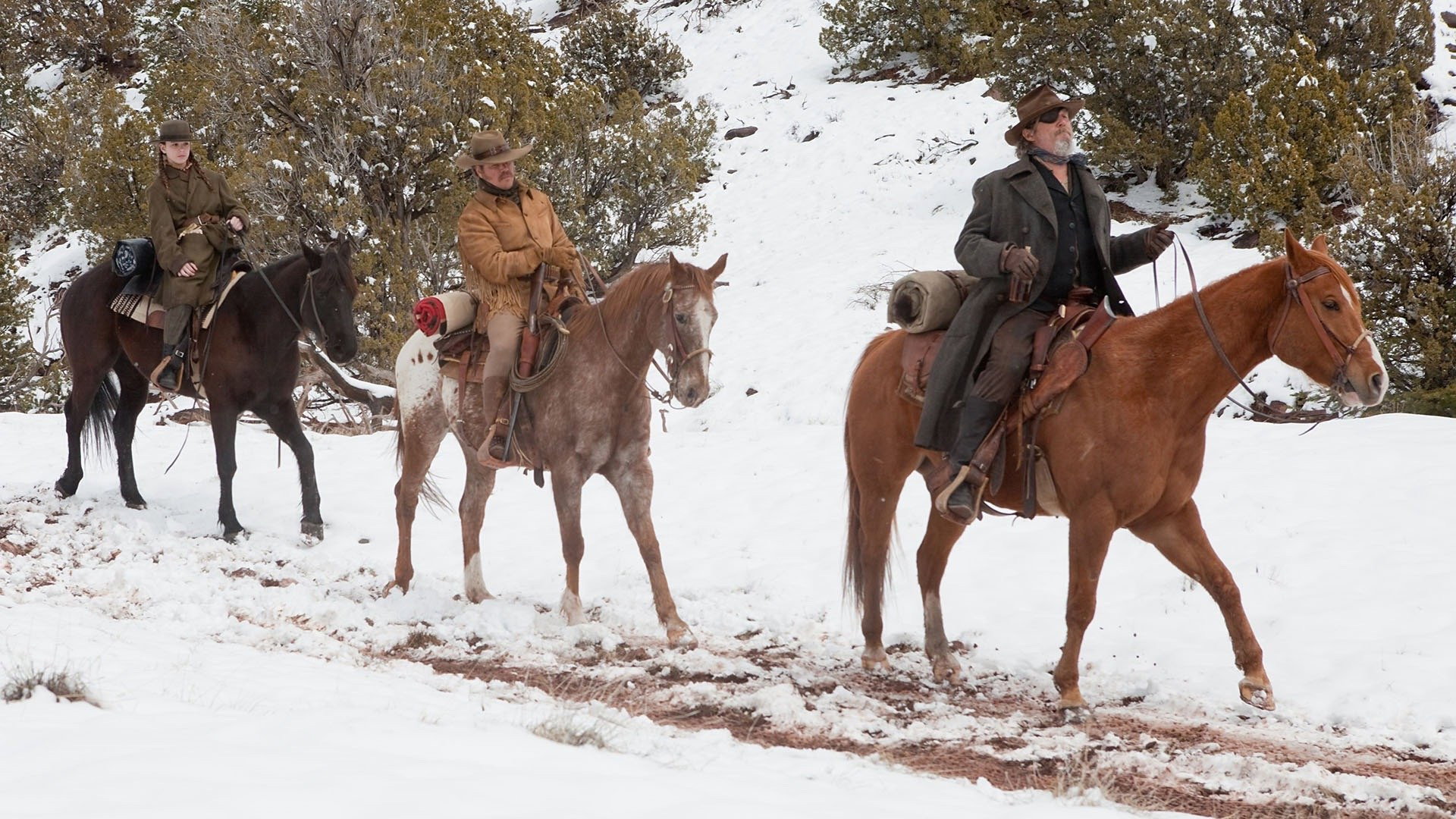
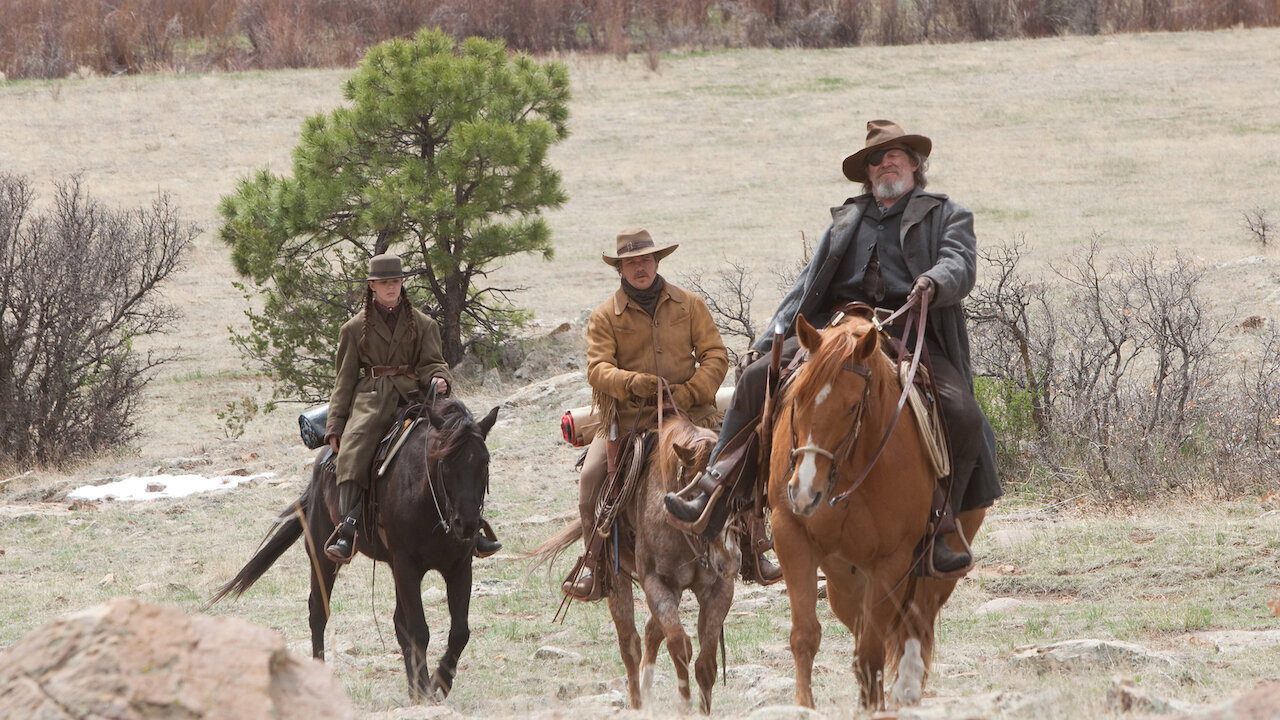
Jeff Bridges gives Rooster Cogburn enough meanness to make his company a questionable choice. He is funny without seeming harmless, and the warmth he brings to his dealings with Mattie does not require him to become respectable. Matt Damon’s LaBoeuf gives the central trio another claim to competence, and Damon is particularly good at letting vanity interfere with it. The friction between the men makes the journey companionable. Sometimes it becomes too companionable: their squabbling is so enjoyable that Mattie’s desire for punishment can briefly feel like an excuse to keep them talking.
Roger Deakins’s photography gives the story a bleakness that the bickering occasionally threatens to disperse. His images make the West inviting enough for an adventure, but never entirely reassuring, and the sudden violence belongs in the same picture. Jess Gonchor’s production design helps the old-fashioned speech feel at home: these people do not appear to have wandered into somebody else’s period display. We believe in their surroundings, which leaves us free to listen to them.
The Coens also edit, and their patience with the dialogue is one of the film’s soundest decisions. They let a phrase register before asking us to respond to the next piece of business. At 110 minutes, it has space for peculiar company without making every encounter seem like an obstacle on a route. Carter Burwell’s music gives the pursuit a gravity the men are not always willing to acknowledge. It is welcome, though Steinfeld’s severity often does the emotional work without assistance.
The film does not do much to disturb the familiar course of a revenge western, and we would not claim that it needs to. Its interest lies in how these people speak, judge one another and make uncertain companions. That leaves some stretches feeling tidier than the harshness of the story warrants, but the performances keep the ease from becoming complacency. We recommend it with that small reservation, and with particular affection for the decision to let Mattie remain difficult. Give Steinfeld and those sentences your full attention.