Todd Haynes makes glam rock feel like a way out of an ordinary life. Velvet Goldmine is funny, moving and sometimes muddled, with performances and music strong enough to carry its untidy storytelling.
Todd Haynes is interested in what glam rock allows people to imagine about themselves, and Velvet Goldmine makes that interest contagious. It is an exuberant, moving film with a fussy way of telling its story. Drawing on 1970s British glam, Haynes mixes history and fantasy, then borrows the flashback structure of Citizen Kane to piece together lives shaped by fame and desire. The music-film habit of explaining a performer through a few formative events would be a poor fit for these changing identities.
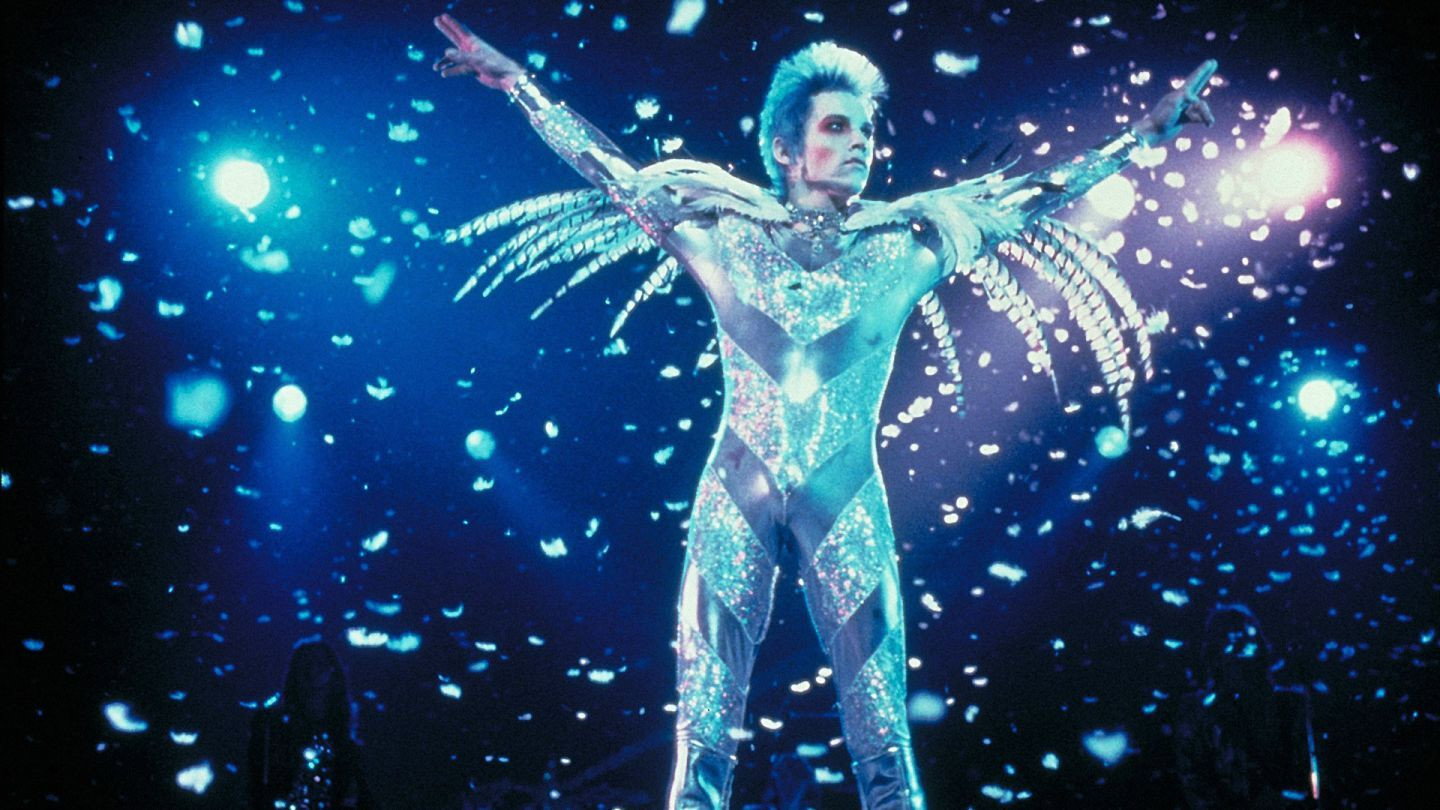
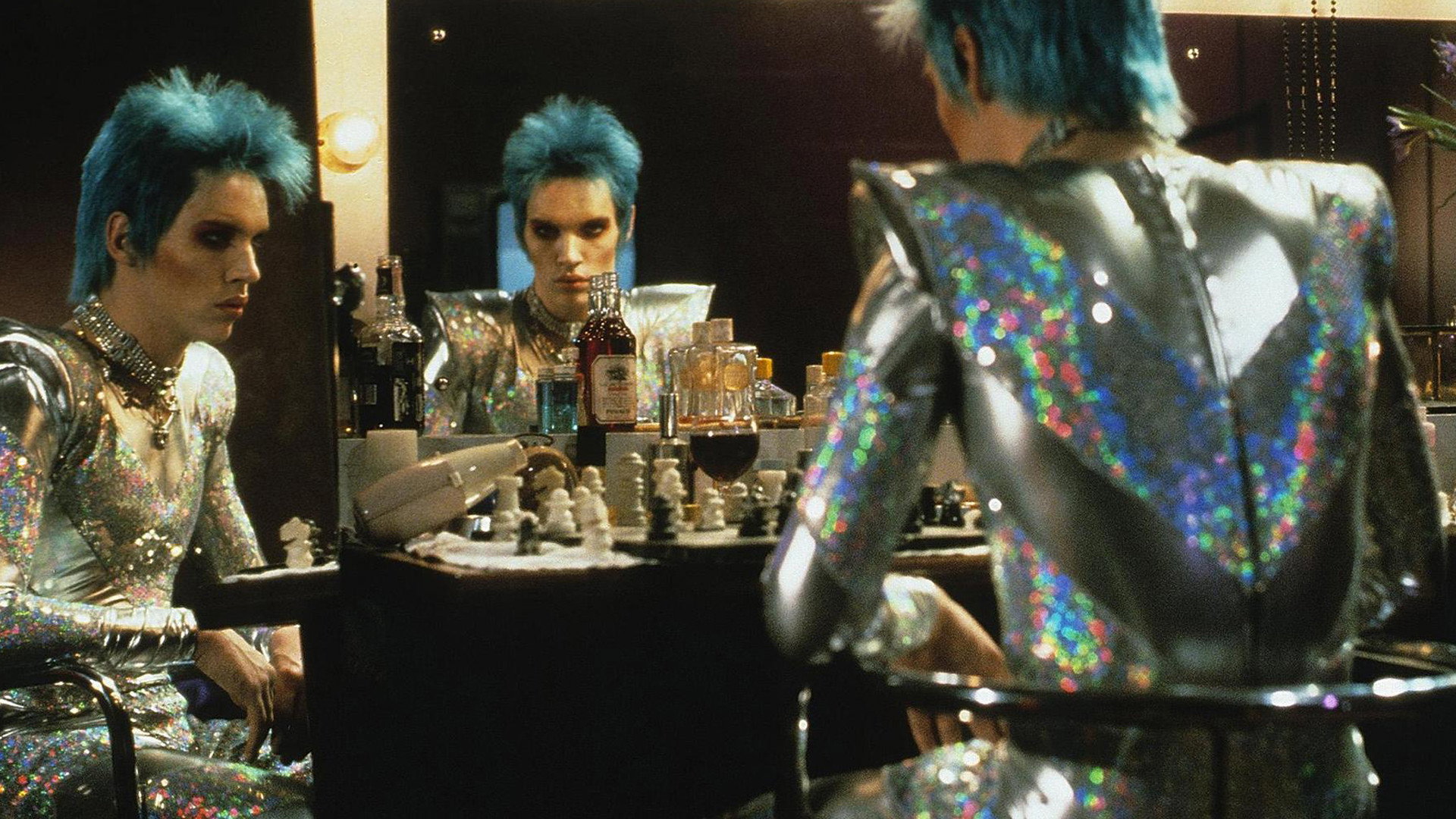
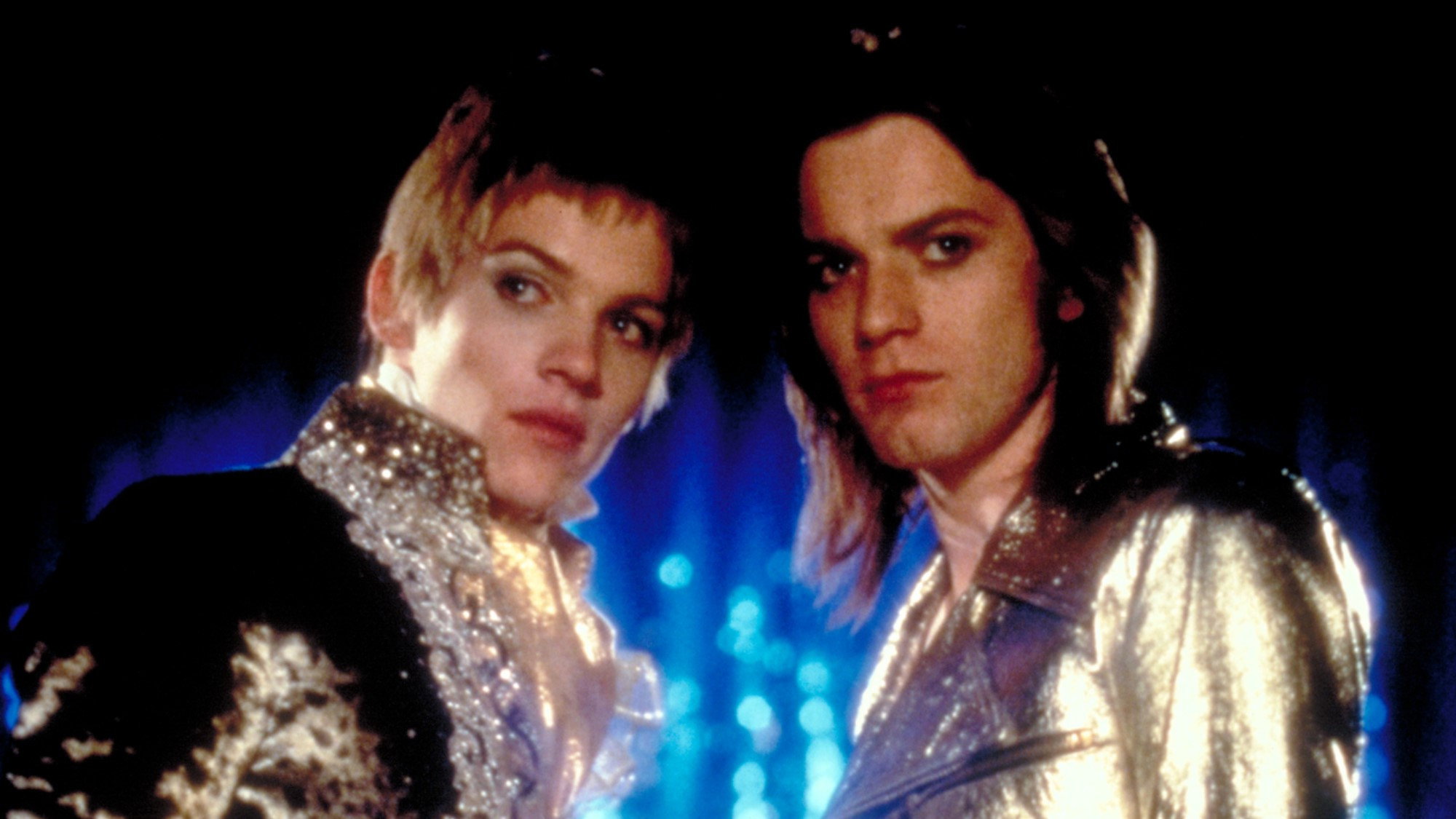
Jonathan Rhys Meyers gives Brian Slade the necessary allure, though there are moments when the performance seems too content to be admired. Ewan McGregor’s Curt Wild is less guarded, and his abandon supplies a welcome sense that somebody might do something unwise. We were moved more than we expected by McGregor’s pleasure in performing; he makes the freedom of being looked at feel worth the risk. The contrast between the two performances keeps the film lively when its storytelling grows cumbersome.
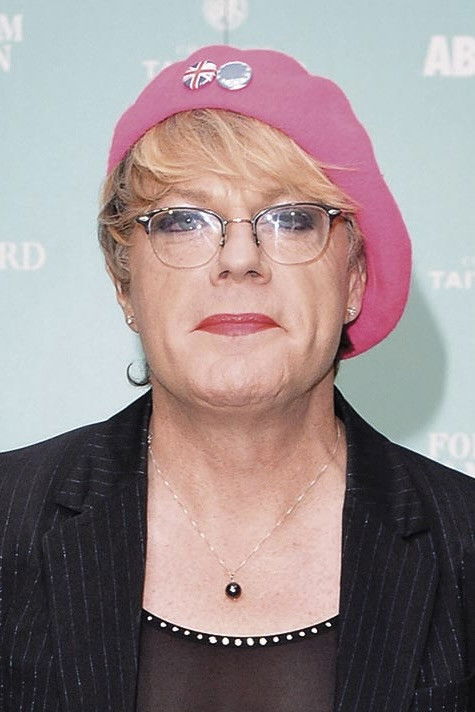
Toni Collette, as Mandy Slade, gives the film a more direct emotional presence. Her performance has an ease that makes Rhys Meyers’s posing seem more conspicuous, though posing is hardly out of place here. Suzy Eddie Izzard’s Jerry Devine supplies welcome comic assurance, with a performance that can hold attention even against the wardrobe. Both are good enough to make us wish Haynes would stop rearranging the story and let them have a little longer.
Maryse Alberti’s cinematography treats the colour and clothes as part of the drama, giving the performers room to compete with what they are wearing. Sandy Powell’s costumes make self-invention visible before anyone has to explain it. Production designers Christopher Hobbs and Amy Beth Silver provide a world extravagant enough to accommodate those clothes without making them look like isolated novelties. The visual abundance makes the attraction of this music and its freedoms easy to grasp.
The difficulty is keeping track of why one recollection follows another. James Lyons’s editing gives the flashbacks energy, but some transitions feel hurried, with too little time to settle into a scene before another demands attention. Haynes’s screenplay occasionally treats another change of direction as sufficient reason to keep watching. Across 123 minutes, the interruptions become wearing, particularly when a performance has only just begun to hold our attention.
The music does considerable work here. Carter Burwell and Craig Wedren’s musical contributions give the shifts between fantasy and recollection a continuity that the cutting sometimes lacks. The rousing soundtrack also makes the characters’ attraction to glam credible without requiring a speech about its importance. Even when the plot loses its urgency, the music preserves the excitement of discovering a sound that seems to belong to us.
We would not recommend Velvet Goldmine as a tidy introduction to a musical era. Its pleasures depend on accepting fantasy, contradiction and a degree of narrative fuss. Haynes takes the desire to dress differently, love differently and be noticed seriously, without making it dreary. Keep some time afterwards to put a record on.