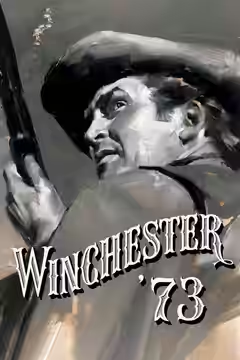
Anthony Mann’s western is lean, forceful and sour about what men do for a gun. James Stewart gives it an unsettling anger, though the rifle’s travels sometimes make the supporting characters seem too conveniently arranged.
Winchester ‘73 is a tough, involving western, with one reservation: the rifle sometimes receives more attention than the people. Anthony Mann uses its destructive journey to take a revenge story beyond the concerns of a single man. We are invited to notice what possession of a gun encourages, and how readily people confuse being armed with being entitled to get their way. At 92 minutes, it makes that point without leaving much time for anyone to feel reassured.
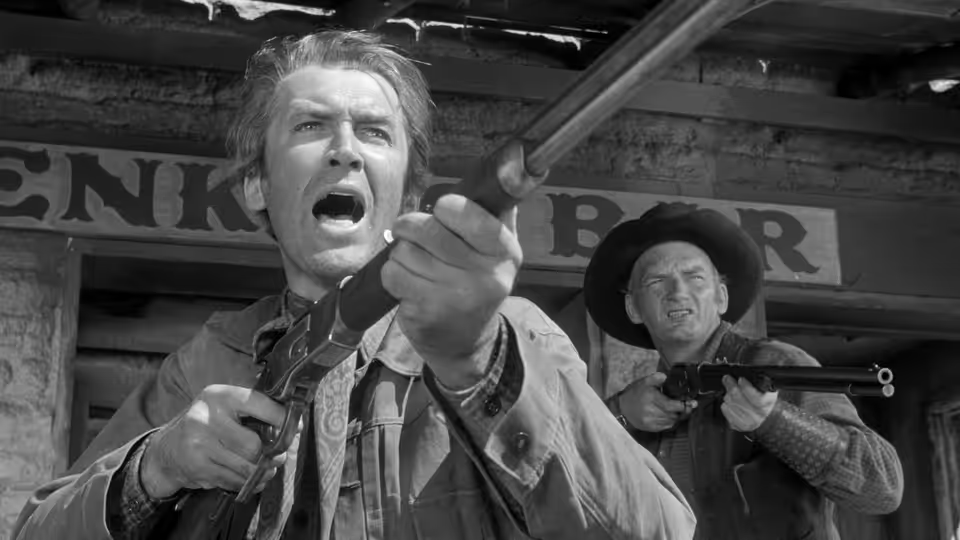
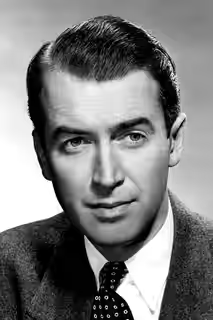
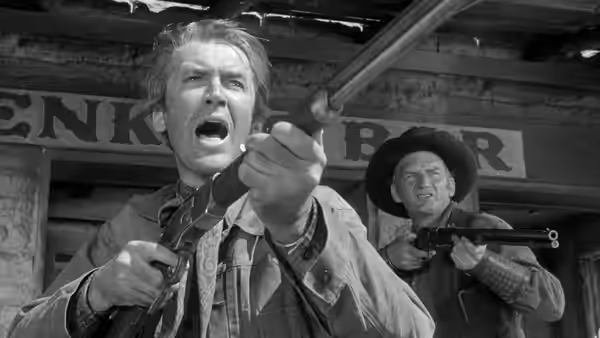
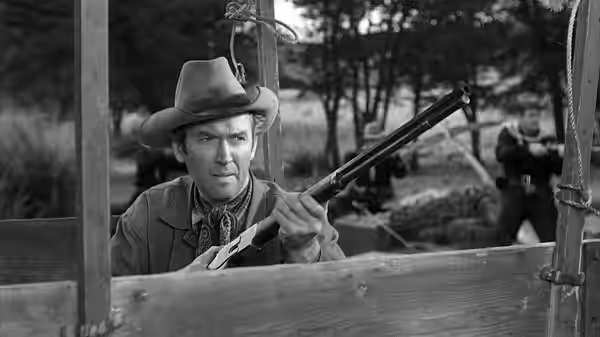
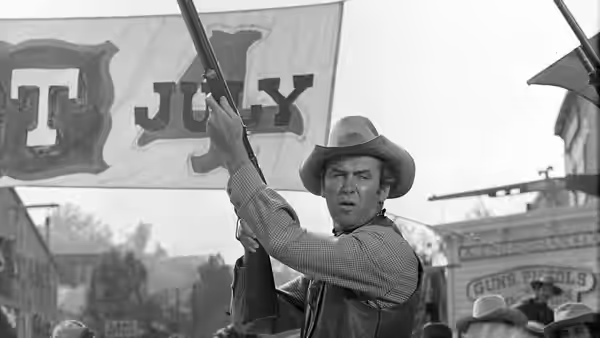
James Stewart plays Lin McAdam with a concentration that makes revenge seem to have narrowed the man’s entire life. We found him unsettling. The sustained brooding does it: his anger prevents us from settling into the comfortable business of choosing a hero and waiting for him to prevail. There is little relief in the performance, and that severity gives the pursuit a weight that a more openly charming lead might have talked away.
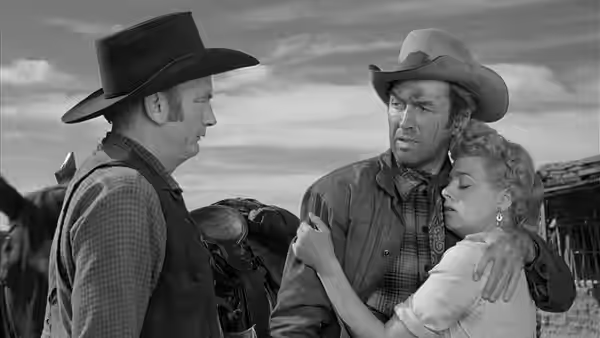
Millard Mitchell matters because High Spade’s loyalty gives us some relief from all that concentration. He brings warmth to a film that could otherwise become a long demonstration of male grievance, and the friendship makes Lin McAdam’s severity easier to measure. It also leaves us wishing that more of the surrounding characters were as persuasive. The cast is strong, but the rifle’s itinerary can make a person seem important chiefly because the weapon has reached them.
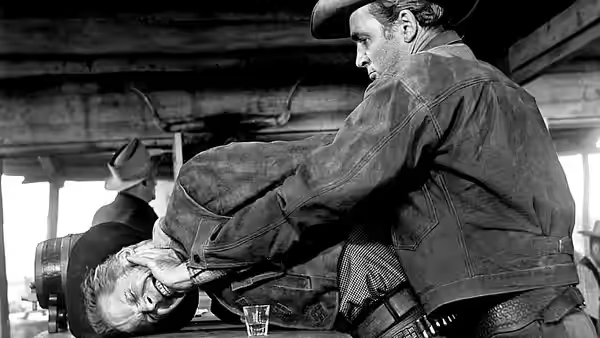
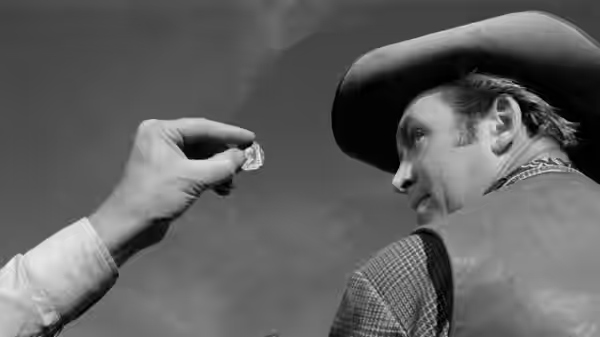
William H. Daniels’s black-and-white photography gives the frontier a hardness that suits these people. The gun has enough weight on screen to justify the attention everyone pays it. Edward Curtiss’s editing keeps the travelling-gun structure legible, an important service when the story repeatedly moves away from its leading man. The pace is brisk without making the anger seem merely an excuse to reach the next confrontation.
Robert L. Richards and Borden Chase get considerable mileage from familiar western figures, but their screenplay is less convincing when the rifle starts to dictate too much. We begin to anticipate another example of what men will do for it, and some supporting players seem to have been allotted a turn before the story hurries on. That is the film’s chief limitation. Its bleak view of frontier conduct is persuasive, though the sense that everyone must help prove the same point becomes wearing.
The music credits include Frank Skinner and Hans J. Salter, and the accompaniment contributes dependable excitement. It is less distinctive than the acting or photography. We never need much help recognising the threat while James Stewart is there, and the music cannot supply that unease when our attention drifts towards the mechanics of the plot. His performance remains the reason to care about the pursuit.
This is still a western that understands the pleasure of watching a capable man handle a gun. It gives us enough excitement to keep its darker view of the characters from becoming a lecture. Come for the gunplay, but do not expect James Stewart to leave us feeling that everything is in safe hands.