Film review

Working Girl

1988 · Directed by Mike Nichols · 1h 54m · MPA R

In a sentenceMelanie Griffith makes us care about somebody else’s promotion, which is more than most employers manage

ComedyRomanceDrama

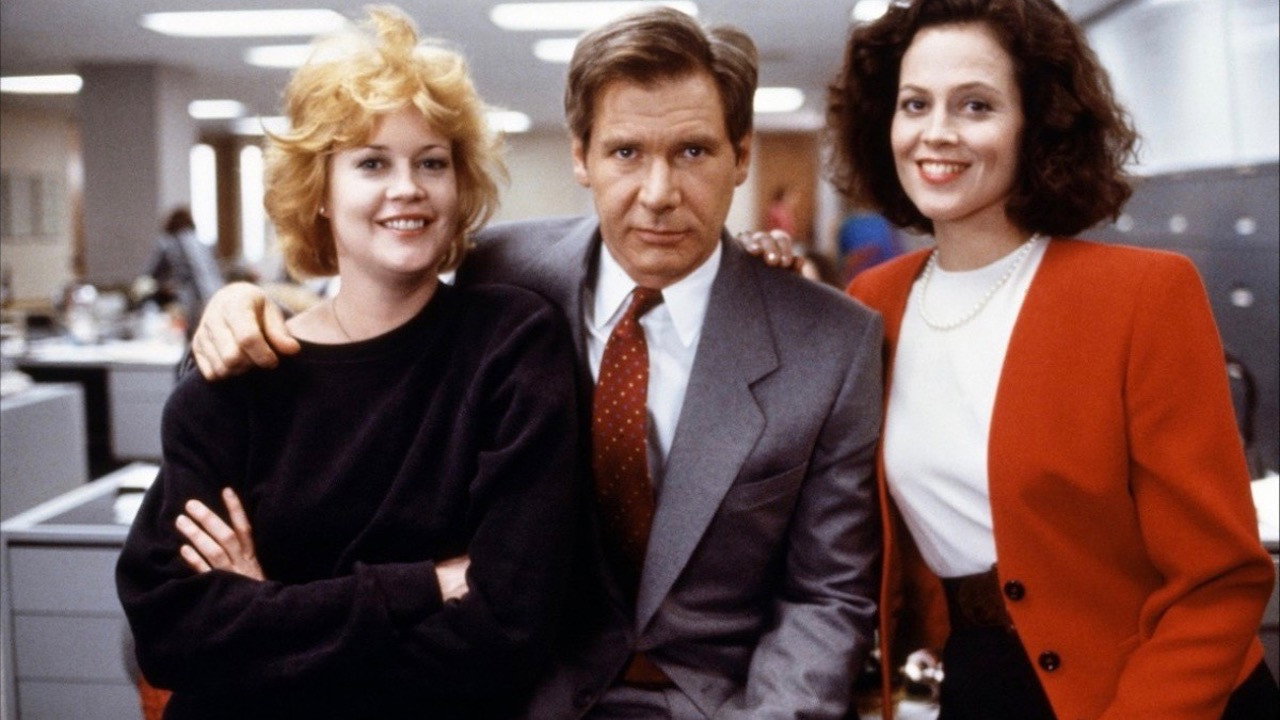
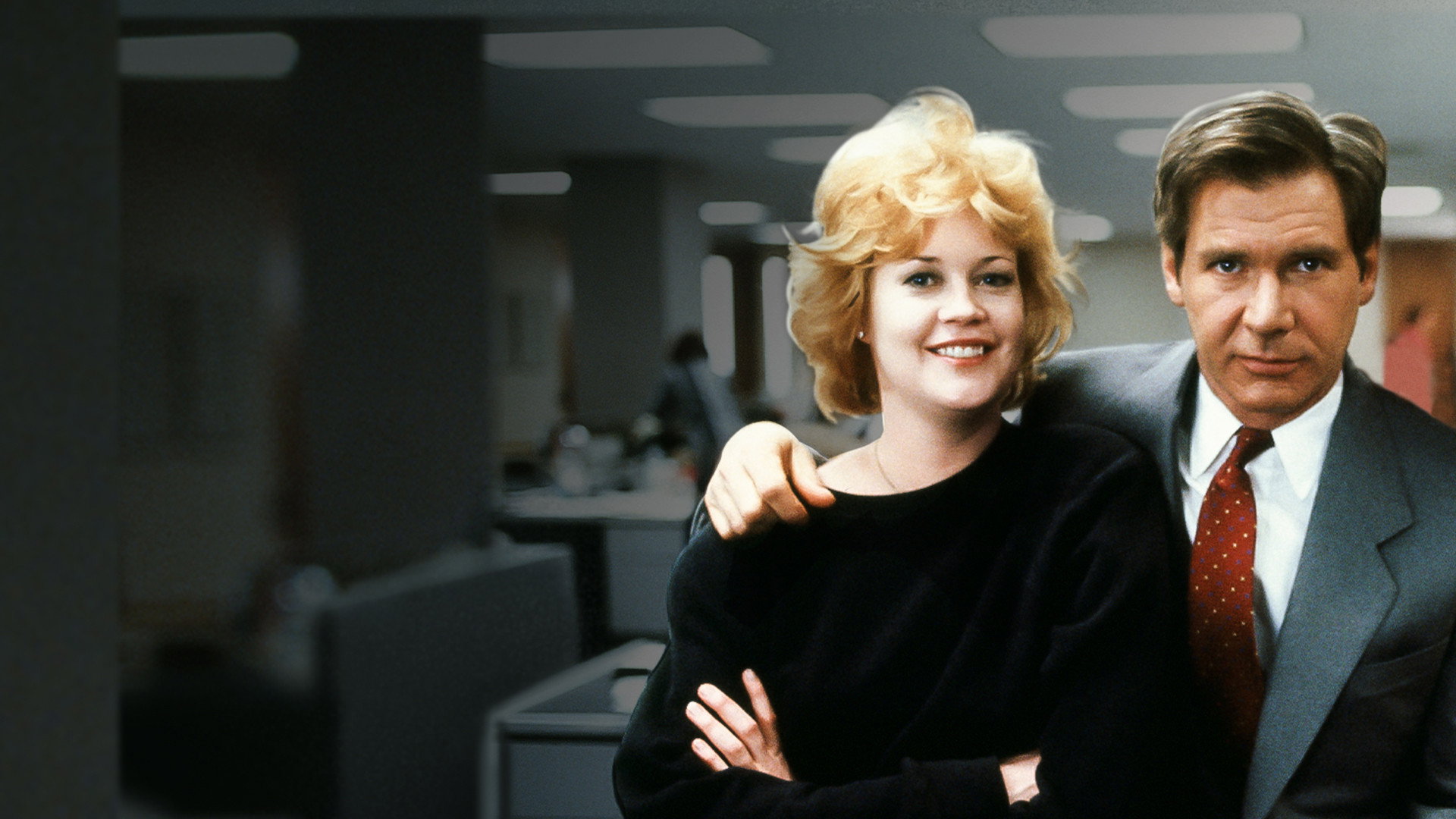
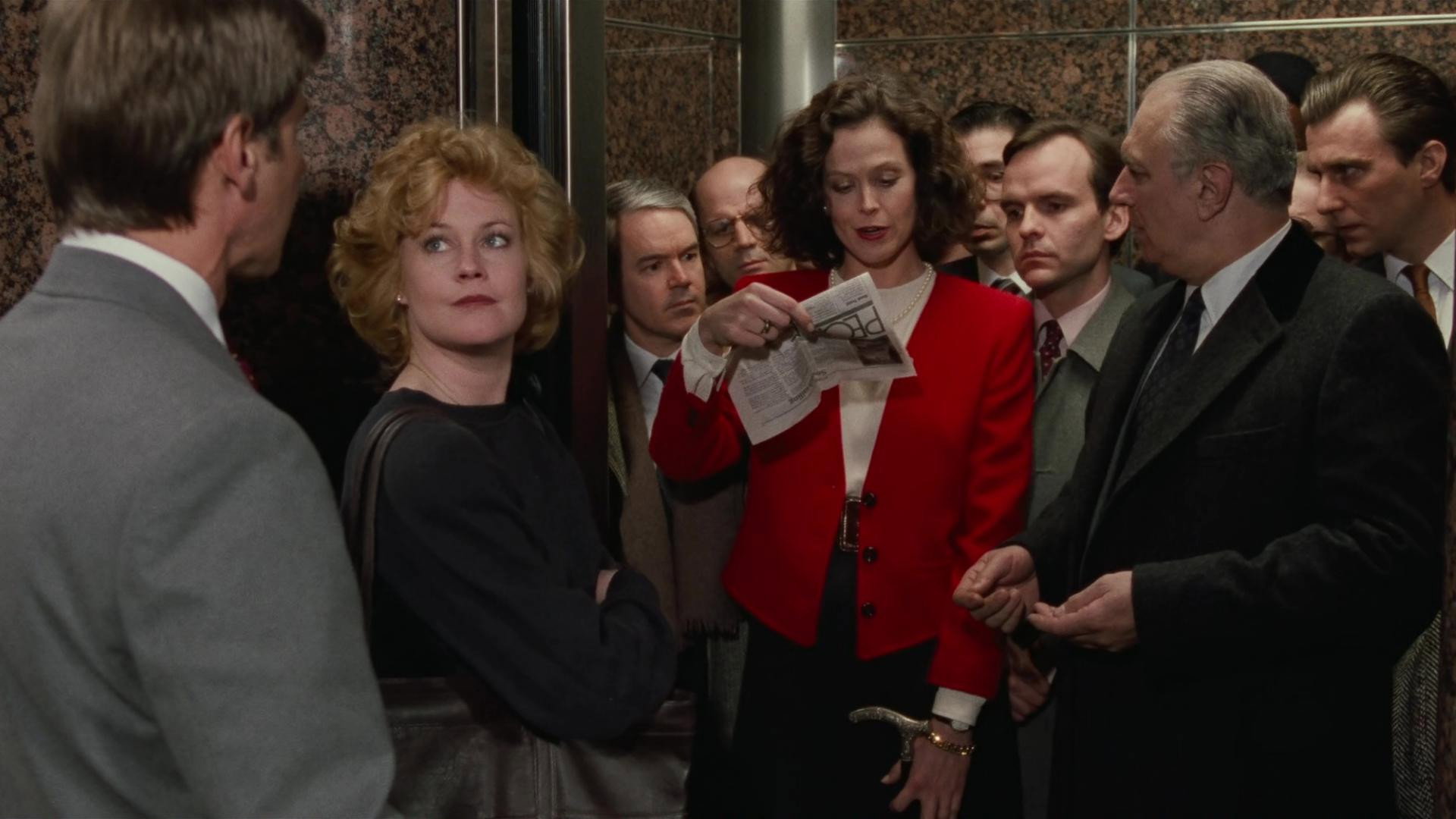
Tess McGill (Melanie Griffith) is a secretary with ambitions beyond the work she is given. Her boss, Katharine Parker (Sigourney Weaver), stands between her and the executive world she wants to enter. Tess sets out to outwit Katharine and have her own abilities recognised, navigating a workplace where class and status shape who gets heard. Harrison Ford plays Jack Trainer, with Joan Cusack as Cyn and Alec Baldwin as Mick Dugan. Mike Nichols directs a comedy and romance about getting ahead, being underestimated and trying to change the position other people have assigned you.

Plays from YouTube when you press play; nothing loads from them until then.

Fi1m review

Mike Nichols makes a warm, sharp corporate comedy, with Melanie Griffith giving its upwardly mobile secretary good reason to be heard. The romance is less interesting than the office manoeuvring, but the performances make the familiar climb worth taking.

Mike Nichols’s Working Girl is a warm, funny corporate comedy whose heroine’s promotion matters more than her love life. That imbalance is our chief reservation about a film we otherwise recommend readily. Kevin Wade’s screenplay follows Tess McGill, a secretary determined to outsmart her boss and move into the executive ranks. Nichols takes her wish seriously enough to make the office manoeuvring feel personal.

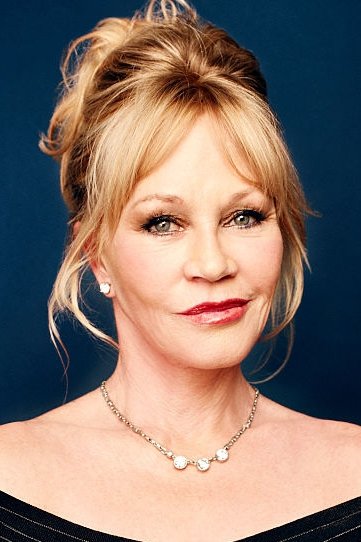
Melanie Griffith gives Tess enough uncertainty to make that wish matter. Her performance allows eagerness and shrewdness to coexist, without making every moment of vulnerability a request for sympathy. We found ourselves fiercely on her side: Griffith makes the effort of staying hopeful while being underestimated look tiring. Nichols gives her space to be funny without treating her ambition as a joke, and Griffith makes good use of that freedom.

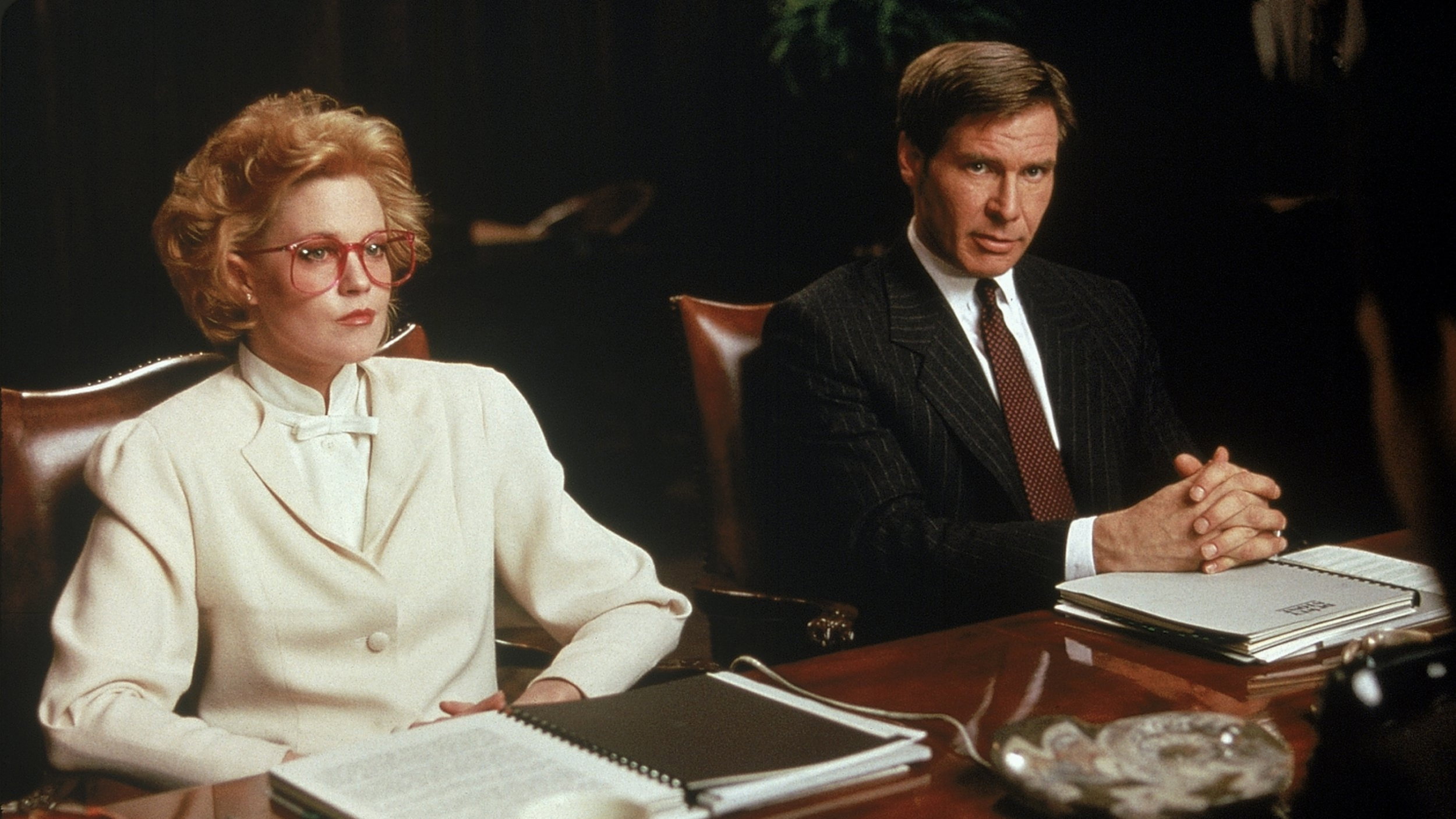
Sigourney Weaver’s Katharine Parker gives her a boss worth worrying about. Weaver makes authority look comfortable, so Griffith’s effort to compete has something precise to push against. Their exchanges are funny because both performers understand how much can be claimed merely by seeming sure of oneself. Joan Cusack, as Cyn, has a comic timing that stops the supporting part from becoming an afterthought. Nichols lets the women be funny without smoothing away the friction between them.

Michael Ballhaus’s cinematography makes the executive workplace look desirable, which helps us understand Tess’s determination to get inside. Patrizia von Brandenstein’s production design makes the offices do useful comic work: we can read differences in status before anybody needs to explain them. Ann Roth’s costumes likewise make the effort of fitting in visible, giving appearance a place in the competition for recognition. Nichols pays enough attention to these details that the workplace remains interesting even when the dialogue is doing most of the work.

Sam O’Steen’s editing is a large part of why Wade’s plotting feels brisk. The comic exchanges have room to register, but the film does not keep waiting for applause before moving on to the next complication. Carly Simon’s music lends Tess’s striving an emotional directness that could have been sugary in less assured hands. Here it helps Nichols keep the hope credible without making Griffith supply every scrap of warmth herself.

The less persuasive material is the romance. Harrison Ford brings an agreeable ease to Jack Trainer, but his presence cannot make the love story as compelling as Tess’s struggle to be heard at work. Wade gives her professional hopes such clear stakes that the romantic material can feel like a requirement being met. Ford is pleasant company, and that is enough to keep these stretches amiable. The dialogue and performances remain enjoyable even when the story has turned towards its less interesting business.

As an office fairy tale, it works because Nichols takes the wish seriously and keeps the people funny. We would not mistake it for a searching account of corporate power: it wants Tess to get her chance, and that is where its curiosity is concentrated. Watch it with someone who has had a boss take them for granted.
Critical consensus AI synthesised

4 of 6
Positive
4
Mixed
0
Negative
0
Radio Times
★★★★ · Tom Hutchinson
80

The critic praises this appealing executive-suite comedy where Melanie Griffith climbs the corporate ladder by outsmarting her boss Sigourney Weaver. They single out the easy-going treat in Mike Nichols's assured hands and the soundtrack featuring Carly Simon's song.

Read the full review →
Time Out
10 September 2012 · BC
80*

The critic calls it a treat, highlighting the witty screenplay on class differences and the funny interactions between the female leads, especially Joan Cusack.

Read the full review →
Empire
1 January 2000 · Angie Errigo
75*

The critic finds it an upbeat urban fairy tale of an oppressed secretary rising to the boardroom, praising Melanie Griffith's delightful performance as the aspirational heroine. They highlight the adroit plotting, Mike Nichols' attention to amusing details, and entertaining quality overall.

Read the full review →
Los Angeles Times
21 December 1988 · Sheila Benson

Griffith's radiant, tenacious performance as Tess makes the film sparkle as a compassionate working-girl Cinderella story. Nichols' direction and Wade's screenplay deliver witty dialogue and warmth without condescension.

Read the full review →
RogerEbert.com
21 December 1988 · Roger Ebert

The film is a clever, suspenseful entertainment with clockwork plotting and strong performances, especially from Melanie Griffith. Nichols returns to top form with a screenplay that balances laughs and thriller elements.

Read the full review →
Eye for Film
17 January 2015 · festival review · Jennie Kermode
75*

The film is a smarter and darker take on 1980s corporate ambition than it is often given credit for, with its deft handling of feminist issues making it the female equivalent of Wall Street. It features strong performances from Sigourney Weaver and Melanie Griffith, but ultimately delivers a bleak political statement dressed up as romance.

Read the full review →

Cast

Stills

Awards

Academy Awards, 1989

Nominated
Best Actress
Nominated
Best Director
Nominated
Best Picture
Nominated
Best Supporting Actress

If you liked this, try…

The Apartment poster91

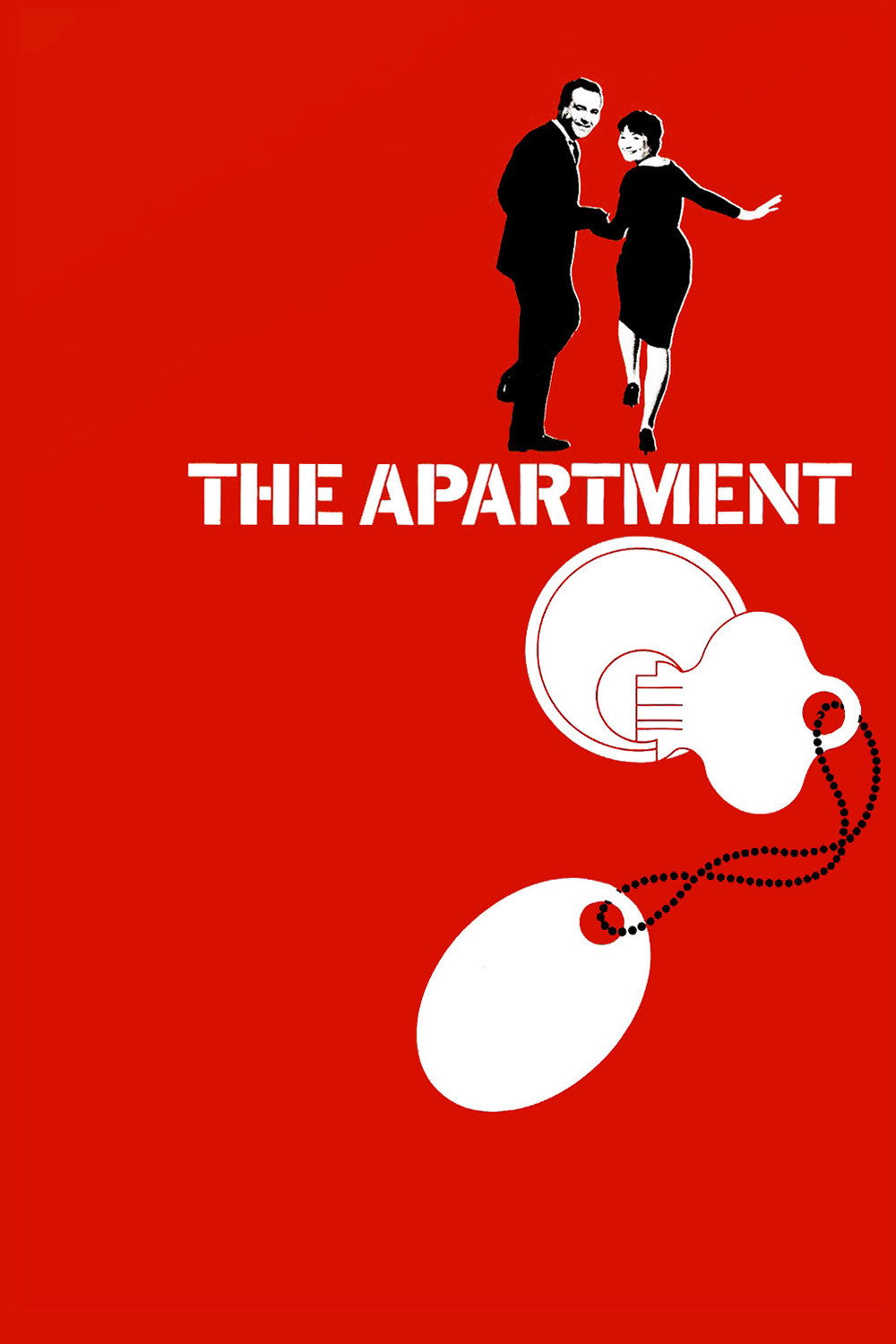
The Apartment

1960 · Another office comedy that understands how readily promotion becomes a personal compromise.

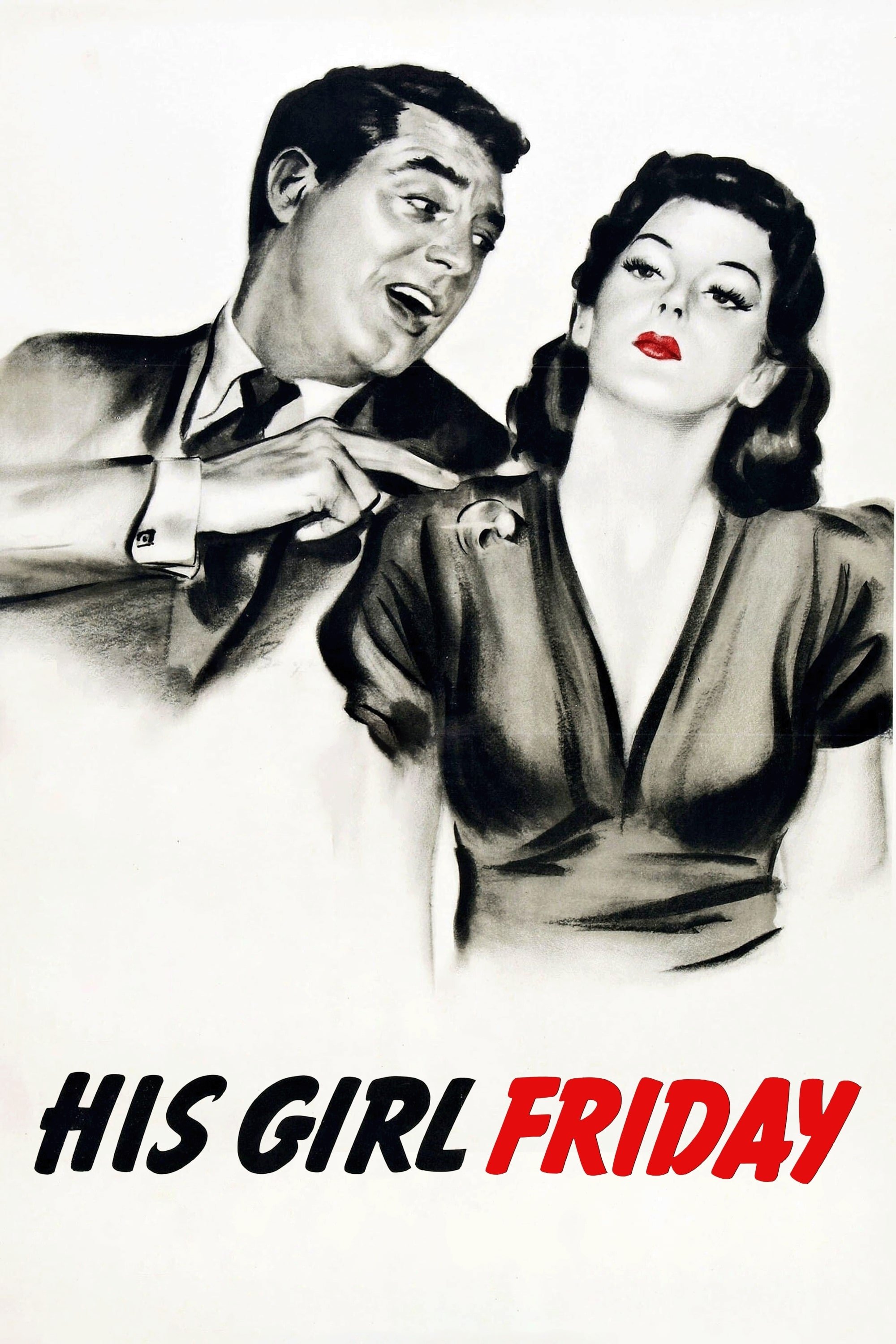
His Girl Friday poster

His Girl Friday

1940 · Fast workplace dialogue and a heroine whose professional appetite complicates the romance.

The Lunchbox poster

The Lunchbox

2013 · Office routine opens onto a tentative romance, with warmth and room for disappointment.

Toni Erdmann poster

Toni Erdmann

2016 · Corporate manners receive stranger, harsher scrutiny, with a capable woman under constant pressure.

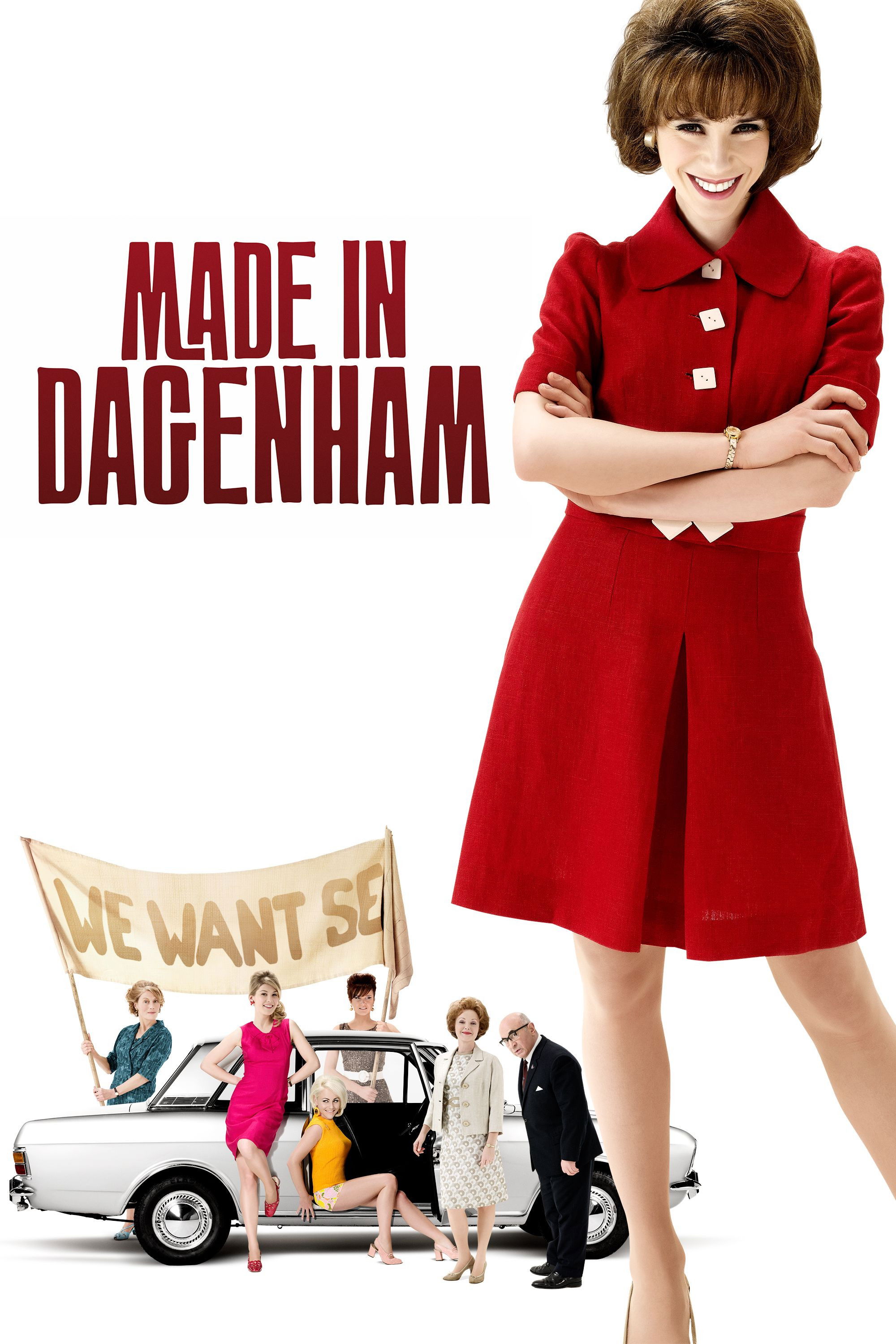
Made in Dagenham poster

Made in Dagenham

2010 · Women demand recognition at work, with the emphasis on collective action rather than promotion.