Gregory Nicotero came to directing from the makeup chair, and it shows in the best way: his dead move slowly, weigh something and rot in stages. On The Walking Dead they were the one constant across eleven uneven seasons.
Fi1m perspective
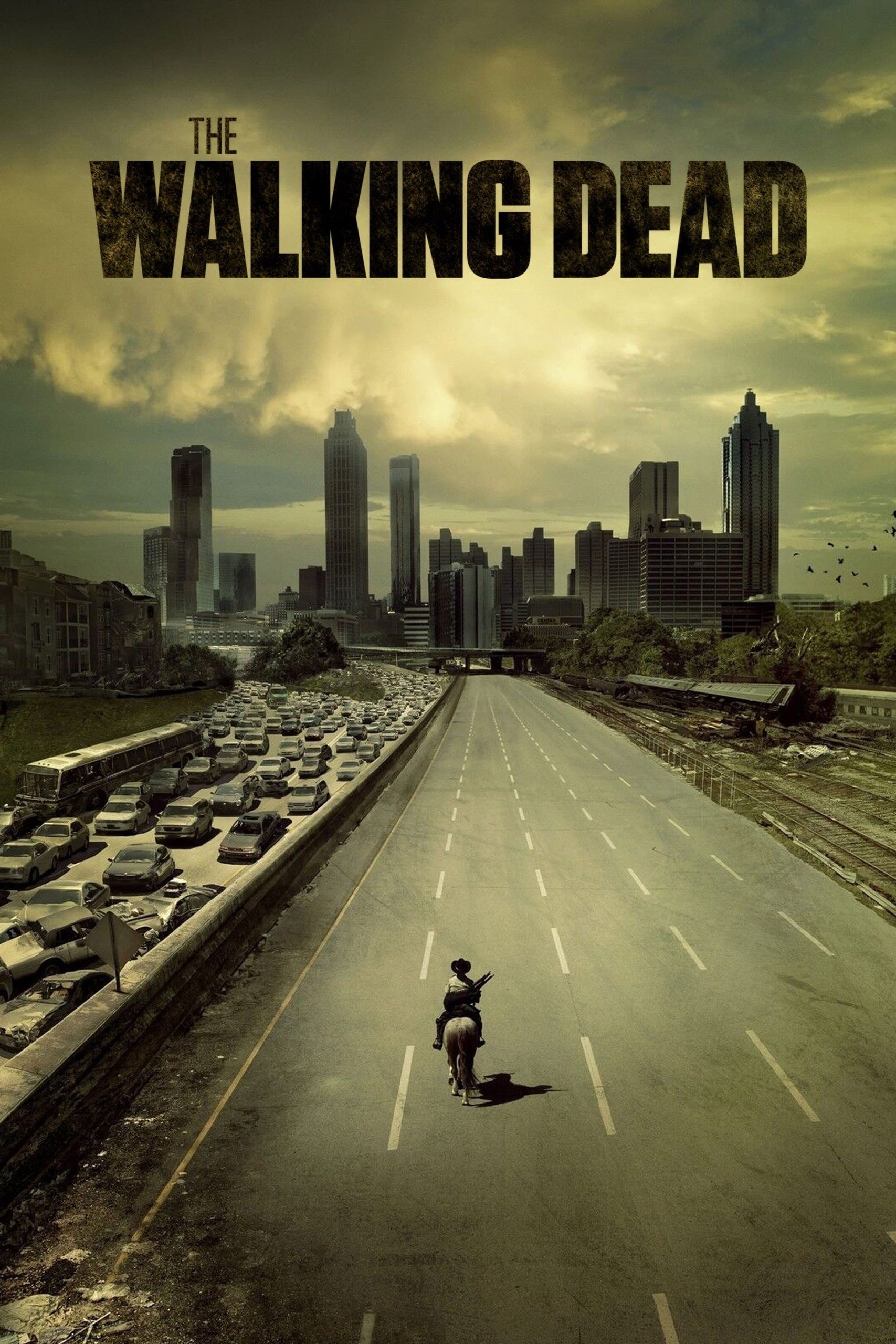
Look at a walker from the first season of The Walking Dead (2010) and count what is not the actor. The teeth are dentures. The eyes are contact lenses, painted by hand to look spoiled. The face and neck are built up in layers of appliance, and where the hair should be there is a bald cap shaped to read as skull. Gregory Nicotero made these things in a workshop and then made the people wearing them walk as if the parts were heavy. We said in our review that he gives the dead a weight and slowness later zombie fiction abandoned, and that the monsters have aged better than the people. Nothing since has changed our mind.
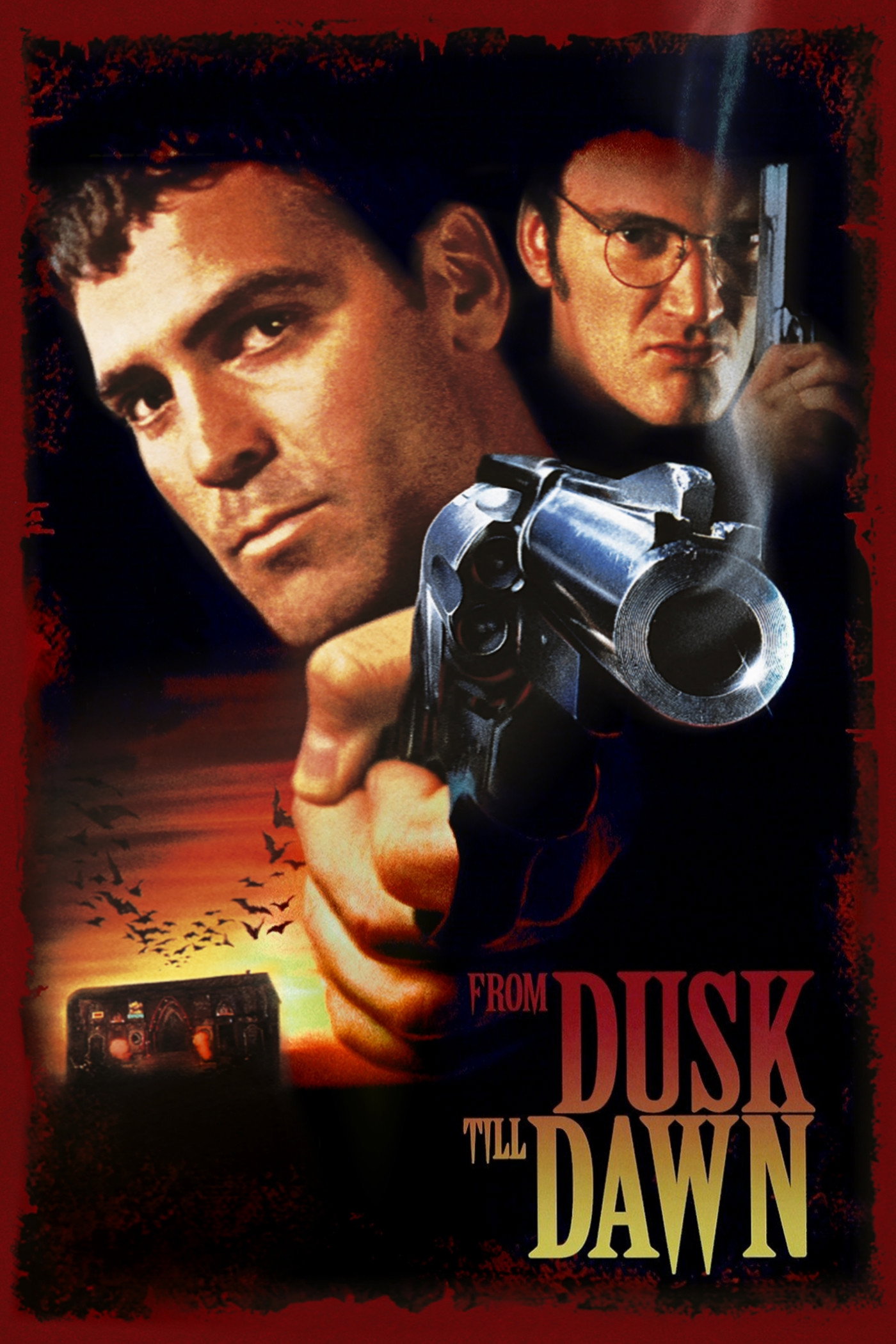
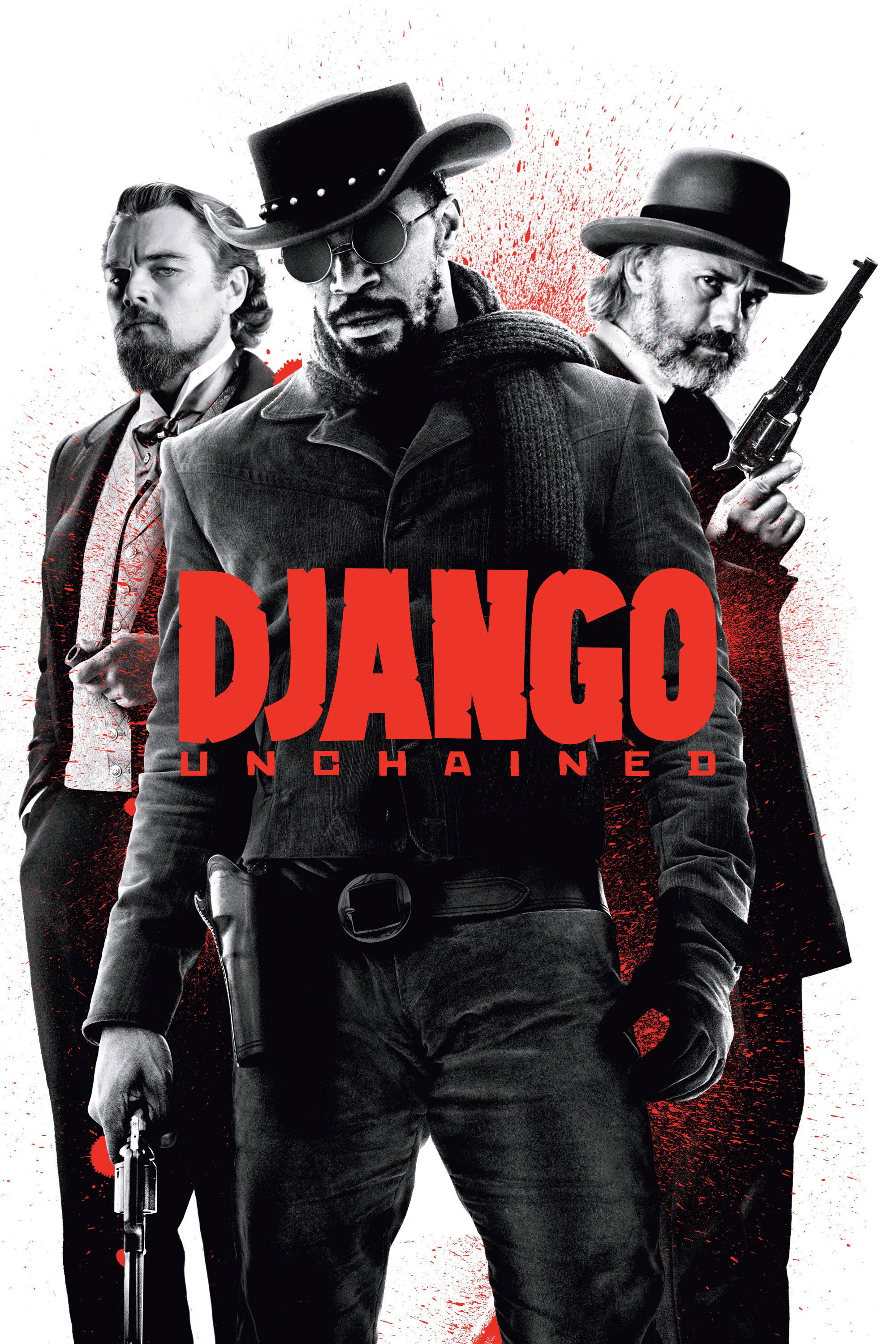
He came to directing late and sideways. He began in 1985 on George A. Romero's Day of the Dead, working under Tom Savini in Pittsburgh, and in 1988 he co-founded KNB EFX Group with Robert Kurtzman and Howard Berger, a studio that has since worked on more than four hundred productions. The credits that followed are the ones people remember for one image: the injuries in Misery (1990), the gore in Kill Bill: Vol. 1 (2003), one of five films he has made with Quentin Tarantino, and, much later, the makeup design on Once Upon a Time... in Hollywood (2019). Frank Darabont brought him to The Walking Dead in 2010 to supervise the makeup. He stayed to become an executive producer, directed 37 episodes and made the webisodes.
What he understands is that a wound is only as frightening as the face looking at it. He has described his job as providing a blank canvas for directors and advising them which tool will give them the picture they want, and on set he stages the gore so the camera catches the reaction, not just the rig. The workshop built the walkers in tiers, a handful of detailed ones for close-up and hundreds of quicker applications behind them, which is how a television budget puts a field of the dead in shot. The first season's walkers frightened us more than anything the programme did later, and the reason is simple: they stood about in daylight, in no hurry, and the work could be looked at for as long as we dared.
The limits are plain. He is, as a director, a man of one programme, and every one of his 37 episodes belongs to a series whose writing wandered as widely as its characters. The writing was never his to fix. There is a reasonable complaint that heavy makeup schedules on a show this size can cost an episode its pace and its actors their hours, and that comes with his method. Our advice on The Walking Dead stands: start at the beginning and be prepared to stop. Whenever you do stop, it will not be because of the dead. They were never the problem.
Biography
Gregory Nicotero is an American special make-up effects artist, producer and director. Born in Pittsburgh, Pennsylvania, he began his career in special effects makeup on George A. Romero’s Day of the Dead (1985), working under Tom Savini. In 1988 he co-founded the effects studio KNB EFX Group with Robert Kurtzman and Howard Berger.
Nicotero has supervised makeup effects on numerous films, including several directed by Quentin Tarantino. He joined the AMC series The Walking Dead (2010) as special make-up effects supervisor and executive producer, later directing 37 episodes. He has also directed episodes of Fear the Walking Dead and created the web series The Walking Dead: Webisodes.