Film review

Misery

1990 · Directed by Rob Reiner · 1h 47m · MPA R

In a sentenceA persuasive case for leaving your fan mail unanswered

DramaThriller

Paul Sheldon (James Caan) writes for a living, but his obsessive admirer Annie Wilkes (Kathy Bates) makes writing a matter of survival. Held captive by a reader who believes she has a claim on him, Paul must deal with her devotion and her demands. Annie’s interest in his books gives her reasons to keep him close, while her need for control puts him in danger. Rob Reiner directs this psychological thriller, adapted by William Goldman from Stephen King’s novel.

Plays from YouTube when you press play; nothing loads from them until then.

Fi1m review

Rob Reiner’s sourly funny captivity thriller rests on Kathy Bates and James Caan, and both make it worth the discomfort. The tension occasionally needs tightening, but the performances make its ugly view of fandom horribly persuasive.

Misery is a sharp, unpleasantly funny thriller that makes excellent use of two actors and one bad relationship. Rob Reiner, directing William Goldman’s adaptation of Stephen King’s novel, understands how quickly an admirer can become frightening when admiration grants them rights over somebody else. Paul Sheldon writes; Annie Wilkes reads him and believes that gives her a say. We recommend it for the performances, with the reservation that the suspense sometimes lasts longer than the dramatic situation can comfortably bear.

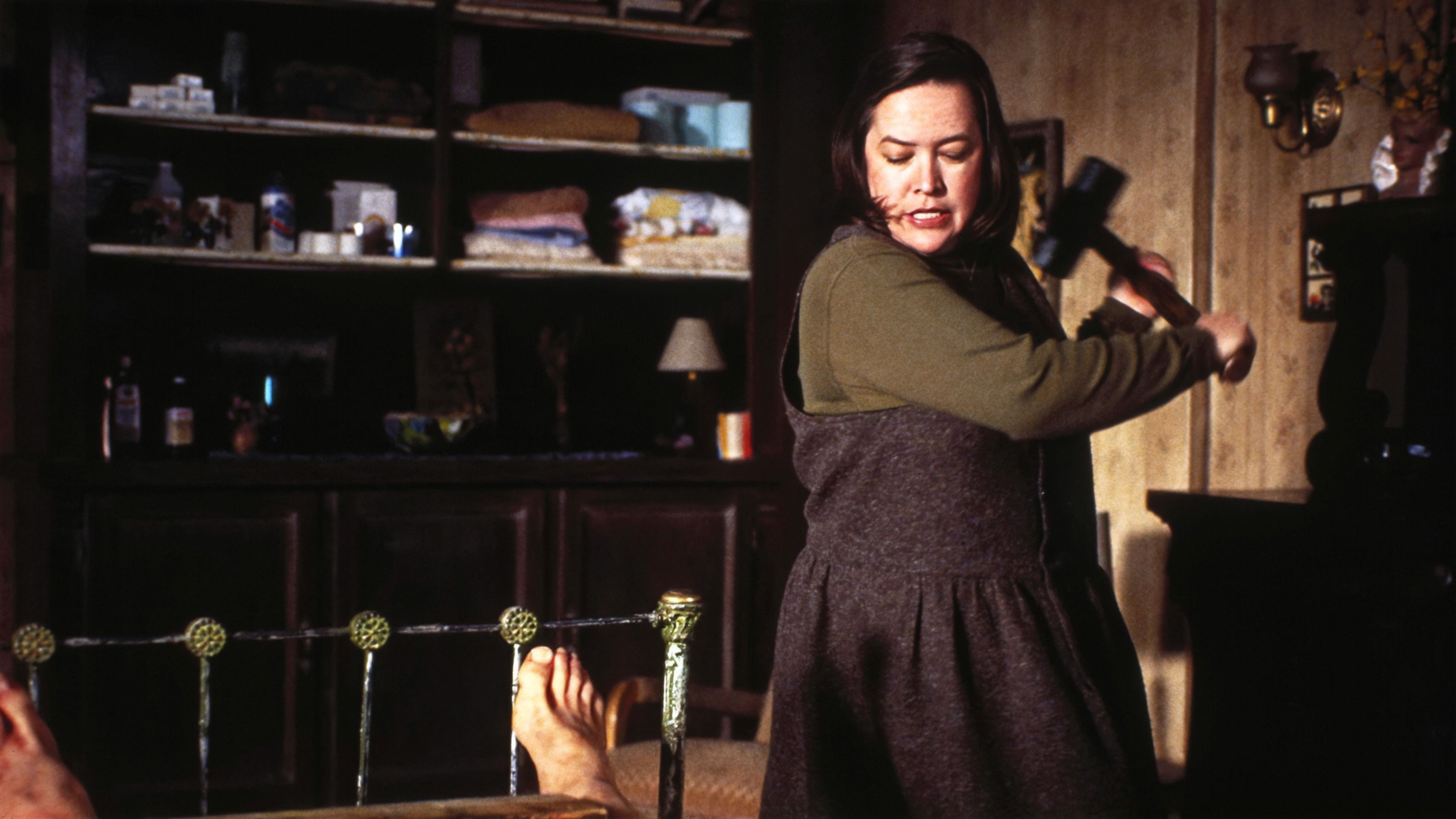
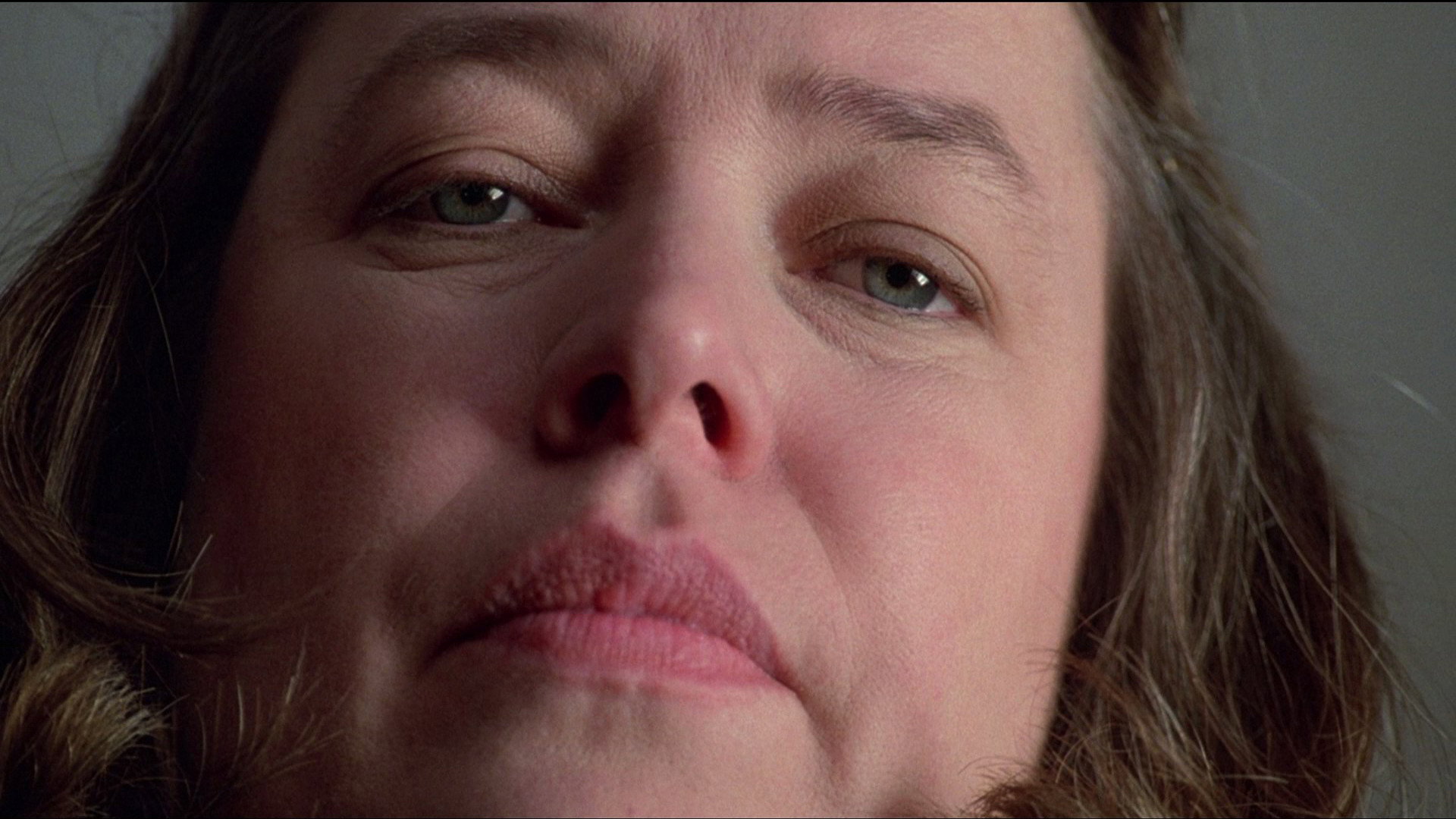
Kathy Bates makes Annie’s devotion as alarming as her hostility, which is why the performance works before it has to become openly threatening. Her certainty that she matters to Paul leaves him little space to disagree, and Bates does not soften that certainty to make Annie easier company. We were unsettled by the pleasure Bates gives Annie’s devotion: this is someone enjoying a relationship Paul cannot leave. The dark humour comes from the same place, because Annie takes her status as a fan with oppressive seriousness.

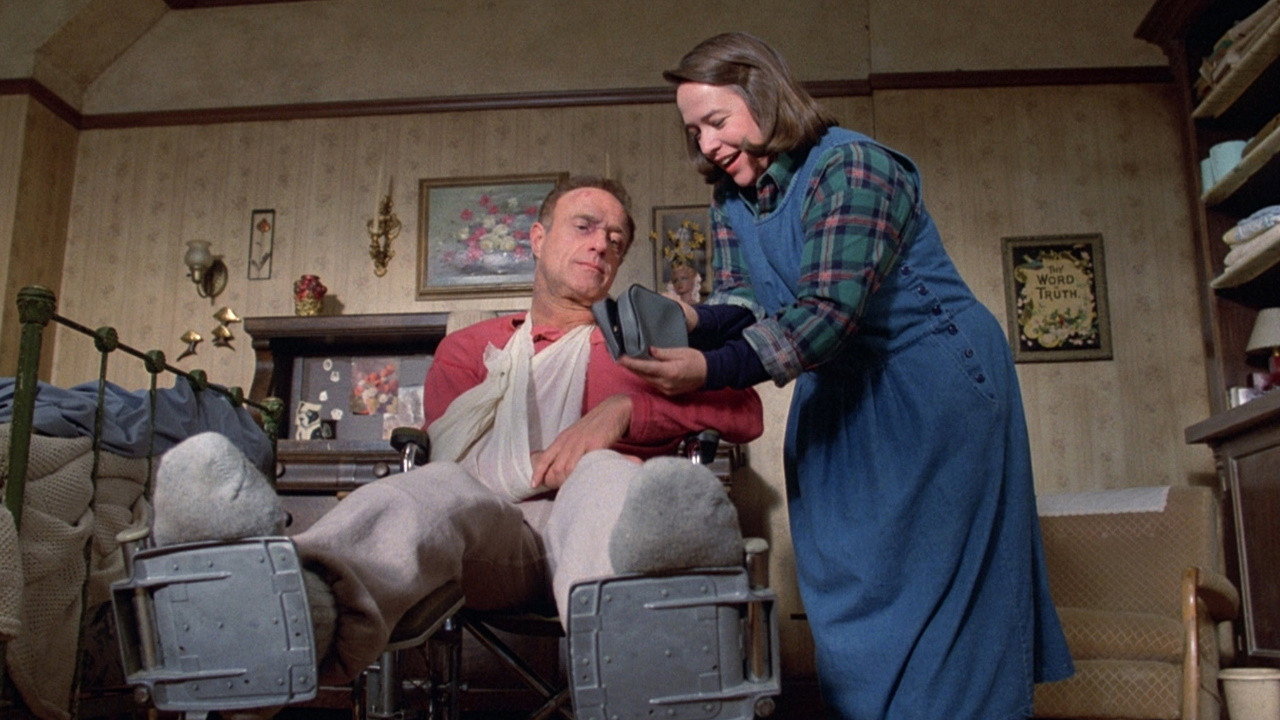
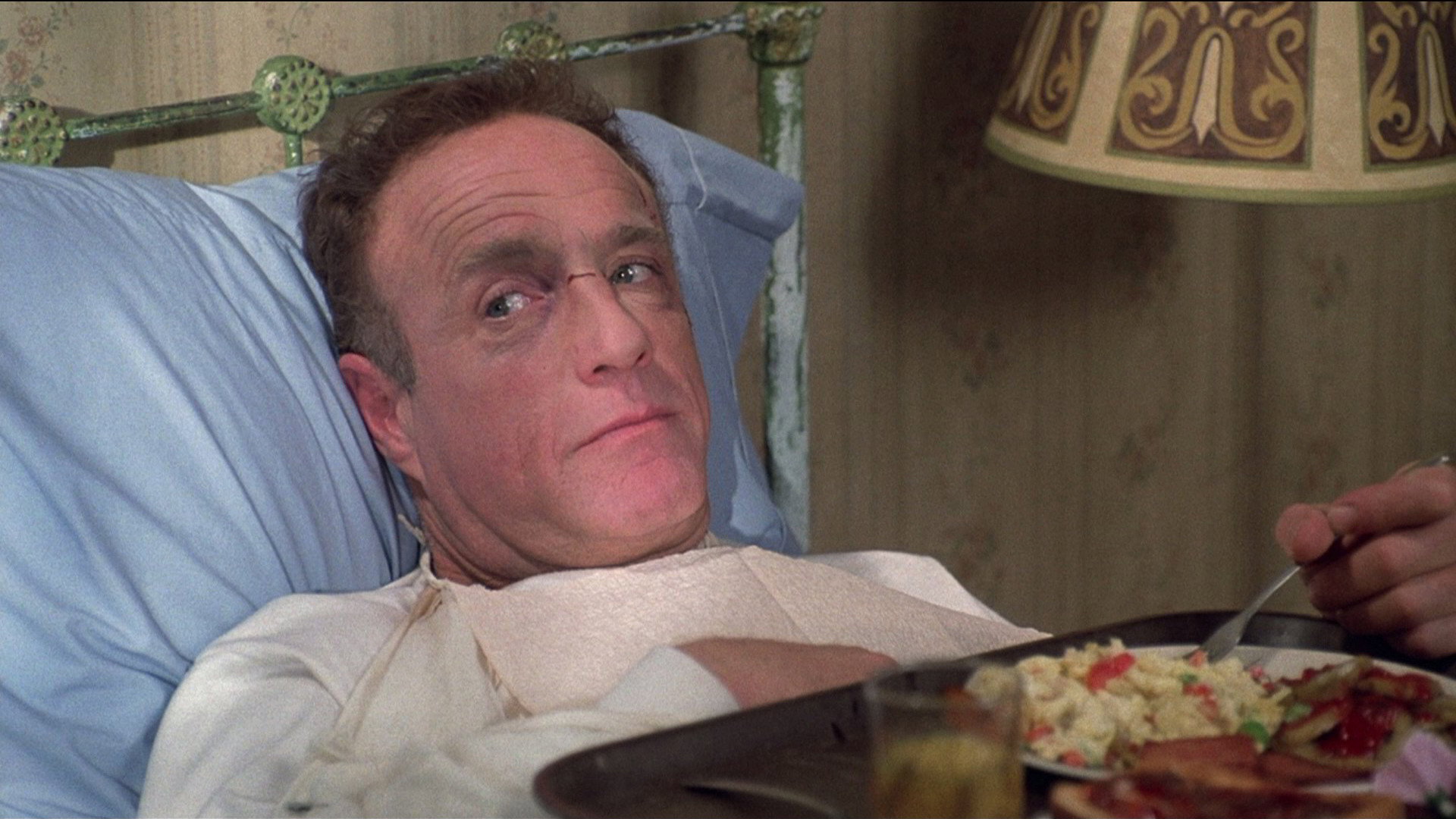
James Caan has the quieter role, and his restraint is essential to keeping the central pairing believable. Paul’s writing has become a matter of survival, so dealing with his admirer requires him to judge how much room he has to manoeuvre. Caan makes that effort convincing; the captive writer remains a person with a working mind, even when Annie dominates our attention. It is generous acting, and it gives Bates a credible opponent throughout their unequal contest.

Barry Sonnenfeld’s cinematography keeps our attention on the actors, making their proximity uncomfortable without fussing over it. Norman Garwood’s production design helps make the confinement credible, giving the performers a setting that does not compete for notice. Both serve a thriller in which the actors can hold our attention without much assistance from their surroundings. The result suits Reiner’s concentration on the central pair, and helps keep an improbable relationship believable enough to worry us.

Robert Leighton’s editing lets the exchanges develop long enough for politeness and menace to become difficult to separate. There are stretches, though, when we have understood the danger and the film keeps pressing it; the 107-minute running time could stand a little tightening. Marc Shaiman’s score does its work efficiently, although its insistence on suspense occasionally feels unnecessary alongside the actors. These are small irritations, but they matter in a film so dependent on keeping us alert to changes between two people.

Goldman’s screenplay is shrewd about the selfishness that can sit inside devotion, particularly when a reader feels a writer has become their property. The joke is ugly enough to support the thriller without requiring a lecture about celebrity. Reiner is good at making that ugliness entertaining, though he seems less interested in exploring it beyond the immediate contest. By the standards of the confined psychological thriller, this is confident work; anyone hoping for a searching account of why people become possessive will find it less satisfying. Watch it with someone whose affection for a favourite author has sensible limits.


Critical consensus AI synthesised

77
Positive
7
Mixed
1
Negative
0

Most critics find Misery an effective psychological thriller, with praise centred on Kathy Bates and James Caan as the obsessive fan and captive writer. Bates draws particular attention for making the fan frightening without losing the story’s dark humour, while Caan helps sustain the confined contest between them. The reviews also credit William Goldman’s screenplay and Reiner’s direction with maintaining tension, grounding Stephen King’s premise and drawing out its concerns about celebrity and artistic control.

The reservations concern how far that craftsmanship takes the film. Some critics find little personal expression or depth beyond the suspense, and there is a smaller concern about the stretched running time. The spread is largely favourable, with no outright negative review. The Los Angeles Times offers the clearest dissent: it admires the central performances but finds the film a capable exercise, less enjoyable than Reiner’s lighter work.

RogerEbert.com
30 November 1990 · ★★★½/4 · Roger Ebert
88

The film is a solid, respectful adaptation of Stephen King's story that works well as a two-hander thriller thanks to strong performances from James Caan and especially Kathy Bates. Reiner brings the tale to the screen competently without adding much personal inspiration or depth beyond good craftsmanship.

Read the full review →
Time Out
10 September 2012 · CM
85*

The gore is toned down and the psychology played up in this darkly humorous adaptation of Stephen King's novel. William Goldman's intelligent script operates both as psycho-thriller and as sly comment on celebrity, with inspired casting and Reiner capturing just the right level of tension.

Read the full review →
Empire
1 January 2000 · Phil Thomas
80*

Reiner proves he can handle thriller territory as effectively as comedy or fantasy. The Goldman screenplay grounds the King story in reality with strong performances from Caan and Bates as the central captor-victim pair.

Read the full review →
Radio Times
★★★★ · Alan Jones
80

This superb adaptation of Stephen King's bestseller deals with the trappings of celebrity, fanatical devotion and artistic dilemmas within a psychological suspense context. Kathy Bates gives a monstrously scary Oscar-winning performance as the number one fan who turns torturer.

Read the full review →
The Guardian
9 May 1991 · Derek Malcolm
80*

The critic praises the inspired casting of Kathy Bates as the obsessive fan and notes the film's shrewd execution of its premise without going for obvious thrills, highlighting strong performances from Bates, James Caan, and Richard Farnsworth. The script and direction maintain tension effectively despite some stretching of the runtime.

Read the full review →
The New York Times
30 November 1990 · Vincent Canby
70*

The film turns Stephen King's novel into a suspenseful and often funny tale of a hack writer held captive by his obsessive number-one fan. It highlights the perils of fandom and the writer's predicament with a focus on the central cat-and-mouse dynamic.

Read the full review →

Cast

Stills

Awards

Academy Awards, 1991

Won
Best Actress

If you liked this, try…

The Collector poster

The Collector

1965 · The discomfort of captivity, with possession dressed up as affection.

The King of Comedy poster

The King of Comedy

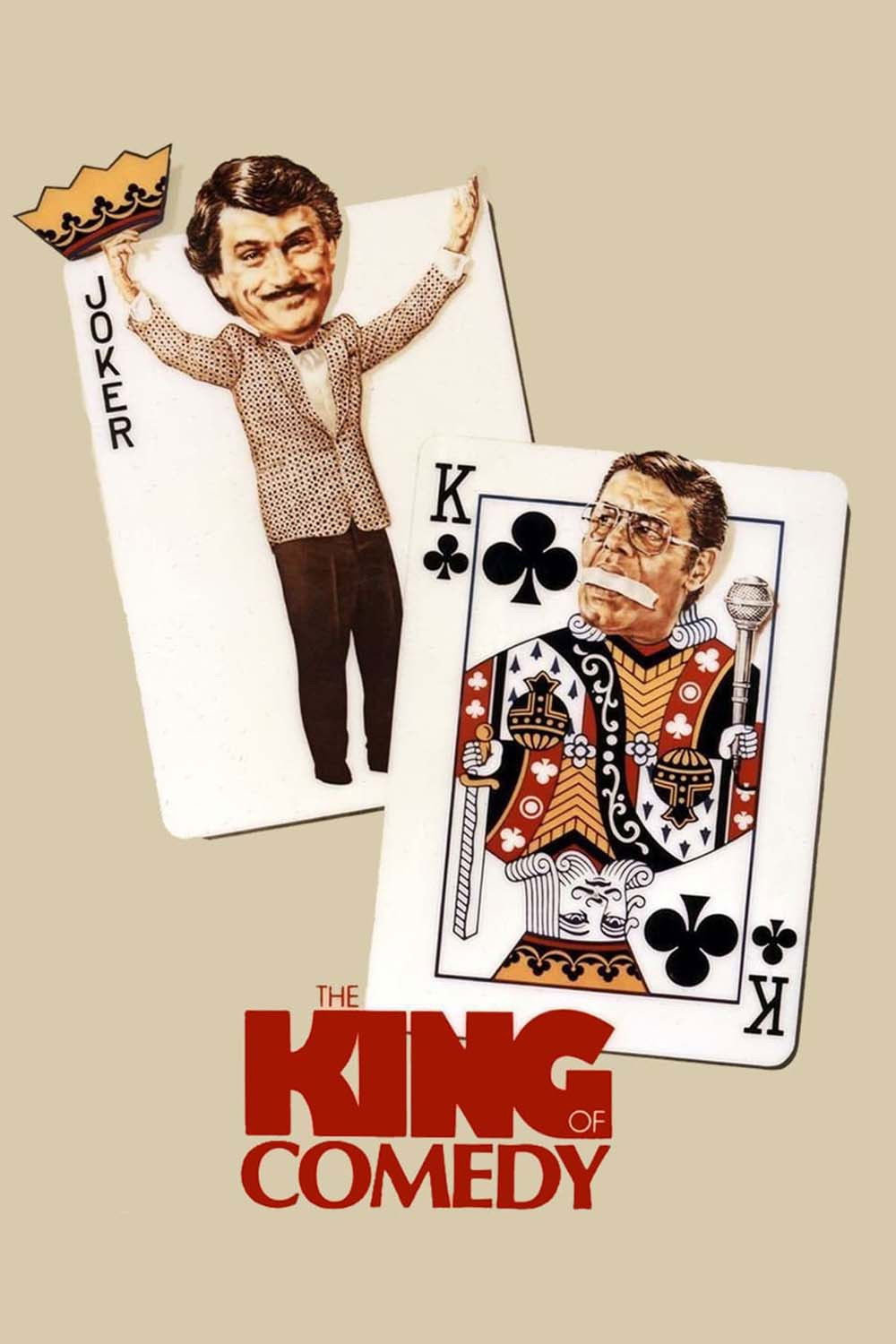
1982 · Another admirer mistakes personal obsession for a relationship with a public figure.

Audition poster

Audition

1999 · Patient psychological horror that makes romantic expectations a source of dread.

The Vanishing poster

The Vanishing

1988 · A patient thriller about obsession, with politeness doing much of the frightening.

The Skin I Live In poster

The Skin I Live In

2011 · A controlled, unsettling drama for those drawn to captivity and unequal power.