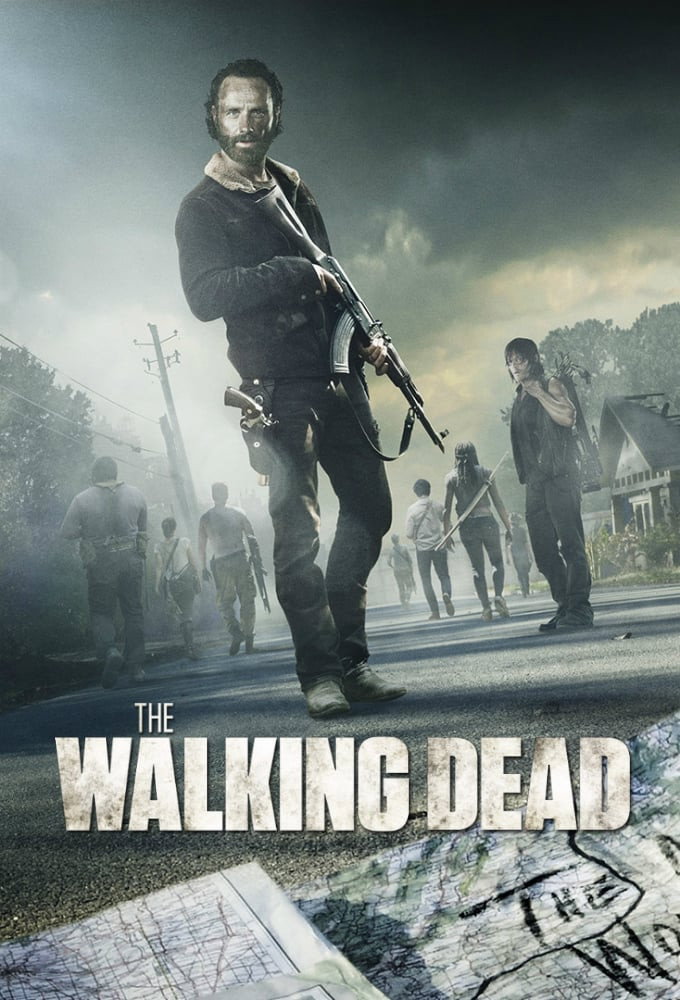
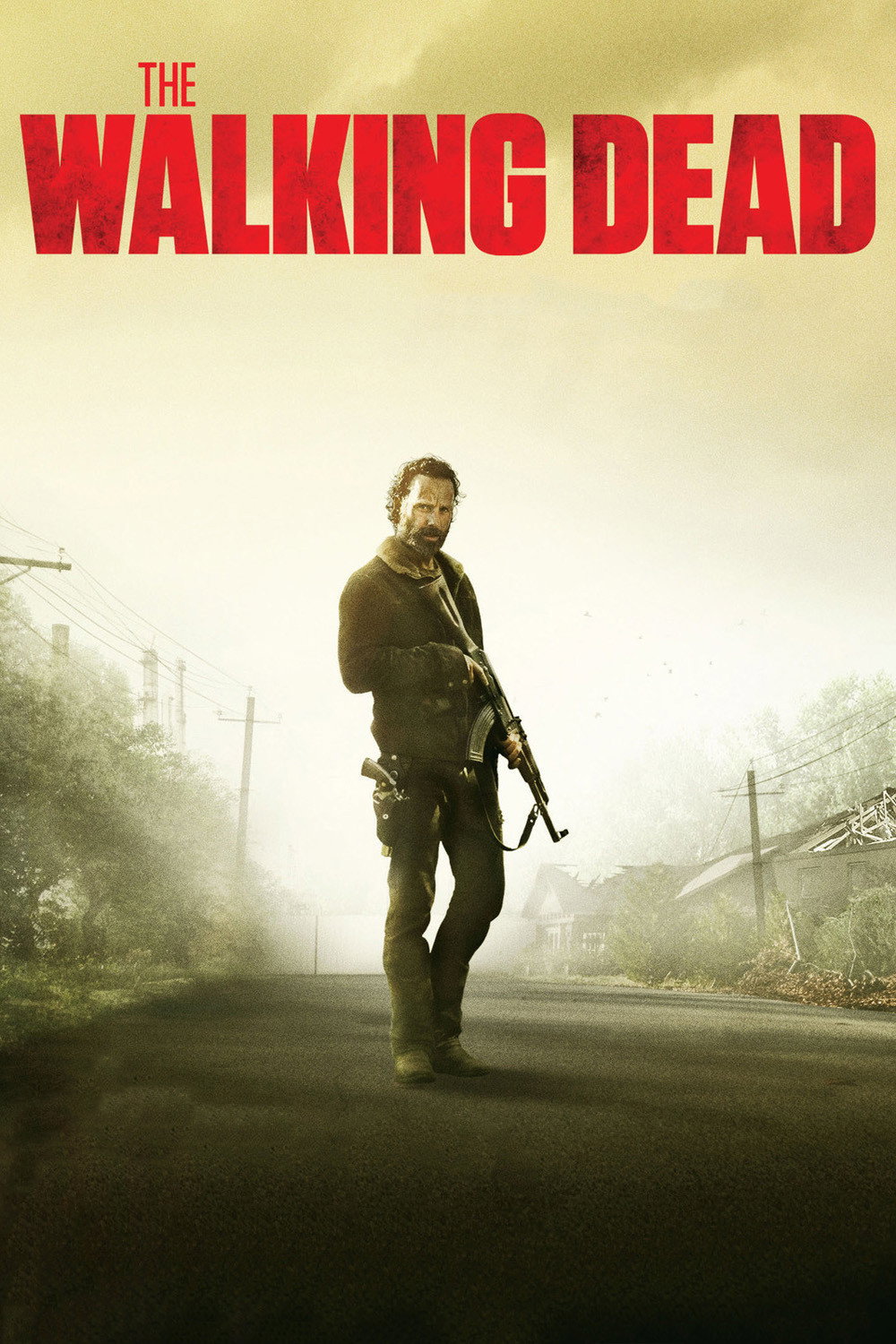
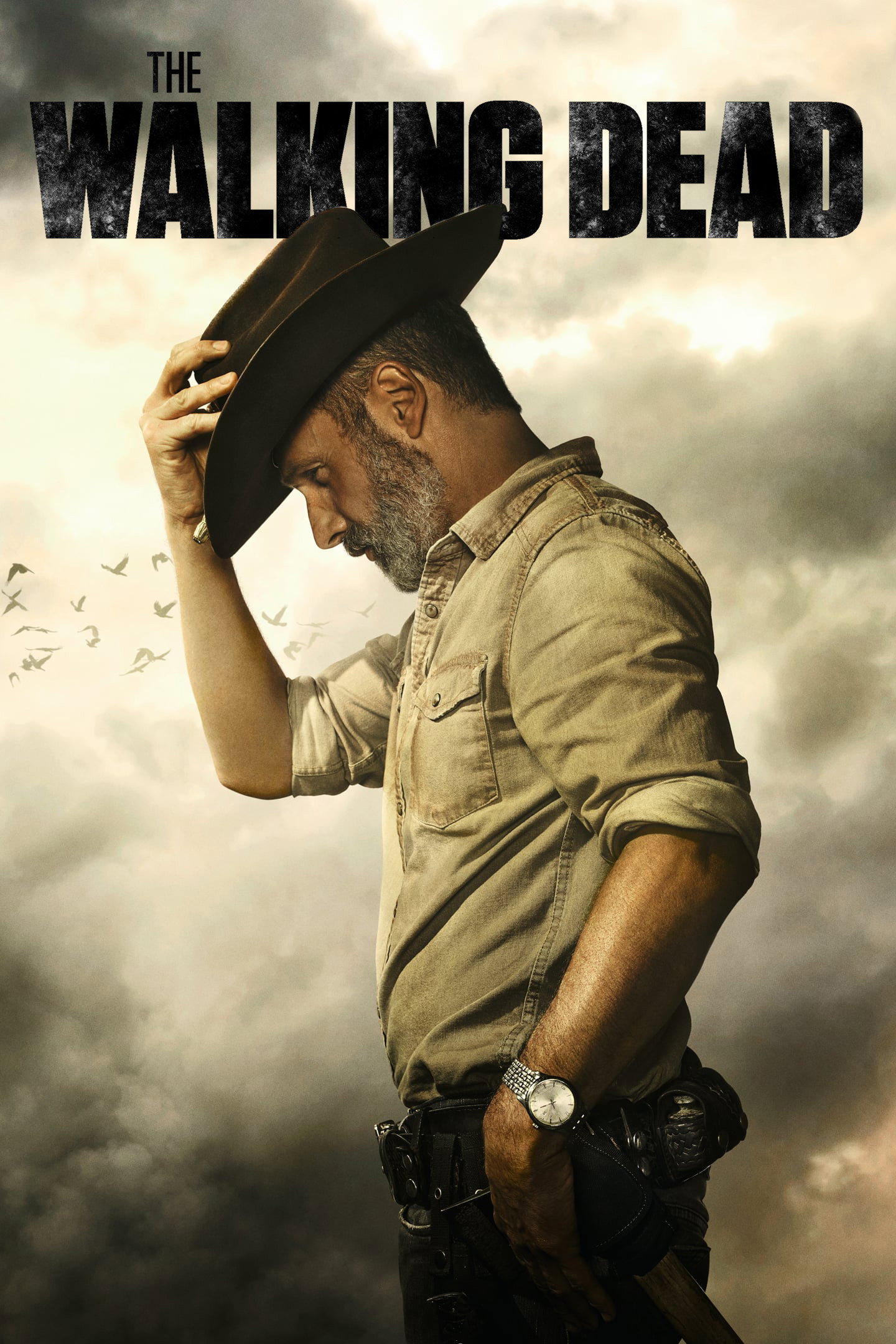
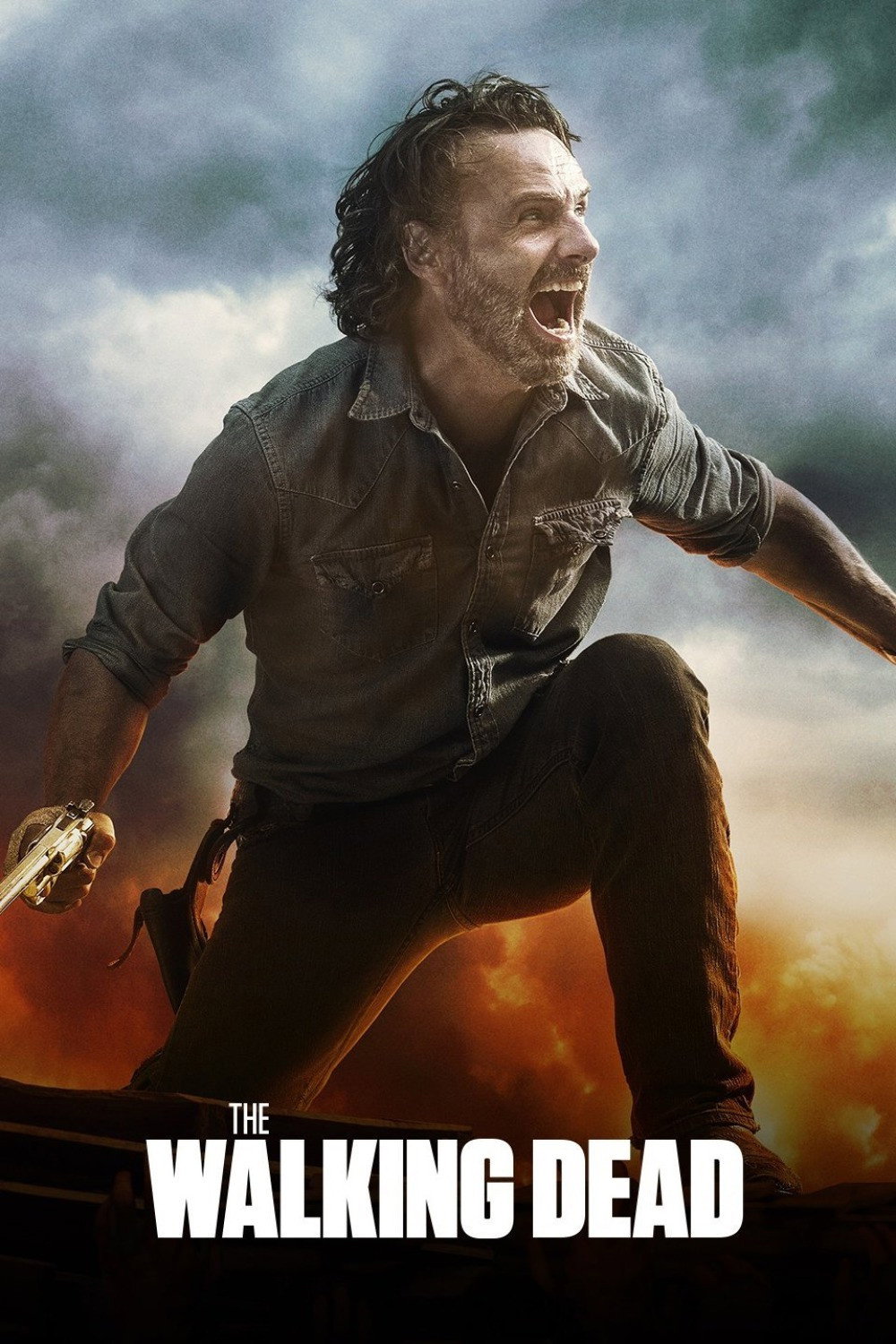
Frank Darabont’s opening six episodes are among the best horror television we have seen: patient, sunlit and properly frightening. What followed ran eleven seasons and 177 episodes, and the quality wandered as widely as its characters. Start at the beginning, and be prepared to stop.
Frank Darabont built the first six episodes of The Walking Dead like a film with gaps in it, and they remain the best argument for the series. Rick Grimes (Andrew Lincoln) wakes in a hospital to find the dead have got up and most of the living have not. He walks home, finds his wife and son gone, and sets off for Atlanta. The pilot takes its time over all of this, and the time is well spent. What followed is eleven seasons and 177 episodes, and our verdict has to cover the lot: a strong beginning, some fine stretches, and a great deal of walking in between.
The early horror works because it is quiet and it happens in daylight. The cinematographers, Duane Manwiller, Scott Kevan, Stephen Campbell and Michael E. Satrazemis, shoot Georgia in flat white sun, so the dead come at you across a lawn rather than out of a shadow. We were horrified in the pilot’s first minutes, when a small girl in slippers bends for a teddy bear in the road and turns, and half her face has gone, and Rick shoots her. Nothing jumps. That is what does it. The series is at its best whenever it remembers this, and it forgets often.
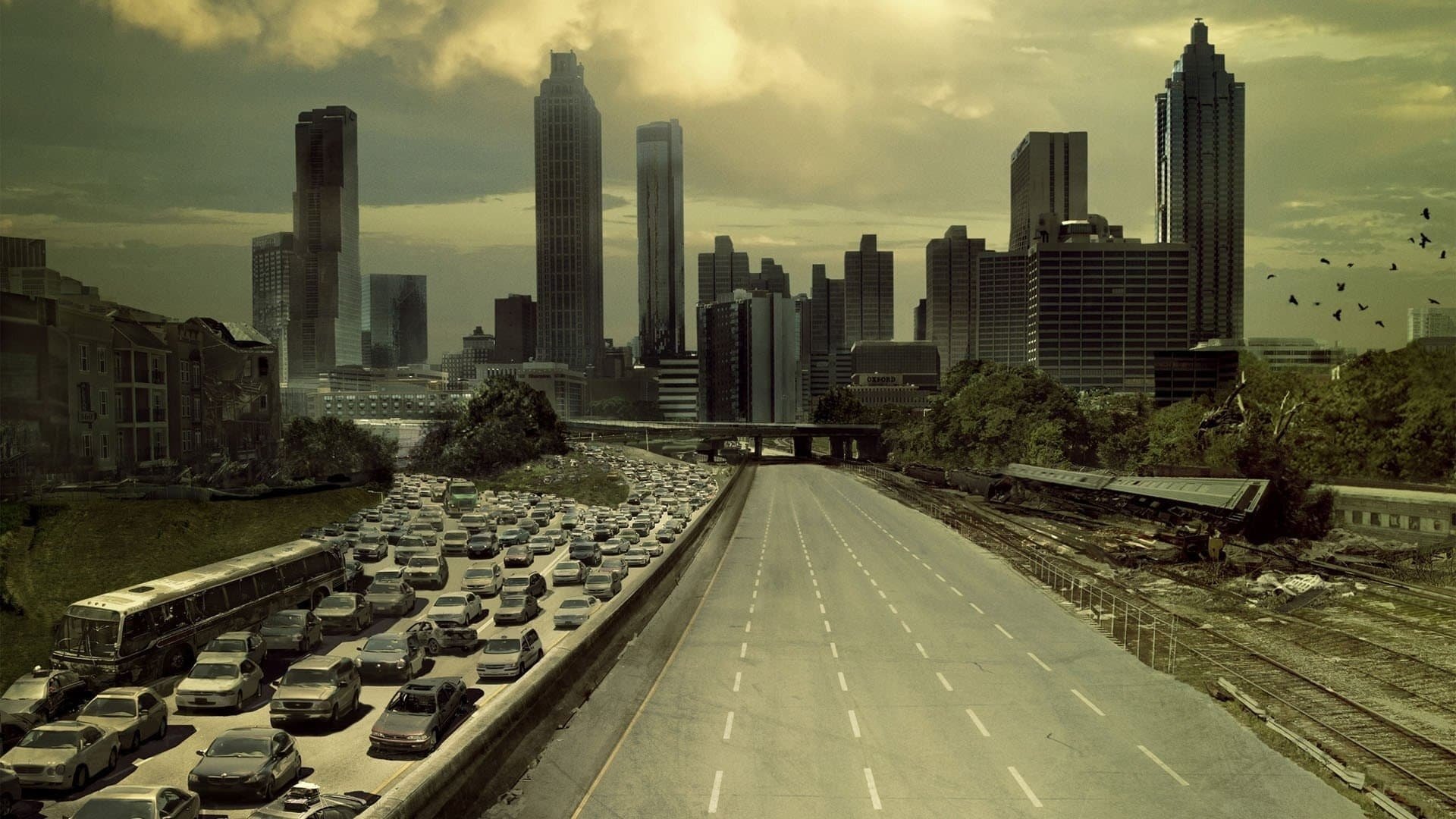
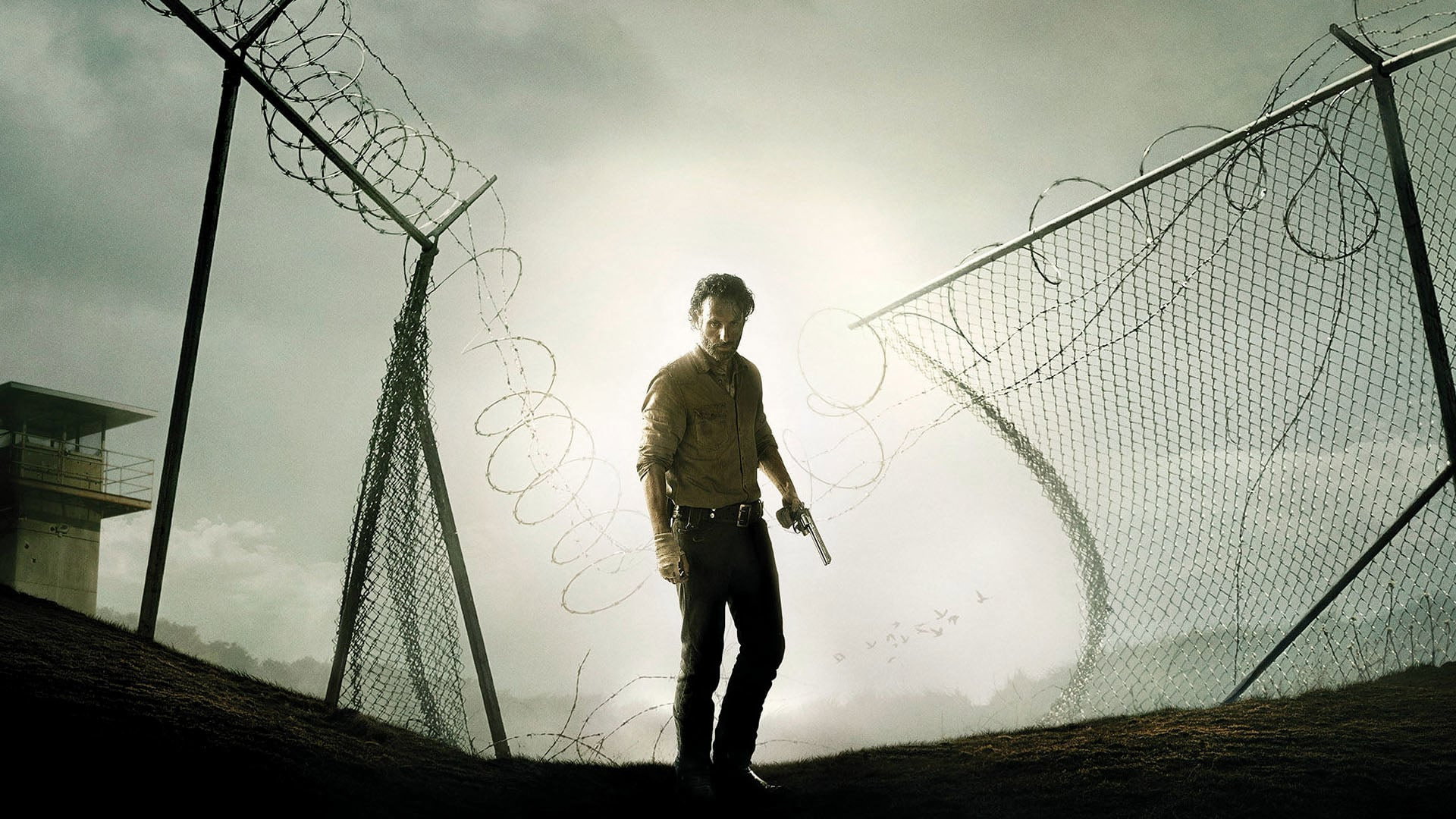
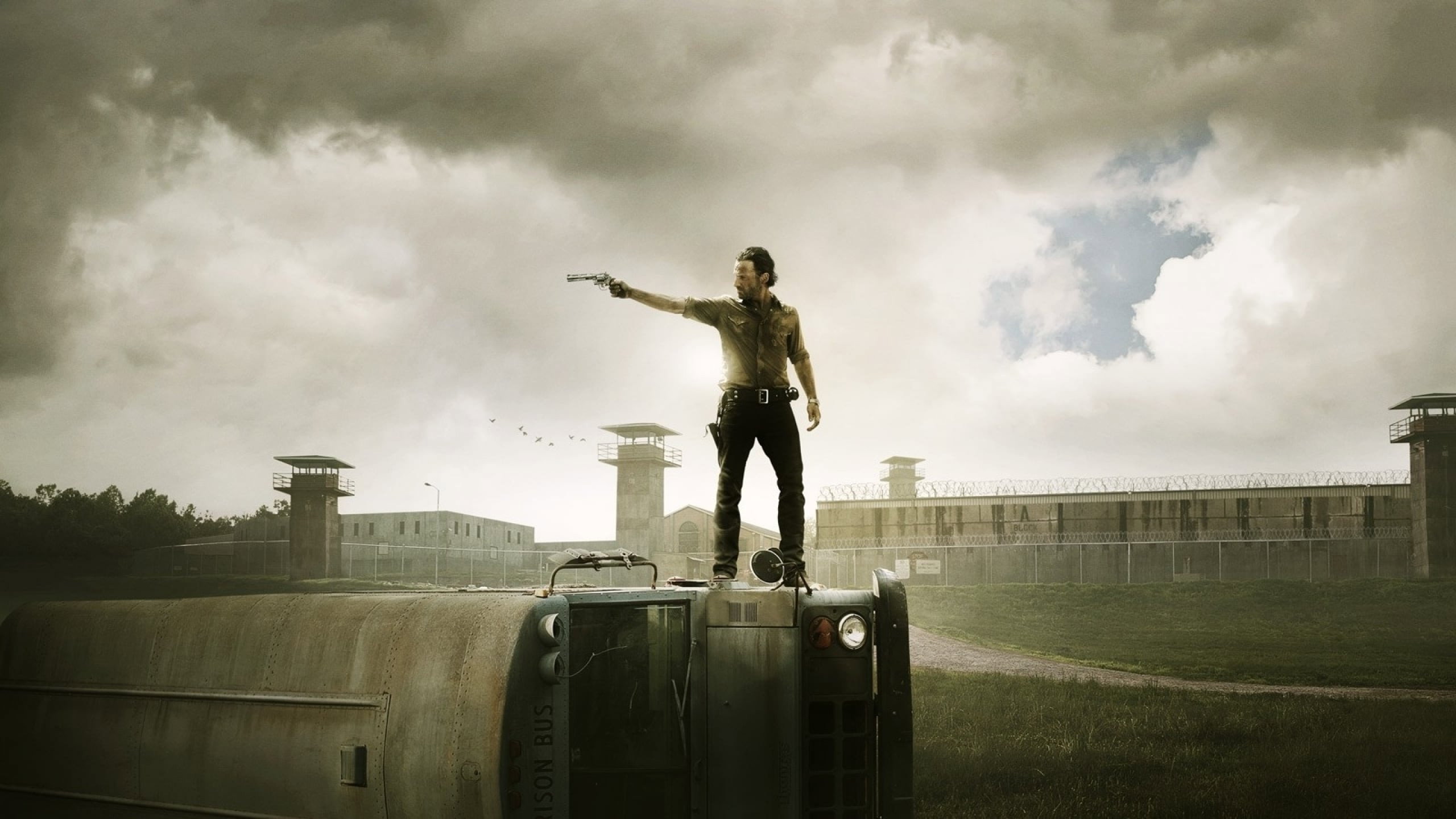
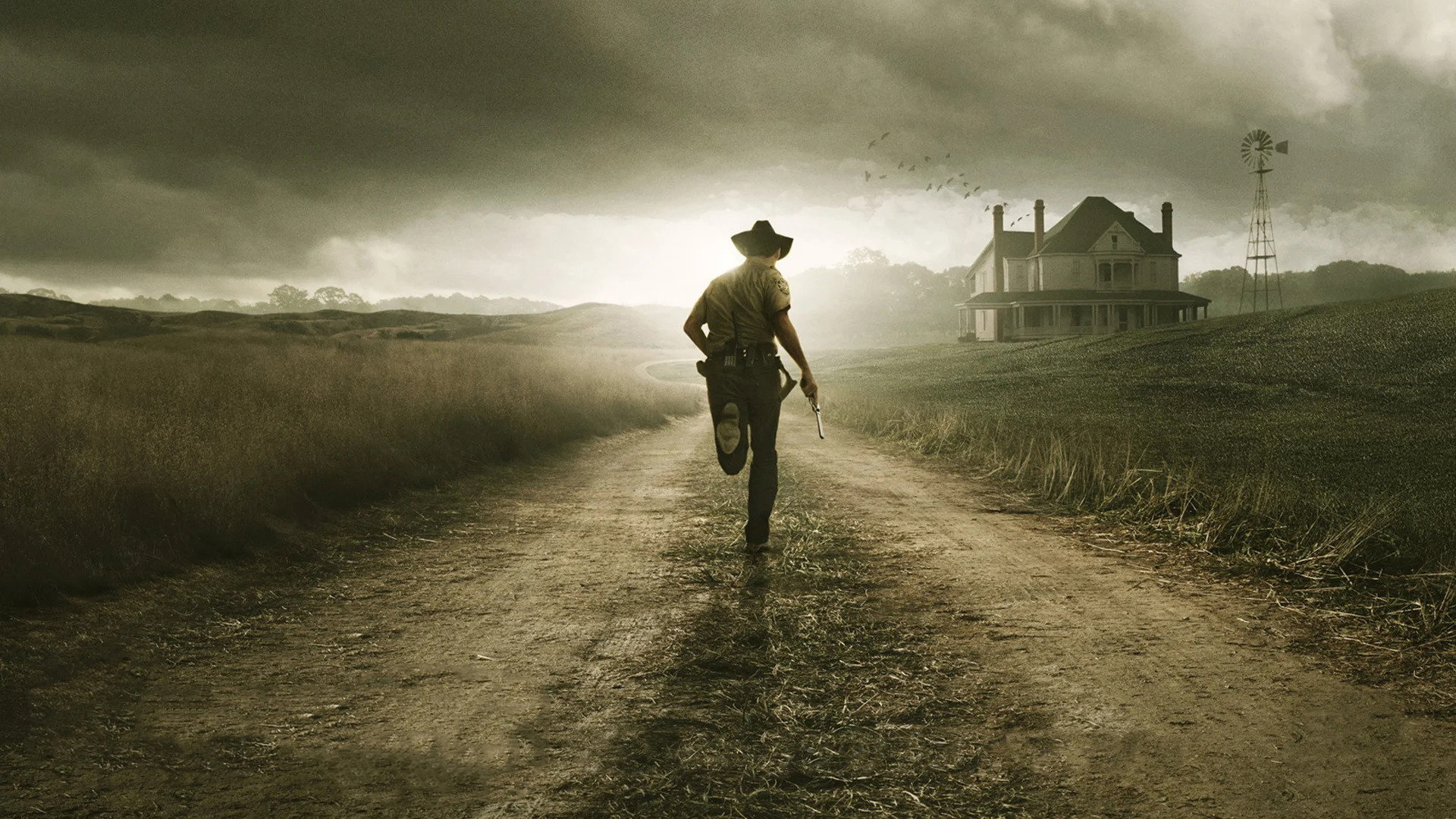
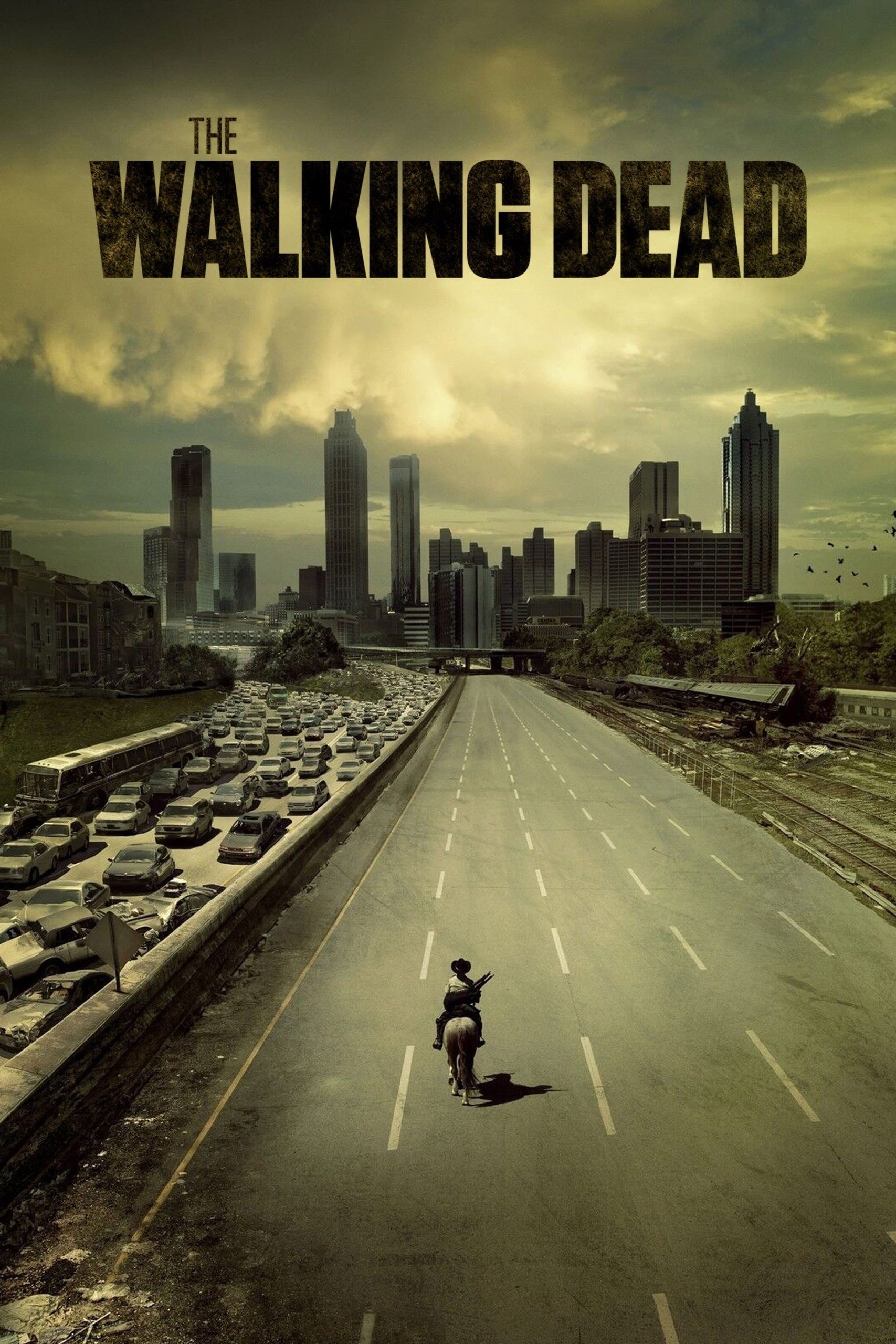
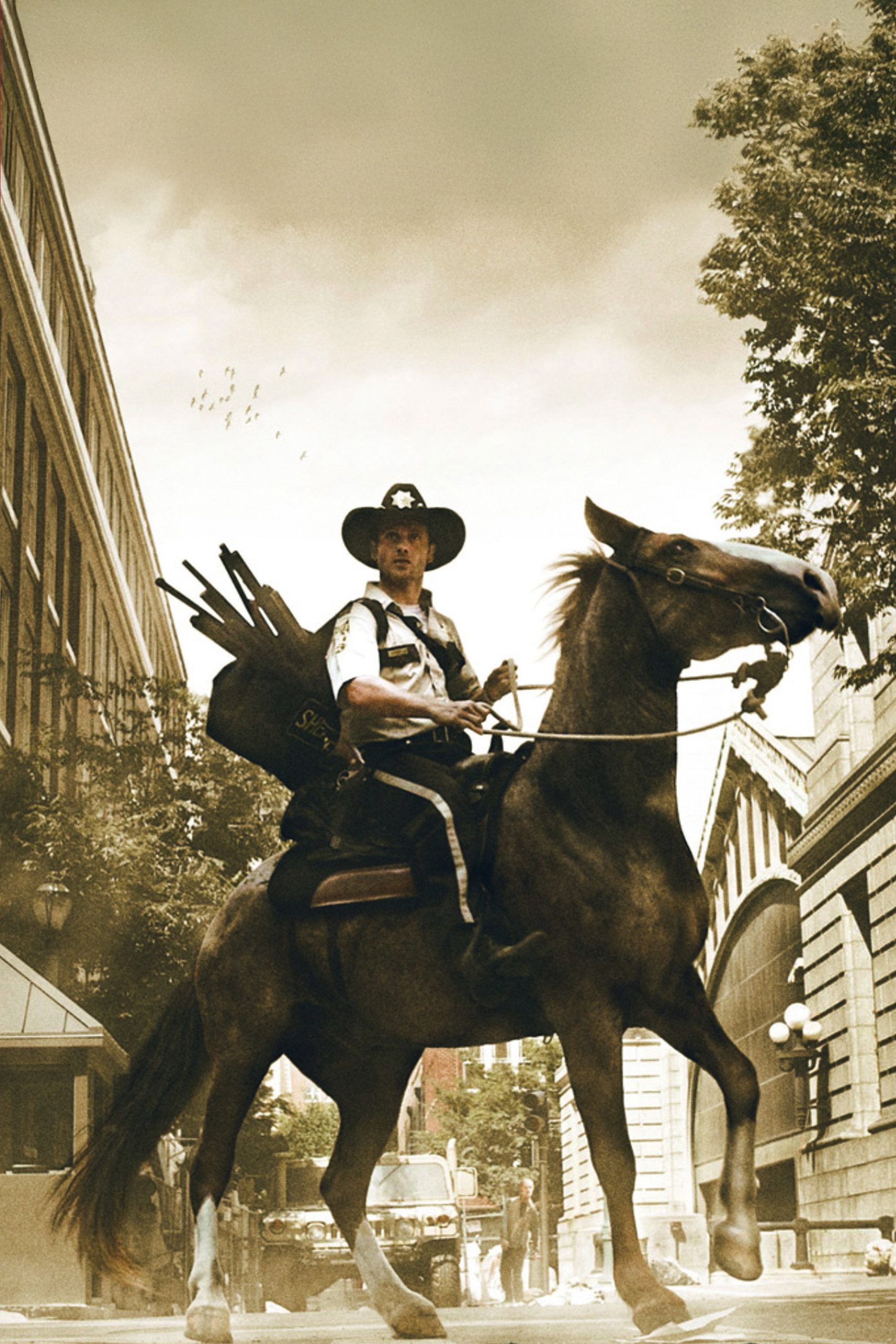
Bear McCreary’s score is the constant. His title theme is a handful of scraped strings over a nervous pulse, and it never settles; across the run he lets long stretches go without any music at all, which in horror is the harder choice. Production designers Jeff Schoen and Graham “Grace” Walker give the series its best images: a motorway of abandoned cars running out of sight, a prison that looks like safety, a town behind walls with the paint still fresh. Elaine Montalvo keeps Rick in his deputy’s shirt and hat long after the badge means anything, which tells us what he still thinks he is.
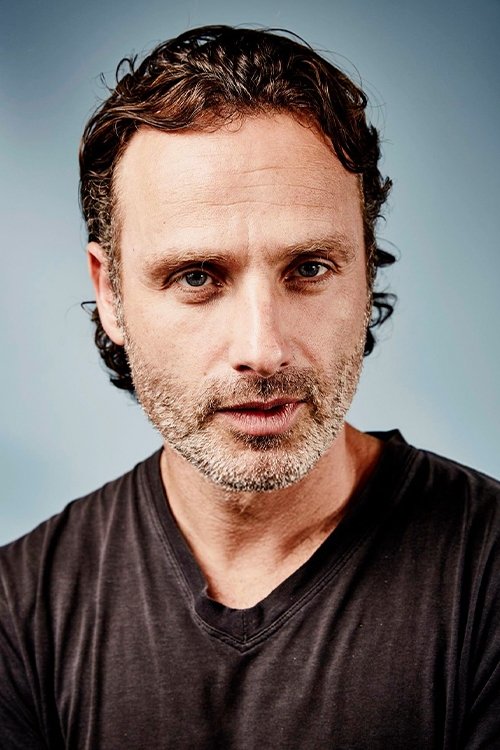
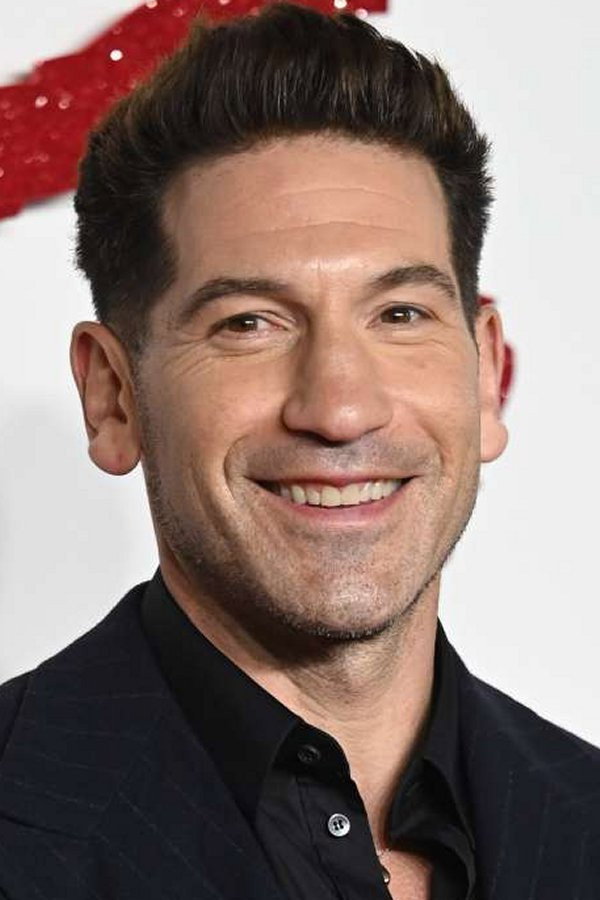
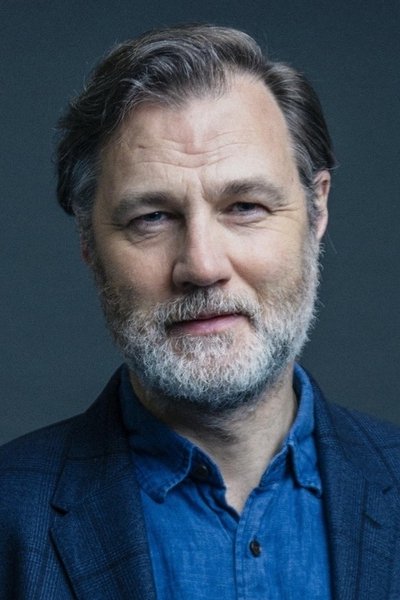
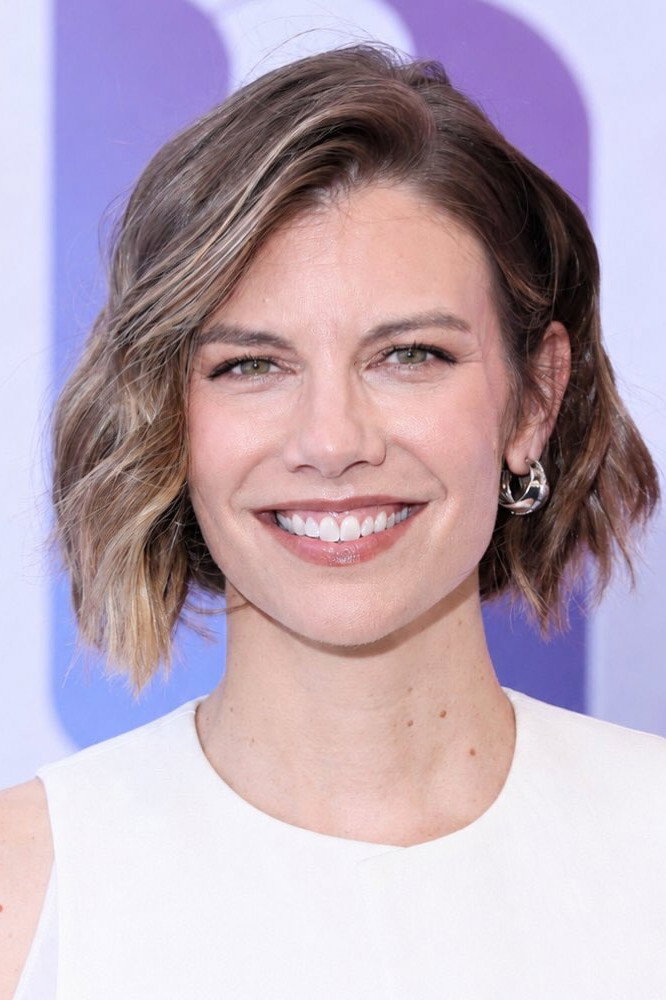
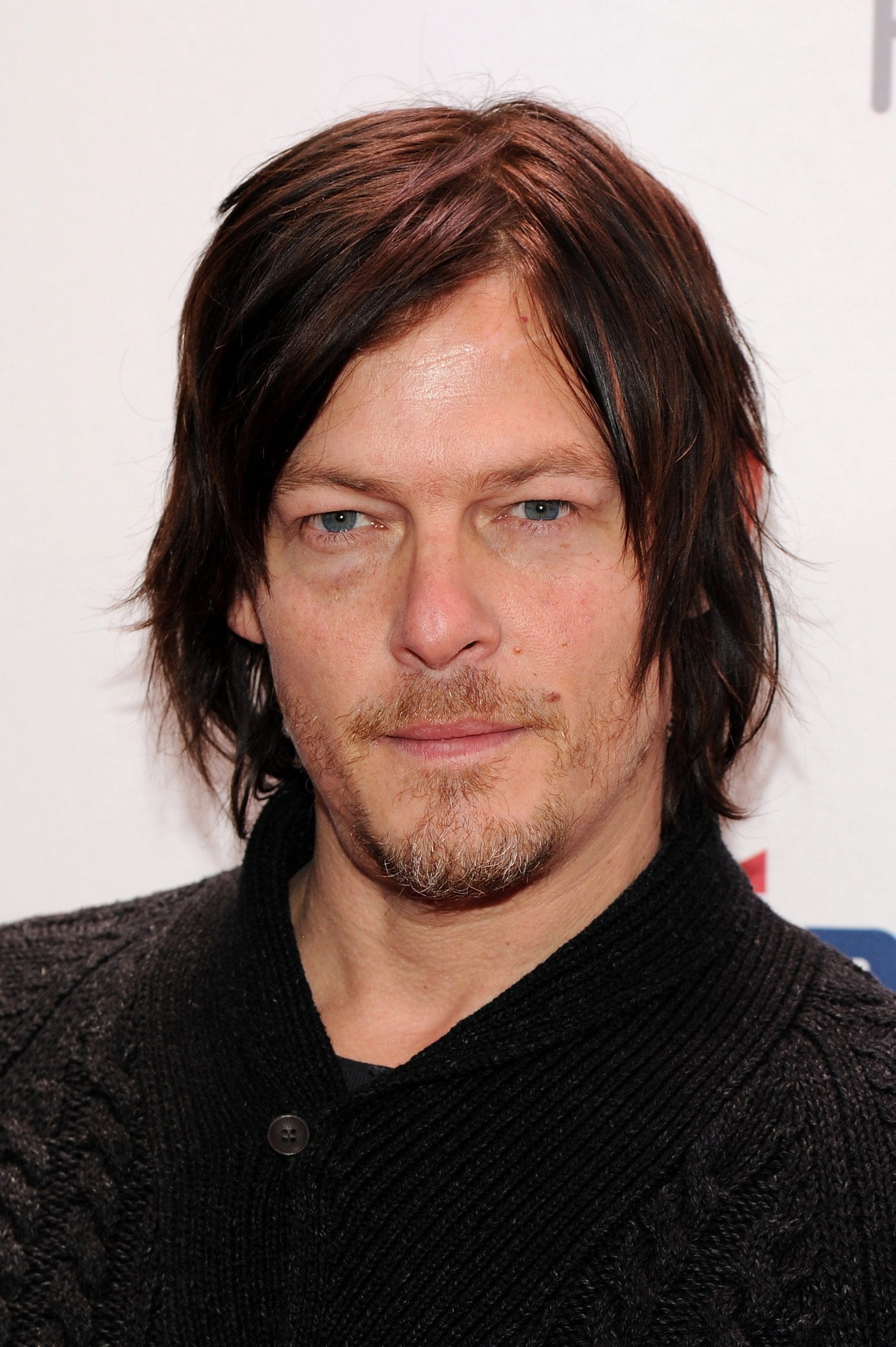
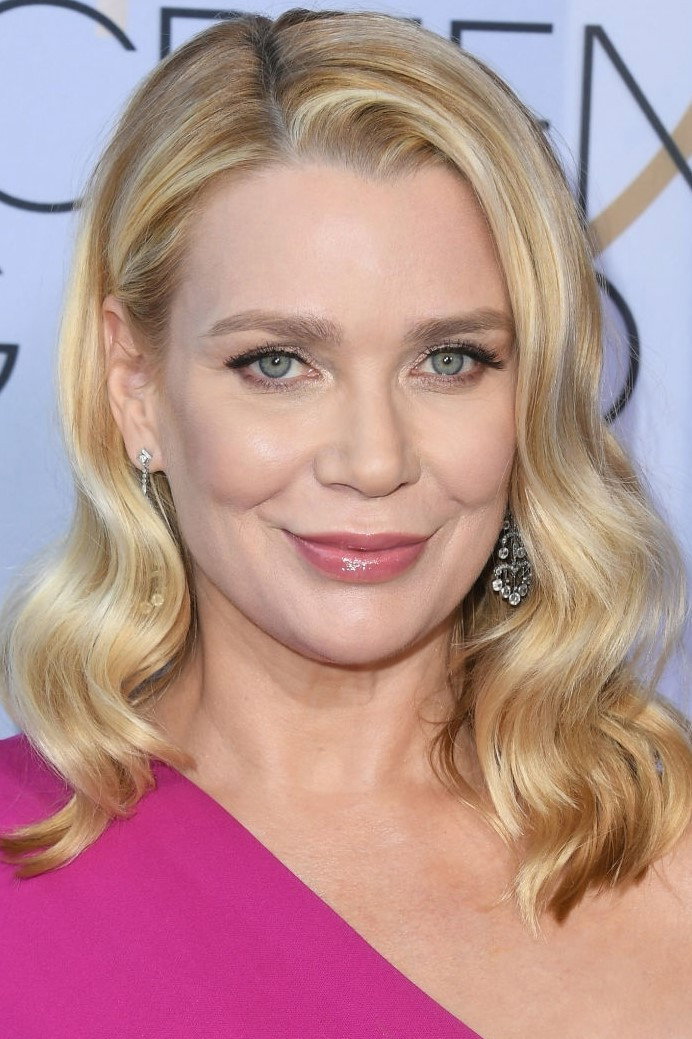
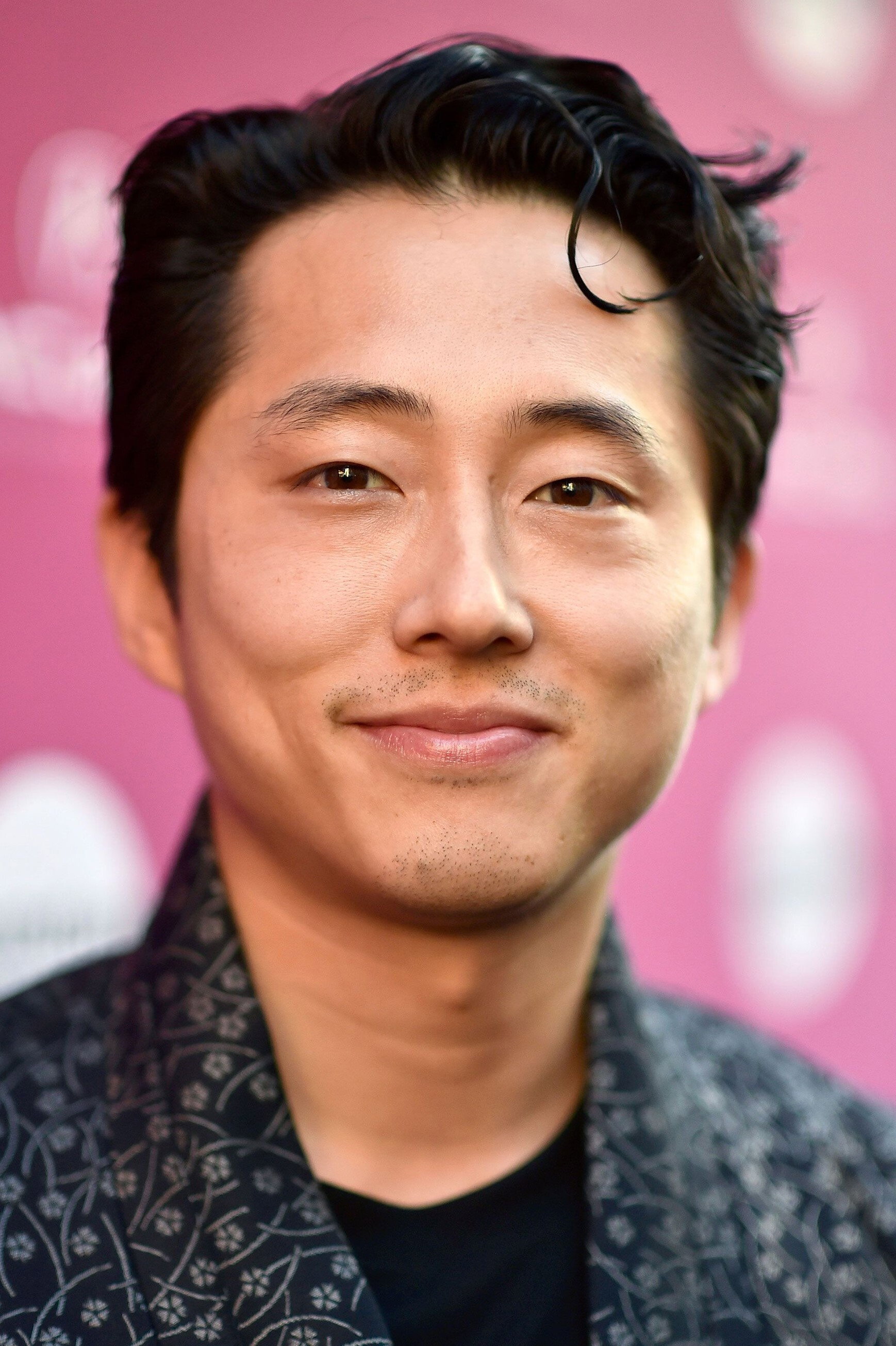
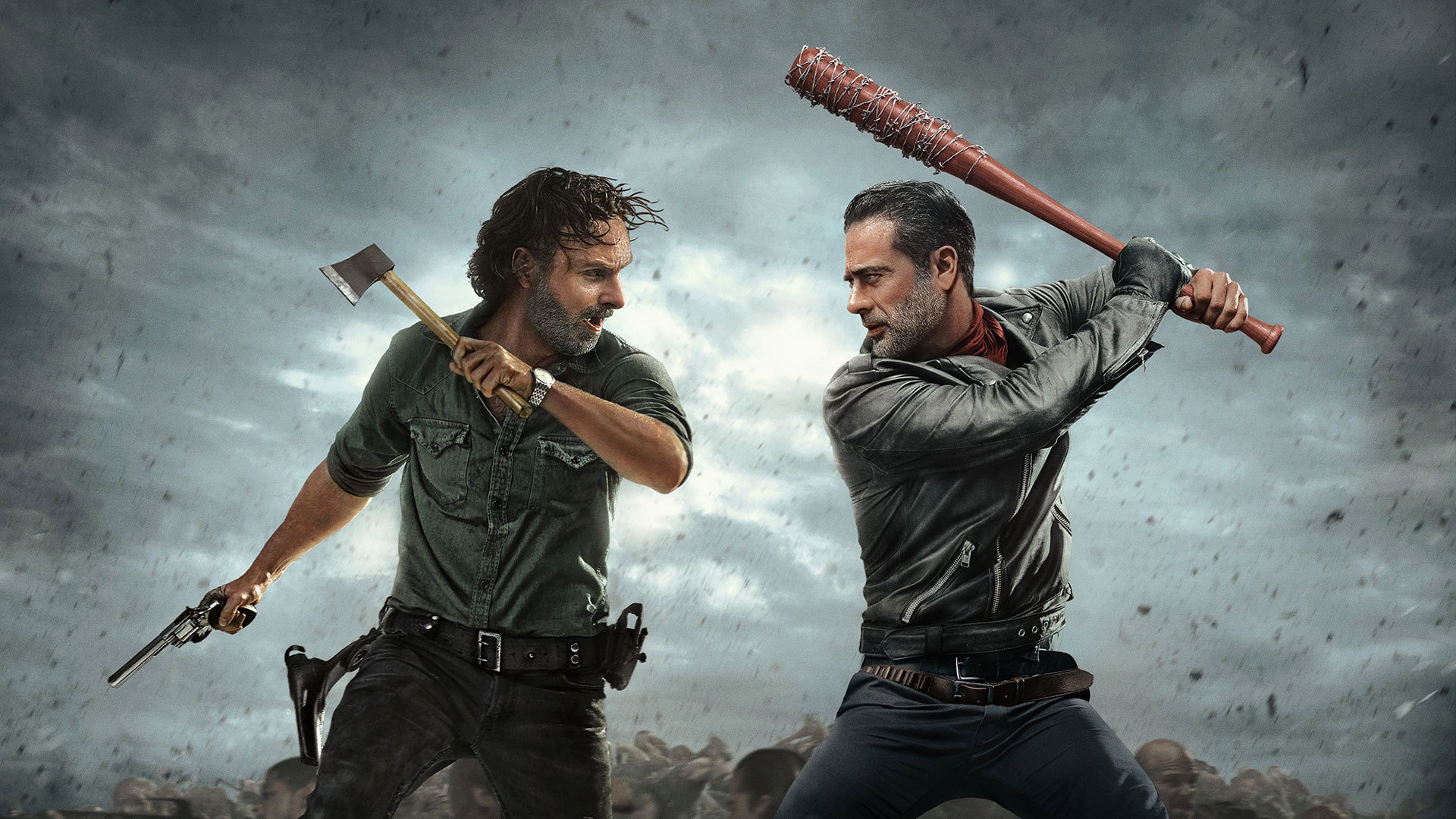
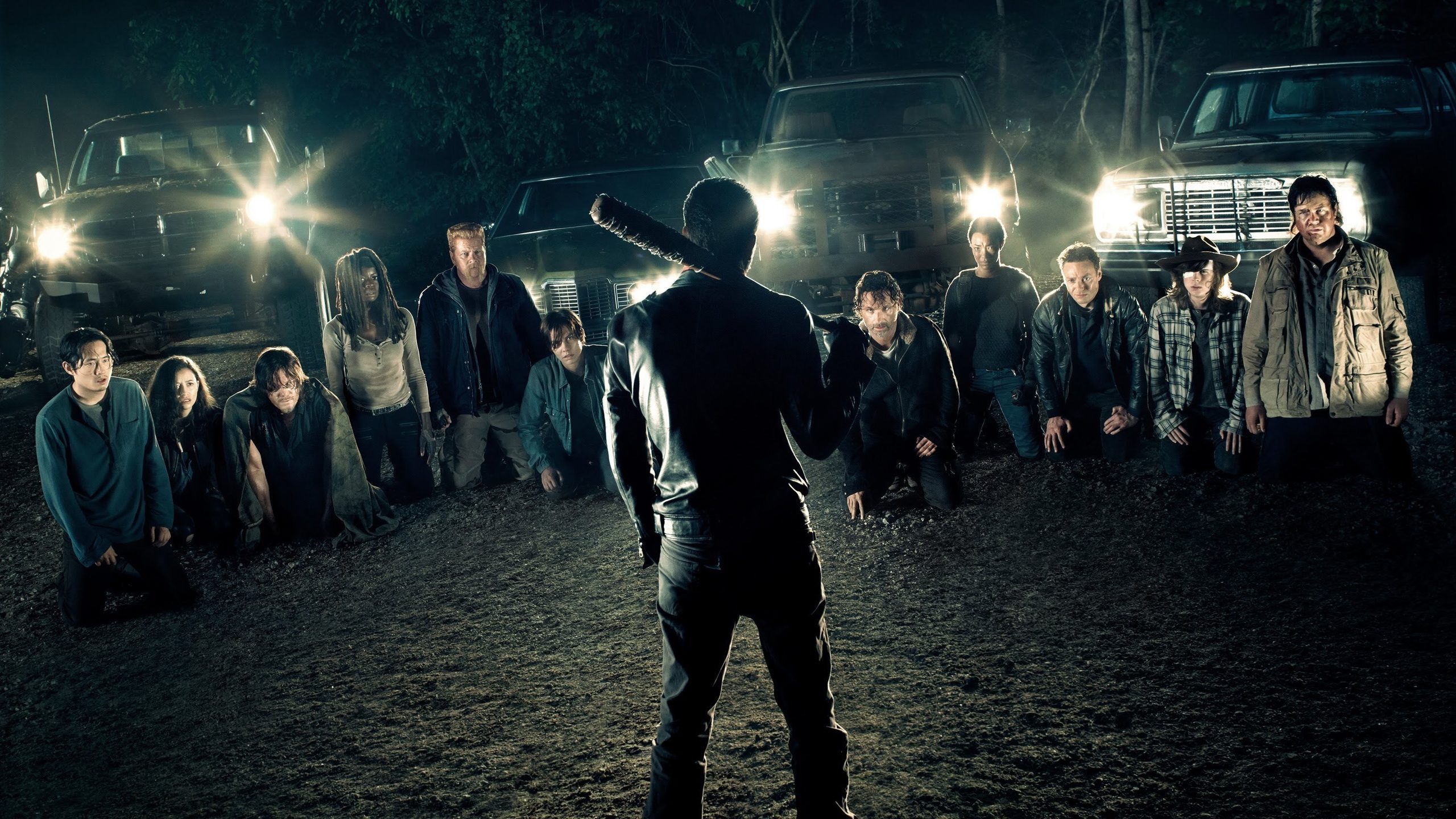
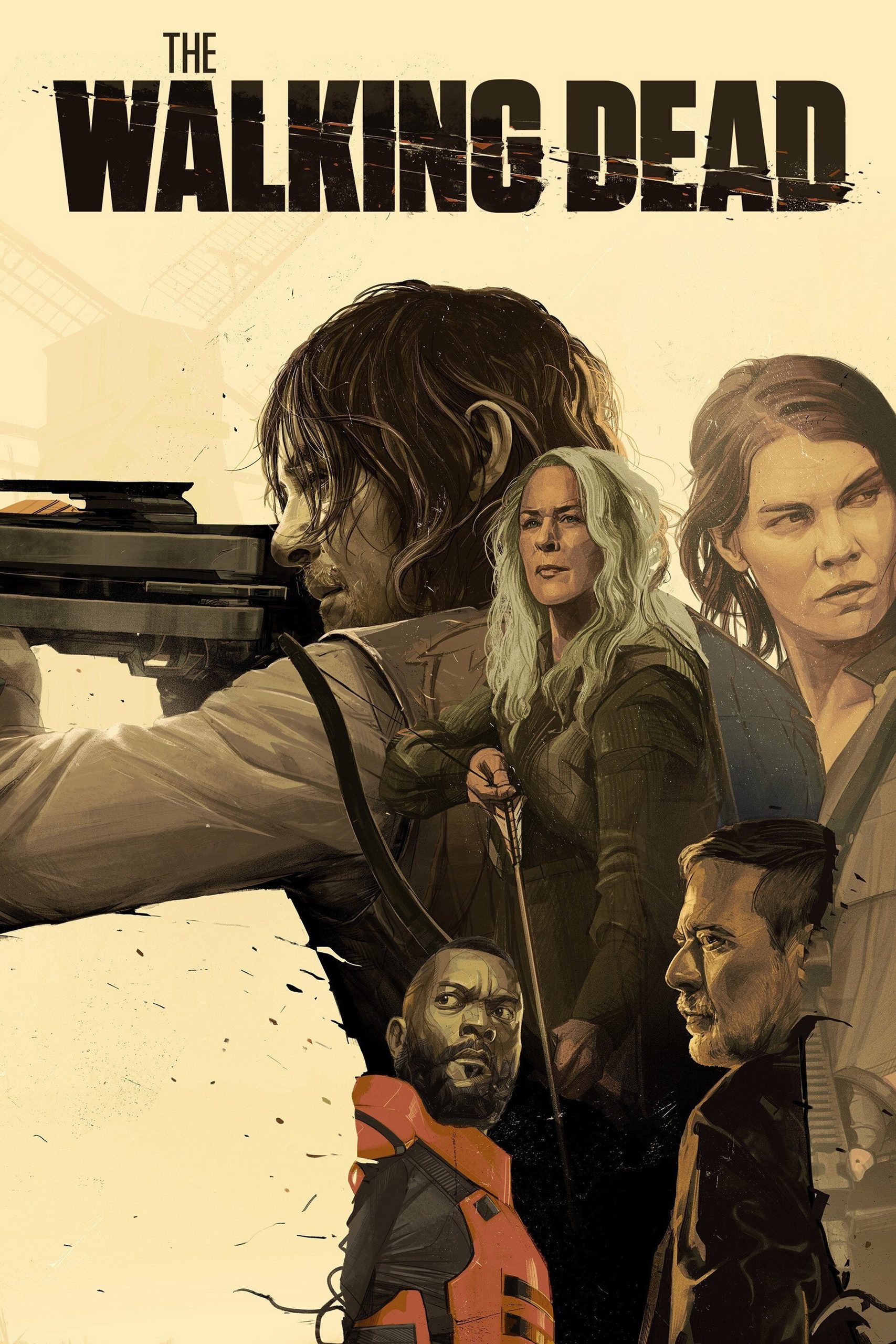
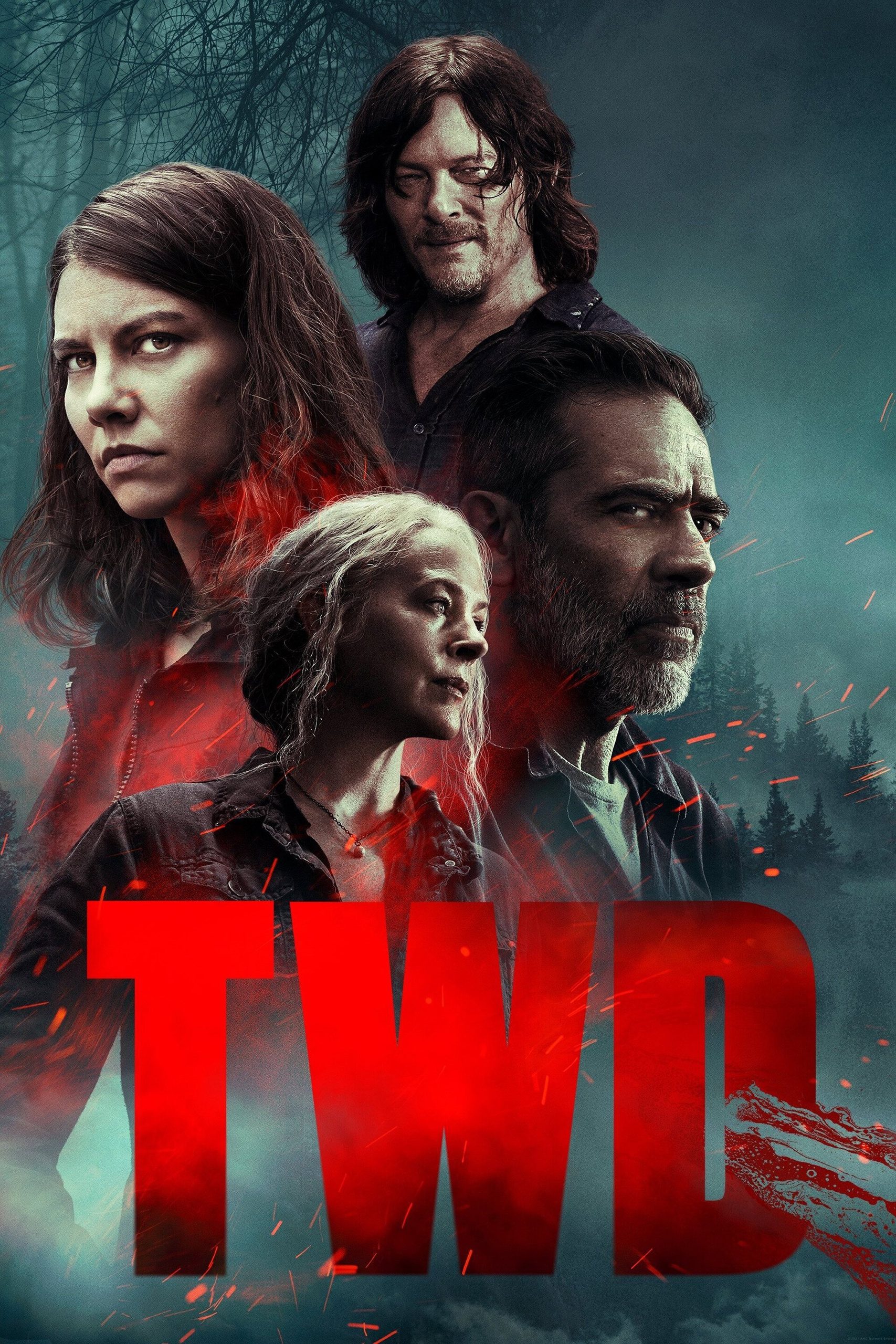
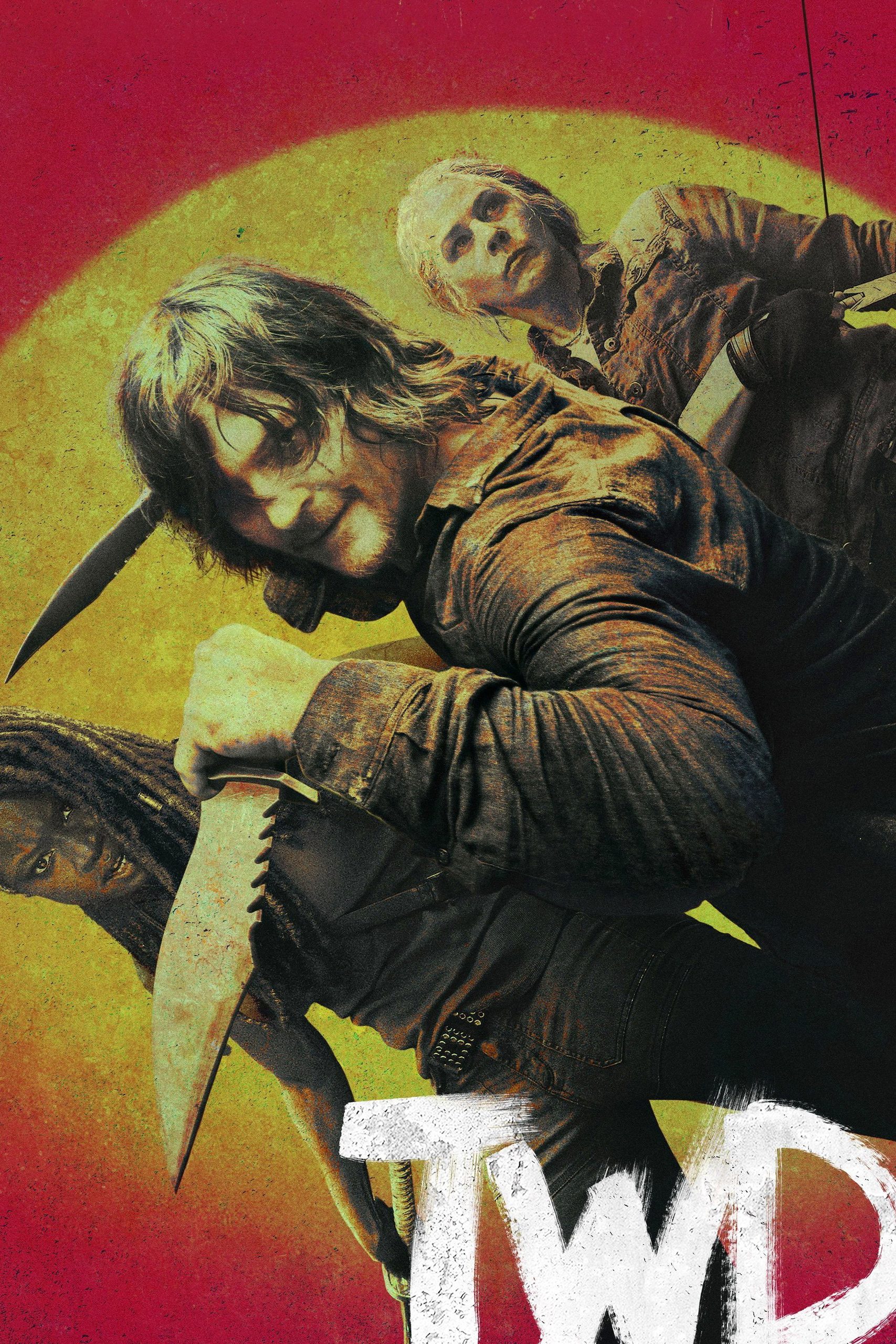
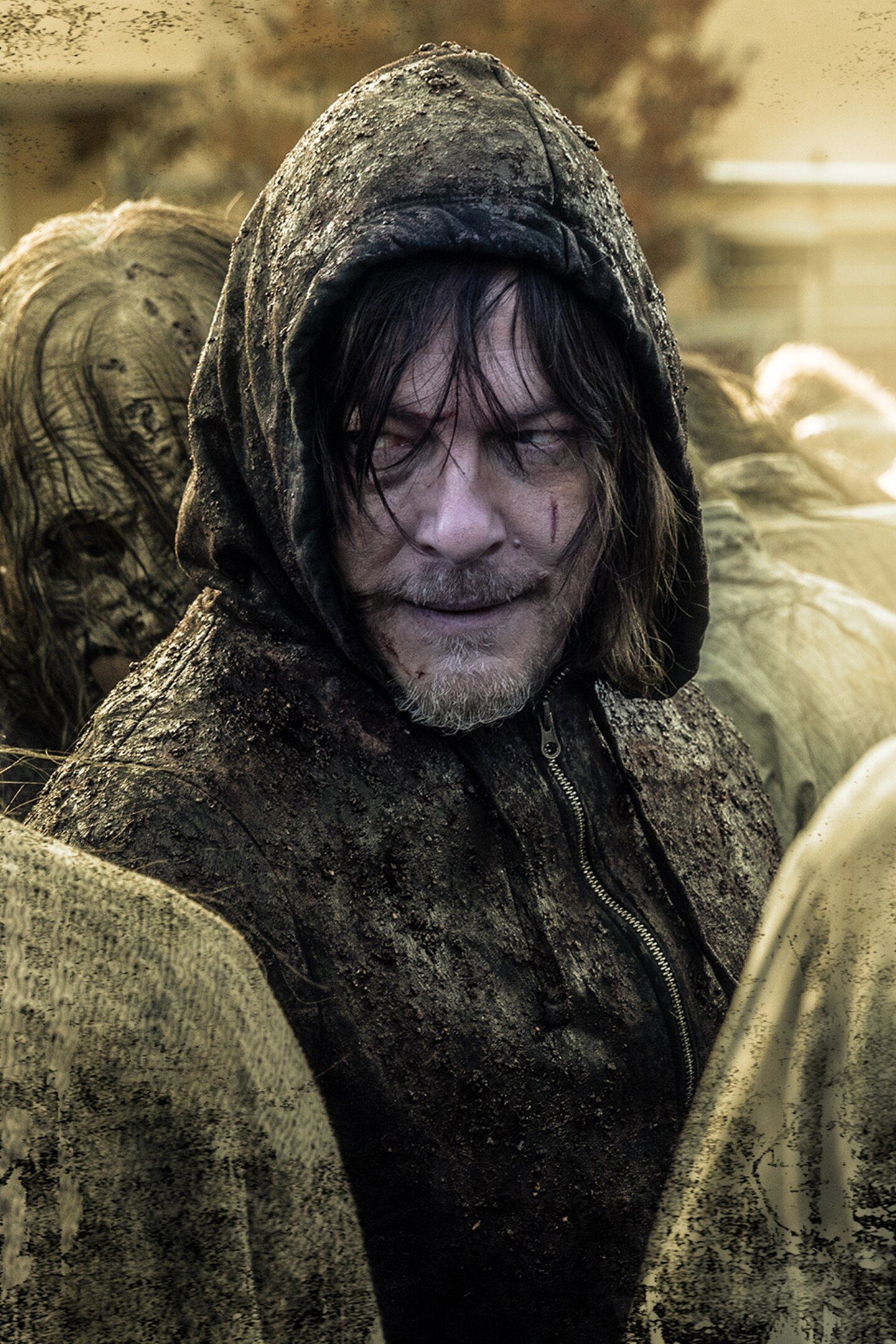
The cast is where the series earns its length. Lincoln, an Englishman doing Georgia, plays Rick as a decent man who keeps having to decide how much decency he can afford. Jon Bernthal’s Shane Walsh, Rick’s partner, is the strongest thing in the first two seasons: a man who has taken a decision he cannot take back, and knows it. Later arrivals fare better than the early wives. Melissa McBride’s Carol Peletier begins as a frightened woman at the edge of the camp and becomes the most interesting person on screen, and McBride does it without a speech. Norman Reedus’s Daryl Dixon, a redneck with a crossbow who turns out to have a conscience, is the series’ most durable creation. Danai Gurira brings Michonne Hawthorne in with a sword and few words, and the series sharpens the moment she arrives. David Morrissey’s Philip Blake and Jeffrey Dean Morgan’s Negan Smith are the two villains given real time, and Morgan, all teeth and baseball bat, brightens the series and coarsens it in the same stroke.
The flaws are structural. The second season sits on a farm for thirteen episodes and we were bored, and then angry about being bored, because people we cared about were standing in fields arguing while nothing moved. The writing room changed hands more than once; Darabont, Glen Mazzara, Scott M. Gimple and Angela Kang are all among the credited writers, and the series runs at a different temperature under each. Five editors are credited, and the cutting is sometimes patient and sometimes padded: a season’s worth of story stretched across sixteen episodes, then twenty-two, then twenty-four. Later on the series found a taste for cruelty it had earlier been careful with, and lingered on it, and we stopped trusting it for a while.
Most of the reviews at the time were of the pilot, and the pilot deserved them. A series is judged on what it became, and this one became a long, grim, often handsome soap with intervals of real quality. Gregory Nicotero, who directed a good many episodes, gives the dead a weight and slowness that later zombie fiction abandoned, and against the genre’s own standards the monsters have aged well. The people have aged less evenly.
Watch the first season on its own; it is six episodes and does not waste one. After that, treat each season as a separate decision, taken in the autumn, with a clear idea of how much of your life you will spend on a road that does not end. Certificate 18, and it means it.