Film review

Dawn of the Dead

1978 · Directed by George A. Romero · 2h 07m · MPA NR

In a sentenceA shopping centre full of corpses, and still nobody seems ready to leave

HorrorScience Fiction

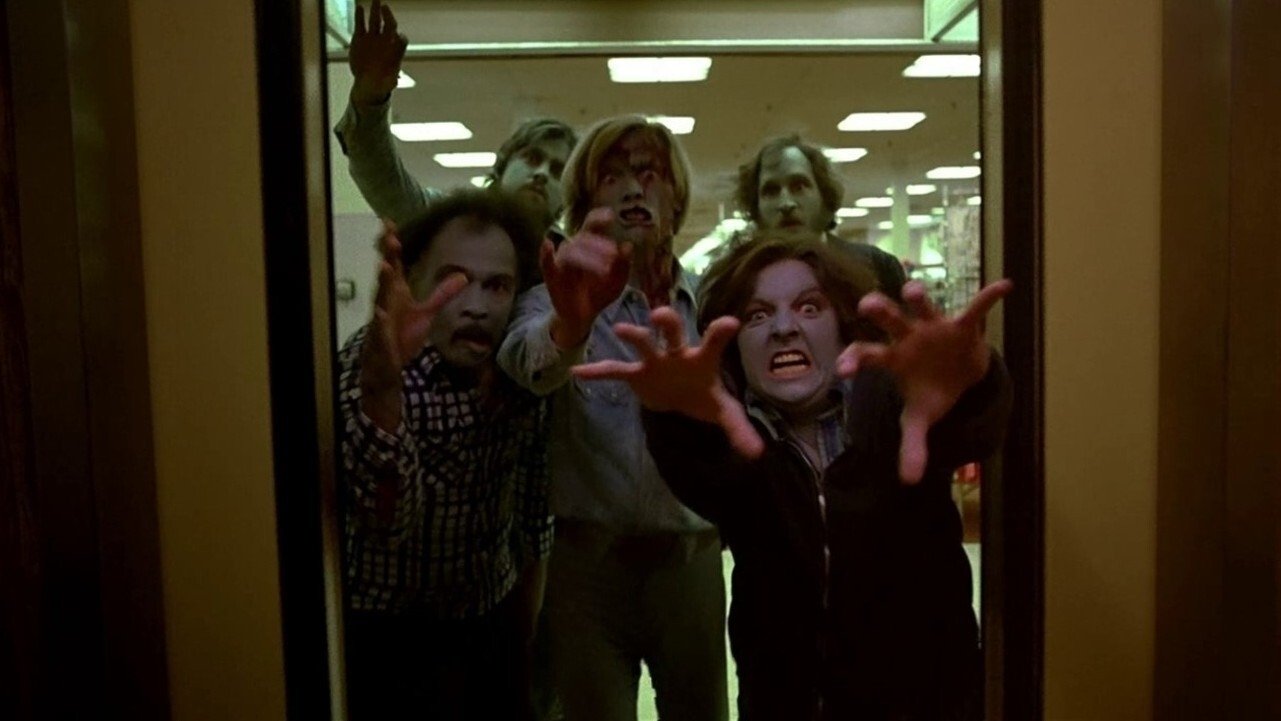
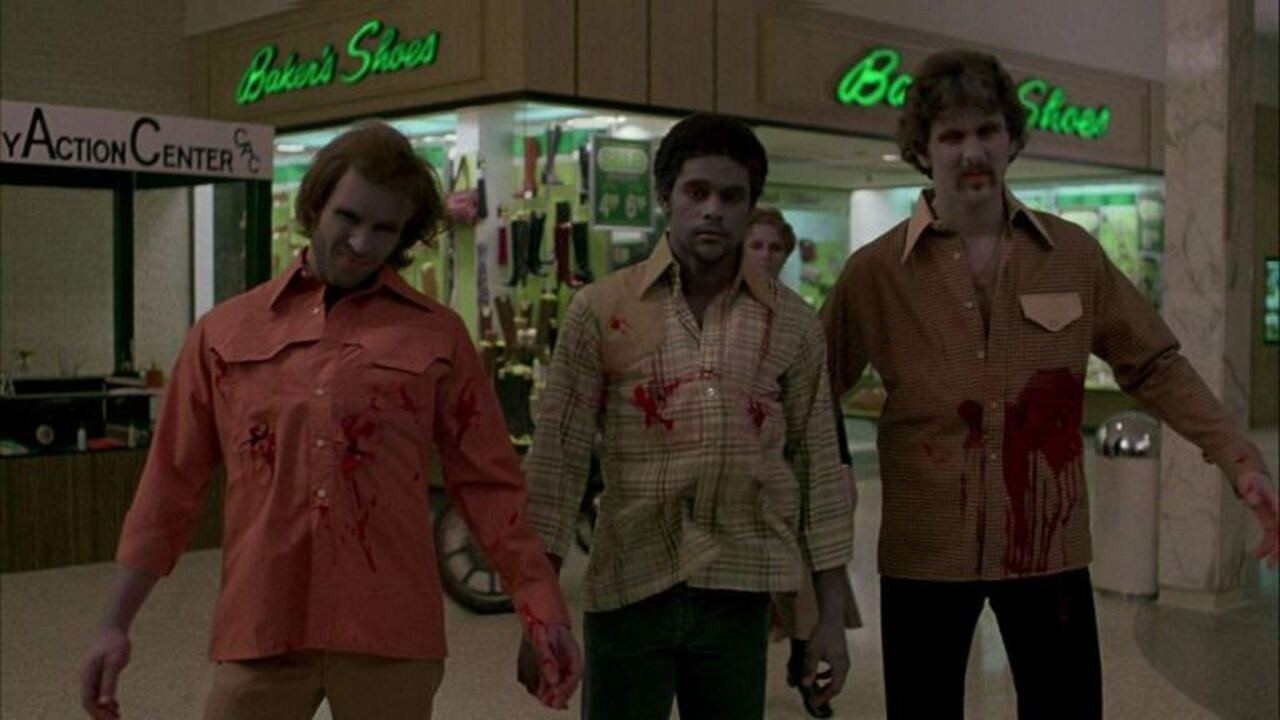
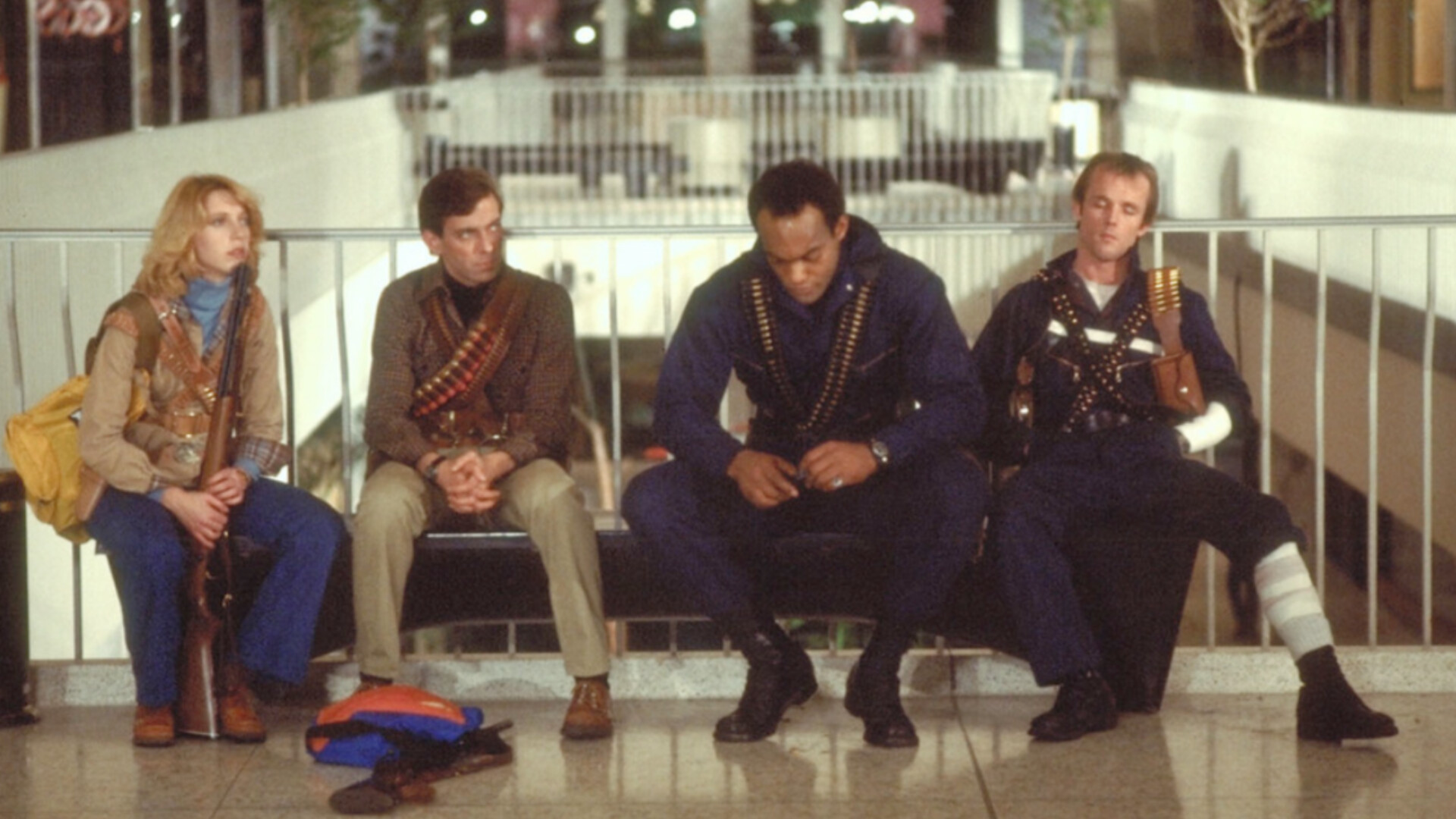
With the dead walking and attacking the living, Stephen “Flyboy” Andrews (David Emge), Peter Washington (Ken Foree), Roger “Trooper” DeMarco (Scott Reiniger) and Francine “Fran” Parker (Gaylen Ross) take refuge in a shopping mall. They want somewhere they can survive, and the building promises shelter with consumer goods close at hand. But the mall also attracts the dead. The four need to make a place built for crowds safe for themselves. Securing the building means confronting its other occupants, whose appetite has nothing to do with the goods on sale.

Plays from YouTube when you press play; nothing loads from them until then.

Fi1m review

George A. Romero’s shopping-mall horror is savage, funny and worth the discomfort. Its consumer satire is blunt and occasionally repetitive, but the violence has a purpose beyond testing how much we can stomach.

A shopping mall is a sensible place to seek shelter, which is where George A. Romero starts making trouble. The people in Dawn of the Dead want to survive, and the shops offer plenty of reasons to settle down. We recommend it warmly: this is frightening, funny horror with a clear understanding of why its survivors might find the place hard to leave. Romero makes their attachment to consumer goods understandable before making it look ridiculous. That allowance for human weakness keeps the satire from becoming merely smug.

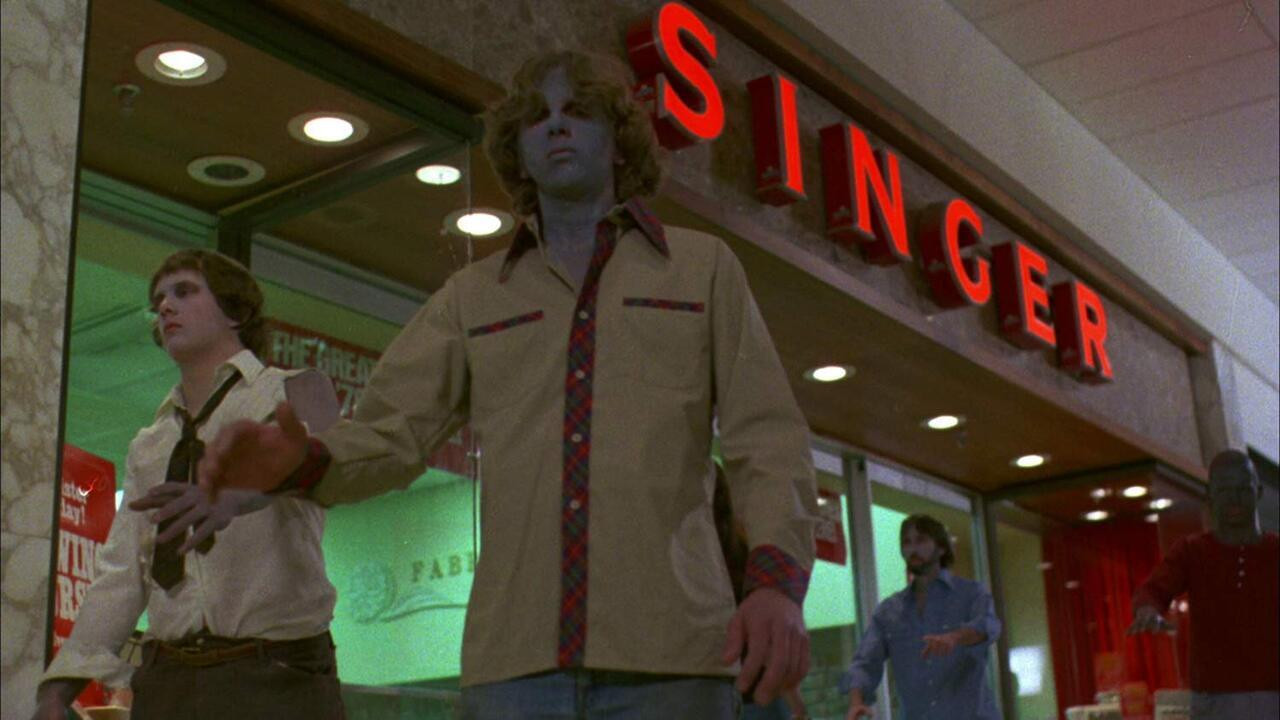
Michael Gornick’s cinematography gives the shopping mall the everyday familiarity the satire needs. The place remains recognisable as somewhere people would willingly spend time, even while the violence makes it intolerable. We can understand its attraction, which makes the survivors’ urge to claim its goods more uncomfortable. The comparison between zombies and shoppers is obvious enough; making the living seem equally susceptible to mindless appetite is the more troubling part of the joke.

Romero’s editing puts the comedy and the gore close enough together that neither provides much relief from the other. We were horrified by the violence; the extravagant bodily damage keeps interrupting the comfortable business of enjoying a clever zombie film. The effects are inventive, but the ingenuity does not make the injuries pleasant to look at. Anyone expecting the social commentary to make the bloodshed easier to stomach should adjust that expectation.

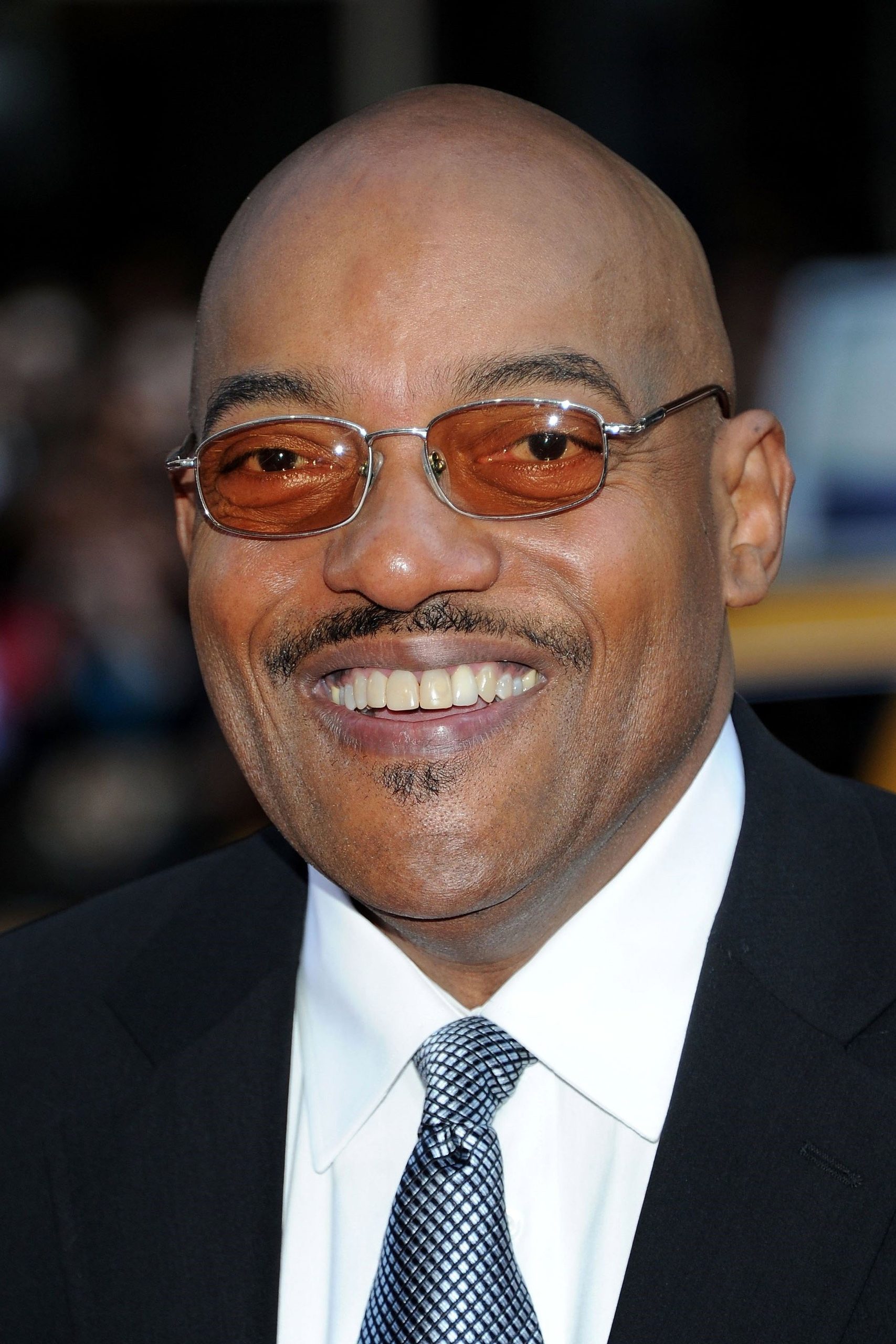
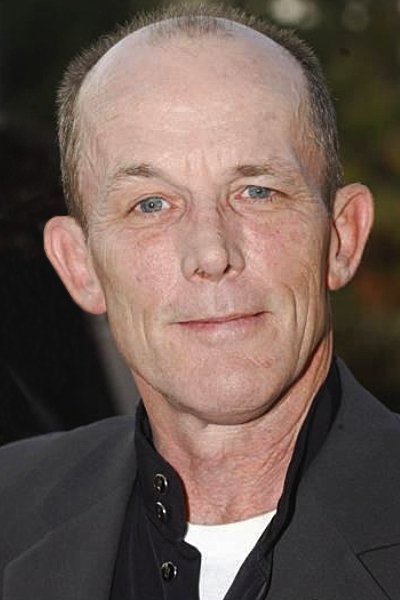
Ken Foree gives Peter Washington a steadiness that helps when the film threatens to become all gore. Gaylen Ross makes Francine “Fran” Parker worth attending to even when Romero’s script seems more interested in what the group represents. David Emge and Scott Reiniger, as Stephen “Flyboy” Andrews and Roger “Trooper” DeMarco, complete a quartet whose company matters to the survival story. Their performances give us sufficient reason to care about the people whose acquisitiveness Romero is criticising, though we sometimes wanted him to give them more room.

The music, credited to Massimo Morante, Claudio Simonetti, Agostino Marangolo, Fabio Pignatelli, Dario Argento and Don Harper, gives the horror an unruly energy. Its force suits a film prepared to be grotesquely funny without making its violence harmless. We are encouraged to enjoy ourselves in circumstances where that feels a little disreputable. That discomfort is useful in a film so interested in what people will happily consume.

The reservation is that the shopping-mall comparison does not become more interesting every time Romero returns to it. At 127 minutes, the film occasionally presses a point that the setting has already made, and the people have to compete with the message for our attention. Romero’s confidence is part of the pleasure, but he can be unwilling to leave a good joke alone. Within zombie horror, his achievement here is to make us worry about what the survivors want beyond simply surviving.

Choose it for the satire as well as the scares, and be prepared for neither to be subtle. The violence is a substantial part of the experience, not a brief hurdle before the interesting material. This is not the film to put on while deciding what to have for supper.

Critical consensus AI synthesised

81
Positive
5
Mixed
0
Negative
1

Most critics strongly favour Dawn of the Dead, with praise clustering around Romero’s consumerist satire and the use of a shopping mall to bring it into focus. The survivors’ acquisitiveness gives the zombie horror a bleak point: human greed looks uncomfortably close to the hunger outside. Several reviews also admire the craft, particularly the gory effects, while finding the film both gruelling and darkly entertaining. The violence is central to the praise, though its extremity is acknowledged.

The spread is wide, but the disagreement comes chiefly from one negative review rather than a general current of reservation. Variety finds the gore and effects overwhelming, with too little coherent storytelling or character interest to support them. Its dismissal of the script contrasts sharply with Time Out’s praise for its sharpness and invention. The main divide is over whether the excess serves the satire or crowds out the drama.

RogerEbert.com
4 May 1979 · ★★★★/4 · Roger Ebert
100

The critic calls it one of the best horror films ever made, praising its satirical view of consumer society and brilliant crafting, while noting its extreme violence.

Read the full review →
Time Out
20 September 2024 · ★★★★★ · Tom Huddleston
100

The critic praises Romero's sledgehammer satire on consumerism in this zombie sequel set in a shopping mall, highlighting its inventive gore, sharp script, and relentless entertainment value as his grand statement. They note it as hysterical, horrifying, and endlessly inventive.

Read the full review →
Empire
1 January 2000 · David Hughes
90*

The critic praises Romero's follow-up to Night of the Living Dead as equalling or surpassing the original with its bleak allegory of consumerism. The film is called grim, gruelling, beautifully shot intelligent horror, with standout gory effects.

Read the full review →
Slant Magazine
30 August 2004 · Eric Henderson
80*

The critic highlights Romero's thematic reversals from Night of the Living Dead, portraying the 1970s as defined by consumerist retrenchment and self-immobilization rather than activism. The mall setting and the contrast between survivors and a motorcycle gang underscore how little American culture has changed.

Read the full review →
Variety
31 December 1978 · Variety Staff
30*

The review finds the film overly focused on grisly gore and special effects at the expense of coherent storytelling or interesting characters, calling the script banal or incoherent.

Read the full review →
Den of Geek
24 May 2016 · Hannah Bonner
90*

The critic praises Romero's 1978 film as a sharp satire that equates human consumerism and greed with the zombies' hunger, showing the protagonists succumbing to the same mindless acquisitiveness. It singles out the mall setting and the humans' descent into gluttony and violence as the core strength, making the film a timeless critique of capitalism.

Read the full review →

Cast

Stills

If you liked this, try…

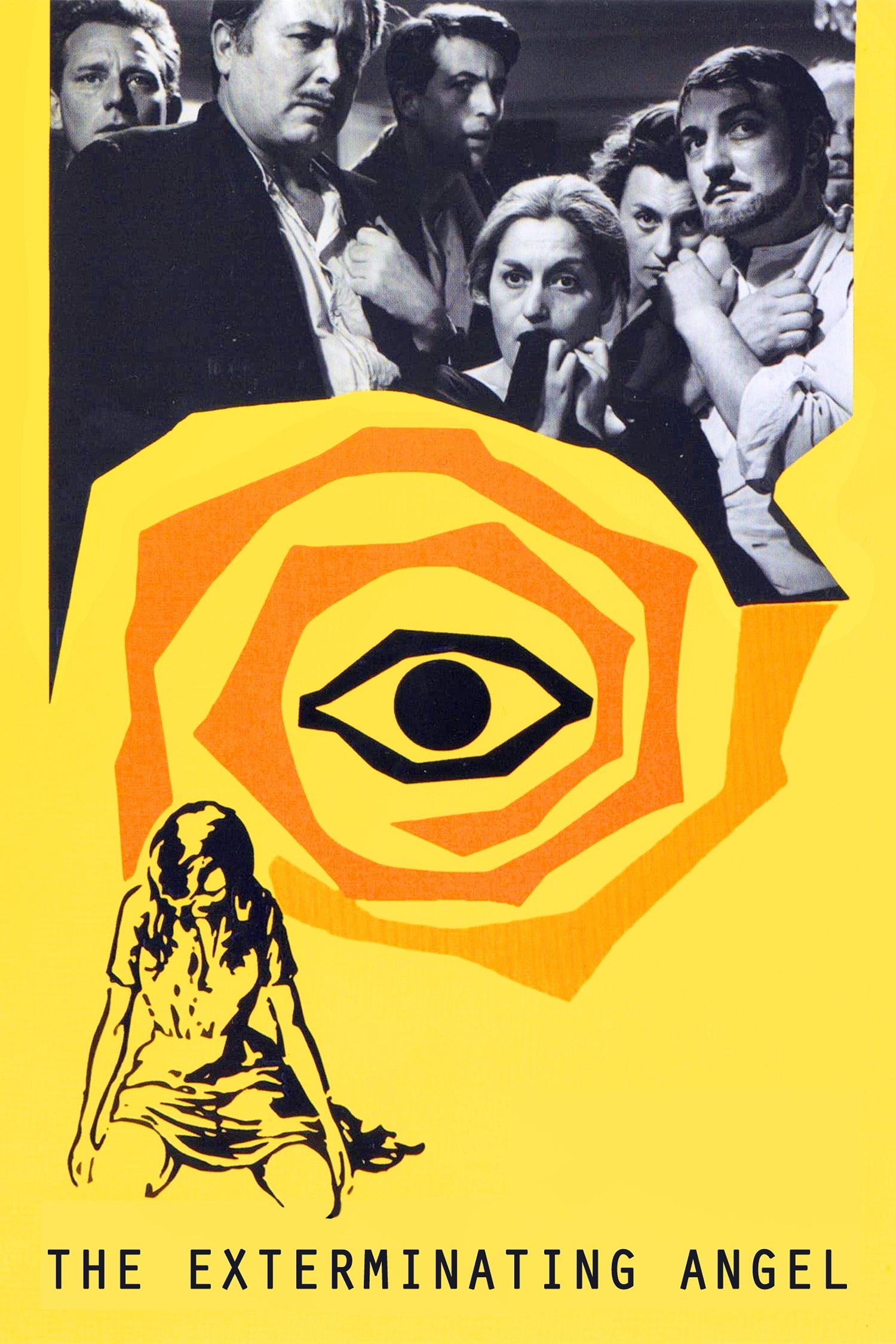
The Exterminating Angel poster

The Exterminating Angel

1962 · Another comfortable refuge becomes intolerable, with civilised behaviour proving remarkably easy to abandon.

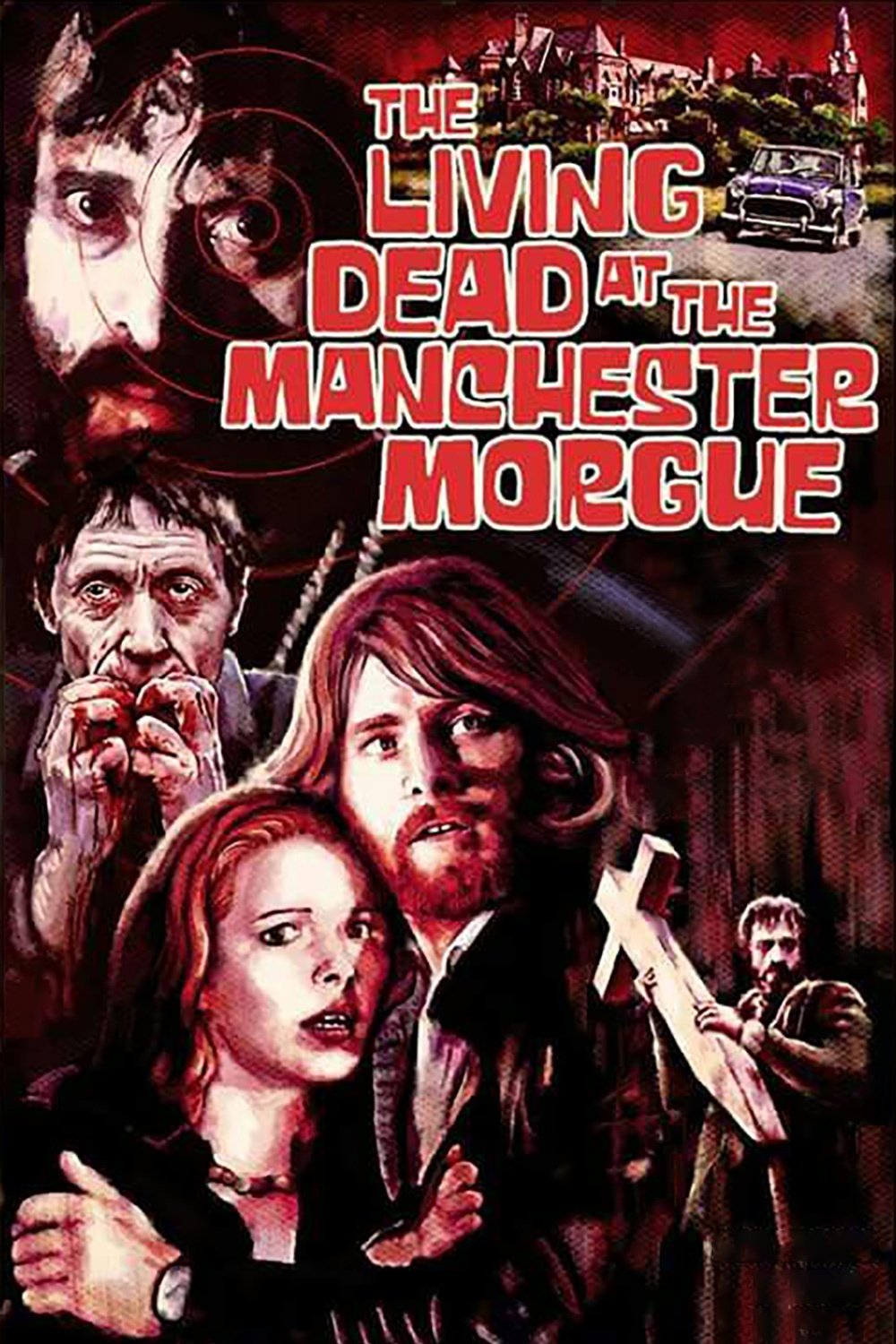
The Living Dead at Manchester Morgue poster

The Living Dead at Manchester Morgue

1974 · For more abrasive zombie horror, with authority figures making an appalling situation worse.

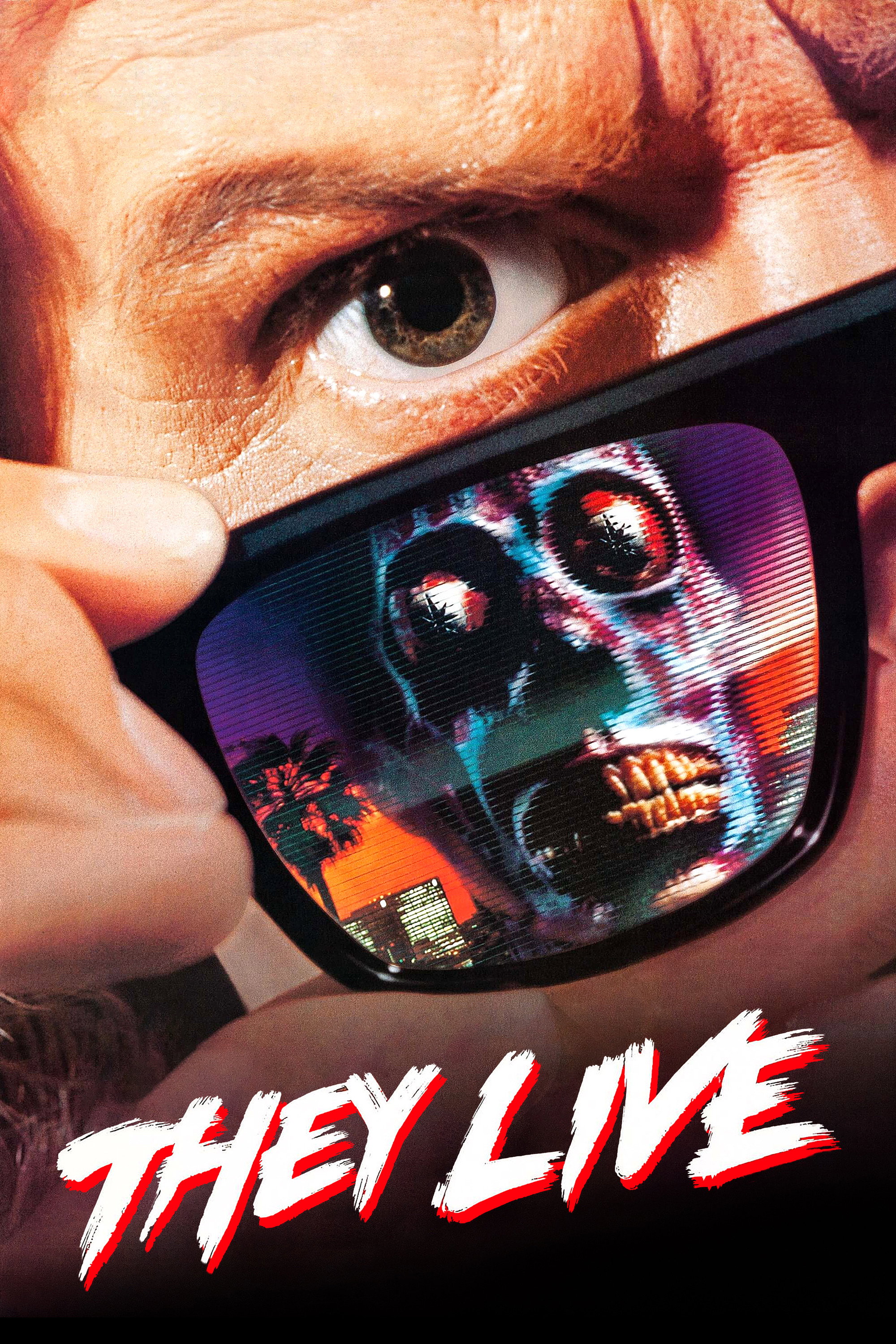
They Live poster79

They Live

1988 · Consumer culture gets another blunt inspection, this time through a suspicious pair of sunglasses.

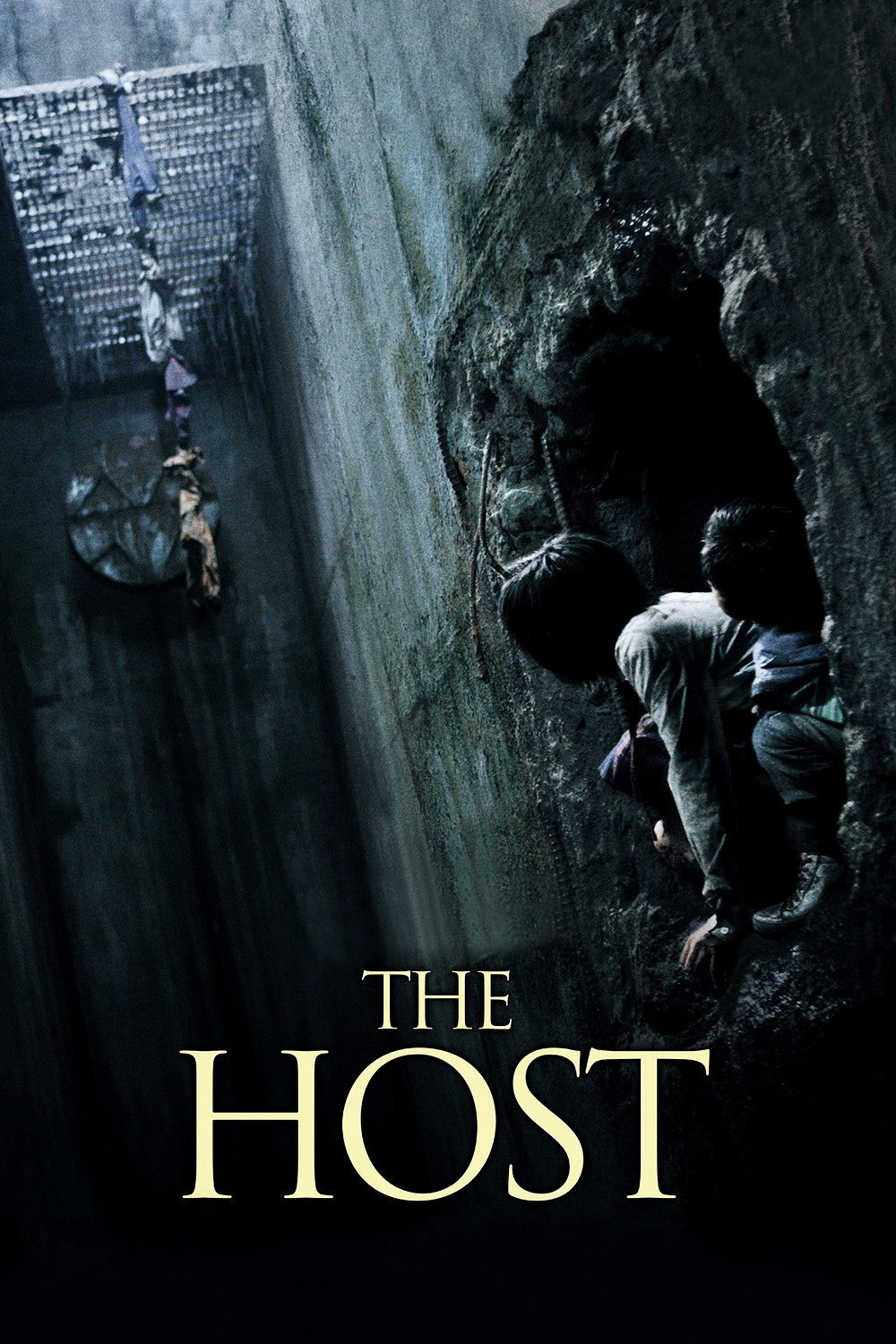
The Host poster

The Host

2006 · A monster film with political anger, unruly comedy and a family worth worrying about.

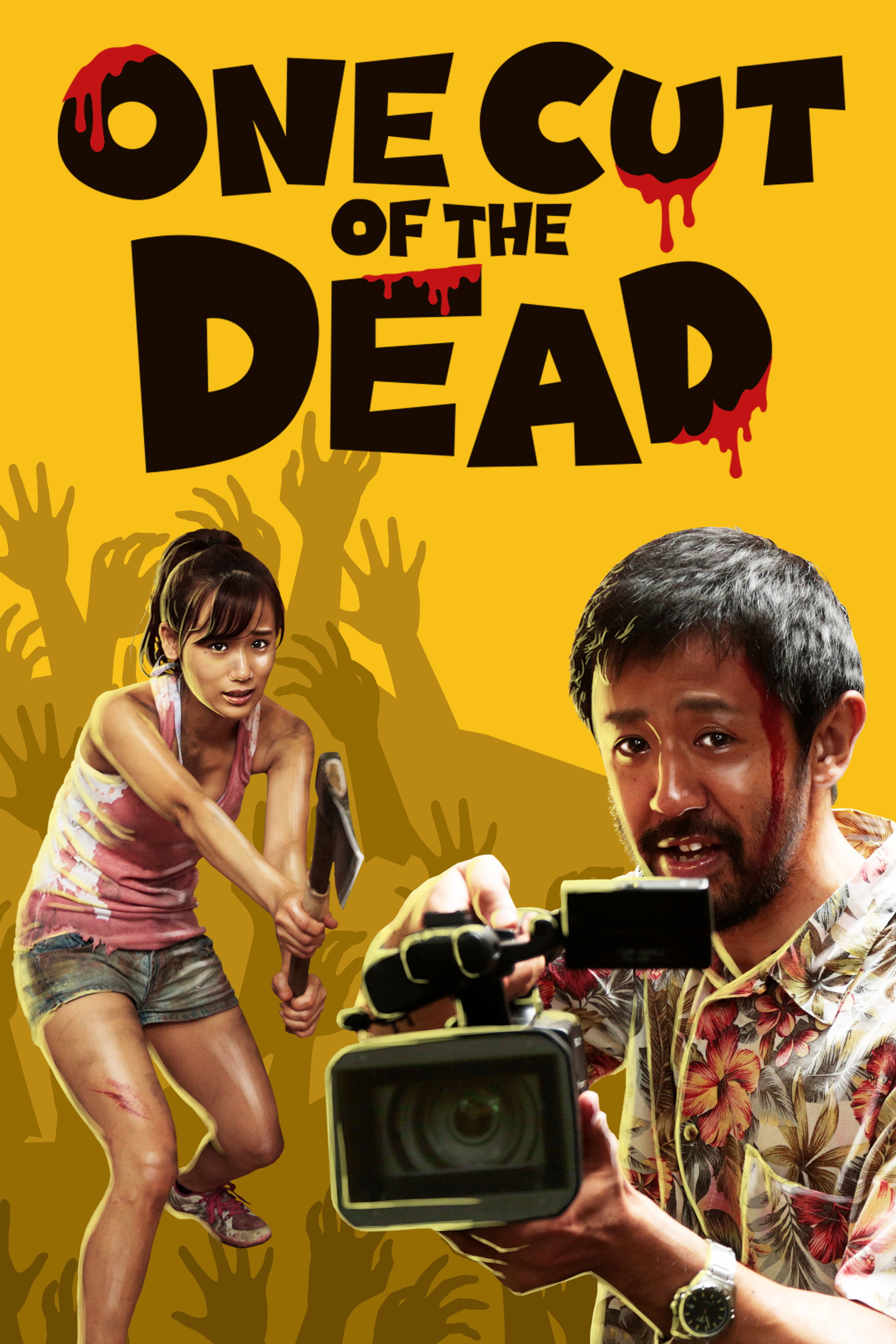
One Cut of the Dead poster

One Cut of the Dead

2017 · For zombie comedy with a different appetite; give its awkward opening time to work.