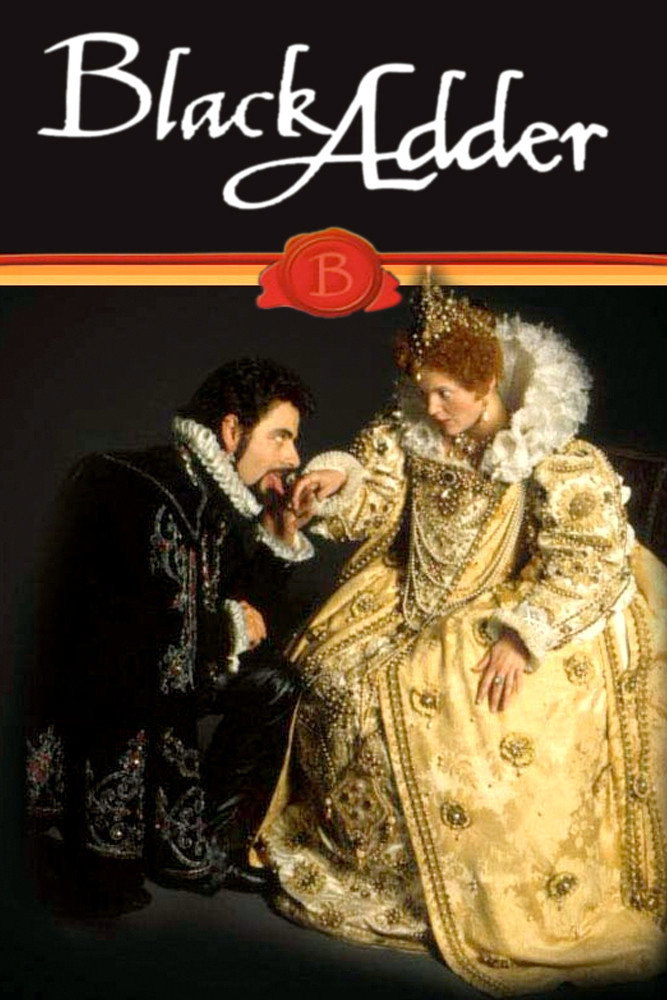
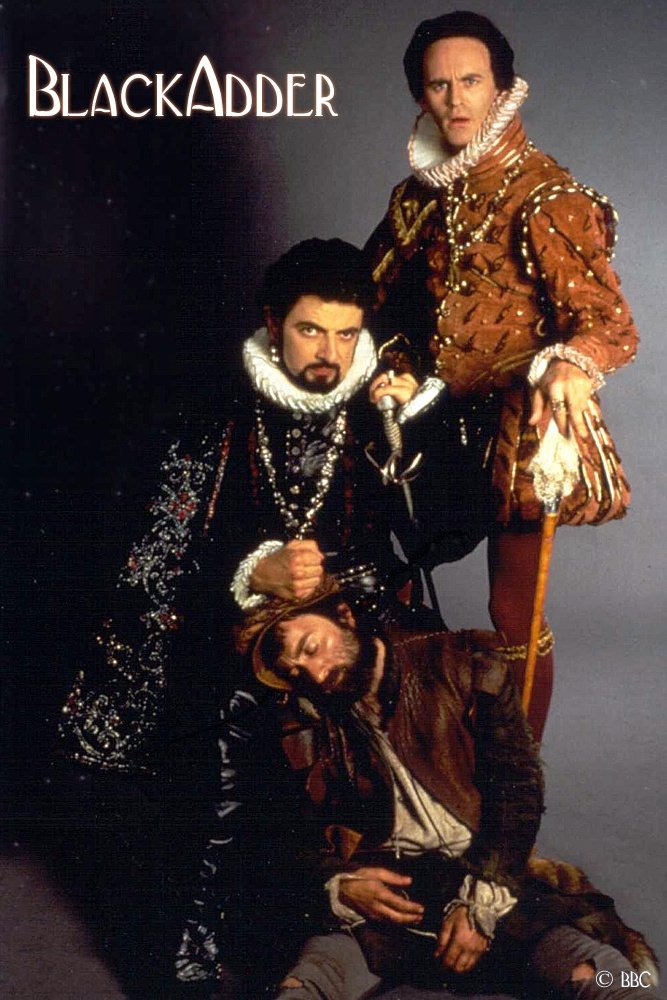
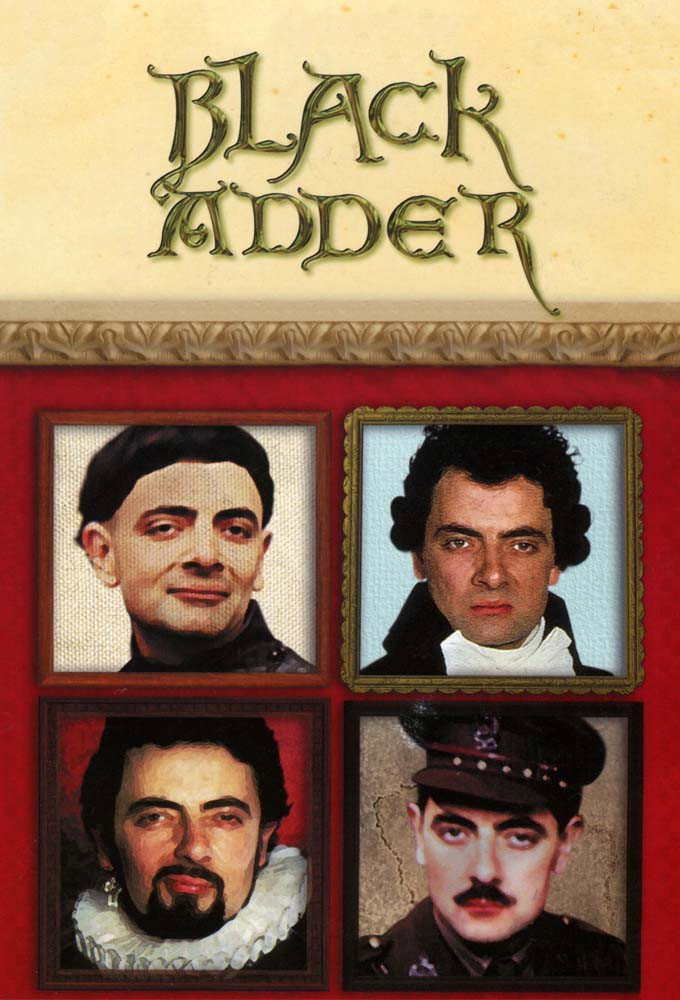
One scheming Englishman across four centuries, each meaner and cleverer than the last. The first series gets the joke the wrong way round; from the second onward this is among the best-written comedy British television has made.
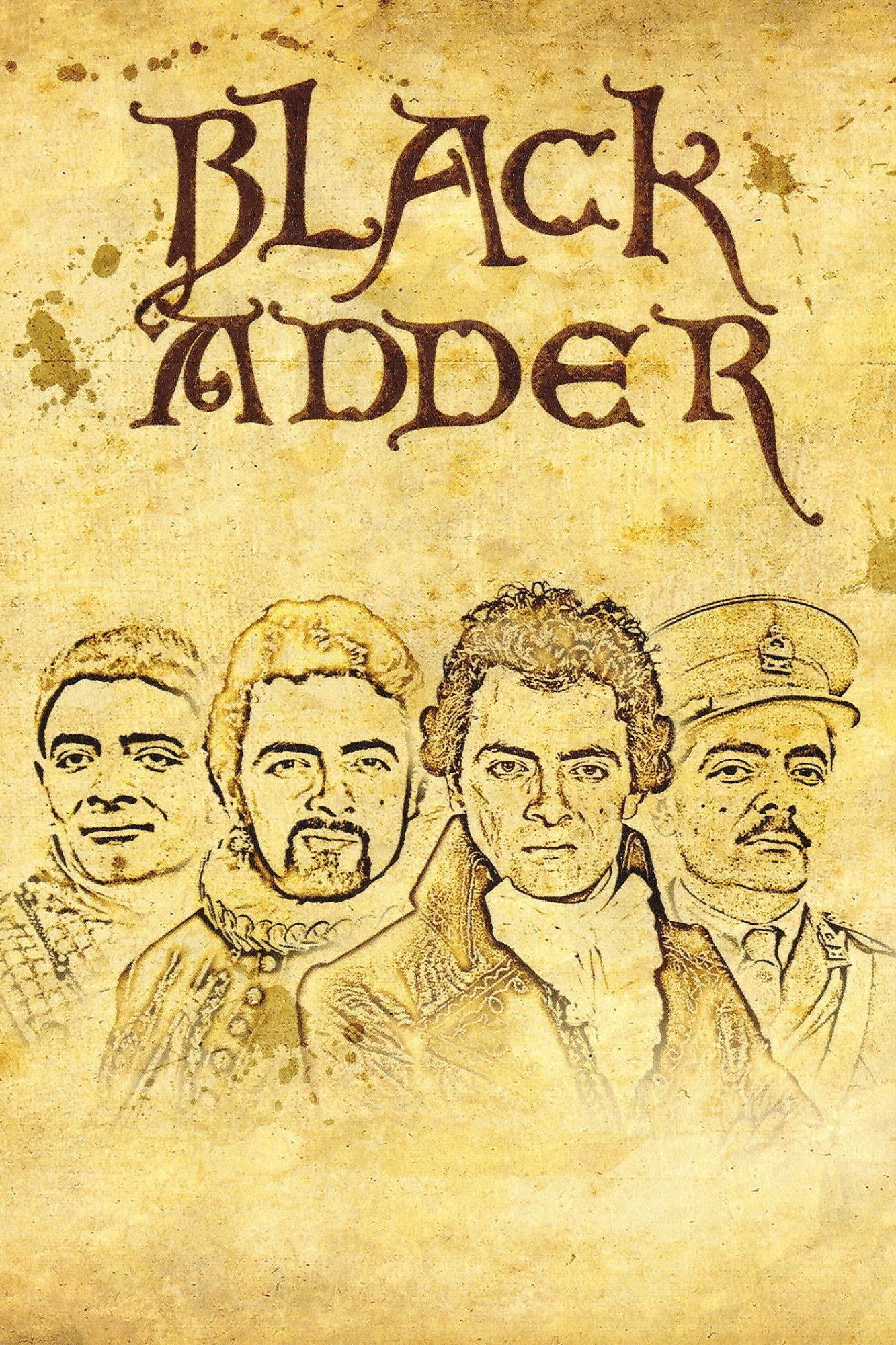
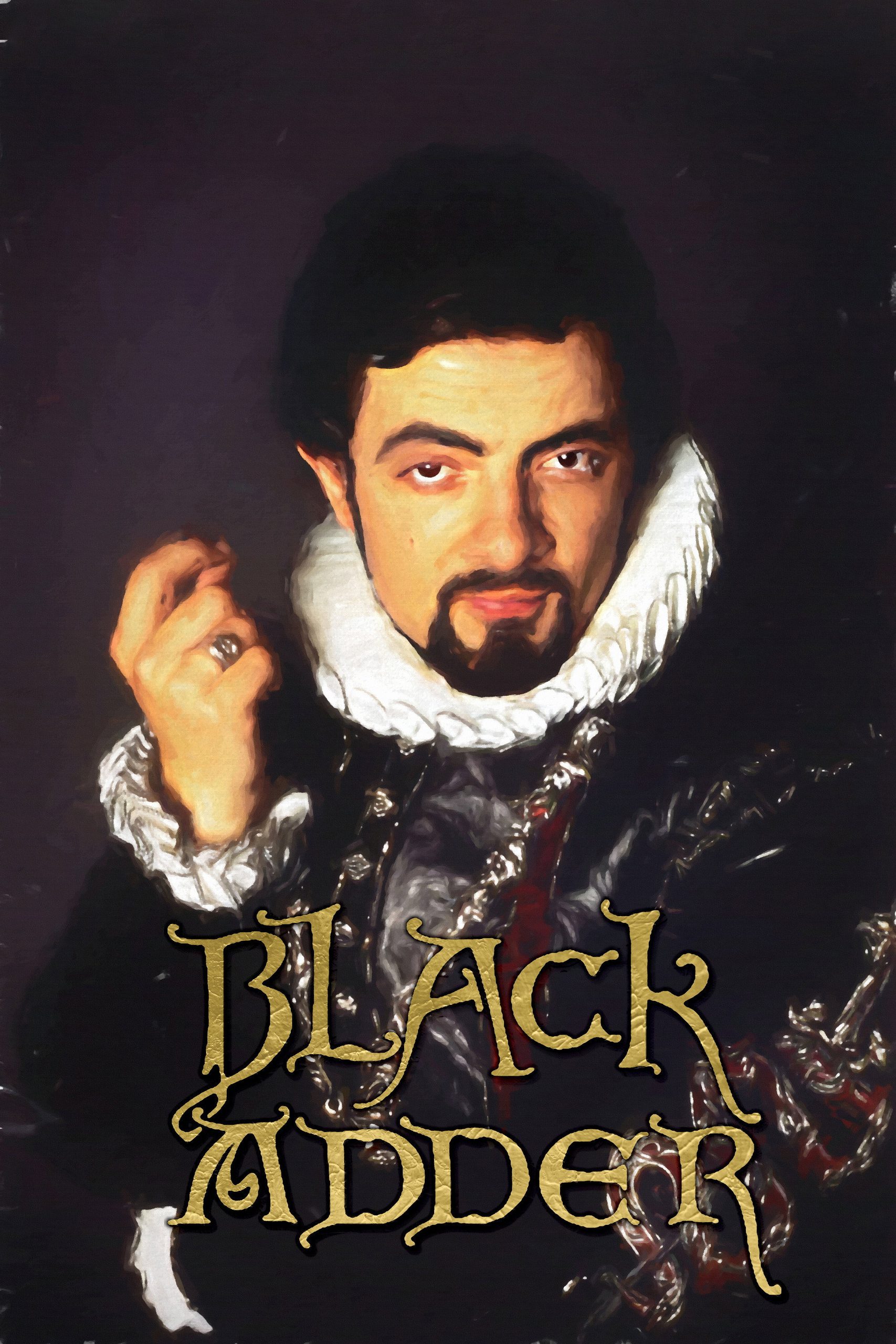
Blackadder is one sitcom told four times. Each series drops a man called Edmund Blackadder into a different century, gives him a servant called Baldrick and a household full of idiots, and six half-hours to scheme his way to something better. Richard Curtis, Rowan Atkinson and, from the second series, Ben Elton wrote it, and John Lloyd produced. It is one of the best things British television has done in the form, and we recommend it warmly. The caveat is the first series, which is the last thing you should watch.
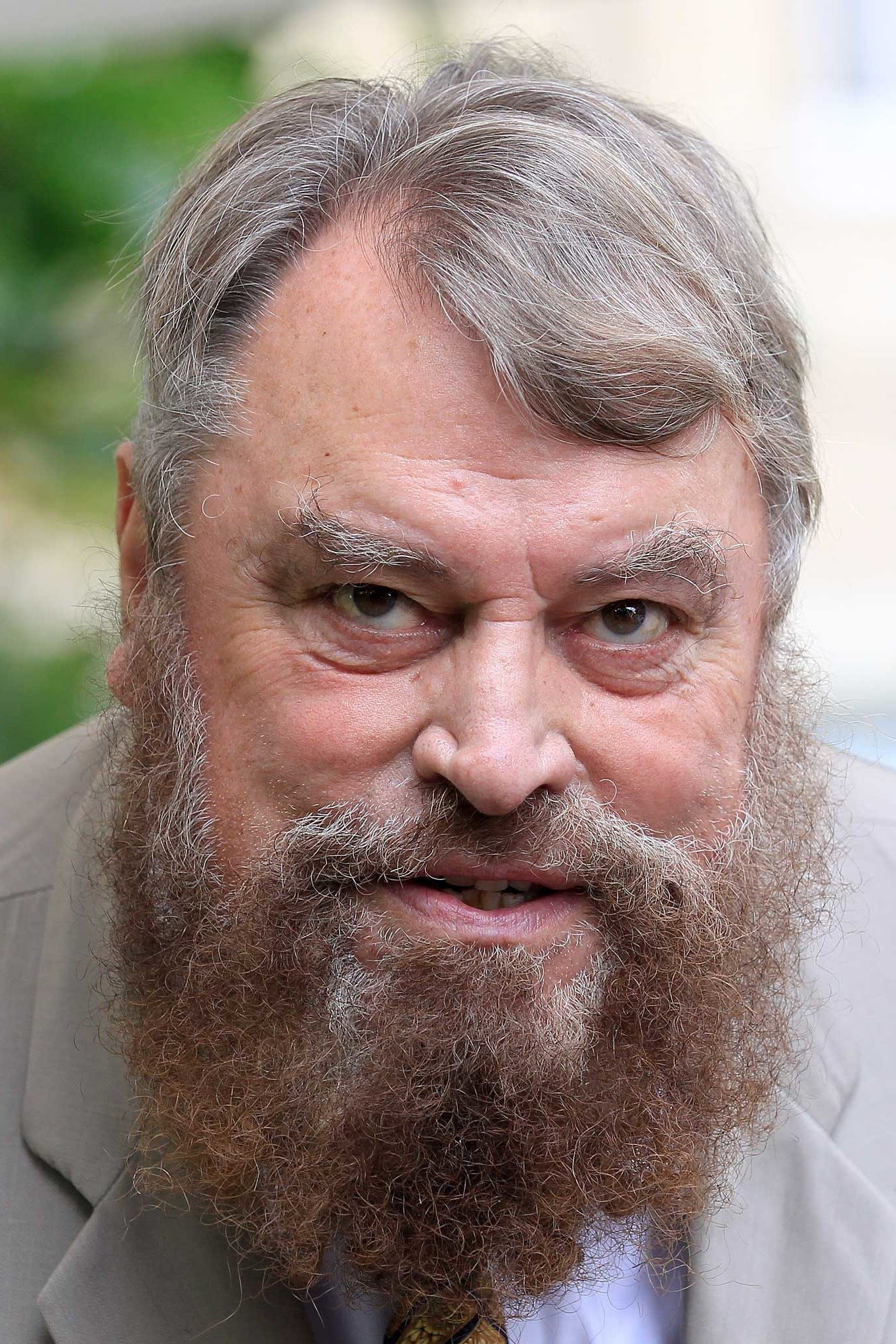
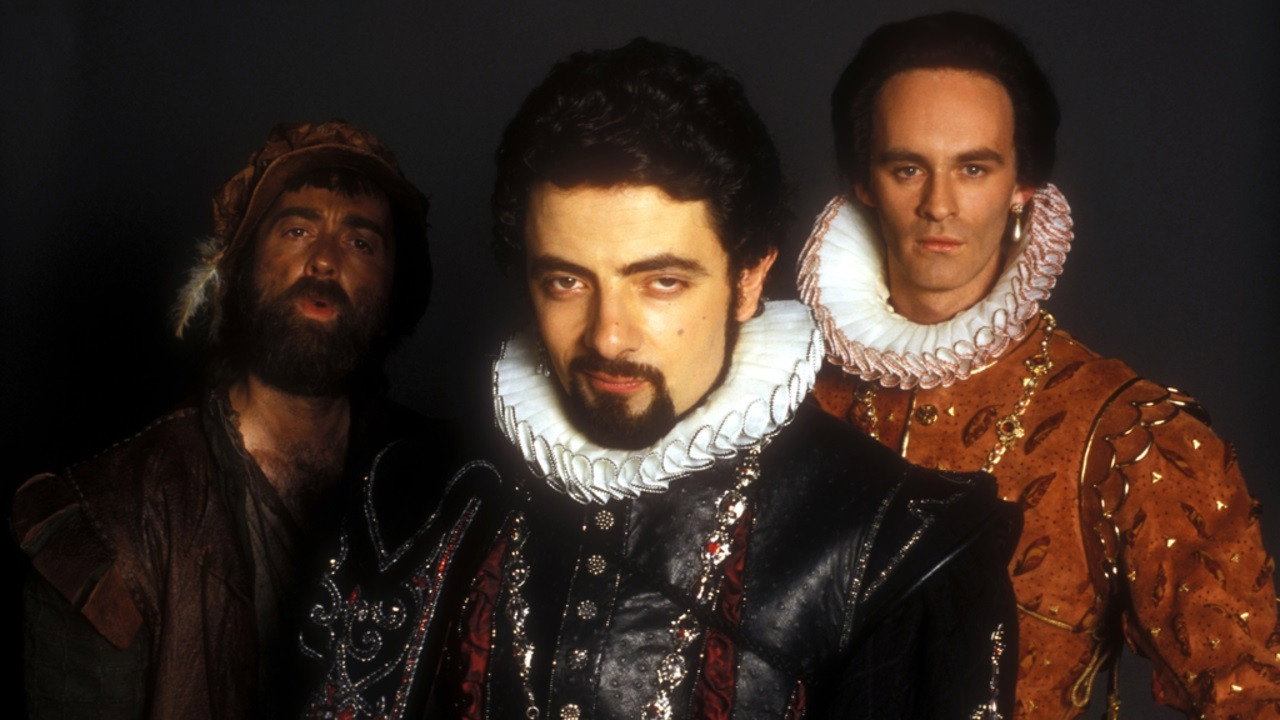
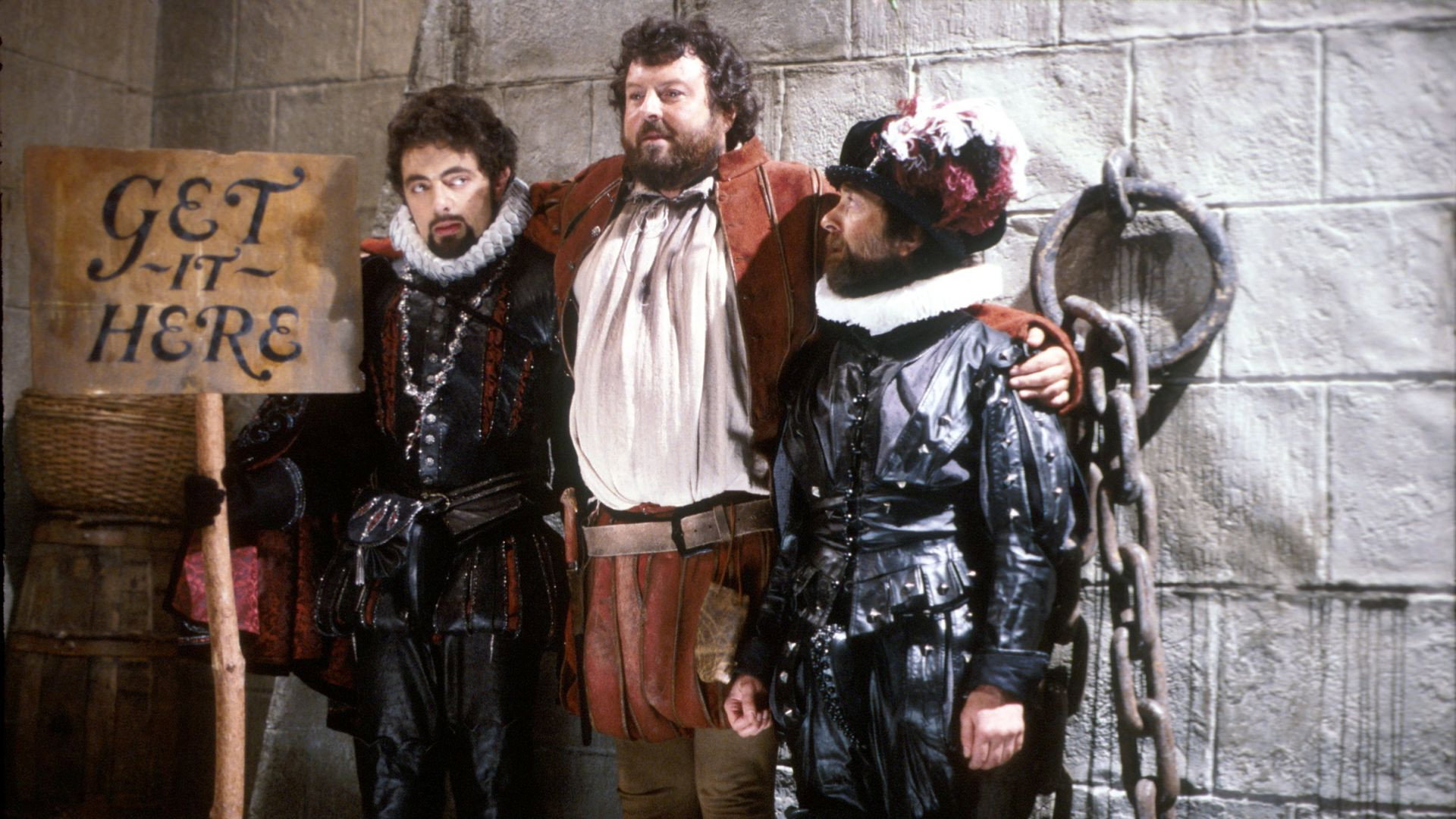
The Black Adder, first shown on 15 June 1983, gets the joke back to front. Atkinson plays Edmund as a snivelling, weak-chinned son to Brian Blessed’s King Richard IV, a man who greets his family by bellowing at them, and Tony Robinson’s Baldrick is the one with the ideas. Martin Shardlow directs, and Peter Cook turns up as Richard III. It is not often funny. A coward with a clever servant is a duller engine than a clever coward with an idiot, and it takes the writers a whole series to notice. Frank Finlay’s Witchsmeller Pursuivant, a sniffing inquisitor who puts Edmund on trial, is the one episode where the show finds the pitch it later keeps.
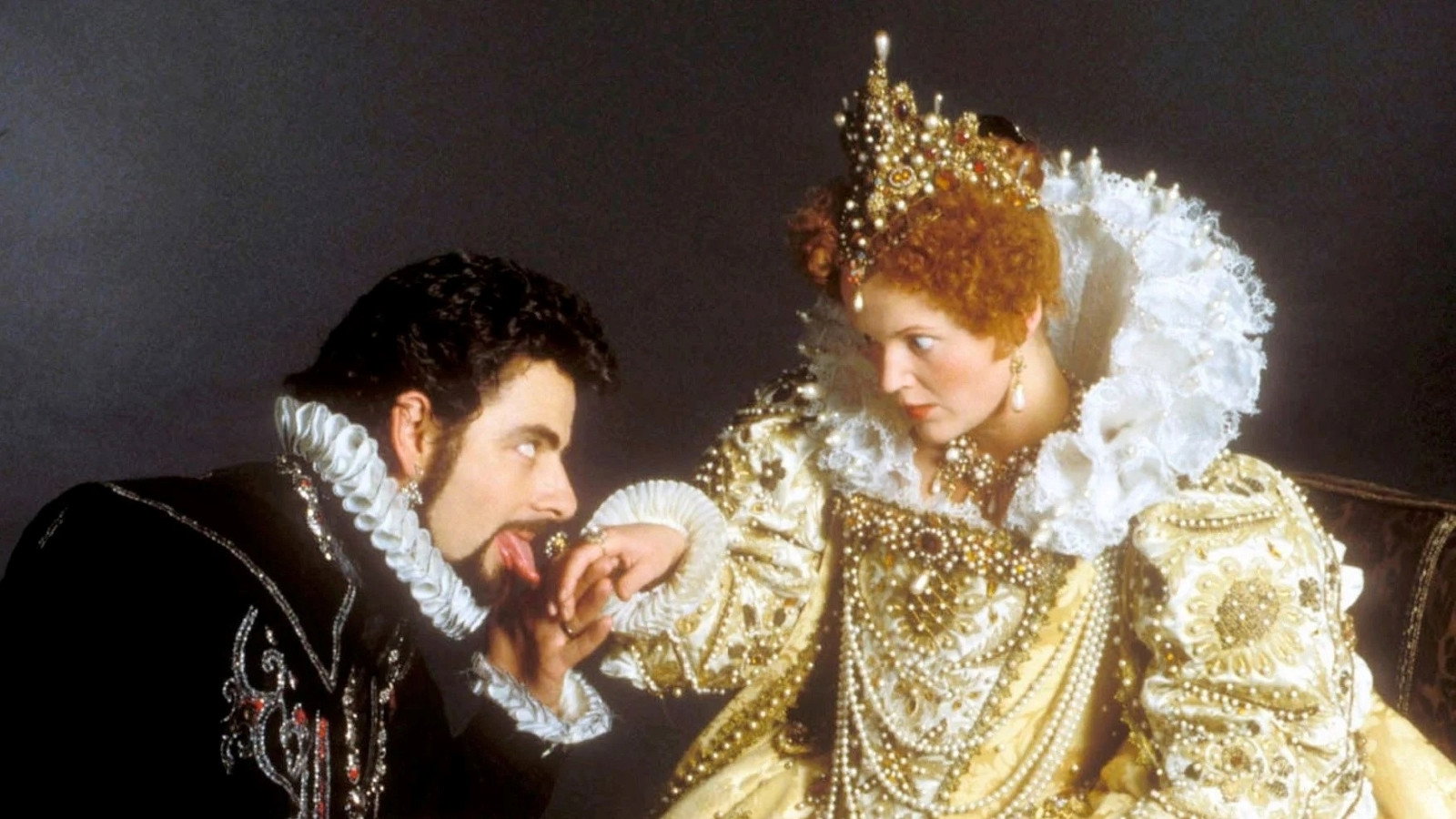
Blackadder II, first shown on 9 January 1986, fixes everything at once. Elton joins Curtis at the desk and the show moves indoors to two or three rooms and a door. Mandie Fletcher directs it like a play in front of an audience. Atkinson’s Edmund is now the only intelligent man in Elizabethan England, Baldrick has become the stupidest, and nearly every scene is the first explaining something to the second and failing. Patsy Byrne’s Nursie wanders in and out. Blackadder the Third, first shown on 17 September 1987, does the same in the Regency, with Helen Atkinson-Wood’s Mrs Miggins among the fools.
The clip the BBC uses to sell it is Edmund trying to teach Baldrick basic maths. We have watched it more times than we can count and it still undoes us, and the reason is not the punchline. It is Atkinson’s face in the half-second before Robinson answers, already knowing. Atkinson does his best work with his mouth shut, the eyes narrowing, and then a long word delivered as if it tasted bad. Chris Wadsworth cuts almost nothing; the camera holds on the two of them and lets the audience’s laugh cover the gap. Howard Goodall’s music is brisk and brief and gets out of the way.
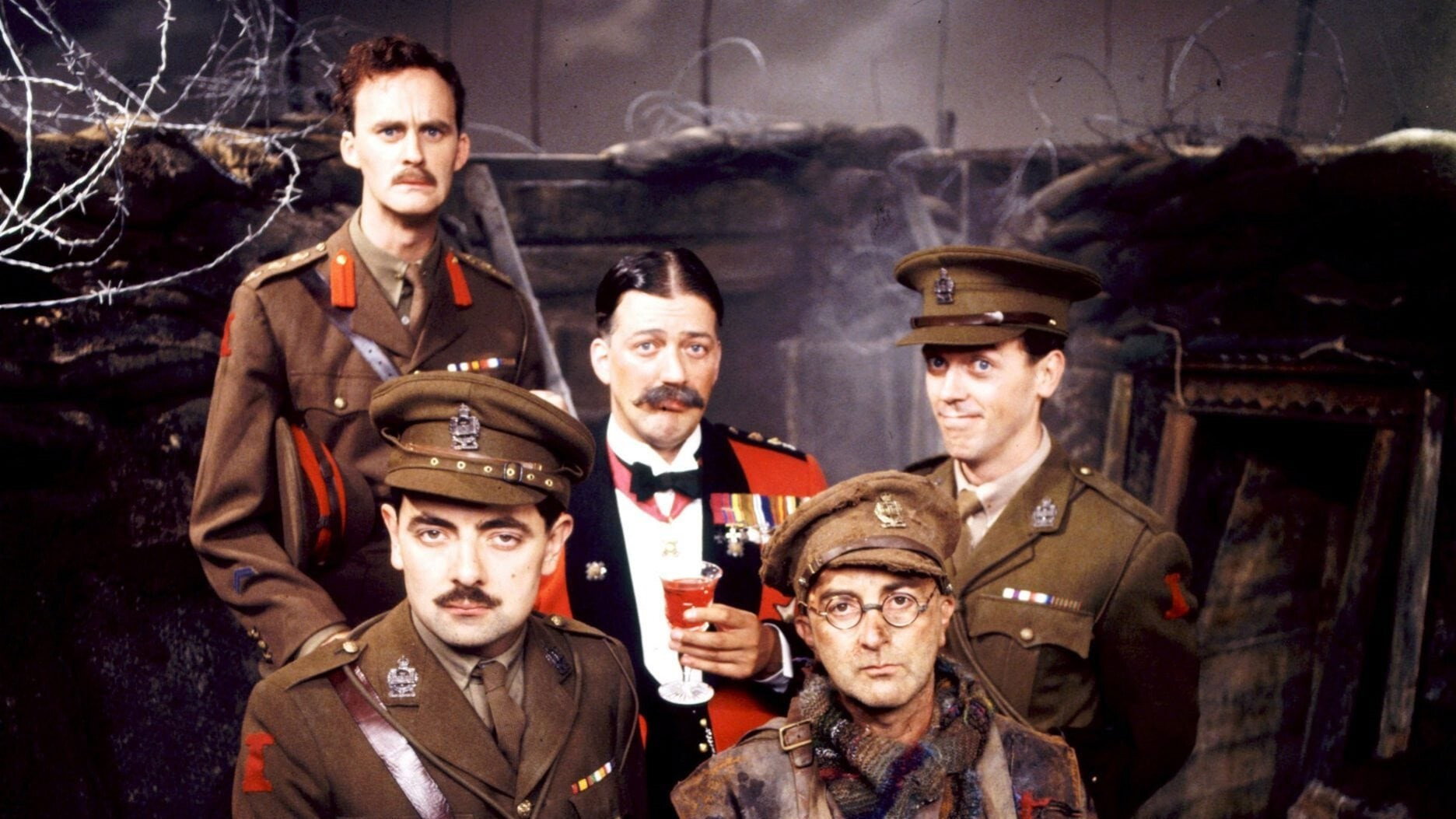
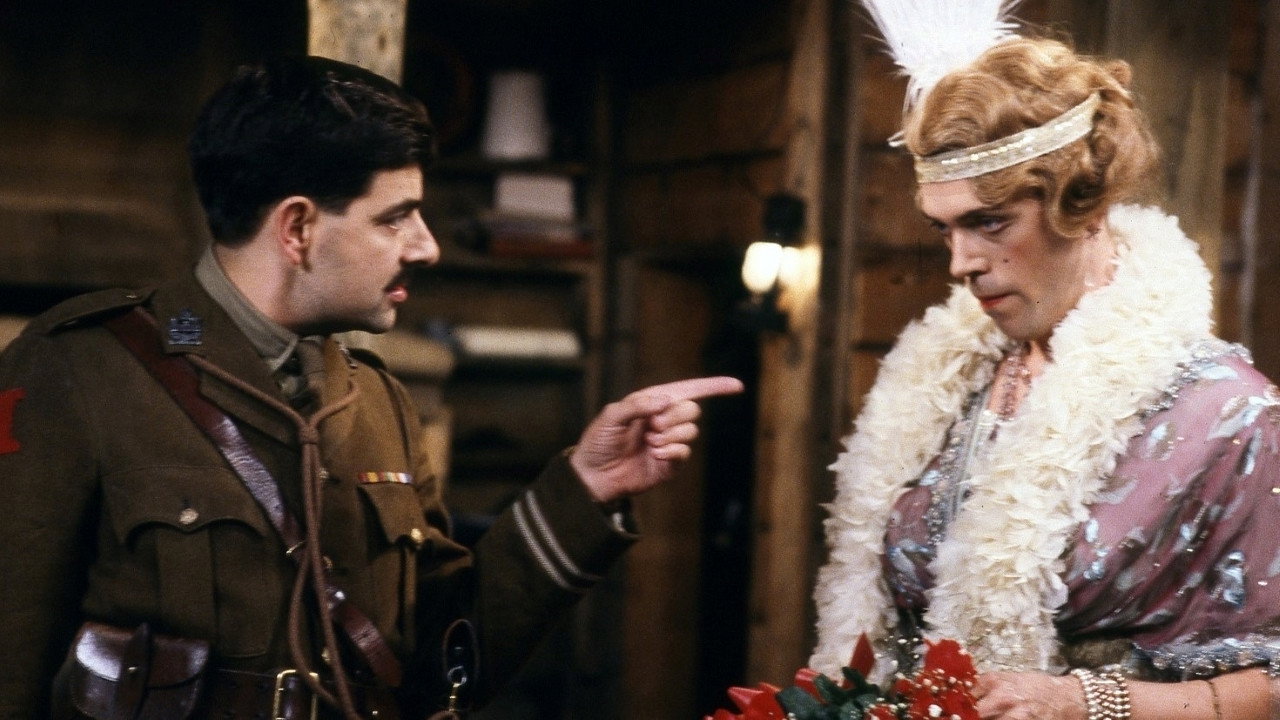
Blackadder Goes Forth, directed by Richard Boden and first shown on 28 September 1989, bills Robinson as Private S. Baldrick, and the rank tells you where the show has gone. The jokes are the same shape, but something underneath has changed: this is the first series where Edmund’s scheming is about getting out rather than getting on. We laughed the way we always had for five episodes and then, in the sixth, the show stopped laughing and so did we. We will not say how. Nothing else in the form has done that to us.
The flaws are the flaws of a formula that knows it works. Edmund’s insults grow longer and more ornate as the series go on, and by the third you can hear the writers reaching for the next one. Baldrick’s cunning plan becomes a catchphrase, and catchphrases are what you get when a character has stopped changing. The first series, at 32 minutes an episode, is longer than it needs to be by about ten. We forgave all of it.
Against the standard of the British studio sitcom, which is mostly people shouting in a living room, this is among the two or three finest runs the form has produced, and the later three series lose nothing on a small screen. Most critics rate it a little higher than we do; they are grading the last two series and forgiving the first, and we think the first should be counted. Start with the second. Come back to the 1983 series afterwards, when you already like these people and can bear to watch them get it wrong.