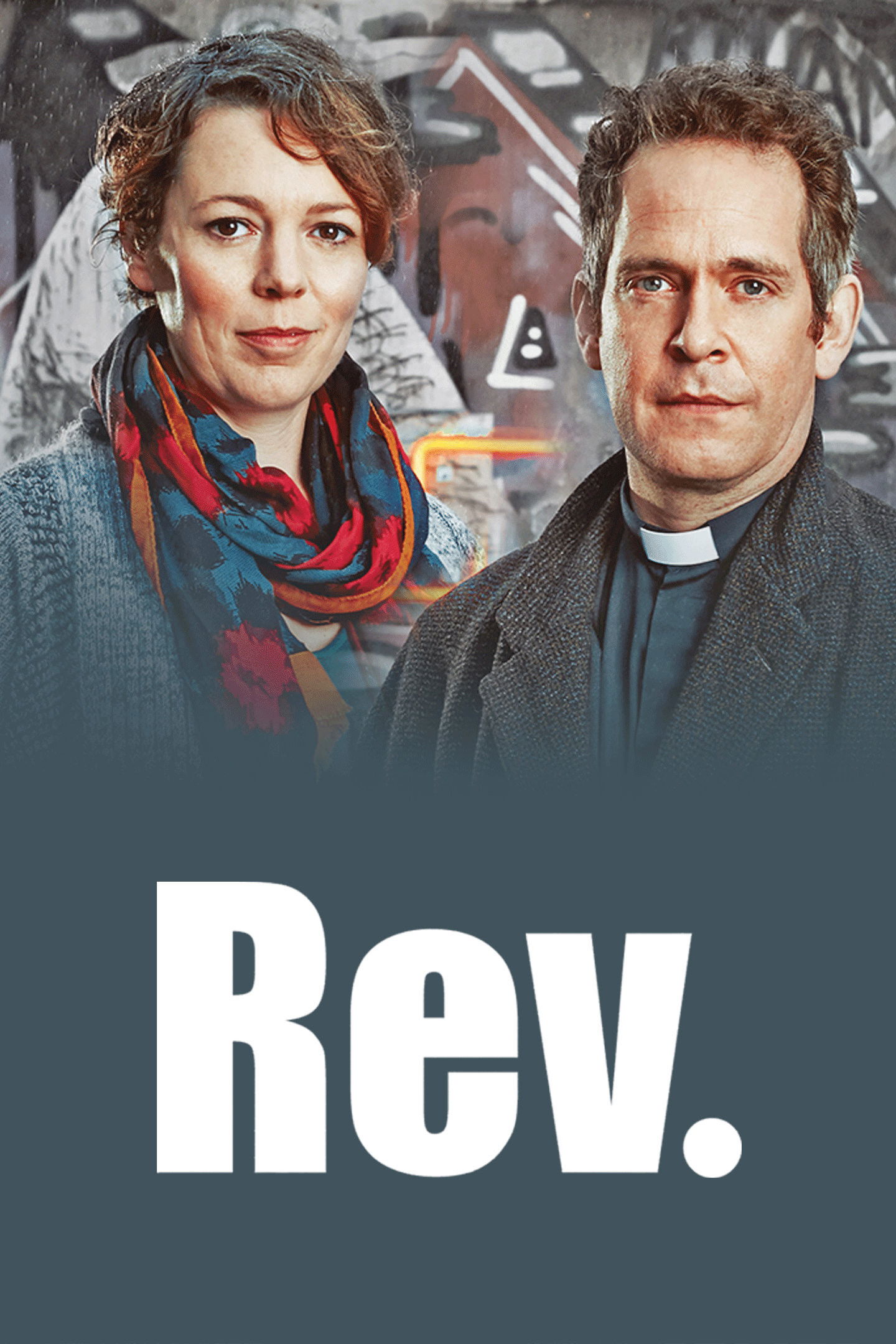
Tom Hollander and James Wood make a sitcom about an inner-London vicar that is quieter than it looks and sadder than it lets on. The laughs are steady rather than loud, and it is the loneliness underneath them that keeps you watching.
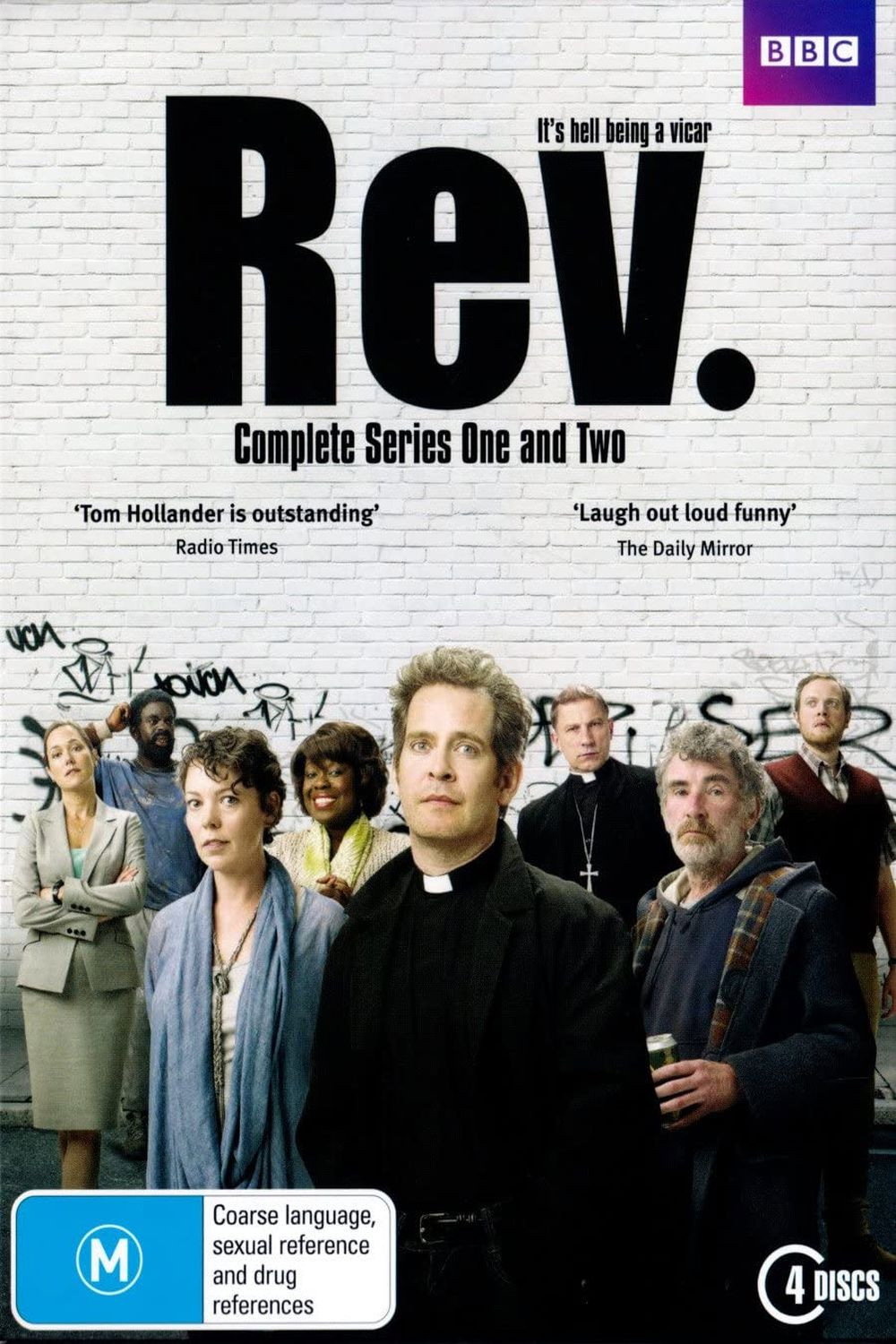
Adam (Tom Hollander) runs a church that nobody much wants. The roof leaks, the regulars can be counted on two hands, and the man from the diocese has a spreadsheet. Rev., which Hollander created and wrote with James Wood, with Peter Cattaneo directing, is a comedy about doing a job that the world has decided is over, and doing it anyway. It is a good series, better as it goes on, and its sadness is the point rather than a flaw. We recommend it, with the caveat that anyone expecting a laugh every thirty seconds will be checking their phone by the second episode.
The first episode sets the terms. The church school has places, and so the pews fill with parents who have never knelt in their lives and are now very keen on the Nicene Creed. Ellie (Lucy Liemann), who runs the school, wants Adam to sign the forms; Adam knows exactly what is going on and needs the numbers. Wood’s script does not make the parents monsters. It makes them ordinary, which is worse, and it makes Adam complicit, which is the joke.
Cattaneo shoots the church in whatever light gets through the dirty windows, so the nave is grey most of the time and gold for about twenty minutes a day. There is no studio audience and no laugh track. Adam’s prayers are delivered as voice-over, muttered and half-finished, and the camera stays on Hollander’s face while he does it. In one of these, early on, he apologises to God for a small piece of cowardice and then asks for a parking space, and we found ourselves more moved than a half-hour comedy had any business making us. It was because Hollander plays a man who believes and is not at all sure he is being heard.
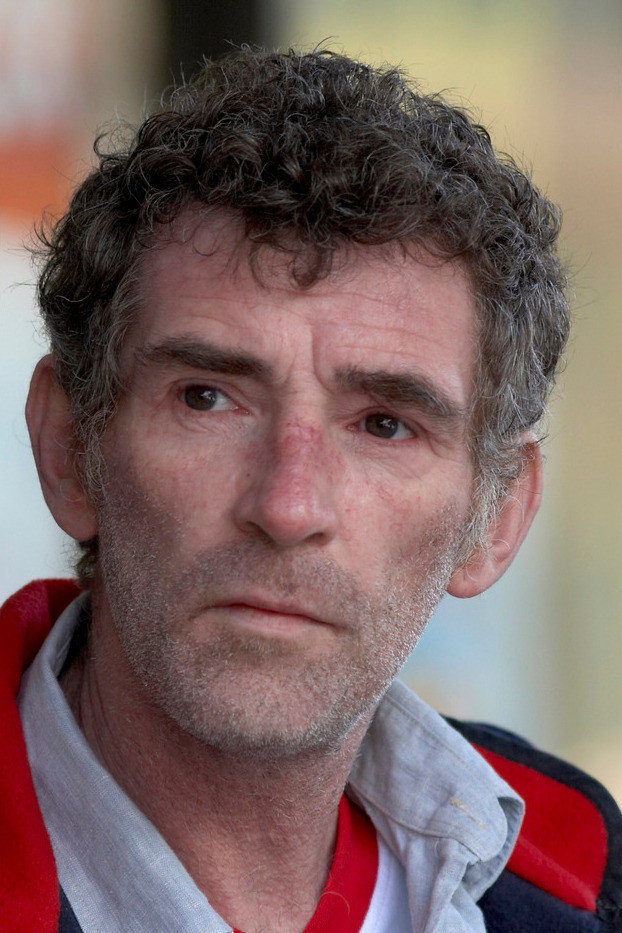
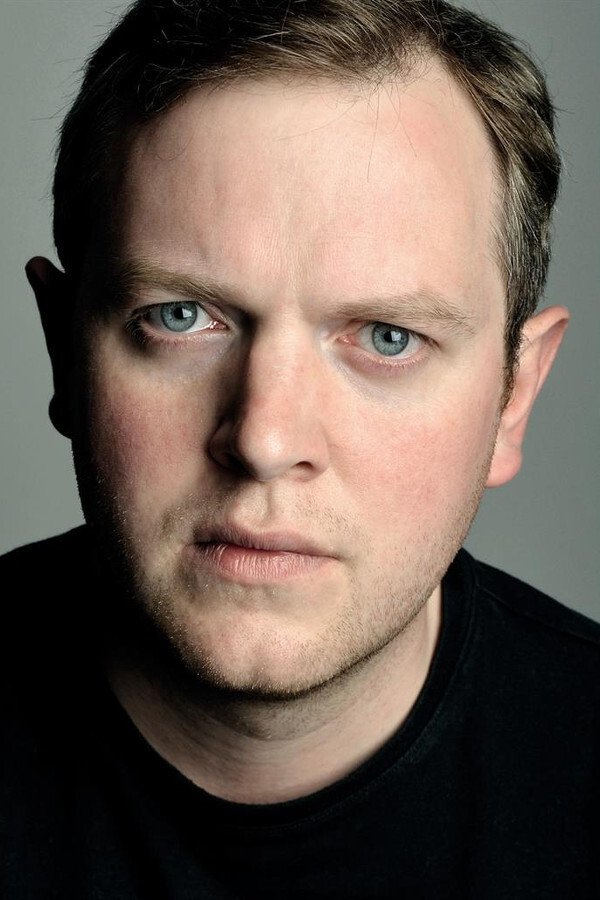
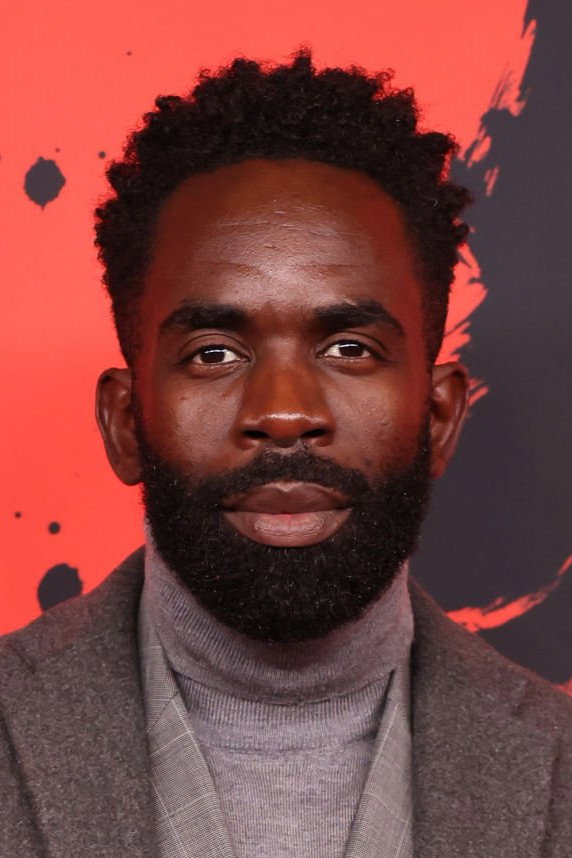
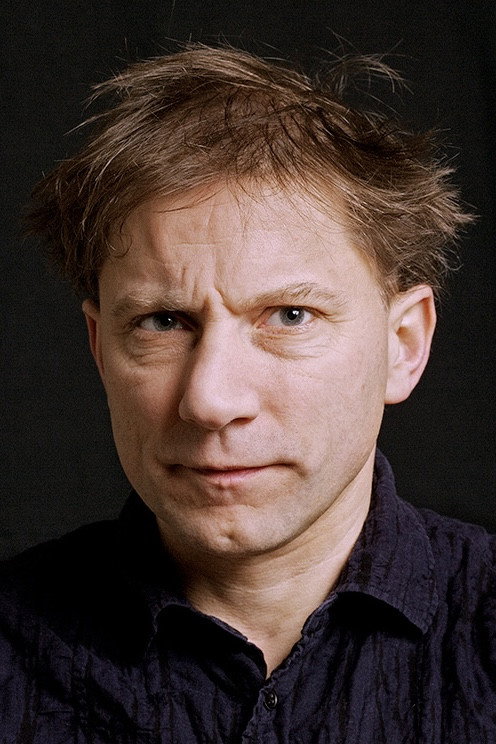
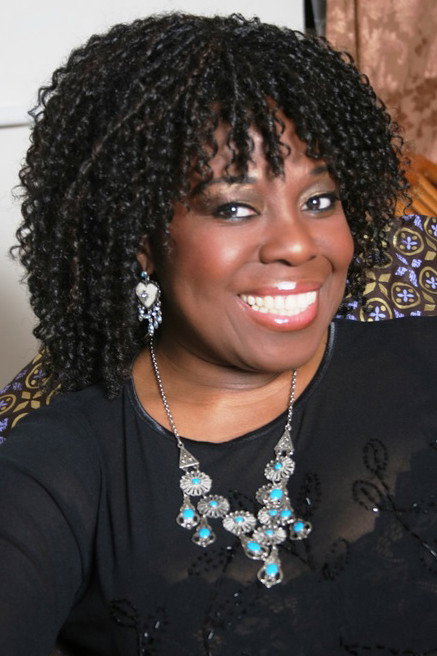
The cast around him is chosen with care. Olivia Colman’s Alex is funnier than the vicar’s-wife role usually allows; she is bored, sharp and fond of her husband, in roughly that order. Steve Evets plays Colin, the parish drunk, as a man whose faith is the one thing about him that works, and he gets the biggest laughs and the most tender moments, often in the same scene. Miles Jupp’s Nigel is a lay reader with a grievance. Simon McBurney’s Archdeacon Robert arrives in a black cab, says something silky and leaves the vestry colder. Ellen Thomas’s Adoha adores Adam in a way that alarms him, and Jimmy Akingbola’s Mick turns up at the vicarage door with a new story each time and a hand out.
The plots are slight, and that is a real limitation. Several episodes follow the same shape: the Archdeacon brings a threat, Adam despairs, Alex or Colin says something plain and it is resolved. The second series, seven episodes from 10 November 2011, repeats the shape of the first more often than it should. The easy targets, a trendy evangelical rival or a celebrity vicar, are hit squarely and are not much of a challenge to hit. We laughed, and were aware that the series could be sharper.
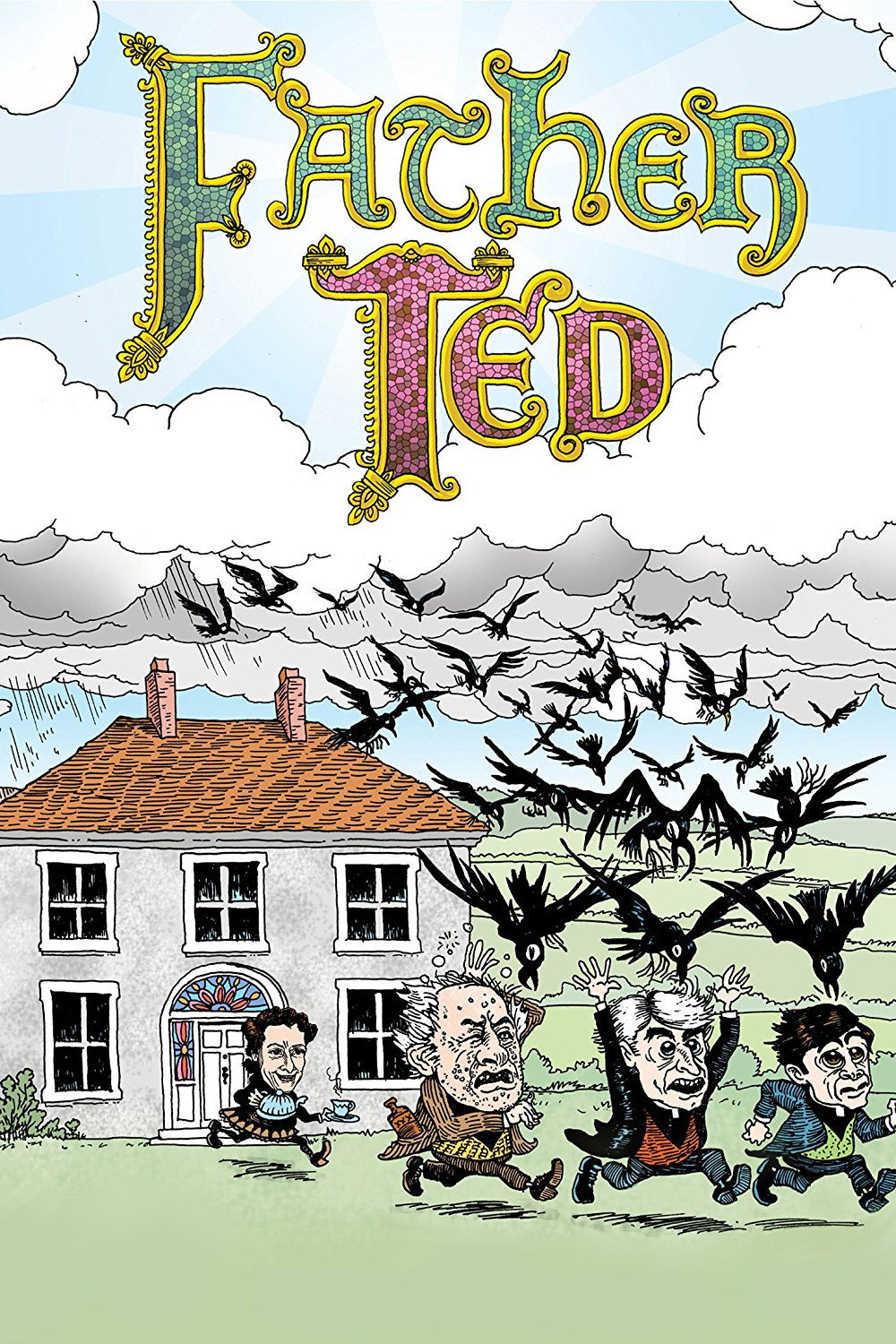
The third series, which arrived on 24 March 2014, takes a turn we will not describe, except to say that it stops treating the church as a setting and starts treating it as a subject. Set against The Vicar of Dibley or Father Ted, which used the collar as a costume, this is the only British sitcom we know that takes the job seriously enough to ask whether it is worth doing.
There are nineteen episodes in all, and none is longer than half an hour. Watch two at a time, on a weeknight, and stop before you are tempted to run through the third series in a sitting. It is built for small doses, and it is sadder than it seems in large ones.