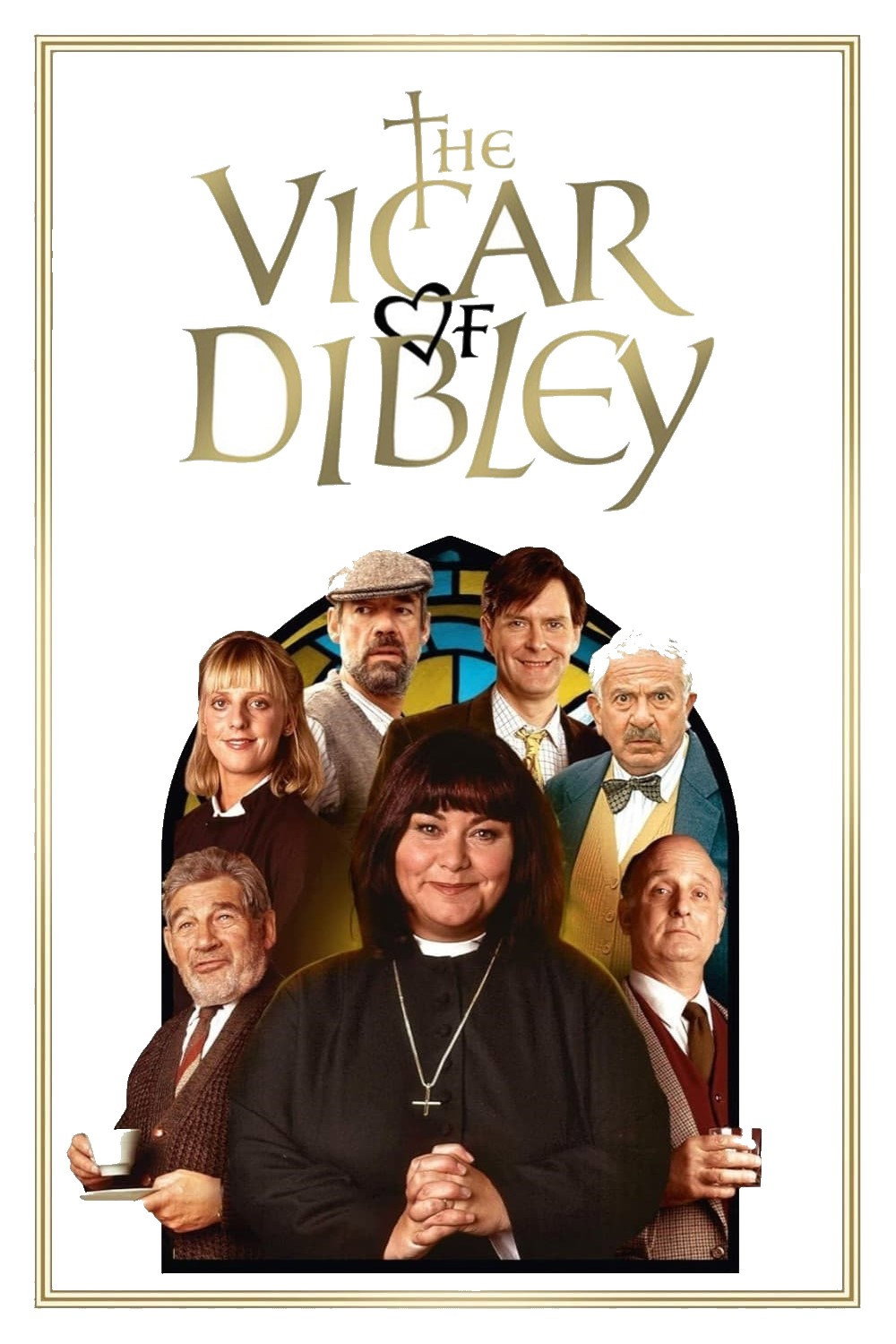
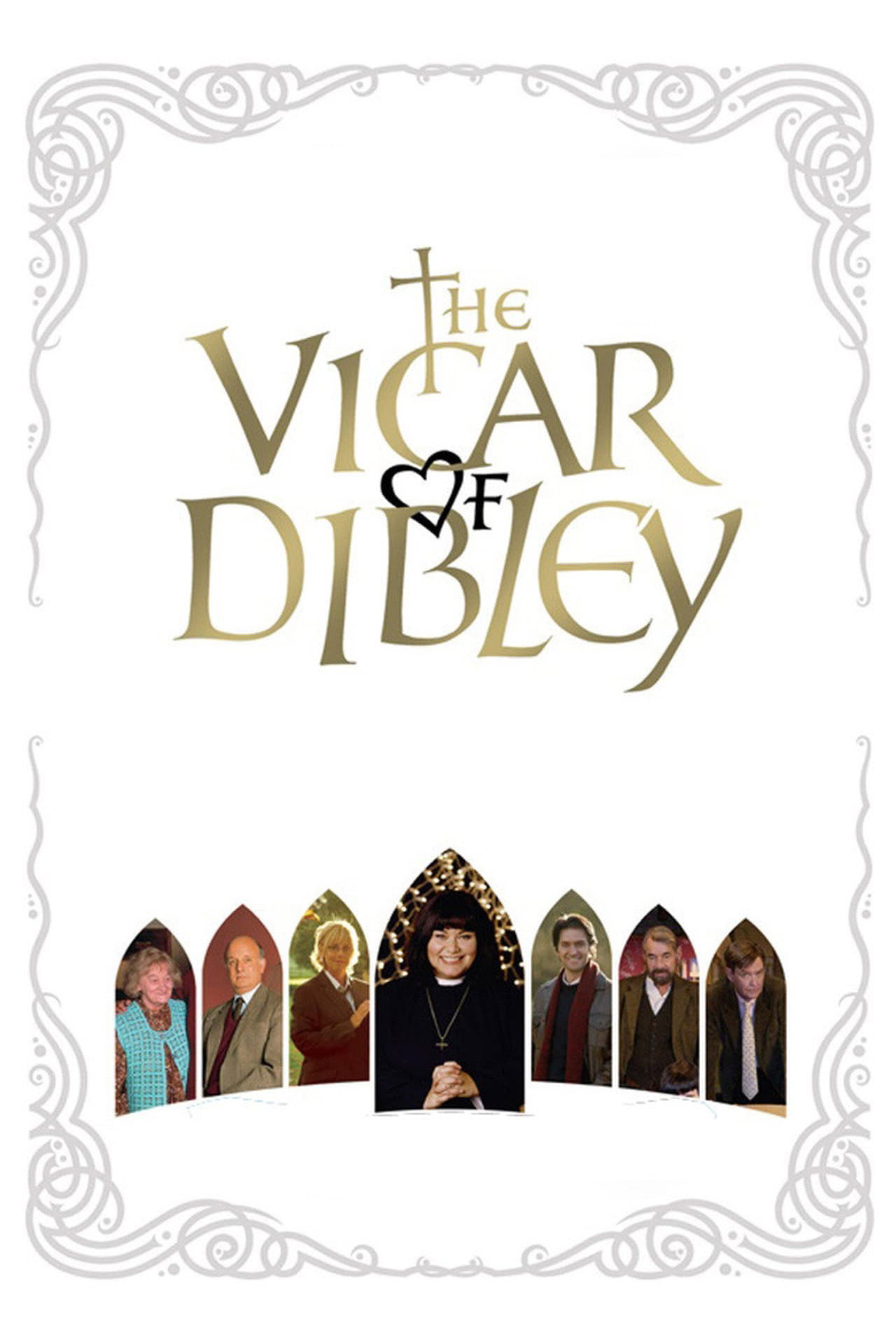
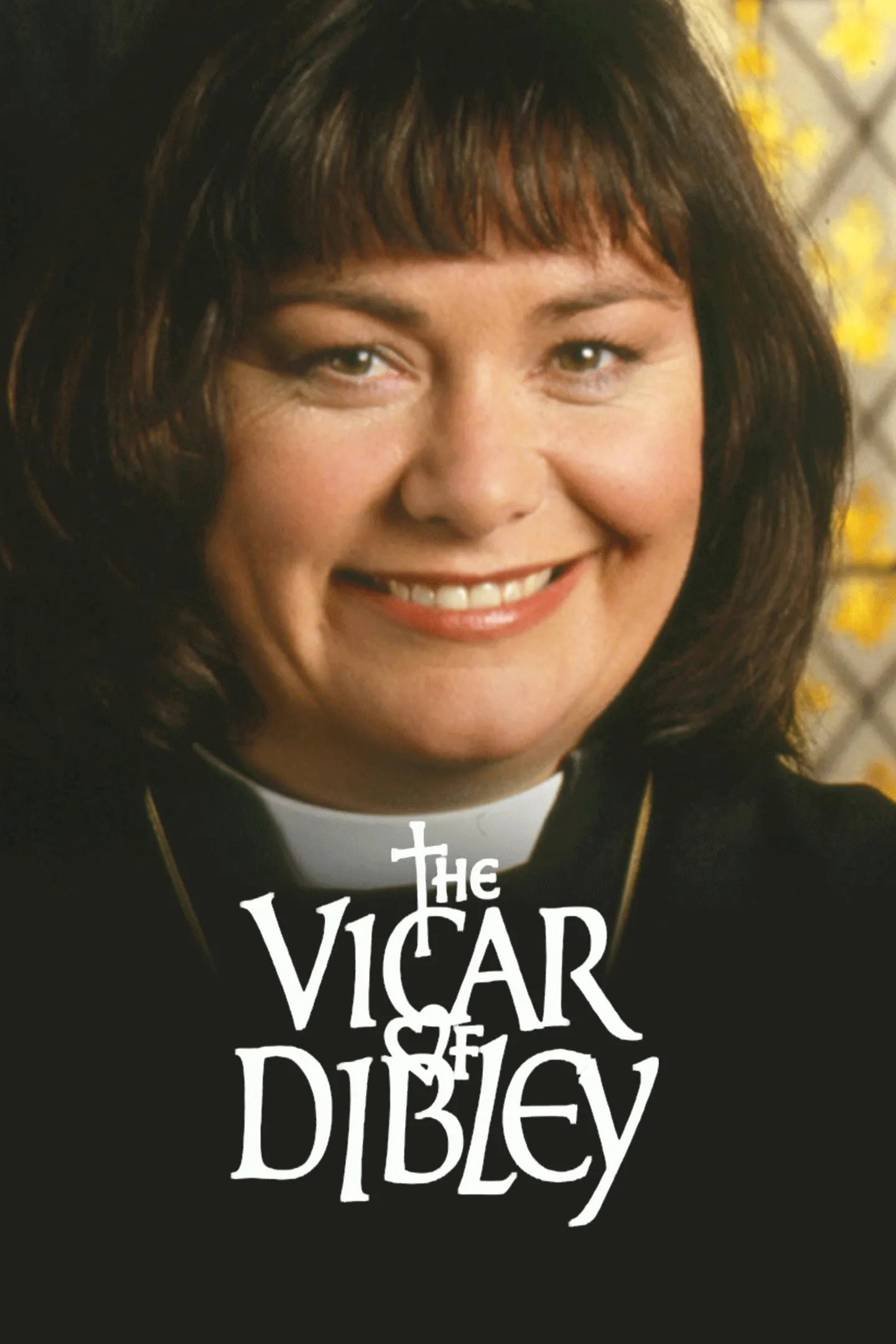
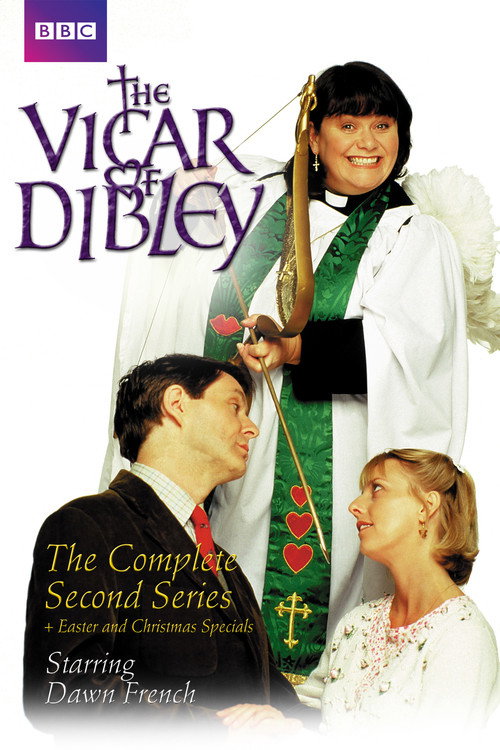
Dawn French gives The Vicar of Dibley the warmth to make its village eccentrics worth spending time with. The jokes can become familiar, but the cast keeps this gentle comedy funny without making its people contemptible.
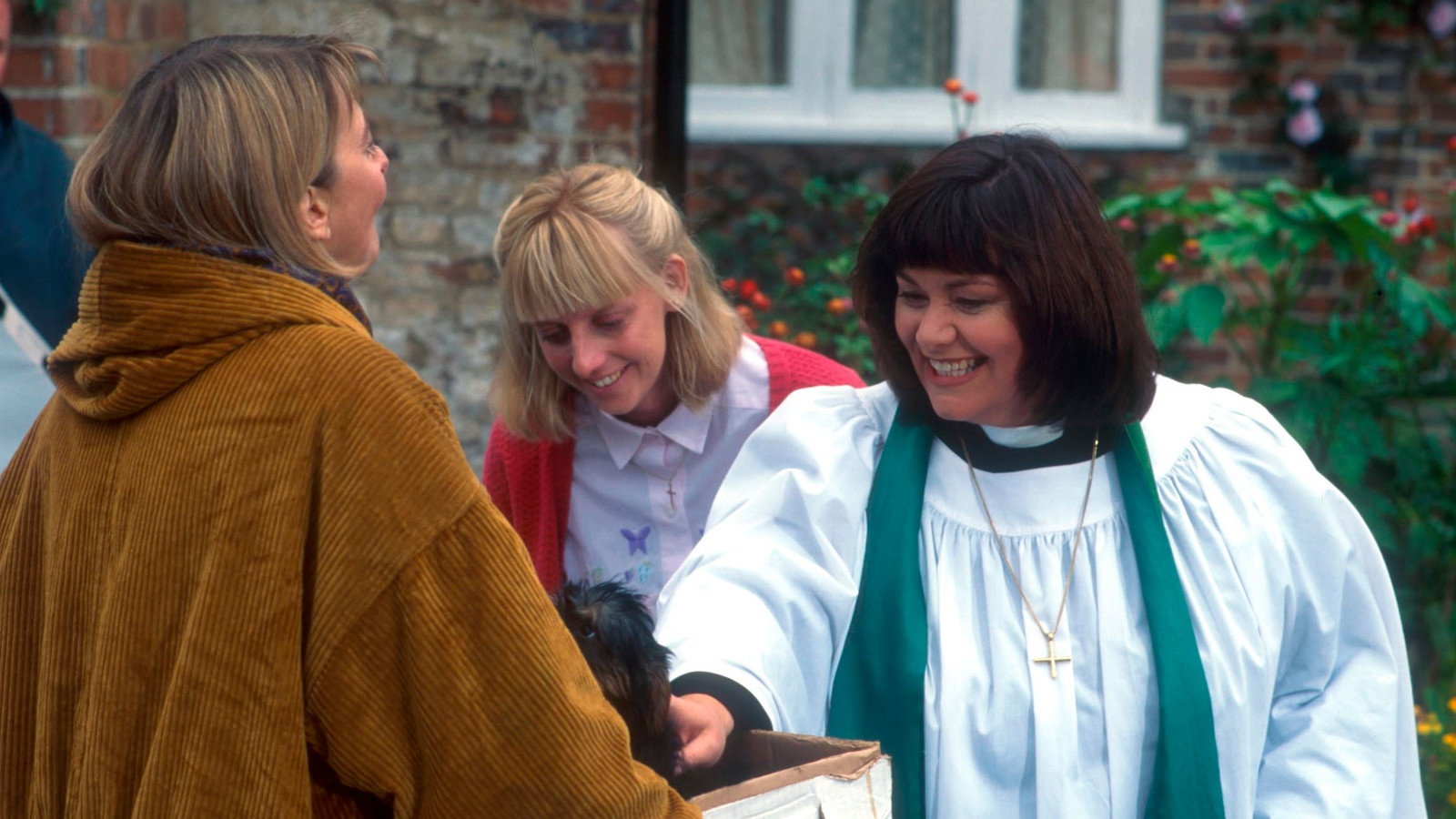
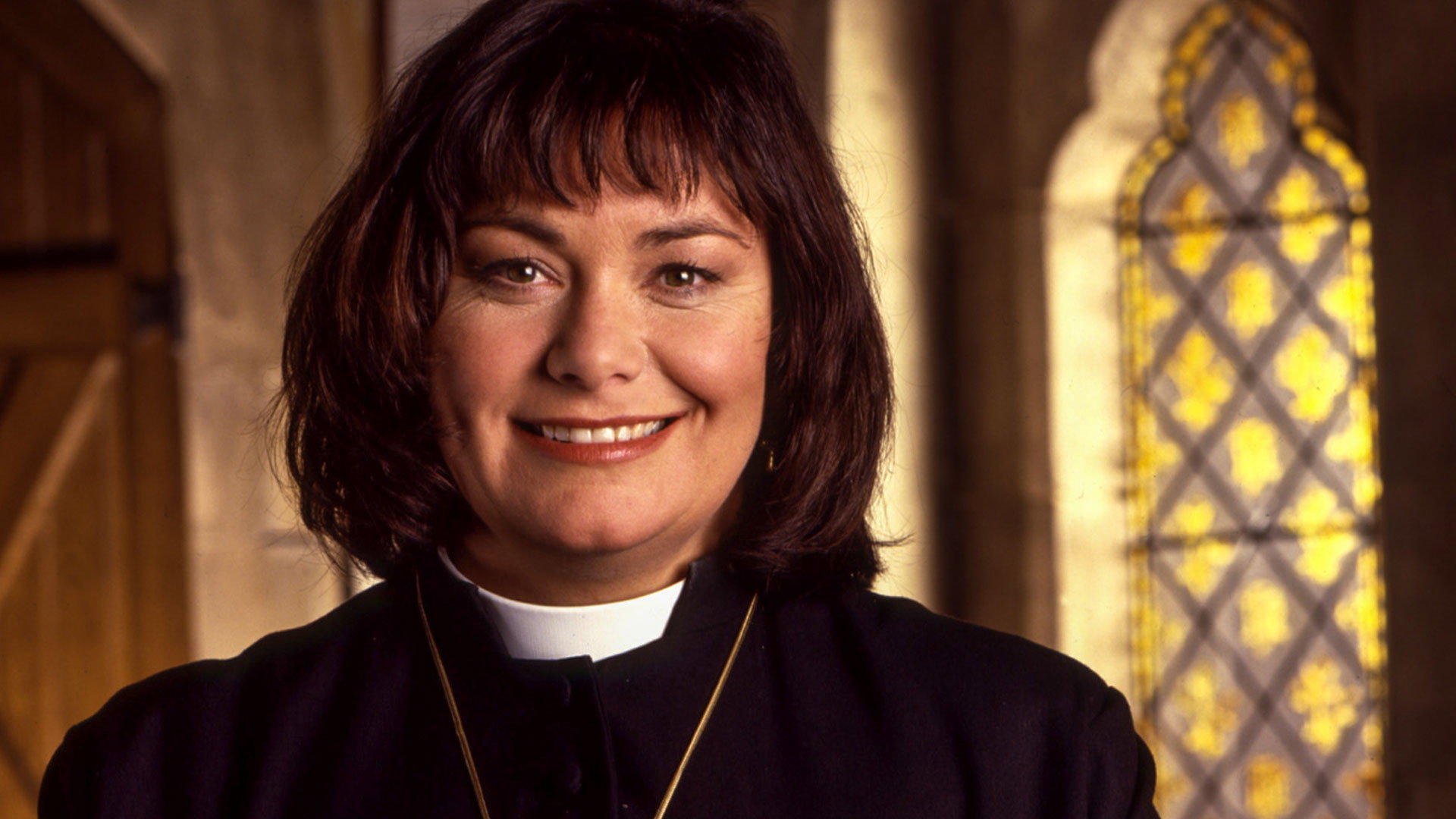
Richard Curtis and Paul Mayhew-Archer give a potentially contentious premise the scale of a village comedy: a woman is the vicar, and her neighbours have to get on with living alongside her. The Vicar of Dibley is funny, generous television, worth returning to even when its routines become familiar. It makes acceptance feel ordinary by putting an agreeable person at the centre of an awkward community. Dawn French plays Revd Geraldine Granger, and the casting does a considerable amount of that work.
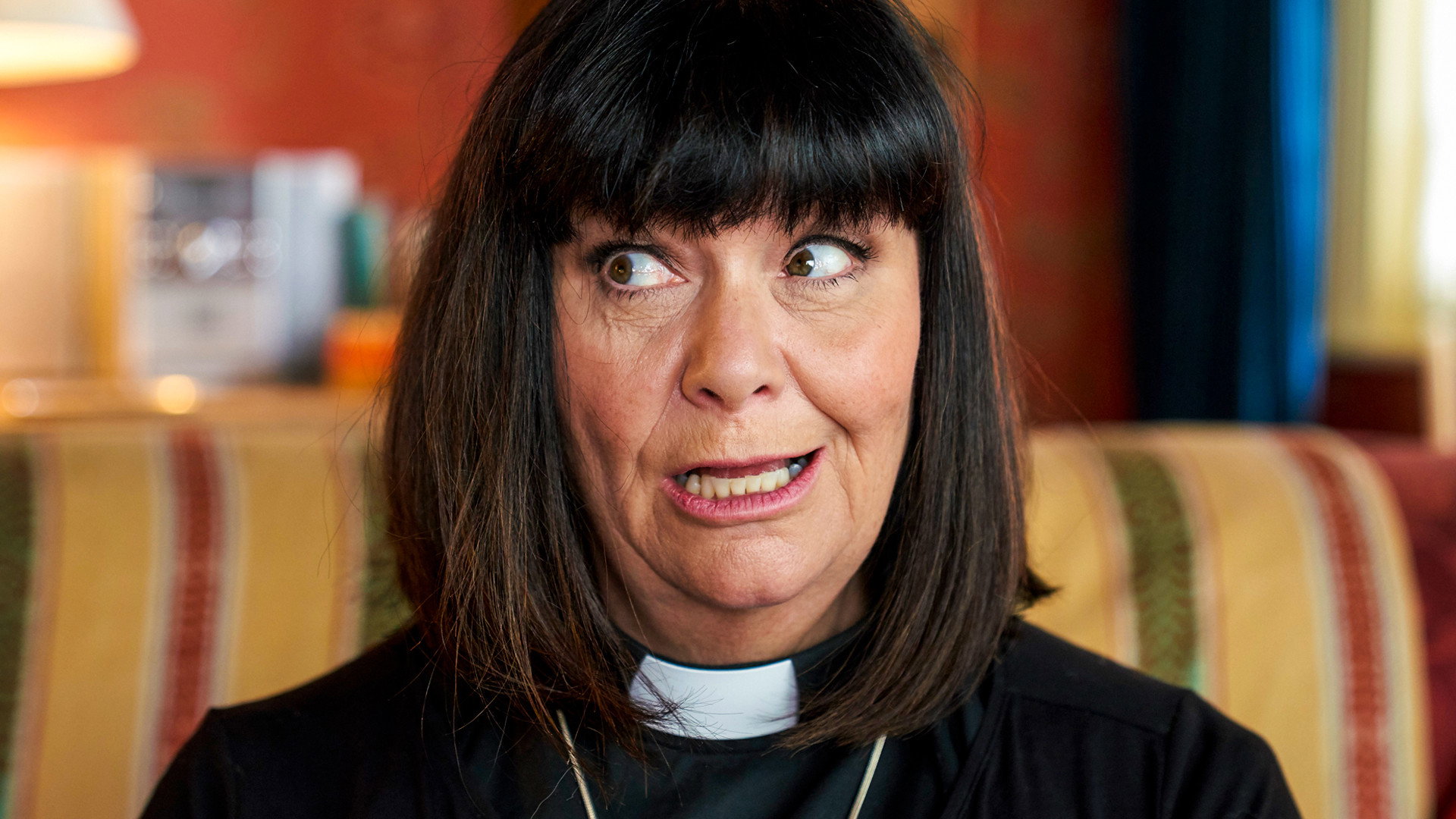
Dawn French lets Geraldine be amused by the people around her without making her seem above them. She has to be credible as someone who would keep turning up for these neighbours, however trying their company becomes. We laughed at the effort she makes to remain civil: the exasperation is visible, but so is the decision to stay friendly. That gives the character something to do beyond being the sensible person to whom everyone else brings a problem.
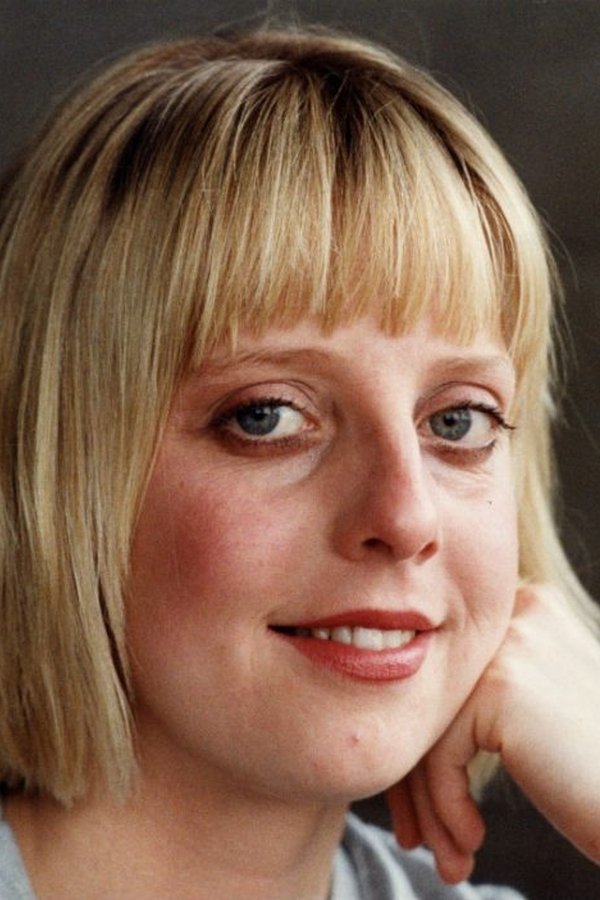
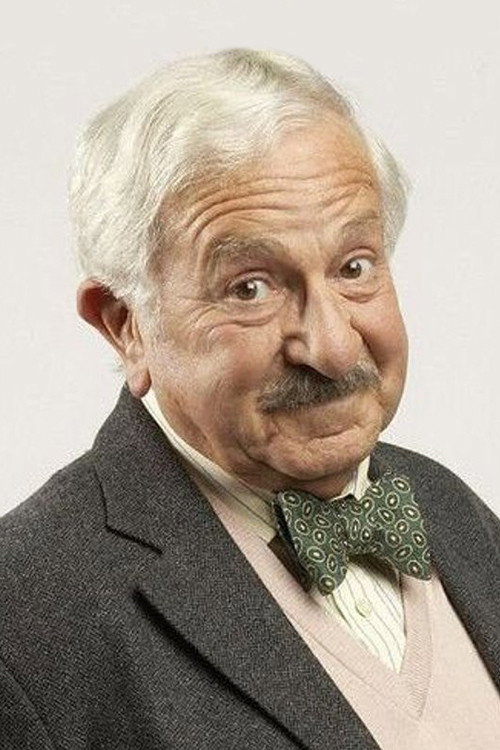
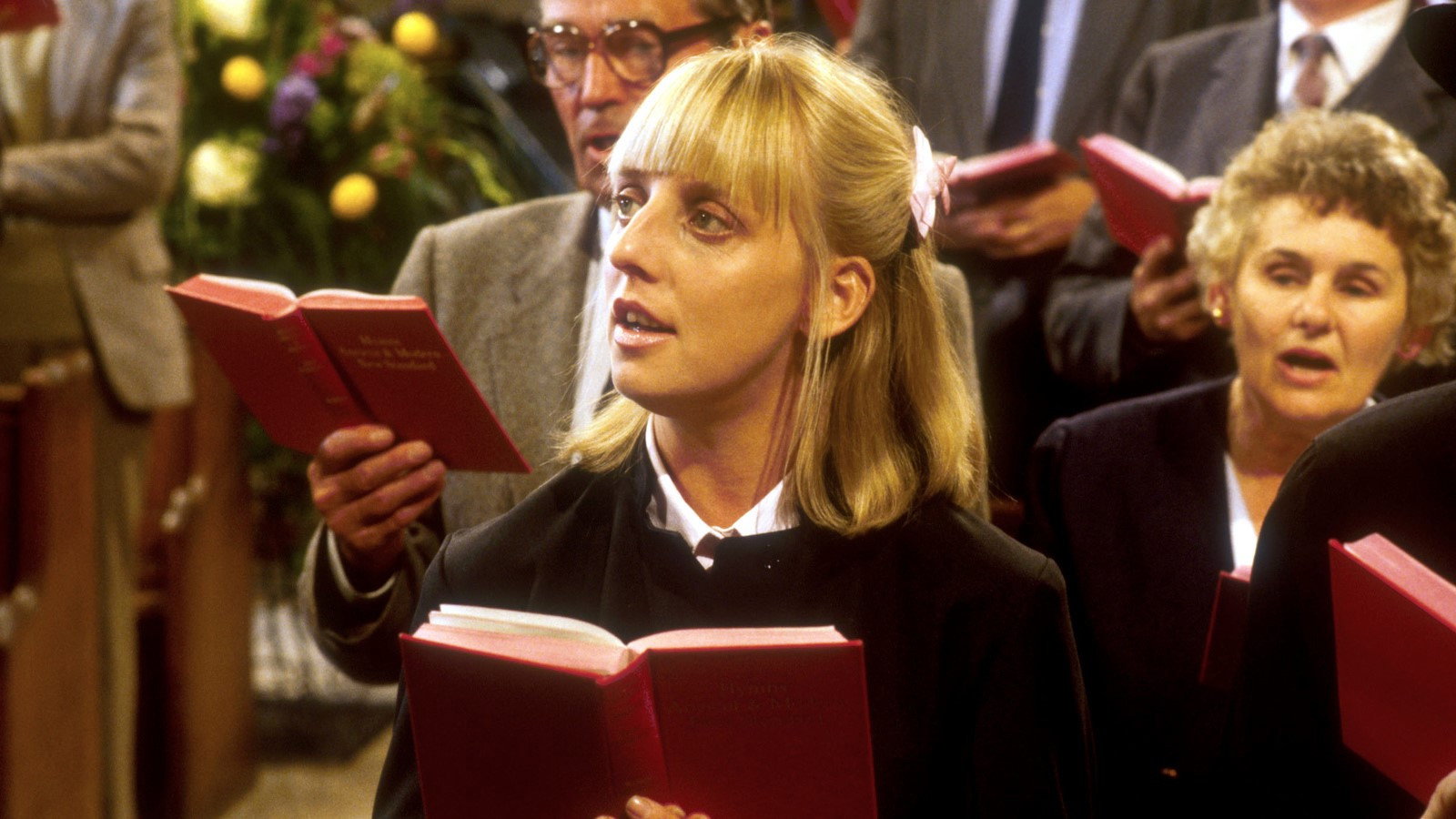
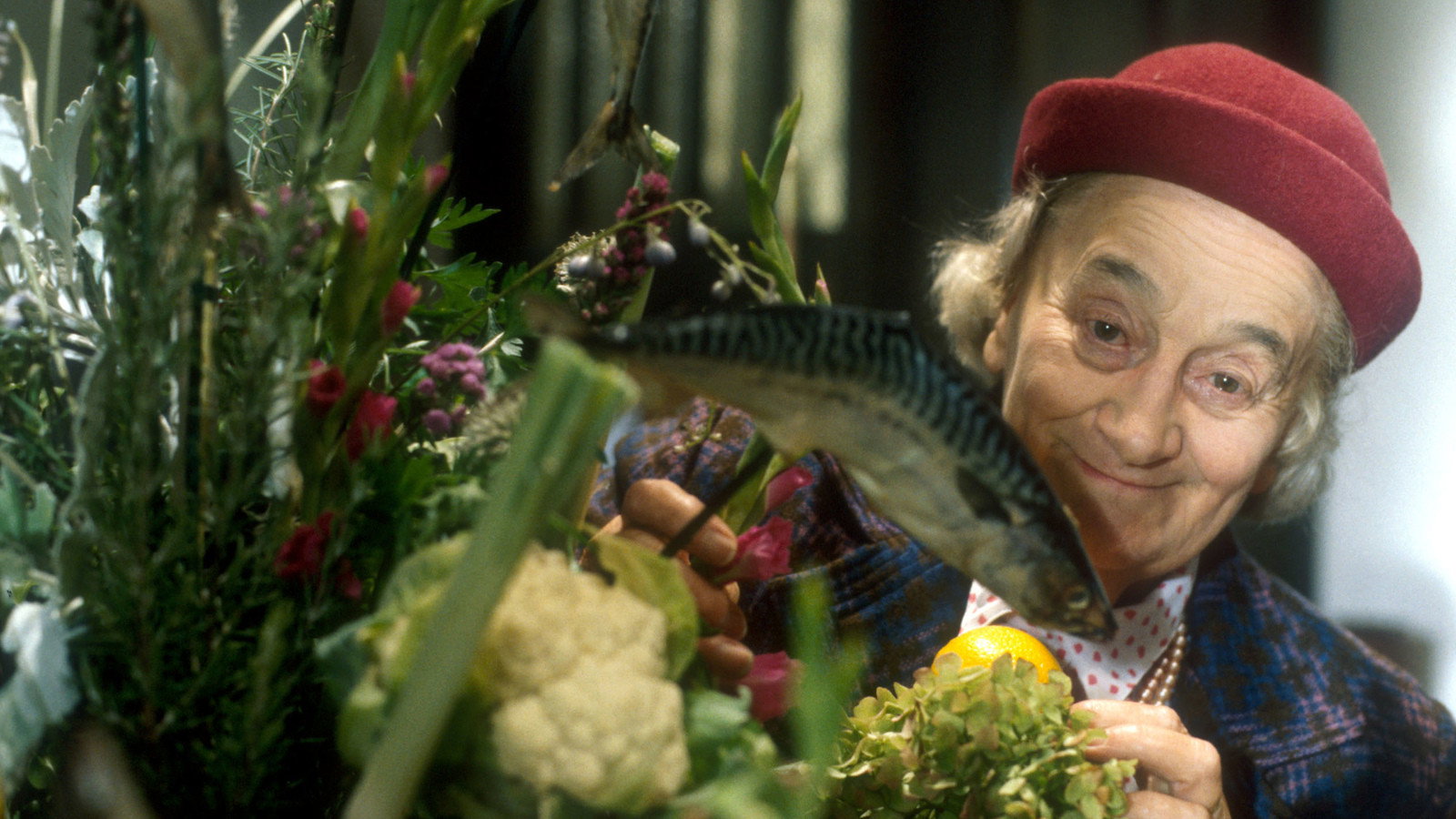
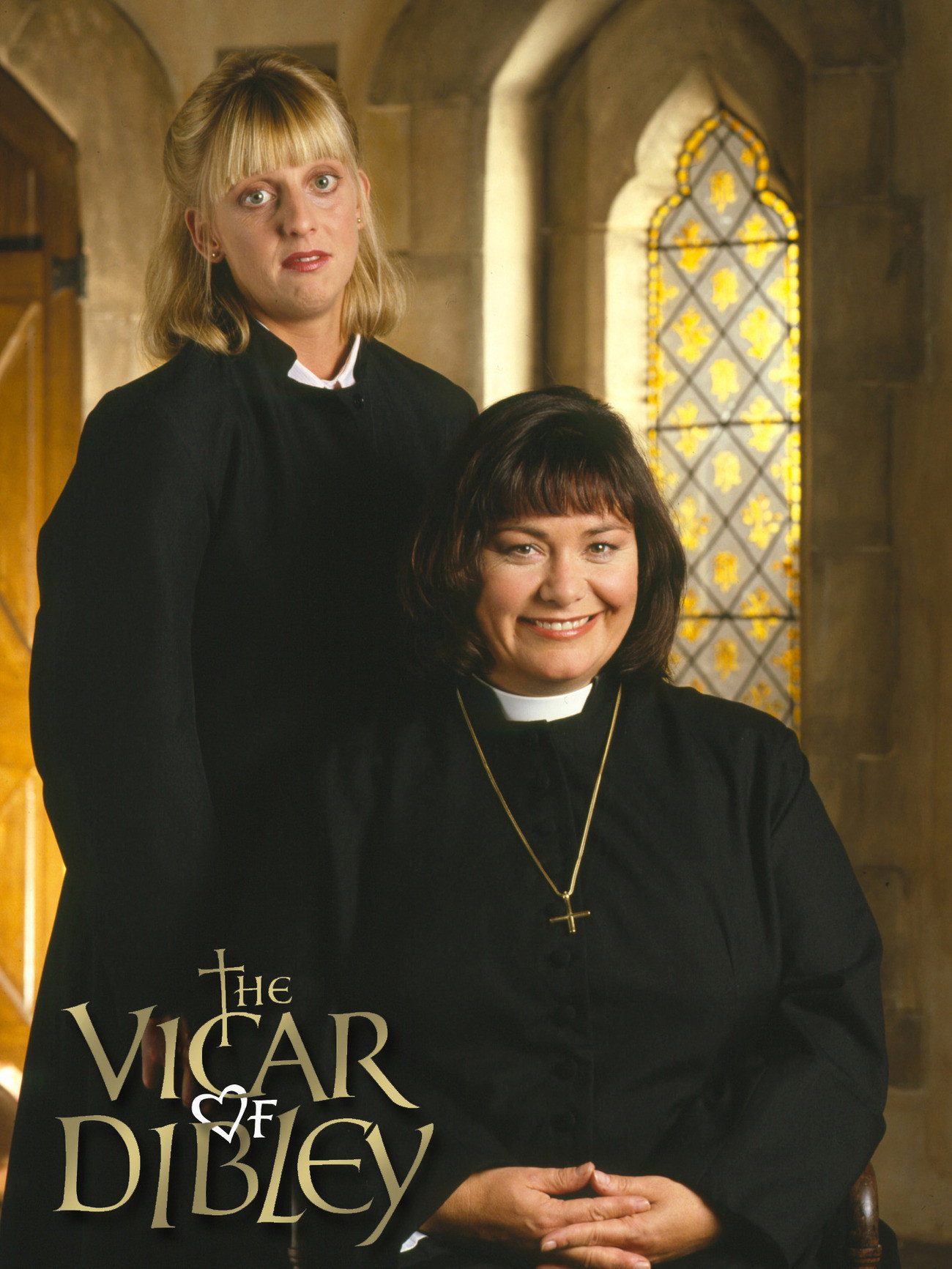
Emma Chambers is especially funny beside Dawn French because she never seems to be hurrying towards the joke. There is room for both performers to get a laugh, instead of the supporting actor simply supplying a cue for the star. John Bluthal makes a recognisable comic type feel worth returning to, even when surprise is no longer the attraction. Their individual speaking rhythms help distinguish the villagers, although the writing can lean too heavily on our familiarity with them.
Richard Curtis’s writing handles the female-vicar premise through character comedy, keeping the question close to Geraldine and her neighbours. That suits a programme whose chief business is making us laugh at village peculiarities. We are invited to spend time with Geraldine until her right to be there ceases to seem much of a question, and Dawn French makes that invitation easy to accept. Those looking for a closer examination of religious authority should adjust their expectations.
The limitation is that an eccentric can become predictable surprisingly quickly. Once a performer has established a recognisable way of being funny, the writing is sometimes content to call for it again; anticipation starts doing more of the work than surprise. The actors remain good company, but that does not make every return to a familiar mannerism equally rewarding. Richard Curtis’s warmth occasionally encourages him to keep a joke that a less affectionate writer might have shortened.
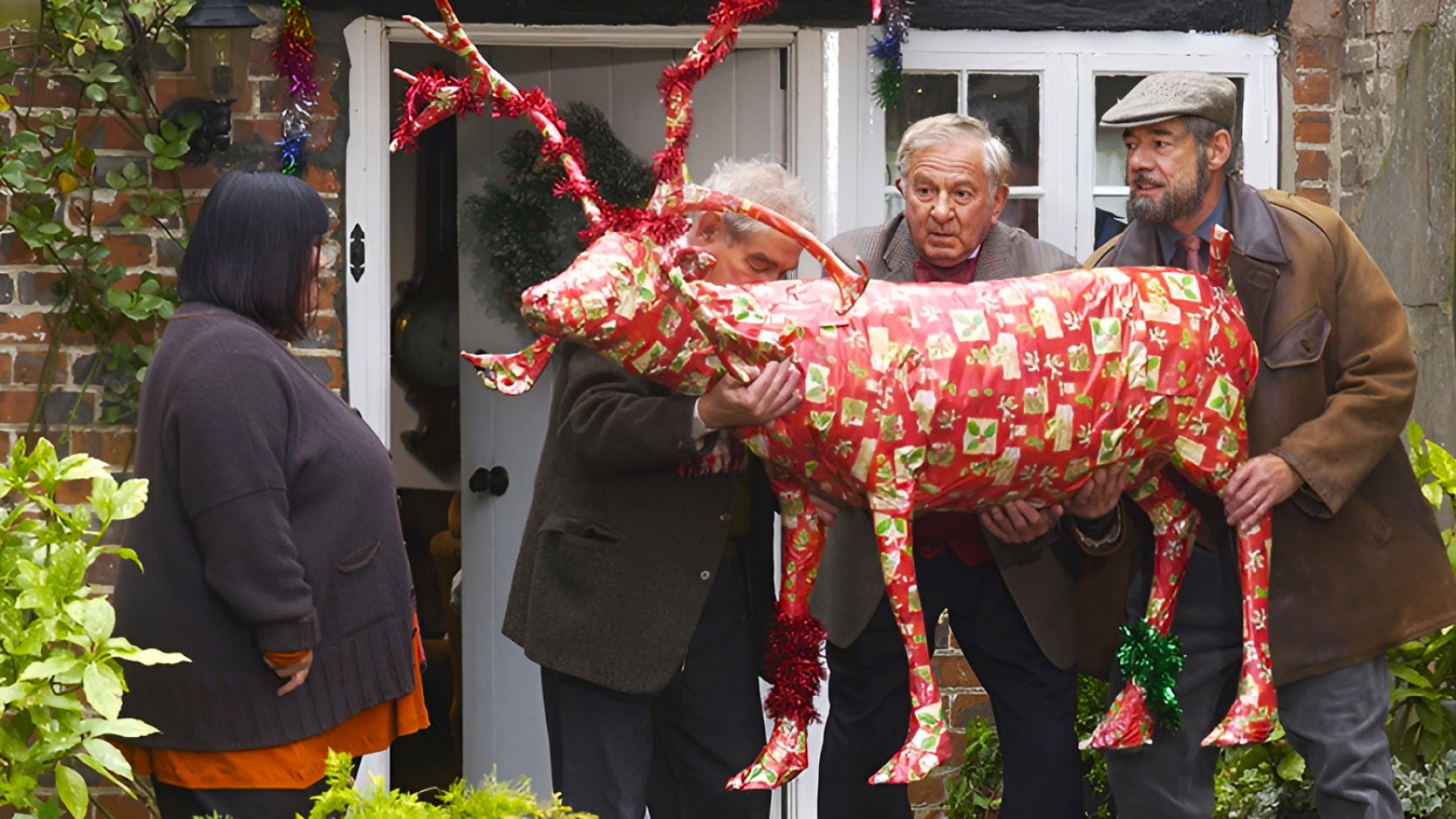
The village sitcom depends on our willingness to spend another episode with people whose habits we already know. Here, the cast gives us good reason to agree, though the comedy works better with a little distance between visits. At 30 minutes, an episode offers enough of this company without demanding an entire evening. Watch one when you would like to laugh at difficult people without being asked to despise them.