Roots is demanding, affecting television, carried by LeVar Burton and an ensemble that makes the suffering personal. The storytelling sometimes presses harder than it needs to, but we warmly recommend it for the performances.
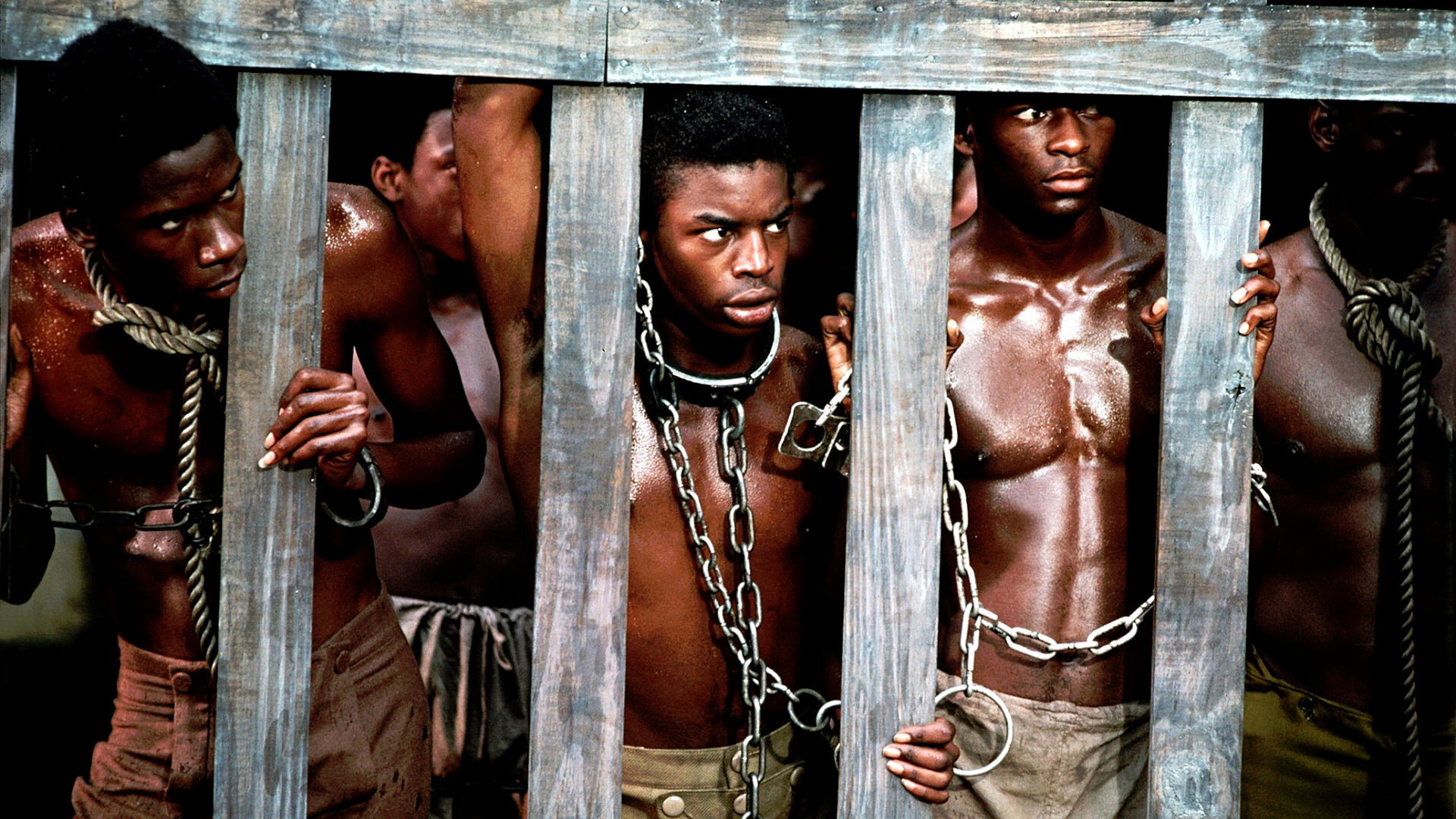
Roots is a forceful family drama about slavery, and its performances justify the considerable demands it makes. Alex Haley’s series asks us to attend to people whom an account of American history can reduce to labour, property or numbers. Its violence matters because those people have names and relationships, and because the actors make their suffering difficult to regard from a comfortable distance. The programme takes its responsibility seriously, sometimes too visibly, but it gives us people worth spending that time with.
LeVar Burton, as Kunta Kinte, is the strongest reason to watch. His performance makes the loss of freedom painful to contemplate without requiring us to think about the whole history of slavery every time we look at him. We were distressed by the violence and degradation because LeVar Burton had made Kunta Kinte matter to us as a person. That may sound like the basic requirement of this sort of drama, but it is difficult work, and the performance deserves the praise it has received.
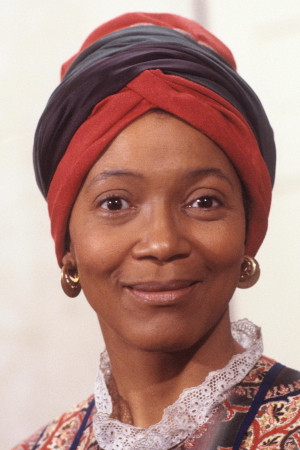
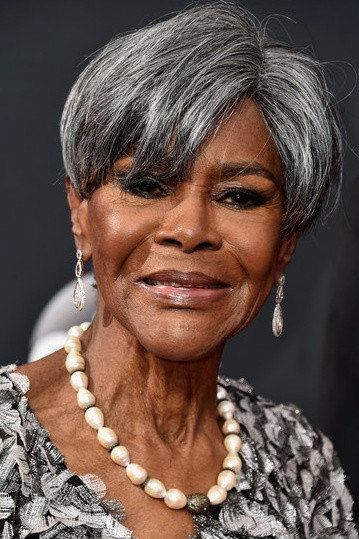
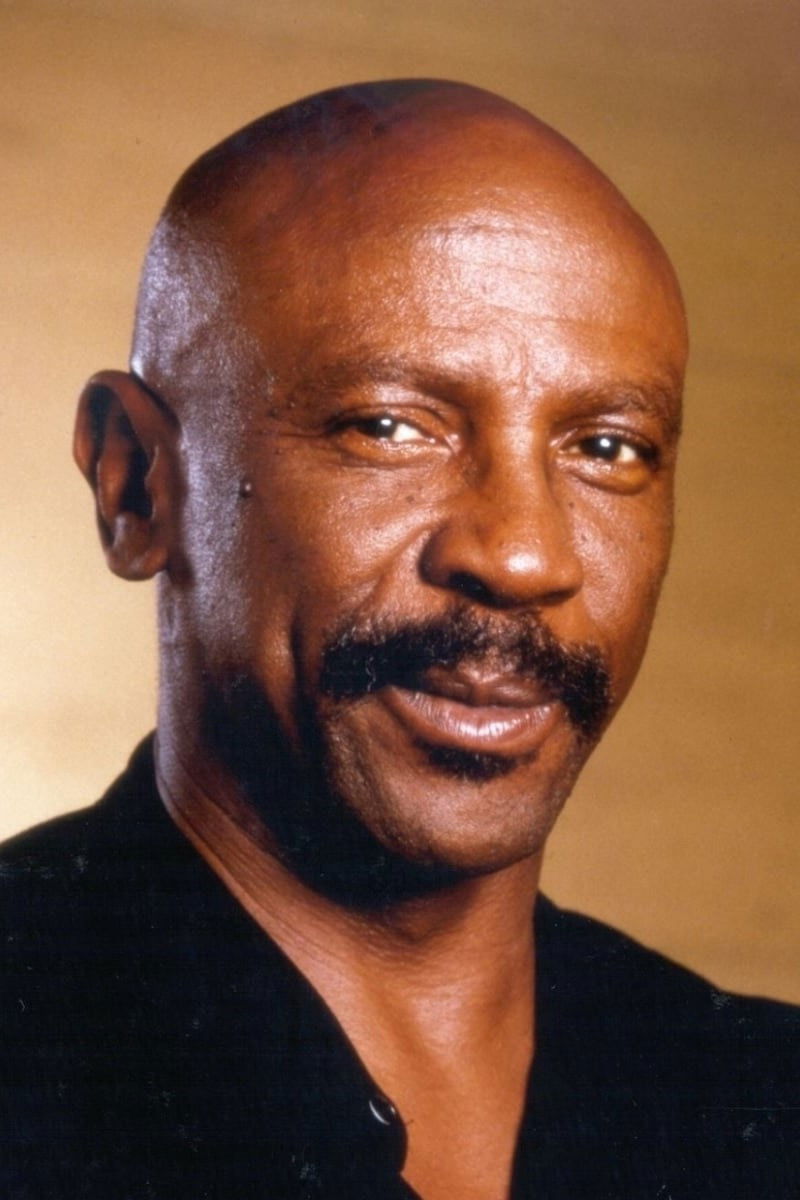
Cicely Tyson as Binta and Louis Gossett Jr. as Fiddler give the series further human weight. The ensemble keeps individual people recognisable within a story whose subject could easily overwhelm them. There is room to respond to an actor, to become interested in a character, without every response being dictated by the programme’s historical importance. That is essential across a miniseries: agreement with what it says about slavery would be a thin reason to keep watching on its own.
The direction is shared by Marvin J. Chomsky, David Greene, John Erman and Gilbert Moses. Its emotional directness helps make the suffering comprehensible, and there is little danger of missing what the programme wants us to understand. The drawback is an occasional insistence that feels unnecessary when the actors have already done enough. We wanted more quiet in those passages, and more confidence that an audience could be affected without quite so much encouragement.
The editing, credited to Neil Travis, James T. Heckert and Peter Kirby, generally makes a substantial family story manageable. The weaker stretches feel prolonged by emphasis, with too much time spent reinforcing an effect already achieved. The music credited to Gerald Fried and Quincy Jones contributes to the emotional force, though it also shares that tendency to press a point. These reservations concern how insistently the drama directs our response; the violence itself belongs to the history it is confronting.
As a family saga, the series gives relationships enough importance to prevent survival becoming a simple matter of reaching the next episode. Caring about another person brings its own fears, and the acting makes those fears persuasive. The earnestness can be tiring, particularly when the storytelling becomes stiff with the duty to explain. Yet the people remain more interesting than the explanations, which is why the programme continues to work when its methods feel heavy-handed.
Set aside time for it, and allow for pauses instead of treating the episode count as a challenge. The violence and degradation make this demanding viewing even when the storytelling is at its most straightforward. LeVar Burton deserves better than half our attention.