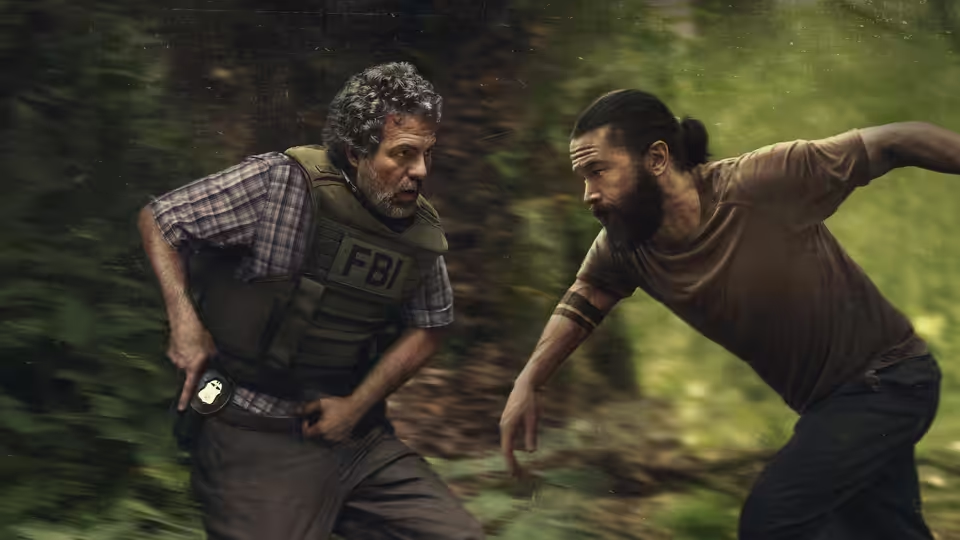
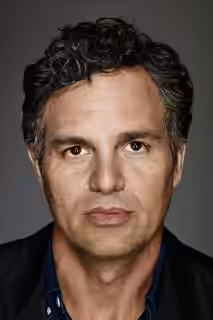
Task gives Mark Ruffalo and Tom Pelphrey family troubles worth caring about, then makes us wait too long for the investigation to gather pace. A decent crime drama for patient viewers, with too little humour.
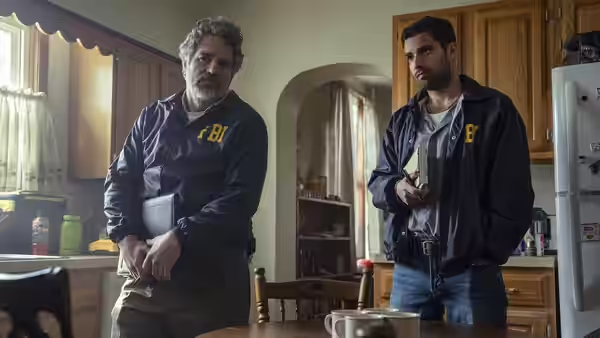
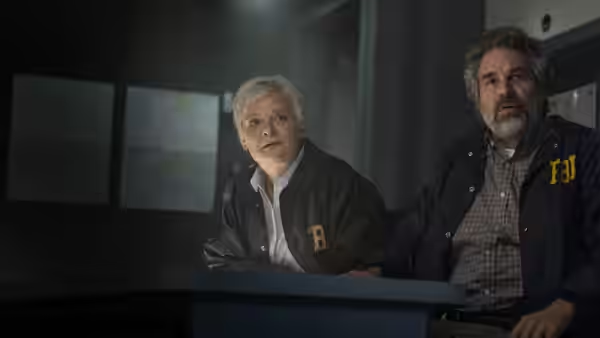
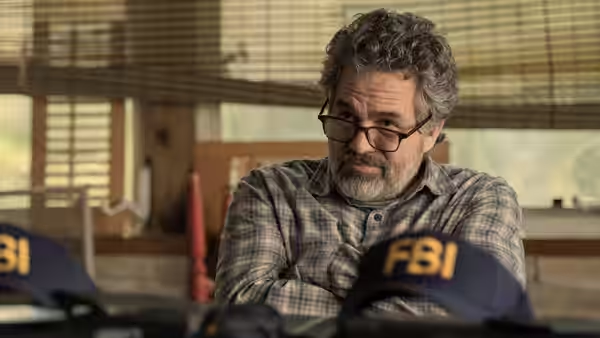
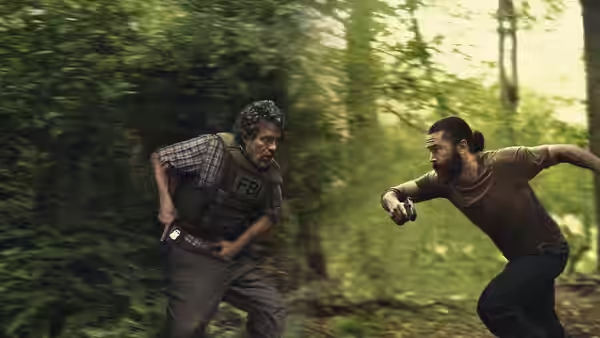
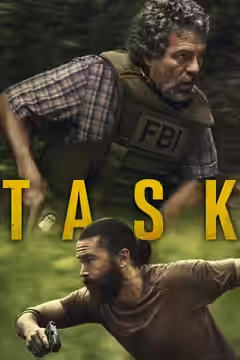
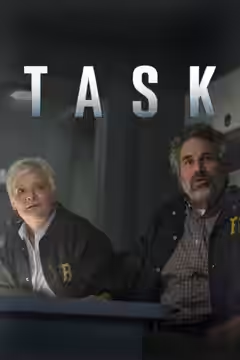
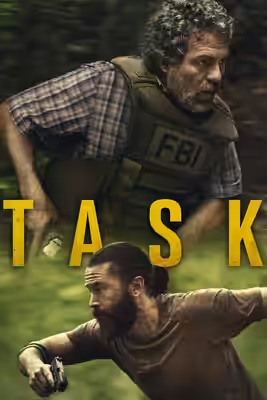
Task is worth considering for its actors and its family drama, provided a slow investigation does not put you off. Brad Ingelsby’s writing follows an FBI agent and a criminal, giving their troubles at home as much attention as the pursuit. Mark Ruffalo plays Tom Brandis; Tom Pelphrey plays Robbie Prendergrast, and the programme needs both to matter before it can generate much suspense. That takes longer than it should, even with seven episodes in the first series.
Ruffalo plays Tom’s weariness without making him seem incapable of doing his job. The task force assignment consequently feels like one more responsibility for a man who has enough of them already. Pelphrey is the stronger reason to continue, giving Robbie a family life that matters as much as his criminal activity. In those domestic scenes, his concern for his family remains convincing even when his choices are difficult to defend. We felt for Robbie more than we expected to.
The weakness is how often Ingelsby returns to the same low mood after the actors have already made the point. Grief, faith and forgiveness give the characters plenty to wrestle with, but scene after scene offers another reason for unhappiness and too few changes of pace. We do not need everybody to become cheerful, or even especially likeable. A little ordinary humour would make these people easier to believe in, and would give the darker passages more force.
Directors Jeremiah Zagar and Salli Richardson-Whitfield give the ensemble room to establish those family tensions, and the supporting performances prevent the drama from shrinking to a contest between its leads. The cinematography by Elie Smolkin and Alex Disenhof contributes to the sustained gloom, though the consistency becomes wearing. Keith P. Cunningham’s production design helps establish a credible surrounding world, giving the family drama somewhere that feels lived in. There is care here, but the oppressive mood makes it harder to notice the differences between one troubled household and another.
Editors Amy E. Duddleston and Keiko Deguchi face the problem of keeping two central stories moving when both need so much preparation. Their patience helps the performances, but the long set-up allows familiar crime plotting to become easier to anticipate. Dan Deacon’s score does little to loosen the prevailing solemnity. The writing has already decided how we should feel, and seldom permits much variation. The tense setpieces prove the programme can move when it chooses, which makes the long preparation harder to forgive.
Mare of Easttown is the obvious comparison, and Task suffers from having so much less humour to put beside the grief. Giving investigator and criminal equal attention helps distinguish it, especially when Pelphrey makes Robbie difficult to dismiss. The familiar turns of the case are a poorer reason to stay. Try it for the family performances if you can accept an investigation taking its time. We would have something lighter lined up afterwards.