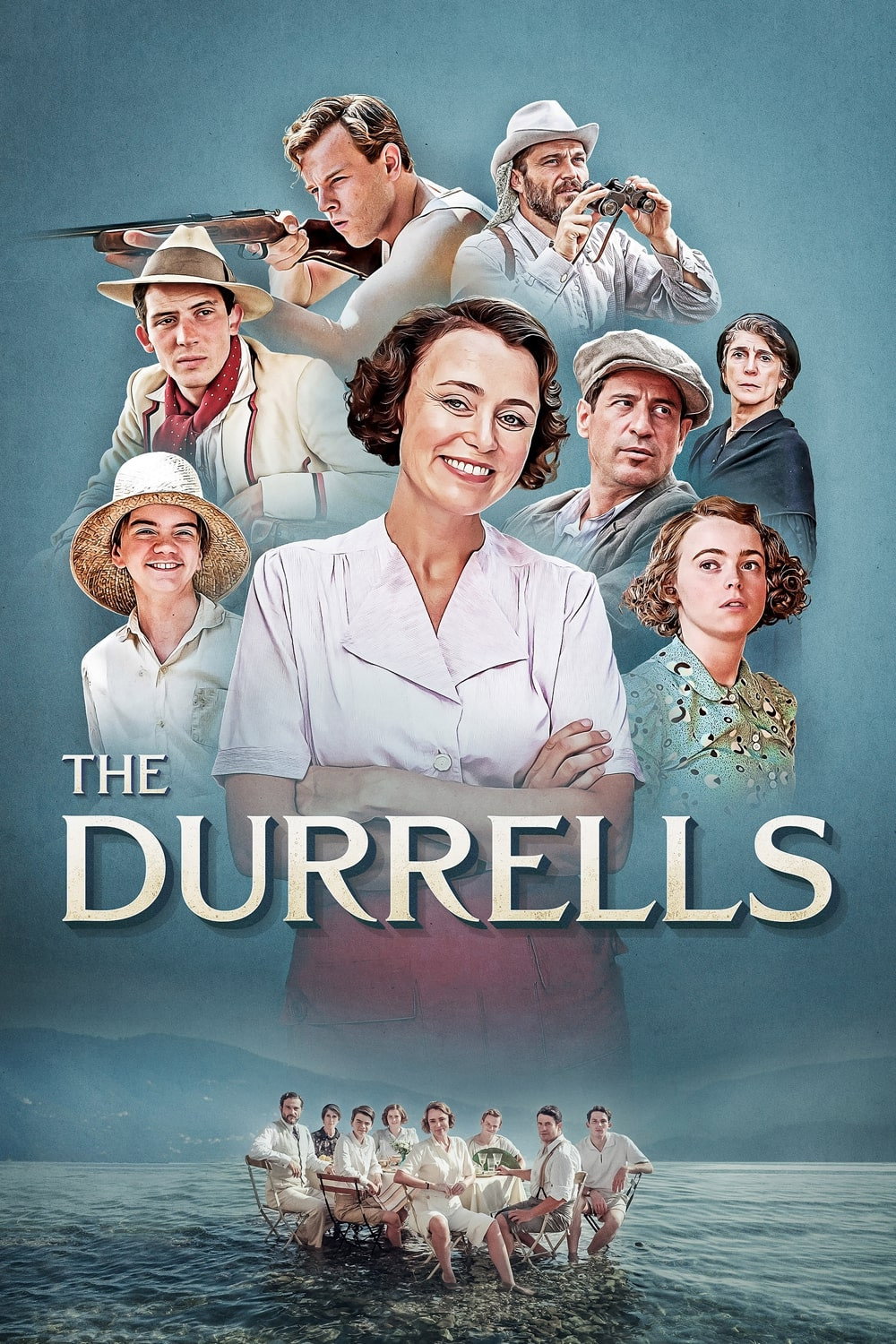
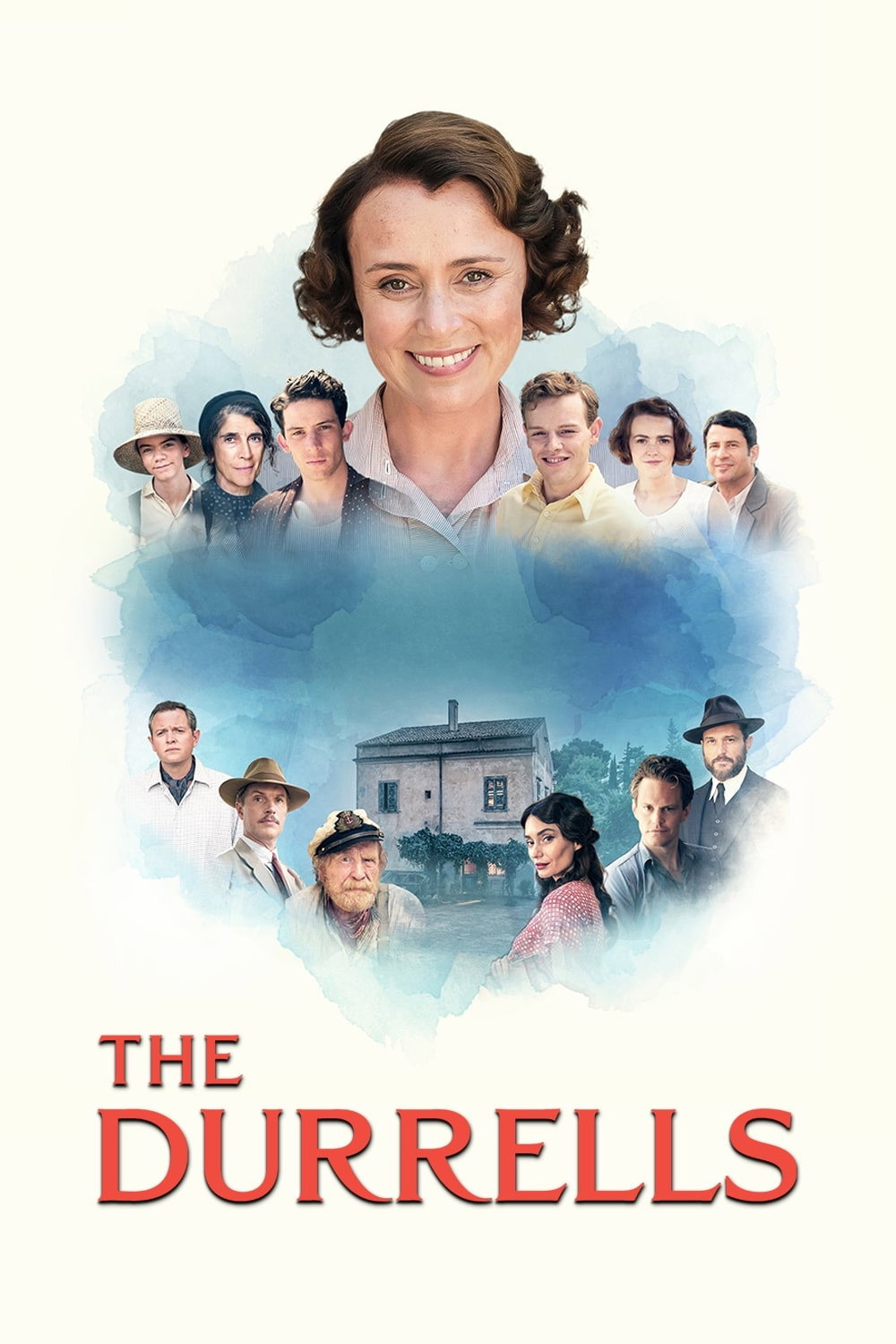
Keeley Hawes gives The Durrells the harassed, affectionate mother its sunny family comedy needs. We recommend it for her performance and the family squabbles, with a caveat about leisurely pacing and Corfu doing rather too much of the work.
The Durrells is good company, provided we accept that its family will not always get anywhere quickly. Simon Nye’s comedy-drama gives Louisa Durrell the difficult job of starting again in Corfu with children who have brought their bad temper along with everything else. The scenery promises a holiday, but Keeley Hawes keeps reminding us that someone still has to manage the household. Its best jokes come from the work required to keep this quarrelsome family together.
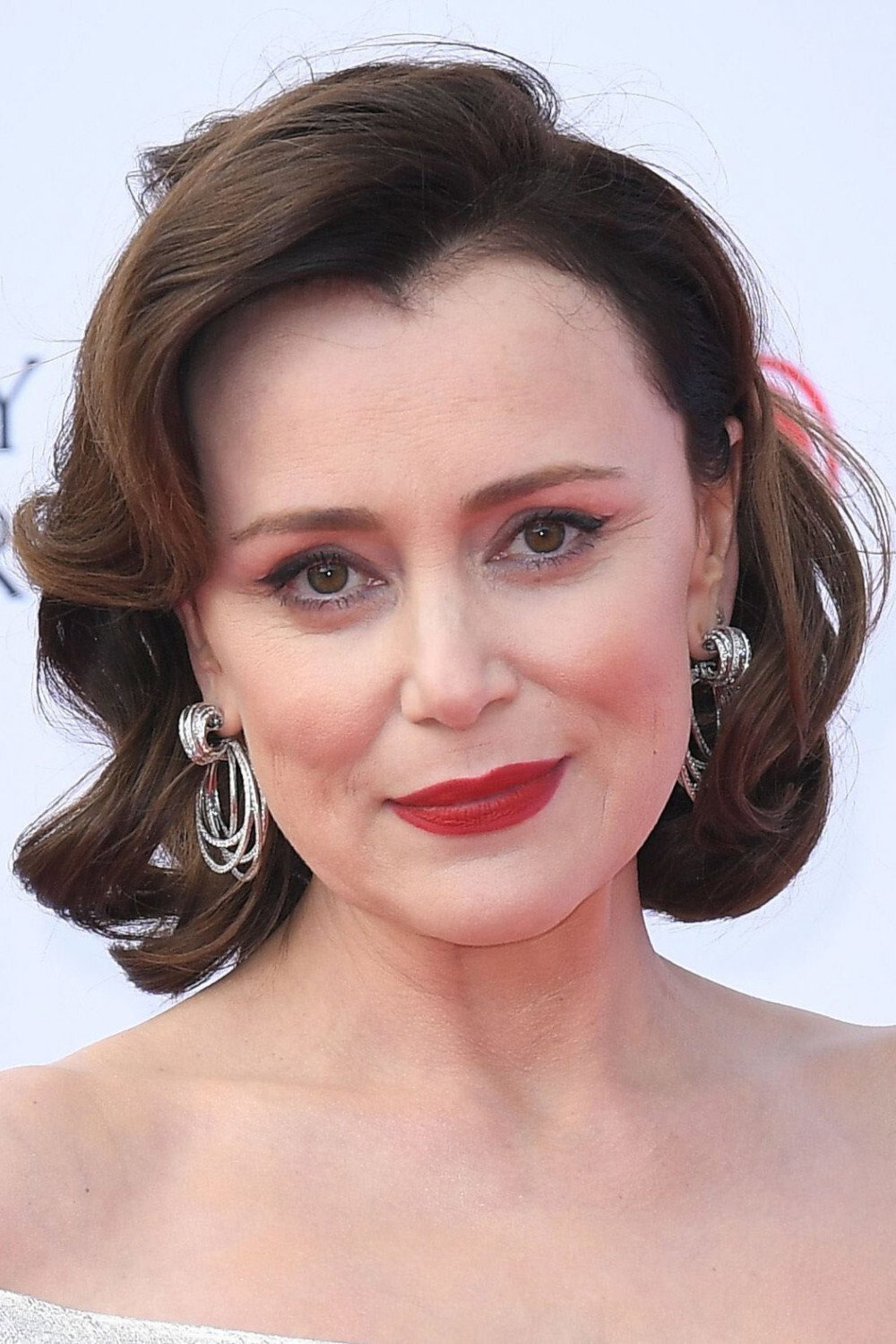
Keeley Hawes makes Louisa Durrell’s exasperation funny without making her seem foolish for wanting things to improve. We laughed at her struggle to manage the children’s competing demands, then felt sorry for her because the effort looks so tiring. The performance leaves room for impatience, affection and the wish to have a life beyond sorting out the children. When the programme threatens to become too contented with its setting, she gives us a mother who cannot simply sit back and enjoy it.
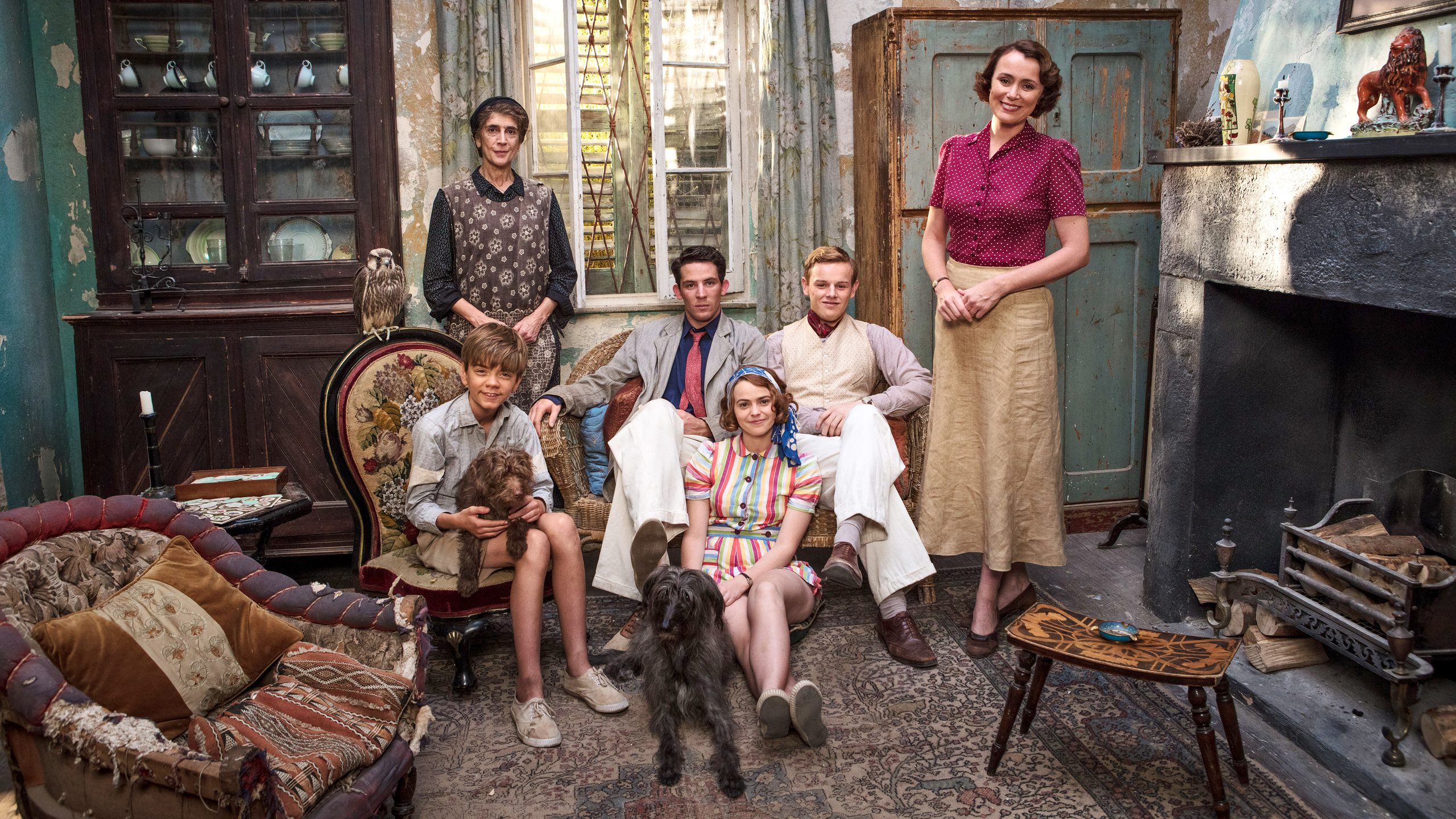
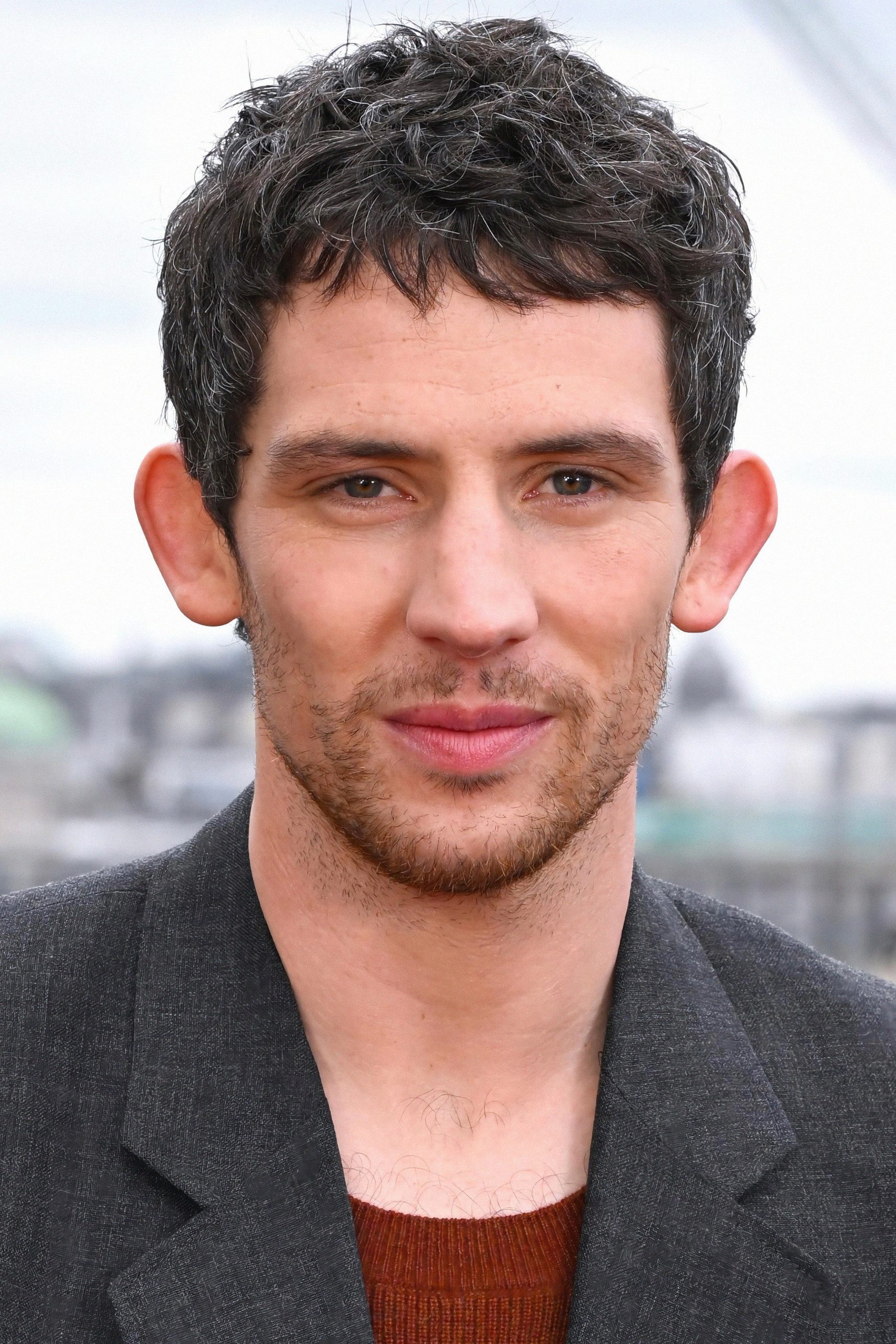
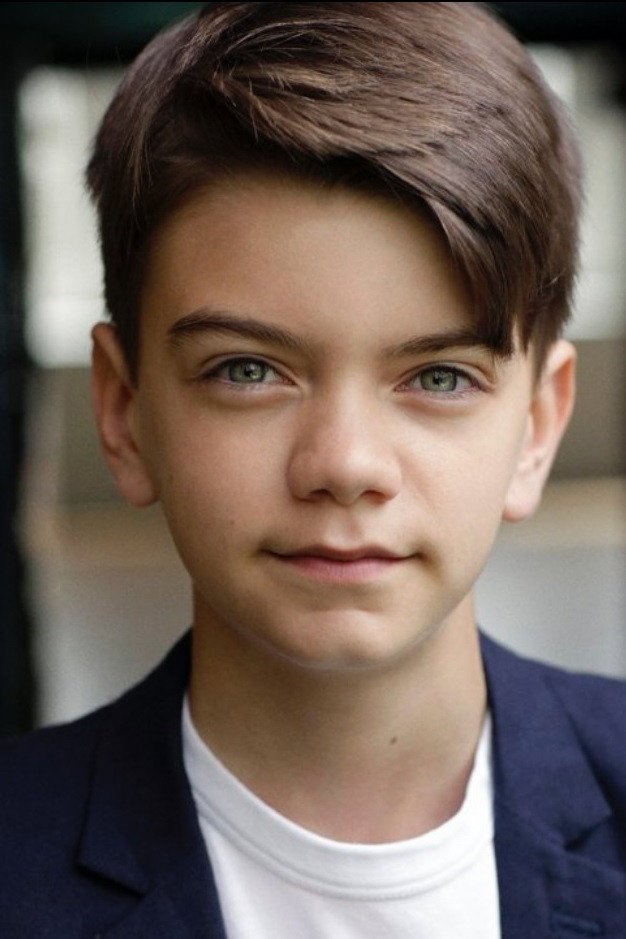
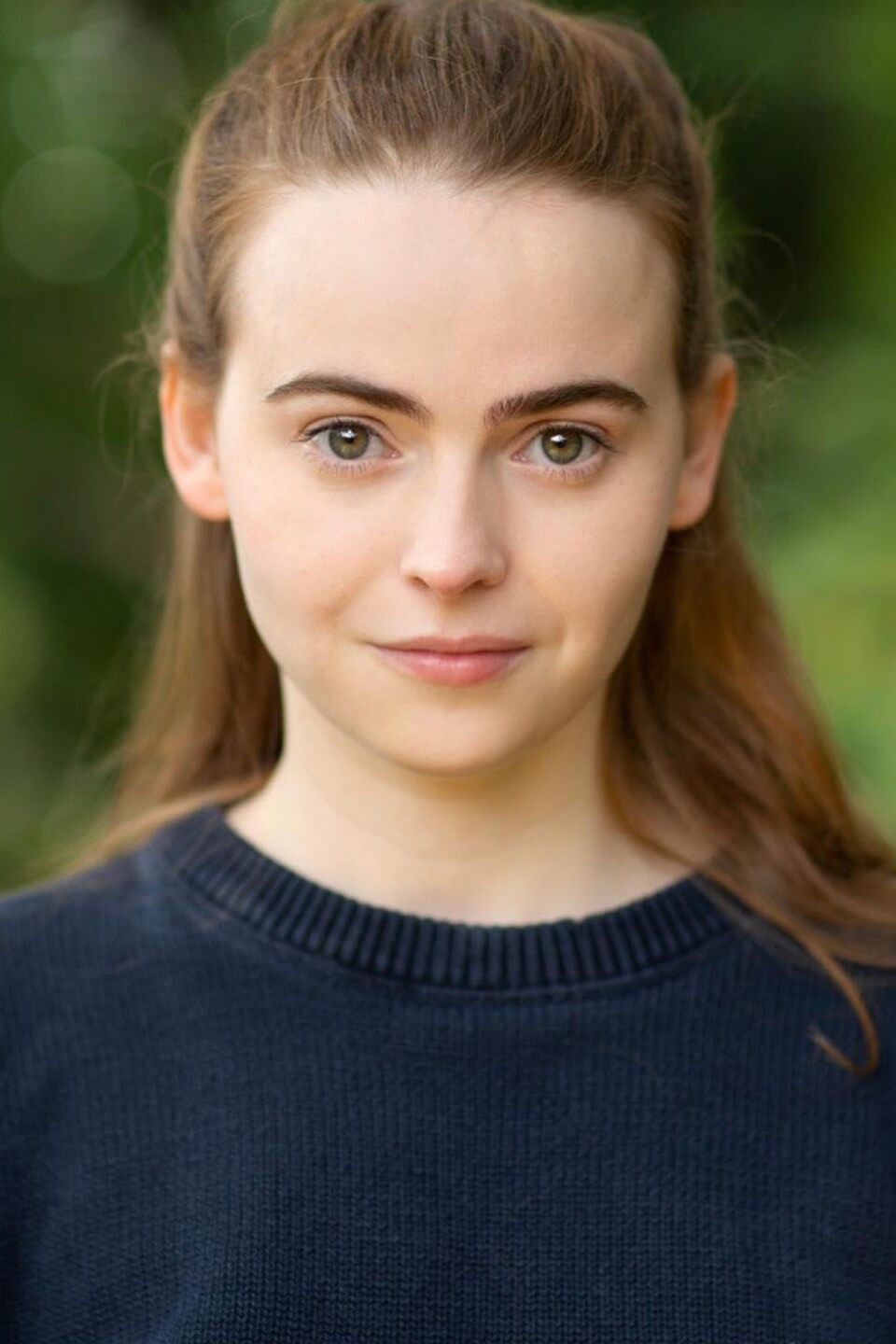
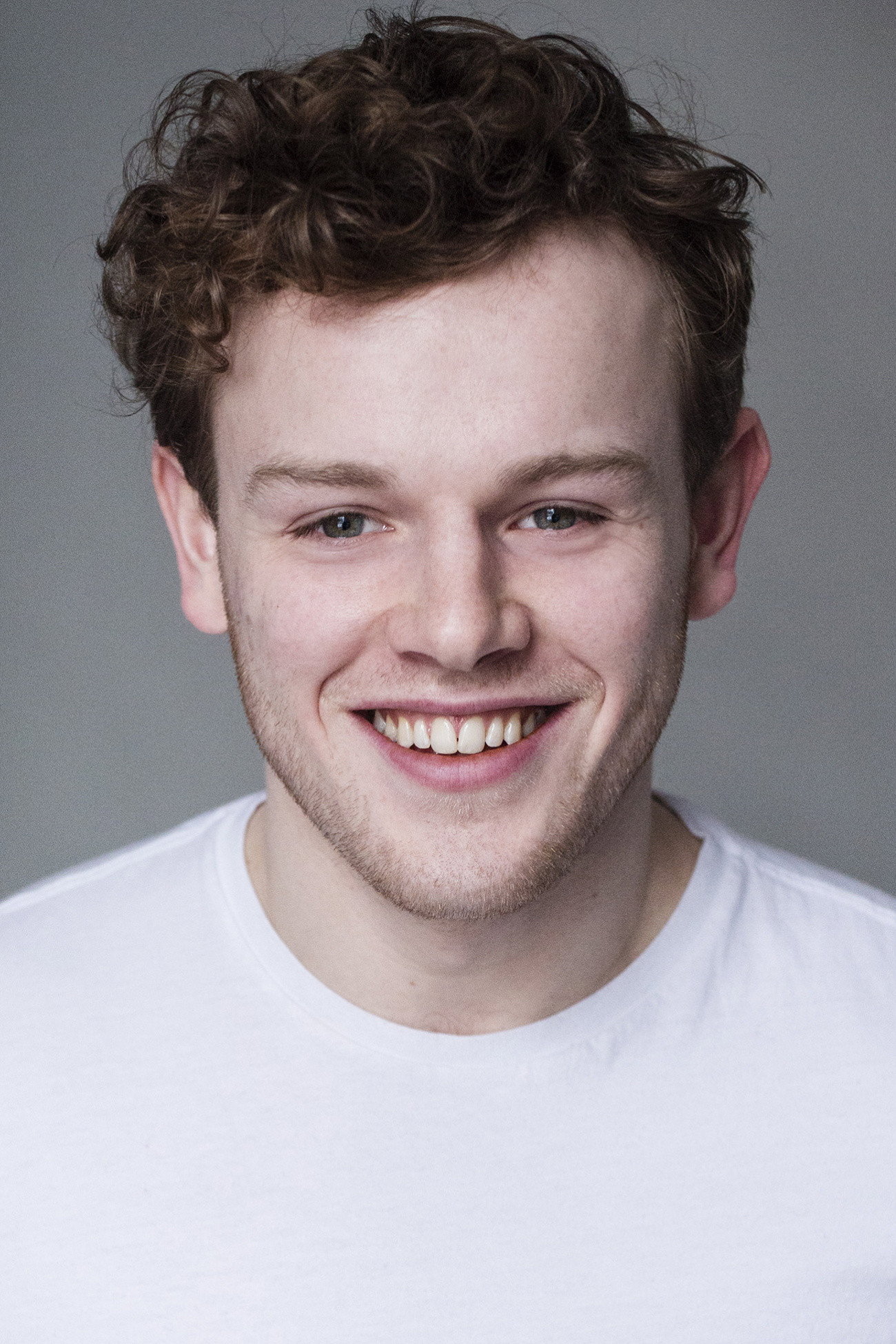
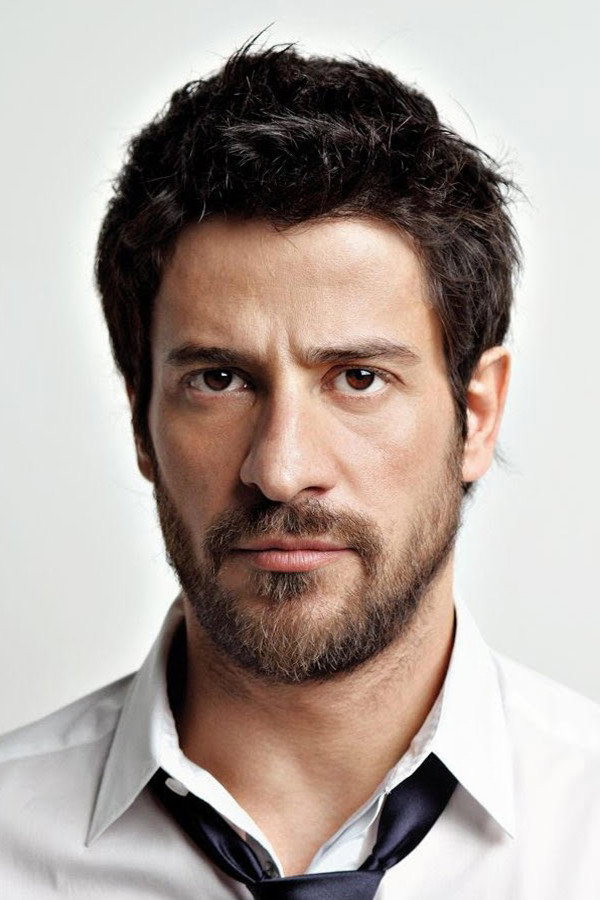
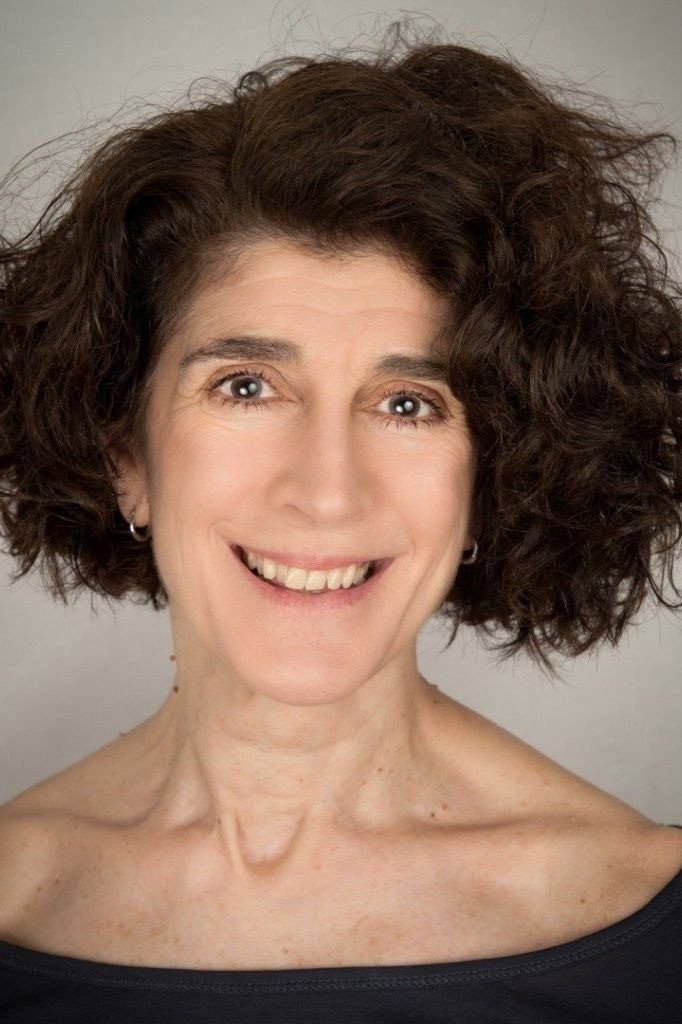
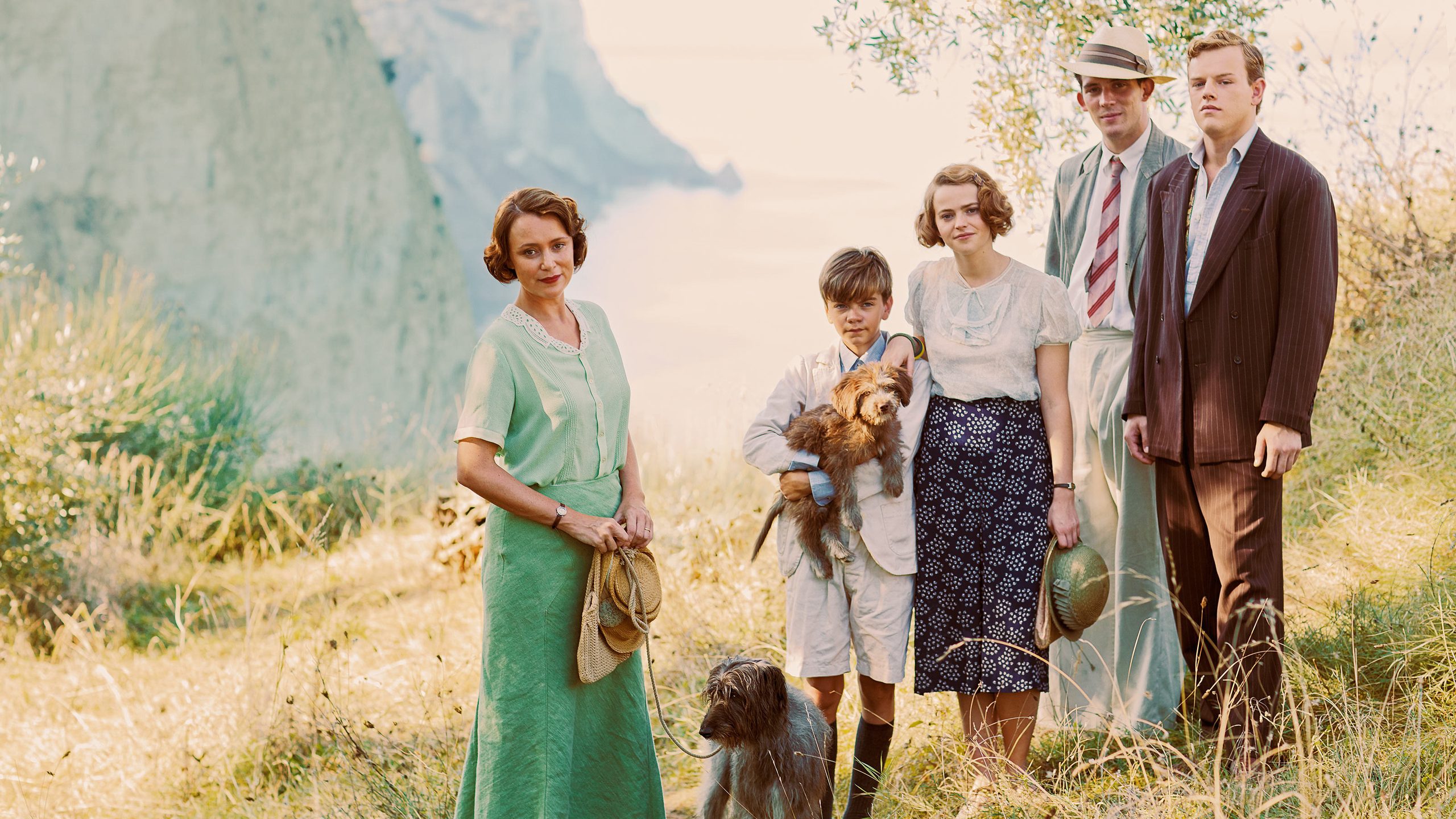
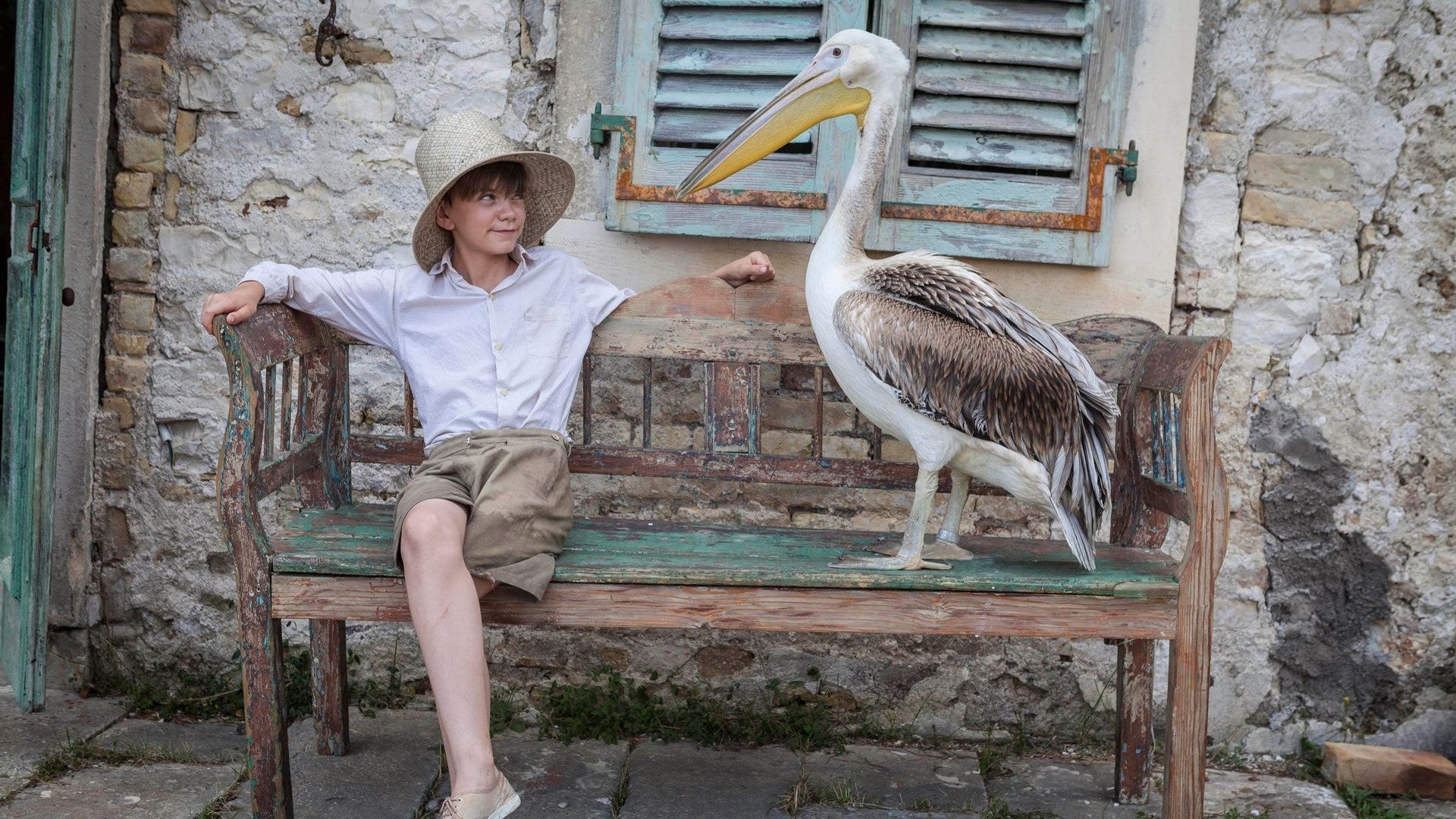
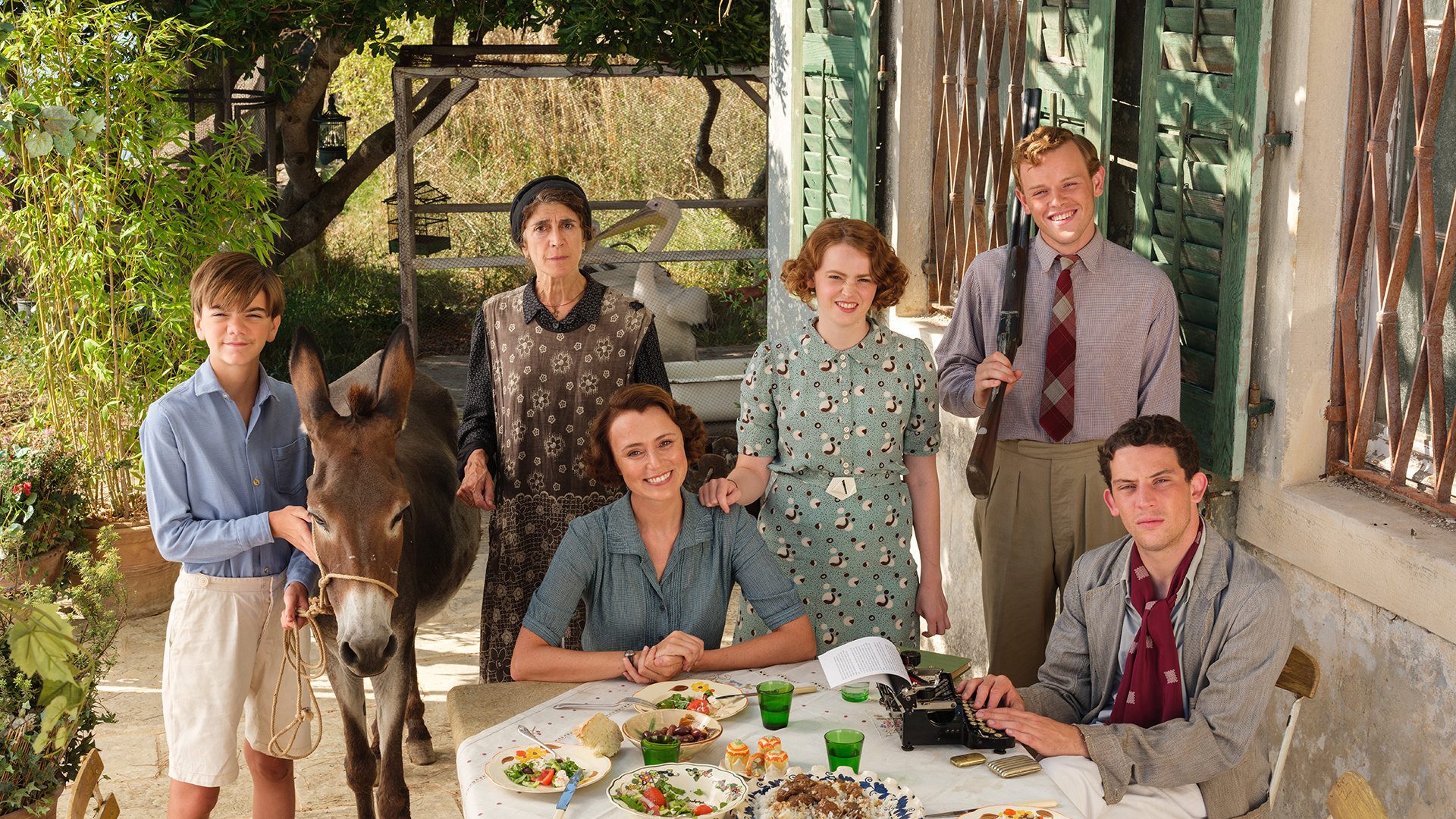
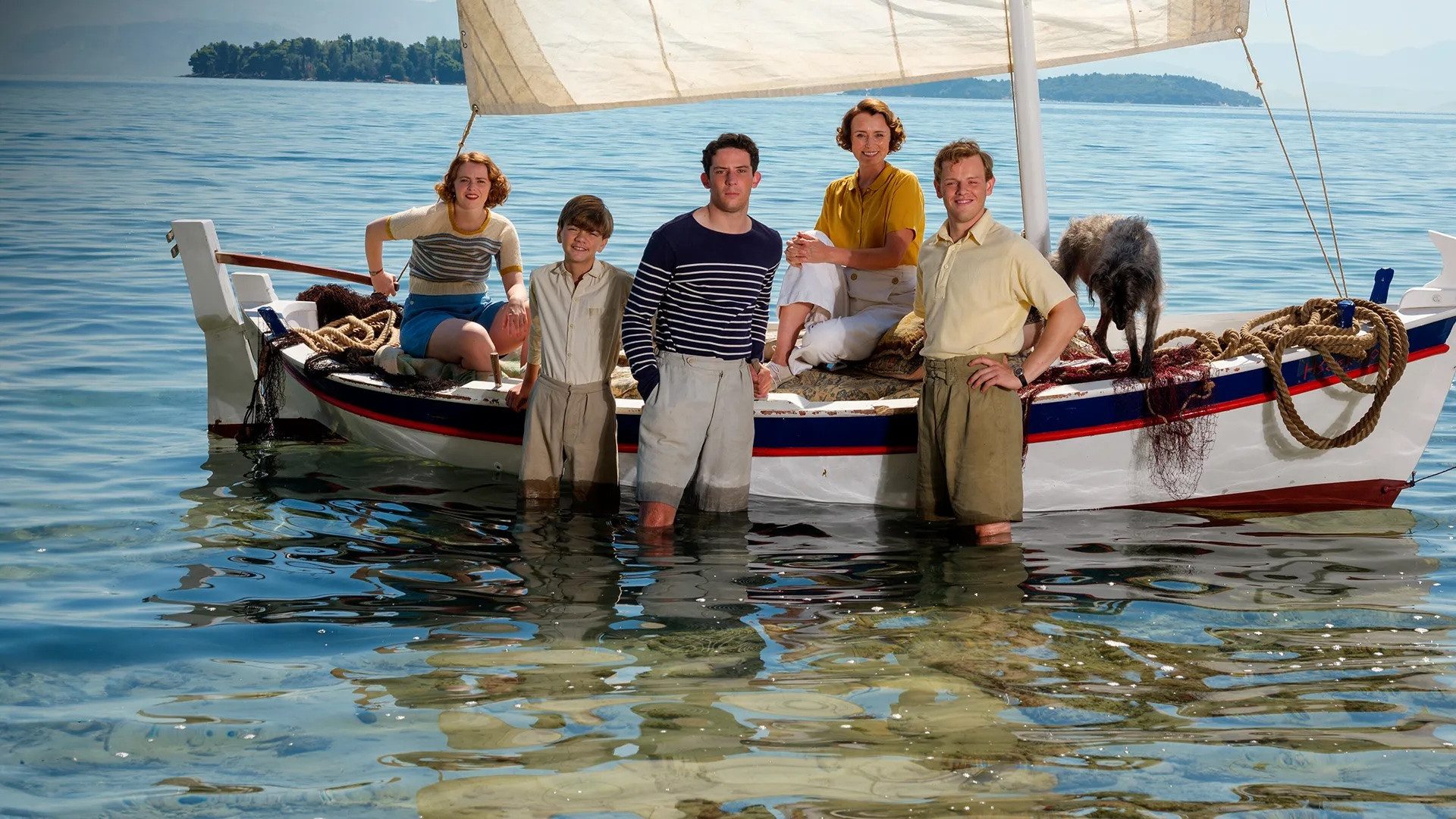
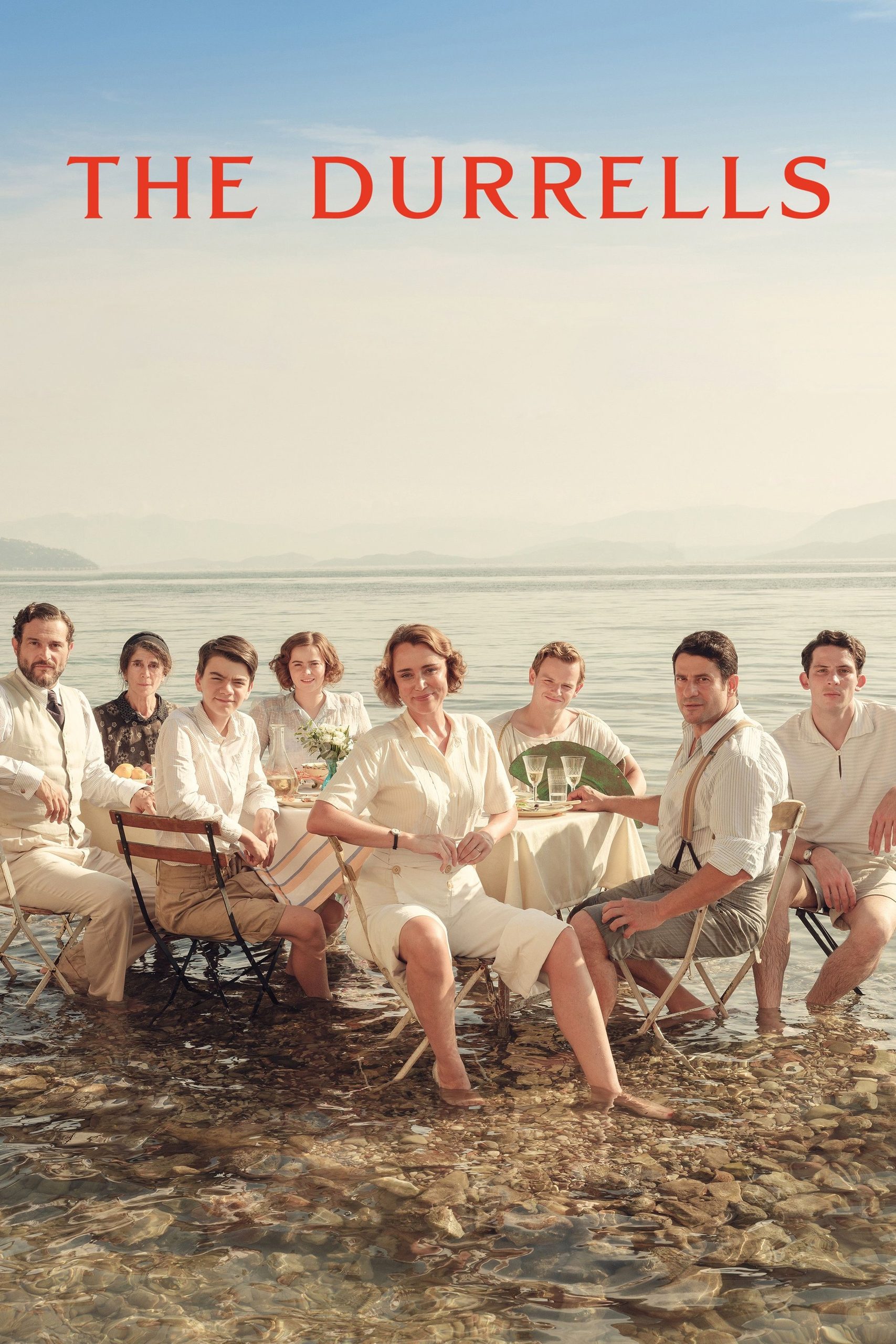
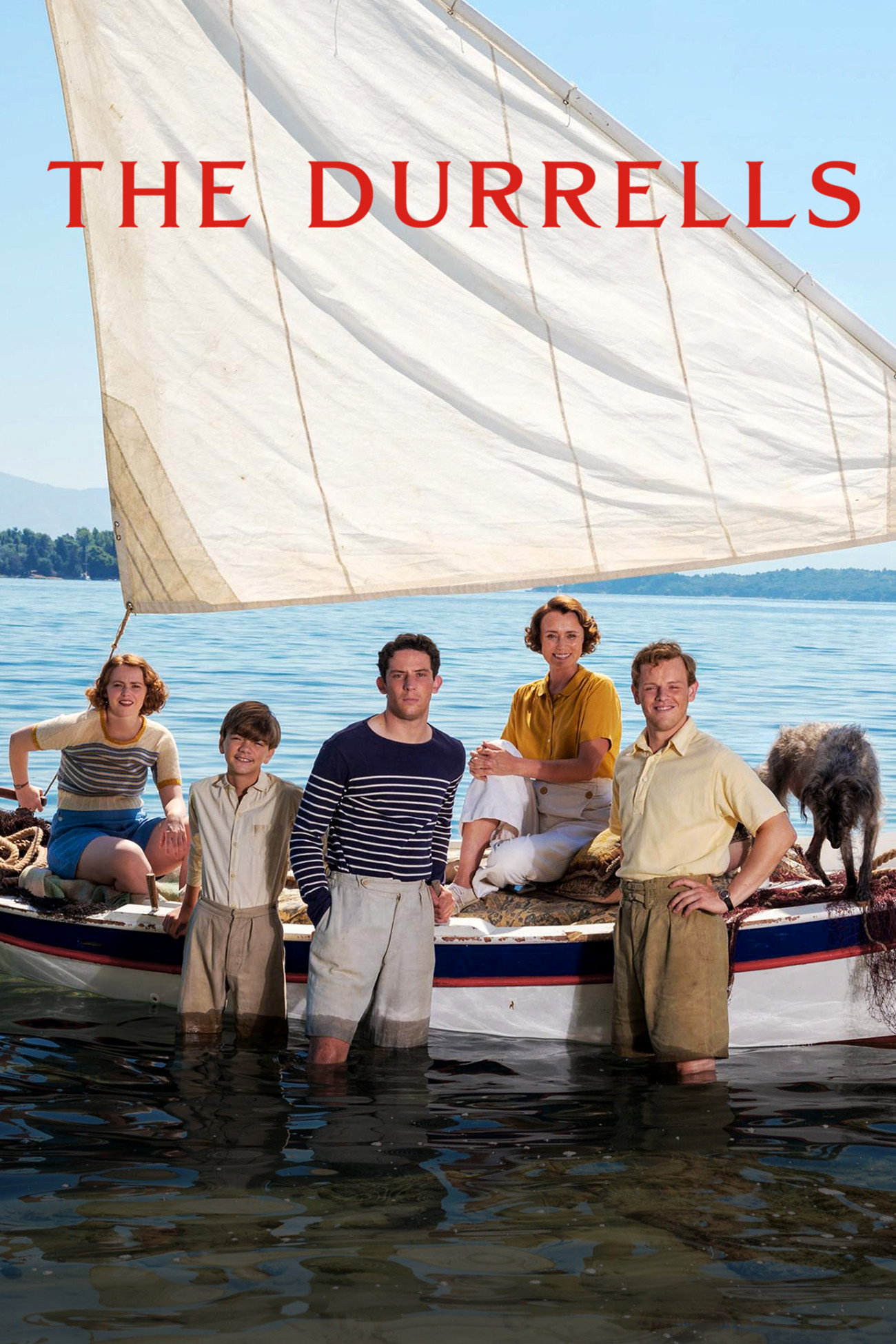
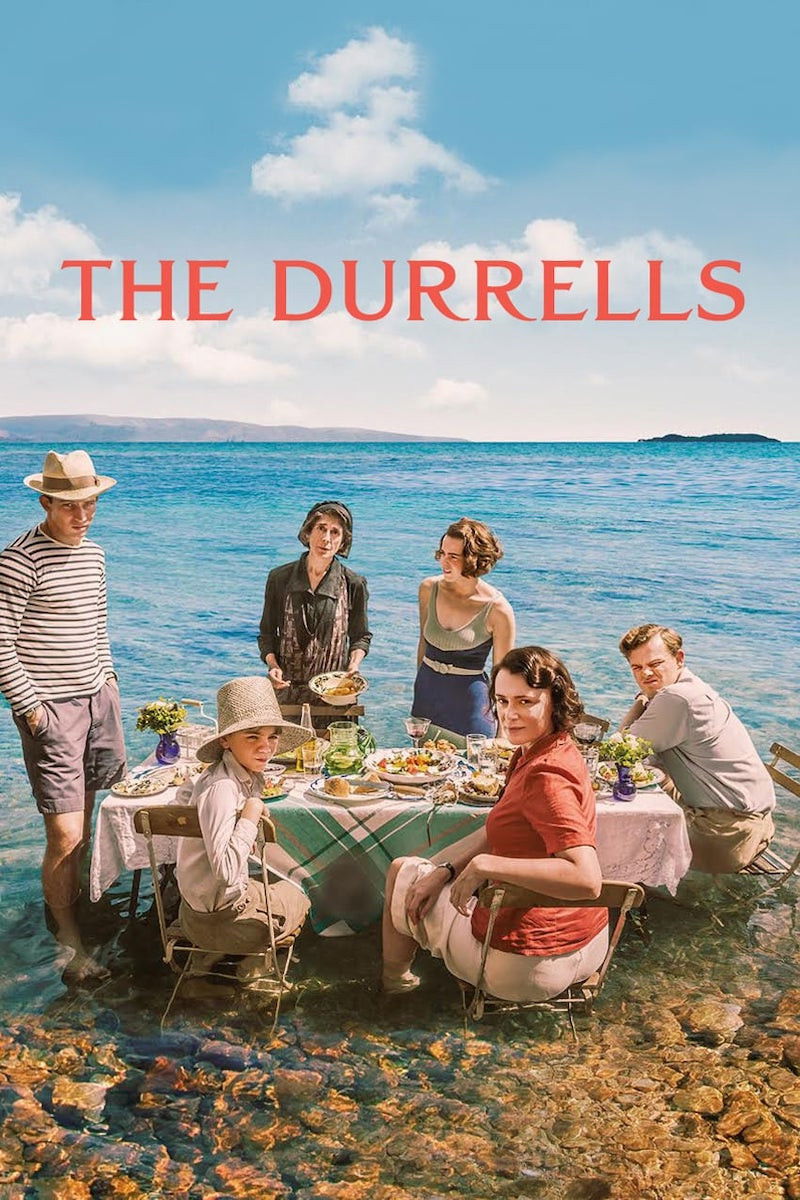
Josh O’Connor, Milo Parker, Daisy Waterstone and Callum Woodhouse make a useful nuisance of the Durrell children, whose squabbles keep interrupting any prospect of tranquillity. Simon Nye lets affection survive a quarrel without asking everyone to become nicer before the next one. The animals add welcome variety to the human fuss, and help prevent the family arguments from becoming the programme’s only source of comedy. Alexis Georgoulis, as Spiros Halikiopoulos, adds to the welcoming atmosphere around them. The cast makes that disorder enjoyable, even when we would be reluctant to share a house with the family.
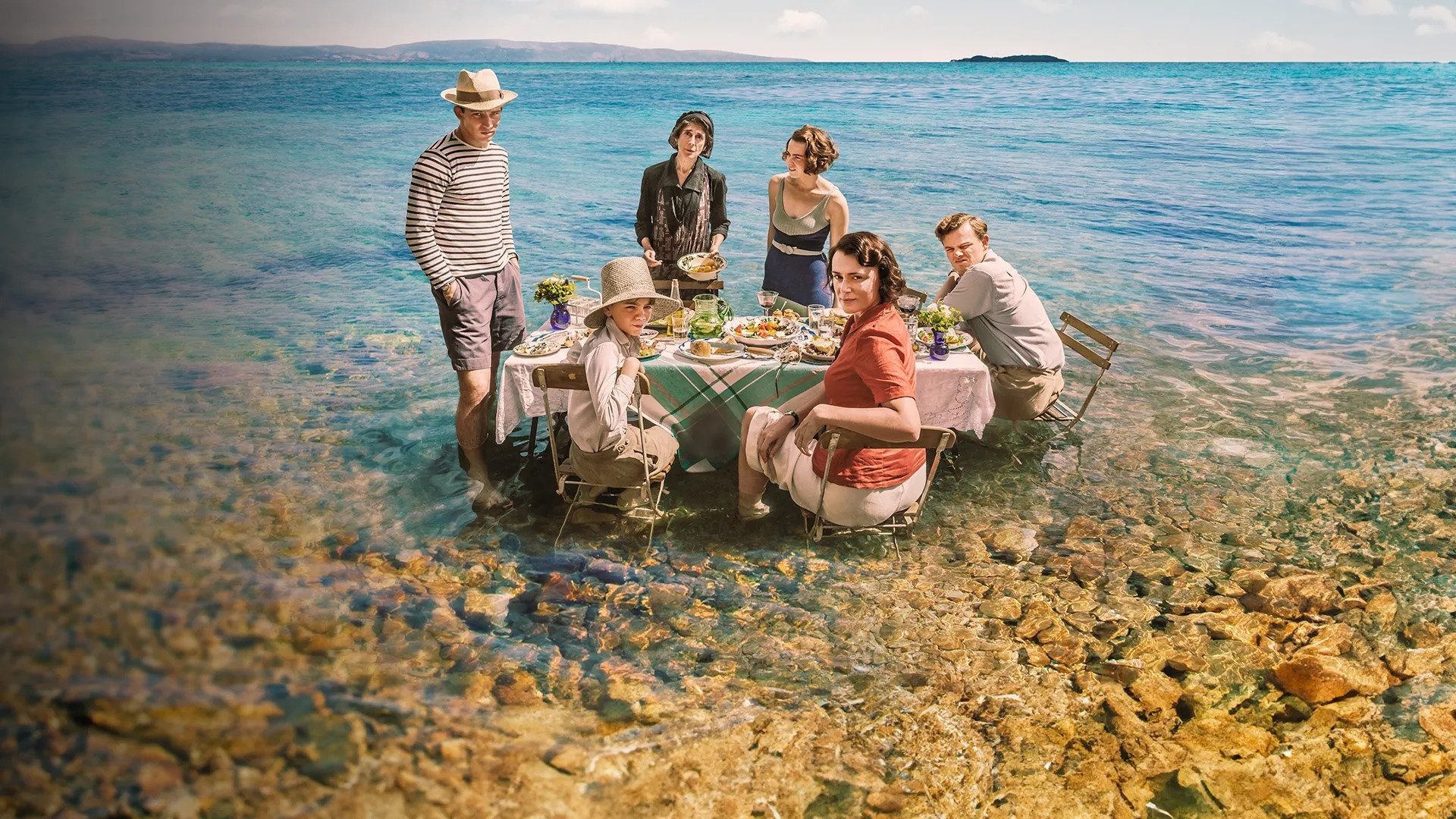
The island is a considerable advantage. With Ashley Rowe and Sam Renton among the cinematographers, the series makes Corfu inviting enough that a lull in the dialogue need not feel like wasted time. The Venetian villa gives the production design a similarly useful starting point: the setting is somewhere we want to spend an episode, even when the inhabitants are being difficult. There are stretches, though, when the scenery supplies more pleasure than the story, and the programme seems happy to leave it at that.
That ease extends to the rhythm. The editing team, which includes Dave Thrasher and Vicky Tooms, gives the family friction room to develop instead of hurrying each exchange towards the next joke. Ruth Barrett’s music supports the gentle comedy without demanding that every disagreement should matter terribly. The relaxed pace occasionally leaves the cast sustaining interest without much fresh material, and a firmer cut would help.
Family comedy needs people we can tolerate at close quarters, even when they are behaving badly. The Durrells understands that affection need not make the children easy, and that Louisa Durrell deserves attention beyond her usefulness to them. That gives Simon Nye’s writing enough adult interest to hold us between the squabbles and the animal encounters. Choose it when a difficult family in a pleasant place sounds like company.