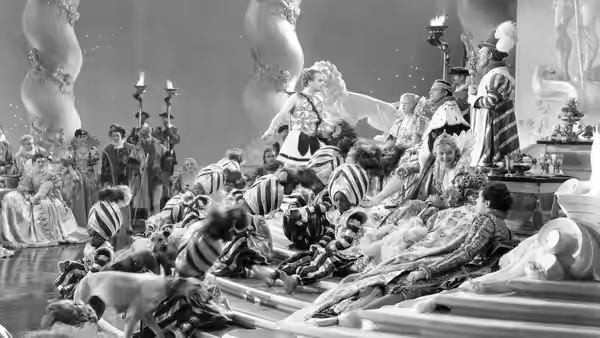
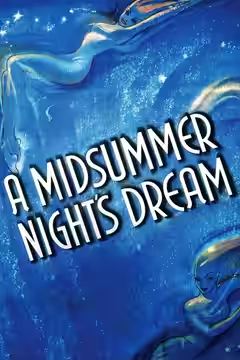
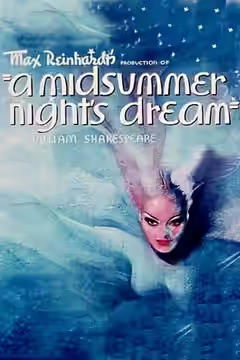
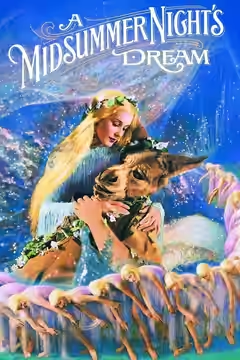
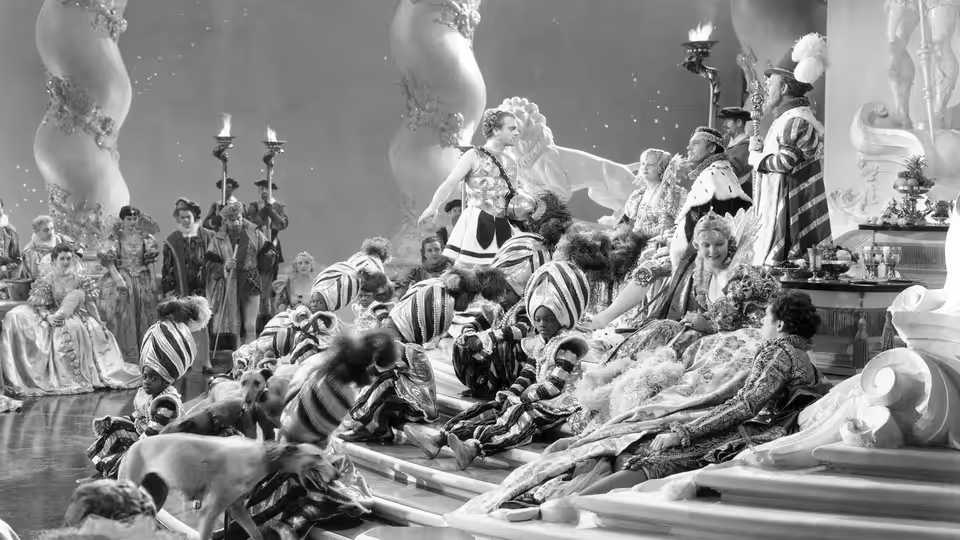
A woman in ornate costume presides over attendants in striped outfits on the floor
Film review

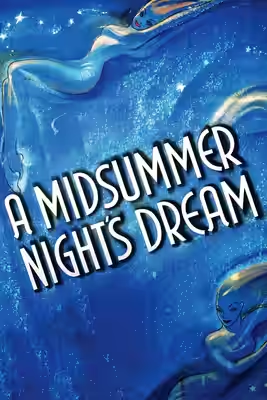
A Midsummer Night's Dream

1935 · Directed by William Dieterle, Max Reinhardt · 2h 23m

In a sentenceJames Cagney in a donkey’s head, and it is still the most natural performance in the wood

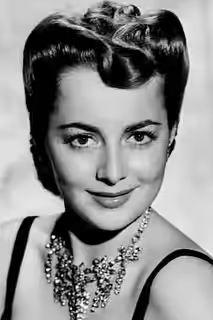
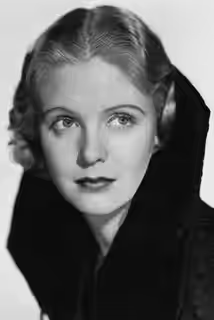
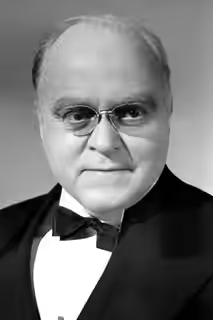
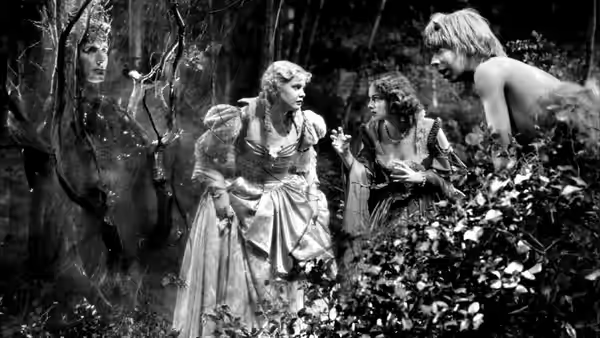
Athens, on the eve of Duke Theseus (Ian Hunter) marrying Hippolyta (Verree Teasdale). Egeus (Grant Mitchell) brings his daughter Hermia (Olivia de Havilland) before the Duke: she must marry Demetrius (Ross Alexander) or face the law. Hermia loves Lysander (Dick Powell), and the two agree to slip out of the city that night and meet in the wood. Helena (Jean Muir), who loves Demetrius and is not loved back, tells him where they have gone, and both follow. Meanwhile Quince (Frank McHugh), a carpenter, gathers a company of tradesmen to rehearse a play for the wedding; Bottom (James Cagney), a weaver, wants every part, and Flute (Joe E. Brown) is given the lady. In the same wood, the king and queen of the fairies are quarrelling, and Puck is sent to fetch a flower.

Fi1m review

Max Reinhardt and William Dieterle’s Shakespeare is a Warner Bros. spectacle, all glitter and gauze, and the fairy scenes are lovely to look at. The lovers are stiff and Puck is loud. Worth an evening, for James Cagney’s Bottom and the wood at night.

Max Reinhardt and William Dieterle share the director’s credit on this Warner Bros. Shakespeare, and the studio gave them its contract players to fill the parts. The result is 143 minutes of Shakespeare spoken by people better known for gangster pictures and musicals, with Felix Mendelssohn’s music underneath nearly all of it. It is a good film in patches, and the patches are the ones in the wood.

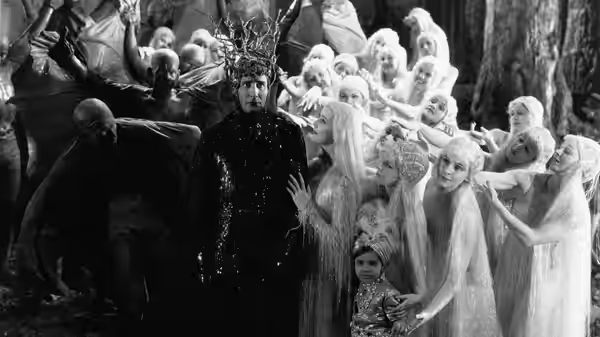
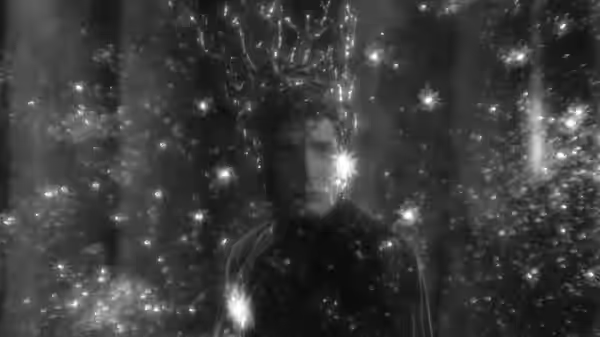
Hal Mohr shoots the forest through gauze, so that every branch carries a rim of light and the trees seem to glitter as if wet with frost. The fairies come down a shaft of light in a slow spiral, small figures in tulle, and Milo Anderson and Max Rée dress them in sequins and cobweb so that the whole troupe sheds light as it moves. There are long stretches with no dialogue at all, only Mendelssohn and dancing. The moment that got us comes near dawn, when a dark, hooded train gathers the fairies up and carries them away into the black behind the trees. Nothing is said. It is Mohr’s light, Mendelssohn’s horns and a great deal of chiffon disappearing, and it moved us more than a fairy ballet in a 1935 studio picture has any business doing.

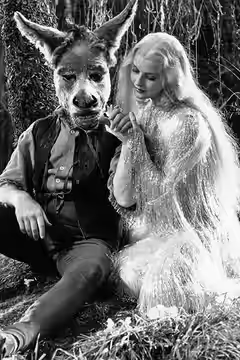
James Cagney is the reason to stay for the rest. His Bottom is a small-town ham who corrects everyone and wants every part, and Cagney plays him at speed, all elbows and certainty. When Puck gives him the donkey’s head, Cagney does something we did not expect: he catches sight of himself, and for a few seconds the mugging stops and he is frightened. Then the ham comes back. Joe E. Brown, as Flute, complains at being made to play Thisbe and then, in the play performed at the wedding, dies at a length that made us laugh out loud. Frank McHugh’s Quince, the company’s harassed director, is the third good clown, and the play-within-the-play is the funniest quarter of an hour in the film.

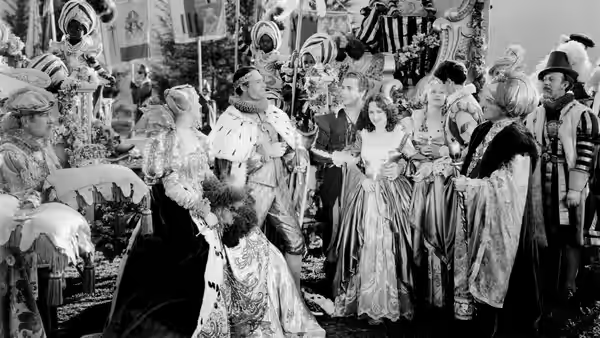
The lovers are the trouble. Dick Powell says Lysander’s lines as if reading them off a telegram, and Ross Alexander’s Demetrius is only a little easier. Olivia de Havilland, young here, is the one of the four who sounds as if she means what Hermia says, and Jean Muir’s Helena is tall and plaintive and gets her laughs. But the four-way quarrel in the wood, which ought to be the play’s best comic scene, is the stretch where we found ourselves wondering how much was left. Ian Hunter’s Theseus and Verree Teasdale’s Hippolyta are stately in a white palace and little more.

Then there is Puck. He is played as a feral thing, shrieking, cackling and rolling on the ground, and his laugh is a klaxon. We winced at it the first three times. Then we came round, because his is the only performance that treats the fairy world as dangerous rather than pretty, and Oberon, low-voiced and glaring at the centre of the night scenes, backs him up. Between them they give the wood a threat the design does not.

Charles Kenyon and Mary C. McCall, Jr. cut the text without breaking its shape, and the verse that survives is mostly the verse you would want. Ralph Dawson, editing, is more indulgent; the dances run long, and the second ballet is where we were bored and then irritated about being bored, because the film had just shown us it could do better. Henry Blanke produced, and the money is on the screen in every shot of the forest.

Set against the film’s own ambition, it is half a success. Reinhardt wanted a Shakespeare that looked like nothing else, and in the wood he got it. He also wanted it spoken well, and the studio gave him Cagney, Brown and de Havilland and then several people who could not do it. Watch it late, with the lights off, forgive the lovers, and wait for the tradesmen’s play.
Critical consensus AI synthesised

75
Positive
4
Mixed
0
Negative
0
The Independent
30 October 1994
80*

The 1935 Warner Bros. film is a model Shakespeare adaptation, respectful of the text and lustily played. It excels particularly in its glittery, gossamer fairyland designs and in James Cagney's energetic Bottom.

Read the full review →
Time Out
10 September 2012 · GA
80*

The critic finds it not the most faithful adaptation of Shakespeare but certainly one of the most charming, with surprisingly superb performances especially from Cagney as Bottom and a young Rooney as Puck. Visually it is a triumph of art direction and luminous photography, and the fairy scenes in the forest are beautiful enough to move the viewer despite some justified accusations of kitsch.

Read the full review →
The New Yorker
12 October 1935 · John C. Mosher
70*

The production is a spectacular show with imaginative fairy sequences and strong turns from the clowns, especially Joe E. Brown as Flute and James Cagney as Bottom. The lovers falter with the language and antics, and Puck's howls are jarring, but the overall effort enriches the screen Shakespeare canon.

Read the full review →
Variety
31 December 1934 · Variety Staff
70*

The film successfully adapts Shakespeare on a lavish scale with enchanting fantasy sequences, beautiful photography, and a charming Mendelssohn score. Some performances stand out, including Victor Jory as Oberon and Olivia de Havilland as Hermia, though Dick Powell and Mickey Rooney are less effective.

Read the full review →

Straight answers AI written, from our review

Is A Midsummer Night's Dream worth watching?
A Midsummer Night's Dream is worth watching for anyone who can forgive some stiff lovers for the sake of a glittering wood and three good clowns, and we scored it 74. Hal Mohr's gauze-lit forest and James Cagney's Bottom are the reasons to stay; Dick Powell's Lysander and an overlong second ballet are the reasons some viewers will drift. Watch it late, with the lights off.
How long is A Midsummer Night's Dream, and what is it rated?
A Midsummer Night's Dream runs 2h 23m. It is a fantasy and romance film.
Where can I watch A Midsummer Night's Dream in Ecuador?
A Midsummer Night's Dream is not on any streaming or rental service in Ecuador at the moment. It is available in 5 other countries; change your country at the top of the page to see where. Availability is checked daily.
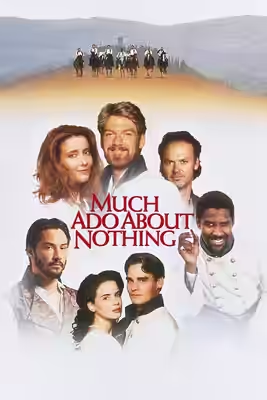
How does A Midsummer Night's Dream compare to Much Ado About Nothing?
A Midsummer Night's Dream is the stranger and more beautiful of the two, and Much Ado About Nothing the better acted. The 1935 film puts its money into the fairy wood and lets its lovers go stiff; the Branagh film plays fast and sunny, with Thompson and Branagh making the sparring romance persuasive, though its physical comedy runs away with itself. Both are stolen by the clowns.
What should I watch after A Midsummer Night's Dream?
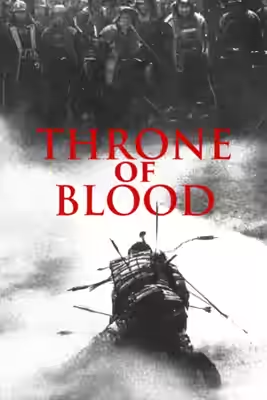
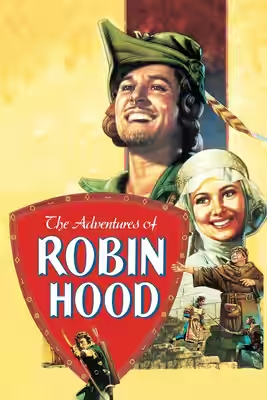
After A Midsummer Night's Dream, try Much Ado About Nothing (1993, Fi1m 78): Shakespeare’s comedy played fast and sunny, with the clowns again stealing it. Then Throne of Blood (1957, Fi1m 88): Kurosawa’s Macbeth, with a forest that is far more frightening than pretty; and The Adventures of Robin Hood (1938, Fi1m 90): Olivia de Havilland again, in the same studio’s brightest and least worried spectacle.

Cast

Awards

Academy Awards, 1936

Nominated
Best Picture
Won
Best Cinematography
Won
Best Film Editing

If you liked this, try…

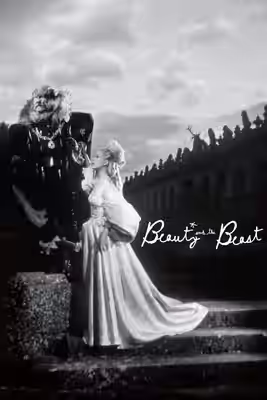
  1. La Belle et la Bête (1946) · not reviewed yetCocteau makes a fairy tale out of gauze, candlelight and slow movement, as this film does.

  2. Much Ado About Nothing (1993, Fi1m 78)Shakespeare’s comedy played fast and sunny, with the clowns again stealing it.

  3. Throne of Blood (1957, Fi1m 88)Kurosawa’s Macbeth, with a forest that is far more frightening than pretty.

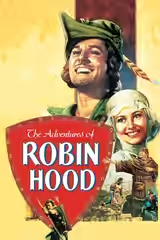
  4. The Adventures of Robin Hood (1938, Fi1m 90)Olivia de Havilland again, in the same studio’s brightest and least worried spectacle.

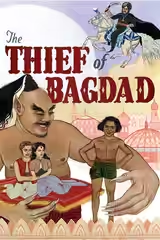
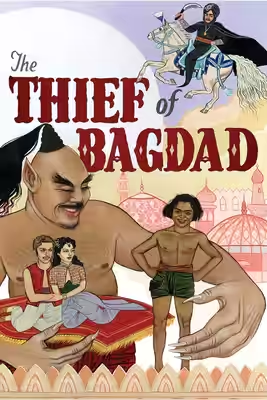
  5. The Thief of Bagdad (1940) · not reviewed yetAnother studio spending everything to make the impossible look easy, this time in Technicolor.

Free account

Know what to watch tonight

Two lists that know where things are streaming, collections you can share, your own score beside ours, and Discover that remembers what you have seen.

  • Want to see, sorted by what is streaming now
  • Seen, with your score out of ten
  • No adverts, ever