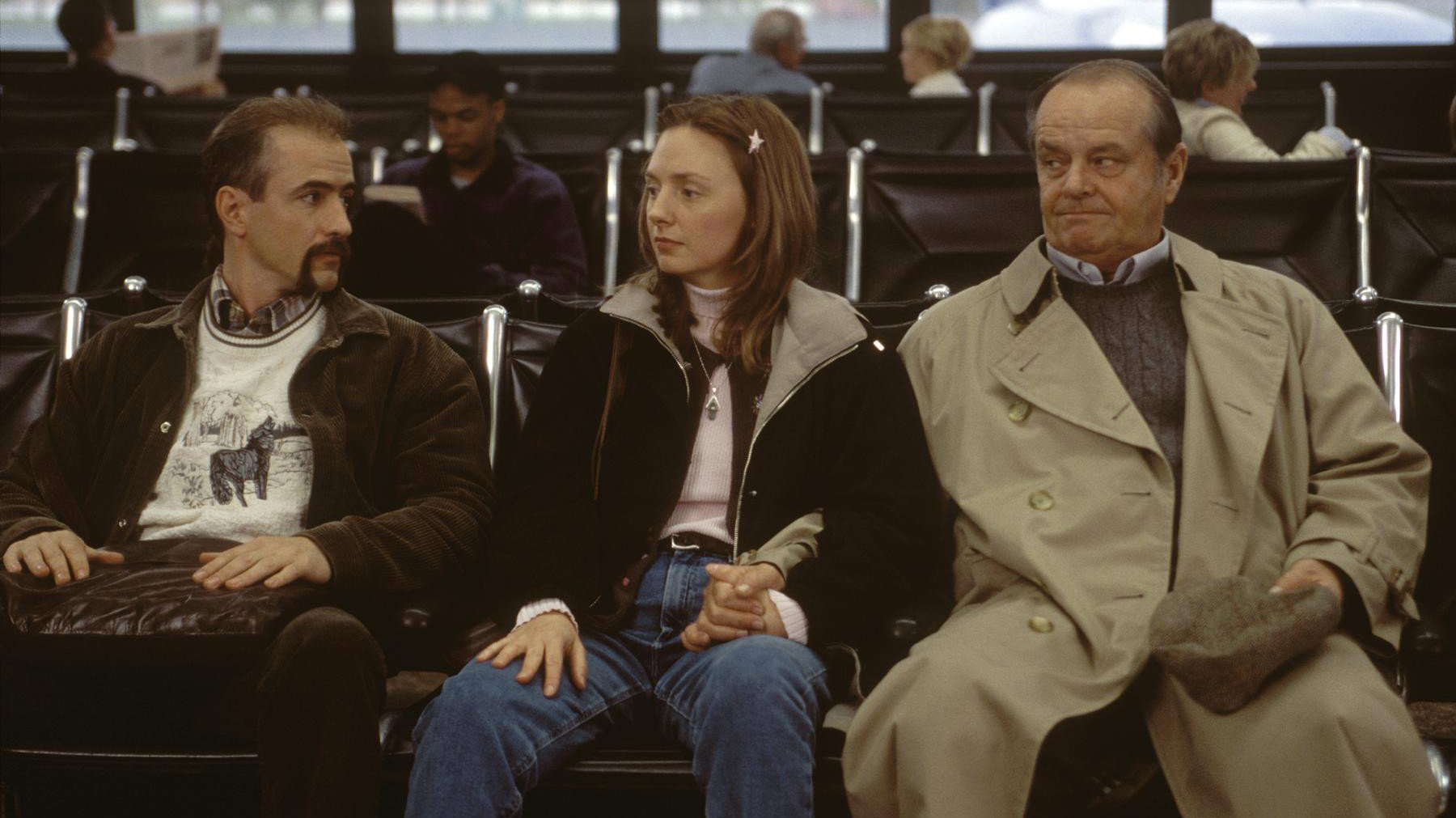
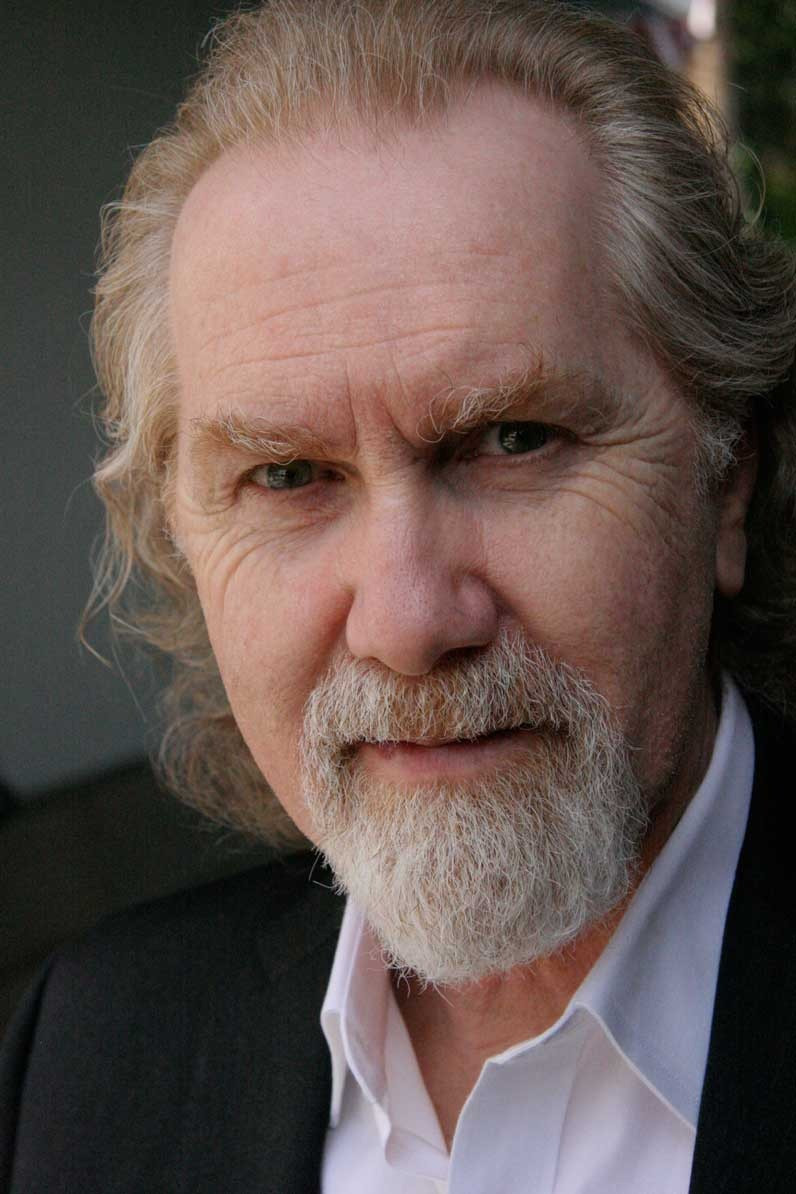
Jack Nicholson makes Alexander Payne’s uneven retirement comedy worth the evening. His restrained performance gives Warren Schmidt a sadness the film earns, even when its jokes about the people around him come too easily.
Alexander Payne’s About Schmidt is a good, uneven comedy built around Jack Nicholson’s patient attention to an unexceptional retiree. It is funny, observant and sometimes needlessly pleased with its own jokes about other people’s taste. Payne and co-writer Jim Taylor ask what happens when a man can no longer introduce himself by saying what he does for a living. They spend a long time with Warren Schmidt, and his unhappiness becomes harder to shrug off as we get to know him.
Nicholson keeps Warren’s self-importance visible without making every moment an invitation to laugh at him. The sponsorship letters give Warren a listener he does not have to face, and the device lets Nicholson be confiding without becoming ingratiating. Warren has the opportunity to explain himself at length. What emerges is a man whose habits of thought have not prepared him for much beyond the life he already knows. That is a narrow part to sustain, and Nicholson finds more variation in it than the writing always provides.
Kathy Bates, as Roberta Hertzel, provides a useful change in the in-laws scenes. Her directness puts pressure on Warren’s reserve, and the film becomes funnier when another person can interrupt his private account of things. We laughed at his discomfort, then felt rather mean: Nicholson makes that stiffness look like something he cannot switch off. Bates gives these encounters a welcome energy, though Payne’s enjoyment of their broad comedy can make the surrounding loneliness seem briefly forgotten.
James Glennon’s road-trip photography gives us space after so much time with Warren’s complaints, and the journey benefits from being allowed to look ordinary. There is no need to make the landscape promise a cure. Jane Ann Stewart’s production design supplies plenty of social detail, but its emphasis on tackiness occasionally encourages us to inspect the surroundings for further reasons to laugh. The places feel inhabited; the trouble is the suggestion that their inhabitants ought to have chosen better.
Kevin Tent’s editing gives the uncomfortable comedy time to develop, sometimes more time than it needs. The movement between private misery and broad farce can be bumpy, and several passages repeat a point we have already understood. Rolfe Kent’s music is less persuasive when it seems to underline a mood Nicholson has already made clear. At those points we wanted the film to leave its leading actor alone, because his performance needs so little help.
The familiar temptation in a late-life road film is to make every encounter improve the traveller. Payne keeps returning to Warren’s awkwardness and self-absorption, even when it would be easier to give us somebody more likeable. He takes seriously the possibility that having time to reflect will not make a person better at it. What holds the film back is the uneven treatment of the people around Warren, who are not always granted the patience Nicholson receives.
Choose this for an evening when there is room for discomfort as well as laughter. Expect a slow film, and do not expect retirement to make Warren suddenly wise or agreeable. Go for Nicholson, and allow for a director who sometimes keeps a joke at someone else’s expense longer than he should.