Robin Williams and the animators make Aladdin a funny, inventive family musical. We recommend it for the songs and visual comedy, with reservations about the thin romance and careless Arab caricatures.
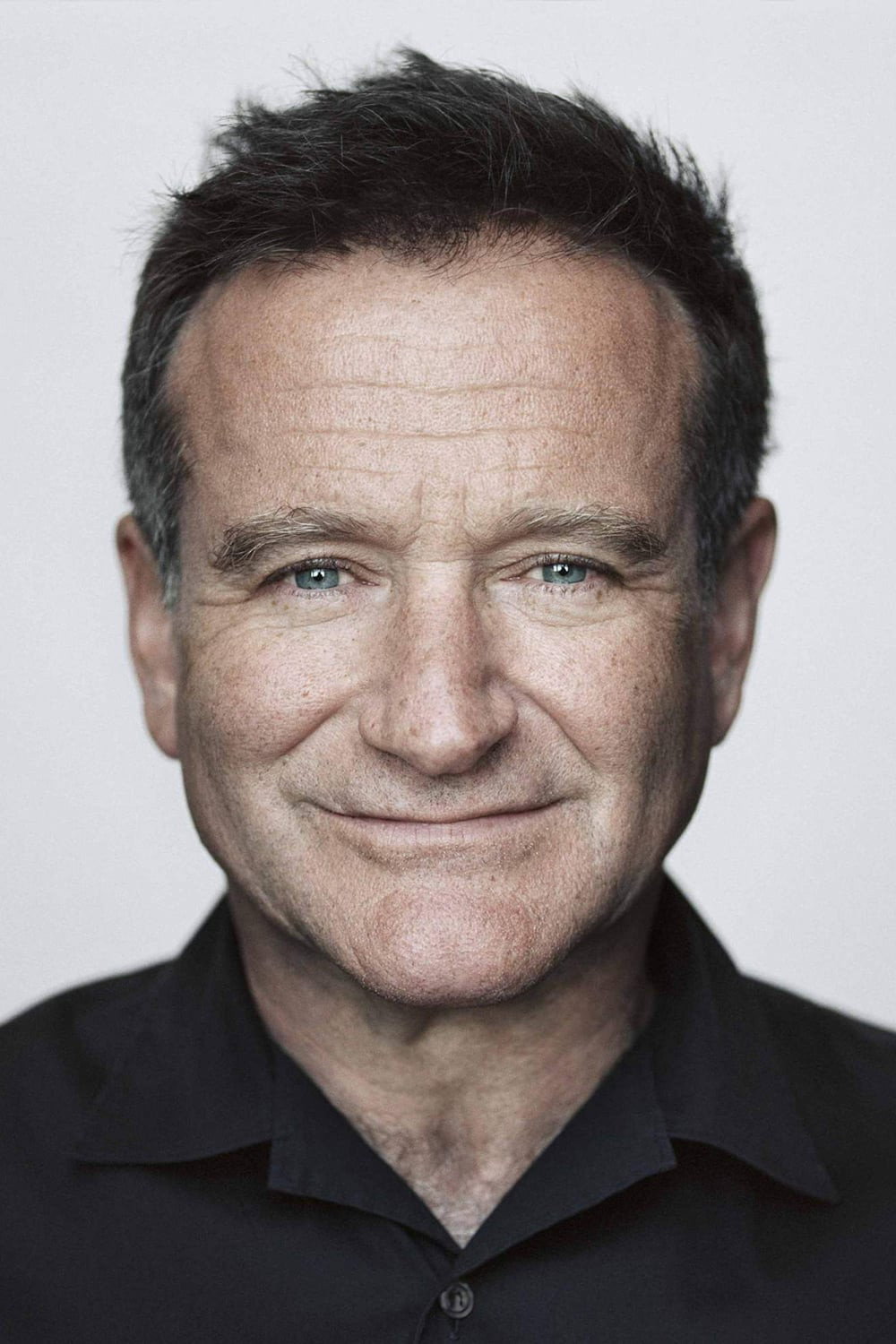
Aladdin is a funny, nimble family musical, though the romance has to work hard for attention. Directors John Musker and Ron Clements give Robin Williams’s Genie the freedom to interrupt almost everything else, and the film improves whenever he does. That could have made the adventure feel like an inconvenience between comedy routines. Instead, the animation finds enough to do with his voice to make the interruptions worth waiting for. We recommend it for the comedy and the songs.
Williams sounds as though each thought has arrived before the previous one is finished. We laughed at the Genie’s changes of shape, because each new voice gives the animators another body to invent. The pleasure comes from seeing how quickly a vocal mannerism can become a physical joke. Occasionally the barrage wears us out, but it seldom leaves a weak idea sitting there for long.
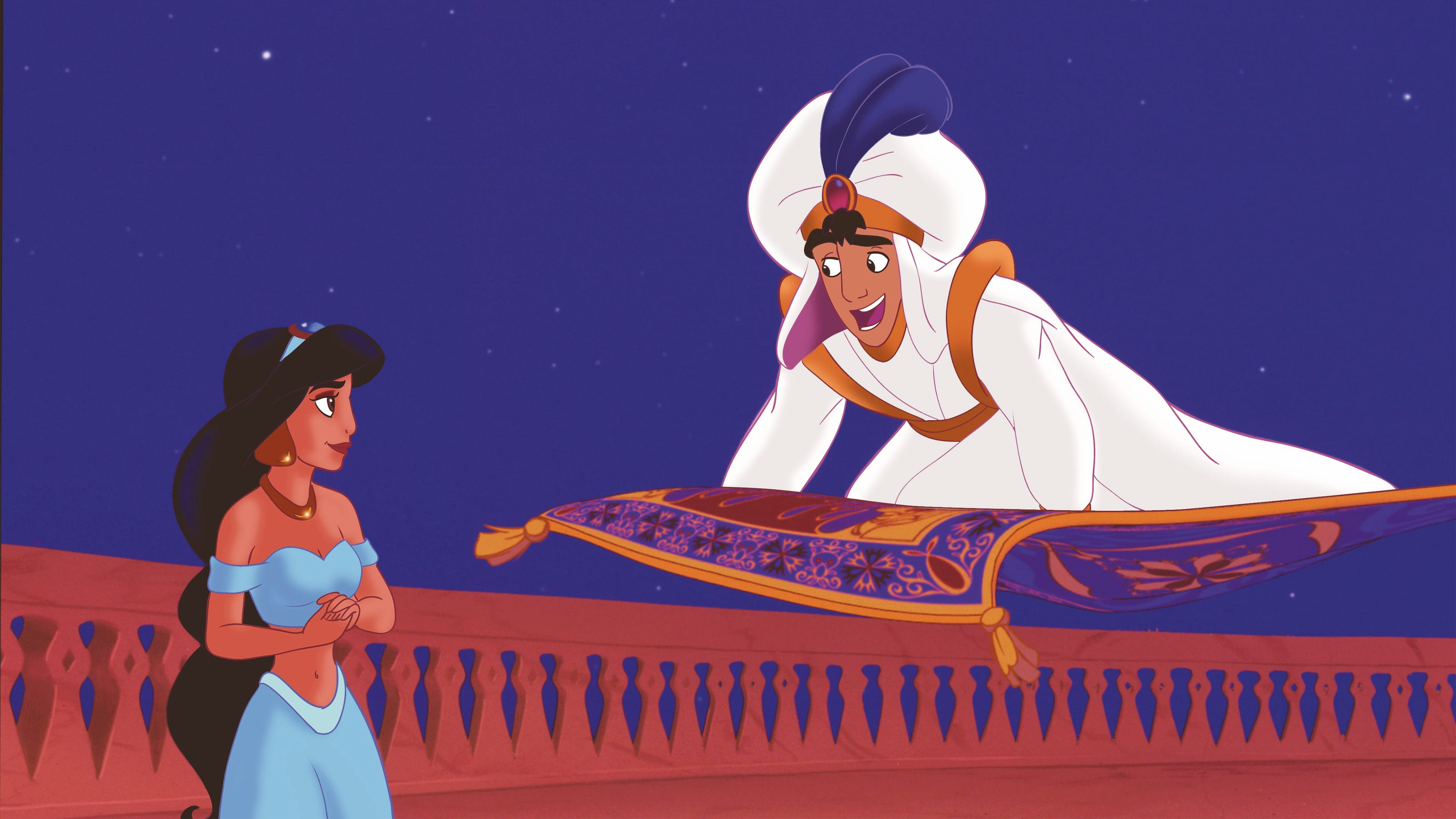
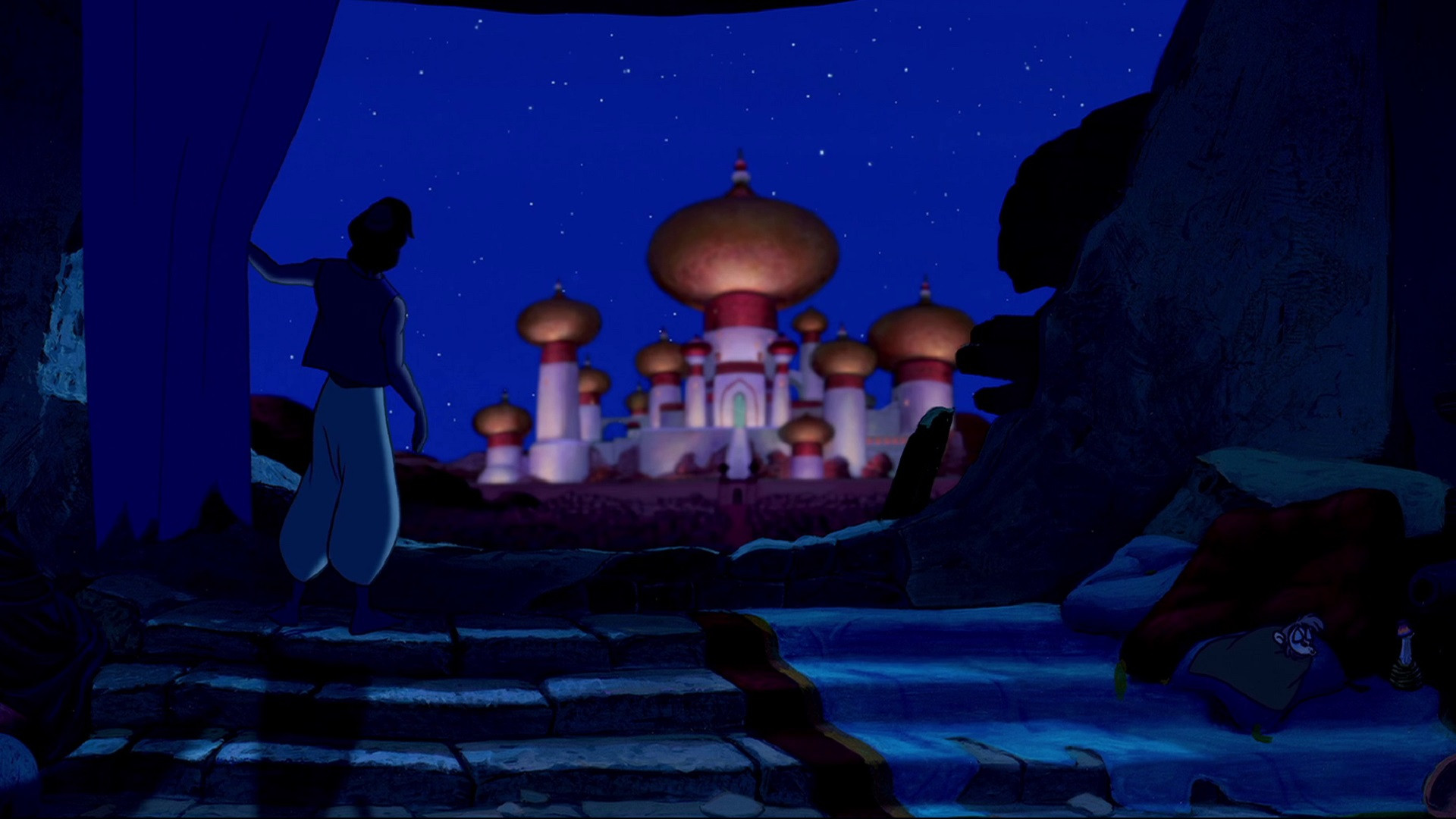
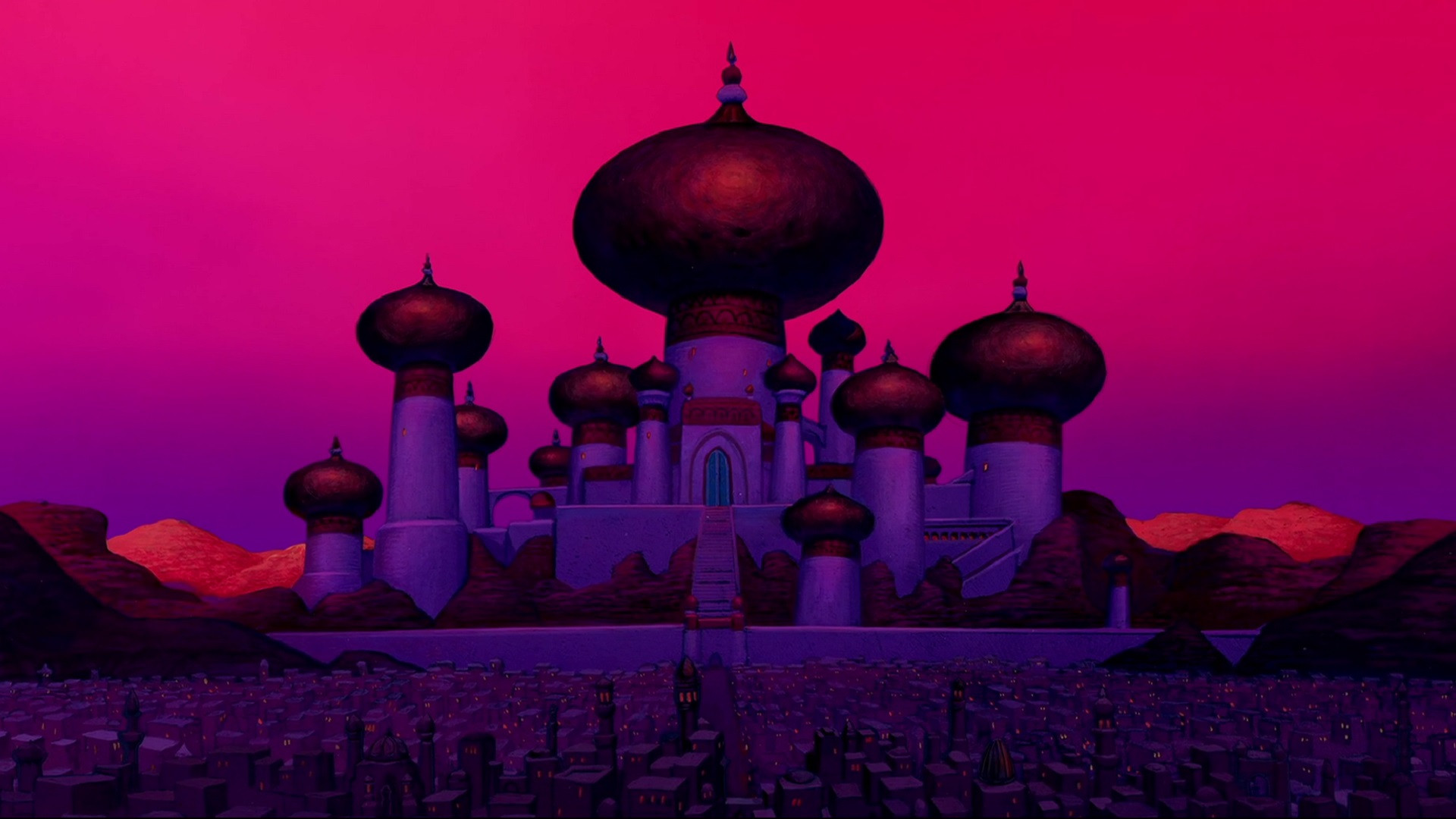
R.S. vander Wende’s production design makes the rich colour and elaborate decoration feel at home beside that comic excess. The images remain readable through the action, which matters more than how much can be fitted into them. The magic carpet is a smaller, equally useful achievement: its expressive animation makes it register as another performer. We can enjoy its movements without waiting for someone to explain the joke. There is room for quiet visual comedy even with Williams talking.
Alan Menken’s music gives the film something solid to return to when the comedy threatens to scatter it. “Friend Like Me” has the bustle the Genie needs, and the songs make the surrounding adventure feel part of the same entertainment. Brad Caleb Kane and Lea Salonga supply the singing voices of Aladdin and Jasmine, giving the romance a directness their spoken exchanges sometimes lack. H. Lee Peterson’s editing keeps the 91 minutes brisk without making every musical passage feel hurried.
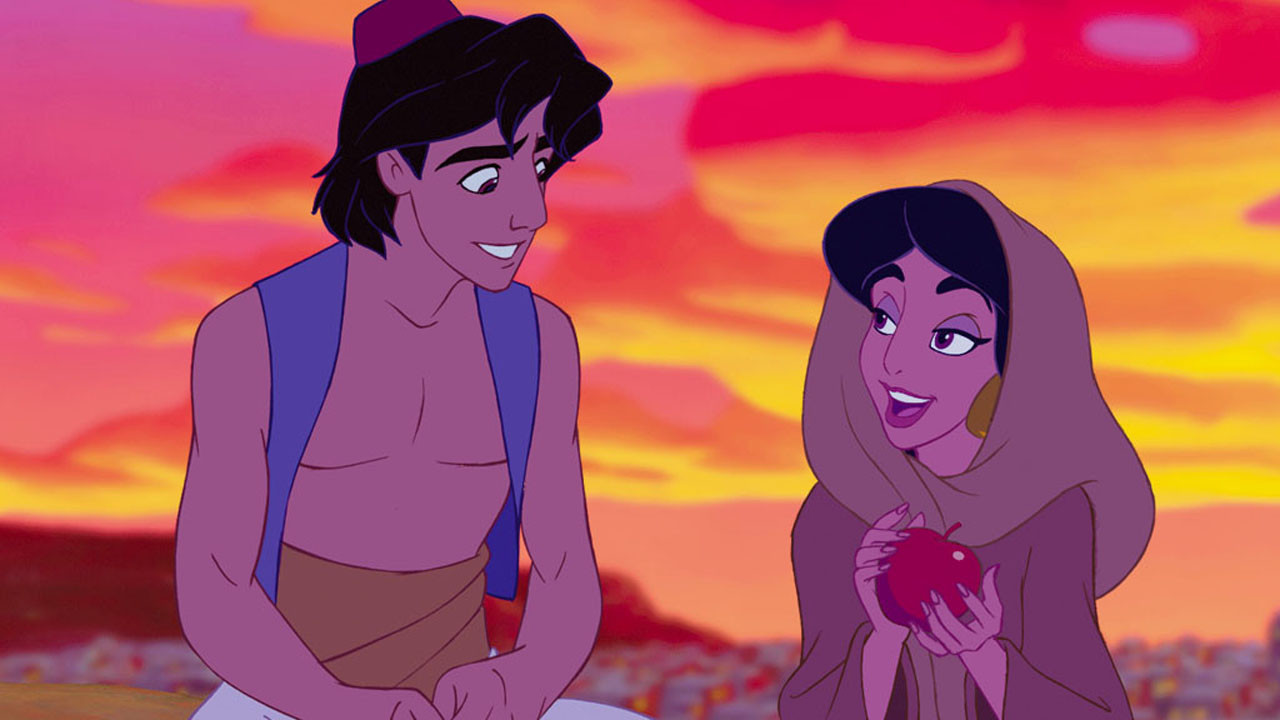
The central couple are the limitation. Scott Weinger’s Aladdin and Linda Larkin’s Jasmine are pleasant company, but neither speaking performance has much chance against the supporting cast’s comic freedom. Jonathan Freeman’s Jafar is sharply voiced, while Gilbert Gottfried gives Iago an abrasive insistence that is funny in small doses. The screenplay, credited to Musker, Clements, Ted Elliott and Terry Rossio, does not make the lovers’ conversation as lively as the interruptions. Their songs do more of the persuading.
The film’s treatment of its Arabian Nights setting is less assured. Its appetite for caricature too often reduces Arab culture to something exotic to look at, and the liveliness does not make that harmless. We need not demand a history lesson from a fantasy to want more care in how people are drawn. This is a real caveat to the pleasure, even when the colour, action and comedy are working.
As a family musical, it understands that a joke should still work for someone who misses the reference. The changing shapes give children something to follow while the vocal impersonations keep adults occupied. Choose it for the songs and the visual comedy; expect to be fonder of the carpet than of the courtship.