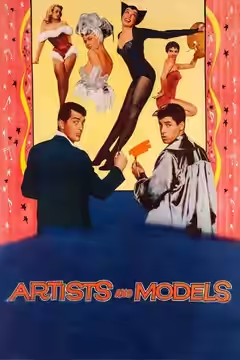
Frank Tashlin’s comedy is worth the noise for its colour, comic-strip mischief and Shirley MacLaine. Dean Martin and Jerry Lewis supply plenty of energy, though 110 minutes gives their less successful routines too much room.
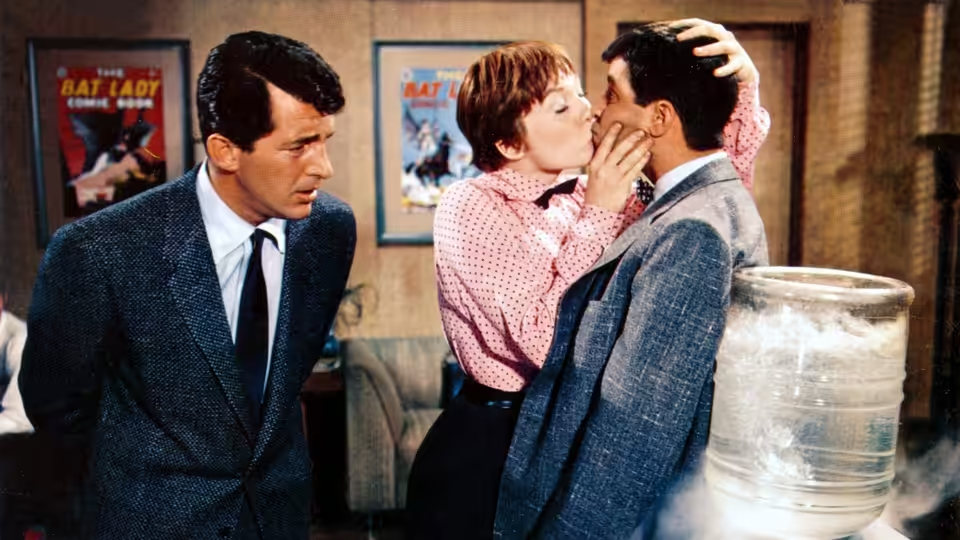
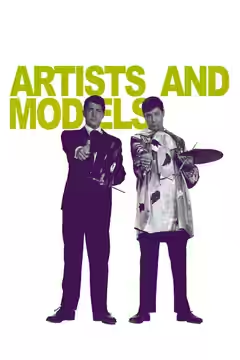
Artists and Models is a good comedy with a fairly high tolerance for its own bad behaviour. Frank Tashlin takes Dean Martin and Jerry Lewis, surrounds them with spies and models, and gives their antics the bright colour and exaggerated energy that comic strips encourage. The result is enjoyable enough to forgive the stretches when everyone seems to be working harder than the joke deserves. We recommend it for an evening of broad physical comedy, with a warning about how insistently broad it can become.
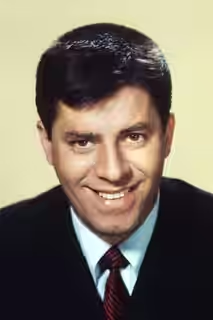
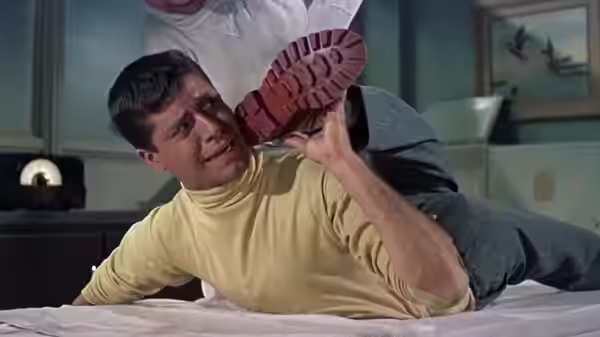
Eugene Fullstack’s comic-strip obsession gives Jerry Lewis something more useful than a general invitation to be frantic. There is a recognisable unease behind the fooling: children are being offered violent fantasies, and the grown-ups hardly seem equipped to keep those fantasies in proportion. We laughed at Eugene’s fixation, then felt uneasy about what was feeding it. Frank Tashlin keeps that discomfort close enough to the comedy to make the silliness interesting, without turning the film into a lecture about suitable reading.
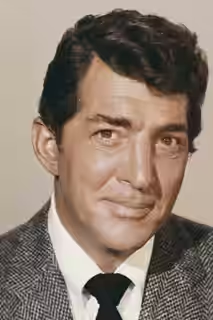
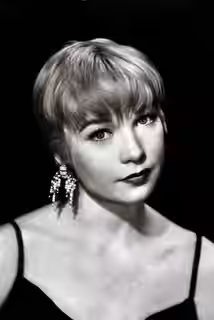
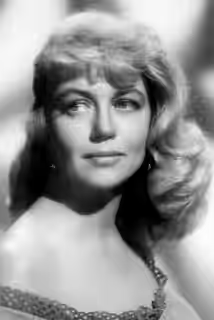
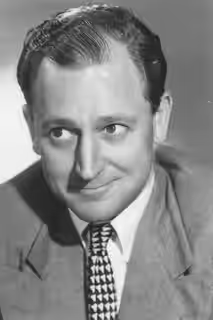
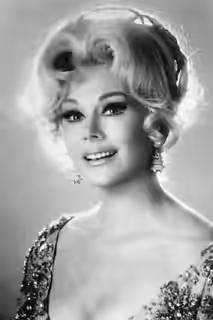
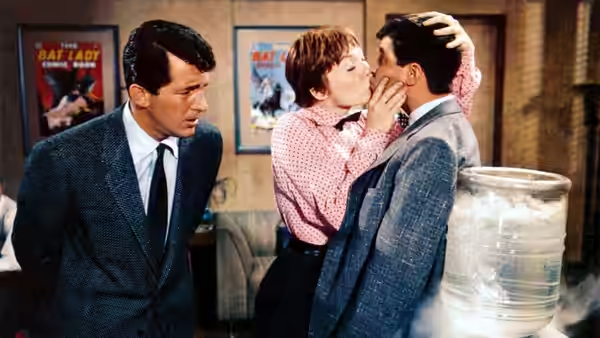
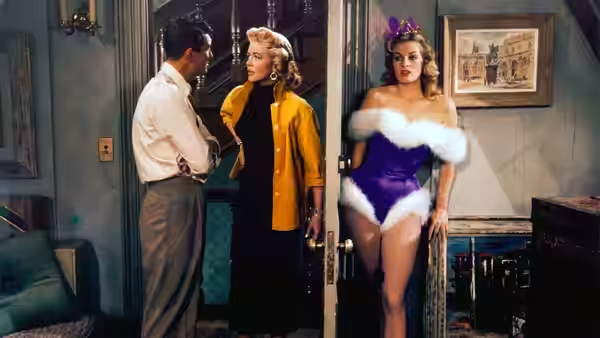
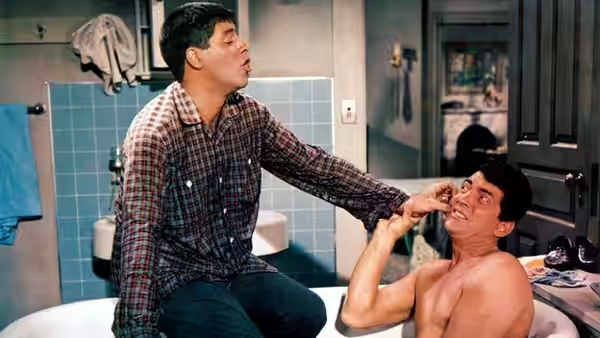
Dean Martin’s Rick Todd provides a necessary change of pace beside Jerry Lewis’s Eugene Fullstack. The contrast works when the film allows us to notice it, rather than requiring both men to contribute to the commotion. Shirley MacLaine, playing Bessie Sparrowbush, is a welcome source of comic energy beyond the double act. Dorothy Malone, as Abigail Parker, also helps keep the picture from feeling like a private arrangement between its stars, though the emphasis on the women’s looks becomes tiresome.
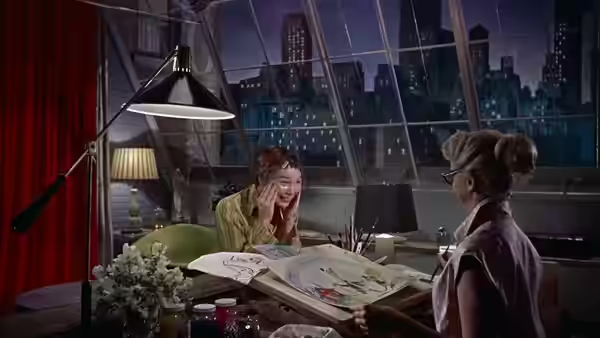
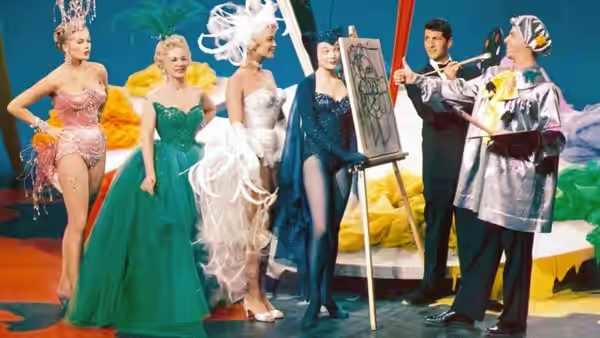
Daniel L. Fapp’s cinematography is a substantial part of the pleasure, using bright colour to make the exaggeration feel at home on screen. The images have enough life to sustain our interest when the verbal and physical business begins to strain. That is useful support, but it also makes the weaker jokes easier to spot: the pictures can be more inventive than the material they illustrate. Frank Tashlin’s enthusiasm for comic-strip imagery is persuasive even when his comic timing is not.
That timing is the main reservation. The screenplay by Hal Kanter, Herbert Baker and Frank Tashlin has more appetite for complication than judgement about when enough has happened. Warren Low’s editing gives the bustle momentum, but the film too often continues a routine after its comic value has run out. At 110 minutes, it has ample opportunity to turn energy into fatigue, and the spy material contributes less pleasure than the fixation on comics.
As a double-act comedy, it works hardest for us when the performers have something particular to be ridiculous about. Comics supply that focus, while the sexual fantasies suggest that the adults have their own difficulties separating imagination from sensible behaviour. Yet the satire remains mild, and the film sometimes settles for displaying what it might have examined. We do not need a sermon, but a little more attention to the consequences of all this fantasy would give the jokes greater bite.
Choose it when noisy foolishness sounds like a pleasure rather than an ordeal. Allow for the routines that overstay, and resist expecting the spies to give the story much discipline. Anyone hoping that Jerry Lewis will settle down should probably make other plans.