Film review

Awakenings

1990 · Directed by Penny Marshall · 2h 00m · MPA PG-13

In a sentenceRobin Williams and Robert De Niro earn the tears Randy Newman keeps trying to collect

Drama

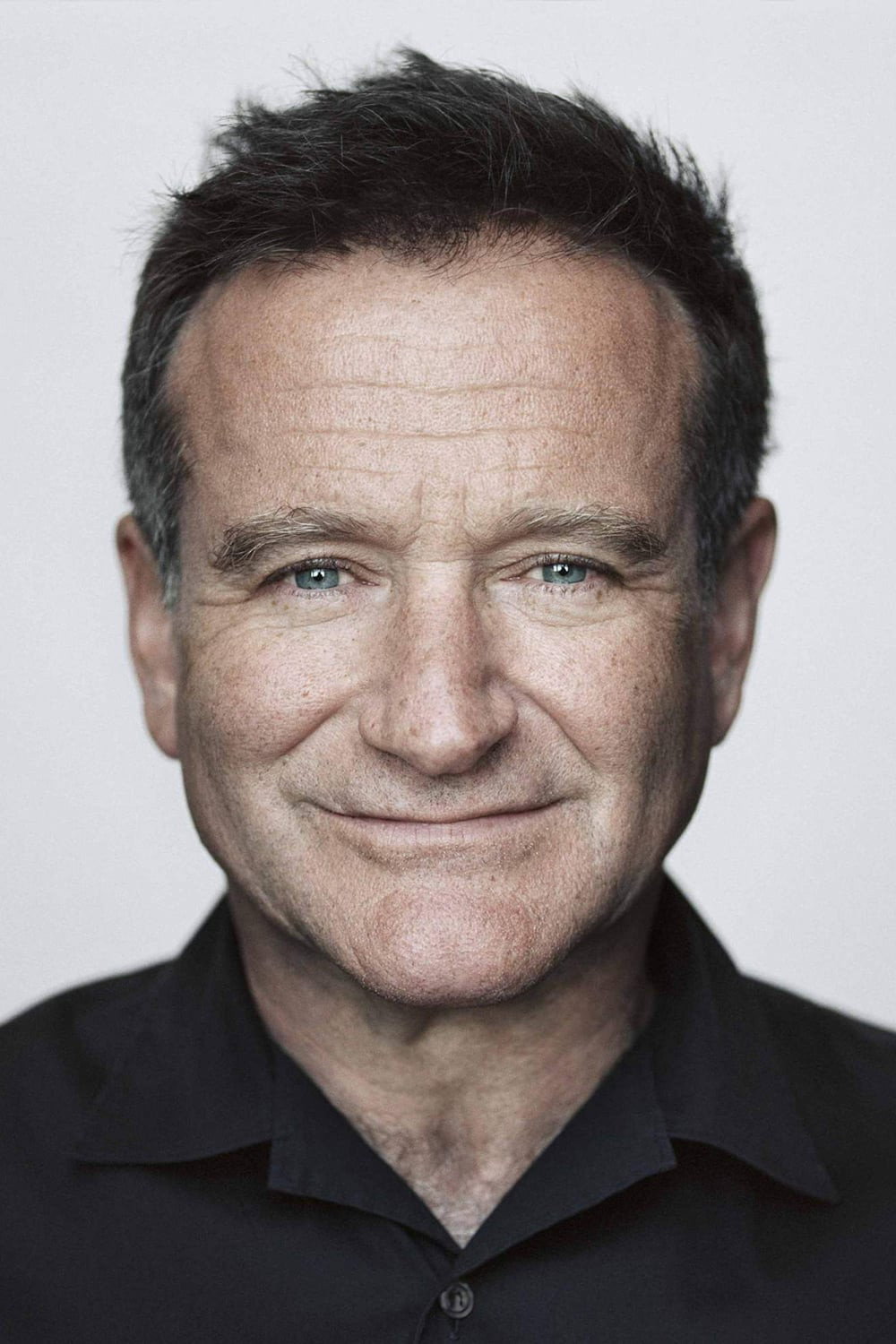
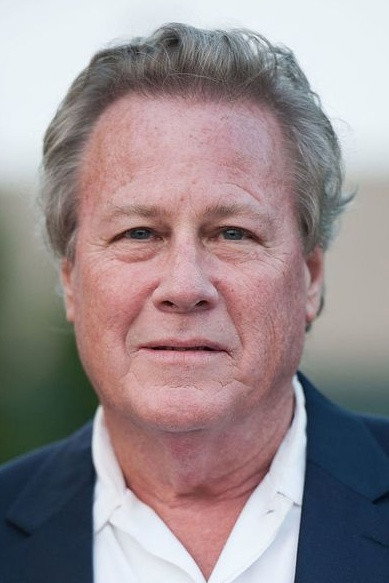
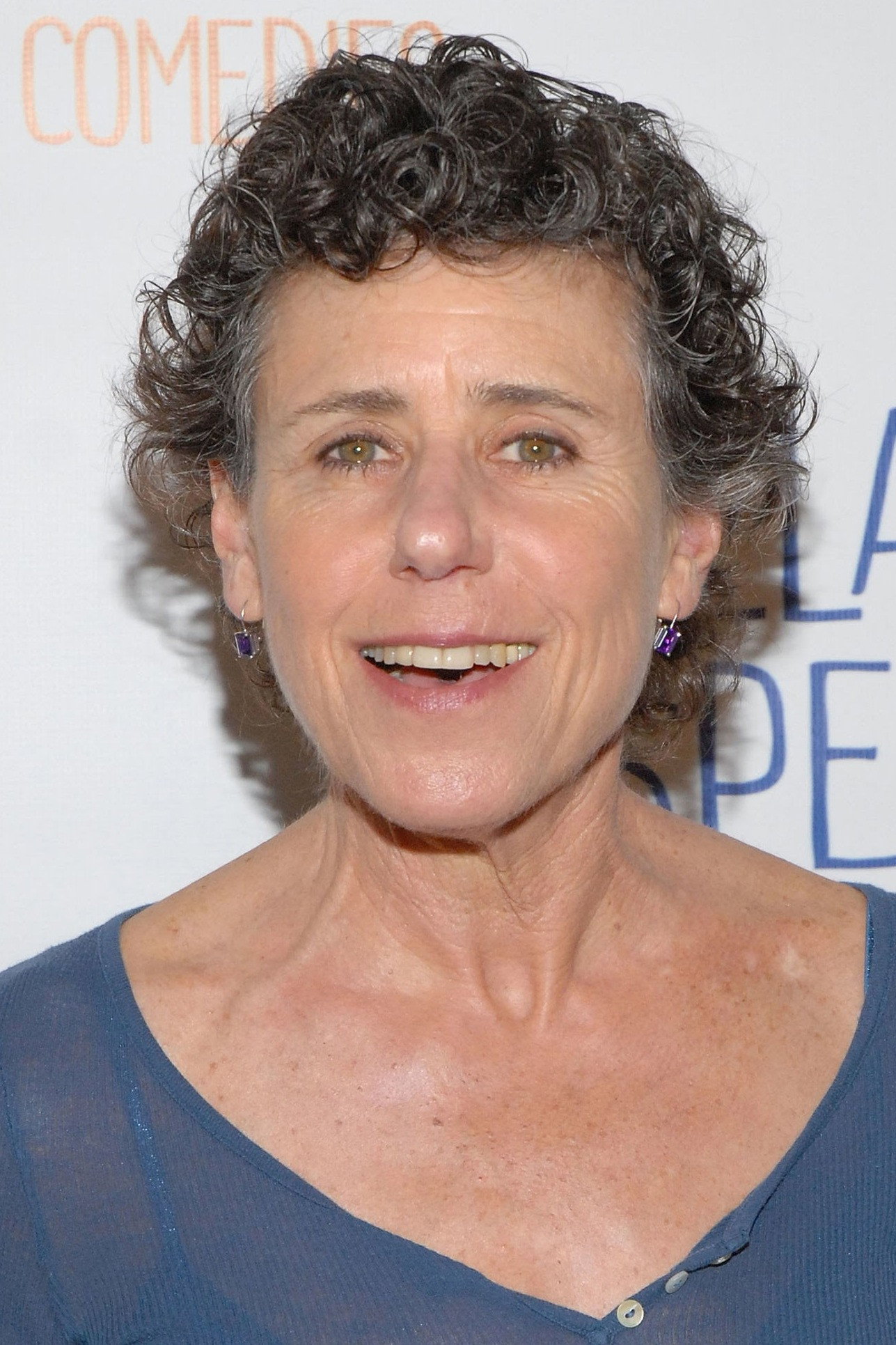
Awakenings follows an attempt to bring catatonic patients back into contact with the people around them through treatment with L-DOPA. Robin Williams plays Malcolm Sayer and Robert De Niro plays Leonard Lowe. As the possibility of recovery emerges, the people involved must consider what a return to ordinary life might mean after years of illness. Penny Marshall directs Steven Zaillian’s adaptation of Oliver Sacks’s account. The cast also includes Julie Kavner as Eleanor Costello, Ruth Nelson as Mrs. Lowe and John Heard as Dr. Kaufman.

Fi1m review

Penny Marshall’s medical drama is moving, though its script and score sometimes press too hard. Robert De Niro and Robin Williams make the effort to reach another person matter.

Penny Marshall’s Awakenings is a moving medical drama that occasionally seems worried we might remain dry-eyed. Steven Zaillian’s adaptation of Oliver Sacks’s account concerns catatonic patients and the hope offered by L-DOPA, material that hardly needs extra encouragement to be affecting. Marshall approaches it with patience and a willingness to take tenderness seriously. We recommend it for the performances, with reservations about how neatly the writing arranges experiences that ought to remain difficult.

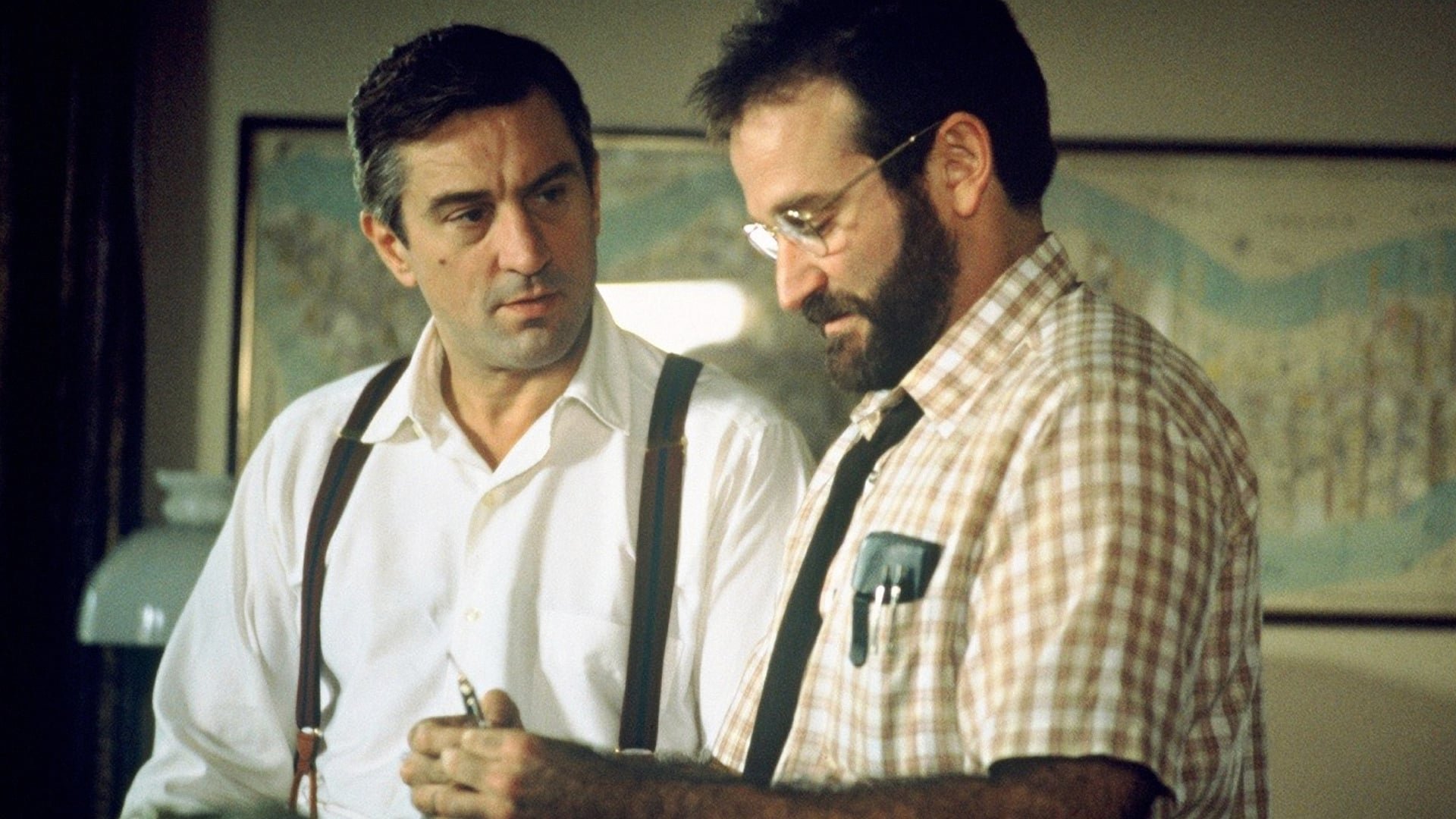
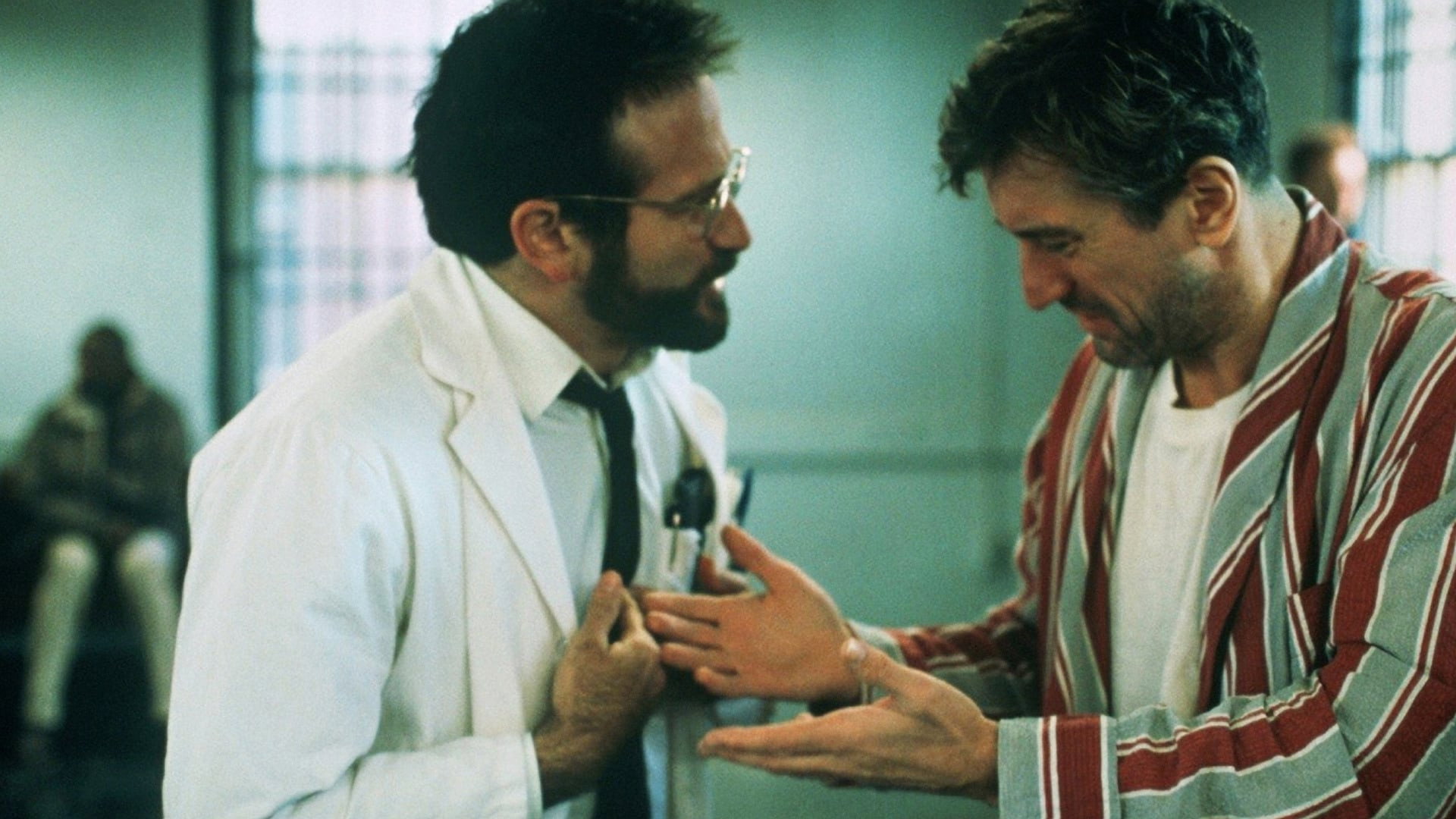
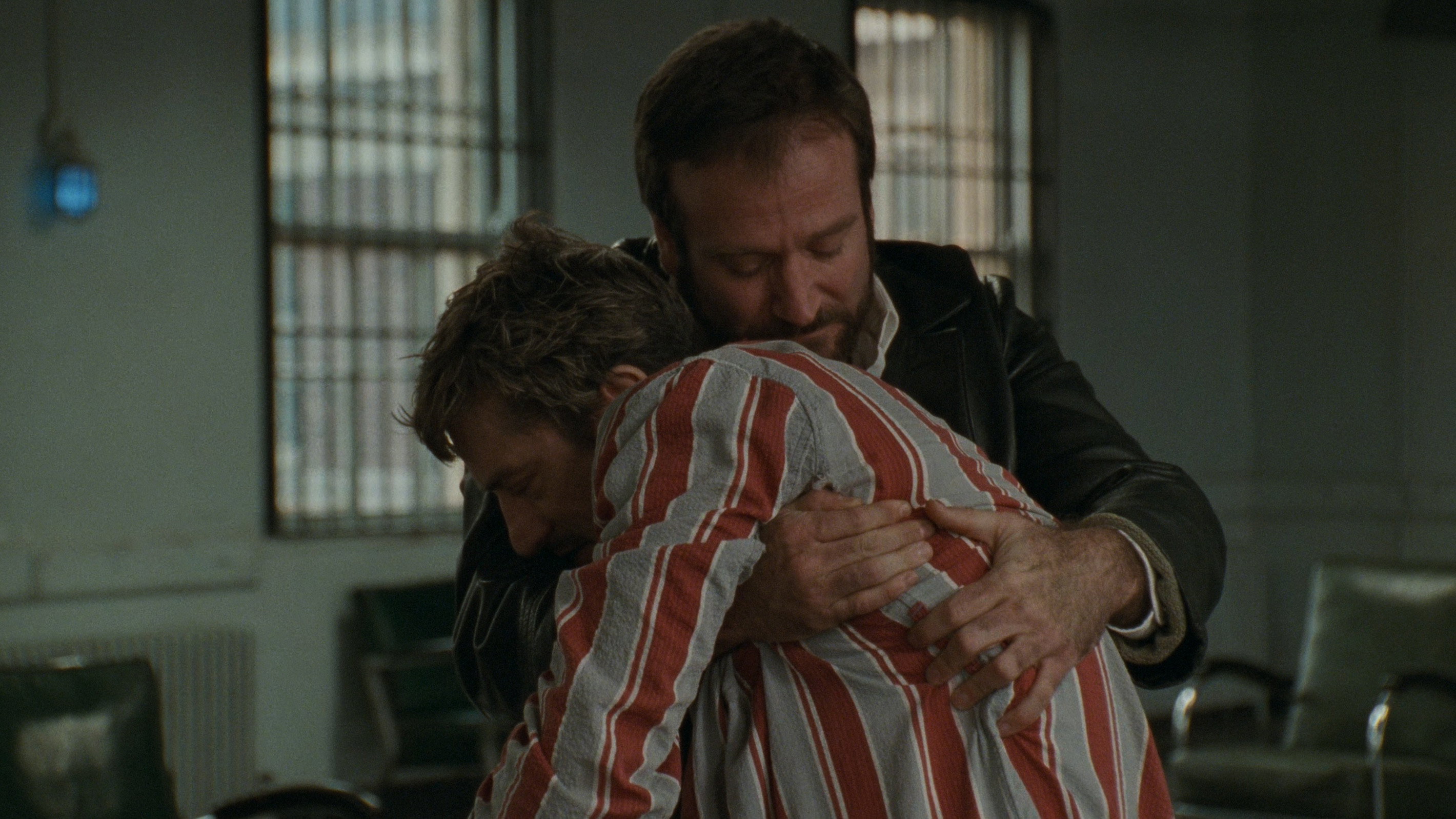
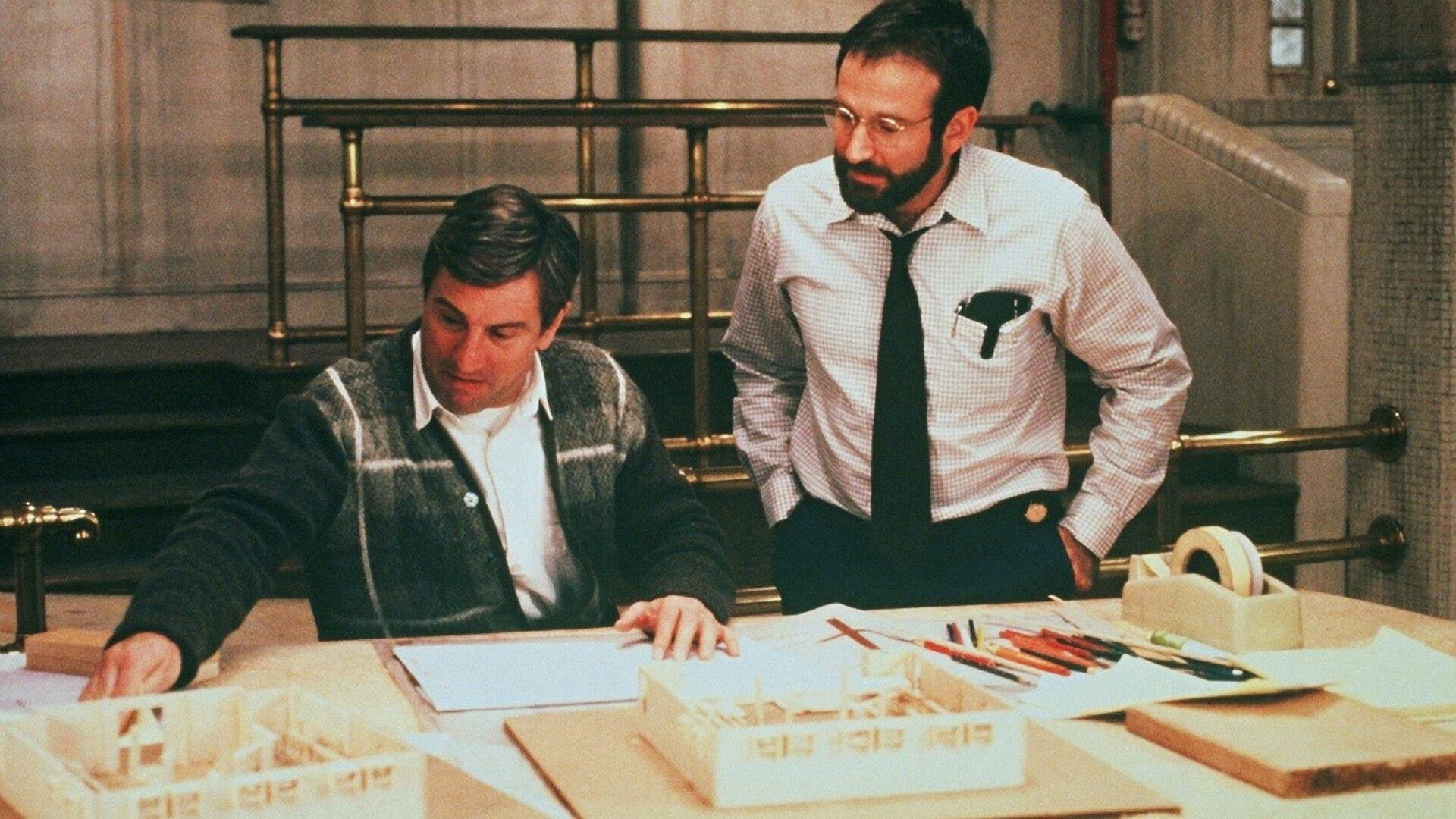
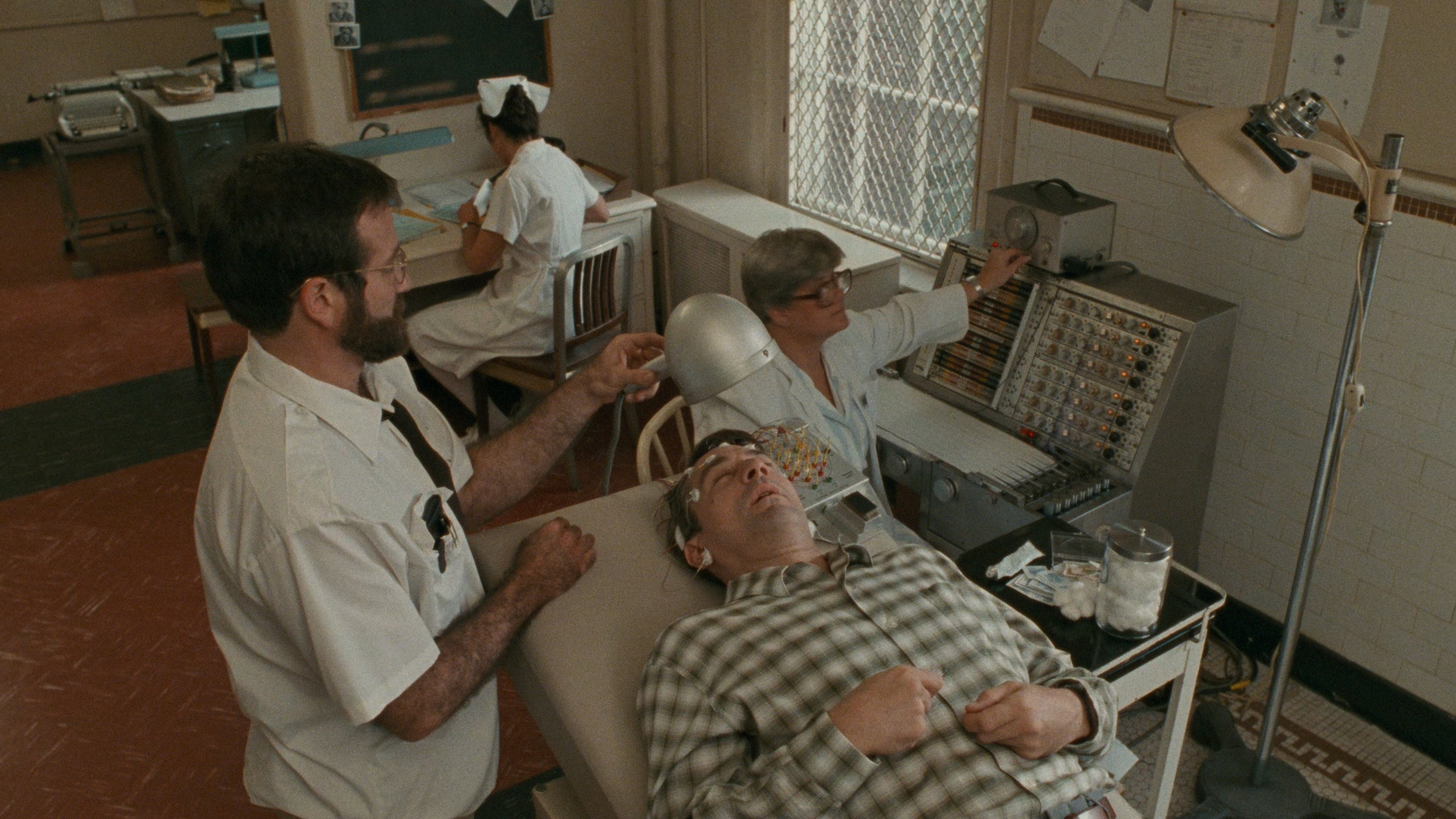
Robin Williams plays Malcolm Sayer with a hesitancy that makes his attention to Leonard Lowe persuasive. He gives listening as much importance as speaking, and does not make concern look like an accomplishment for which his character expects thanks. Opposite him, Robert De Niro makes Leonard a demanding physical presence even when movement is limited. The acting asks us to watch closely for a response, and that concentration gives their relationship more force than the passages which explain its importance.

We were moved by the effort to reach Leonard, more than we expected to be. De Niro’s stillness and Williams’s attentive reactions make the possibility of contact feel urgent without requiring a speech about the value of life. At these moments Marshall trusts the actors, and the film is better for it. Julie Kavner, as Eleanor Costello, contributes a quieter kind of warmth, welcome in a film with so much feeling to manage.

Miroslav Ondříček’s cinematography keeps faces clear and readable, which matters in a drama built around the search for a response. Anton Furst’s production design makes the medical surroundings convincing, though the polished finish can make the experience feel a little too safely contained. Editors Battle Davis and Gerald B. Greenberg give the actors time to register thought before pressing on. The measured pacing is useful; it lets us notice the people before the script tells us what to learn from them.

Randy Newman’s score sometimes presses too hard. Its warmth is attractive, but the emotional emphasis occasionally arrives before the acting has finished doing the work, and we felt nudged where we had already been persuaded. Zaillian has a similar habit of making the significance of an encounter too easy to grasp. That insistence narrows the patients’ experiences to the feelings the film wants to produce in the rest of us.

Most critics disagree with us, judging the sentimentality more damaging than we do. We think the central performances are too attentive to dismiss the film as merely an exercise in producing tears. The complaint about the patients has more force: those outside the central relationship are not given enough individuality, and the film sometimes turns illness into a lesson for the people observing it. That is a familiar weakness in medical dramas, and Marshall does not entirely avoid it.

Awakenings works best when it stays with the uncertainty of reaching someone and leaves the larger conclusions alone. Its patience is worth something, even when the script is busy trying to make that patience instructive. At 120 minutes, it asks for an evening in which small changes of expression can count as events. Give it that attention if this kind of humane drama appeals, and be prepared to forgive the music for telling us what we have already felt.


Critical consensus AI synthesised

58
Positive
2
Mixed
1
Negative
3

The reviews are divided on Awakenings, with reservations outweighing recommendations despite recurring praise for the acting. De Niro receives the most consistent approval, while Williams also earns praise, though enthusiasm for his performance is less uniform. The patients’ awakening and Oliver Sacks’s account provide material that several critics find compelling. The central disagreement concerns how the film handles that material: its warmth strikes supporters as humane and affecting, but detractors find its emotions too carefully prompted.

Most critics object to sentimentality, simplification or a failure to explore the patients’ experiences deeply enough. The spread is wide rather than mildly mixed. RogerEbert.com offers the strongest endorsement, finding intelligence, courage and wonder in the story. Radio Times also finds it absorbing, while acknowledging its potentially excessive optimism. For the less persuaded critics, strong performances cannot compensate for a treatment that makes extraordinary experiences feel familiar and overly soft.

RogerEbert.com
20 December 1990 · ★★★★/4 · Roger Ebert
100

The film examines the awakening of catatonic patients through L-DOPA with intelligence and heart, highlighting the courage of the patients and the wonder of human existence.

Read the full review →
Radio Times
★★★★ · Peter Freedman
80

The film offers a powerful dramatisation of Oliver Sacks's real-life story of awakening long-comatose patients, with strong turns from Williams and De Niro. Though too upbeat for some and receiving mixed reviews at release, it remains an absorbing treatment of an intriguing subject.

Read the full review →
Los Angeles Times
11 January 1991 · Peter Rainer
50*

The well-meaning adaptation never rises above a grade-A tear-jerker, tenderizing powerful raw material into something overly soft despite the director's restraint.

Read the full review →
Empire
1 January 2000 · Phil Thomas
40*

The film is a curiously clinical and manipulative affair that pushes sentimentality too hard at the expense of realism. De Niro's performance stands out as awesome, while Williams is tolerable, but overall the forced emotions misfire.

Read the full review →
The New York Times
20 December 1990 · Janet Maslin
40*

The film sentimentalizes and oversimplifies the true story from Oliver Sacks's book, turning extraordinary facts into a banal fairy tale despite strong technical elements.

Read the full review →
Time Out
10 September 2012 · BC
40*

The film is seen as overly sentimental and formulaic, placing it in familiar 'Rain Man' territory with easy emotional buttons pressed by director Penny Marshall. It praises the performances of Williams and De Niro but criticizes the lack of depth in exploring the patients' experiences.

Read the full review →

Cast

Stills

Awards

Academy Awards, 1991

Nominated
Best Actor
Nominated
Best Picture
Nominated
Best Writing, Adapted Screenplay

If you liked this, try…

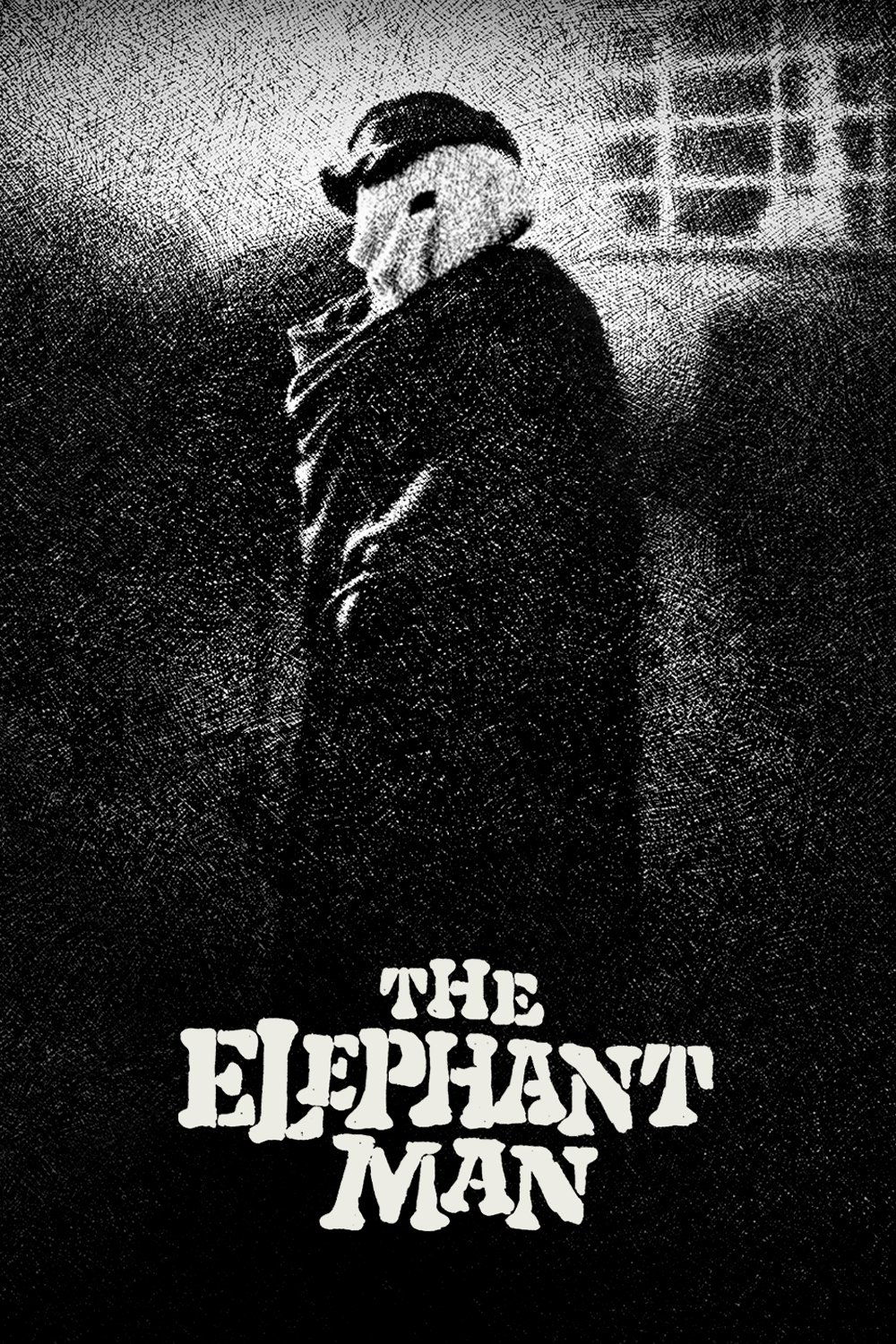
The Elephant Man poster

The Elephant Man

1980 · Another medical drama whose actors insist on the patient’s dignity and individuality.

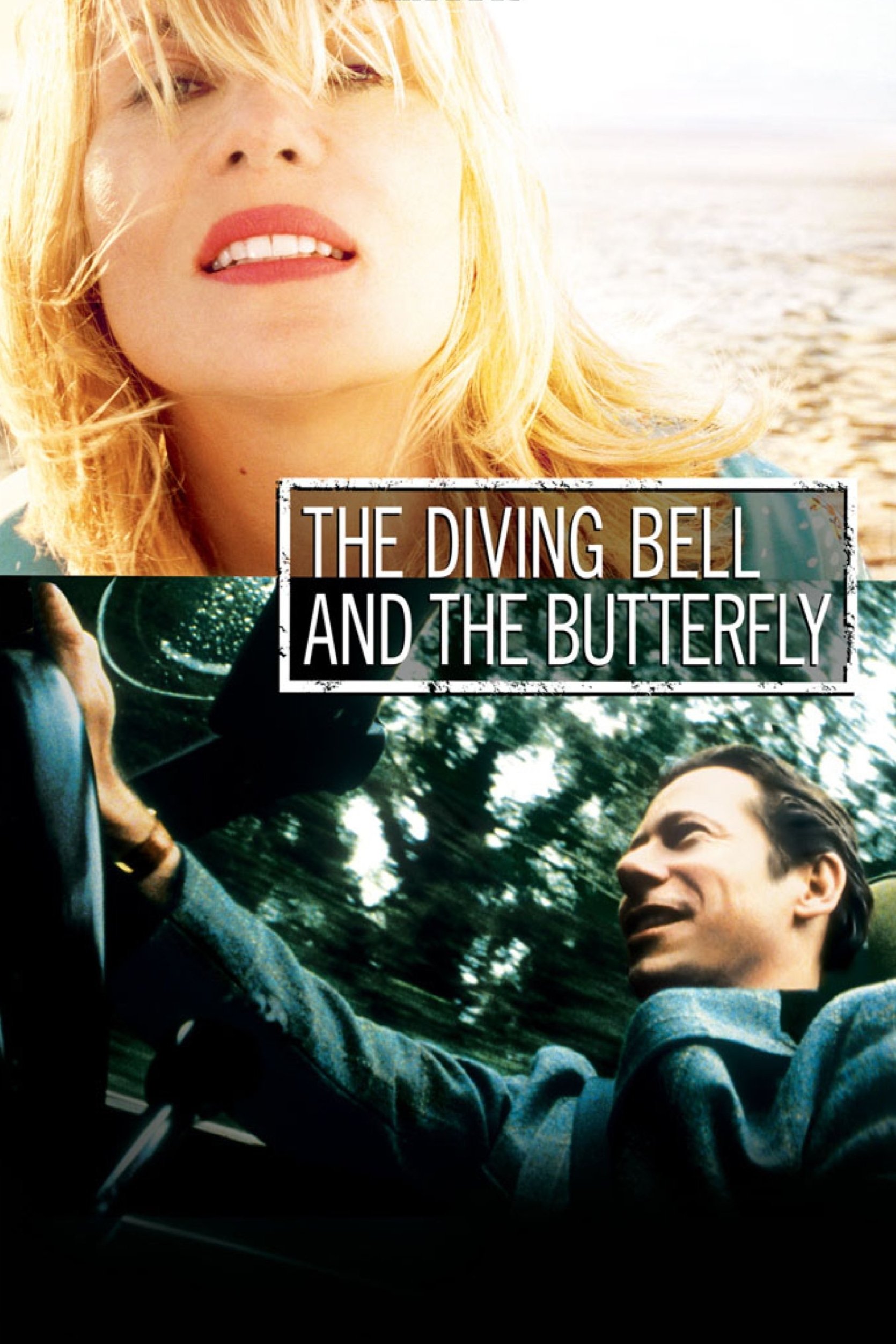
The Diving Bell and the Butterfly poster

The Diving Bell and the Butterfly

2007 · Subjective images make the patient’s inner life impossible to overlook.

Ikiru poster

Ikiru

1952 · Illness makes ordinary choices urgent in a drama with less emotional prompting.

My Left Foot poster

My Left Foot

1989 · A physically exact performance leaves ample room for humour, temper and desire.

The Straight Story poster88

The Straight Story

1999 · An unhurried journey, with affection earned through awkward conversations and small kindnesses.