Inventive and funny, Back to the Future Part II is worth the effort of following its crowded plot. The visual jokes and lively cast compensate for hurried storytelling, though the time-travel explanations can become hard work.
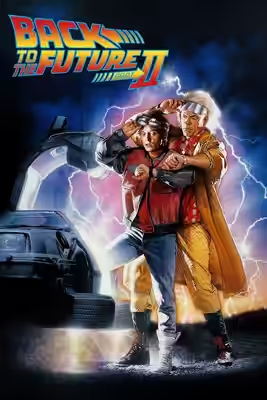
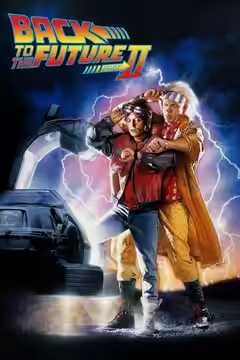
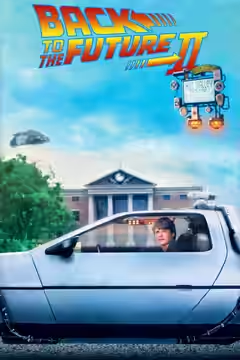
Robert Zemeckis makes Back to the Future Part II a brisk, inventive time-travel comedy with less room for affection than its cast deserves. We recommend it for the visual jokes and the pleasure of watching a complicated plot being kept in motion. There is real enjoyment in the way one problem requires another explanation, then another hurried journey. But the film is so keen to reach its next clever complication that it often hurries past the people dealing with it.
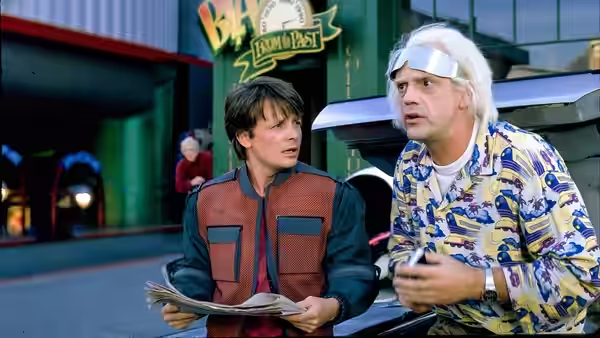
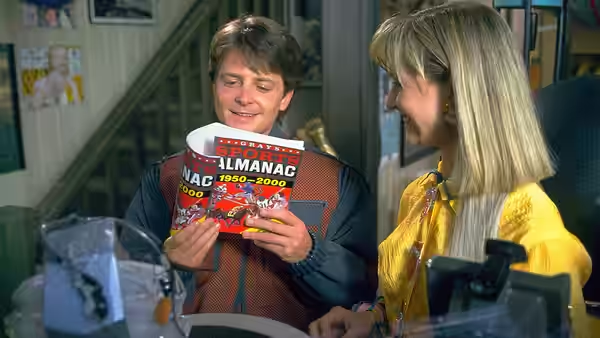
The visit to 2015 gives production designer Rick Carter plenty to work with, and his crowded future is worth a good look. Hoverboards and Jaws 19 are the sort of details that make its excess enjoyable. We laughed at Jaws 19, because the suggestion that familiar entertainment will keep getting recycled seems entirely reasonable. His Hill Valley has enough going on to hold our attention without another plot complication, particularly when the visual jokes are given time to register.
Dean Cundey’s cinematography is especially useful during the hoverboard chase, giving the movement enough clarity for the comedy to work. We can enjoy the absurdity of the vehicle without losing track of the pursuit. Editors Harry Keramidas and Arthur Schmidt keep the action brisk while allowing the visual comedy enough time to be understood. This is where the pace works: a chase can keep supplying fresh obstacles without needing to explain the rules of time travel.
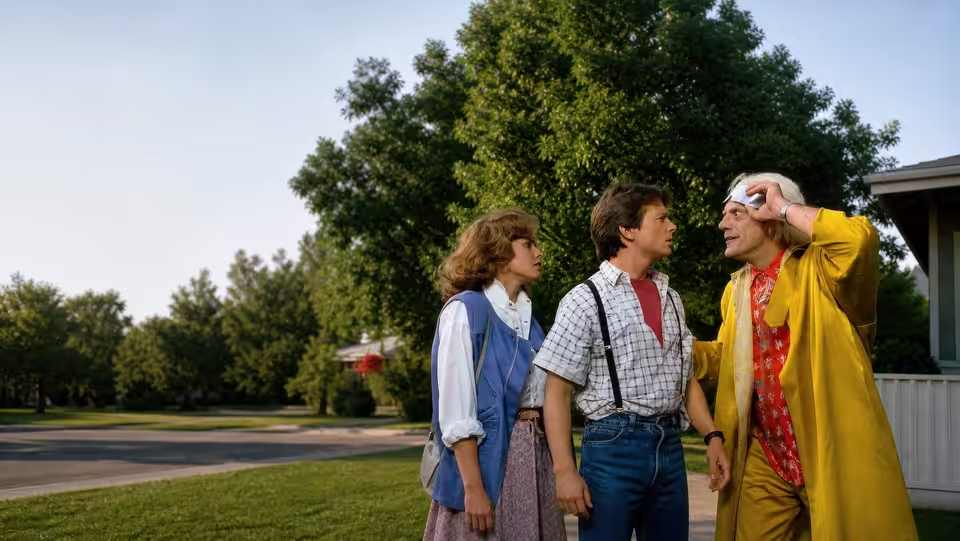
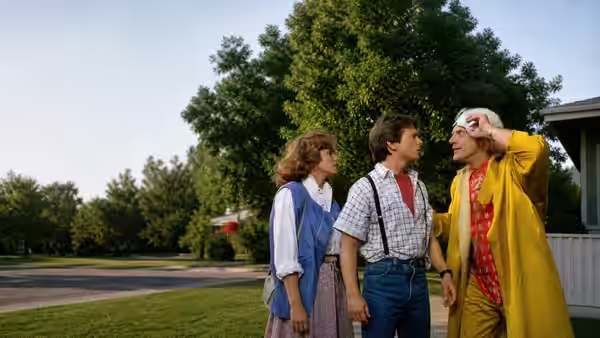
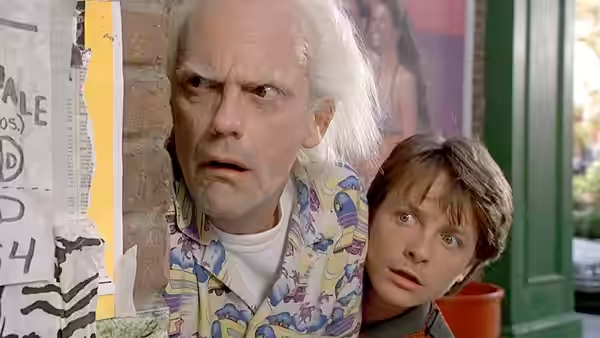
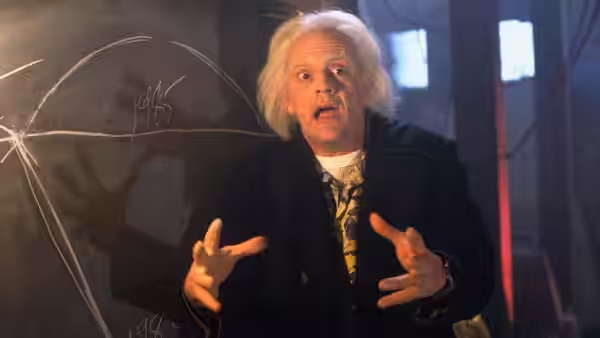
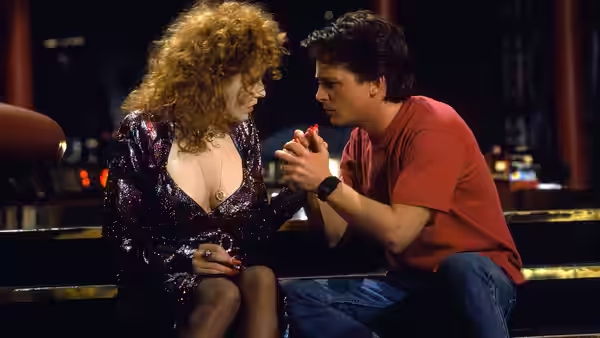
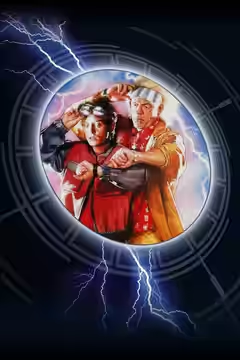
Michael J. Fox gives Marty McFly the quick reactions the film needs, keeping him recognisably human through all the rushing about. Christopher Lloyd, as Doctor Emmett Brown, makes the explanations feel urgent even when they need a moment to sink in. We remain glad of their company when the plot gets crowded. Thomas F. Wilson plays Biff Tannen and Griff with an aggression that is often funny, though the broadness can become wearing.
Bob Gale’s screenplay has more difficulty giving anyone time to feel the consequences of all this activity. Each new complication is interesting enough on its own, but the accumulation starts to turn conversations into instructions. We are asked to follow closely, then hurried along before the implications can settle. That is a particular loss for a time-travel comedy, where the fun depends on having enough time to appreciate what has changed and why it matters to somebody.
Alan Silvestri’s music gives the hoverboard chase an extra push, making the speed and silliness feel equally important. It also helps carry us through the denser stretches of plot, which might otherwise sound like lengthy briefings. The score sometimes urges excitement a little too insistently when the scene is already busy. But it keeps a sense of adventure alive while the dialogue is attending to the rules.
At 108 minutes, it is not a long film, but it asks for more concentration than its cheery manner initially suggests. Anyone drawn to time travel for its practical complications should find plenty to enjoy. We would save it for an evening when keeping up sounds like part of the fun.