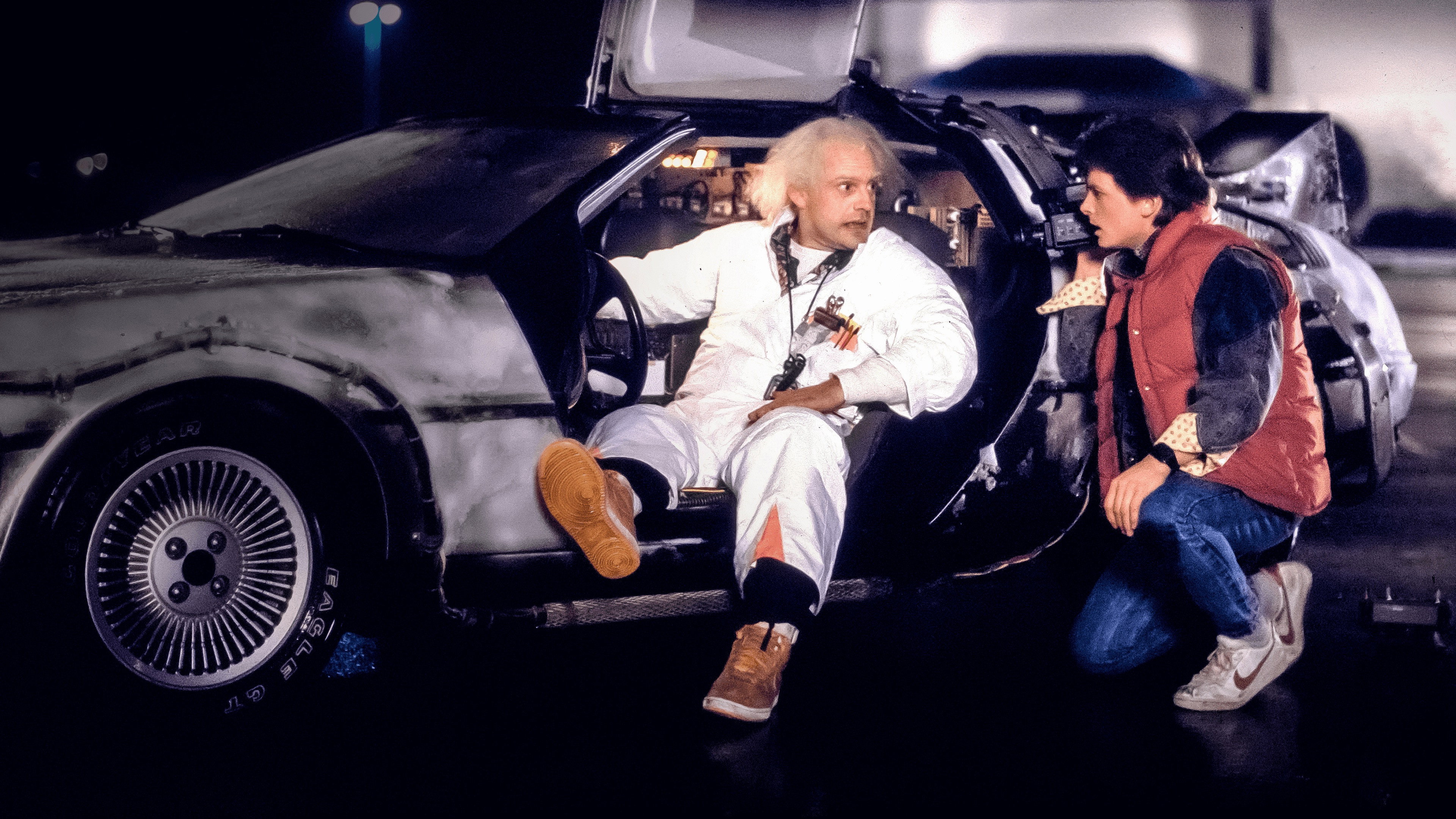
Robert Zemeckis makes time travel funny by sending a teenager straight into his parents’ awkward youth. We recommend it warmly, despite a slightly laboured opening: the plotting is exact and the performances make the cleverness feel easy.
We recommend Back to the Future even to anyone whose patience with time travel runs out at the first explanation. Robert Zemeckis and co-writer Bob Gale begin with a good, embarrassing question: what if a teenager could meet his parents before they had learned to behave like parents? Sending Marty McFly from 1985 to 1955 gives them plenty of jokes about changing fashions and attitudes. It also makes him consider something teenagers have little reason to dwell on: that his parents once had lives in which he did not exist.
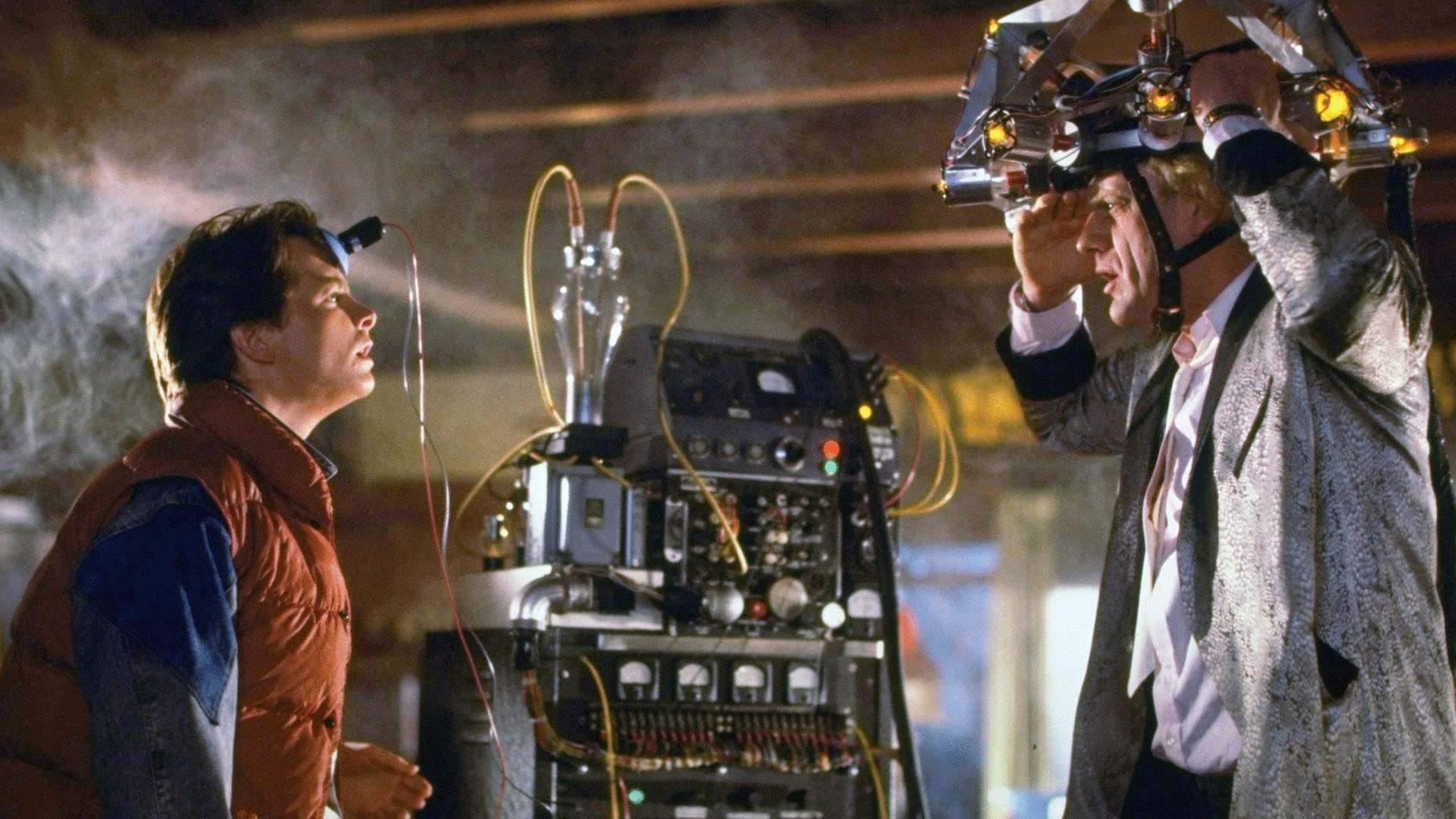
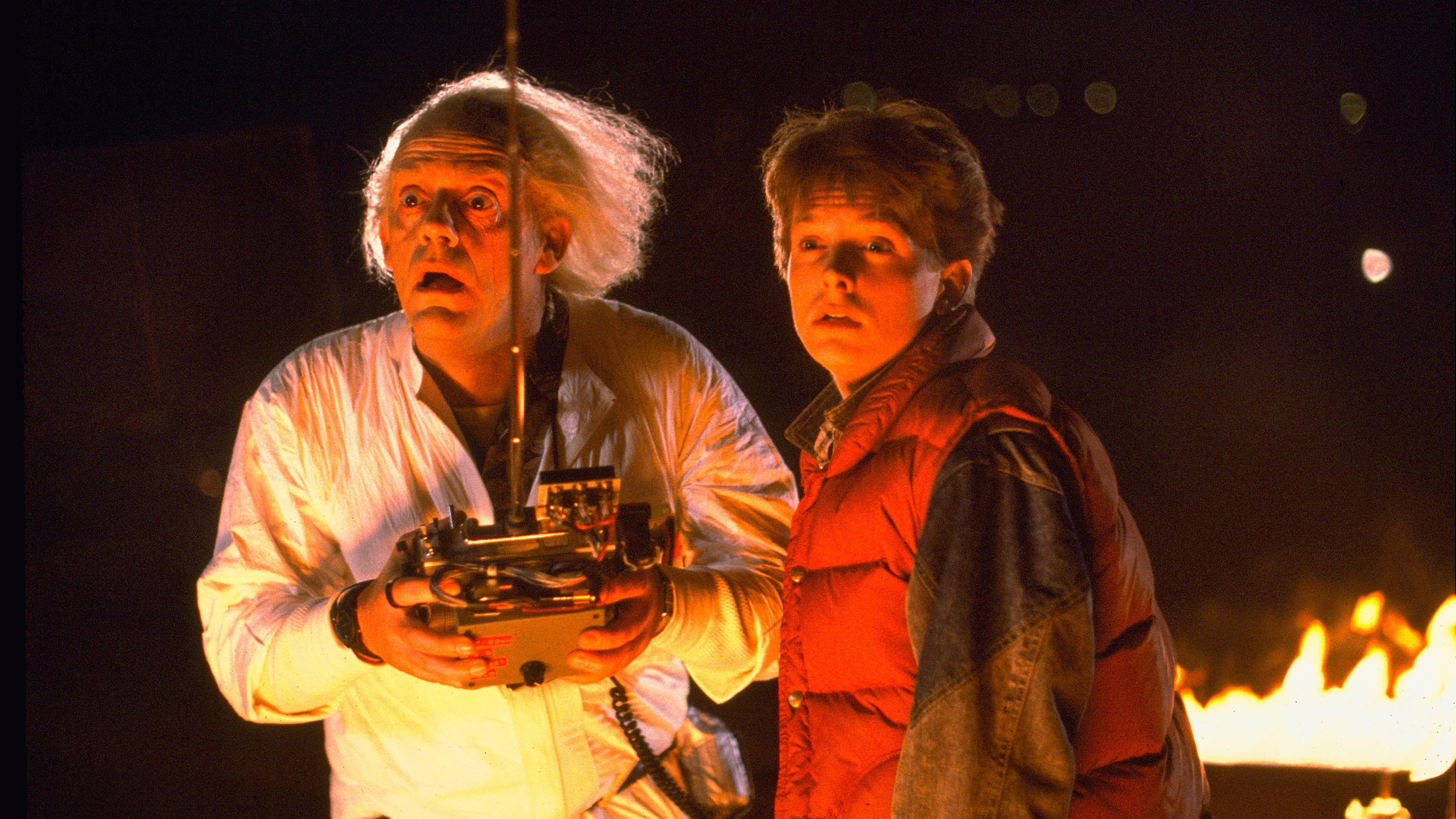
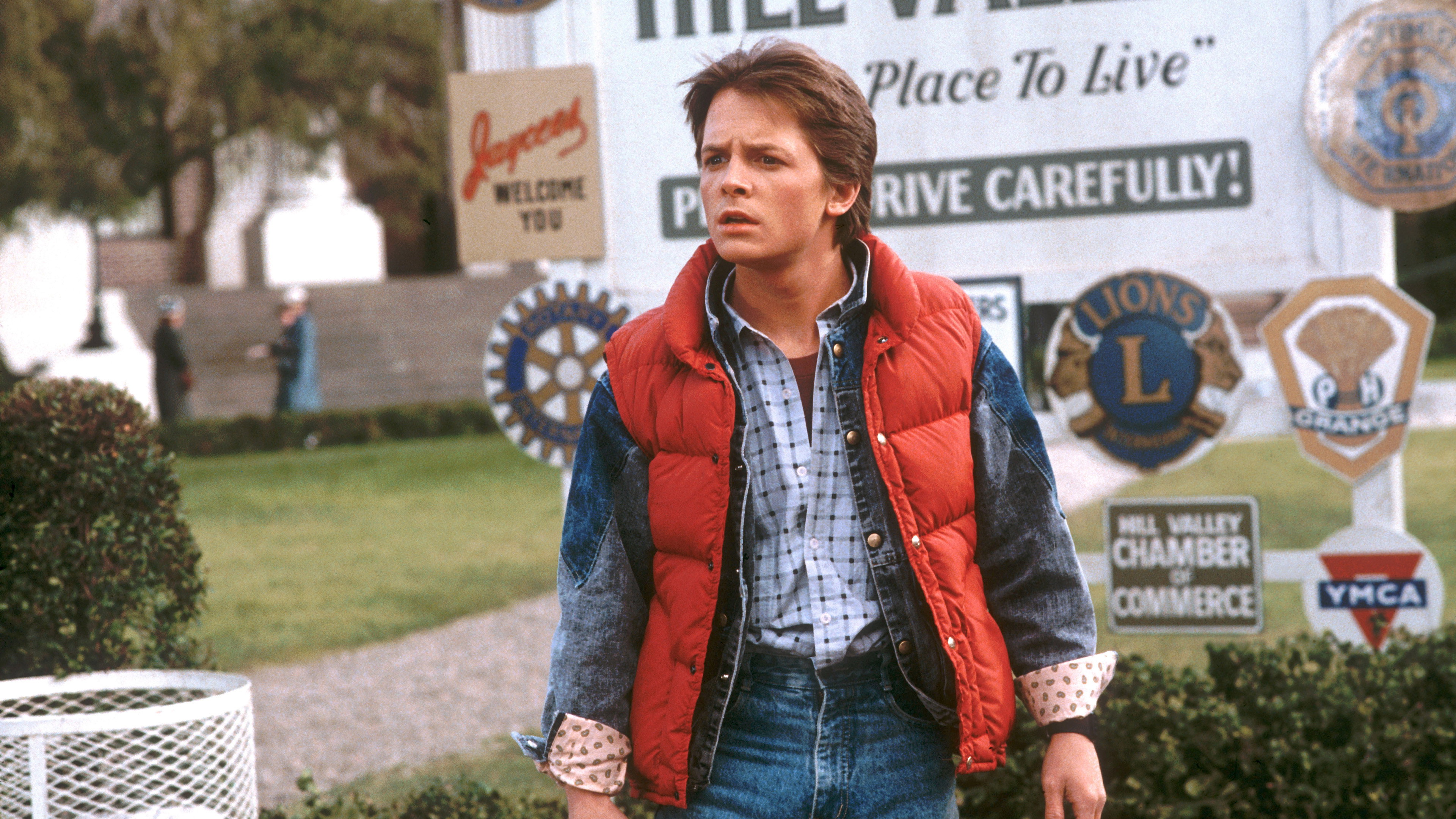
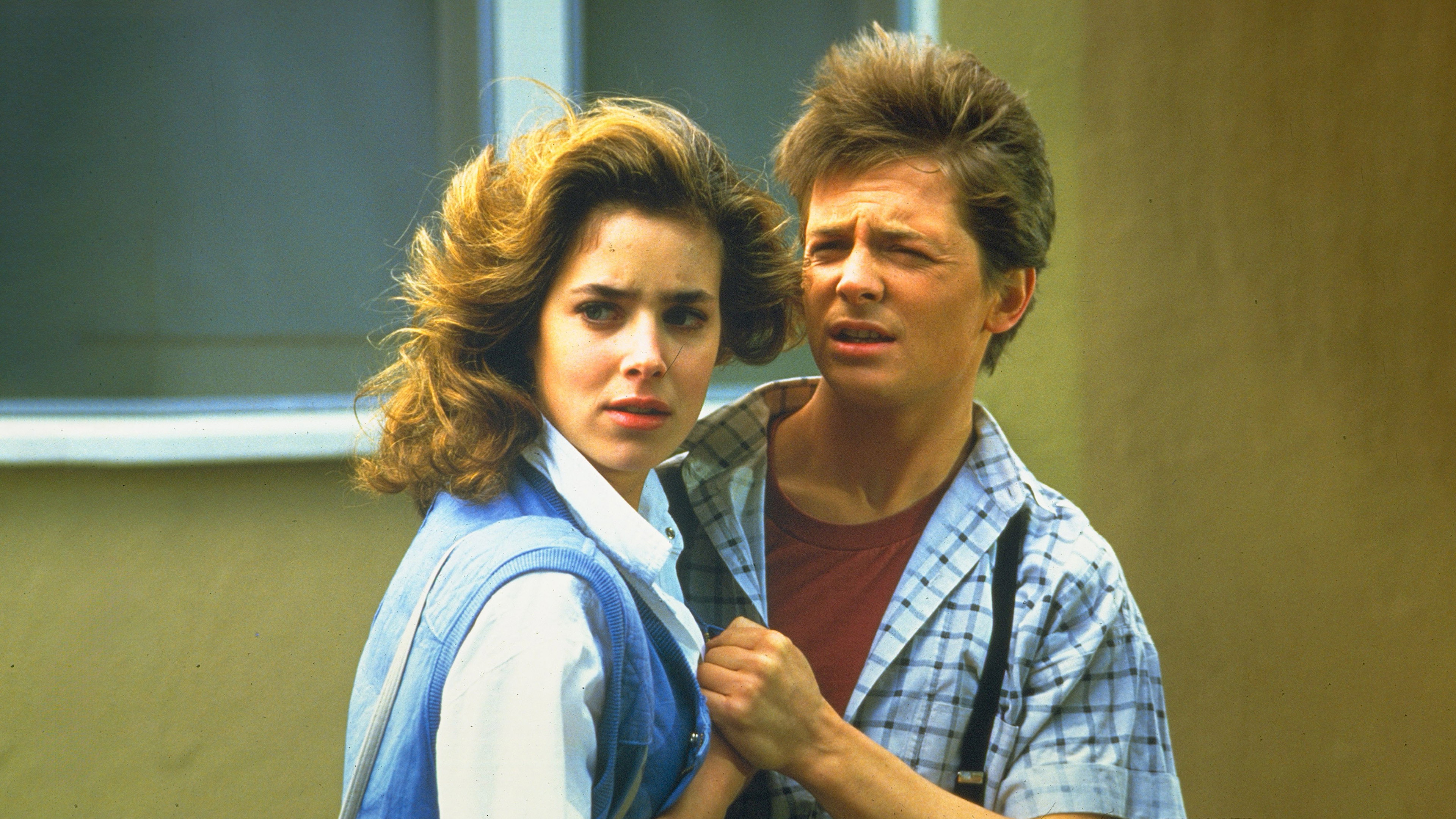
Michael J. Fox is crucial because he makes Marty confident enough to carry an adventure and awkward enough to belong in this family. He can register disbelief without standing outside a scene and inviting us to laugh at it with him. Christopher Lloyd’s Emmett Brown supplies the greater extravagance, playing the scientist’s excitement as something entirely reasonable to the scientist. The size of Lloyd’s performance could have swallowed a less alert partner, but Fox keeps the exchanges quick and human.
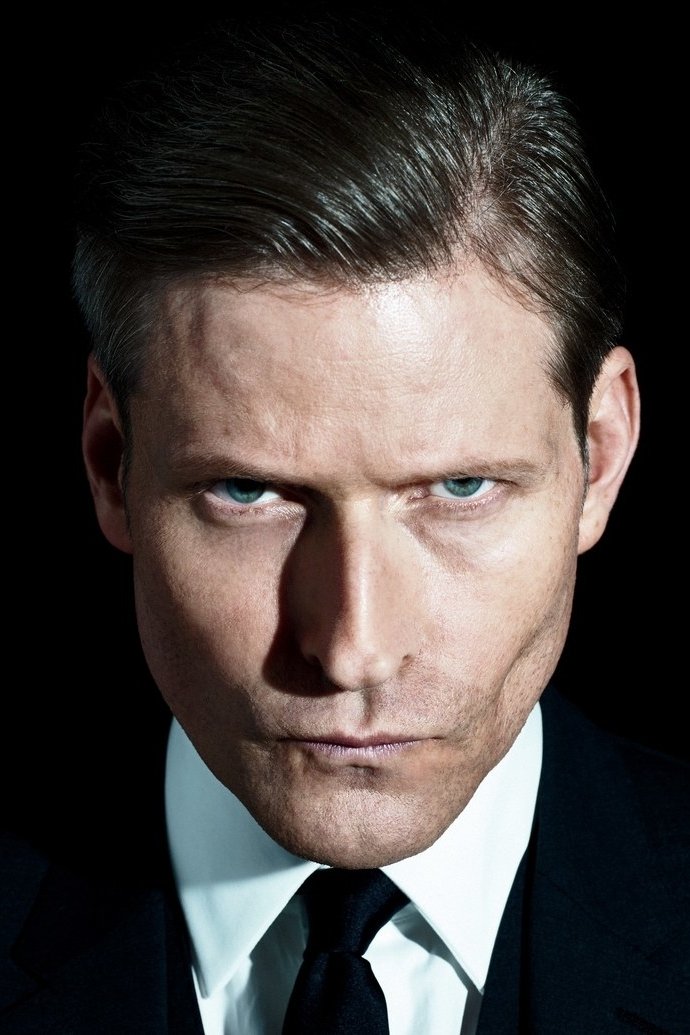
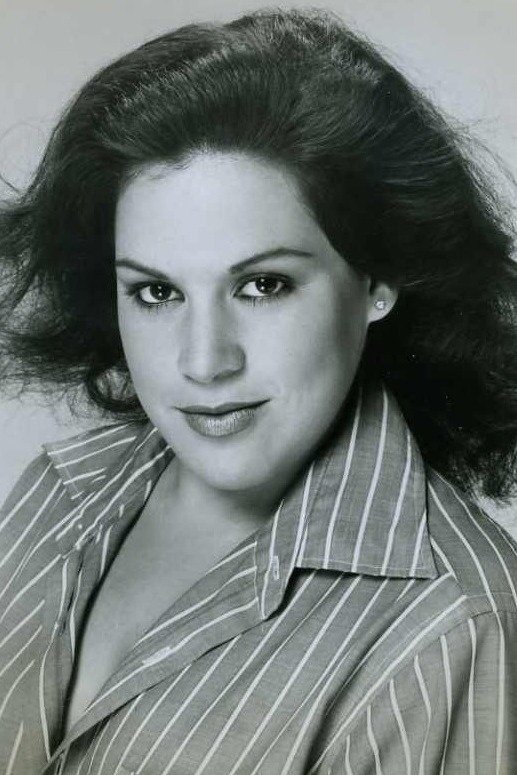
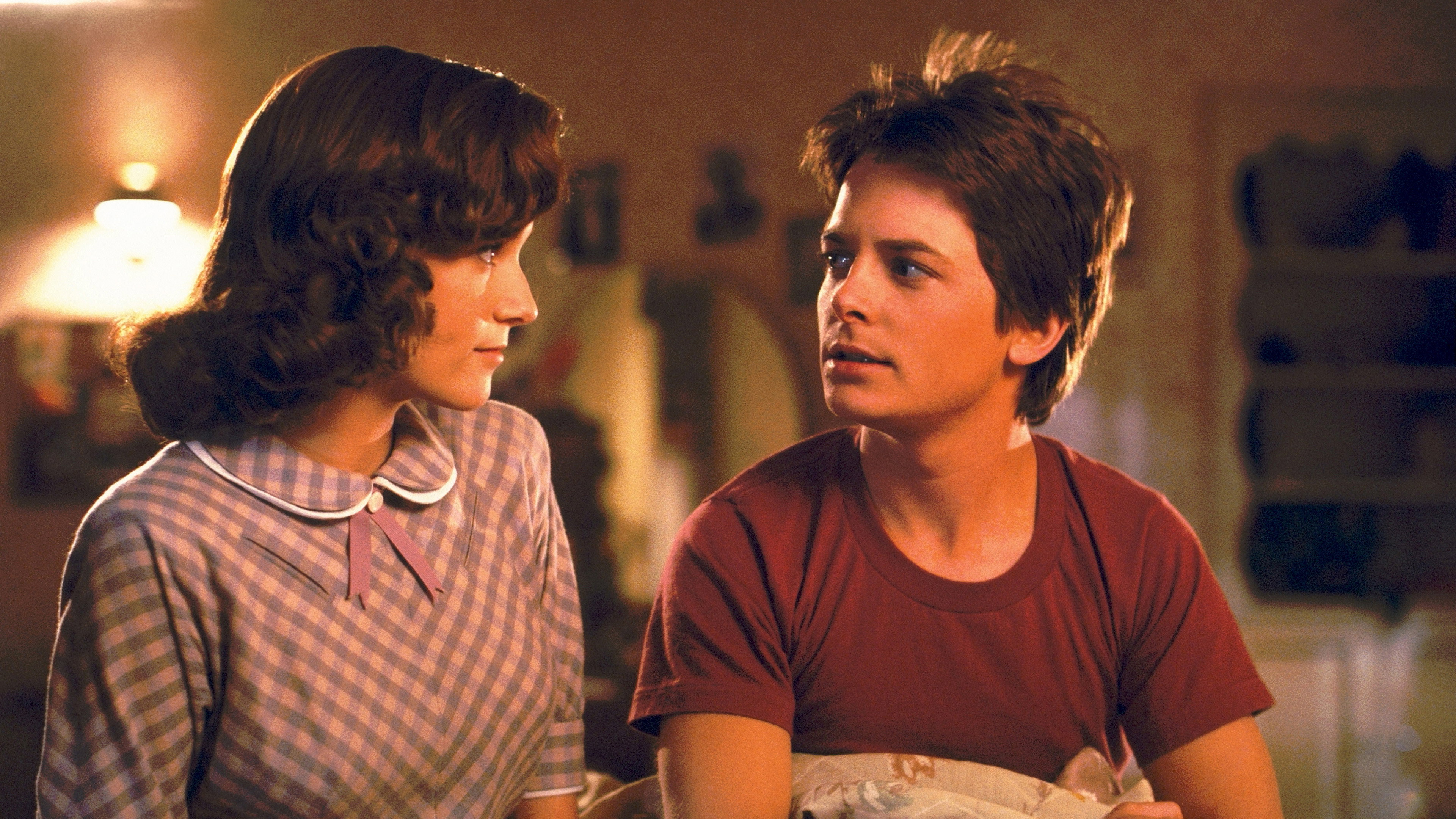
The sharper joke comes with the parents, played by Crispin Glover and Lea Thompson. Glover gives George an awkwardness that risks becoming a collection of comic habits, though the embarrassment behind it remains clear. Thompson makes Lorraine feel like someone with a life of her own, rather than merely a younger version of Marty’s mother. We laughed at Marty’s discomfort among his young parents; Fox makes the encounter awkward without making it cruel.
Lawrence G. Paull’s production design gives the 1950s a clean, tended appearance, and Dean Cundey’s photography makes that setting inviting. The neatness is funny alongside the awkward behaviour of the people living there. Cundey keeps our attention on the performers rather than making every period detail demand admiration, which is the right choice for a comedy with this cast. The surroundings establish the decade quickly and then leave the actors room to work.
Harry Keramidas and Arthur Schmidt’s editing makes the script’s complications easy to follow without slowing the film to check that everyone has understood. Jokes get enough time to land, and the explanations stay connected to Marty’s predicament. Alan Silvestri’s score treats the adventure with a wholehearted seriousness that might have been excessive around colder performances. Here it works because Fox and Lloyd already make us care about what they are trying to do. The music can be enthusiastic without doing the actors’ work for them.
The opening is the reservation. Zemeckis and Gale have enough people and information to introduce that the early comedy can feel arranged for our benefit, and some of the characterisation is broad even by the film’s cheerful standards. Once Marty is confronting his parents’ younger selves, the writing becomes more nimble and the awkwardness less predictable. The film remains light and playful, but it allows enough embarrassment to keep the family affection from becoming sugary.
At 116 minutes, it has room for both the family discomfort and the larger adventure without treating either as an interruption. Plenty of science-fiction comedies make their people wait while the clever ideas are demonstrated; here the idea keeps giving the actors something funny to play. Watch it with someone who remembers being certain their parents had never been young.