Abel Ferrara’s Bad Lieutenant is punishing, sometimes overbearing and worth enduring for Harvey Keitel’s refusal to soften its corrupt policeman. Its treatment of faith can feel forced; the shame and physical distress are harder to dismiss.
Abel Ferrara’s Bad Lieutenant is a punishing, persuasive character study with an overbearing streak. It follows a corrupt New York policeman through addiction and sexual degradation, allowing little relief from his company. Ferrara and co-writer Zoë Lund ask how much wrongdoing we can witness before the possibility of forgiveness starts to seem offensive. The film earns that question through Harvey Keitel, though it sometimes presses the religious significance harder than the drama needs.
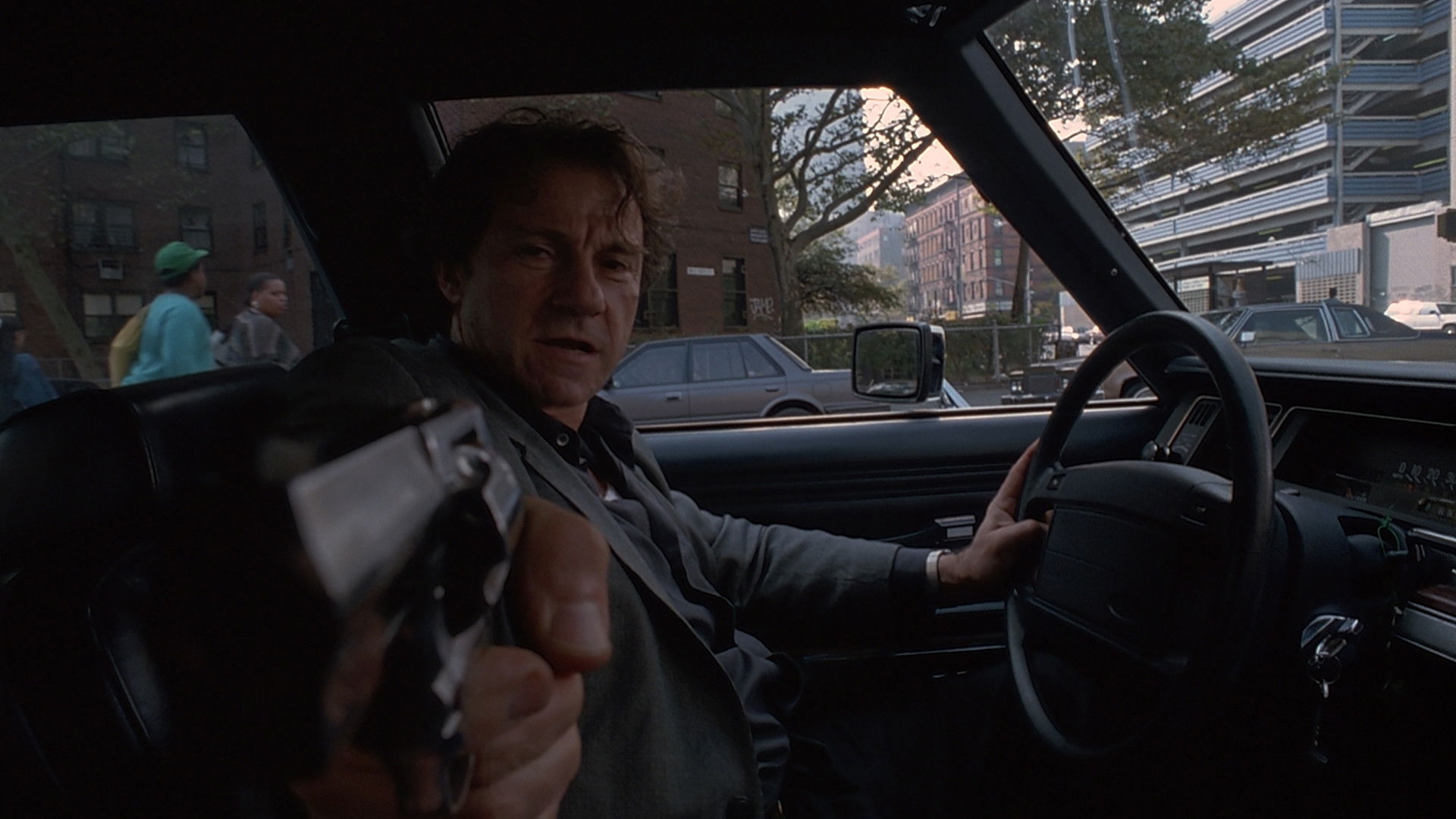
Keitel plays the lieutenant without the protective swagger that can make a corrupt policeman agreeable company. His naked scenes are particularly difficult: his distress is so unguarded that watching begins to feel intrusive. We found that exposure painful to watch. The humiliation comes through so strongly that there is little opportunity to congratulate the actor on his courage, and he keeps our attention on the wretched man in front of us.
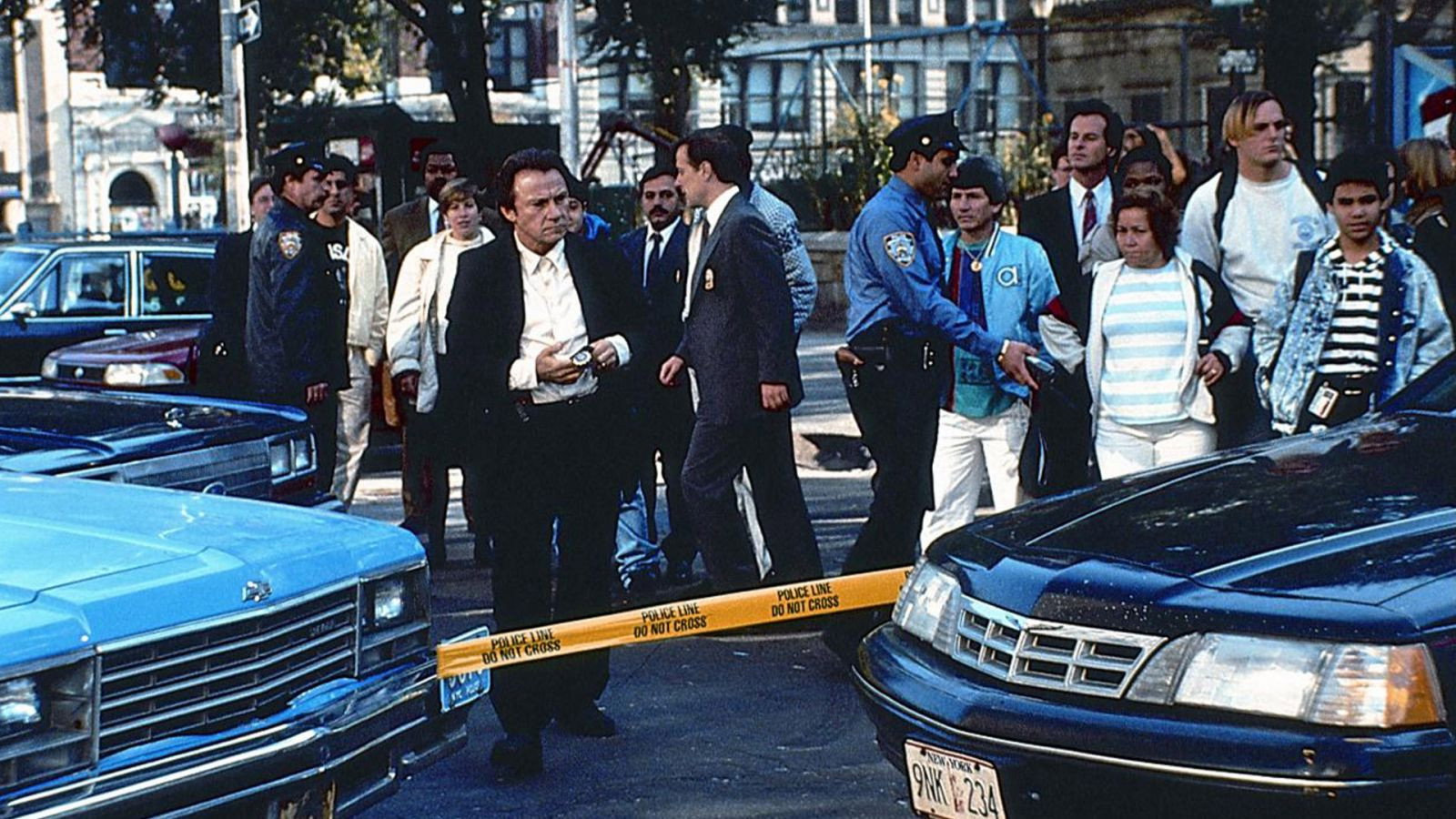
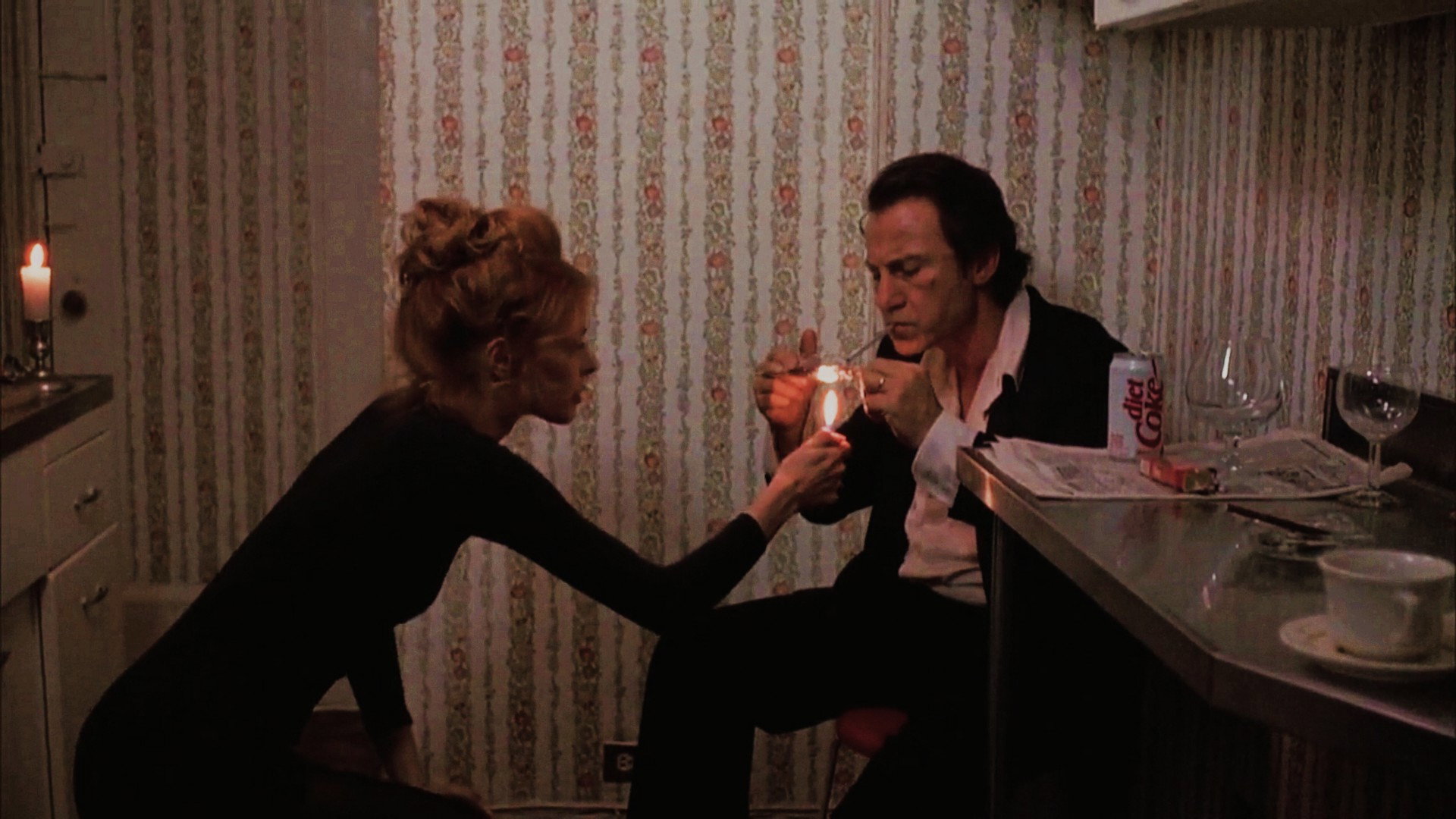
Ken Kelsch’s cinematography gives this behaviour a grubby, everyday setting, and the New York locations matter to its force. These are places in which a man can keep going wrong without the city stopping to look. Charles M. Lagola’s production design belongs to the same unlovely world; nothing about the surroundings makes the lieutenant’s habits seem enviable. The visual work keeps the film close to the bodily facts of addiction, which is useful whenever the writing begins reaching for religious importance.
Anthony Redman’s editing makes the repeated encounters with vice feel oppressive, and that is largely appropriate to a man who cannot break his habits. Repetition does, however, become a problem when another display of degradation tells us little that Keitel has not already made plain. Joe Delia’s score adds emphasis to suffering that Keitel has already made difficult to bear. We needed fewer reminders of how far this man has fallen, and more room to consider what, if anything, could change him.
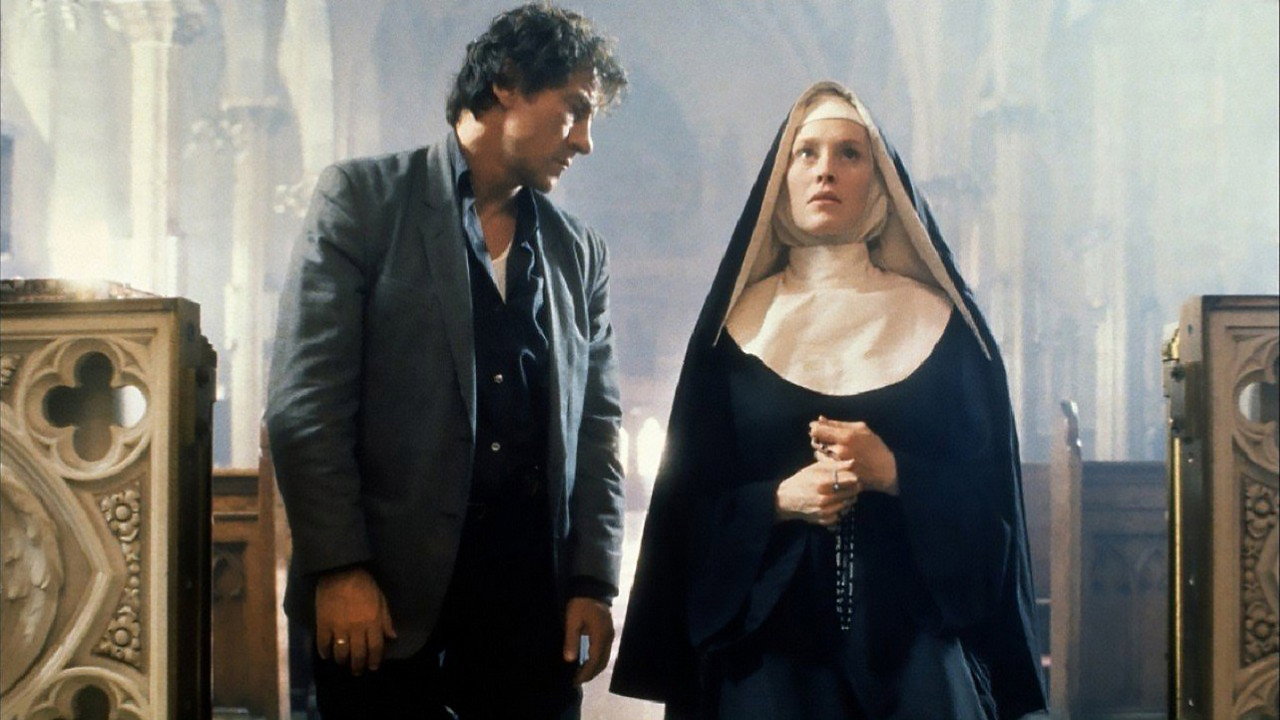
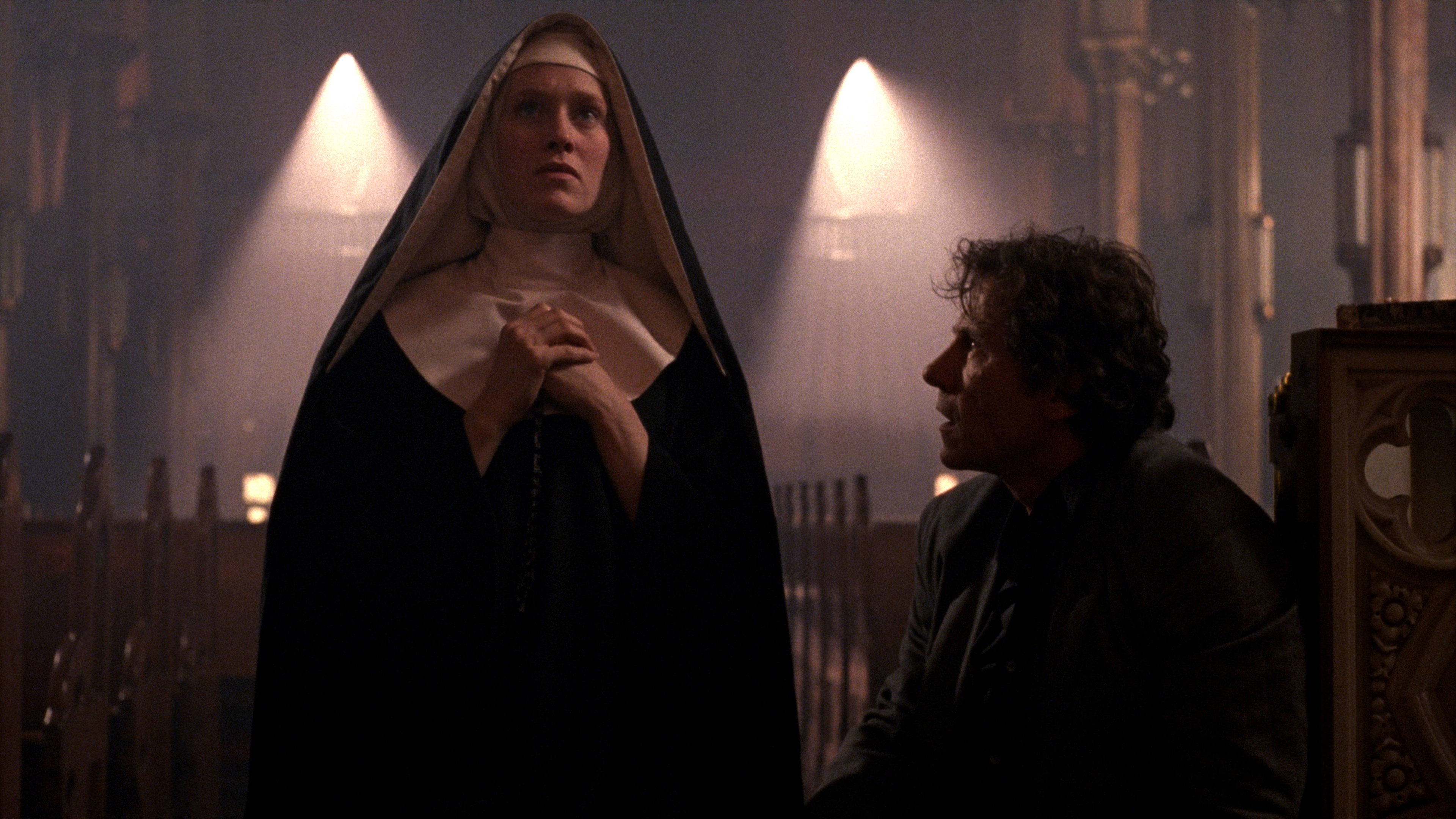
The investigation into a nun’s rape gives Ferrara and Lund a way to confront that question, and it is the film’s most troubling choice. Frankie Thorn’s nun deserves more attention than the film’s concentration on the lieutenant allows. There is a cost to using a woman’s suffering to examine a man’s conscience, however seriously the film takes the assault. The religious concerns become overbearing when we are being asked to consider his possible forgiveness before we have been given enough reason to care about her.
This is also why Bad Lieutenant sits awkwardly within the pleasures usually offered by a crime film. The investigation supplies no comfortable position from which to watch a capable professional sort out other people’s wrongdoing. We are stuck with the wrongdoing of the man employed to investigate it. Ferrara makes that proximity exhausting, and Keitel makes it difficult to dismiss the lieutenant as a convenient monster. The performance keeps demanding attention even when the writing has become insistent.
Allow for its 96 minutes to feel longer, without assuming that is entirely a complaint. Ferrara gives us little opportunity to recover between the lieutenant’s abuses and humiliations. The explicit drug use, sexual material and sexual violence make this a poor choice for an evening that needs easing along. Choose it for Keitel, provided the person sharing the sofa has also agreed to spend the evening in this company.