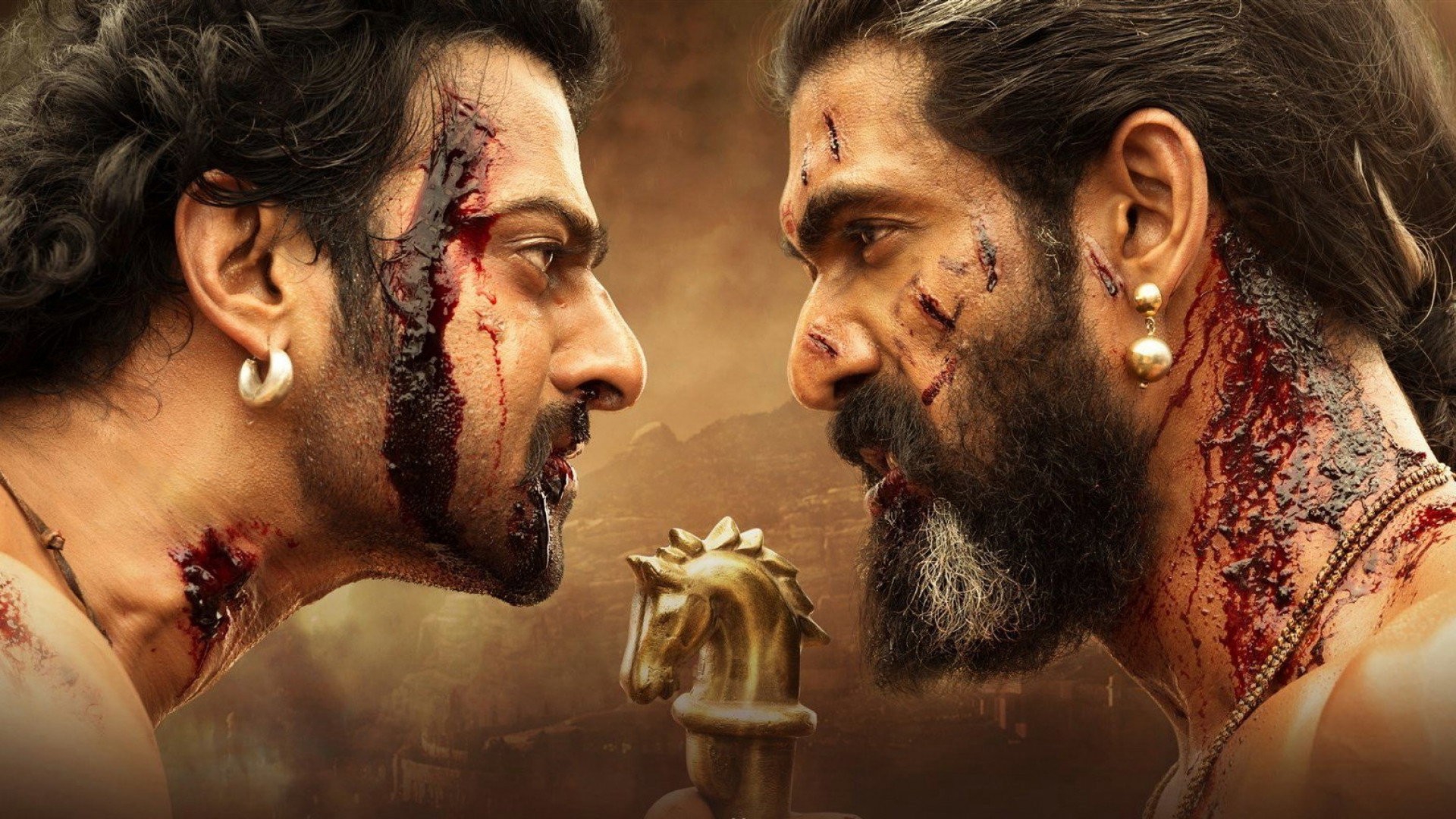
S. S. Rajamouli’s extravagant action fantasy earns its scale through inventive choreography and unembarrassed feeling. The length and relentless emphasis can wear us down, but Prabhas and Anushka Shetty make the impossible worth caring about.
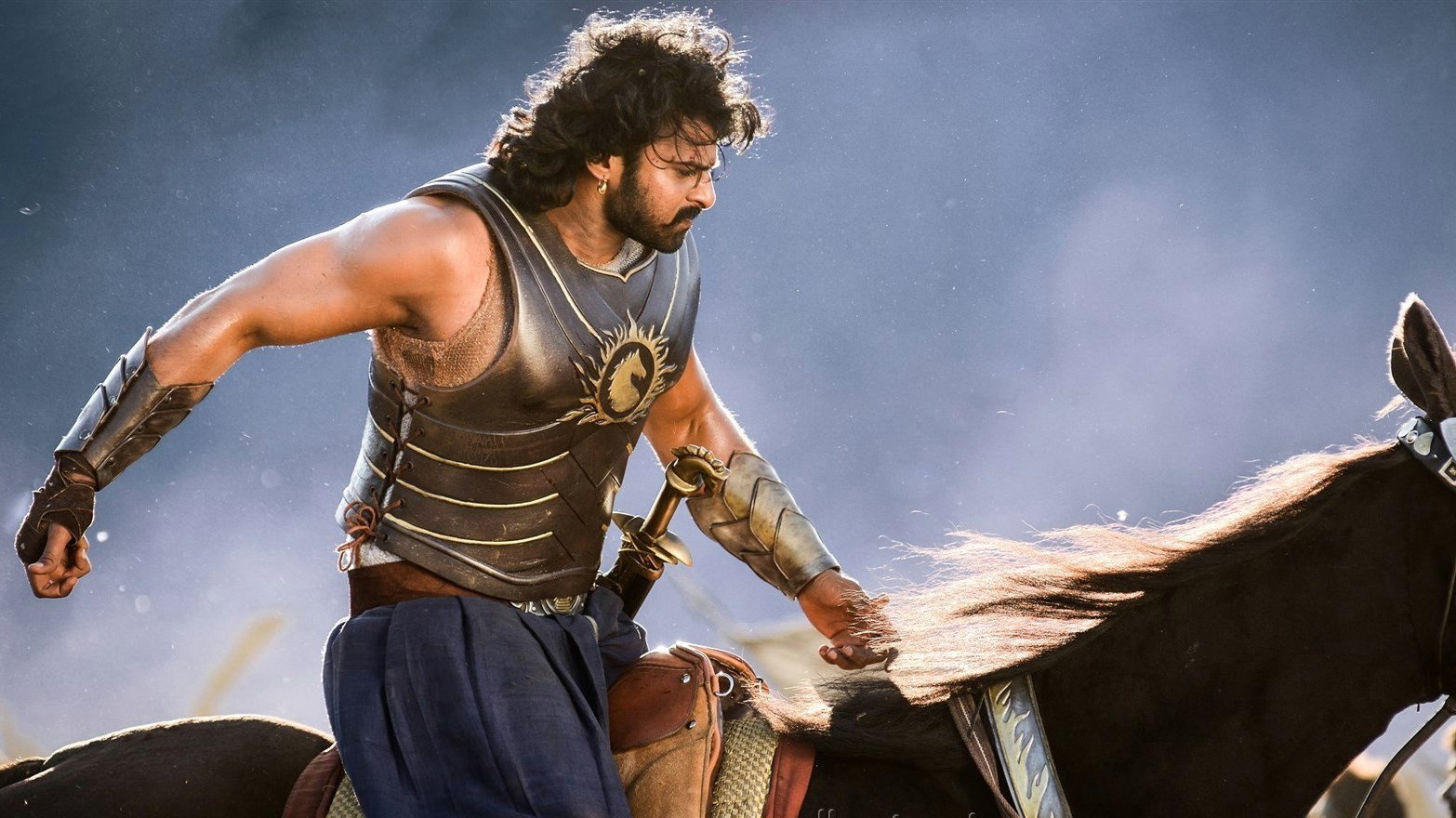
S. S. Rajamouli takes the impossible seriously, and that is a good start for an action fantasy. Bāhubali 2: The Conclusion is an exuberant, sometimes exhausting film whose inventive fighting earns the emotional weight placed on it. At 167 minutes, it could use a firmer cut, particularly when the storytelling keeps insisting on feelings already clear enough. We recommend it with that reservation, and with gratitude for a director who does not seem embarrassed by his own enthusiasms.
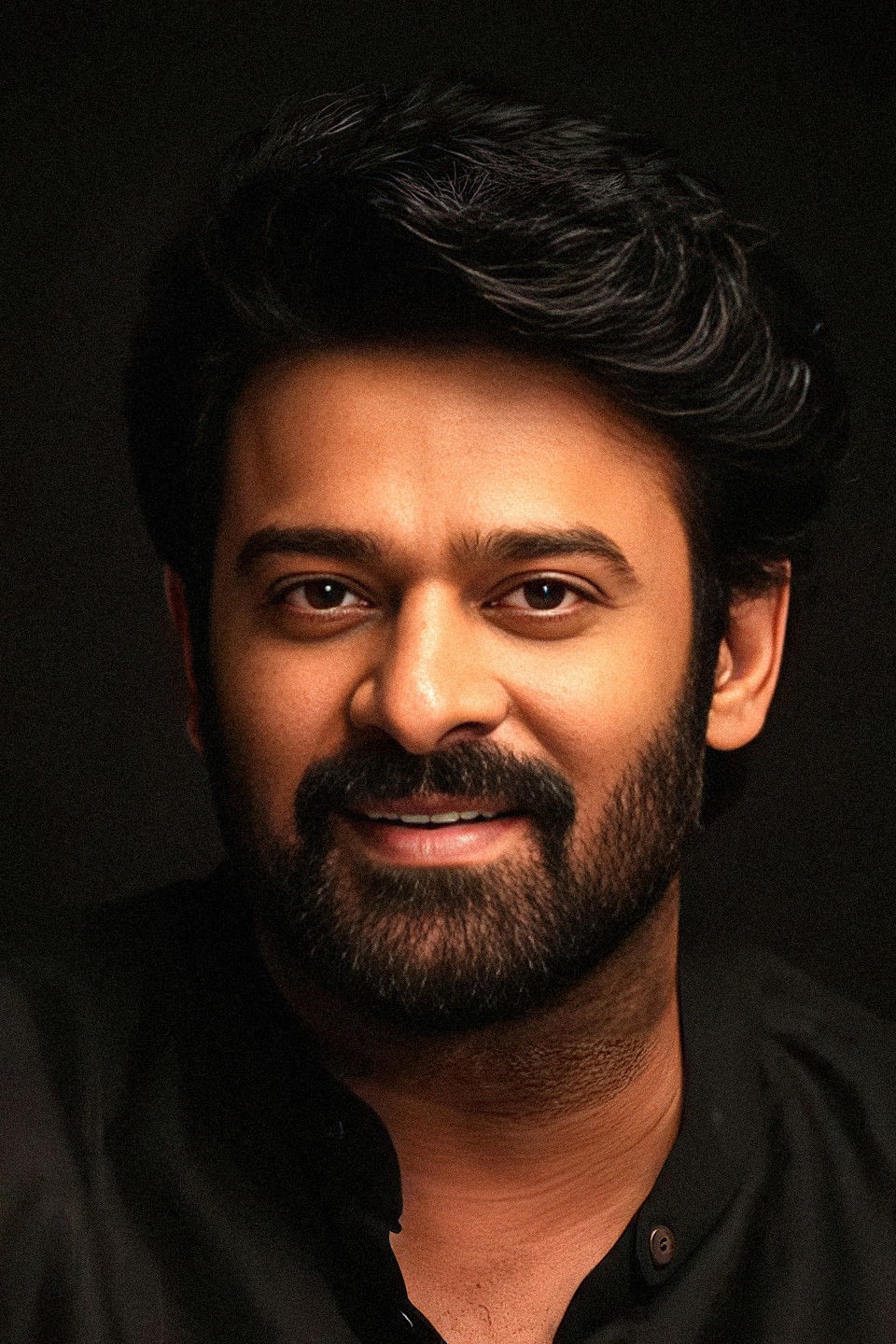
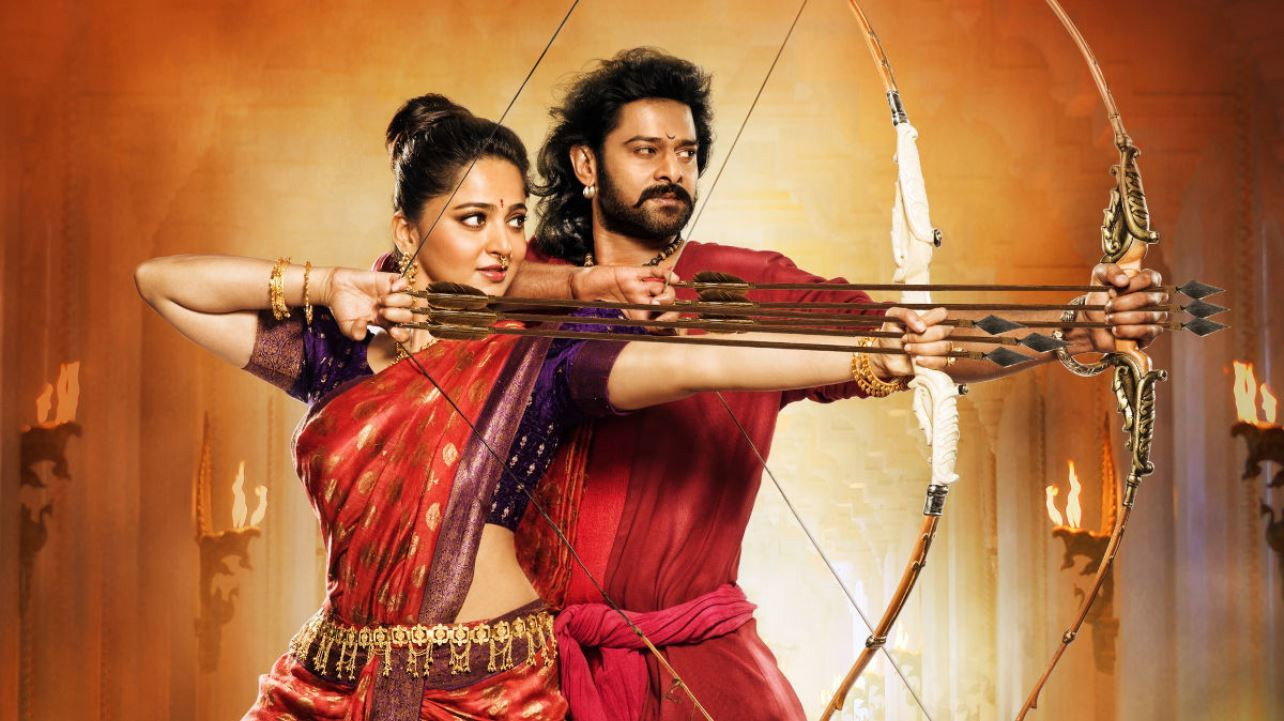
Prabhas plays both Mahendra ‘Sivudu’ Bāhubali and Amarendra Bāhubali, and his conviction is central to making such extravagance work. The telling example is an archery sequence in which Bāhubali guides Anushka Shetty’s Devasena through firing three arrows at once. We were unexpectedly moved by the care within that feat: the action gives the pair something to do together, and lets skill express affection. Shetty makes the exchange feel shared, keeping it from becoming merely another demonstration of the hero’s capabilities.
K.K. Senthil Kumar’s cinematography makes the arrangement of the archers expressive as well as readable. The framing allows us to follow the feat and notice the relationship developing through it, without having to choose where to look. Editor Kotagiri Venkateswara Rao gives the inventive choreography room to register; the pleasure lies in understanding an impossible movement well enough to enjoy its nerve. There is humour in that physical excess, too, and the cutting gives us time to enjoy it.
Sabu Cyril’s production design gives the action enough space to look extravagant without making the people seem incidental. M.M. Keeravaani’s music also commits to the emotion, and that directness suits the film. It can become wearing when image and score press quite so hard at the same time. We would welcome a little less emphasis in those passages, particularly after the action has already made its point.
Rajamouli’s screenplay has a related weakness: once we understand what someone feels, it is liable to tell us again. Some of this is part of the pleasure of such openly emotional storytelling, and constant restraint would be the wrong demand. But pace still matters, even when the people on screen can perform these feats. The longer stretches could use more of the decisiveness that Rao brings to the fights, and more of the ease of Prabhas and Shetty together.
We have little patience with fantasy that spends half its energy assuring us it knows how silly it looks. Rajamouli is willing to risk that silliness, which gives the action a freedom that cautious fantasy often lacks. The pleasure is in watching an idea pursued beyond the point where a more nervous film might stop. That confidence also explains why the excess is forgivable: the invention keeps repaying our attention, even when the telling takes too long.
Give it an evening when there is time to settle into its scale and accept its taste for grand declarations. Anyone seeking spare plotting or plausible combat should take those reservations seriously. Do not choose it as something to have on while finishing something else.