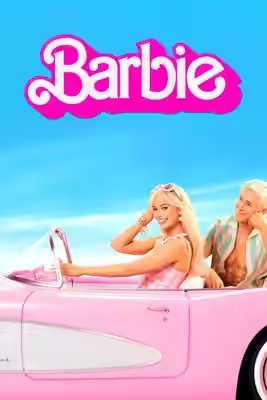
Greta Gerwig’s Barbie is a proper comedy first, sharp about its own absurdities and built with wit down to the fake water. The second half swaps jokes for speeches, and it is a duller film for as long as it is speaking.
Greta Gerwig has made a film about Barbie with the blessing of the people who sell Barbie, and the surprise is how little that has cramped her. Barbie is a real comedy, with jokes that land and a town built to make them land. For an hour it is as sharp as studio comedies get. Then it leaves for the real world and begins arguing its case in speeches, and the arguing is the least funny thing in it. We recommend it, warmly, with that reservation.
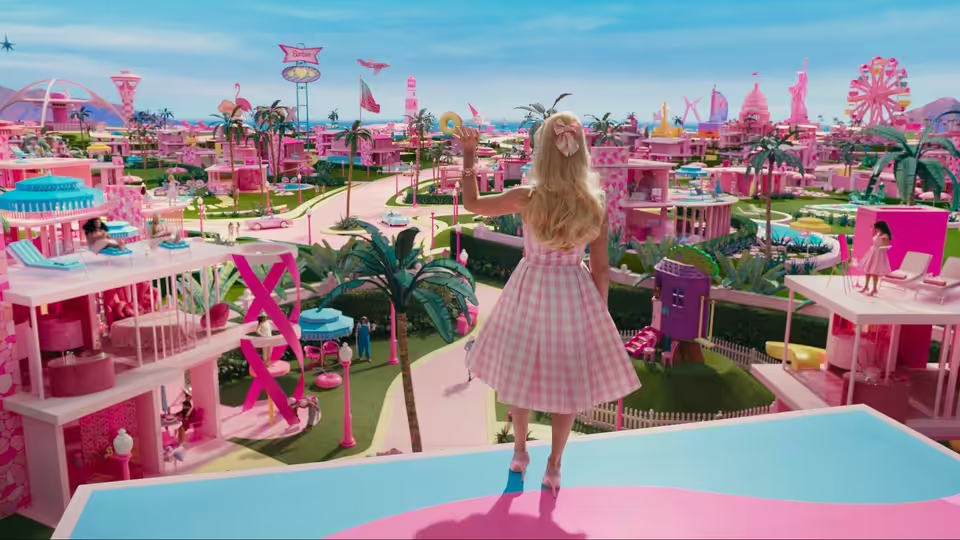
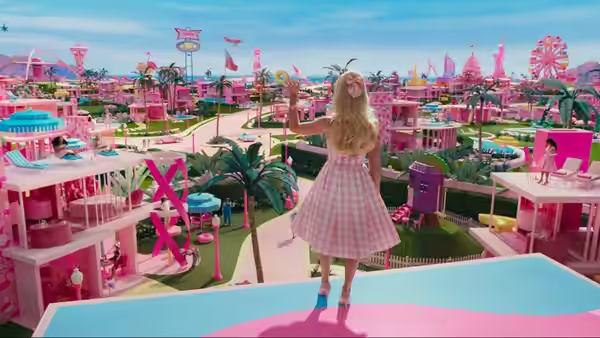
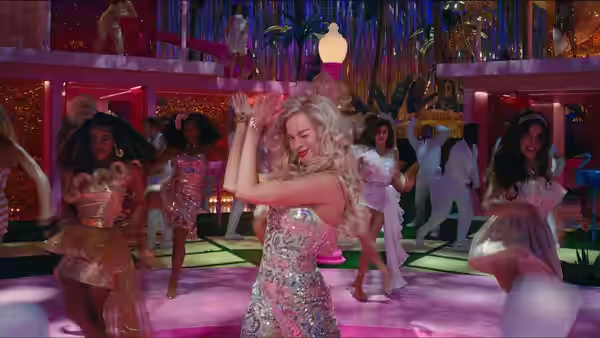
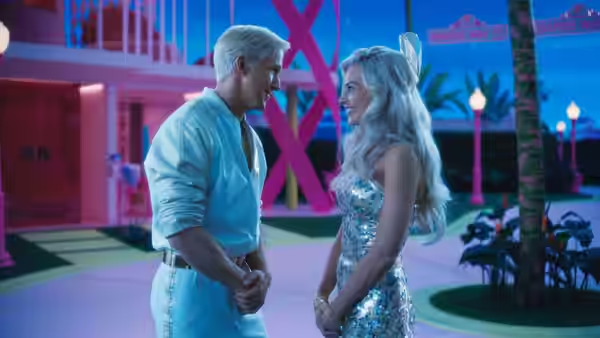
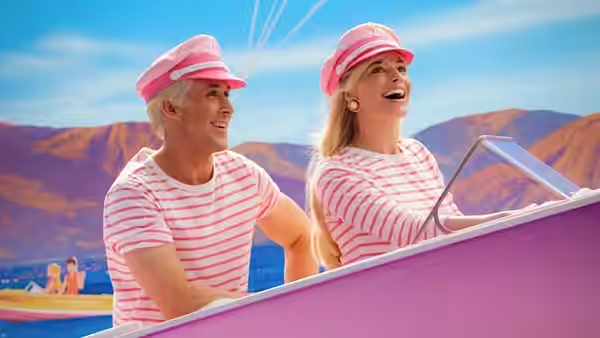
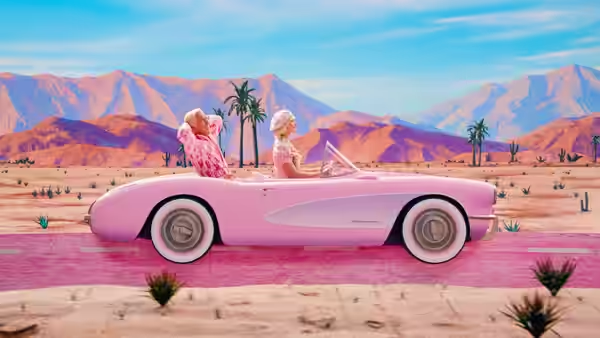
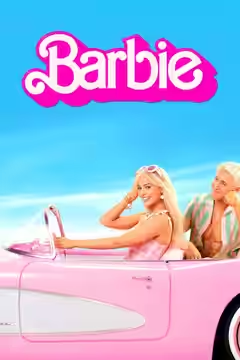
Sarah Greenwood’s Barbieland is the film’s best joke and it keeps telling it. The sea is a painted wave nobody can get into. The cars are a size too small, so Margot Robbie drives with her knees up by the wheel, and the houses have no walls, so the day begins with a street of women waving through open air. Rodrigo Prieto lights it evenly from every side, the way a bedroom lamp lights a toy, and the colours are the colours of the box. Jacqueline Durran puts the Kens in matching outfits in different shades and changes Barbie’s clothes for every scene, because that is what Barbie is for.
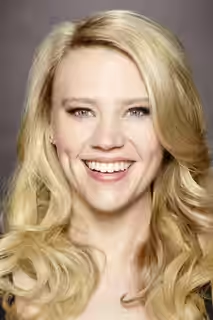
Robbie has to play a woman who has never had a thought and is starting to. Her Barbie is untroubled to the point of blankness, and Robbie makes the first cracks funny: a morning when her heels touch the floor, a shower that runs cold, a question at a party about whether anyone else ever thinks about dying. Kate McKinnon, as the Barbie who was played with too hard, arrives with felt-tip on her face, hair cut with kitchen scissors and legs stuck in a permanent split. We laughed and then felt a small pang, because everyone who ever owned a Barbie made one of these. McKinnon gets that in about a minute of screen time.
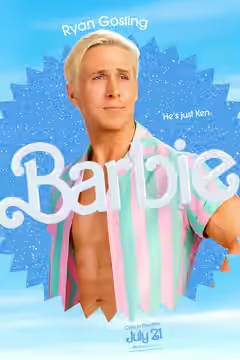
Ryan Gosling’s Ken has been praised everywhere, rightly. Ken’s job is beach. Not lifeguard; beach, and he is firm about the difference. Gosling plays him as a man who has never had one thought interrupted by another, and his face, when Barbie fails to notice him, does more than the script asks of it. Mark Ronson and Andrew Wyatt give him a song in the second half, and Gosling sings it with complete sincerity, which is the only way it could have worked.
Los Angeles is where the trouble starts. In Barbieland the sets made the argument for Gerwig and Noah Baumbach; in the real world they have to make it themselves, and they do it out loud. America Ferrera’s Gloria is warm and exact in a part that exists mainly to make a point, and Ariana Greenblatt’s Sasha is handed a denunciation of Barbie that sounds like an opinion column read aloud. Ferrera’s speech is well acted, and we felt it had been written to be quoted rather than said. Nick Houy’s editing is quick in Barbieland; late on it keeps stopping so that someone can finish a paragraph, and the film feels longer than its 114 minutes.
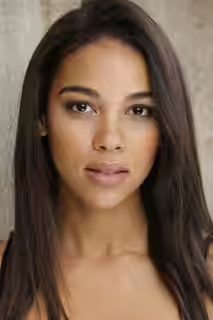
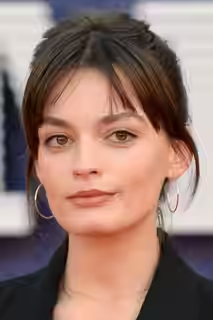
Issa Rae, Emma Mackey, Hari Nef and Sharon Rooney are billed in the top ten as Barbies, and between them they get perhaps a dozen lines. A film about women being able to be anything gives most of its women little to be.
Gerwig and Baumbach wrote Frances Ha, a comedy about a woman explaining herself badly, and it was funny because she never got it right. Barbie is a comedy about people explaining themselves well, at length, and to general agreement. What survives the speeches is the sadness underneath, about a girl putting a toy away without knowing it is the last time, and Gerwig gets at that in pictures more than once, without a word of help.
See it in a full cinema; the jokes need company, and the fake water needs a screen big enough to show there is none. It is a 12A, and the children near us laughed at the cars and went quiet in the last act, which is more or less what we did.