Reese Witherspoon makes this predictable comedy a pleasure, giving Elle Woods enough wit and determination to survive some indifferent jokes. Its affection for her is persuasive; the comic timing could be sharper.
Reese Witherspoon makes Legally Blonde worth an evening, even when the jokes are doing the minimum. Director Robert Luketic takes a fashion-conscious sorority sister to Harvard Law School, where her taste in clothes gives everyone an excuse to underestimate her. The point is to watch her insist on being taken seriously without having to apologise for what she likes. It is a good-natured, uneven comedy, and its confidence in Elle is usually enough to keep us interested.
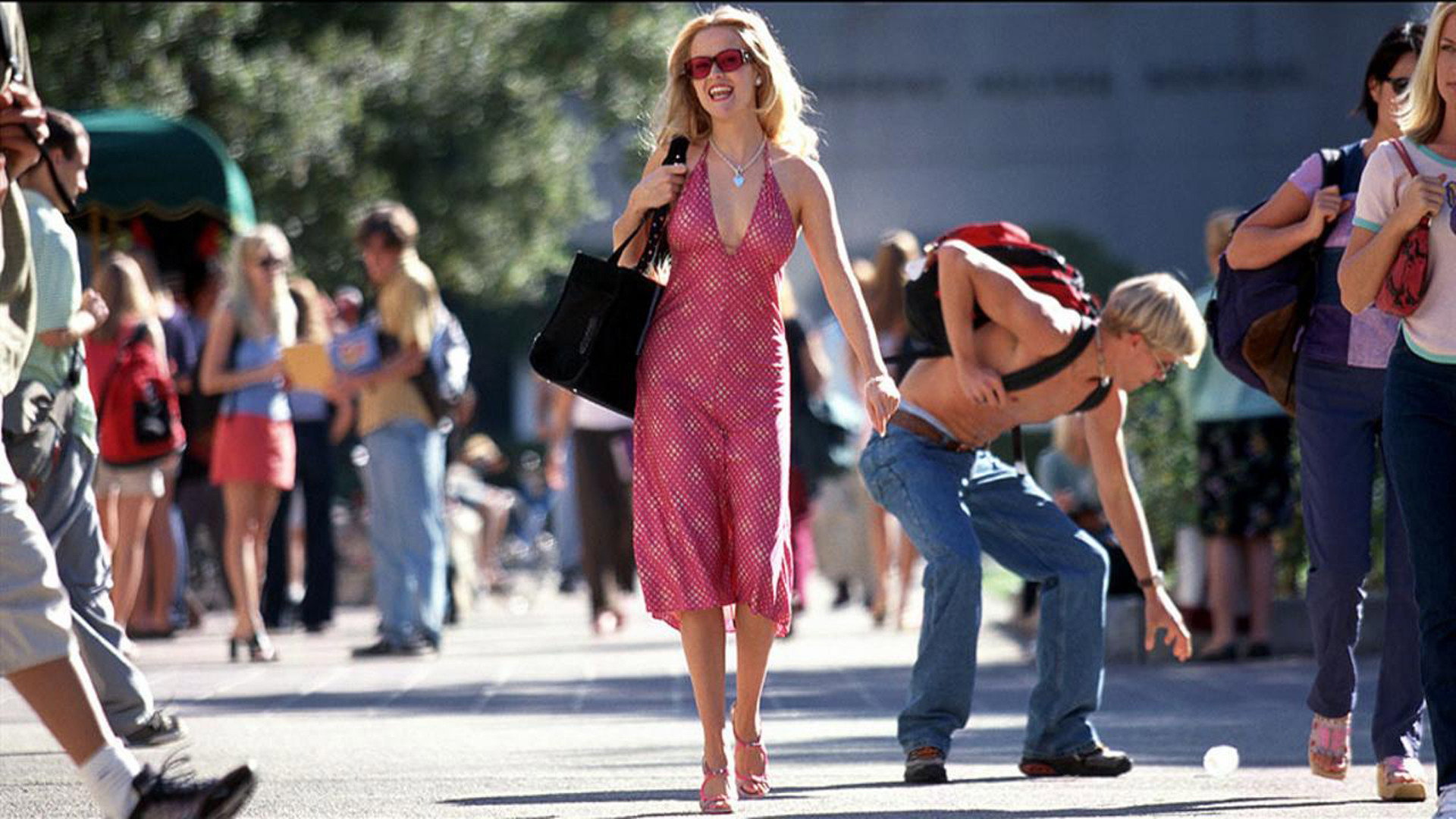
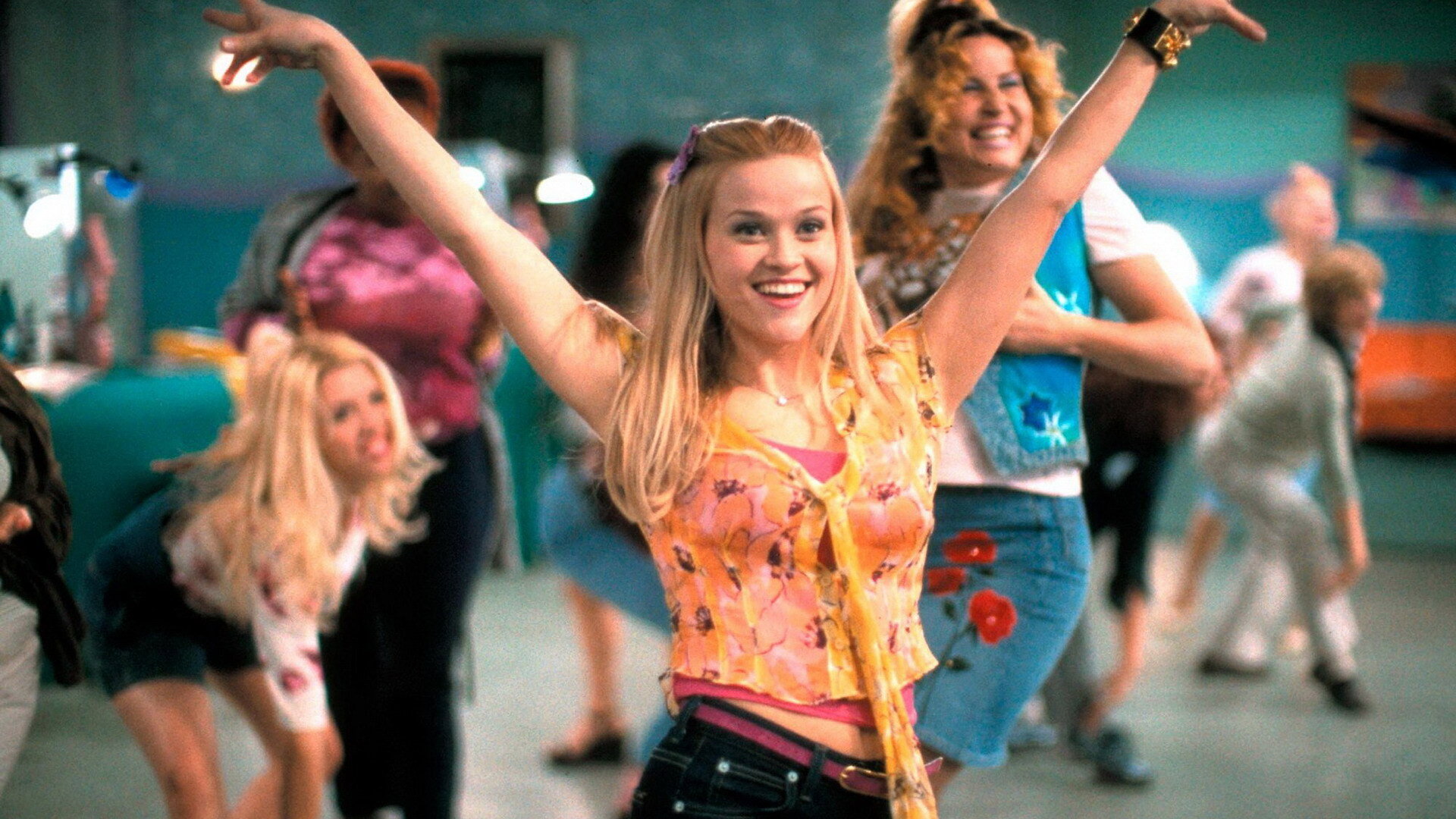
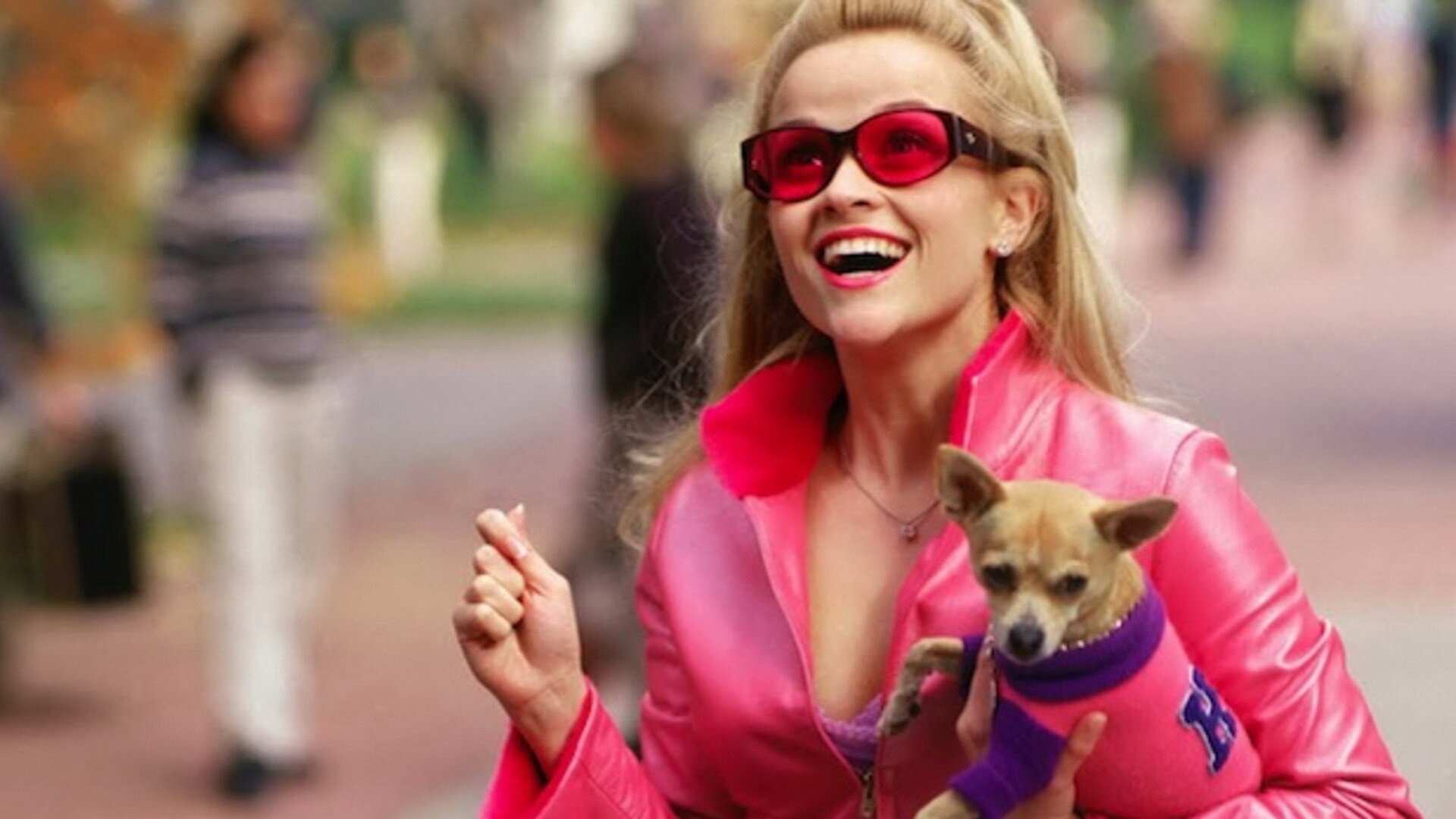
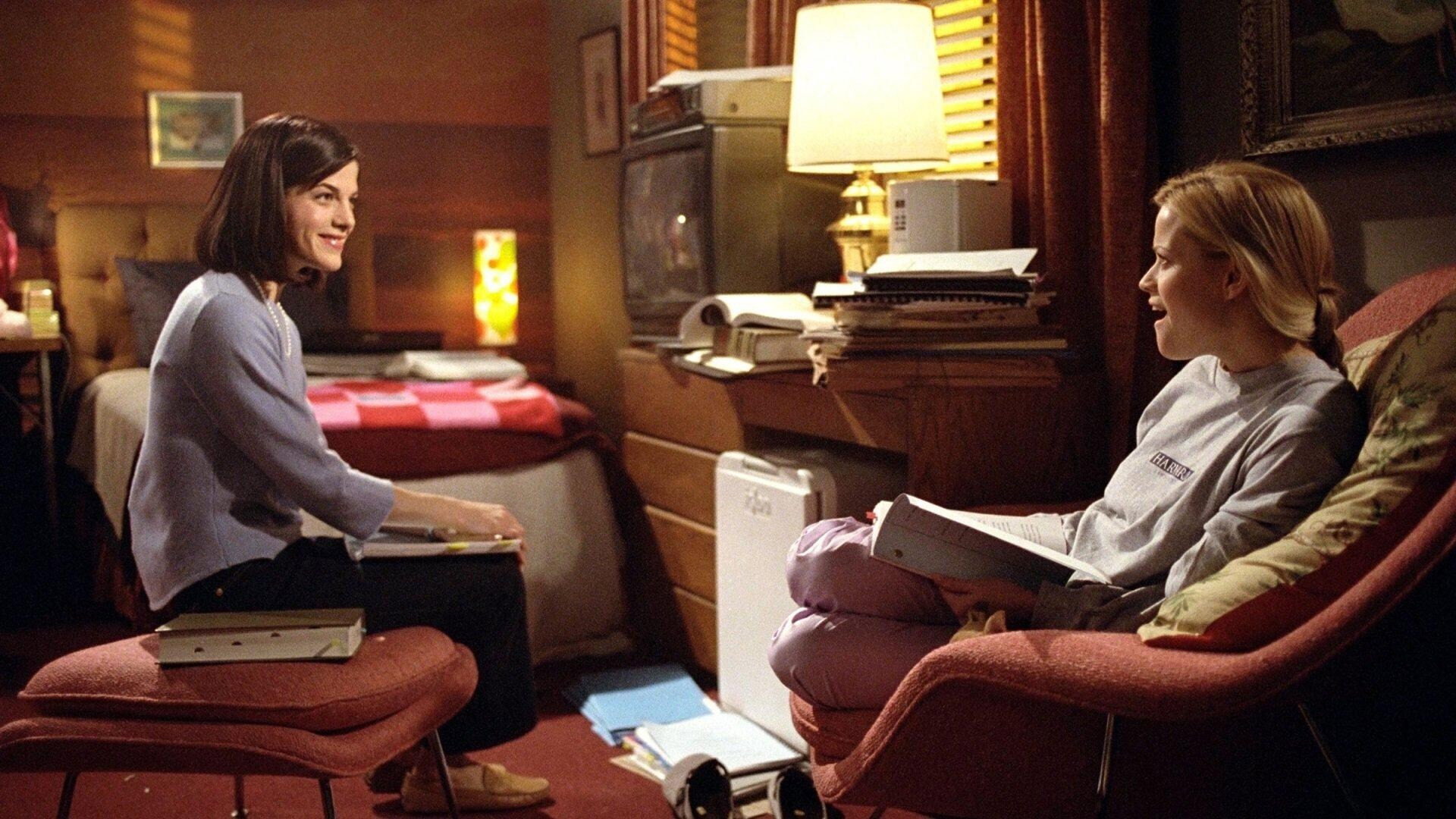
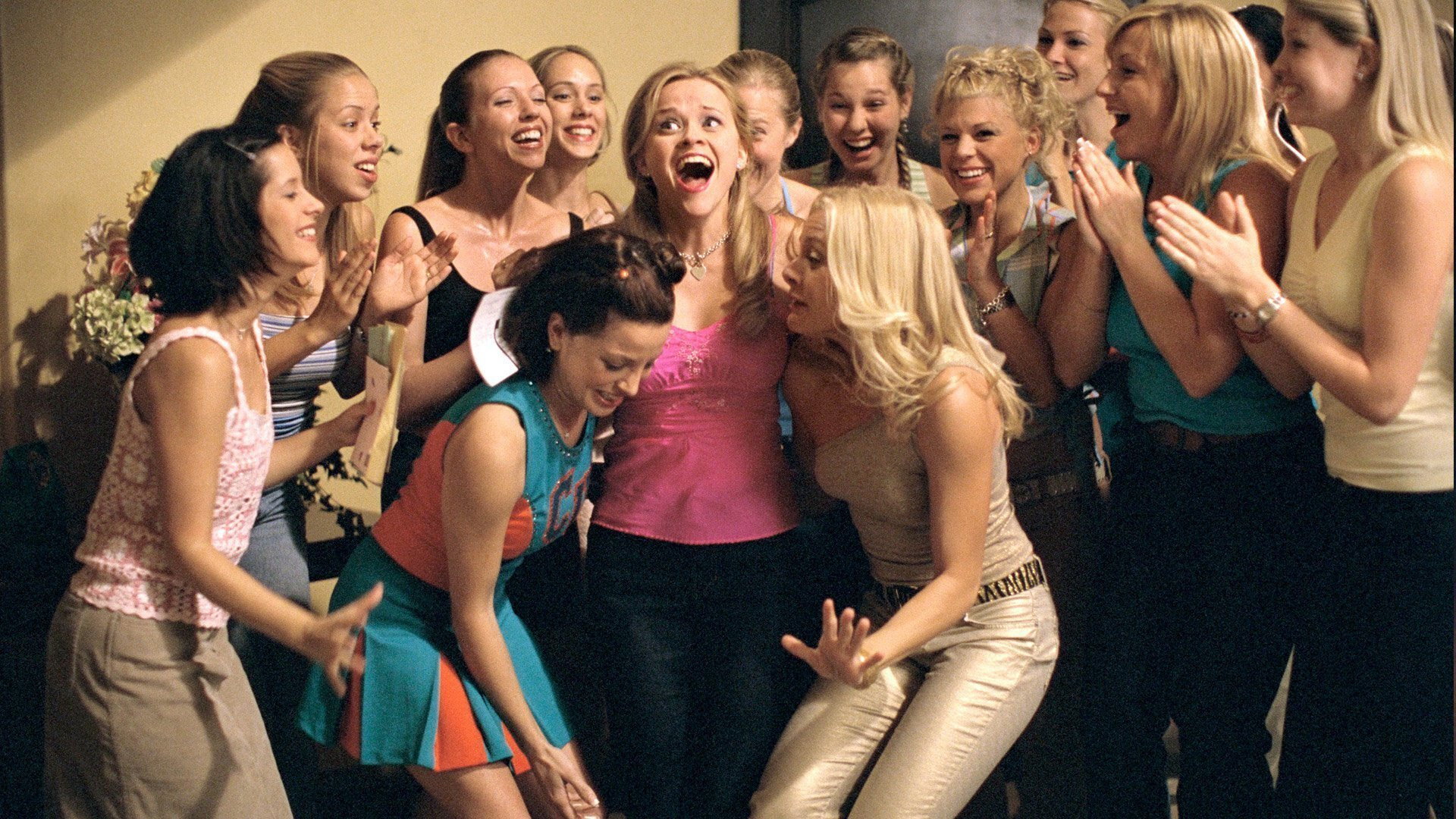
Witherspoon makes Elle’s enthusiasm credible because she never treats it as evidence of stupidity. There is quick thought in the performance, and a willingness to be ridiculous that never feels like an invitation to despise her. We laughed at the sight of her in pink in Harvard’s halls, then felt slightly ashamed of how readily we had joined in. Witherspoon makes the assumption that this woman cannot belong there seem mean, and gives us plenty of reason to want her to stay.
Anthony B. Richmond’s glossy cinematography suits a film so comfortable with its heroine’s interest in appearances. Costume designer Sophie de Rakoff uses pink to let us grasp the social problem before anyone explains it. Missy Stewart’s production design gives those clothes an academic setting to stand out against, so the joke remains clear even when the dialogue is less sharp. We understand immediately that Elle has entered a place with firm ideas about what a serious person ought to look like.
Karen McCullah and Kirsten Smith’s screenplay is less reliable about finding comic situations to match her. The jokes about school and status have a clear target; elsewhere, too much depends on our liking Elle enough to accept a familiar bit of silliness. We usually do, although sweetness occasionally substitutes for a finished joke. Luketic also has trouble judging when a comic point has been made, allowing some passages to continue after the laugh has gone.
Editors Anita Brandt-Burgoyne and Garth Craven keep the simple story moving, even if the comic timing remains uneven. The 96-minute running time is sensible for material this light. Rolfe Kent’s score helps maintain the cheerful tone, but its encouragement sometimes makes a modest joke feel overstated. The music is more welcome when it supports Elle’s optimism, which Witherspoon has already made convincing without much assistance.
Most critics are less enthusiastic than we are, finding the familiar story too thin to support Witherspoon’s performance. We think they underestimate the pleasure of a fish-out-of-water comedy that allows its heroine to keep her tastes and her dignity. Making a fashionable woman pass an intelligence test for our amusement could have made for a dreary evening. The film’s affection for Elle matters: we want her taken seriously, and the predictable plotting does not cancel that feeling.
Anyone hoping for a pointed examination of privilege will have to supply a good deal of it themselves. Harvard provides a useful collection of social assumptions, but the film has limited interest in the institution once it has something to prove about Elle. Choose it for Witherspoon, and allow a few jokes to go unanswered.